Train. Compete. Recover.
A multi-purpose athletic facility in Speedway, Indiana — basketball leagues, skill training, and wellness services all under one roof.
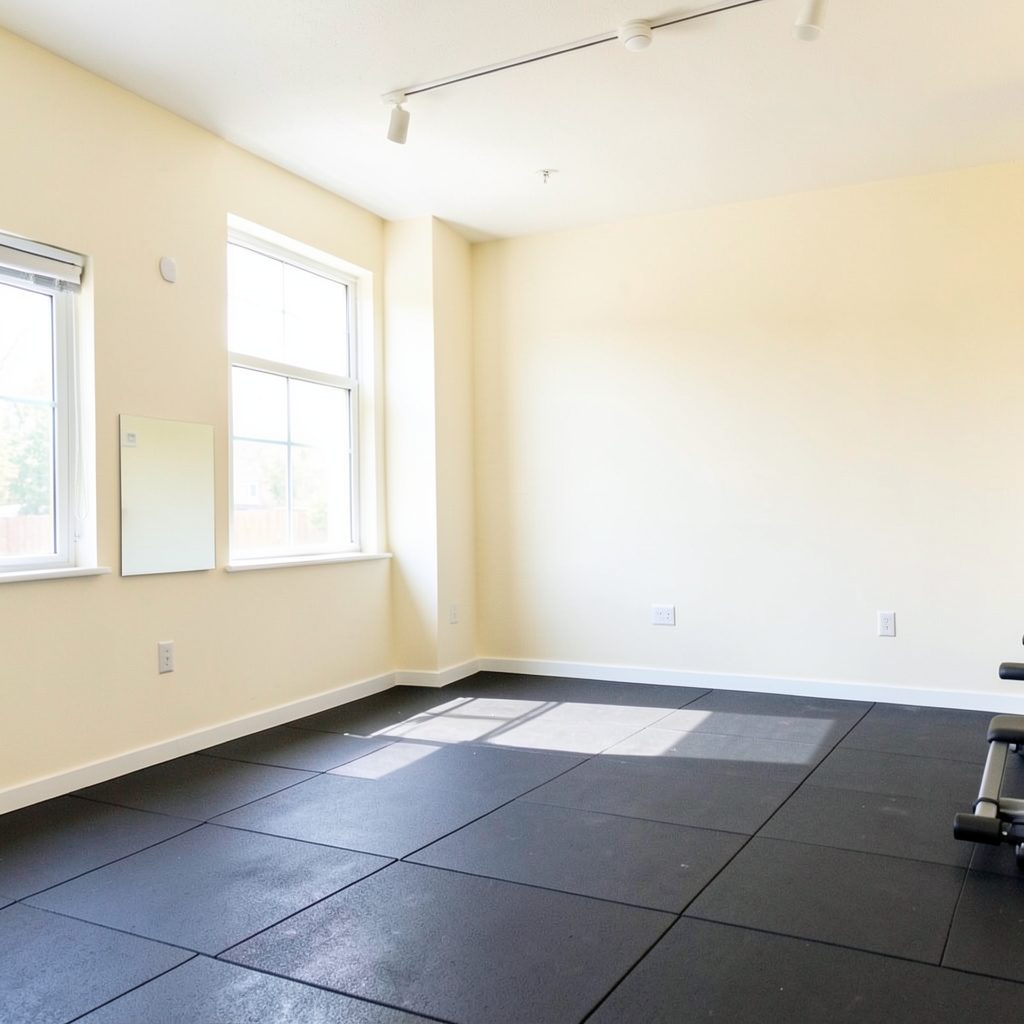
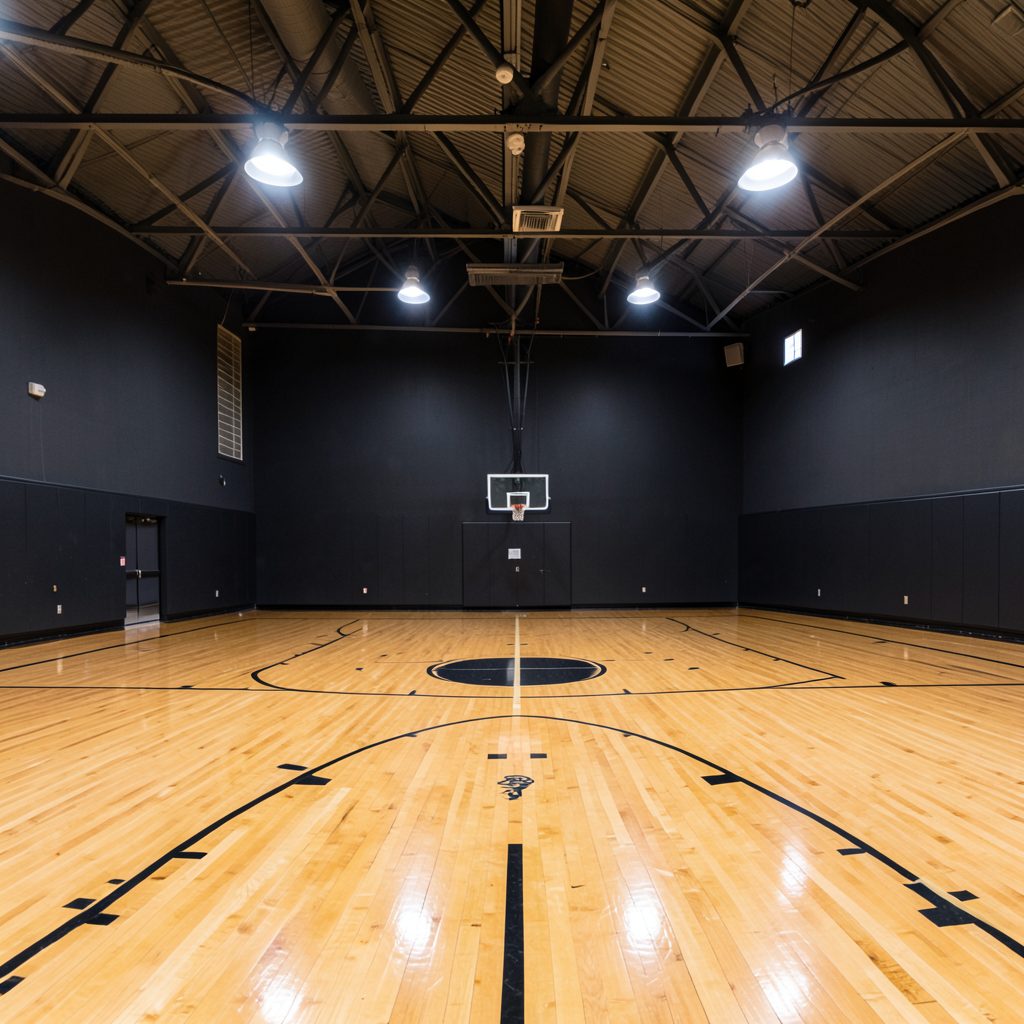
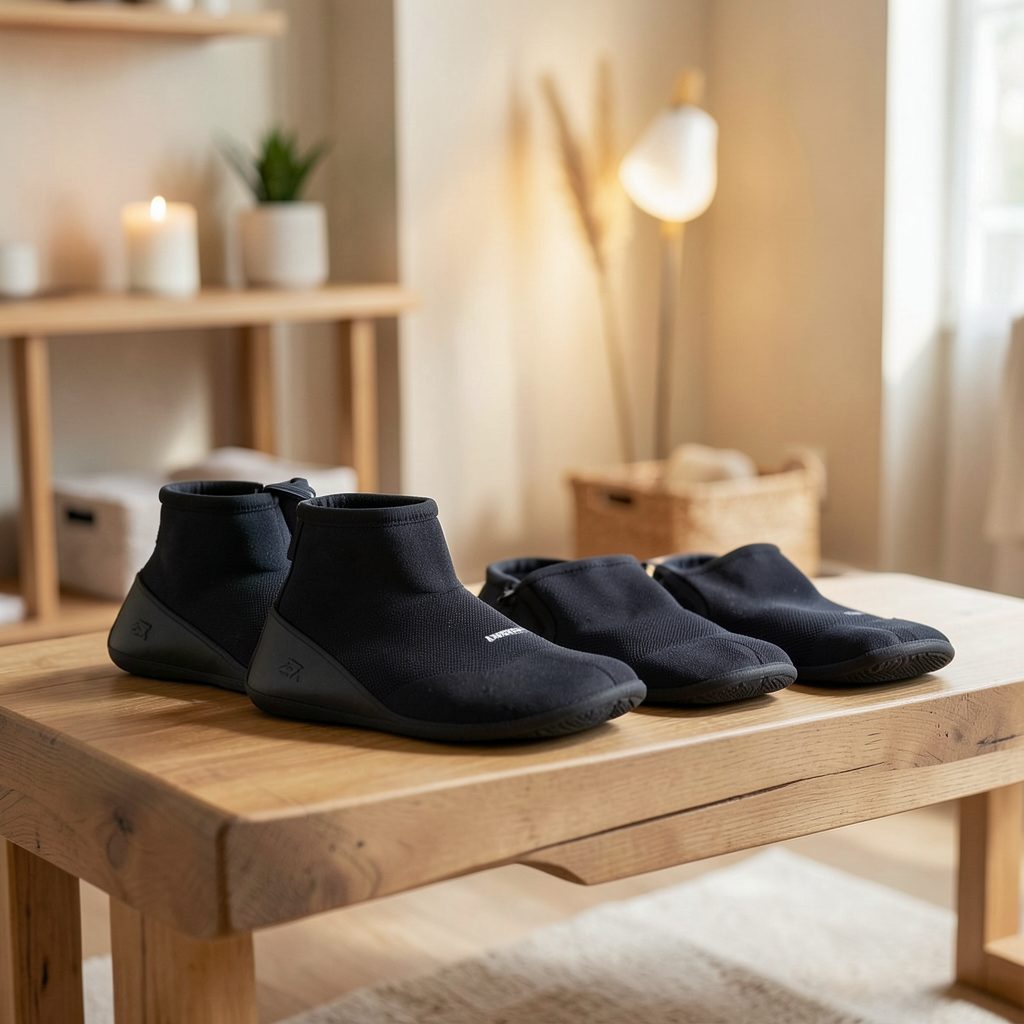
The Factory D1 Indy brings together three entities under one roof: competitive basketball leagues for all age groups, individual and group training, and wellness & recovery services including Normatec boot recovery and cryotherapy. Located off I-465 and High School Road at 6331 Crawfordsville Road, Speedway, Indiana 46224.
Get In Touch7 Drills to Improve Your Basketball Crossover Dribble
A sharp crossover dribble helps a ball handler change direction, create separation, and attack an open driving lane. The move looks simple, but effective execution depends on timing, balance, hand strength, footwork, and the ability to read a defender’s position.
Players of every age can improve their handle by practicing with purpose. A youth athlete may focus on control and coordination, while an experienced guard may work on changing pace, protecting the ball, and chaining the crossover into a pull-up jumper or drive.
The most productive basketball dribbling workouts begin with clean technique and gradually add speed, pressure, and decision-making. These seven drills build those qualities in stages, making them useful for individual training, team practices, and competitive league preparation.
Build The Base Before Adding Speed
Start in an athletic stance with your feet slightly wider than shoulder-width apart, knees bent, chest lifted, and hips lowered. Keep your head up and push the ball across your body with your fingertips rather than slapping it with your palm. The dribble should stay below your knee when you are changing direction at game speed.
A crossover is more convincing when your shoulders, eyes, and hips sell the first direction. Shift your weight toward the outside of one foot, then drive the ball across your body and push off in the opposite direction. Keep the ball in front of your frame and use your non-dribbling arm naturally to protect the handle without extending it into the defender.
Practice each drill with both hands. Begin at a controlled pace, then increase speed only when the ball remains close and your posture stays balanced. Ten focused repetitions are more valuable than a fast series of loose, uncontrolled dribbles.
Stationary Crossover Series
The first drill is a low, stationary crossover. Stand in place and move the ball from hand to hand at knee height, keeping your shoulders square and your feet planted. Complete three rounds of 20 seconds, resting briefly between rounds. Concentrate on quick fingertips and a consistent rhythm.
Once the basic motion feels comfortable, add a double crossover. Move the ball across your body, immediately bring it back, and then repeat. This trains hand speed and helps you feel how quickly the ball can change direction. Keep the motion compact; wide swings make the ball easier to steal.
The second drill is the figure-eight crossover. Step into a staggered stance and guide the ball around and between your legs in a figure-eight pattern. You can begin by wrapping the ball around one leg, then progress to a front crossover through the legs. This variation improves coordination while teaching you to keep the ball protected near your hips.
Moving Crossover Drills
The third drill is the cone-to-cone crossover. Place two cones five to seven feet apart and dribble toward the first marker. At the cone, lower your hips, plant your outside foot, and cross the ball to the opposite hand before accelerating toward the second cone. Repeat down the court, alternating the direction of each crossover.
Do not drift upright after the move. Your first two steps after the crossover should be aggressive and angled toward the space you created. A useful progression is to reduce the distance between cones, which forces a tighter change of direction and demands better control.
The fourth drill is the hesitation-to-crossover. Dribble forward at a moderate pace, briefly slow your steps and raise your eyes as though you might stop or shoot, then explode into a crossover. The hesitation makes the defender pause before the change of direction. Keep your upper body relaxed and let the burst come from your hips and legs.
Add Defensive Pressure And Finishing
The fifth drill uses a live shadow defender. A partner slides laterally in front of you without attempting a steal. Attack the defender’s top foot, use a crossover to move away from that foot, and finish with three hard dribbles toward the basket. Switch roles after several repetitions.
As your confidence improves, allow the defender to apply light ball pressure. This changes the exercise from a memorized movement into a realistic ball-handling decision. Keep your eyes up and protect the ball with your shoulder. If the defender cuts off the first lane, retreat with a controlled dribble and try again rather than forcing a dangerous pass.
The sixth drill is crossover-to-pull-up. Start from the wing or top of the key, use a hard crossover to create room, and rise into a balanced jump shot. Land with your feet under your shoulders and maintain your shooting alignment. This combination teaches defenders that your crossover can lead to either a drive or an immediate jumper.
Create Space In Realistic Combinations
The seventh drill is the crossover-read sequence. Begin at the top of the key and imagine a defender positioned slightly to one side. Use a hesitation, crossover, or retreat dribble based on the available lane. If the path is open, attack the rim; if help defense steps up, stop for a jumper or make a controlled pass.
This drill develops the decision-making that separates a flashy handle from a useful one. Change the starting angle, use both hands, and finish with layups from either side. A coach or teammate can call out “drive,” “shot,” or “reset” after each move, forcing you to process information while maintaining your dribble.
| Drill | Primary Skill | Suggested Format | Useful Progression |
|---|---|---|---|
| Low Stationary Crossover | Finger control and rhythm | 3 x 20 seconds | Lower the dribble |
| Figure-Eight Crossover | Coordination and protection | 10 repetitions each way | Add a front crossover |
| Cone-To-Cone Crossover | Direction change | 6 court-length trips | Narrow the cone spacing |
| Hesitation-To-Crossover | Pace variation | 8 repetitions per side | Add a defender |
| Shadow Defender | Separation and shielding | 6 attacks each side | Permit light pressure |
| Crossover-To-Pull-Up | Shot creation | 10 makes | Add a closeout |
| Crossover-Read Sequence | Game decisions | 8 possessions | Use live defense |
Fix Common Crossover Mistakes
A frequent error is crossing the ball too high. A waist-level dribble takes longer to reach the other hand and exposes the ball to a defender. Keep the bounce low when changing direction, then raise the dribble only after you have gained space.
Another issue is moving the ball without moving the defender. If your feet and shoulders remain square, the crossover may be easy to anticipate. Sell the initial direction with a firm plant, a shoulder dip, and a brief change of pace. The ball should follow a believable attack rather than move randomly from side to side.
Players also lose effectiveness by staring at the floor. Use your peripheral vision to monitor the ball while looking toward the rim, a teammate, or the defender’s chest. Review basketball training ideas and practice concepts through the digital magazine, then apply one focus point at a time during workouts.
Build A Weekly Handle Routine
A practical session can begin with five minutes of stationary control, followed by moving crossovers and finishing work. Spend equal time on the dominant and non-dominant sides, even if one hand feels less comfortable. Your weaker hand will improve through repeated quality touches, not by avoiding difficult movements.
Use these recommendations to keep your practice focused:
- Perform the stationary series as a warm-up before faster drills.
- Record a few repetitions to check posture, ball height, and foot placement.
- Add a defender only after you can complete the movement without looking down.
- Finish every session with game-speed attacks and balanced finishes.
- Track successful drives, pull-ups, and turnovers rather than counting only repetitions.
Competitive play is where ball-handling skills become reliable under pressure. After practicing these movements, use structured games to test your crossover against defenders who can contest drives, close out on shots, and change their positioning. Players looking for an organized setting can review league registration options and bring their improved handle into live competition.
A better crossover comes from repetition with intent: low dribbles, convincing changes of pace, strong footwork, and quick decisions. Build the movement gradually, train both directions, and make every practice finish with an attack that resembles the game. Schedule your next session at The Factory D1 Indy and turn these drills into a dependable part of your basketball skill set.
Inside The Factory
Three Entities, One Roof
Leagues
Eight league divisions span every age group: Indy Pro AM, 18+ Open Men's, 30+ Men's, Bite Size (ages 3–6), Impact League, 5th/6th Grade, Middle School, and High School. Gather your team and compete.
Training
Individual and group basketball training for all skill levels. Major M.O.V.E.S. Basketball Training serves ages 4–7 on Wednesday and Thursday evenings at 6:30 PM — $30 per session or $100 unlimited monthly.
Wellness & Recovery
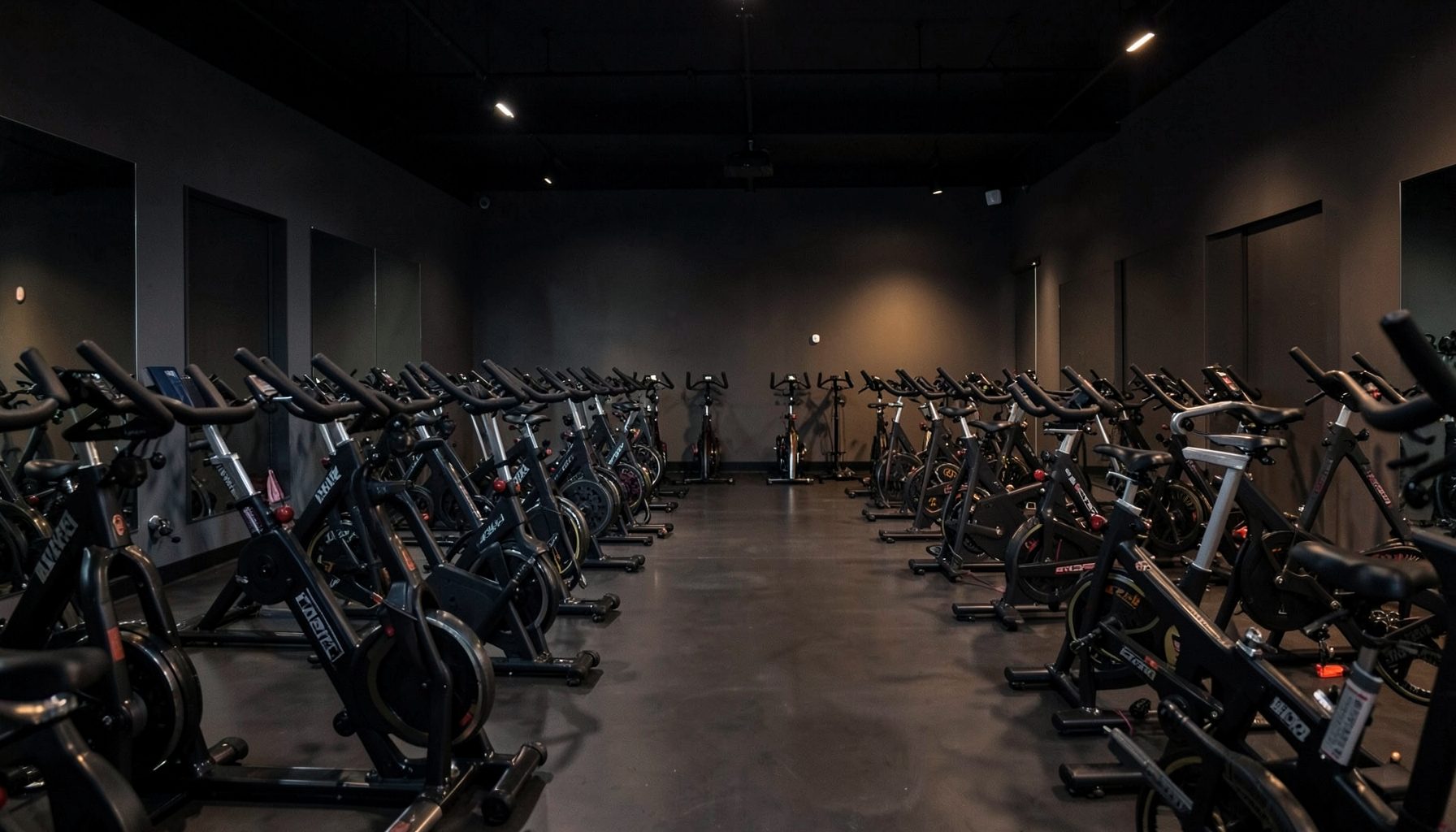
Normatec boot recovery and cryotherapy treatments help athletes bounce back faster. Cycle and spin classes add a cardio dimension to the holistic performance approach.
Have a Question?