Train. Compete. Recover.
A multi-purpose athletic facility in Speedway, Indiana — basketball leagues, skill training, and wellness services all under one roof.
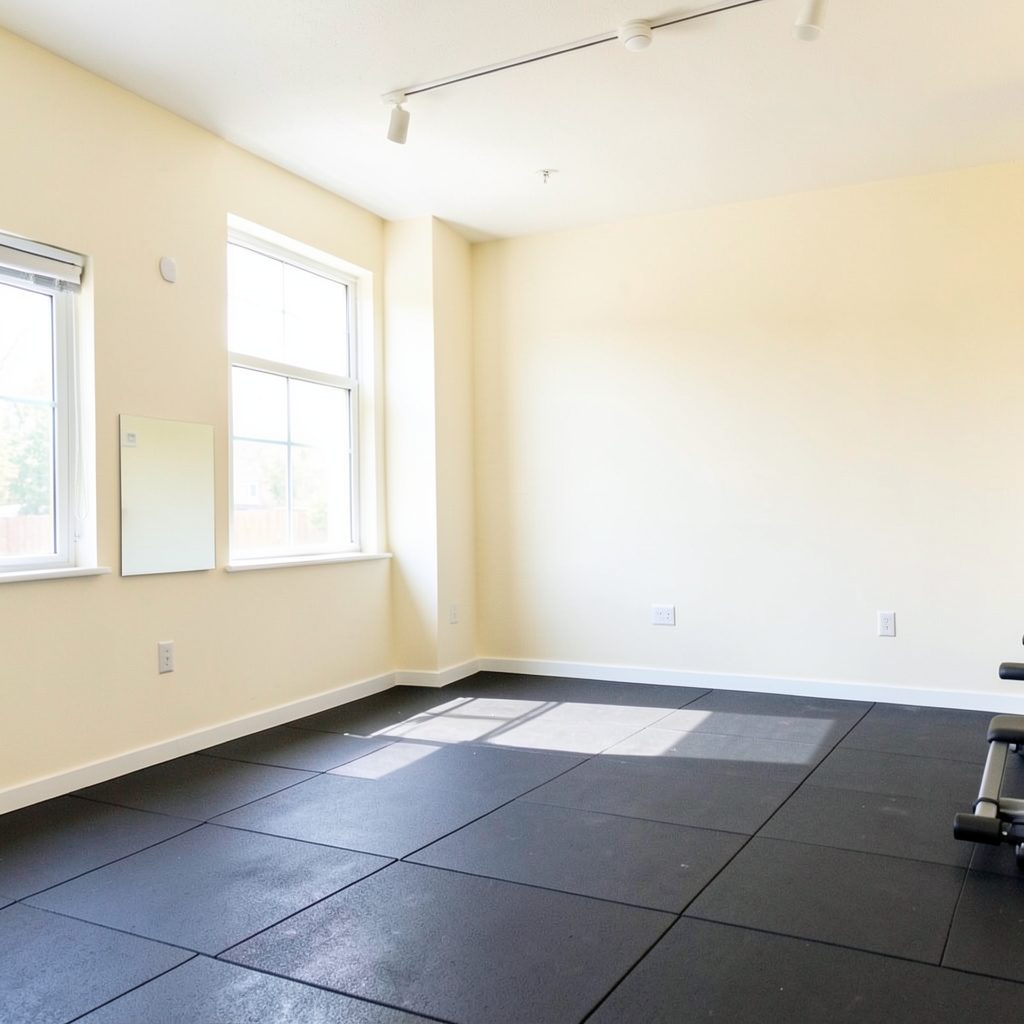
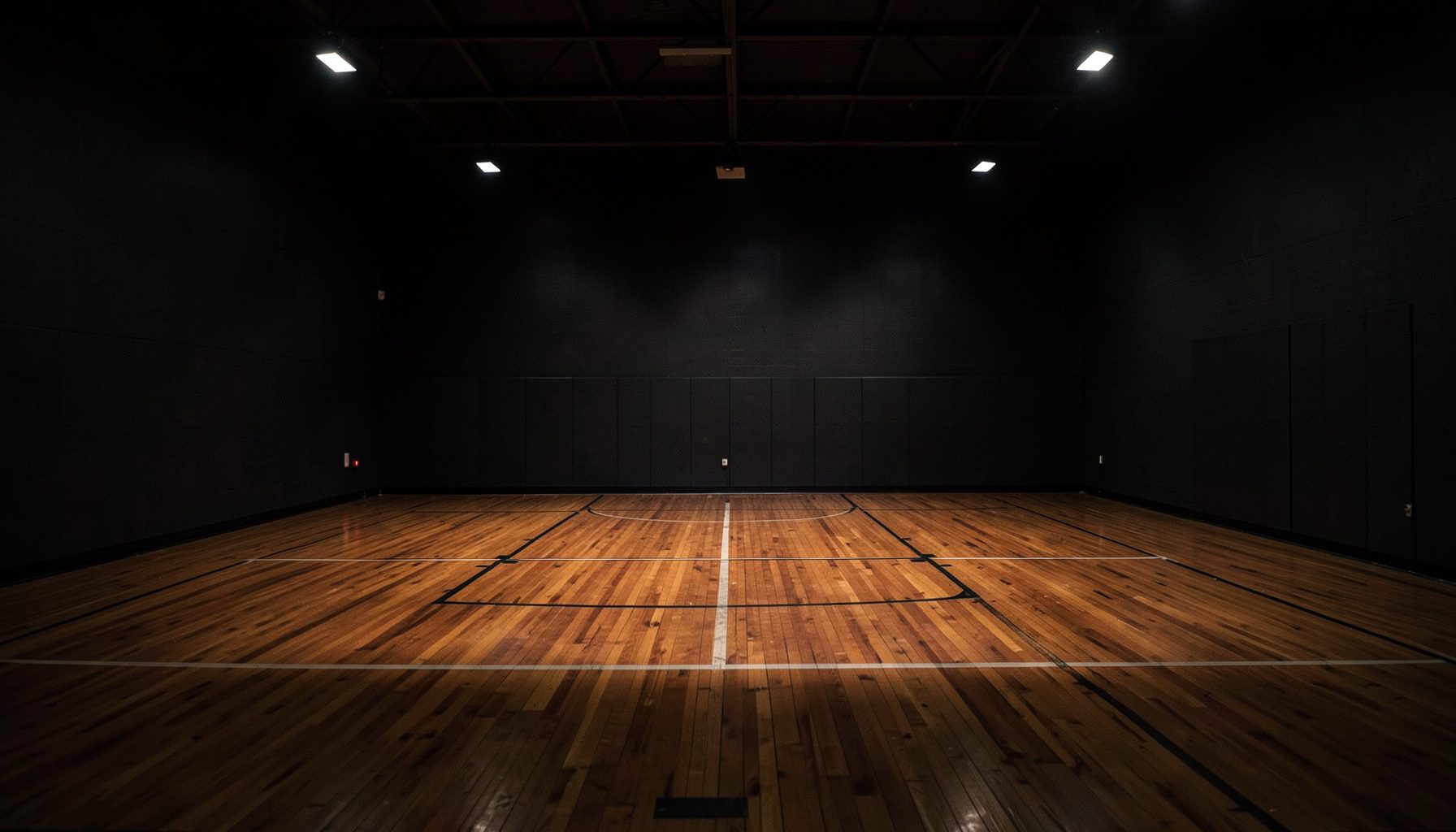
The Factory D1 Indy brings together three entities under one roof: competitive basketball leagues for all age groups, individual and group training, and wellness & recovery services including Normatec boot recovery and cryotherapy. Located off I-465 and High School Road at 6331 Crawfordsville Road, Speedway, Indiana 46224.
Get In TouchChoosing the right basketball league for your child
Selecting a basketball league can shape how a child feels about sports for years. The right program should provide appropriate competition, skilled coaching, manageable commitments, and a positive setting where young athletes can build confidence. The most expensive or competitive option is not automatically the best match.
A parent’s guide to selecting the right basketball league for their kid starts with one important question: what does your child need from the experience right now? Some players want structured skill development, while others are eager for game action, teamwork, or a chance to make new friends. Those priorities may change from season to season.
Basketball programs vary widely in age divisions, practice schedules, playing standards, and league rules. Taking time to compare those details can help your family choose a youth basketball league that supports both athletic growth and enjoyment.
Start with age and developmental stage
Age divisions offer a useful starting point, but they do not tell the whole story. Two children in the same grade may have very different levels of coordination, basketball experience, attention span, and comfort in a competitive setting. Look for a league that evaluates players according to development rather than relying only on birth year or school grade.
Younger athletes usually benefit from smaller courts, shorter games, simplified rules, and frequent opportunities to handle the ball. At this stage, basic movement, balance, passing, shooting form, and learning to cooperate matter more than standings. A league focused heavily on winning may create unnecessary pressure before a child has developed a strong foundation.
Older or more experienced players may be ready for faster play, advanced defensive concepts, position-specific instruction, and more demanding competition. Even then, the best level should stretch a player without making every game feel discouraging. Ask whether divisions are separated by skill, age, or both.
Match the league to your child’s goals
Talk with your child before researching registration options. A player who wants to improve ball handling may prefer a league connected to skills training, while a child who loves competition may be motivated by a traditional recreational or travel basketball schedule. Listening to the athlete helps parents avoid choosing a program based solely on their own expectations.
Consider whether the main goal is enjoyment, fundamentals, conditioning, social connection, preparation for school basketball, or a pathway toward higher-level competition. Recreational leagues often emphasize participation and accessibility. Competitive leagues may offer stronger opponents and more intensive coaching, but they can involve tryouts, travel, longer practices, and less predictable playing time.
There is no need to label one pathway as superior. A child may begin in a beginner division, move into a more competitive league later, or use a recreational season to regain confidence. The right choice is the one that aligns with current goals while leaving room for healthy progress.
Compare commitment, cost, and convenience
A league can be a good athletic fit and still be a poor practical fit for a family. Review the full calendar before registering, including practices, games, tournaments, evaluations, makeup dates, and travel requirements. A demanding schedule may be manageable for one household and exhausting for another.
Budget beyond the advertised registration fee. Uniforms, shoes, facility fees, tournament costs, transportation, and optional training can affect the total expense. Ask whether financial assistance, payment plans, or sibling discounts are available. Clear information at the beginning prevents uncomfortable surprises later.
Location matters as well. A nearby program may make it easier for a child to attend consistently and arrive ready to participate. The Factory D1 Indy, a community-centered athletic facility in Speedway, offers basketball opportunities alongside other fitness and wellness services; learning more about the facility’s athletic programs can help families understand how its broader environment may support an active routine.
| League feature | Often suits | Questions to ask |
|---|---|---|
| Recreational division | Beginners and players focused on fun | Are teams balanced? Does every player receive meaningful game time? |
| Development league | Athletes building core skills | Are practices instructional? Is feedback age-appropriate? |
| Competitive league | Experienced players seeking tougher games | Are there tryouts, travel, or playing-time expectations? |
| School-preparation program | Players targeting future school teams | Does coaching cover team concepts and game decision-making? |
| Adult or advanced setting | Older athletes with established skills | Are rules, intensity, and scheduling clearly explained? |
Investigate coaching and player experience
A coach’s communication style can matter as much as technical knowledge. Look for adults who teach clearly, correct mistakes respectfully, and encourage players to make decisions instead of fearing errors. Children learn more effectively when they feel challenged and supported at the same time.
Ask how teams are formed and how playing time is handled. Some leagues guarantee equal participation, while others use merit-based rotations, especially at advanced levels. Neither approach is automatically wrong, but families should understand the policy before the season begins. A young player expecting equal minutes may feel disappointed in a league that prioritizes competition.
It is also worth asking about coach background, safety procedures, emergency contacts, and how concerns are addressed. A well-run program should communicate schedules promptly, explain league rules, and provide a clear process for parents who need help. Watch a practice or game if possible; the tone of the gym often reveals more than promotional material.
Look beyond games to complete development
A basketball league should fit into a child’s wider physical and emotional development. Regular games build decision-making and teamwork, but players also need time for movement quality, strength, mobility, rest, and unstructured play. Too many practices or overlapping sports can lead to fatigue and reduce enjoyment.
Ask how the program handles warmups, injury prevention, hydration, and recovery. For athletes managing heavy schedules, services such as recovery support may complement training, although parents should choose age-appropriate options and seek professional guidance when needed. Recovery is not a replacement for sleep, balanced nutrition, or medical care.
Watch for signs that the workload is too high: persistent soreness, declining school performance, irritability, reluctance to attend, or repeated minor injuries. A strong league should support long-term participation rather than pushing children to specialize or compete at maximum intensity all year.
Use a simple selection checklist
Before paying a registration fee, compare several programs using the same criteria. Written answers make it easier to separate genuine fit from exciting advertising. Include your child in the discussion, especially when deciding between a relaxed league and a more demanding one.
Useful questions include:
- Does the age and skill division match my child’s current experience?
- What are the complete costs, dates, practice times, and travel expectations?
- How are teams formed, and what is the playing-time policy?
- What coaching, safety, and communication standards does the league follow?
- Will this schedule leave enough time for rest, school, family, and other interests?
Trust your observations as well as the answers. A polished website cannot compensate for disorganized communication, an uncomfortable gym culture, or a level of competition that clearly overwhelms your child. Conversely, a modest local program may be an excellent choice if it offers caring coaches, consistent instruction, and a welcoming group of players.
Make the decision with your child
Once you have narrowed the options, describe each league honestly and simply. Explain the schedule, expected commitment, competition level, and costs without presenting one choice as the only respectable path. Children are more likely to stay engaged when they understand what they are signing up for.
A trial practice, open gym, evaluation session, or conversation with the league director can resolve remaining uncertainty. Pay attention to whether your child leaves energized, curious, and willing to return. Nervousness is normal, but persistent dread is a meaningful signal.
The best basketball league is one that gives your child a safe place to learn, compete, belong, and improve. Review the available programs at The Factory D1 Indy, compare the details with your family’s goals, and choose the setting where your athlete can take the next confident step.
Inside The Factory

Three Entities, One Roof
Leagues
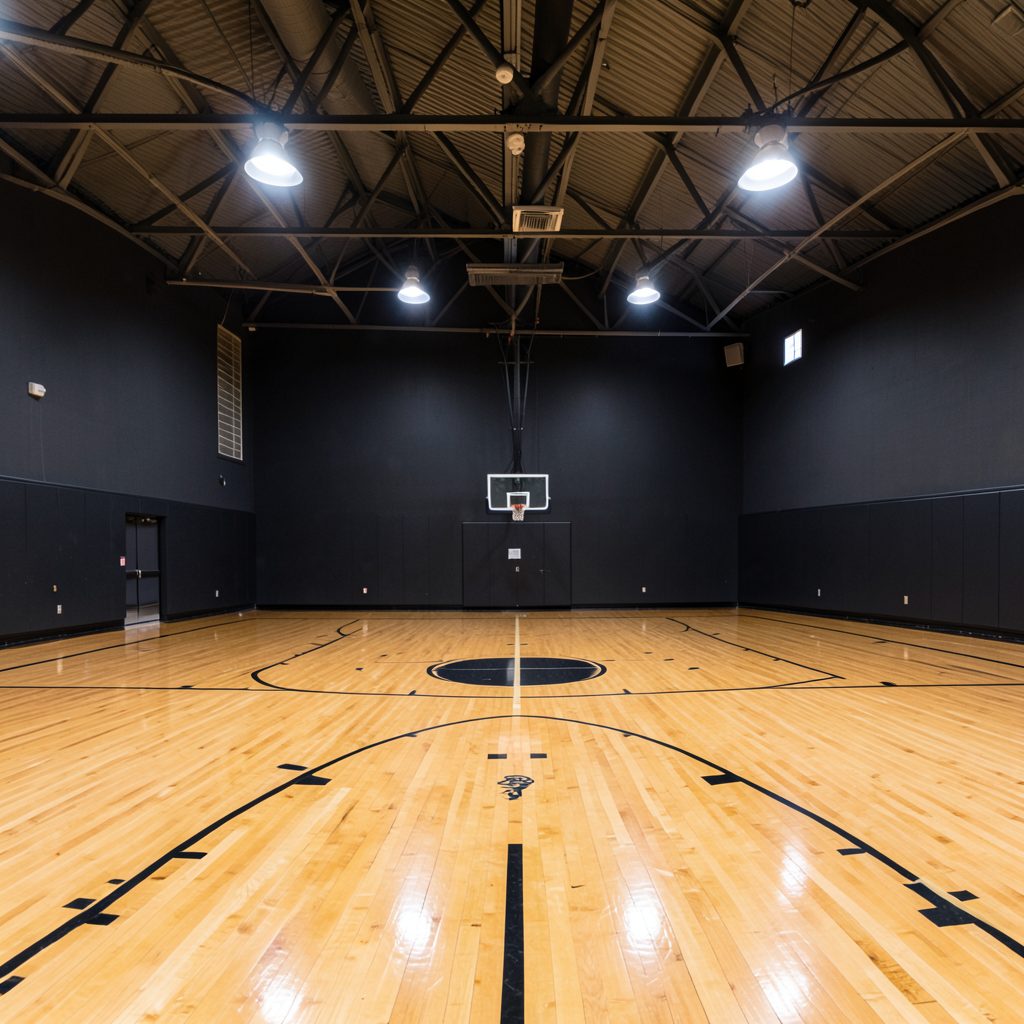
Eight league divisions span every age group: Indy Pro AM, 18+ Open Men's, 30+ Men's, Bite Size (ages 3–6), Impact League, 5th/6th Grade, Middle School, and High School. Gather your team and compete.
Training
Individual and group basketball training for all skill levels. Major M.O.V.E.S. Basketball Training serves ages 4–7 on Wednesday and Thursday evenings at 6:30 PM — $30 per session or $100 unlimited monthly.
Wellness & Recovery
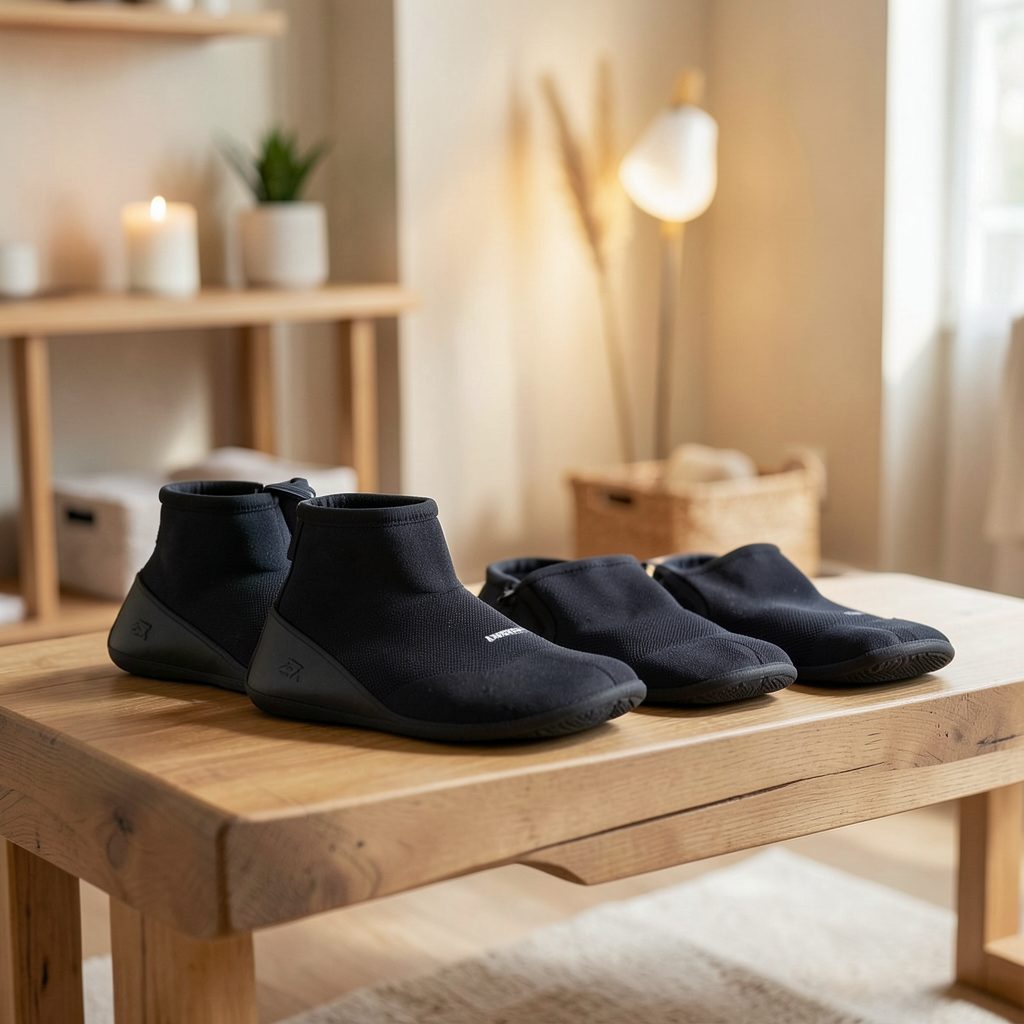
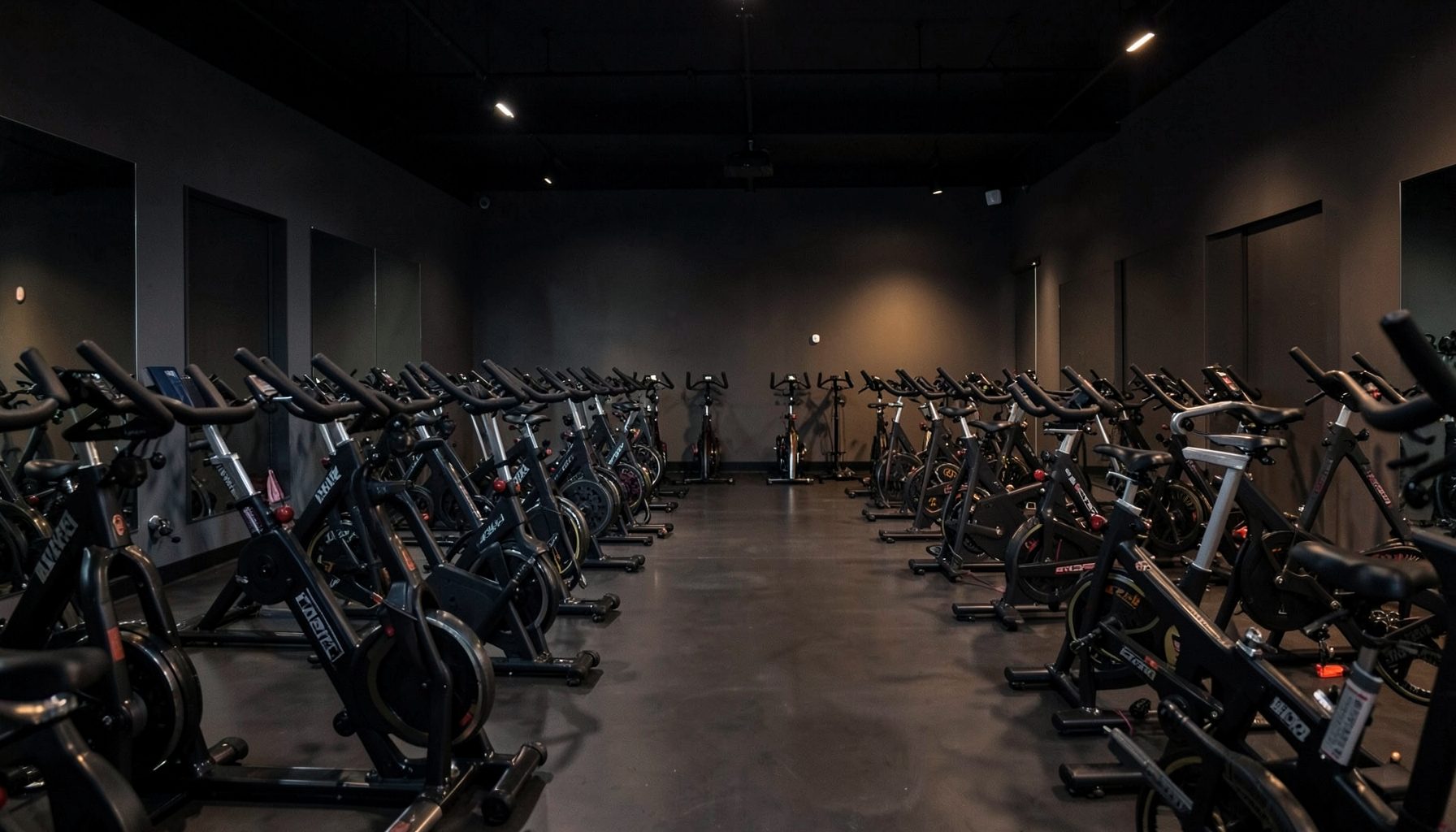
Normatec boot recovery and cryotherapy treatments help athletes bounce back faster. Cycle and spin classes add a cardio dimension to the holistic performance approach.
Have a Question?