Train. Compete. Recover.
A multi-purpose athletic facility in Speedway, Indiana — basketball leagues, skill training, and wellness services all under one roof.
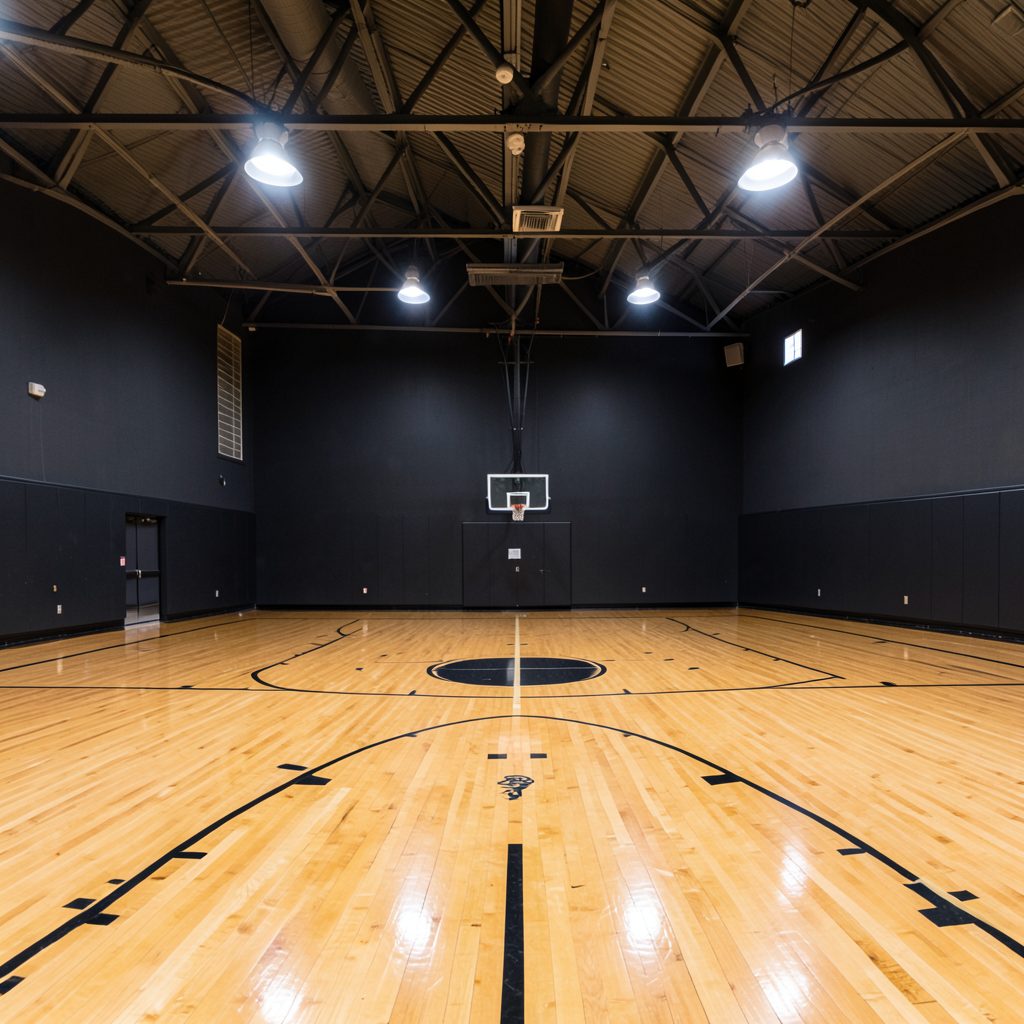
The Factory D1 Indy brings together three entities under one roof: competitive basketball leagues for all age groups, individual and group training, and wellness & recovery services including Normatec boot recovery and cryotherapy. Located off I-465 and High School Road at 6331 Crawfordsville Road, Speedway, Indiana 46224.
Get In TouchBasketball Drills To Improve Weak Hand Dribbling Under Pressure
A reliable weak hand can change the way a player attacks, escapes traps and creates space. When a defender crowds the ball, the ability to dribble left or right without staring at the floor gives you extra time to read the court and make the next play.
The best results come from combining ball control, footwork, decision-making and contact. These basketball drills are suitable for juniors, school players, social competitors and serious athletes preparing for local leagues, including the fast-moving environments found across Australian basketball.
Identify What Breaks Down
Weak-hand dribbling often fails for a specific reason. Some players push the ball too far in front, while others keep every bounce at the same height. Many become upright when pressured, allowing a defender to reach across their body and disrupt the dribble.
Start by watching the details rather than simply counting repetitions. The dribbling hand should stay on the outside of the ball, the knees should remain bent and the chest should face up the court. A player who can see a teammate or help defender has a much better chance of making a useful decision.
Ask a coach or training partner to apply light pressure and observe when control disappears. Does the ball rise above the waist? Does the player cross over too close to the feet? Does the first step become slow? Finding the weak link makes every later drill more effective.
Build Control Before Speed
Begin with stationary weak-hand pounds. Place the feet just wider than shoulder width, bend through the hips and drive the ball firmly into the floor with the fingertips. Complete low pounds near the outside foot, waist-height pounds and alternating low-to-high pounds, keeping the eyes forward.
Move into figure-eight dribbles without allowing the ball to touch the legs. Use the weak hand to guide the ball around each knee, then reverse the direction. This develops touch and coordination while teaching the hand to control different angles. Perform three rounds of 20 to 30 seconds, resting briefly between efforts.
A useful progression is the “pound, retreat, attack” sequence. Pound the ball twice with the weak hand, take one retreat dribble backwards, then push forward for two explosive steps. The retreat action teaches balance and space creation, while the burst prevents the drill from becoming slow, casual handling.
Add A Live Defender Gradually
Defensive pressure should rise in stages. Begin with a partner shadowing the ball-handler at half speed. The defender may move laterally and show a hand but cannot steal. The ball-handler must travel from baseline to half court using the weak hand and keeping the body between the defender and the ball.
Next, allow the defender to reach once during the trip. The offensive player should respond with a retreat dribble, crossover or change of direction rather than panicking. Keep the drill short, perhaps six to eight seconds, because realistic pressure requires sharp decisions and high effort.
For younger athletes, make the defender’s role clear: pressure is helpful only when it creates learning. A reach that is too aggressive can encourage wild reactions instead of sound technique. Increase the defender’s speed as the player keeps the dribble below control height and maintains vision.
Train Pace And Direction Changes
A weak hand becomes more useful when it can change rhythm. Set up three cones in a line, with roughly one to two metres between them. Dribble towards the first cone slowly, accelerate past it, decelerate at the second and explode beyond the third. Keep the ball in the weak hand for the full sequence.
Add a hesitation move at each cone. Lower the shoulder, briefly reduce the dribble height and shift the eyes as if preparing to drive. Then push off the outside foot and attack the next space. The defender should have to react to both the body and the ball, not just wait for a predictable crossover.
The in-and-out dribble is another useful option. From a low stance, move the weak hand slightly towards the middle of the body, then return it outside without changing hands. This can freeze a defender while keeping the ball protected. Practise it at walking speed before adding a live close-out.
Protect The Ball In Traffic
Good weak-hand handling is incomplete without ball protection. Use the non-dribbling arm as a legal shield by keeping it bent and strong, never extending it into the defender. Turn the shoulder slightly away from pressure, keep the ball near the outside hip and use the back foot as an escape point.
Try a “corner escape” drill. Start near a sideline or corner with the weak hand, while a defender closes from an angle. The ball-handler must retreat, pivot away from the baseline and escape along the open side. This teaches players not to dribble into a shrinking space.
Contact can be introduced with a foam pad or shoulder bump during controlled repetitions. The player should keep the eyes up and maintain a steady rhythm after contact. In Australia, where many junior competitions play in compact school or community stadiums, learning to escape sideline pressure is especially valuable.
Turn Skills Into Decisions
Drills become more transferable when the player has to choose an action. Set up a two-cone gate and place a defender between the ball-handler and the basket. The defender can shade left or right, and the attacker must use the weak hand to drive through the available lane.
Add a passing option after the first advantage. A coach or teammate stands on the wing, while the defender helps when the attacker reaches the free-throw line. The ball-handler must either finish, make a jump stop or pass out. This links dribbling under pressure with the decisions that occur in real games.
For players competing in NBL1 pathways, school competitions or weekend association games, use short-sided games such as one-on-one from the wing or two-on-two from the top. Award an extra point for a successful weak-hand escape that leads to a shot or assist. Competition creates urgency without requiring a long training block.
Players preparing for their first organised competition can also review what to bring to your first basketball league game, including practical items that help them feel ready before warm-up begins.
Recover And Repeat Consistently
Hand speed and coordination improve through regular exposure, not one exhausting session. A useful weekly plan includes ten minutes of stationary control, ten minutes of movement patterns and ten minutes of live pressure. Finish with a few game-speed attacks so the new skill carries into competition.
Recovery matters when frequent handling sessions sit alongside strength work, cycling or games. Hydration, sleep and light mobility should be part of the routine. Athletes who want additional support between demanding sessions can explore wellness and recovery services, including options designed to help manage training fatigue.
Keep a simple record of performance. Note how many clean trips you complete, how often the defender forces a pickup and whether you can make the correct decision while looking up. Players in warmer Australian climates may need to adjust session length, schedule outdoor work early or late and take more deliberate water breaks.
Measure Progress Under Pressure
A strong test combines time, turnovers and decisions. Use the same course each week: start on the sideline, attack through two cones, respond to a defender’s direction and finish or pass. Record clean escapes rather than focusing only on speed.
| Skill Test | Starting Target | Progress Marker |
|---|---|---|
| Weak-hand stationary pounds | 30 seconds | Stable height and eyes up |
| Cone change-of-pace run | 4 clean trips | Faster without losing control |
| Guided defensive pressure | 5 possessions | Fewer forced pickups |
| Live one-on-one attack | 5 attempts | Creates a clear advantage |
| Help-defender decision drill | 6 possessions | Correct finish or pass |
Train the weak hand when fresh enough to use sound mechanics, then revisit it late in a session when fatigue creates realistic pressure. With consistent practice, the goal is not to make the weak hand look fancy. It should become dependable enough that a defender cannot dictate where you go.
Book a focused training session, invite a teammate to apply controlled pressure and use these drills during your next basketball workout. Build the habit patiently, raise the intensity week by week and take that improved control into your next game.
Inside The Factory
Three Entities, One Roof
Leagues
Eight league divisions span every age group: Indy Pro AM, 18+ Open Men's, 30+ Men's, Bite Size (ages 3–6), Impact League, 5th/6th Grade, Middle School, and High School. Gather your team and compete.
Training
Individual and group basketball training for all skill levels. Major M.O.V.E.S. Basketball Training serves ages 4–7 on Wednesday and Thursday evenings at 6:30 PM — $30 per session or $100 unlimited monthly.
Wellness & Recovery
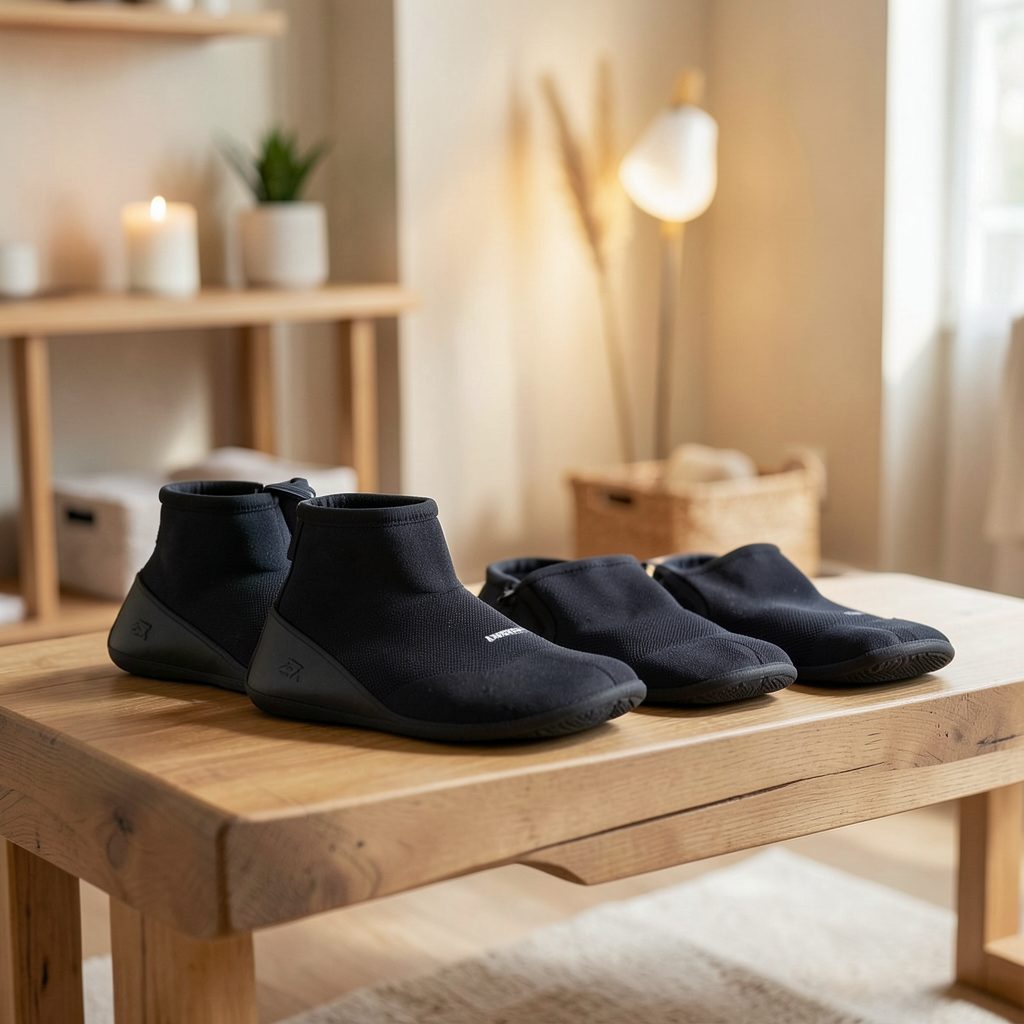
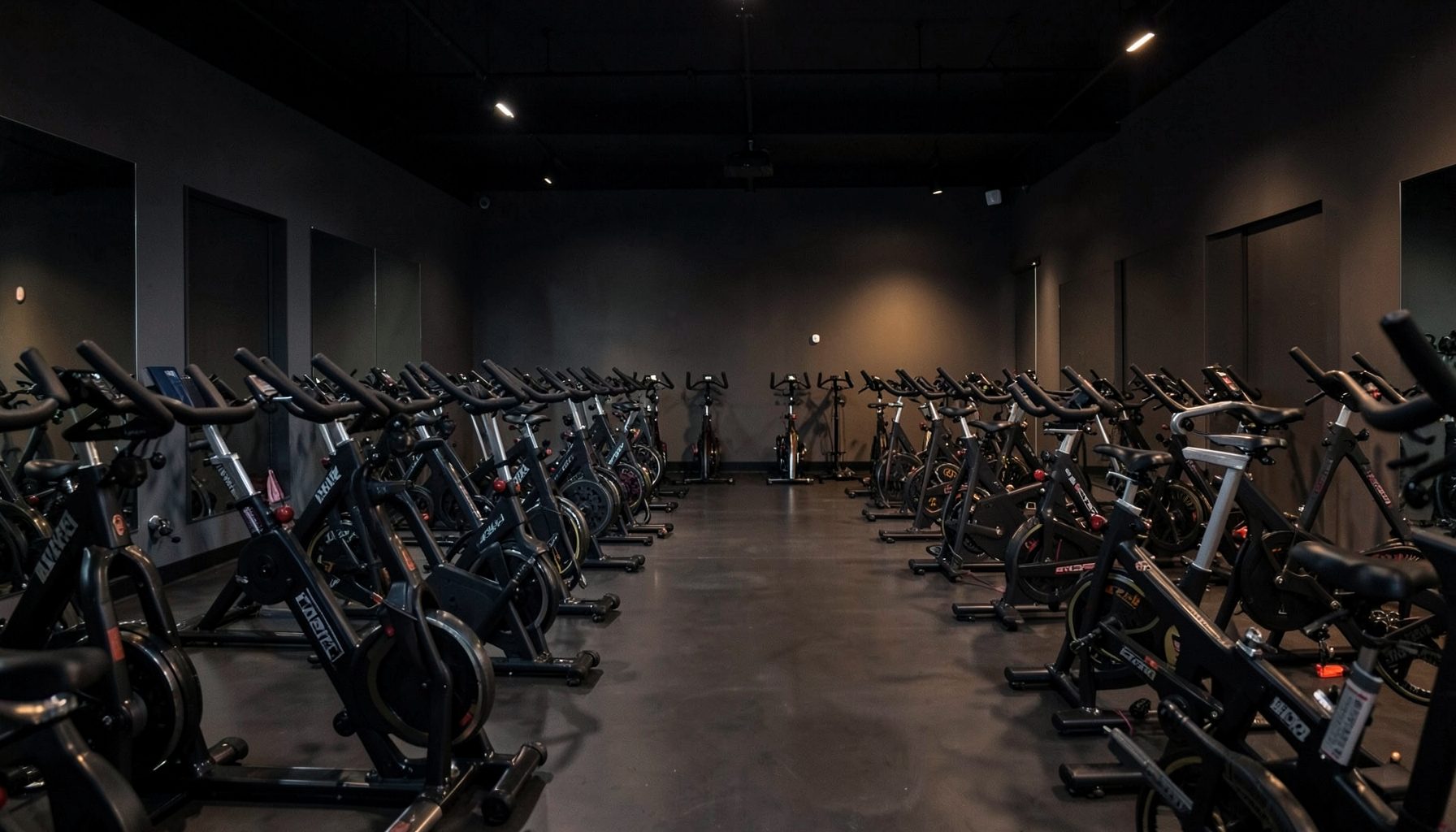
Normatec boot recovery and cryotherapy treatments help athletes bounce back faster. Cycle and spin classes add a cardio dimension to the holistic performance approach.
Have a Question?