Train. Compete. Recover.
A multi-purpose athletic facility in Speedway, Indiana — basketball leagues, skill training, and wellness services all under one roof.
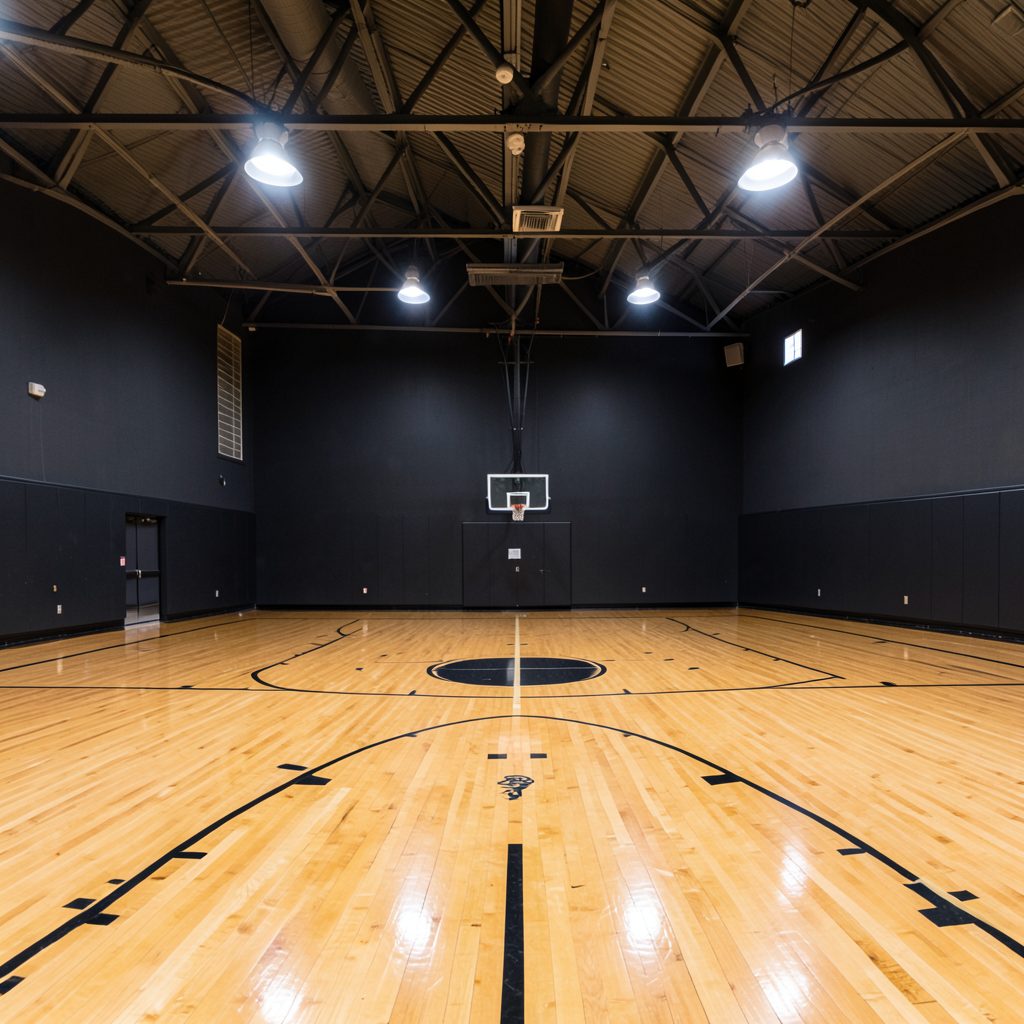
The Factory D1 Indy brings together three entities under one roof: competitive basketball leagues for all age groups, individual and group training, and wellness & recovery services including Normatec boot recovery and cryotherapy. Located off I-465 and High School Road at 6331 Crawfordsville Road, Speedway, Indiana 46224.
Get In TouchBest Recovery Drinks After Basketball Practice or Games
Basketball places unusual demands on the body. Players sprint, stop, jump, change direction, and repeat those efforts for long stretches. Sweat loss can become significant, while muscle glycogen—the stored carbohydrate used for high-intensity movement—gradually declines. A well-chosen recovery beverage helps replace what training or competition has taken away.
The best option depends on the workout, the weather, the athlete’s size, and how soon the next session begins. A casual practice may call for water and a normal meal, while a demanding game in a hot gym may justify electrolytes and carbohydrates. Athletes who train frequently may also benefit from a drink containing protein.
Recovery beverages work best as part of a larger routine that includes a balanced meal, adequate sleep, mobility work, and sensible training volume. The goal is to rehydrate, restore energy, and support muscle repair without consuming unnecessary sugar or excessive calories.
Why Fluids And Carbohydrates Matter
Water supports circulation, temperature control, joint lubrication, and normal muscle function. During basketball, fluid loss through sweat can reduce body mass and make the next session feel harder. Even mild dehydration may contribute to fatigue, headache, dizziness, or reduced concentration.
Carbohydrates help refill glycogen stores after repeated sprints and jumps. This matters most when a player has another practice, game, strength session, or tournament match within the same day or the following morning. A recovery drink with carbohydrates can be convenient when a full meal is delayed.
The amount needed varies considerably. A recreational player finishing a moderate practice may recover well with water and dinner. A tournament athlete playing several games may need a drink with both fluid and carbohydrate soon after leaving the court.
Water, Electrolytes, And Sweat Loss
Water is the simplest recovery drink and remains a strong choice for many basketball sessions. It contains no added sugar, is easy to find, and supports hydration after training. If the practice lasted less than an hour and sweat loss was modest, water paired with a regular meal may cover the athlete’s needs.
Electrolyte drinks become more useful when sweating is heavy, the gym is warm, or activity lasts longer than an hour. Sodium is especially important because it is lost in sweat and helps the body retain and distribute fluid. Potassium and magnesium appear in many sports beverages, though sodium and total fluid intake are usually the central concerns.
A sports drink should match the session rather than become an automatic habit. Some commercial options contain large amounts of sugar, while others are low-calorie products designed mainly for fluid and electrolyte replacement. Athletes can learn more about why training and recovery work well together when choosing what to consume after a demanding session.
Comparing Recovery Drink Options
There is no single ideal beverage for every player. Milk, electrolyte solutions, diluted juice, smoothies, and commercial recovery formulas can all have a place. The best choice is the one that provides appropriate hydration and nutrients without causing stomach discomfort.
Use the session’s intensity and the timing of the next meal as practical guides. A drink with protein is more valuable when food will be delayed, while a carbohydrate-focused drink may be helpful after repeated games or long practices.
| Drink option | Best suited to | Main benefits | Points to consider |
|---|---|---|---|
| Water | Short or moderate sessions | Hydration without calories or sugar | Does not replace sodium or carbohydrate |
| Electrolyte drink | Heavy sweating, heat, or long sessions | Replaces fluid and sodium; some provide carbohydrate | Check sugar and serving size |
| Low-fat chocolate milk | Post-practice recovery with a meal delay | Protein, carbohydrate, fluid, and calcium | Dairy may not suit every athlete |
| Fruit smoothie with yogurt | Athletes needing a substantial snack | Carbohydrate, protein, vitamins, and calories | Can be heavy immediately after exertion |
| Coconut water | Light hydration and a lower-sodium option | Fluid and some potassium | Often too low in sodium for heavy sweat loss |
| Recovery shake | Frequent training or delayed meals | Convenient, measurable protein and carbohydrate | Select products with tolerable ingredients |
Plain water should not be viewed as inadequate simply because it lacks added ingredients. It often provides exactly what an athlete needs. The mistake is assuming that every hard practice requires a high-calorie recovery shake or a brightly colored sports drink.
Protein For Muscle Repair
Protein supplies amino acids used to repair and maintain muscle tissue. Basketball players do not need to consume protein immediately after the final whistle, but including a reliable protein source within the next few hours is useful. A drink can help when the athlete is traveling, heading to school, or unable to eat a meal right away.
Milk, yogurt-based smoothies, and protein shakes are common choices. Chocolate milk combines protein and carbohydrate in a convenient form, while a smoothie can include fruit, yogurt, oats, or nut butter. For athletes using a powdered supplement, a product with a clear ingredient list and a serving size appropriate for the individual is preferable.
More protein is not automatically better. A very large shake may cause bloating and can displace a balanced meal. Athletes with food allergies, kidney conditions, metabolic concerns, or other medical considerations should discuss supplement use with a qualified healthcare professional or sports dietitian.
Match The Drink To The Session
A light shooting workout, a full-court conditioning practice, and a competitive game create different recovery demands. After low-intensity work, water and a normal meal may be sufficient. After intense intervals or a long game, electrolytes and carbohydrate become more relevant, particularly if the athlete finishes with a visibly soaked jersey or salt residue on the skin.
The next training appointment also matters. A player finished for the week can focus on normal meals and thirst-guided hydration. A player returning to the court that evening needs a faster recovery strategy, including fluids, carbohydrates, sodium when appropriate, and a convenient protein source.
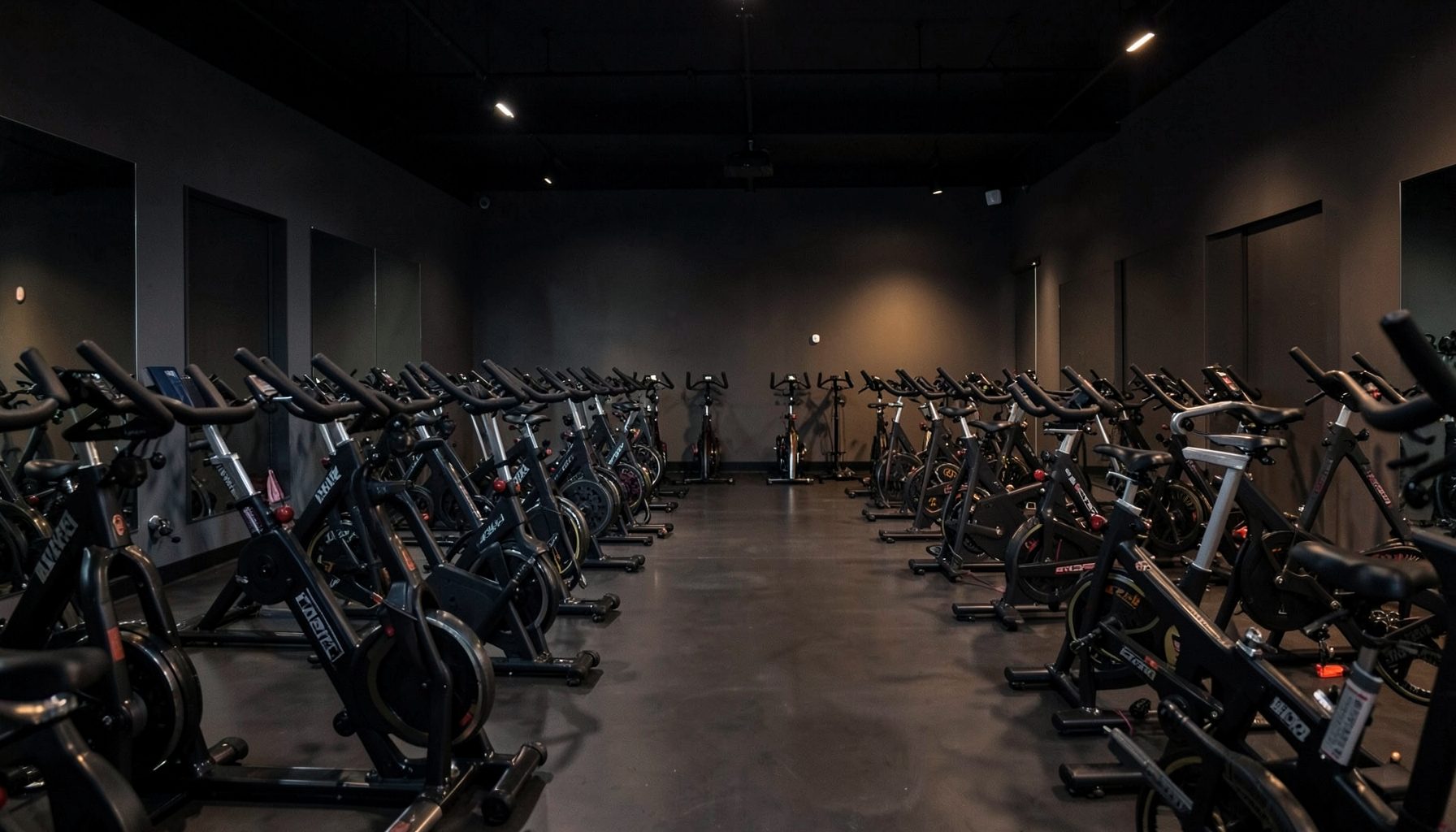
Cross-training adds another variable. Athletes who combine basketball with cycle and spin classes should account for total weekly workload rather than judging each workout in isolation. Multiple sweat-heavy sessions can increase the value of planning fluids and recovery snacks before fatigue accumulates.
Simple Recovery Drink Recommendations
Athletes can make a practical choice by checking four details: how long they trained, how heavily they sweated, when they will eat, and when they must perform again. This approach avoids treating every beverage as either a cure-all or a poor choice.
A recovery drink should be comfortable to consume. Test new products during ordinary practices rather than before an important game. Carbonation, artificial sweeteners, high fat content, or large quantities of fiber may be difficult for some players immediately after exercise.
- Choose water after a shorter session when sweat loss is modest and a balanced meal is available soon.
- Choose an electrolyte beverage after prolonged, intense, or especially sweaty basketball activity.
- Choose chocolate milk or a yogurt smoothie when both protein and carbohydrate are needed before the next meal.
- Choose a lower-sugar option when hydration is the priority and carbohydrate will come from food.
- Carry a familiar drink during tournaments, but adjust the amount to the schedule, heat, and individual sweat rate.
A simple homemade option can combine water, a small amount of fruit juice, and a pinch of salt, although athletes should avoid guessing at extreme sodium needs. Commercial sports drinks offer predictable portions, while a meal replacement or protein shake should be treated as nutrition rather than plain hydration.
The Factory D1 Indy supports athletes through training, competition, conditioning, and recovery in one athletic setting. Players can build a repeatable routine around their court schedule, then pair sensible hydration with meals, rest, and professional guidance when needed. Choose the beverage that fits your workload, bring it to your next practice, and make recovery part of every session at the facility.
Inside The Factory
Three Entities, One Roof
Leagues
Eight league divisions span every age group: Indy Pro AM, 18+ Open Men's, 30+ Men's, Bite Size (ages 3–6), Impact League, 5th/6th Grade, Middle School, and High School. Gather your team and compete.
Training
Individual and group basketball training for all skill levels. Major M.O.V.E.S. Basketball Training serves ages 4–7 on Wednesday and Thursday evenings at 6:30 PM — $30 per session or $100 unlimited monthly.
Wellness & Recovery
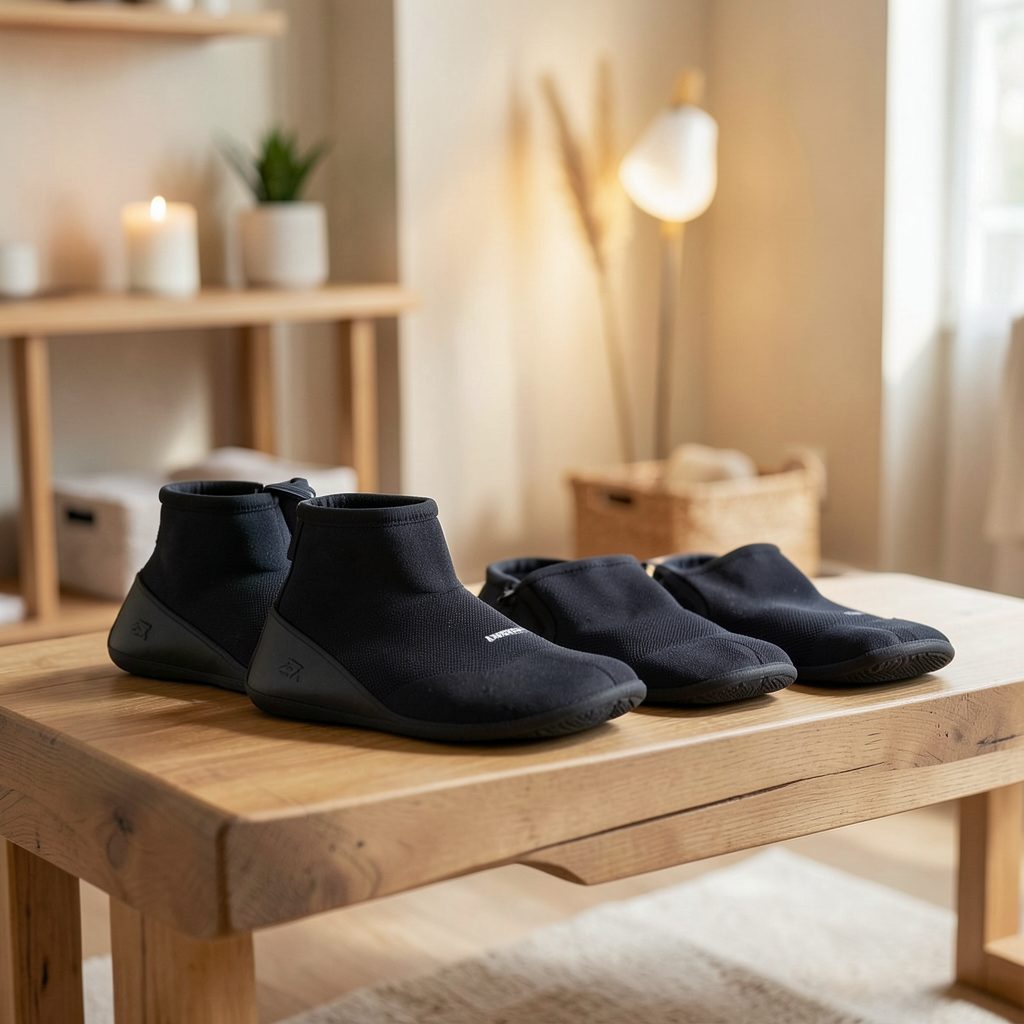
Normatec boot recovery and cryotherapy treatments help athletes bounce back faster. Cycle and spin classes add a cardio dimension to the holistic performance approach.
Have a Question?