Train. Compete. Recover.
A multi-purpose athletic facility in Speedway, Indiana — basketball leagues, skill training, and wellness services all under one roof.
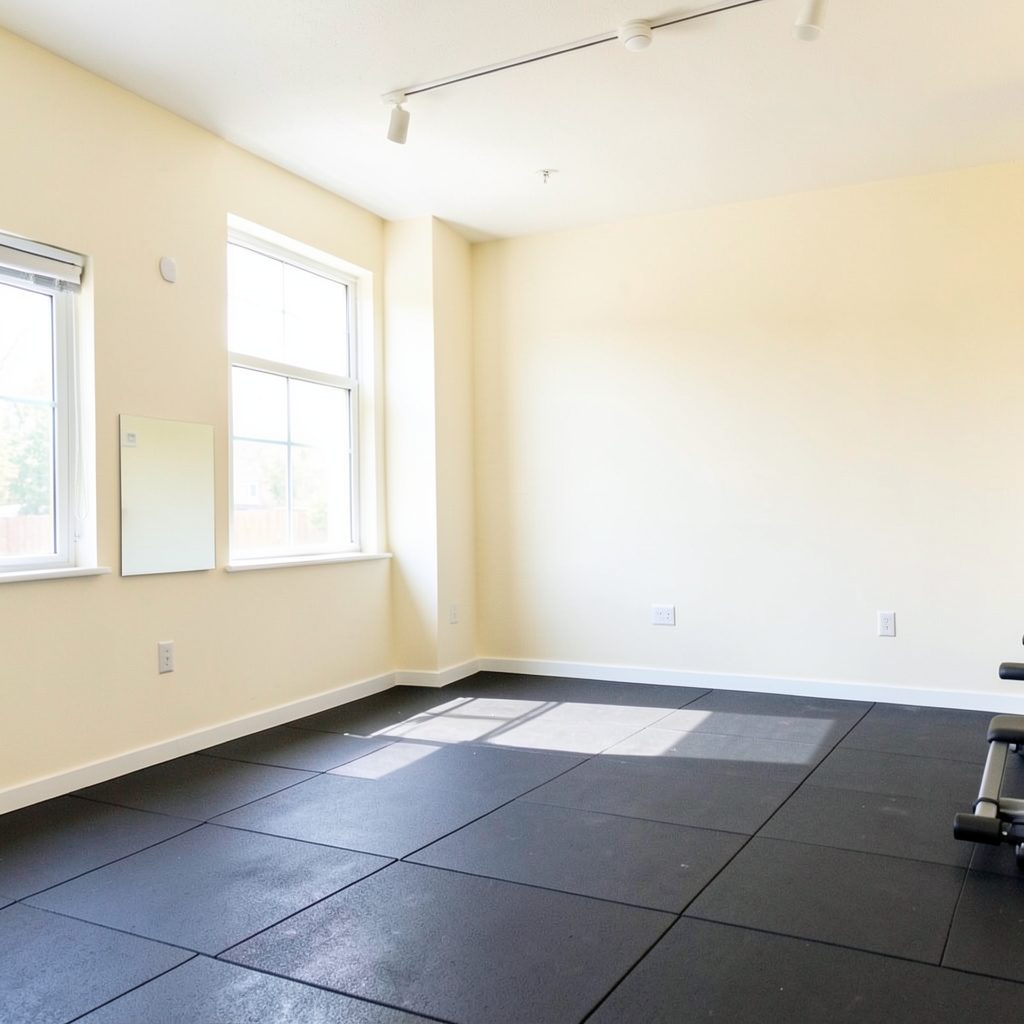
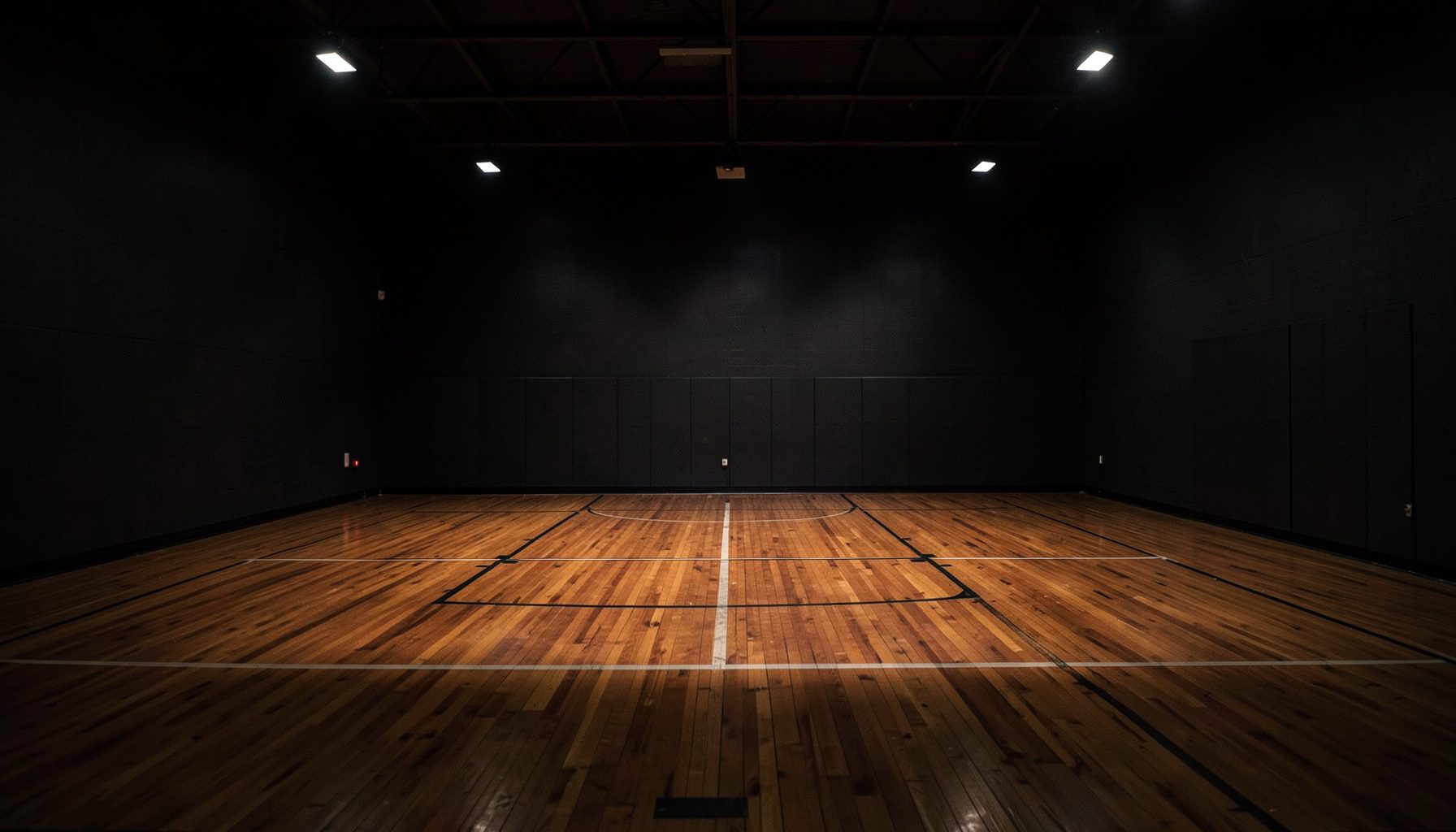
The Factory D1 Indy brings together three entities under one roof: competitive basketball leagues for all age groups, individual and group training, and wellness & recovery services including Normatec boot recovery and cryotherapy. Located off I-465 and High School Road at 6331 Crawfordsville Road, Speedway, Indiana 46224.
Get In TouchA Weekly Training Schedule That Balances Skills and Recovery
Designing a training week that genuinely improves basketball performance requires more than stacking as many court sessions as possible. Athletes who make consistent progress tend to treat recovery as a non-negotiable pillar alongside skill work, strength training, and conditioning. A balanced schedule protects joints, keeps energy levels stable across the week, and allows muscle groups to adapt between high-intensity sessions.
The Factory D1 Indy approaches athlete development with this same philosophy, recognising that young players, adults, and competitive league members all benefit from programmes that respect the body's need for rest. The framework below works whether you are training in Indianapolis, following a remote plan from Brisbane, or organising your week around a local NBL fixture.
Assessing your current workload and competition calendar
Before writing a single session into your planner, take a week to log what you are already doing. Write down every court session, gym visit, conditioning class, and game. Include recovery practices such as stretching, ice baths, or compression therapy. This baseline reveals where the gaps are and where you might be overtraining without realising it.
Australian athletes often juggle multiple commitments — school, club obligations, state representative trials, or university competitions — which makes honest auditing even more important. If you train with a Sydney Kings-affiliated academy or play in a regional Victorian league on weekends, those games must anchor your weekly structure. Everything else, from shooting drills to mobility work, should support rather than compete with match demands.
Structuring skill development days
Skill work deserves dedicated space in your week rather than being squeezed in after a hard conditioning session. Schedule two to three sessions focused on ball-handling, shooting mechanics, footwork, and decision-making. Keep these sessions relatively short — forty-five to sixty minutes — with high concentration and low total volume to reinforce quality movement patterns.
For younger athletes, splitting skill days by theme helps maintain focus. Monday could emphasise perimeter shooting, Wednesday might focus on finishing at the rim and floater development, and Friday could concentrate on pick-and-roll reads. Players preparing for NBL1 West or South East Australian competitions often add a fourth lighter session focused on film study and weak-hand development.
Recovery techniques also fit into skill days. A short Normatec session or light cycling after practice flushes the legs without adding training stress. Build these into the cool-down rather than treating them as optional extras.
Scheduling strength and conditioning around the ball
Strength training builds the foundation that allows basketball skills to express themselves under pressure. A typical week might include two lower-body sessions, one upper-body push, and one upper-body pull, with conditioning slotted strategically around the most demanding court days. Avoid heavy squats the day before a fixture or tryout.
Players in warmer climates such as Brisbane, Perth, or Darwin need to plan conditioning carefully during the summer months, when humidity can wreck outdoor sessions. Early morning or late evening slots keep training productive while reducing heat-stress risk. Indoor cycle and spin classes offer an excellent alternative when the weather makes outdoor work impractical, providing aerobic development without joint impact.
A useful rhythm is to pair strength days with light skill work, then follow hard skill days with conditioning. This sequencing prevents the legs from feeling heavy during shooting practice and keeps reaction speed sharp when game scenarios arrive.
Prioritising recovery and mobility as performance tools
Recovery work is often the first thing dropped when schedules tighten, yet it is the variable that ties the whole week together. Aim for at least one full rest day, plus daily mobility work targeting hips, ankles, and thoracic spine. These are the joints basketball places under the most stress, particularly for guards who change direction constantly.
Active recovery choices matter. A thirty-minute walk, gentle swimming, or a slow spin class encourages blood flow without adding fatigue. Cryotherapy and compression therapy have grown in popularity among Australian basketball programmes, especially during congested representative periods when players compete in back-to-back fixtures across multiple states.
Sleep is the single most powerful recovery tool available. Athletes aiming to improve should treat eight to nine hours per night as a performance investment rather than a luxury, particularly during heavy competition blocks such as the NBL Blitz or state championship weekends. Hydration, balanced meals, and consistent bedtimes compound into noticeable on-court gains over a season.
Adjusting the plan for travel, school, and life
A schedule that looks perfect on paper collapses quickly if it does not account for real-life demands. Build in flexibility by identifying which sessions are non-negotiable — usually games, key strength days, and one skill session — and treat the rest as movable. If a school exam week hits or travel to a regional tournament in Cairns or Hobart disrupts the routine, scale back rather than abandon the plan.
Australian athletes often deal with significant travel demands for representative teams, with players flying between capital cities for fixtures and development camps. Factor in jet lag, reduced court access, and unfamiliar gyms by shifting intensity downward for the first two days after arrival. This protects adaptation and reduces injury risk during competition windows.
Periodisation helps too. After a heavy competition block, schedule a lower-volume week focused on mobility and skill refinement. Heading into a tournament or league finals, gradually increase intensity and reduce volume so you arrive sharp rather than worn down.
If you are building a programme for yourself or a young athlete, the about the facility page outlines how The Factory D1 Indy structures training across age groups, league divisions, and wellness services. Use that framework alongside the principles above and your weekly plan will support both performance and longevity on the court, giving you room to grow into a more complete athlete across every season ahead.
Inside The Factory

Three Entities, One Roof
Leagues
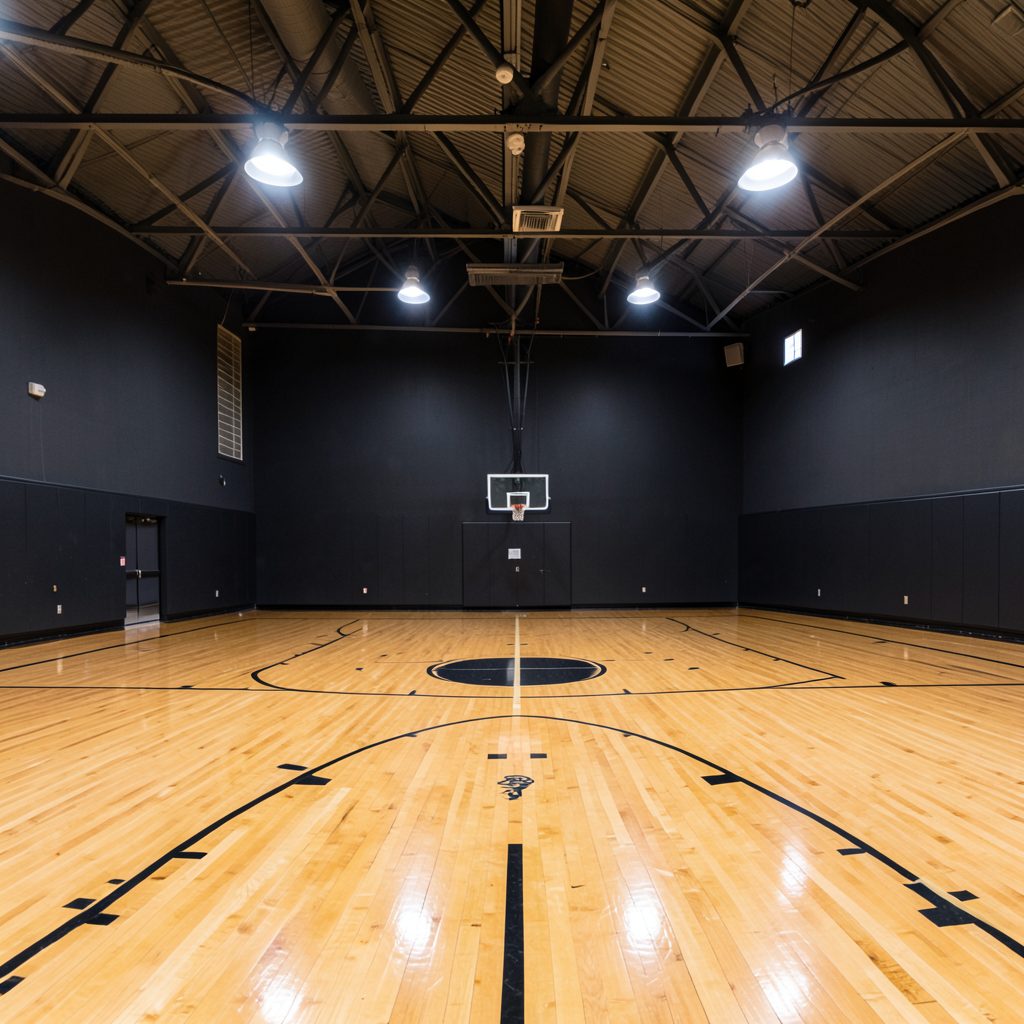
Eight league divisions span every age group: Indy Pro AM, 18+ Open Men's, 30+ Men's, Bite Size (ages 3–6), Impact League, 5th/6th Grade, Middle School, and High School. Gather your team and compete.
Training
Individual and group basketball training for all skill levels. Major M.O.V.E.S. Basketball Training serves ages 4–7 on Wednesday and Thursday evenings at 6:30 PM — $30 per session or $100 unlimited monthly.
Wellness & Recovery
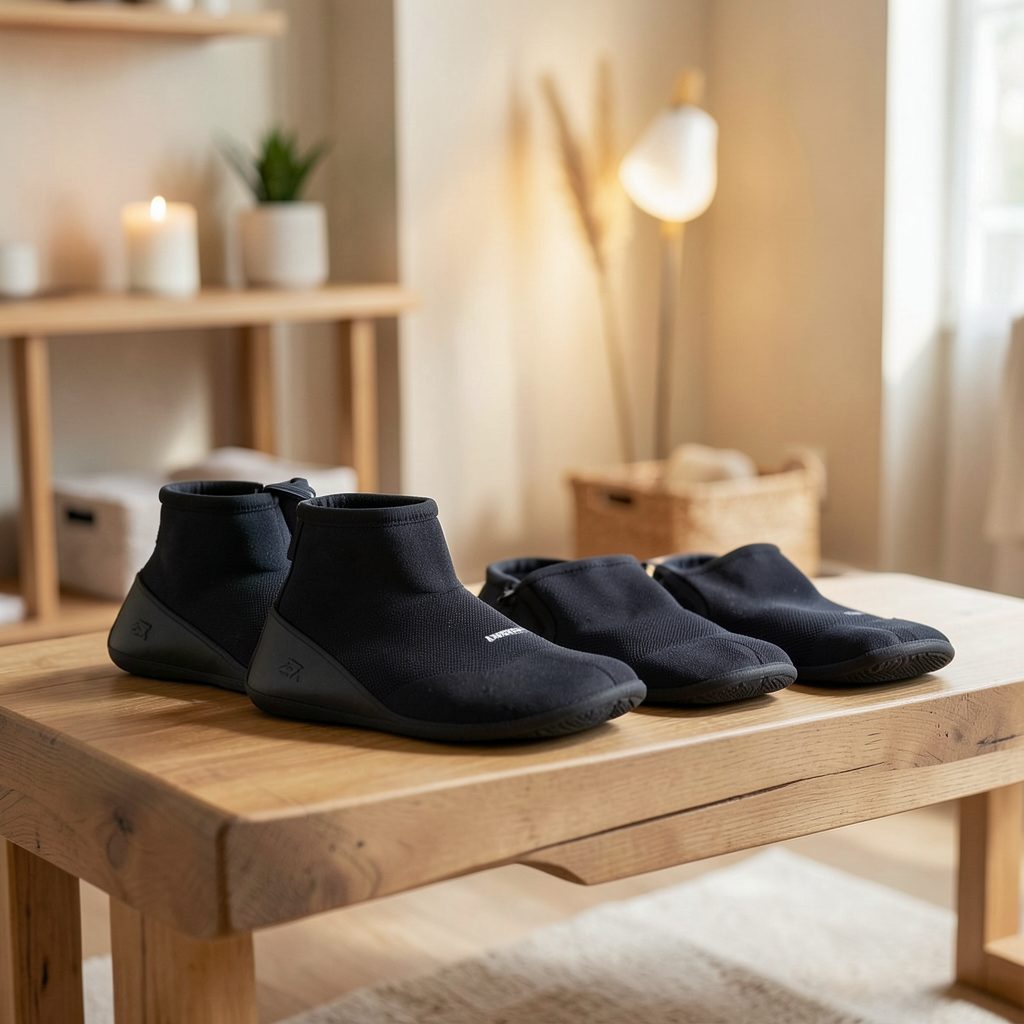
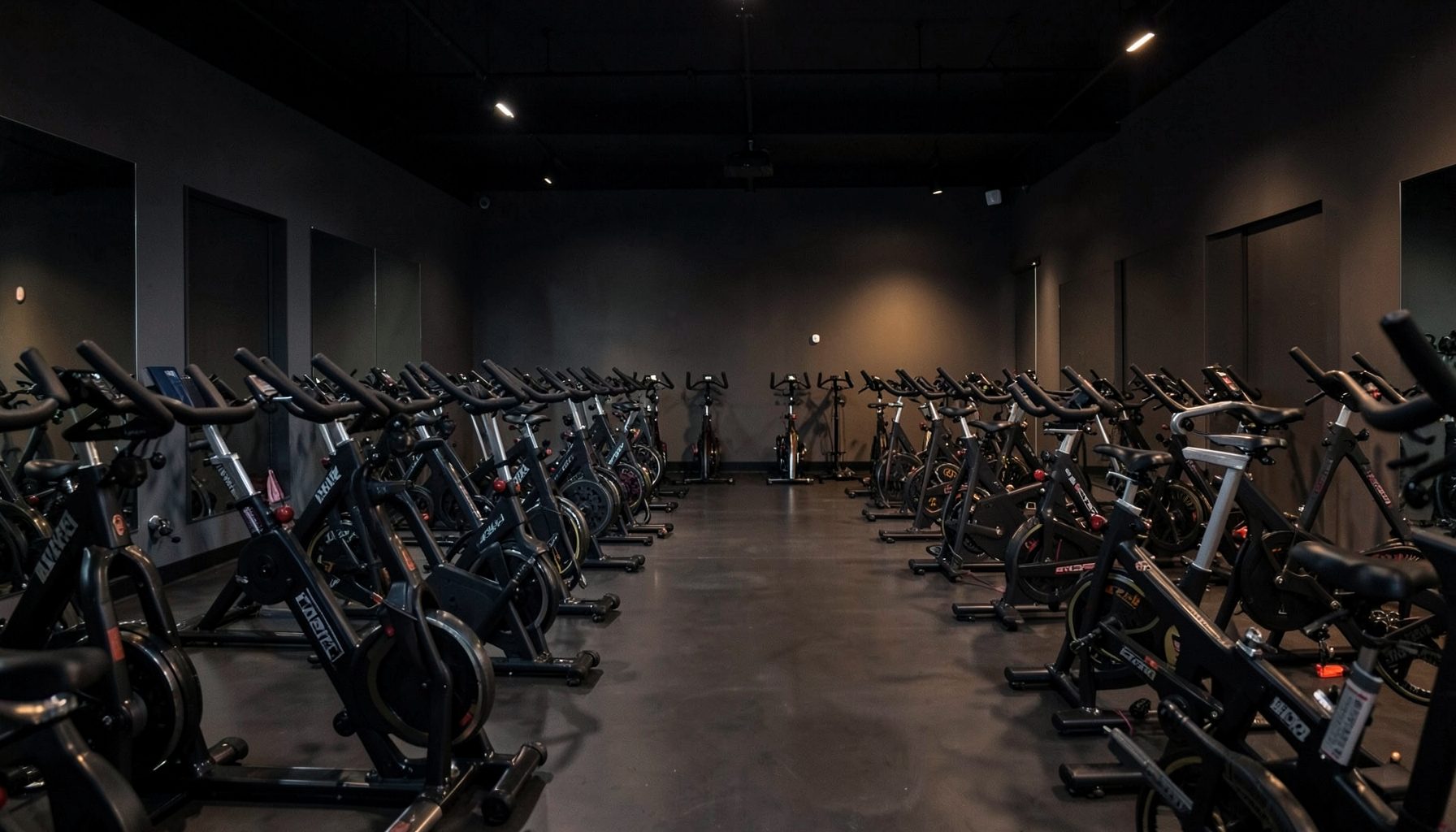
Normatec boot recovery and cryotherapy treatments help athletes bounce back faster. Cycle and spin classes add a cardio dimension to the holistic performance approach.
Have a Question?