Train. Compete. Recover.
A multi-purpose athletic facility in Speedway, Indiana — basketball leagues, skill training, and wellness services all under one roof.
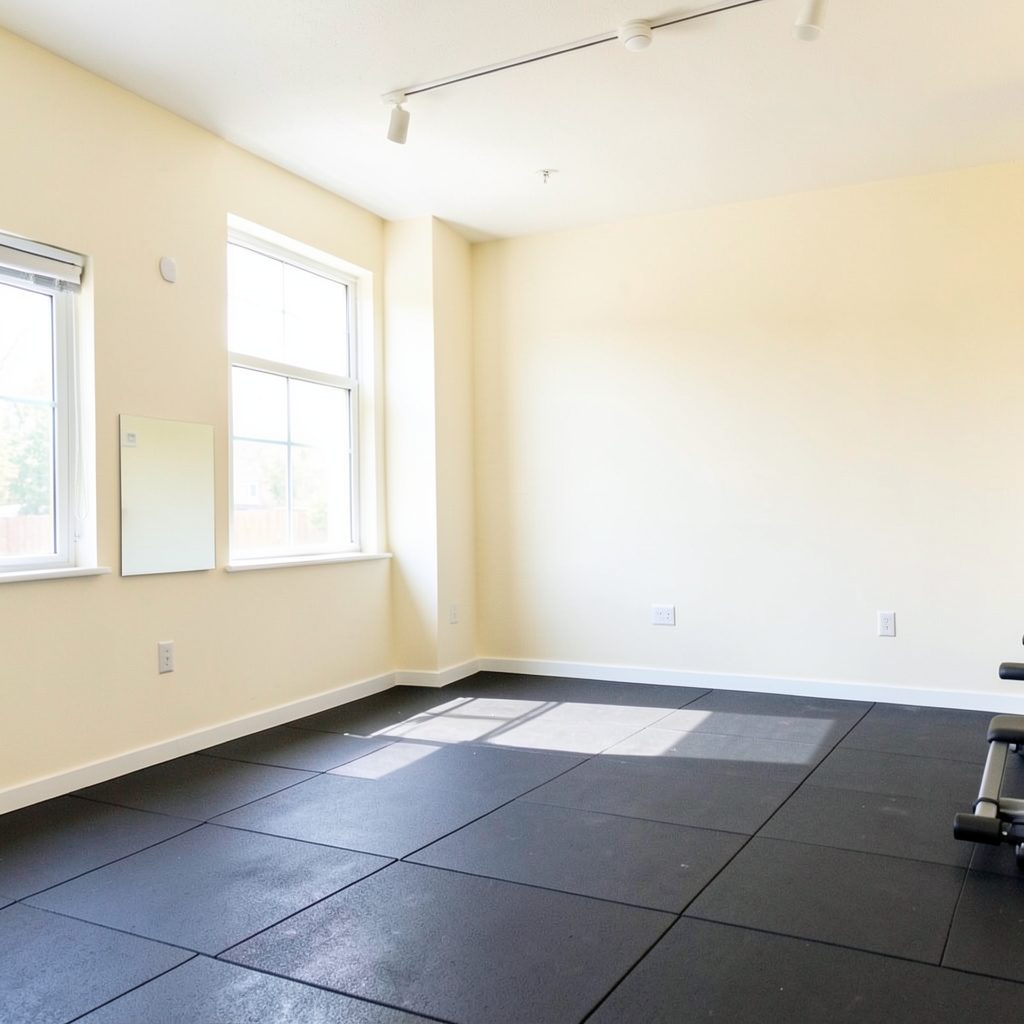
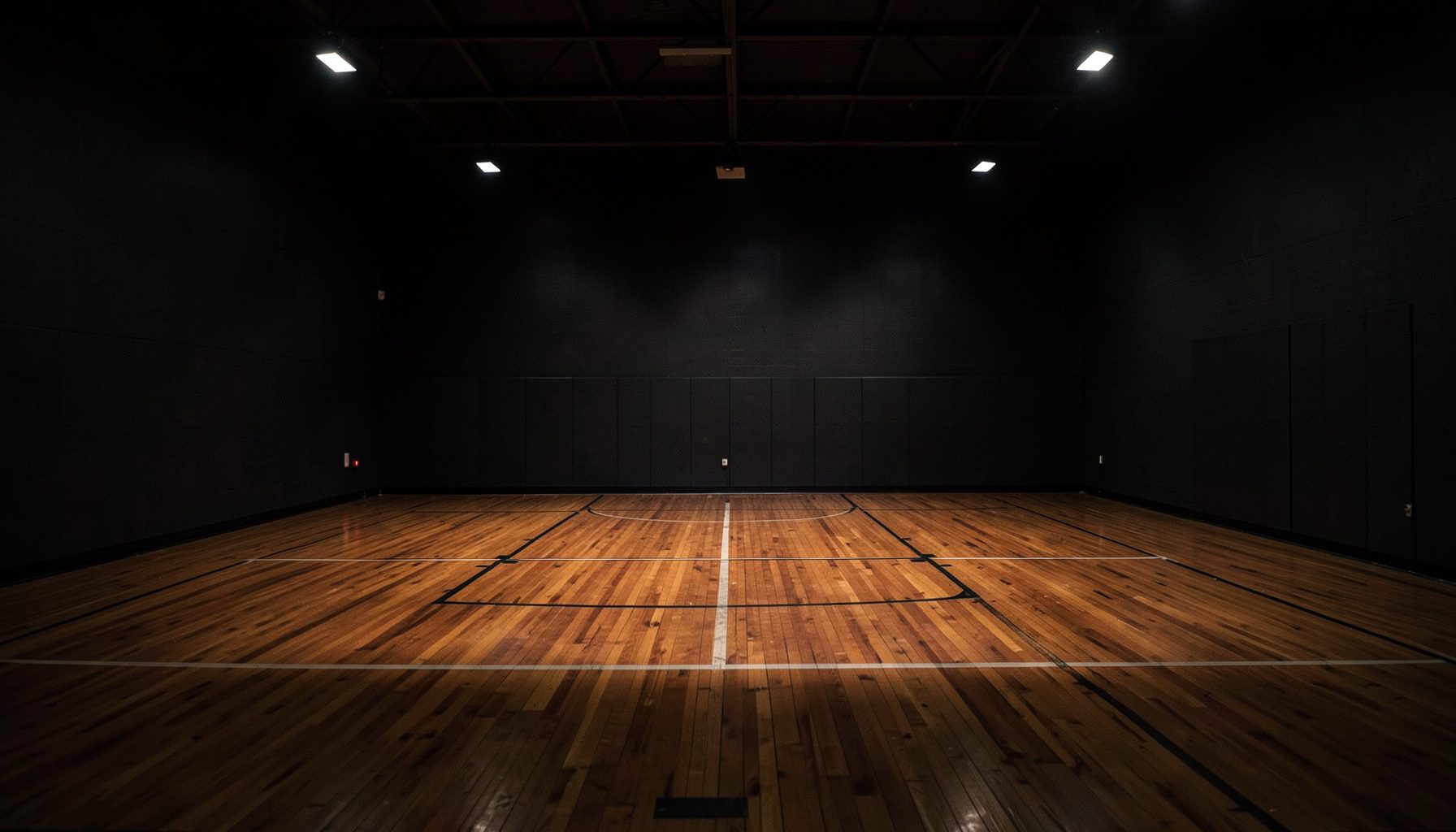
The Factory D1 Indy brings together three entities under one roof: competitive basketball leagues for all age groups, individual and group training, and wellness & recovery services including Normatec boot recovery and cryotherapy. Located off I-465 and High School Road at 6331 Crawfordsville Road, Speedway, Indiana 46224.
Get In TouchBuilding Confidence In Young Basketball Players Through Skill Challenges
Confidence on the basketball court grows from evidence. A young athlete begins to believe in their ability when they repeatedly experience progress, solve difficult problems, and see that focused effort produces better results. Encouragement matters, but it becomes far more powerful when it is connected to specific skills and measurable improvement.
Skill challenges give players a clear way to test themselves without making every practice feel like an evaluation. A timed dribbling course, a passing target, or a series of finishing attempts can turn ordinary drills into purposeful goals. Each challenge helps athletes develop coordination, decision-making, resilience, and trust in their preparation.
At The Factory D1 Indy, players can build those qualities through basketball training, youth programs, and competition designed for different ages and experience levels. The goal is to create an environment where mistakes are useful information, effort is recognized, and every athlete has a meaningful next step.
Why Skill Challenges Build Belief
A skill challenge gives young players something concrete to pursue. “Get better at basketball” is too broad for most children to act on, while “make six of ten left-hand layups” provides a clear target. The player knows what success looks like and can identify the movement or decision that needs more attention.
Small wins also create momentum. An athlete who improves from three successful shots to five may still have work ahead, but the improvement proves that practice is producing results. Over time, these moments form a reliable source of self-belief that does not depend on praise after every attempt.
Challenges also make confidence more durable because they expose athletes to manageable discomfort. A player may miss several shots, lose control of the ball, or struggle with a defensive footwork pattern. Learning to reset and try again teaches emotional control, which is essential during close games and unfamiliar situations.
Design Challenges That Feel Winnable
The best basketball challenges are difficult enough to require concentration but realistic enough to encourage repeated effort. Coaches can adjust distance, speed, time, defensive pressure, or the number of repetitions. A beginner might complete a stationary ball-handling sequence, while a more experienced player might perform the same sequence while reacting to a defender.
Progressive challenges prevent young athletes from feeling trapped by a single standard. A player can earn a personal record rather than compete only against the strongest teammate. This approach supports different learning speeds and keeps development centered on individual growth.
Useful challenge formats include:
- Completing a set number of controlled dribbles with each hand
- Hitting passing targets from several angles
- Finishing at the rim with both hands
- Making a series of free throws after a conditioning burst
- Staying in front of an offensive player for a timed defensive interval
A coach can record results privately or on a team progress board, depending on the athlete’s age and personality. The purpose is to make improvement visible without turning practice into a public ranking system.
Connect Challenges To Game Decisions
Confidence becomes valuable when it transfers from drills into live play. For that reason, challenges should eventually include reading defenders, choosing between options, and responding under pressure. A player who completes a stationary crossover may need a follow-up challenge that asks them to use the move to create space against a partner.
Small-sided games are especially effective because they provide frequent touches and immediate decisions. Two-on-two or three-on-three play gives young athletes more opportunities to pass, cut, defend, rebound, and communicate than a full-court game may provide. Coaches can set one clear challenge, such as making the extra pass or contesting every shot without fouling.
| Skill Focus | Challenge Example | Confidence Benefit | Game Transfer |
|---|---|---|---|
| Ball handling | Complete a change-of-direction course with control | Builds comfort under pressure | Protecting the ball against defenders |
| Shooting | Reach a personal percentage from five spots | Creates measurable progress | Taking open shots with greater trust |
| Finishing | Score with both hands through contact pads | Reduces fear of physical play | Attacking the rim in traffic |
| Passing | Hit moving targets within a time limit | Improves accuracy and awareness | Finding teammates during fast action |
| Defense | Maintain position for several possessions | Reinforces effort and discipline | Staying engaged throughout a game |
The challenge should serve the game, not replace it. If a drill becomes impressive but disconnected from real decisions, its value is limited. Coaches should regularly ask whether the activity helps players recognize space, timing, balance, pressure, or communication during competition.
Make Feedback Specific And Useful
General praise can lift a player’s mood, but specific feedback helps them understand why they improved. Instead of saying “good job,” a coach might point out that the athlete kept their eyes up, used a strong plant foot, or stayed balanced through contact. Clear observations give the player a repeatable behavior.
Feedback should also leave room for athlete reflection. After a challenge, a coach can ask the player to identify what felt easier, where control broke down, and what adjustment they want to try next. This encourages ownership and develops basketball awareness alongside physical ability.
Mistakes should be treated as part of the challenge rather than proof that a player is not talented. A missed attempt can reveal rushed footwork, poor spacing, or a need for more strength. When athletes learn to study errors without attaching shame to them, they become more willing to attempt advanced skills during games.
Families can reinforce this approach by focusing on preparation, decision-making, and persistence. Comments about one statistic or the final score can unintentionally narrow a child’s view of success. Recognizing a smart pass, a defensive recovery, or a courageous attempt helps young players value the behaviors that support long-term development.
Build A Culture Of Positive Competition
Competition can raise energy and focus when its purpose is clear. Relay races, partner contests, and team-based shooting games encourage athletes to work hard while supporting teammates. The most effective activities reward communication and improvement as well as winning the round.
Coaches should vary the way challenges are scored. Some can measure accuracy, while others reward hustle, execution under fatigue, or creative decision-making. This gives different types of players a chance to contribute and prevents confidence from being associated only with scoring points.
Leagues and structured games provide another setting for confidence growth. Young athletes learn to handle nerves, recover after mistakes, and apply skills when the outcome matters. A supportive competitive environment helps them understand that confidence is not the absence of pressure; it is the ability to function effectively while pressure is present.
At The Factory D1 Indy, athletes can explore training options that support individual skill development, group instruction, youth programming, and competitive play. Consistent exposure to well-designed challenges helps players see how practice habits connect with their performance.
Support The Complete Athlete
Physical readiness affects how confidently a child moves and competes. Strength, mobility, conditioning, sleep, hydration, and recovery all influence concentration and execution. A tired athlete may interpret normal fatigue as a lack of ability, while a well-supported athlete is better prepared to respond to challenges.
Recovery services can be especially useful when athletes participate in frequent practices, leagues, or conditioning sessions. Options such as compression therapy and cryotherapy may complement a broader recovery routine, helping athletes take their physical well-being seriously. Families can learn more about wellness and recovery as part of a balanced approach to training.
Confidence also grows when children feel that they belong. Coaches can learn players’ goals, celebrate different forms of contribution, and create routines that make every athlete feel noticed. A welcoming facility gives young players a place to work hard without fearing embarrassment.
Practical Ways To Use Skill Challenges
- Set one technical goal and one decision-making goal for each practice.
- Track personal bests instead of comparing every player against the same standard.
- Increase difficulty gradually by changing speed, distance, pressure, or fatigue.
- Pair every correction with a clear action the athlete can attempt immediately.
- End sessions with a brief reflection on progress, effort, and the next challenge.
Turn Practice Into Lasting Confidence
Young basketball players do not gain confidence from being told they are capable; they gain it by collecting experiences that demonstrate capability. Skill challenges make those experiences visible. With thoughtful progression, useful feedback, realistic competition, and proper recovery, athletes learn to trust both their abilities and their preparation.
Families and coaches can begin with one simple challenge at the next practice, record the result, and revisit it after several sessions. Visit The Factory D1 Indy to connect young athletes with training, competition, conditioning, and recovery opportunities that turn steady effort into confident performance.
Inside The Factory

Three Entities, One Roof
Leagues
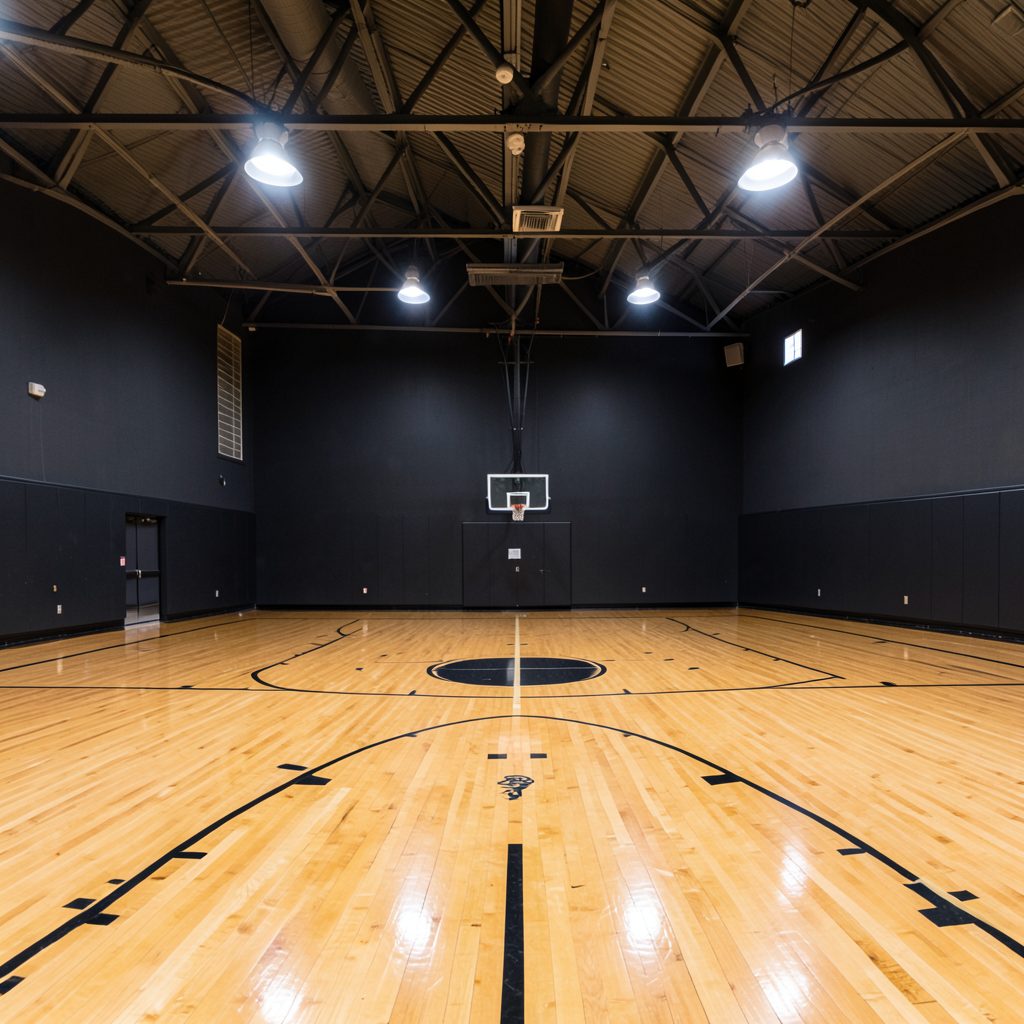
Eight league divisions span every age group: Indy Pro AM, 18+ Open Men's, 30+ Men's, Bite Size (ages 3–6), Impact League, 5th/6th Grade, Middle School, and High School. Gather your team and compete.
Training
Individual and group basketball training for all skill levels. Major M.O.V.E.S. Basketball Training serves ages 4–7 on Wednesday and Thursday evenings at 6:30 PM — $30 per session or $100 unlimited monthly.
Wellness & Recovery
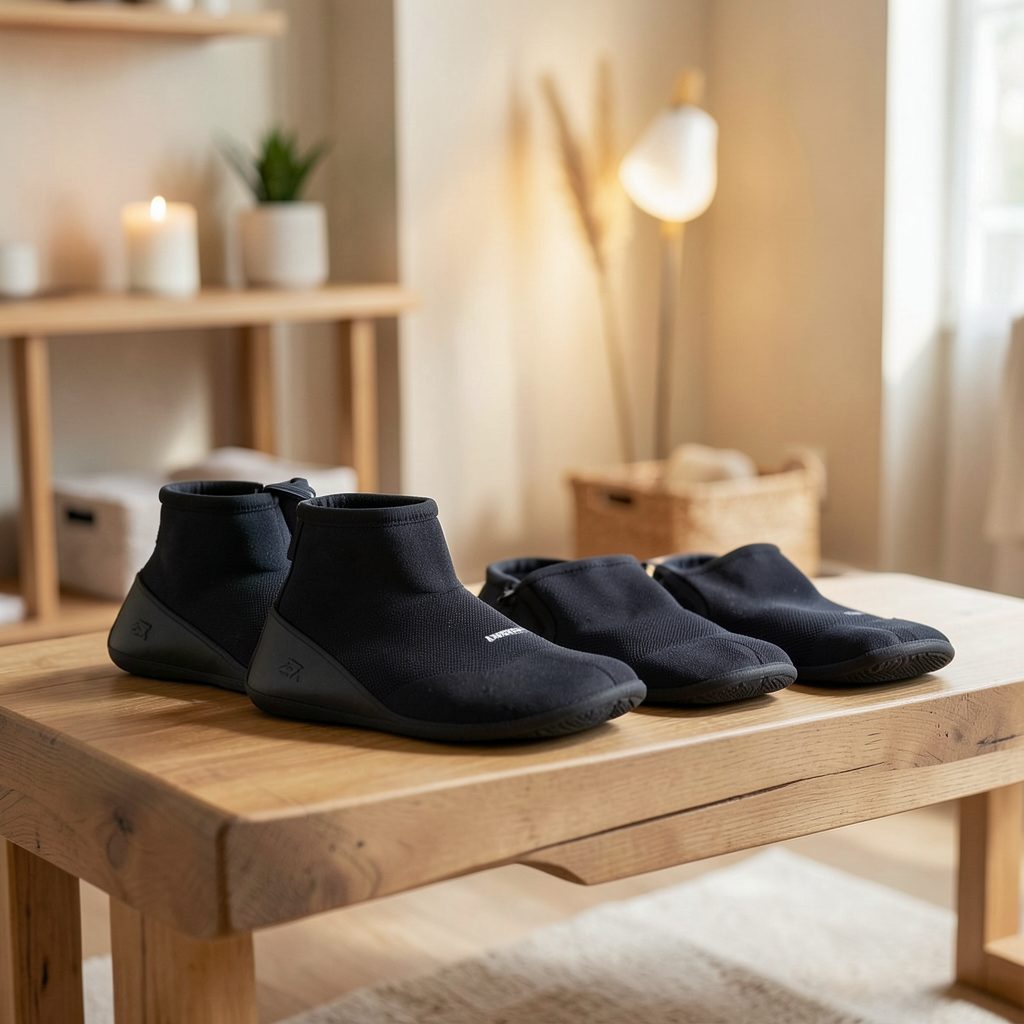
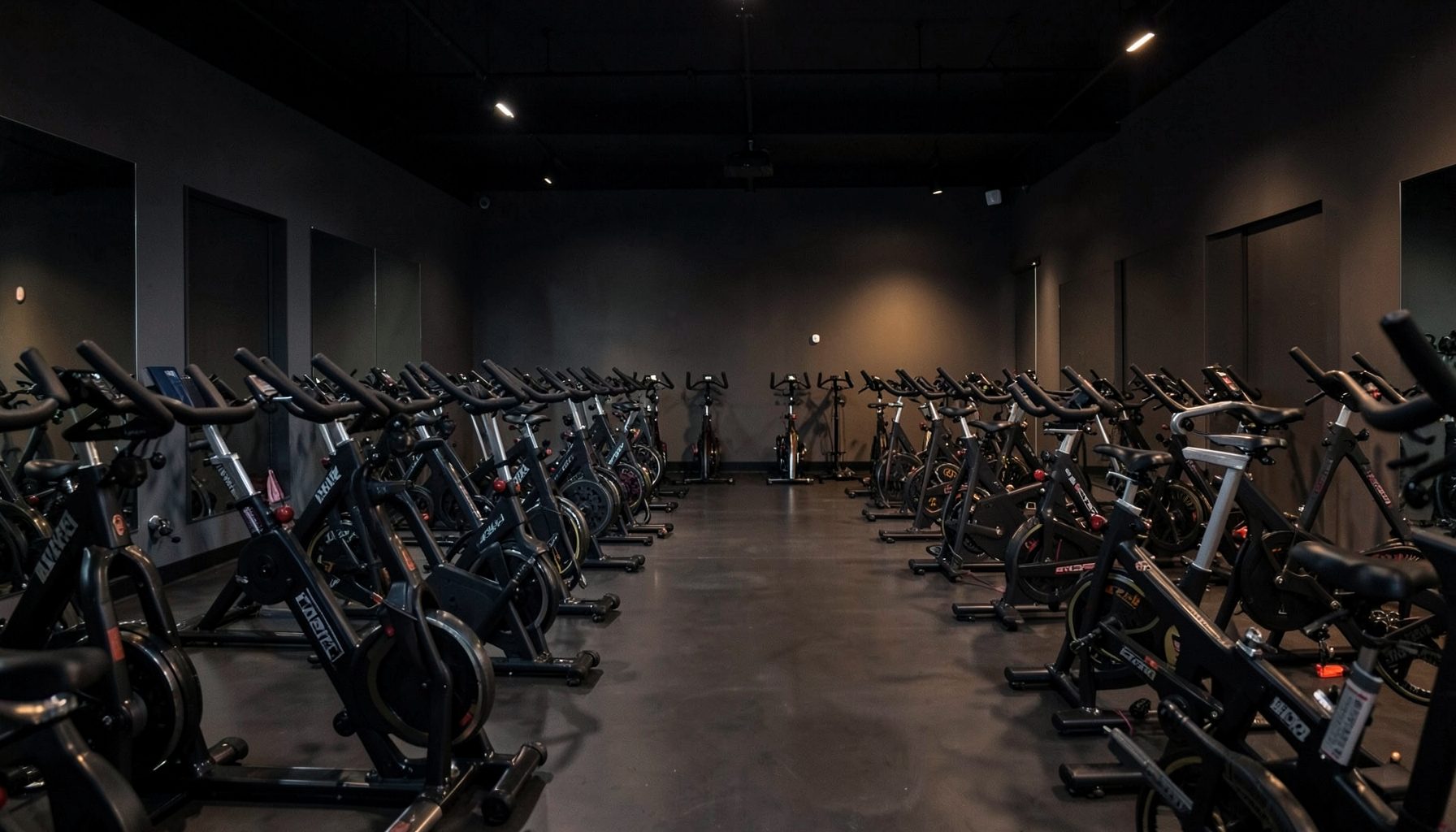
Normatec boot recovery and cryotherapy treatments help athletes bounce back faster. Cycle and spin classes add a cardio dimension to the holistic performance approach.
Have a Question?