Train. Compete. Recover.
A multi-purpose athletic facility in Speedway, Indiana — basketball leagues, skill training, and wellness services all under one roof.
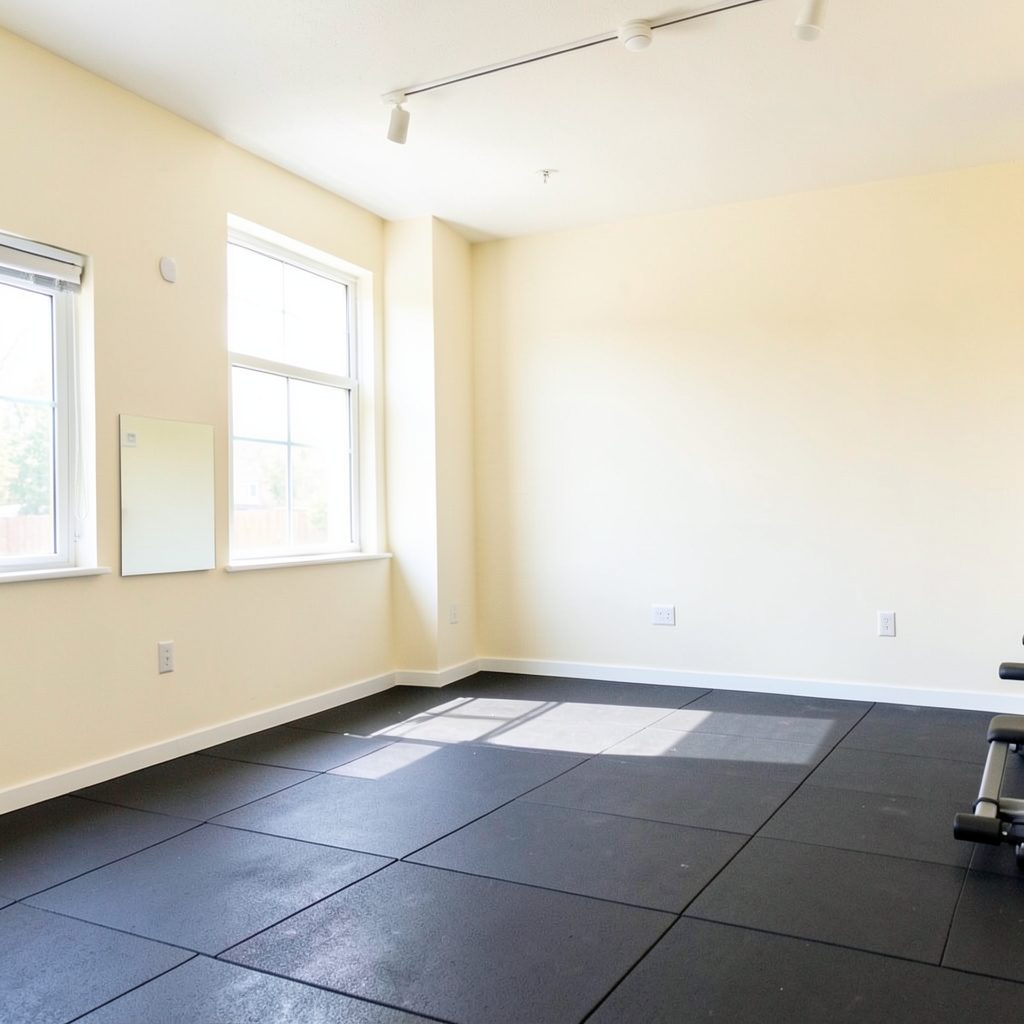
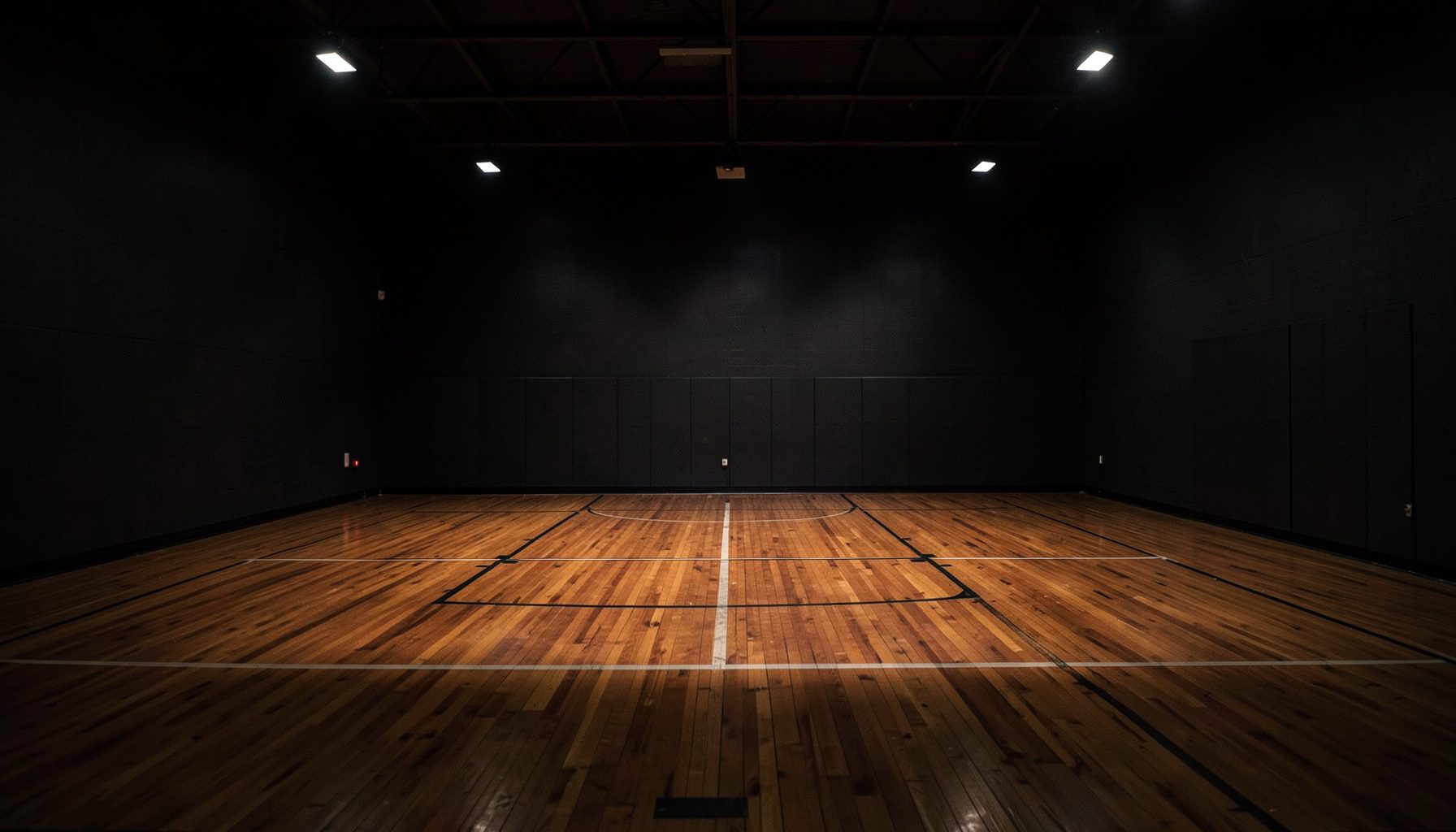
The Factory D1 Indy brings together three entities under one roof: competitive basketball leagues for all age groups, individual and group training, and wellness & recovery services including Normatec boot recovery and cryotherapy. Located off I-465 and High School Road at 6331 Crawfordsville Road, Speedway, Indiana 46224.
Get In TouchBuilding explosive speed with cycle and spin classes
Explosive speed is the ability to produce force quickly, accelerate into space, and repeat high-intensity efforts without losing control. For basketball players, that can mean beating a defender off the dribble, closing out on defense, or arriving first for a loose ball. It begins with strength and coordination, but conditioning determines how often an athlete can express those qualities during a game.
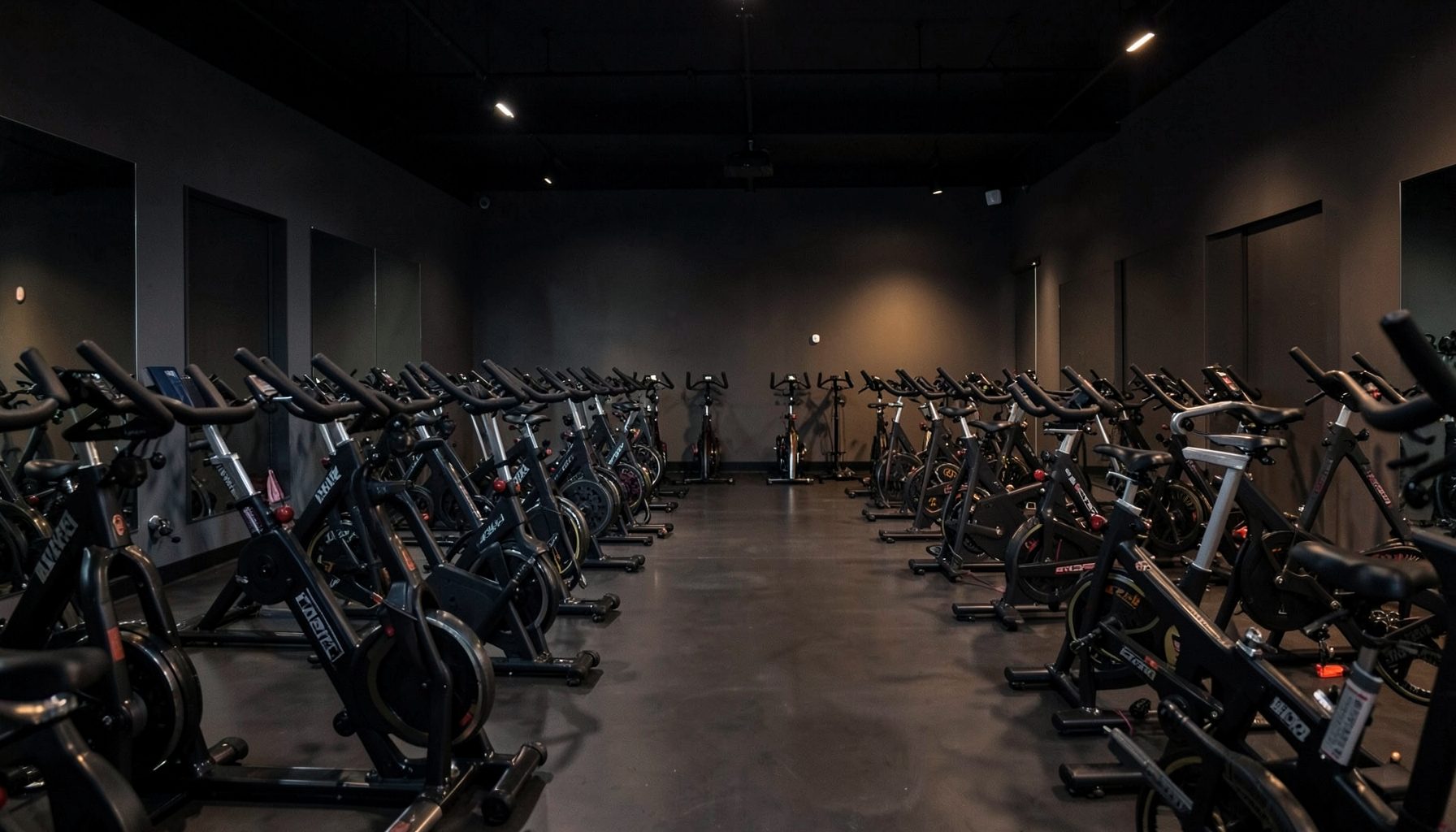
Cycle and spin classes offer a practical way to develop the engine behind fast movement. Repeated resistance changes, short sprints, and controlled recovery periods train the legs to work hard under pressure. When paired with court drills, this type of cardiovascular conditioning can help athletes become quicker, more resilient, and better prepared for demanding competition.
At The Factory D1 Indy, athletes can use cycle training as part of a broader performance routine that includes basketball development, fitness, and recovery. The goal is not simply to pedal faster. It is to build power, repeatability, and movement quality that carry over to sport.
Why cycling builds usable speed
Cycling develops the lower-body muscles responsible for producing force during acceleration. The quadriceps, glutes, hamstrings, and calves work together through each pedal stroke, creating a low-impact training stimulus that can complement jumping, sprinting, and defensive movement. Because the bike supports body weight, athletes can accumulate intense work without placing the same pounding on the joints as repeated running.
The key benefit is repeat-sprint ability. A spin class may include several hard efforts separated by brief periods of easier riding. This pattern teaches the body to recover while staying active, then produce another burst on command. That quality matters in basketball, where a single possession may involve a sprint, a stop, a cut, and another acceleration within seconds.
Cycling also encourages athletes to pay attention to cadence and resistance. A fast cadence develops leg turnover, while heavier resistance challenges force production. Learning to manage both helps athletes build a more complete speed foundation instead of relying on quick feet alone.
How spin sessions train power
A well-designed spin session alternates between intensity zones. Short climbs with higher resistance resemble forceful accelerations, while fast intervals challenge neuromuscular coordination and leg speed. Longer moderate segments improve aerobic capacity, giving athletes a stronger base for recovering between explosive actions.
Instructors can use timed intervals to create a clear training purpose. For example, a rider might work hard for 15 seconds, pedal easily for 30 seconds, and repeat the sequence several times. These brief efforts are long enough to stimulate power and anaerobic conditioning while allowing technique to remain sharp.
Position matters as well. Seated work emphasizes controlled force and sustained output, while carefully supervised standing efforts recruit more muscles and resemble the whole-body demand of driving through contact. Riders should keep their core stable, avoid bouncing in the saddle, and maintain smooth pressure throughout the stroke.
The intensity should match the athlete’s experience. Beginners benefit from learning cadence, breathing, and resistance control before chasing maximum output. Advanced athletes can use heavier climbs, sprint intervals, and shorter recovery periods to raise their performance ceiling.
Connecting the bike to basketball movement
Cycle training becomes most valuable when it supports sport-specific work. After a bike interval, an athlete can perform short acceleration drills, lateral slides, closeouts, or reaction-based changes of direction. This pairing teaches the body to make precise movements while fatigued, a condition that closely reflects the later stages of a competitive game.
For example, an athlete might complete a 20-second high-resistance effort, recover for 40 seconds, and then perform a defensive slide into a sprint. The bike creates the metabolic demand, while the court drill teaches the athlete how to apply speed with balance and control. Coaches can adjust the distance and work-to-rest ratio based on age, position, and training level.
Speed is also influenced by braking ability. A player who can accelerate but cannot stop efficiently may lose balance, commit a defensive foul, or struggle to change direction. Include deceleration drills, controlled stops, and low athletic positions after cycling intervals to build a safer and more complete movement pattern.
Choosing the right intensity
The best cycle workout is not always the hardest one. Athletes need a mixture of aerobic rides, threshold efforts, and short power intervals. Easy sessions support recovery and movement quality, moderate sessions expand conditioning, and high-intensity sessions develop the ability to repeat explosive bursts.
Use perceived effort to guide the session when heart-rate data is unavailable. An easy ride should allow comfortable conversation. A strong conditioning effort should feel challenging but sustainable for several minutes. A sprint should be brief and powerful, followed by enough recovery to preserve good mechanics on the next repetition.
| Training focus | Typical effort | Primary adaptation | Basketball carryover |
|---|---|---|---|
| Recovery ride | Easy, steady pace | Circulation and aerobic support | Better readiness between hard sessions |
| Tempo work | Moderate to hard | Sustainable conditioning | More consistent movement late in games |
| Resistance climbs | Hard, controlled output | Lower-body force | Stronger acceleration and contact tolerance |
| Sprint intervals | Very hard, brief bursts | Power and repeat-speed ability | Faster breaks, closeouts, and cuts |
Athletes should progress gradually by changing one variable at a time. Add a few intervals, increase resistance slightly, or reduce recovery by a small amount. Making several changes at once can create unnecessary fatigue and reduce the quality of basketball practice.
Building a weekly routine
A balanced week might include one cycle or spin class focused on intervals, one basketball skills session, one strength workout, and at least one lower-intensity recovery day. Competitive athletes may add a second cycle session, but the two rides should serve different purposes. One can target power, while the other emphasizes aerobic conditioning or technique.
Avoid placing a demanding spin class immediately before a game or a high-quality sprint practice. Tired legs may reduce jumping height, slow reaction time, and encourage poor landing mechanics. When possible, leave roughly 24 hours between intense lower-body sessions, especially for developing athletes.
Nutrition and hydration influence the quality of every ride. Drink water before and during training, and eat a balanced meal or snack containing carbohydrates and protein around harder sessions. Sleep is equally important because the nervous system needs recovery to produce speed, coordination, and force.
Recovery services can support this routine when training volume rises. Compression therapy, mobility work, and cryotherapy may help athletes manage soreness and return to practice feeling prepared. These tools work best alongside consistent sleep, appropriate rest, and sensible workload planning.
Making each session count
Athletes can improve the value of cycle training by arriving with a specific objective rather than treating every class as a test. The following habits help connect indoor cycling with faster, more effective movement:
- Set the resistance before each interval so the effort feels challenging without breaking technique.
- Keep sprint bursts short enough to preserve strong posture, smooth cadence, and controlled breathing.
- Record resistance, duration, and perceived effort to track progress over several weeks.
- Pair selected bike intervals with acceleration, lateral movement, or reaction drills on the court.
- Schedule recovery after demanding sessions instead of adding extra conditioning automatically.
Coaches should also monitor signs of excessive fatigue, including declining cadence, heavy legs that persist for several days, disrupted sleep, or reduced enthusiasm for practice. These signals indicate that the athlete may need an easier ride or a rest day. Progress comes from absorbing training, not simply collecting more hard minutes.
At a multi-purpose facility, athletes can coordinate cycling with skills training and competitive play in a way that reflects their schedule. Anyone interested in available programs, class times, or facility options can contact The Factory D1 Indy to discuss a suitable starting point.
Explosive speed develops through repeated, well-executed efforts supported by strength, conditioning, technique, and recovery. Cycle and spin classes provide a controlled setting for improving leg power and repeat-sprint fitness, while basketball drills teach athletes to apply those gains in real movement situations.
Start with manageable intervals, focus on quality over exhaustion, and build your workload over time. With consistent training at The Factory D1 Indy, athletes can turn stronger pedaling, faster recovery, and better lower-body endurance into sharper acceleration on the court.
Inside The Factory

Three Entities, One Roof
Leagues
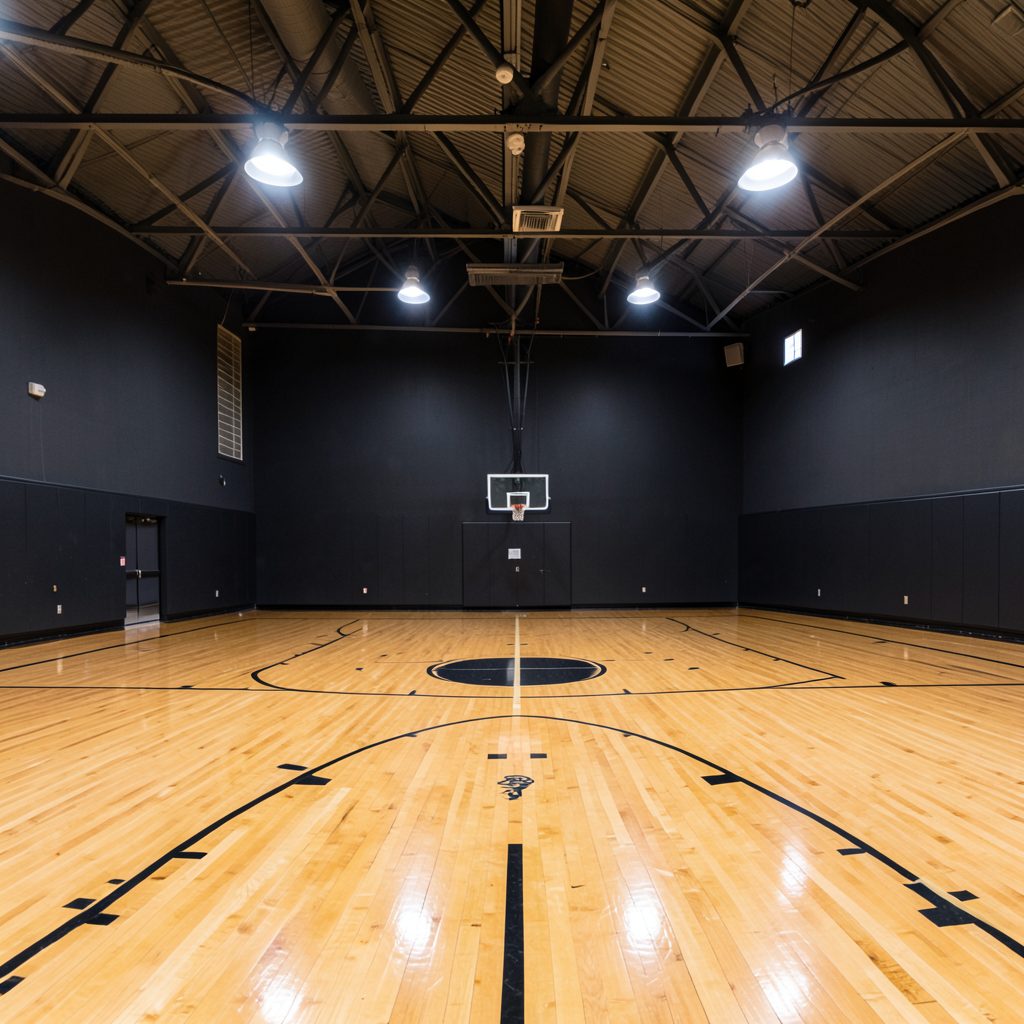
Eight league divisions span every age group: Indy Pro AM, 18+ Open Men's, 30+ Men's, Bite Size (ages 3–6), Impact League, 5th/6th Grade, Middle School, and High School. Gather your team and compete.
Training
Individual and group basketball training for all skill levels. Major M.O.V.E.S. Basketball Training serves ages 4–7 on Wednesday and Thursday evenings at 6:30 PM — $30 per session or $100 unlimited monthly.
Wellness & Recovery
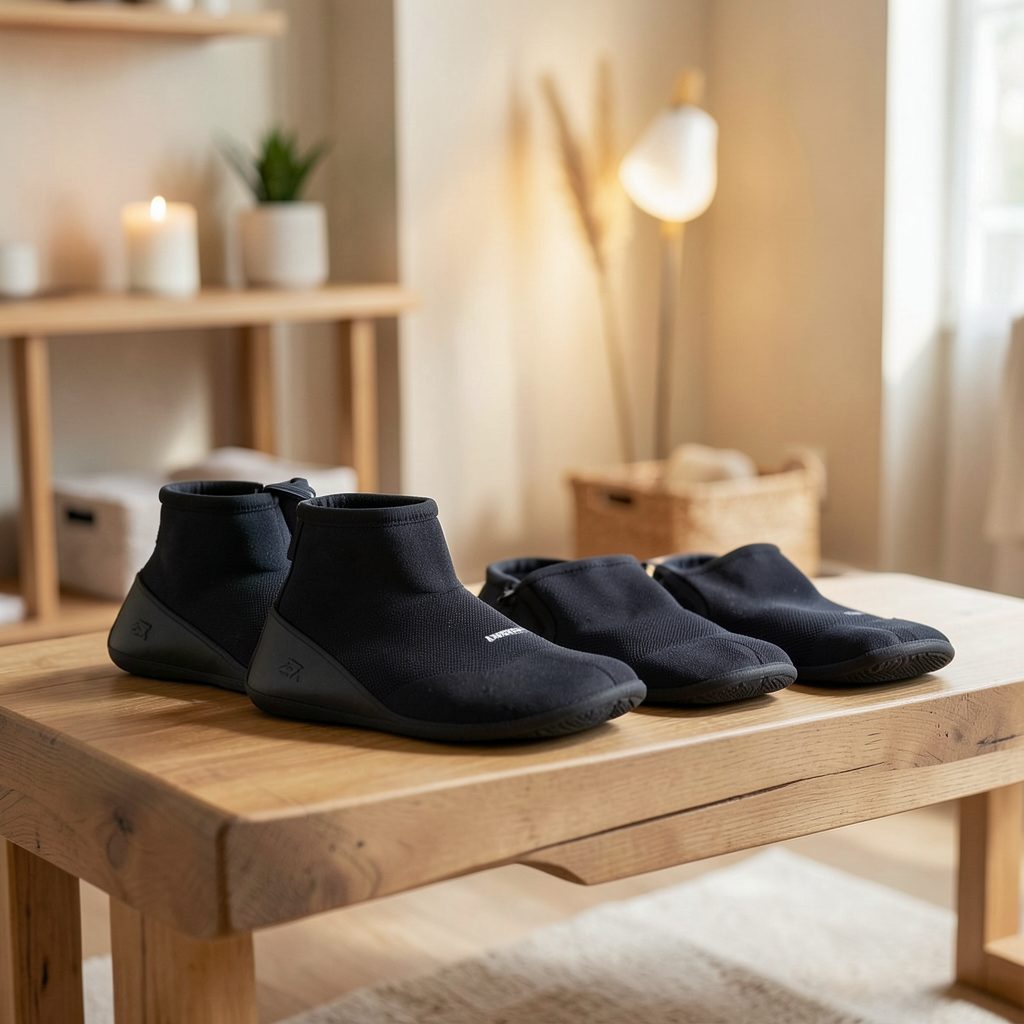
Normatec boot recovery and cryotherapy treatments help athletes bounce back faster. Cycle and spin classes add a cardio dimension to the holistic performance approach.
Have a Question?