Train. Compete. Recover.
A multi-purpose athletic facility in Speedway, Indiana — basketball leagues, skill training, and wellness services all under one roof.
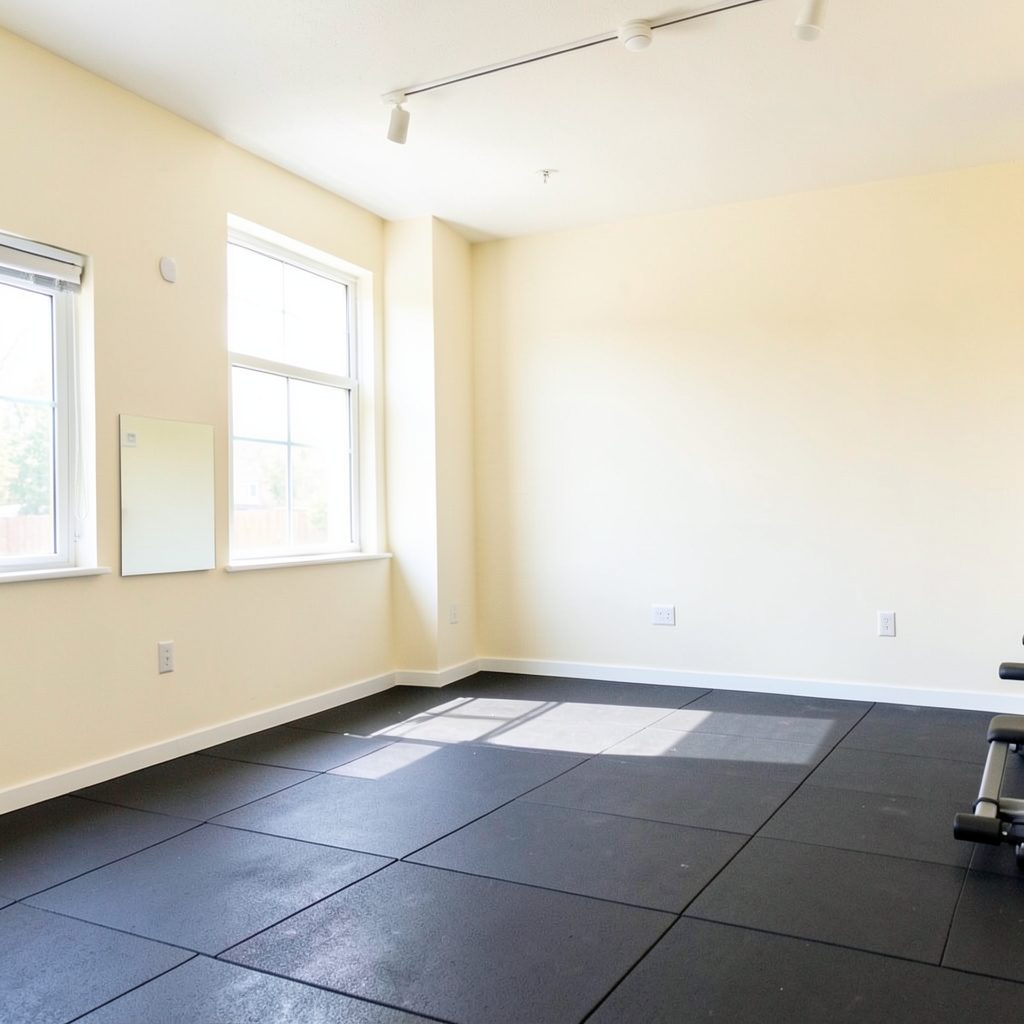
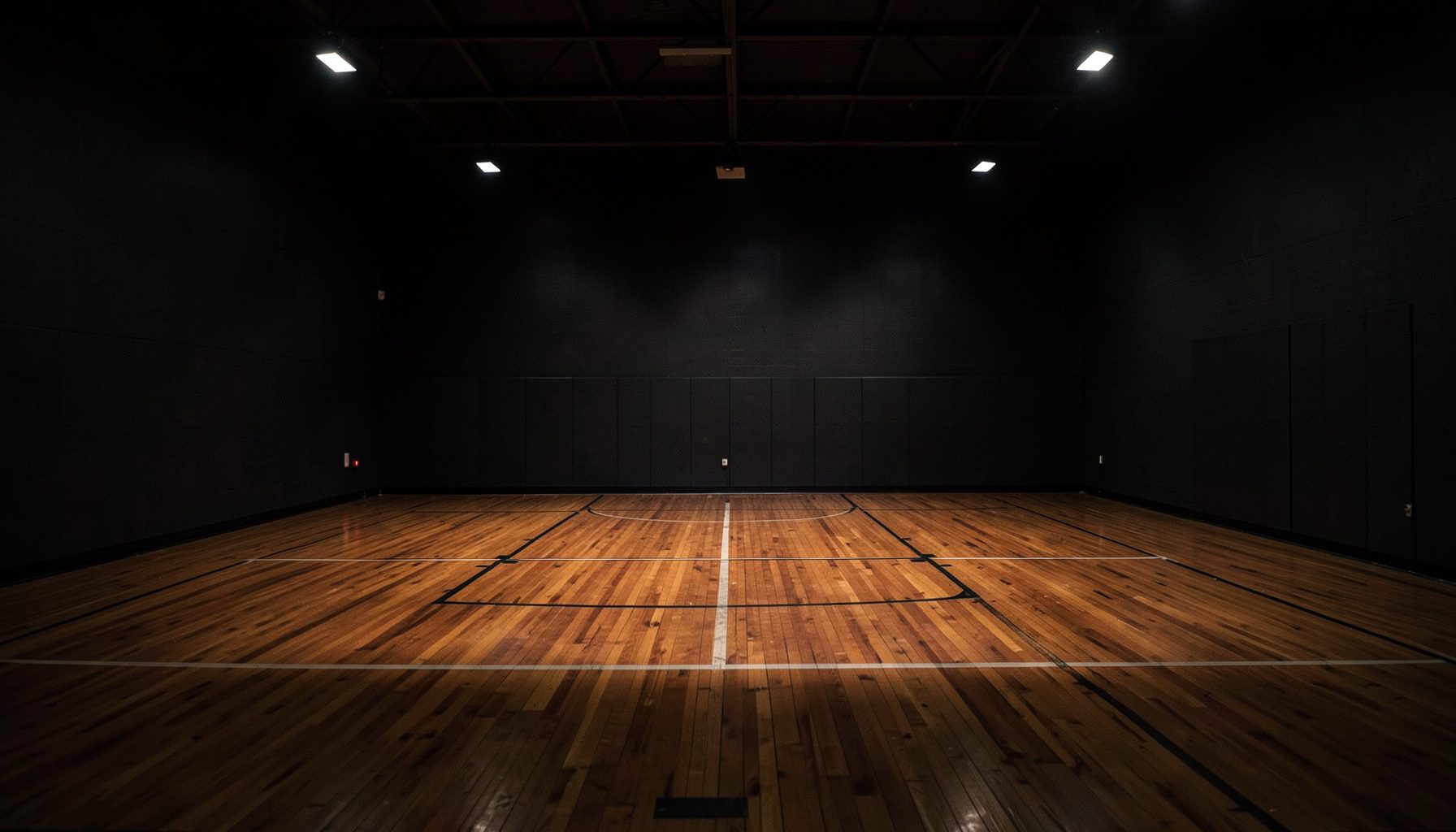
The Factory D1 Indy brings together three entities under one roof: competitive basketball leagues for all age groups, individual and group training, and wellness & recovery services including Normatec boot recovery and cryotherapy. Located off I-465 and High School Road at 6331 Crawfordsville Road, Speedway, Indiana 46224.
Get In TouchCryotherapy Or Ice Baths For Faster Athletic Recovery
Recovery is part of performance, especially for athletes who train, compete, and repeat demanding movements throughout the week. Basketball players place substantial stress on their calves, knees, hips, and lower backs through sprinting, jumping, cutting, and sudden stops. The right recovery strategy can help reduce discomfort and make the next session feel more manageable.
Cryotherapy and ice baths are often grouped together because both use cold exposure. They are not identical, however. Whole-body cryotherapy uses very cold air for a short period, while an ice bath or cold-water immersion places part of the body directly in chilled water. The differences affect comfort, cost, evidence, and how each method fits into a training schedule.
Neither option replaces sleep, hydration, adequate nutrition, mobility work, or a well-designed training plan. Cold therapy is best viewed as one tool within a larger recovery routine rather than a guaranteed solution for muscle soreness or fatigue.
How Cryotherapy And Ice Baths Work
An ice bath cools the skin and the tissues close to the water. Water transfers heat efficiently, so even a short session can produce a strong cooling effect. The cold may temporarily reduce nerve sensitivity, ease the perception of soreness, and influence blood vessel constriction and dilation as the body warms afterward.
Whole-body cryotherapy exposes the athlete to extremely cold air, commonly for two to three minutes. The session is dry, and the brief duration means the cooling effect is often more superficial than with cold-water immersion. Many athletes report feeling refreshed afterward, although the exact physiological benefits can vary based on the equipment, temperature, exposure time, and individual response.
Both approaches may provide short-term relief after intense exercise. They do not remove metabolic waste in a simple, instant way, and they cannot reverse tissue damage from overtraining or injury. Feeling better after cold exposure is useful, but it should not be mistaken for proof that the body has fully recovered.
Comparing The Recovery Experience
Ice baths can be uncomfortable, but their intensity is relatively easy to adjust. An athlete can change the water temperature, immersion depth, and duration. A typical recovery session may involve cool water rather than dangerously icy water, with the lower legs or entire lower body immersed for approximately 5–15 minutes.
Cryotherapy is faster and avoids the wet, constricting sensation of an ice bath. That convenience can matter at a busy training facility, particularly when athletes need to return to work, school, or another activity. The tradeoff is that access may depend on specialized equipment, appointments, and facility policies.
| Factor | Cryotherapy | Ice Bath |
|---|---|---|
| Cold source | Extremely cold air | Chilled water |
| Typical duration | About 2–3 minutes | About 5–15 minutes |
| Body exposure | Usually whole body, excluding the head | Partial or whole lower body |
| Main advantage | Fast and dry | More direct, adjustable cooling |
| Evidence base | Growing but more limited | More established for post-exercise soreness |
| Cost and access | Requires specialized equipment | Can be arranged with basic supplies |
| Main concern | Cold-related reaction or breathing discomfort | Excessive exposure, numbness, or skin injury |
For athletes who want a practical way to manage soreness after a tournament or intense conditioning session, cold-water immersion generally has the stronger research foundation. For athletes who value speed and dislike sitting in water, cryotherapy may be easier to use consistently.
What Research Says About Soreness And Performance
Cold-water immersion has been associated with lower perceived muscle soreness after strenuous exercise, particularly when the body is exposed soon after repeated high-intensity efforts. This can be useful during tournaments, camps, or congested competition schedules when an athlete needs to perform again within a short window.
The effect on actual performance is less predictable. Cold exposure may help an athlete feel ready, but it does not guarantee improved strength, power, agility, or endurance the next day. Some athletes respond well, while others feel stiff, numb, or uncomfortable after the session. Personal response should guide decisions.
Cryotherapy research is more mixed. Some studies report improvements in perceived soreness, mood, or recovery markers, while others find limited benefits compared with rest or less expensive methods. Claims that whole-body cryotherapy dramatically accelerates healing or burns substantial calories should be treated cautiously.
For basketball players, the most relevant question is often whether cold exposure improves the next practice or game. If an athlete feels less sore and moves normally afterward, the method may have practical value. If it masks pain and encourages continued play on an injury, it may create additional risk.
Choosing Cold Therapy Around Training
The timing of cold exposure matters. Using an ice bath or cryotherapy immediately after every resistance-training session may reduce some of the cellular signals involved in muscle growth and adaptation. Athletes focused on strength or hypertrophy may prefer to reserve cold therapy for competition periods, unusually strenuous sessions, or occasions when rapid short-term recovery matters most.
After a basketball tournament, repeated sprint workout, or demanding league game, cold therapy can be more reasonable because the priority may be reducing soreness before another performance. Athletes participating in basketball leagues can discuss timing with a coach or qualified recovery professional, especially when games occur several times in one week.
Cold exposure should also be separated from activities that require full sensation and coordination. An athlete should warm up naturally before sprinting, lifting, jumping, or practicing technical skills. Numb muscles and temporarily reduced sensitivity can make it harder to recognize poor movement or an aggravating injury.
A simple approach is to use cold therapy selectively rather than automatically. Track how the body feels later that day and the next morning. If the method consistently improves comfort without reducing mobility or training quality, it may have a place in the weekly routine.
Safety Considerations Before A Session
Cold therapy is not appropriate for everyone. People with cardiovascular disease, uncontrolled high blood pressure, circulation disorders, cold urticaria, Raynaud’s disease, reduced sensation, or certain chronic conditions should seek medical guidance before using either method. Pregnancy, recent surgery, and unexplained pain also warrant professional advice.
Ice baths should never be so cold or prolonged that the athlete develops intense shivering, confusion, dizziness, skin discoloration, or persistent numbness. Use a safe entry and exit area, avoid getting in alone, and stop immediately if the body reacts abnormally. Cryotherapy also requires following staff instructions closely, including protective clothing and limits on exposure.
Neither treatment should be used to manage a suspected serious injury without evaluation. Swelling, instability, sharp pain, inability to bear weight, or symptoms that continue beyond ordinary post-exercise soreness may indicate a condition that needs medical attention. Cold can temporarily dull pain while the underlying problem remains.
Athletes under 18 should use supervised protocols and involve a parent, guardian, coach, or healthcare professional. Recovery services should support a sound training plan, not encourage young athletes to ignore fatigue or compete through pain.
Practical Recovery Choices For Athletes
The best choice depends on the athlete’s goal, schedule, tolerance, and access. Ice baths are usually the more economical option and offer a direct, adjustable form of cooling. Cryotherapy is attractive when a fast, dry session fits better into a busy day, though the higher cost does not automatically mean greater effectiveness.
Use these guidelines when deciding which approach belongs in a recovery routine:
- Choose cold-water immersion when you want the more established option for short-term soreness relief after strenuous exercise.
- Consider cryotherapy when speed, convenience, and avoiding water are important, provided a trained facility supervises the session.
- Reserve either method for demanding competition periods or unusually hard workouts instead of relying on cold exposure after every strength session.
- Stop if you experience dizziness, breathing difficulty, severe pain, prolonged numbness, or an unusual skin reaction.
- Pair cold therapy with sleep, fluids, carbohydrates and protein, gentle movement, and professional assessment when symptoms persist.
Active recovery may be a better choice when the main issue is stiffness rather than acute soreness. Easy cycling, walking, mobility exercises, and light range-of-motion work can increase comfort without the intense sensation of cold. A recovery plan should change according to the training load rather than follow a rigid rule.
Make Recovery Part Of The Routine
Cryotherapy and ice baths can both serve a purpose, but neither method is universally superior. Ice baths have more direct cooling and broader support for managing perceived post-exercise soreness. Cryotherapy offers a quicker, cleaner experience that some athletes find easier to repeat. The most effective option is the one that fits the athlete’s needs, is used safely, and supports—not replaces—a complete recovery plan.
At The Factory D1 Indy, athletes can combine training, competition, conditioning, and recovery in one athletic environment. Schedule a supervised recovery session, speak with knowledgeable staff about your training demands, and build a cold-therapy routine that helps you return to your next workout prepared rather than simply numb.
Inside The Factory

Three Entities, One Roof
Leagues
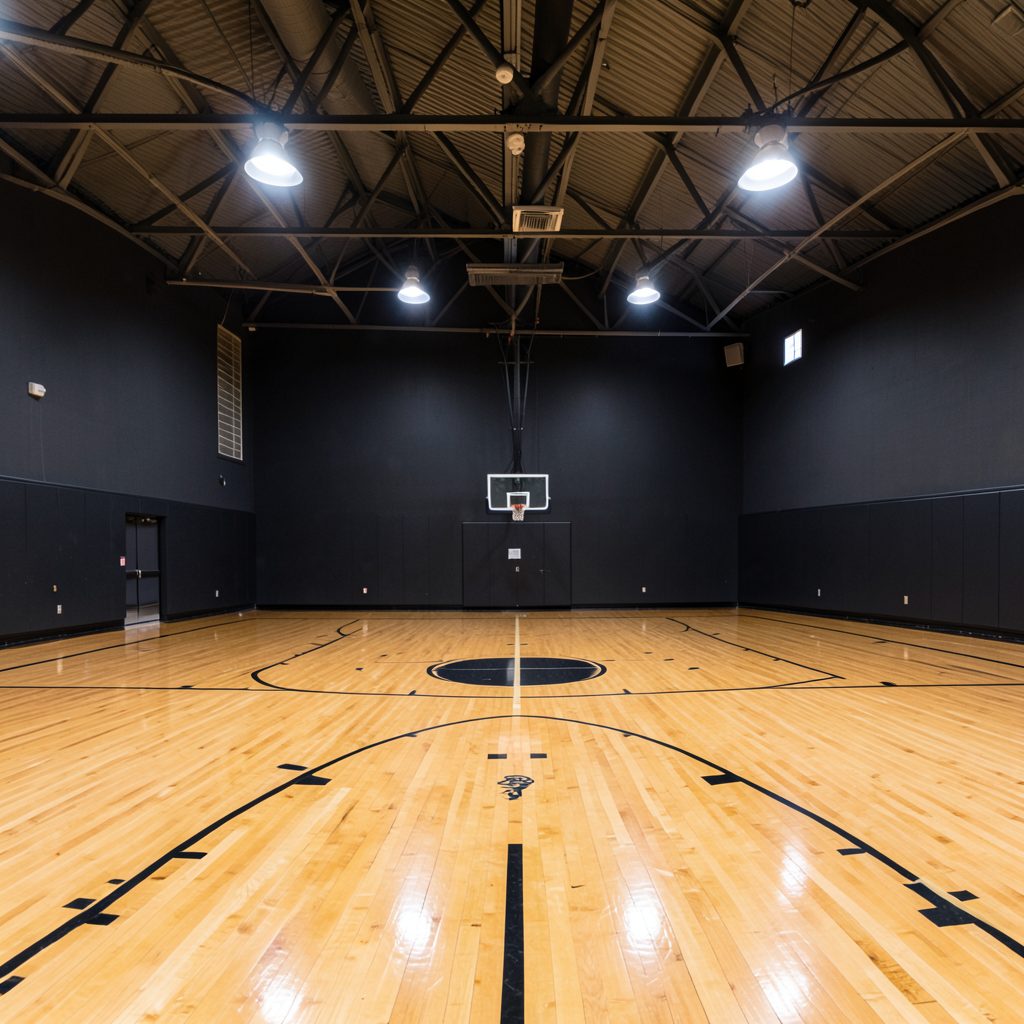
Eight league divisions span every age group: Indy Pro AM, 18+ Open Men's, 30+ Men's, Bite Size (ages 3–6), Impact League, 5th/6th Grade, Middle School, and High School. Gather your team and compete.
Training
Individual and group basketball training for all skill levels. Major M.O.V.E.S. Basketball Training serves ages 4–7 on Wednesday and Thursday evenings at 6:30 PM — $30 per session or $100 unlimited monthly.
Wellness & Recovery
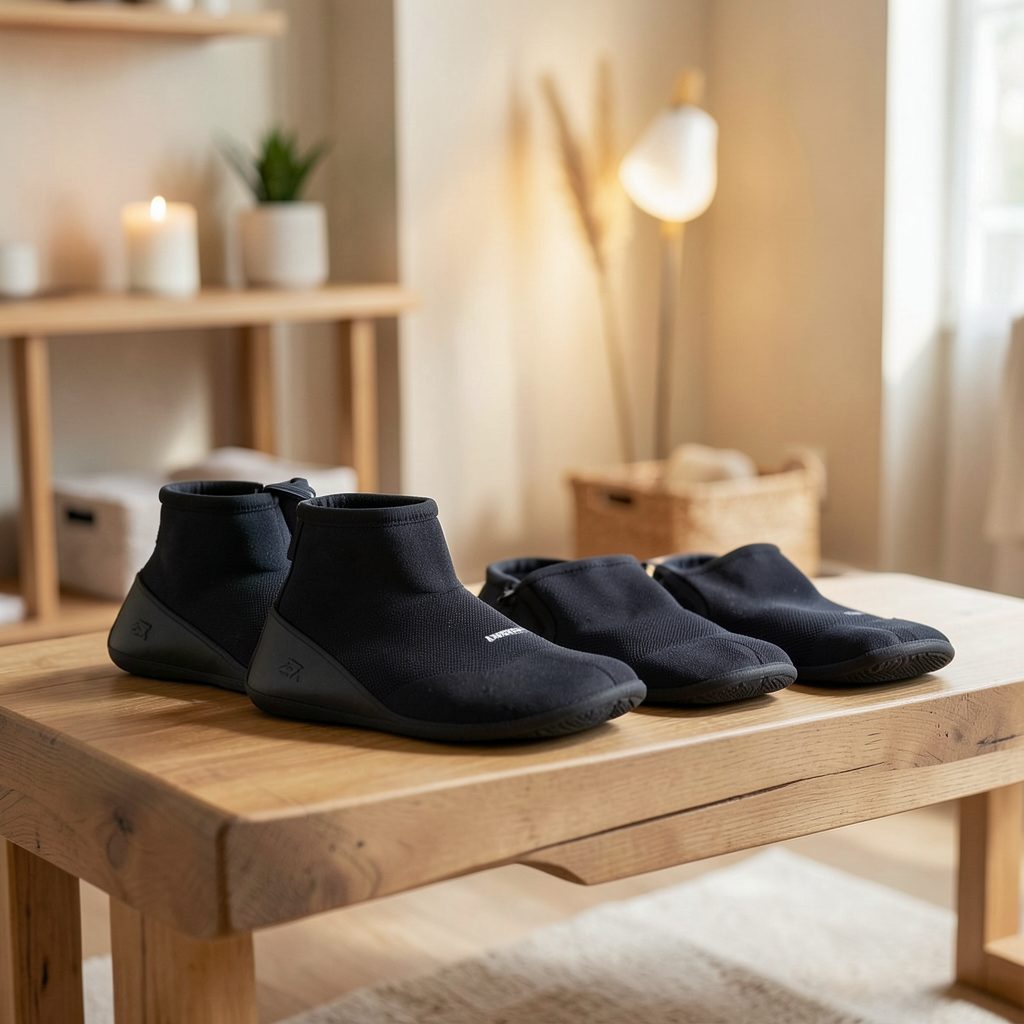
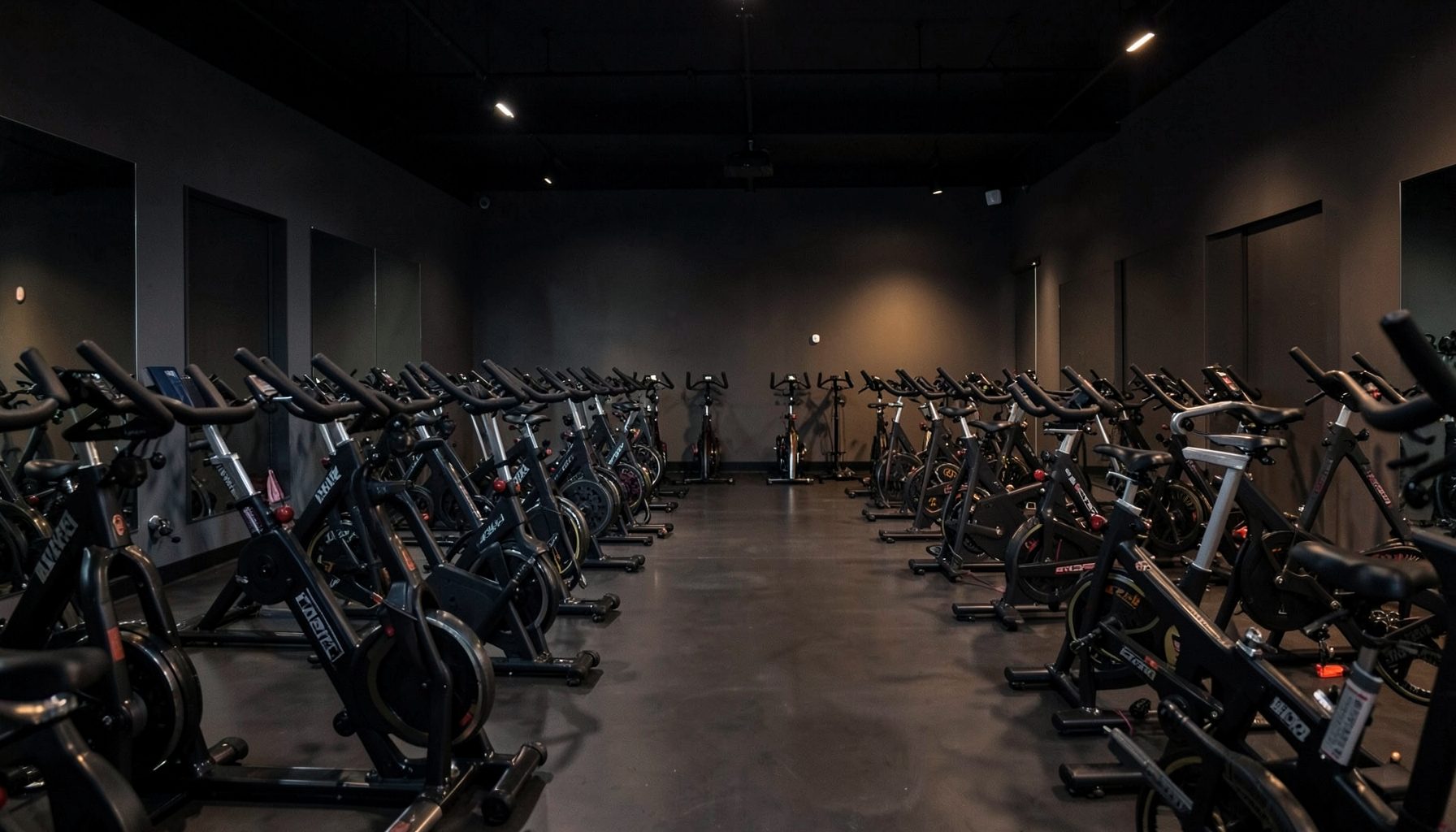
Normatec boot recovery and cryotherapy treatments help athletes bounce back faster. Cycle and spin classes add a cardio dimension to the holistic performance approach.
Have a Question?