Train. Compete. Recover.
A multi-purpose athletic facility in Speedway, Indiana — basketball leagues, skill training, and wellness services all under one roof.
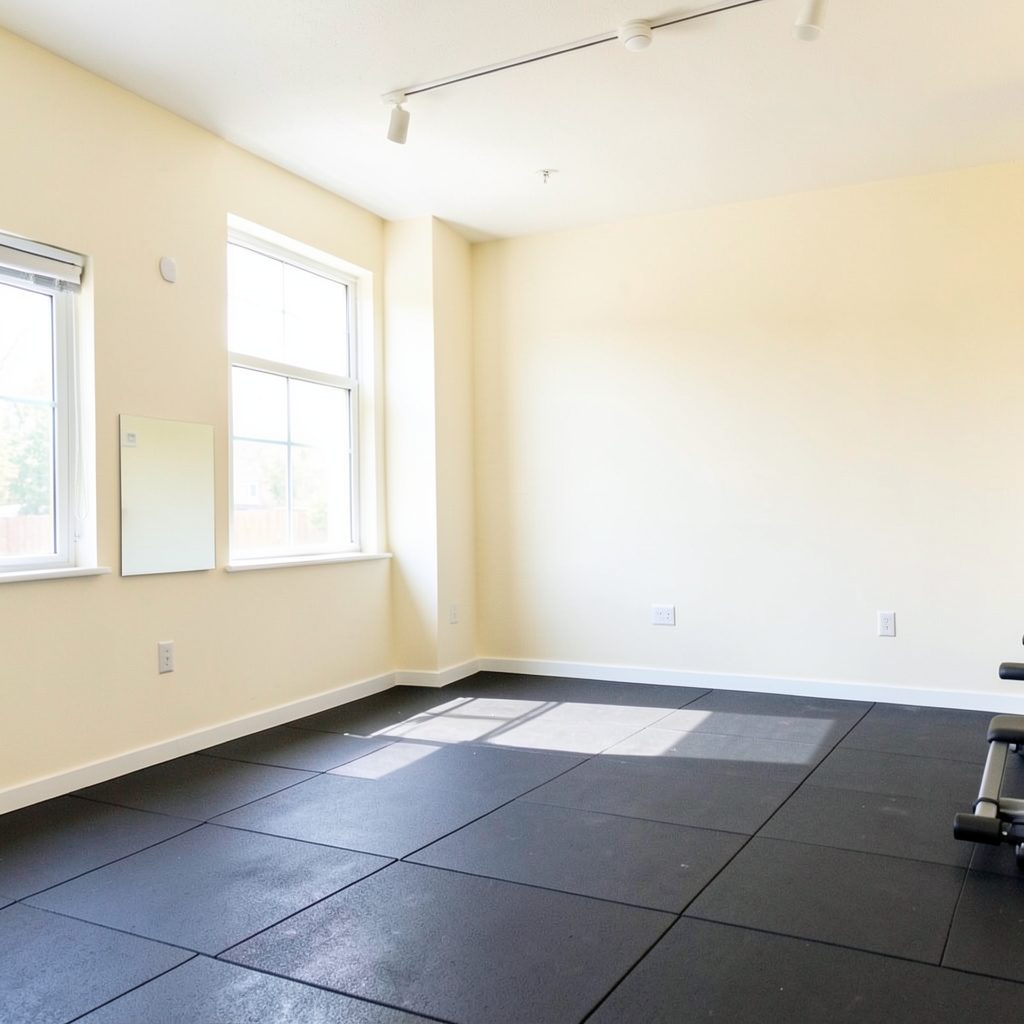
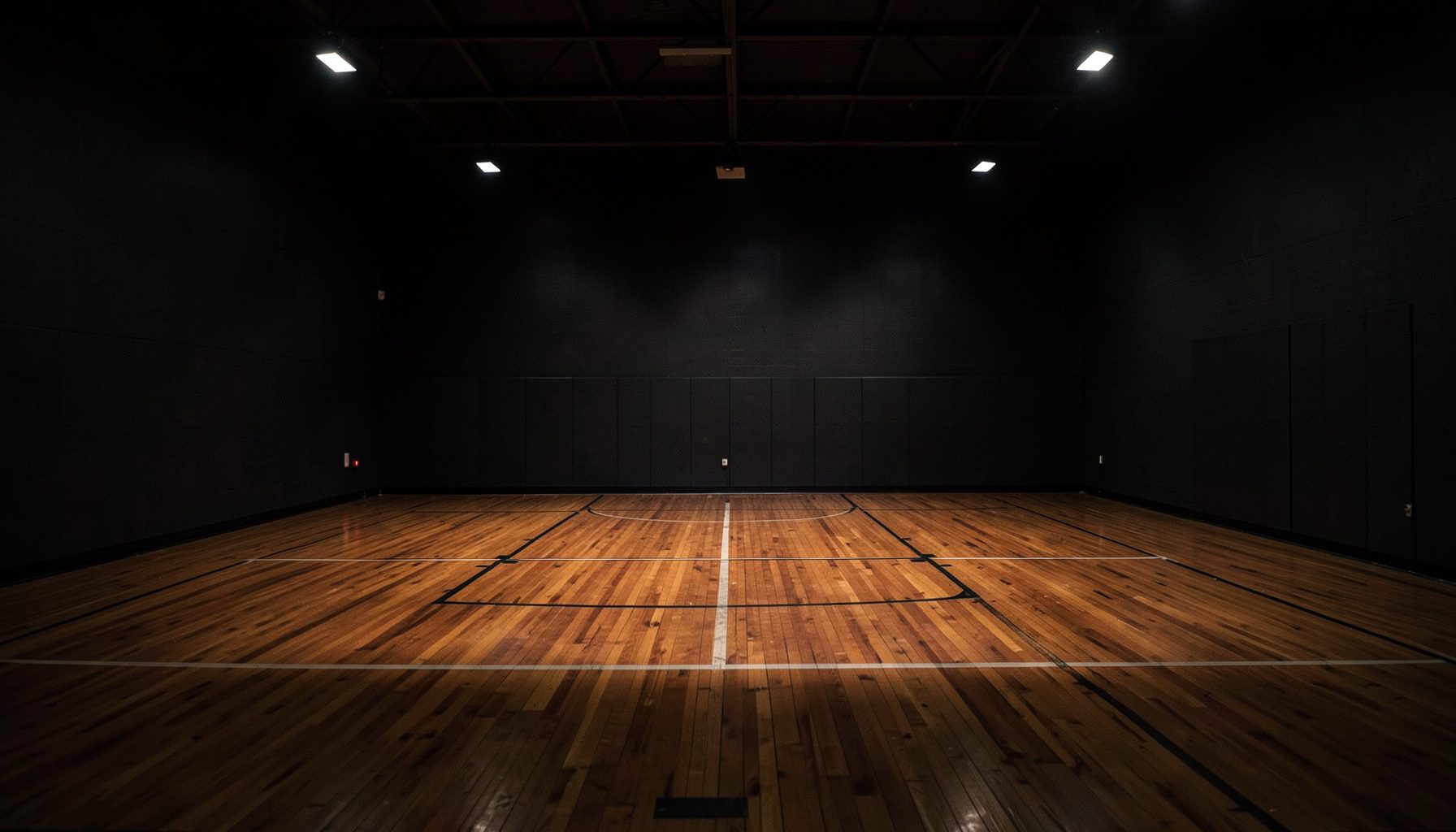
The Factory D1 Indy brings together three entities under one roof: competitive basketball leagues for all age groups, individual and group training, and wellness & recovery services including Normatec boot recovery and cryotherapy. Located off I-465 and High School Road at 6331 Crawfordsville Road, Speedway, Indiana 46224.
Get In TouchDefensive slides: the most underrated skill in basketball
A blocked shot may fill the highlight reel, but a well-executed defensive slide often prevents the shot from happening at all. Lateral movement allows a defender to stay between an opponent and the basket, contest driving lanes, and force difficult decisions before the offense gains an advantage.
Defensive slides are easy to overlook because they rarely receive individual credit. A guard who cuts off a drive, a forward who stays square through a closeout, or a center who contains a ball handler without reaching has usually done the hard work quietly. The result may be a rushed pass, a late-clock possession, or a turnover several actions later.
For players of every age, defensive footwork is a foundation for dependable team defense. It combines balance, reaction speed, strength, body control, and anticipation. When those qualities are trained together, athletes become more difficult to attack and more prepared to contribute in every possession.
Why lateral movement changes possessions
The first job of a defender is to protect space. A player who can slide quickly without crossing their feet can keep an offensive player away from the middle, shade them toward help, and recover after a change of direction. This makes the court feel smaller for the ball handler.
Good lateral quickness also reduces the need for desperate recovery moves. Reaching, grabbing, and lunging often happen after a defender loses balance or opens their hips too early. Staying square gives the defender more options: contain the drive, contest the pull-up, deflect a pass, or recover to a shooter.
Defensive slides also connect individual effort to team strategy. When one player contains the ball for an extra second, teammates have time to rotate. That brief delay can turn a clear driving lane into a crowded paint touch and can give the defense a chance to finish the possession with a rebound.
The stance sets up every slide
A strong defensive stance begins with feet slightly wider than the shoulders, knees bent, hips lowered, chest lifted, and weight balanced over the front half of the feet. The position should feel athletic rather than collapsed. A player who sits too low may struggle to react, while a player who stands too tall gives up the first step.
The feet should move in short, sharp steps. When sliding right, the right foot moves first and the left foot follows without crossing. When sliding left, the left foot leads. This keeps the base stable and allows the defender to push in either direction. Crossing the feet may create a quick burst, but it leaves the body vulnerable to a sudden counter.
The push comes from the outside leg. Instead of hopping toward the ball handler, the defender presses into the floor and moves the entire body as one unit. The head stays level, the shoulders remain controlled, and the eyes track the opponent’s chest rather than the ball. Hands can stay active without reaching.
Common breakdowns and how to fix them
One frequent mistake is standing tall after the first slide. A defender may begin in a good stance, then rise while watching the play develop. That extra height slows the next movement and makes it easier for the ball handler to attack the defender’s top foot. Conditioning and concentration must work together so the stance survives fatigue.
Another problem is opening the hips too soon. Turning toward the sideline may feel faster, but it often gives the offensive player a direct path to the rim. Players should angle their bodies with purpose, using a controlled drop step when the attacker gains an edge rather than spinning blindly and hoping to recover.
Reaching is another symptom rather than the original problem. A defender who reaches across the body may be trying to compensate for poor spacing or delayed footwork. The correction is to improve the first slide, stay chest-to-chest, and use the hands for vision disruption and passing-lane pressure. Patience creates more steals than panic.
Choosing the right footwork response
Different offensive actions call for different defensive movements. A lateral slide works when the ball handler moves across the defender’s path. A drop step helps when the attacker gets slightly ahead. A crossover step may be useful during a longer recovery, but it should be followed by a quick return to a balanced stance.
| Offensive action | Defensive response | Key coaching focus |
|---|---|---|
| Straight-line drive | Slide and contain | Keep the chest in front |
| Crossover | Push off and mirror | Watch the torso, not the ball |
| Hesitation move | Stay low and patient | Avoid reacting to a head fake |
| Closeout to a shooter | Short choppy steps | Arrive balanced with a high hand |
| Baseline drive | Cut off the angle | Use the sideline as extra help |
| Screen action | Slide, fight over, or switch | Communicate early |
The best response depends on distance, help position, scouting information, and the offensive player’s tendencies. A defender should understand the team’s coverage before the game begins. Knowing whether to force baseline, send the ball toward help, or switch a screen allows footwork to support a clear plan.
Players can build this awareness through live repetitions. A coach or teammate can vary the direction, speed, and move instead of giving the defender a predictable pattern. The goal is to make the feet respond to a real cue while the defender maintains vision, communication, and body control.
Drills that build defensive footwork
A simple line-slide drill develops the basic movement pattern. The player begins in a stance, slides to a marker, touches the outside hand near the floor, and returns without standing up. Short rounds of five to eight seconds encourage quality movement. Longer rounds can be added as the athlete learns to maintain posture under fatigue.
Mirror drills add reaction and decision-making. Two players face each other in a lane or marked box. The leader moves laterally, diagonally, or with a controlled retreat, while the defender mirrors the movement. The leader should remain realistic rather than trying to win with reckless speed. This drill teaches the defender to read the torso and respond instead of guessing.
Closeout-to-slide drills connect defensive footwork to game situations. The defender starts away from the ball, sprints toward a shooter, breaks down with short steps, raises a hand, and then slides as the offensive player attacks. This sequence develops the ability to change from forward speed to lateral control, one of the most important transitions in perimeter defense.
Partner resistance can add strength when used carefully. A light band around the waist or controlled shoulder contact may challenge the legs, but resistance should never distort technique. If the athlete begins crossing feet, leaning excessively, or losing knee alignment, the load is too high.
Making slides useful in live competition
Defensive movement becomes valuable when it supports a complete possession. After containing the ball, the defender must locate the next threat, communicate a screen, tag a cutter, and finish with a box-out. Sliding is the entry point to defensive awareness, not a separate performance isolated from the rest of the game.
Communication improves the timing of every slide. Calling “ball,” “screen,” “help,” or “switch” gives teammates information before the action develops. A defender who communicates early can move with confidence because the team understands the coverage. Quiet defenders often take unnecessary risks because they are trying to solve every problem alone.
The Factory D1 Indy gives athletes a setting where skill work, competitive leagues, conditioning, and recovery can support each other. Players and families can also explore training ideas and facility updates through the digital magazine, then bring those concepts onto the court with purposeful repetitions.
A practical weekly plan for stronger slides
A useful defensive routine does not require an entire workout. Two or three focused sessions each week can improve stance endurance, lateral acceleration, and reaction quality. Begin with movement preparation, then practice controlled footwork before adding a live opponent or ball.
Use this progression to keep the work organized:
- Spend three minutes on stance holds, ankle mobility, and hip activation.
- Perform four short line-slide rounds with full effort and clean posture.
- Complete three mirror-drill rounds that include changes of direction.
- Add closeout-to-slide repetitions with a shooter or coach.
- Finish with a competitive one-on-one drill where the defender earns points for stops and forced pickups.
Quality matters more than exhaustion. Stop a repetition when the player loses balance or begins crossing the feet, briefly reset, and repeat with better mechanics. As control improves, increase the decision-making challenge by adding screens, shot fakes, transition starts, or a limited number of dribbles.
Coaches can track progress through practical markers: how often the defender forces a pickup, how well they contain the middle, whether they arrive balanced on closeouts, and how consistently they communicate. These details show improvement more clearly than sprint time alone.
Every possession starts with a choice to defend space before chasing the ball. Athletes who train their slides with patience and intent will give teammates more time, force opponents into tougher options, and stay effective late in games. Build that habit at The Factory D1 Indy through focused basketball training, competitive play, and athletic development that makes strong footwork part of the player’s identity.
Inside The Factory

Three Entities, One Roof
Leagues
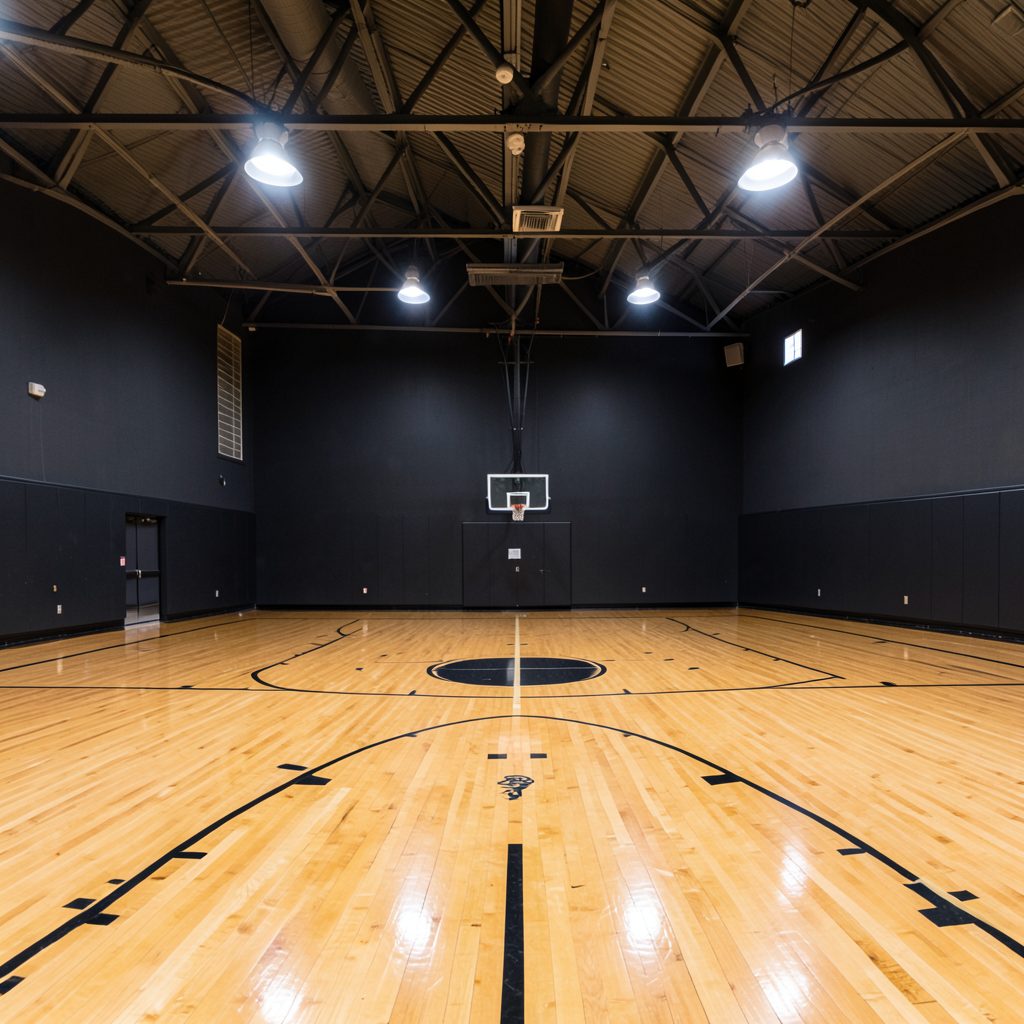
Eight league divisions span every age group: Indy Pro AM, 18+ Open Men's, 30+ Men's, Bite Size (ages 3–6), Impact League, 5th/6th Grade, Middle School, and High School. Gather your team and compete.
Training
Individual and group basketball training for all skill levels. Major M.O.V.E.S. Basketball Training serves ages 4–7 on Wednesday and Thursday evenings at 6:30 PM — $30 per session or $100 unlimited monthly.
Wellness & Recovery
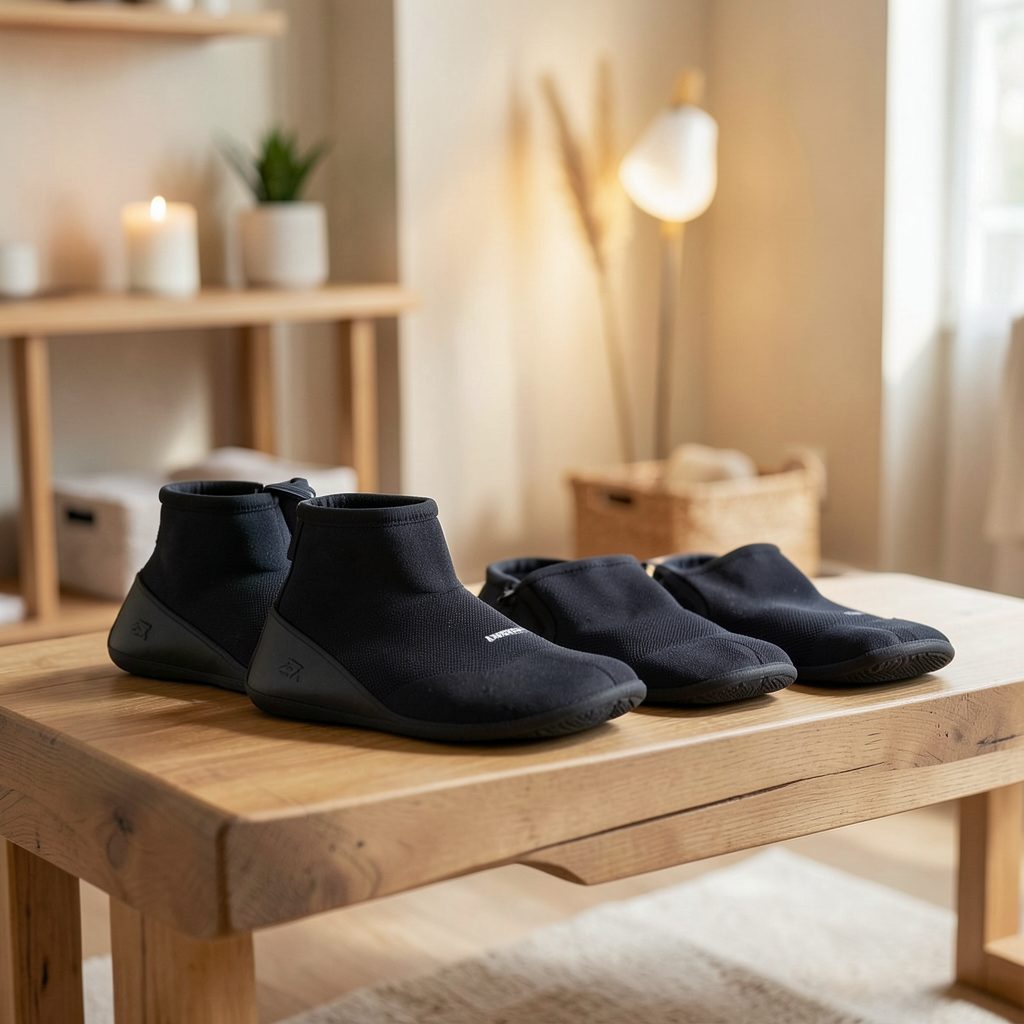
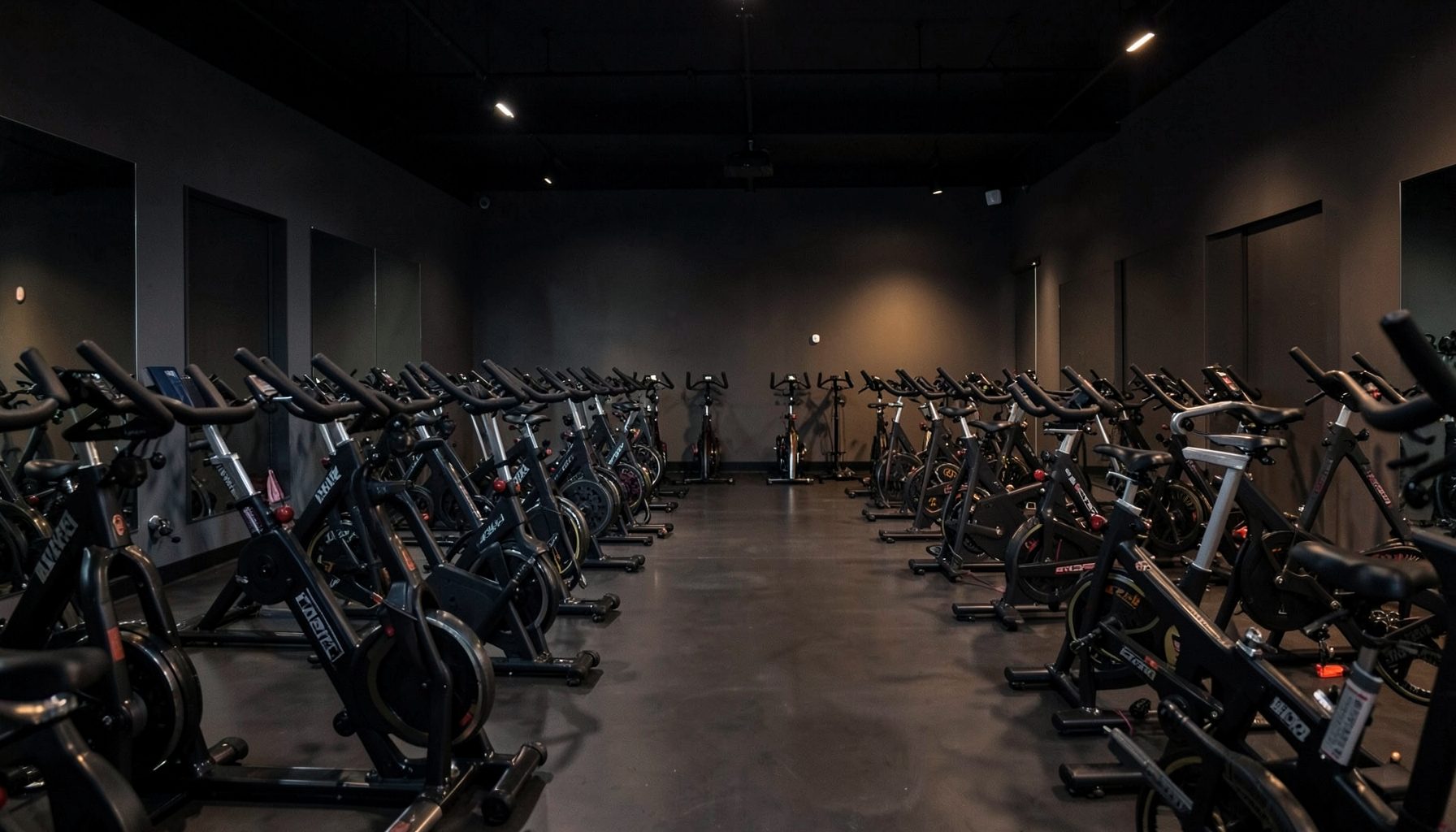
Normatec boot recovery and cryotherapy treatments help athletes bounce back faster. Cycle and spin classes add a cardio dimension to the holistic performance approach.
Have a Question?