Train. Compete. Recover.
A multi-purpose athletic facility in Speedway, Indiana — basketball leagues, skill training, and wellness services all under one roof.
The Factory D1 Indy brings together three entities under one roof: competitive basketball leagues for all age groups, individual and group training, and wellness & recovery services including Normatec boot recovery and cryotherapy. Located off I-465 and High School Road at 6331 Crawfordsville Road, Speedway, Indiana 46224.
Get In TouchDeveloping A Pre-Game Routine For Youth Basketball League Athletes
A dependable pre-game routine helps young basketball players arrive focused, energized, and ready to compete. It gives athletes a familiar sequence to follow before tipoff, reducing distractions and helping them shift from school, homework, or a busy ride to the gym into game mode.
The best routine is simple enough to repeat and flexible enough to fit different schedules. A player may have 90 minutes before one league game and only 25 minutes before another. The essential habits should remain consistent: arrive prepared, hydrate, fuel the body, warm up gradually, and settle the mind.
Families and coaches can support this process by focusing on preparation rather than superstition. A routine should improve readiness without creating anxiety when one small detail changes. Youth athletes benefit most when their pre-game habits are practical, age-appropriate, and connected to the demands of basketball.
Why A Routine Supports Better Performance
Young players often experience nerves before a competitive game. Those feelings are normal, especially when athletes are facing a new opponent, playing in front of family members, or taking on a larger role. A repeated routine gives them clear actions to complete instead of leaving them to dwell on uncertainty.
Consistency also helps athletes recognize how their bodies feel when they are ready to play. Over time, they learn whether they need more time for dynamic stretching, a larger snack, or a quieter mental reset. This self-awareness supports better decision-making during busy league seasons.
A routine should never be used to judge a player’s value by the outcome of a game. Even a well-prepared athlete can miss shots, lose a close contest, or struggle against strong defensive pressure. The routine measures preparation, not the final score.
Start With The Game-Day Timeline
The pre-game process begins well before an athlete enters the facility. Players should prepare uniforms, basketball shoes, water bottles, and any required equipment in advance. Packing the night before prevents a missing shoe or forgotten jersey from creating unnecessary stress.
Arrival time should account for traffic, parking, checking in, changing clothes, and connecting with teammates. A player who arrives just before warmups may technically be on time but still feel rushed. Arriving with enough margin allows the athlete to settle in and observe the gym environment.
The schedule should include a clear transition from general preparation to basketball-specific activity. For example, a player might eat a light meal two to three hours before the game, arrive 45 to 60 minutes early, complete movement preparation, and use the final minutes for shooting and team instructions.
Fuel, Hydration, And Recovery Choices
Food and fluids influence energy, concentration, and comfort on the court. Youth athletes usually do well with familiar foods that provide carbohydrates and moderate protein without feeling heavy. A banana with peanut butter, yogurt with fruit, oatmeal, a turkey sandwich, or whole-grain crackers can work depending on timing and personal tolerance.
Hydration should begin throughout the day rather than waiting until warmups. Water is generally appropriate for most youth games, while longer tournaments or multiple-game days may require a more detailed plan developed with a parent, coach, or qualified sports professional. Athletes should avoid trying unfamiliar supplements or energy products before competition.
Recovery habits also belong in the broader game-day plan. Regular sleep, balanced meals, and manageable training loads matter more than a last-minute fix. At a multi-purpose facility such as The Factory D1 Indy, athletes and families can explore recovery services as part of a broader wellness approach, while keeping daily rest and nutrition at the center.
| Time Before Tipoff | Recommended Focus | Practical Example |
|---|---|---|
| The night before | Organize equipment and sleep on schedule | Pack shoes, uniform, water, and any needed braces |
| 2–3 hours | Eat a familiar balanced meal | Rice with chicken, pasta with lean protein, or a sandwich with fruit |
| 60–45 minutes | Arrive and settle in | Check in, change, greet teammates, and review expectations |
| 35–20 minutes | Move and warm up | Jogging, mobility drills, defensive slides, and controlled ball handling |
| 15–5 minutes | Sharpen skills and focus | Form shooting, passing, free throws, and breathing |
| Final minutes | Listen and commit to priorities | Hear team instructions and identify one or two game goals |
Use A Progressive Basketball Warmup
A strong warmup gradually raises body temperature before asking the athlete to sprint, jump, or change direction. Young players can begin with light jogging, skips, lateral movement, and controlled backpedaling. These activities prepare the legs and improve coordination without using too much energy.
Dynamic mobility should follow general movement. Arm circles, walking lunges, hip rotations, ankle movements, and gentle trunk turns can help athletes prepare for basketball positions. Long, passive stretches are better saved for other parts of training unless a coach or medical professional has recommended them for a specific need.
The final portion should resemble game actions. Players can complete defensive slides, closeout footwork, short accelerations, passing on the move, layups, and controlled shooting. The intensity should build gradually, with enough recovery between repetitions to keep movements sharp.
Practice Technical And Mental Preparation
Skill work before a game should create rhythm rather than turn into a private competition. Players might begin with close-range form shots, move to stationary jumpers, and then take shots from areas they are likely to use during the game. Passing, ball protection, and finishing from both sides of the basket can round out the preparation.
Athletes should also choose one or two controllable goals. Examples include sprinting back on defense, communicating on every possession, boxing out, making the extra pass, or maintaining balanced footwork. Specific goals are easier to remember than broad instructions such as “play perfectly.”
A short breathing exercise can help settle pre-game nerves. Inhale slowly through the nose, exhale fully, and repeat several times while keeping attention on the present moment. Players can pair this with a simple cue such as “strong defense,” “next play,” or “see the floor.” The purpose is to encourage composure, not eliminate every nervous feeling.
Keep The Routine Practical For Young Athletes
Children and teenagers need routines that match their age, experience, and role on the team. A first-time league player may need help remembering equipment and following a warmup, while an older athlete may take more responsibility for food, hydration, and mental preparation. Parents can guide the process without managing every second.
Coaches should communicate which parts of the routine are individual and which are team-based. A player may have personal shooting or breathing habits, but team warmups, huddles, and tactical instructions must take priority. The routine should support team connection rather than isolate the athlete.
Families can use the following principles when creating or refining a game-day plan:
- Keep the sequence short enough to repeat before every game.
- Choose familiar foods, drinks, and warmup movements.
- Arrive early enough to avoid rushing into competition.
- Set one performance goal and one effort-based goal.
- Review what worked after the game without criticizing the result.
League participation provides a valuable setting for practicing these habits. Players can learn about upcoming divisions, schedules, and competitive opportunities through the facility’s basketball leagues, then adapt their routine for different game times and competition levels.
Adjust Without Losing Focus
No routine will look exactly the same at every venue. A crowded gym, delayed game, tournament schedule, or limited warmup space may require adjustments. Athletes should know which elements are essential and which are optional. Hydration, a gradual warmup, communication, and mental focus should remain priorities even when the schedule changes.
If a game is delayed, players should avoid spending the entire wait standing still or becoming distracted by phones. Light movement, relaxed shooting, conversation with teammates, and occasional water can help preserve readiness. If the wait becomes long, a small familiar snack may be appropriate.
After each game, athletes can briefly evaluate the routine: Did they arrive prepared? Did the warmup improve movement? Did the chosen goal help them stay engaged? A short review turns experience into learning without making preparation feel like a test.
Build Preparation Into League Development
A pre-game routine becomes most effective when it is practiced during regular training rather than invented moments before competition. Skills sessions, team practices, and conditioning work give athletes opportunities to test warmup movements, hydration habits, and focus cues. Familiarity makes the routine easier to use under pressure.
The Factory D1 Indy provides a community setting where young players can combine basketball development, league competition, conditioning, and wellness. Families can support that development by treating preparation as part of athletic training, alongside shooting, passing, footwork, and decision-making.
Help your athlete create a simple routine this week, practice it before the next training session, and carry the most effective elements into league game day. With consistent preparation and a positive team environment, young players can step onto the court ready to compete, learn, and enjoy the game.
Inside The Factory

Three Entities, One Roof
Leagues
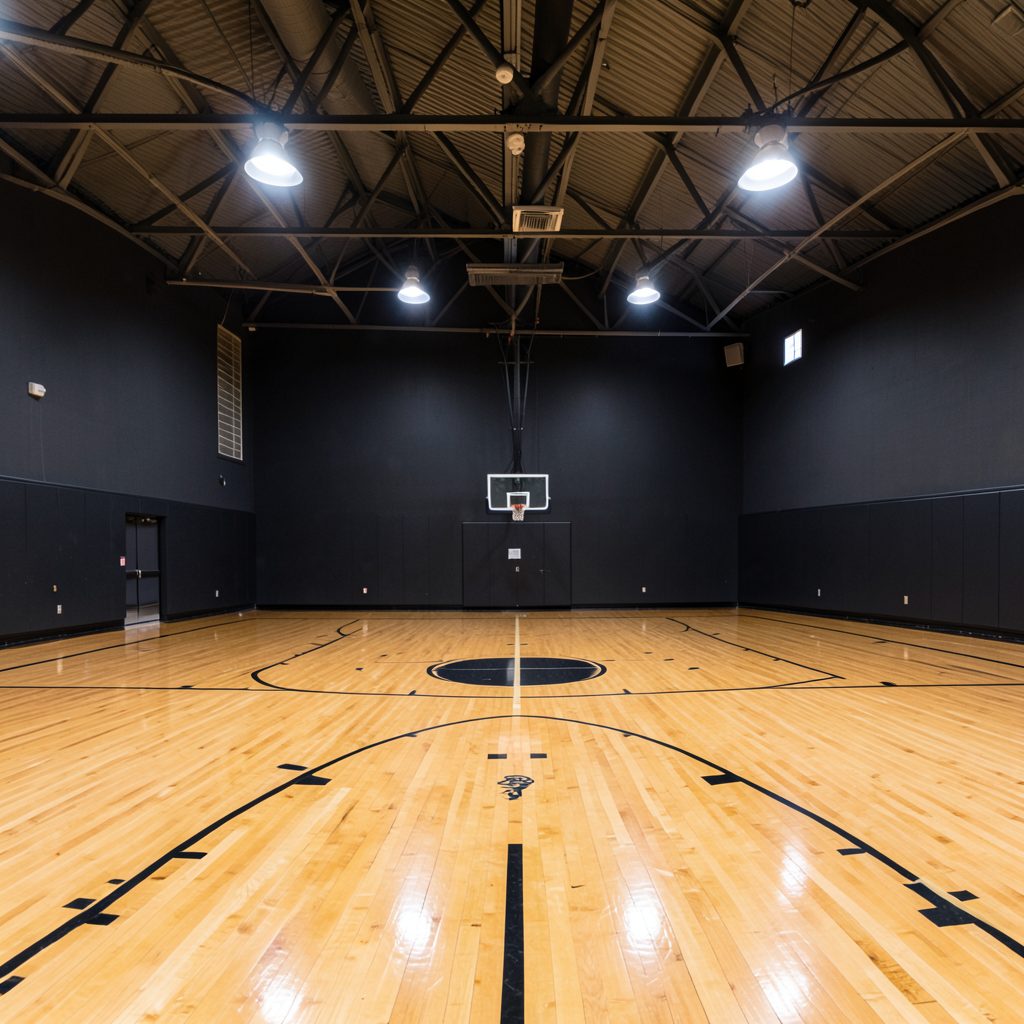
Eight league divisions span every age group: Indy Pro AM, 18+ Open Men's, 30+ Men's, Bite Size (ages 3–6), Impact League, 5th/6th Grade, Middle School, and High School. Gather your team and compete.
Training
Individual and group basketball training for all skill levels. Major M.O.V.E.S. Basketball Training serves ages 4–7 on Wednesday and Thursday evenings at 6:30 PM — $30 per session or $100 unlimited monthly.
Wellness & Recovery
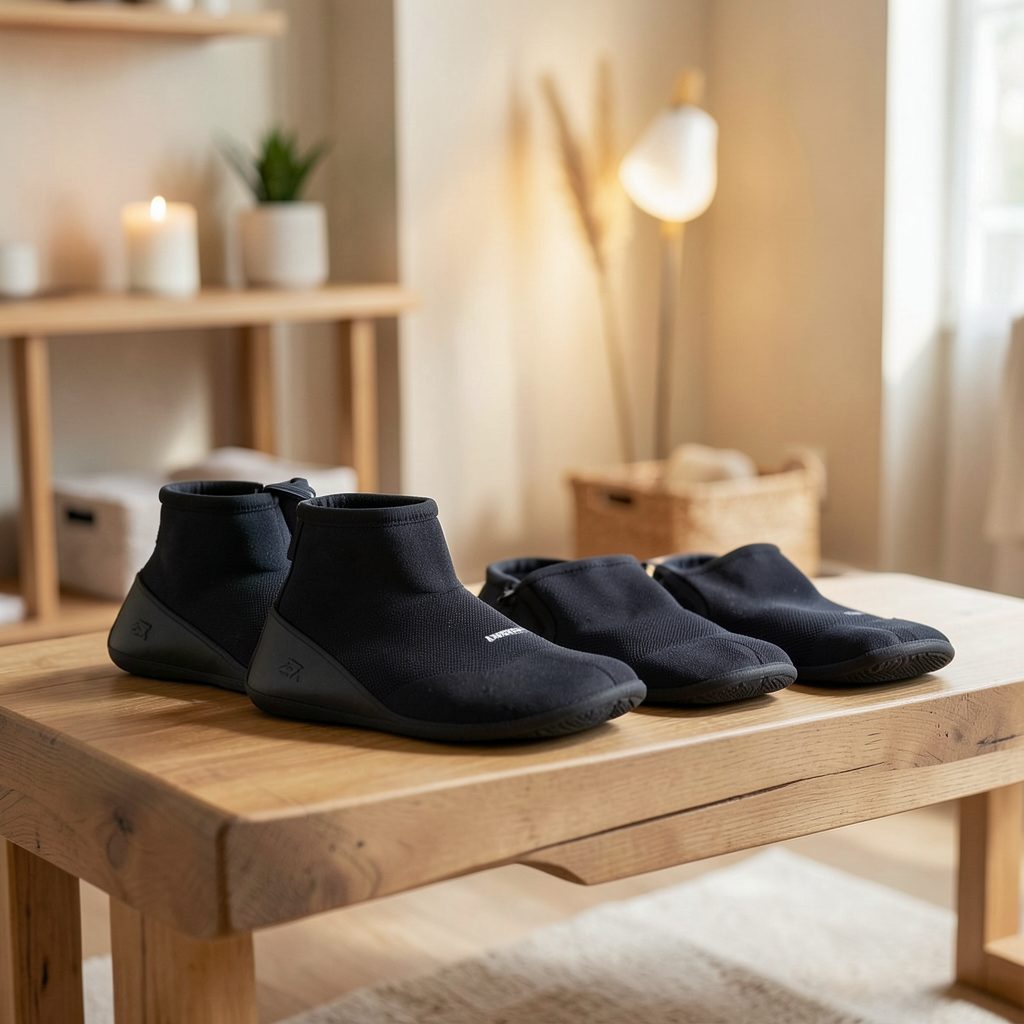
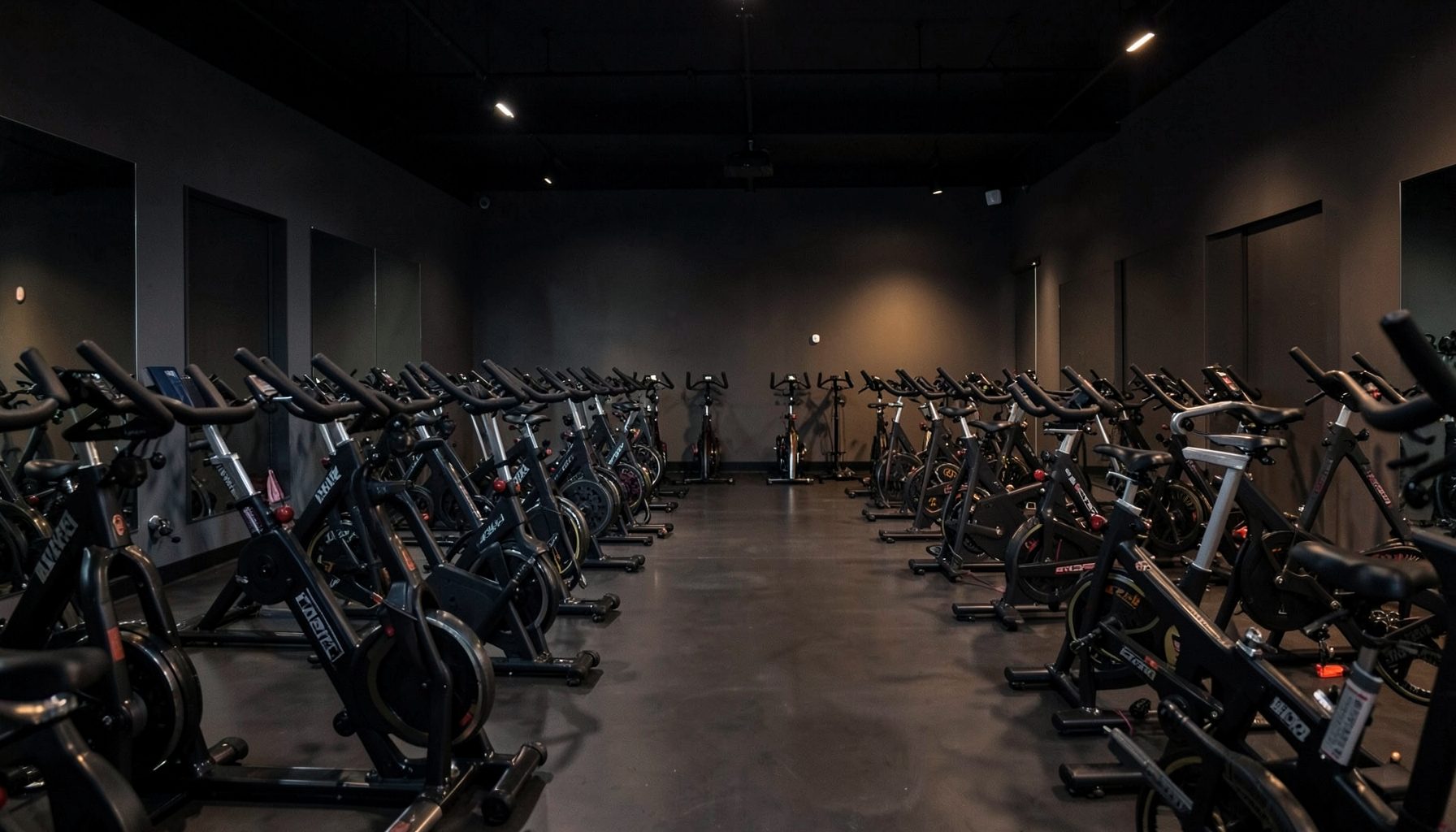
Normatec boot recovery and cryotherapy treatments help athletes bounce back faster. Cycle and spin classes add a cardio dimension to the holistic performance approach.
Have a Question?