Train. Compete. Recover.
A multi-purpose athletic facility in Speedway, Indiana — basketball leagues, skill training, and wellness services all under one roof.
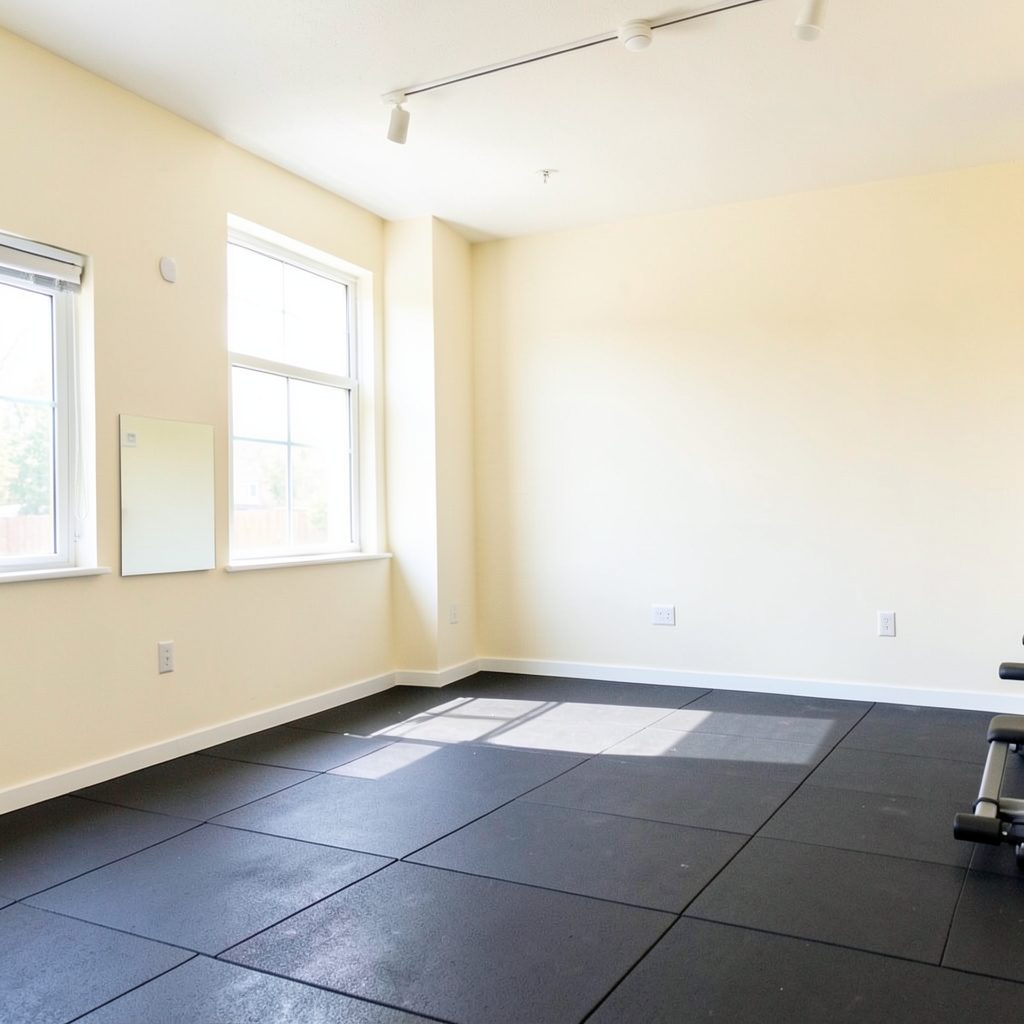
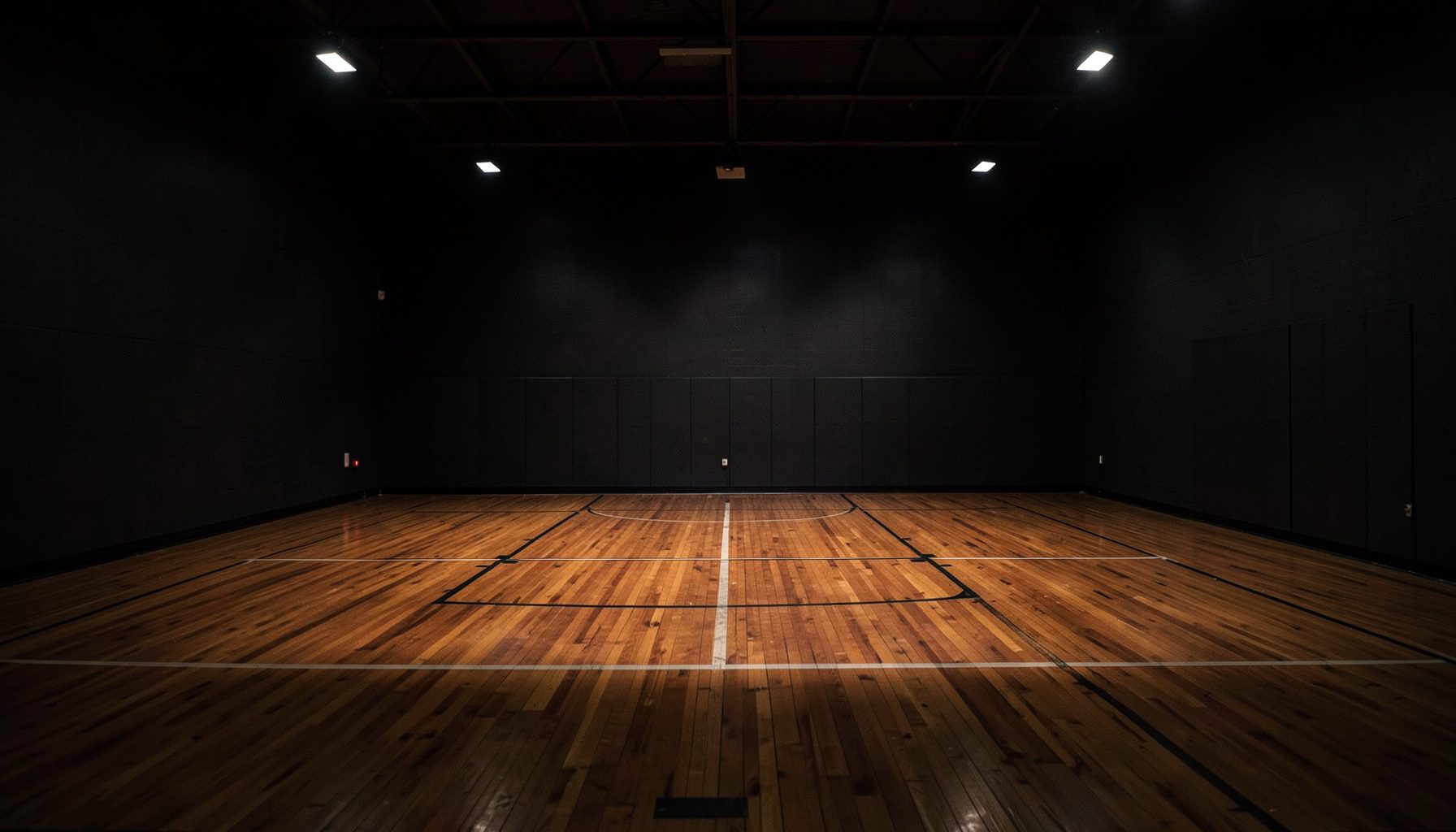
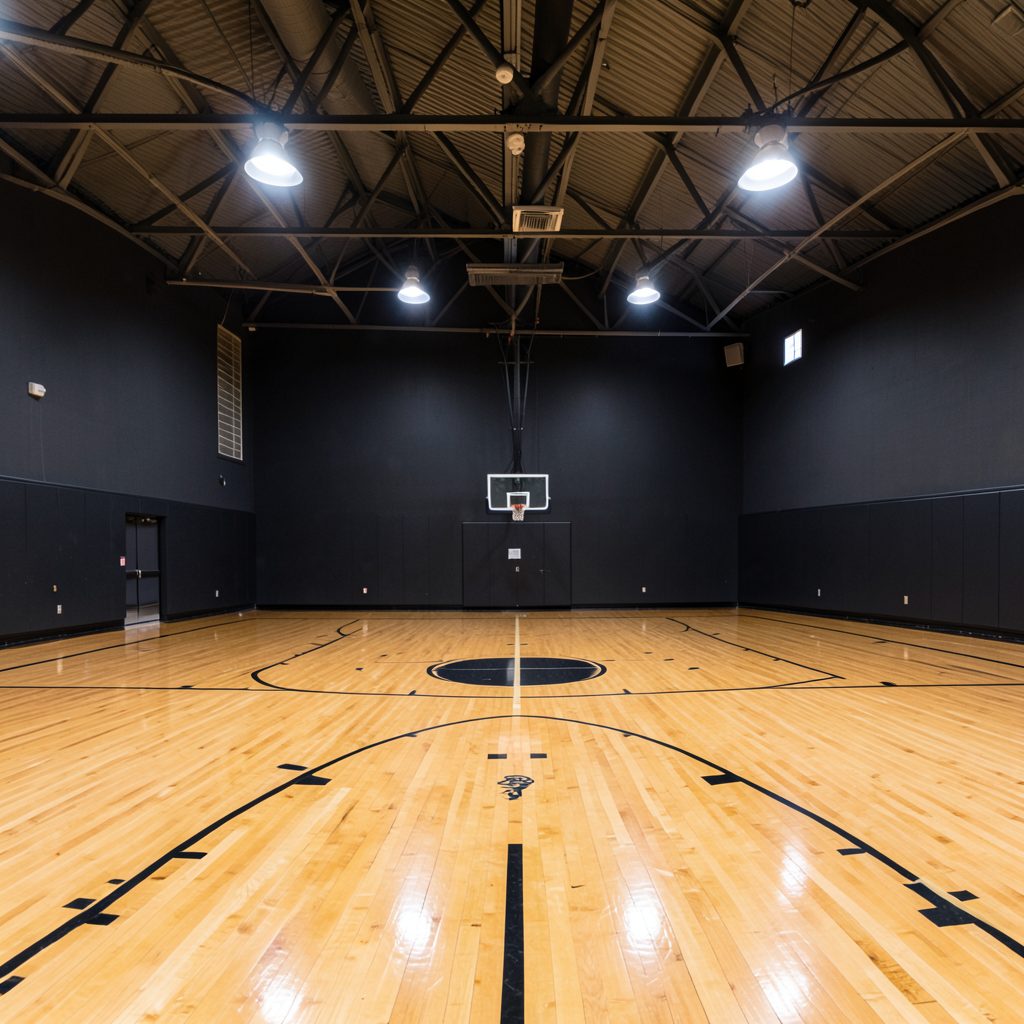
The Factory D1 Indy brings together three entities under one roof: competitive basketball leagues for all age groups, individual and group training, and wellness & recovery services including Normatec boot recovery and cryotherapy. Located off I-465 and High School Road at 6331 Crawfordsville Road, Speedway, Indiana 46224.
Get In TouchDeveloping A Reliable Basketball Rebounding Technique
A dependable rebound is built through positioning, timing, balance, and physical commitment. The ball may come off the rim at an unpredictable angle, but the actions that give an athlete the best chance to secure it can be practiced until they become automatic. Good rebounders make an impact even when their shot is not falling because they create extra possessions and end defensive plays.
Rebounding also requires awareness before the shot is released. Athletes must recognize where the ball is likely to go, locate an opponent, establish legal space, and move with purpose. A strong vertical jump helps, but jumping is only one part of the process.
At The Factory D1 Indy in Speedway, Indiana, players can develop these habits through individual instruction, group basketball training, and competitive league play. Rebounding skills become more reliable when they are practiced in realistic situations with different body types, angles, and levels of pressure.
Start With Preparation Before The Shot
The first rebounding decision often happens before the ball reaches the rim. As the shot goes up, defenders should quickly identify the nearest offensive player and make contact with that player using a controlled forearm or hip. This action is commonly called a box out, but it should be understood as a positioning technique rather than a stationary pose.
Keep the feet active and stay between the opponent and the basket. A player who watches the ball without locating an opponent can easily be beaten by a quick cut or change of direction. Use peripheral vision to track the flight of the shot while maintaining contact with the player being guarded.
Offensive players need a similar preparation sequence. After passing or shooting, do not admire the attempt. Read the angle, move toward the likely rebound area, and pursue with urgency. A missed shot can become a second scoring opportunity when the shooter or a nearby teammate reacts before the defense does.
Build A Balanced Rebounding Stance
A solid stance gives an athlete the ability to absorb contact and move in any direction. Keep the feet roughly shoulder-width apart, bend the knees, lower the hips, and maintain a strong but relaxed core. The chest should be upright enough to see the floor, while the weight stays on the balls of the feet.
Avoid standing tall with locked knees. That position delays the jump and makes it difficult to change direction. It also allows an opponent to move underneath the rebounder’s center of gravity. A lower stance creates a stable base without requiring excessive leaning or reaching.
Hands should be ready before the ball arrives. Keep the elbows outside the body without swinging them, and raise the hands quickly when the ball enters the rebounding area. The goal is to meet the ball at its highest reachable point, rather than waiting for it to drop toward the waist.
Read The Ball And Win Space
The rim, backboard, shot distance, and release angle offer useful clues about where a miss may travel. A shot with strong backspin can bounce differently from a flat attempt. Long-range shots often produce longer rebounds, while shots from the baseline may move toward the opposite side or short corner.
Players should begin tracking the ball as soon as it leaves the shooter’s hand. Avoid turning the head away from the basket too early. Instead, make contact with the opponent, pivot or slide into a legal rebounding position, then locate the ball and pursue it.
Space must be earned with footwork, not by pushing. A quick reverse pivot, drop step, or lateral slide can place the body between an opponent and the ball. Keep the back or side of the body connected to the opponent, and maintain enough distance to jump without being pulled off balance.
Secure The Ball And Finish The Possession
Reaching for a rebound with one hand often leads to bobbles, especially when opponents are nearby. Whenever possible, catch the ball with two hands and pull it firmly toward the chest. Strong fingers, wrists, and forearms help maintain control when contact occurs.
After securing the ball, land with a wide base and bend the knees to absorb force. Keep the elbows strong and the ball protected near the chin or upper chest. This is especially important for smaller guards who may face taller players attacking the same rebound.
The possession is not finished until the rebounder makes the next decision. Outlet quickly to a guard, pivot away from pressure, or chin the ball and initiate an offensive move. On defense, a secure rebound followed by a controlled outlet can start the fast break. A loose rebound that is brought down carelessly can give the opponent another chance.
Compare The Right Response To Each Rebound
Different shots create different rebounding problems. Athletes who use the same movement every time may arrive late or move into the wrong area. The following guide helps players connect the shot situation with a practical response.
| Rebound situation | Primary priority | Common mistake | Better response |
|---|---|---|---|
| Long perimeter miss | Track the flight and extend coverage | Staying under the rim | Move toward the free-throw line, wing, or corner area |
| Short shot near the basket | Establish inside position | Jumping before contact | Box out first, then explode upward |
| Backboard angle miss | Read the rebound path | Watching only the shooter | Locate the ball as it leaves the glass |
| Contested rebound | Protect the landing space | Reaching over an opponent | Use a legal body seal and pursue with two hands |
| Offensive put-back chance | React immediately after the shot | Standing outside the paint | Crash from an angle and jump through the ball |
| Fast-break transition | Balance rebounding with floor balance | Everyone chasing the ball | Assign a rebounder while others prepare to run |
A useful practice habit is to call out the likely rebound direction before pursuing the ball. This encourages players to read the shot rather than react after it has already bounced. Coaches can also vary shot locations and angles so athletes learn to adjust instead of memorizing one pattern.
For additional basketball training ideas, athletes and families can explore the digital magazine, which provides a useful connection to the facility’s broader approach to sport, training, and community development.
Train Timing, Power, And Consistency
Jumping technique begins with a quick dip of the hips and a forceful extension through the ankles, knees, and hips. Swing the arms upward and keep the eyes on the ball. The jump should be vertical and controlled, with the athlete prepared to land in a balanced position.
Timing matters more than simply jumping high. A player who leaves the floor too early may come down before the ball arrives. A player who waits too long may be boxed out or forced to reach from behind. Practice jumping after a partner gives a visual cue, then progress to live shots with unpredictable bounces.
Strength training can support rebounding performance when it improves stability and force production. Squats, split squats, lunges, calf raises, and medicine-ball exercises can develop the lower-body power needed for repeated efforts. Core and upper-body exercises help players hold position and protect the ball through contact.
Conditioning deserves attention as well. Rebounding is frequently repeated during a possession, especially when several players tip the ball before someone gains control. Short bursts of jumping, shuffling, and sprinting can prepare athletes to pursue multiple efforts without losing technique.
Apply Rebounding Skills In Live Play
Isolated drills teach movement patterns, but competitive play teaches judgment. Begin with two-player box-out drills, then add a shooter, a second offensive player, and a transition outlet. Increase the number of players gradually so athletes learn to communicate while reading the ball.
Communication makes team rebounding more efficient. Players should use clear calls such as “shot,” “box,” “hit,” or “outlet.” The nearest defender may not always be the best rebounder, so teammates must identify assignments and provide support when a shot comes from an unusual angle.
Coaches can evaluate more than the number of rebounds recorded. Track whether players make first contact, pursue outside their area, secure the ball with two hands, and complete the next action. These details reveal dependable habits that may not appear in a box score.
Use These Practice Priorities
A focused routine can turn rebounding from a general instruction into a repeatable skill. Include the following priorities in individual workouts, team practices, or pregame preparation:
- Locate an opponent immediately after the shot is released.
- Make legal body contact before turning fully toward the ball.
- Jump off two feet when traffic and contact make balance important.
- Catch the ball with two hands and protect it near the chest.
- Finish every defensive rebound with a controlled outlet or strong pivot.
Record a few repetitions from the side and baseline when possible. Video can reveal habits such as standing too upright, reaching instead of moving the feet, jumping before establishing position, or landing with narrow feet. Small corrections become easier when athletes can see the exact moment their positioning breaks down.
Consistent rebounding also depends on recovery and readiness. Athletes who train frequently should manage fatigue, hydrate, and use appropriate recovery services when needed. Building durable movement habits allows players to compete with energy through practices, leagues, and long tournament days.
Reliable rebounding begins with a simple sequence: find the opponent, create space, read the ball, attack it at the highest point, and secure the possession. Practice that sequence under increasing pressure at The Factory D1 Indy, then carry it into league games and competitive workouts. Each controlled repetition strengthens the habits that help turn missed shots into stops, extra possessions, and winning plays.
Inside The Factory
Three Entities, One Roof
Leagues
Eight league divisions span every age group: Indy Pro AM, 18+ Open Men's, 30+ Men's, Bite Size (ages 3–6), Impact League, 5th/6th Grade, Middle School, and High School. Gather your team and compete.
Training
Individual and group basketball training for all skill levels. Major M.O.V.E.S. Basketball Training serves ages 4–7 on Wednesday and Thursday evenings at 6:30 PM — $30 per session or $100 unlimited monthly.
Wellness & Recovery
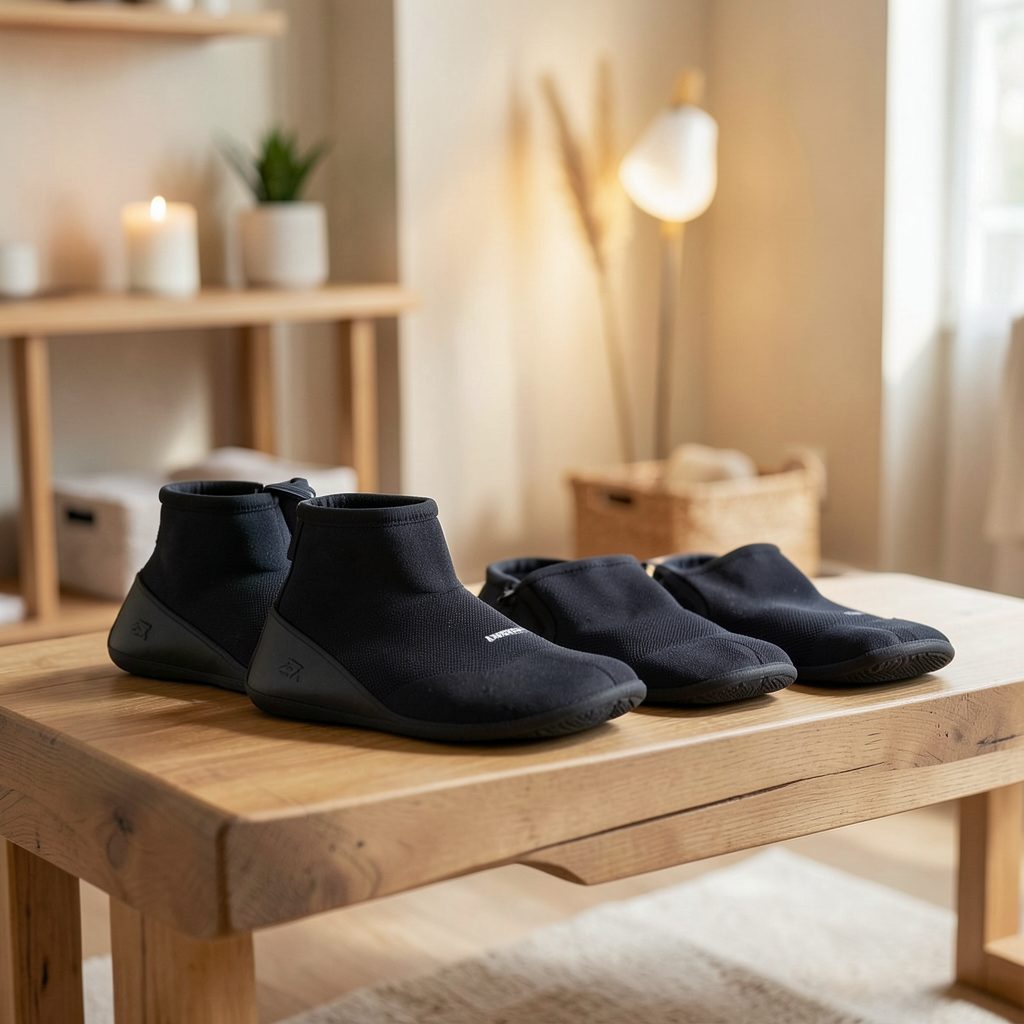
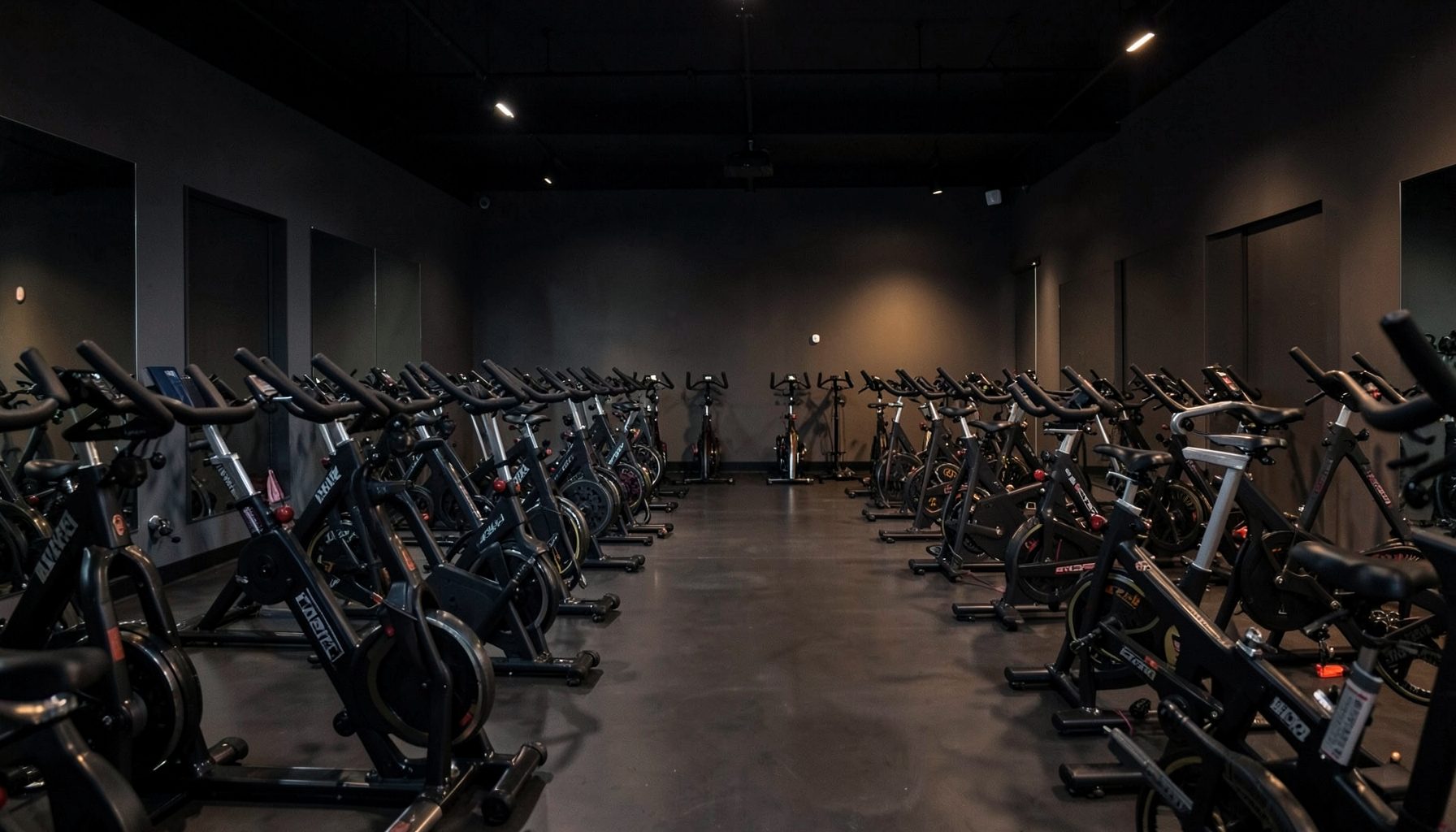
Normatec boot recovery and cryotherapy treatments help athletes bounce back faster. Cycle and spin classes add a cardio dimension to the holistic performance approach.
Have a Question?