Train. Compete. Recover.
A multi-purpose athletic facility in Speedway, Indiana — basketball leagues, skill training, and wellness services all under one roof.
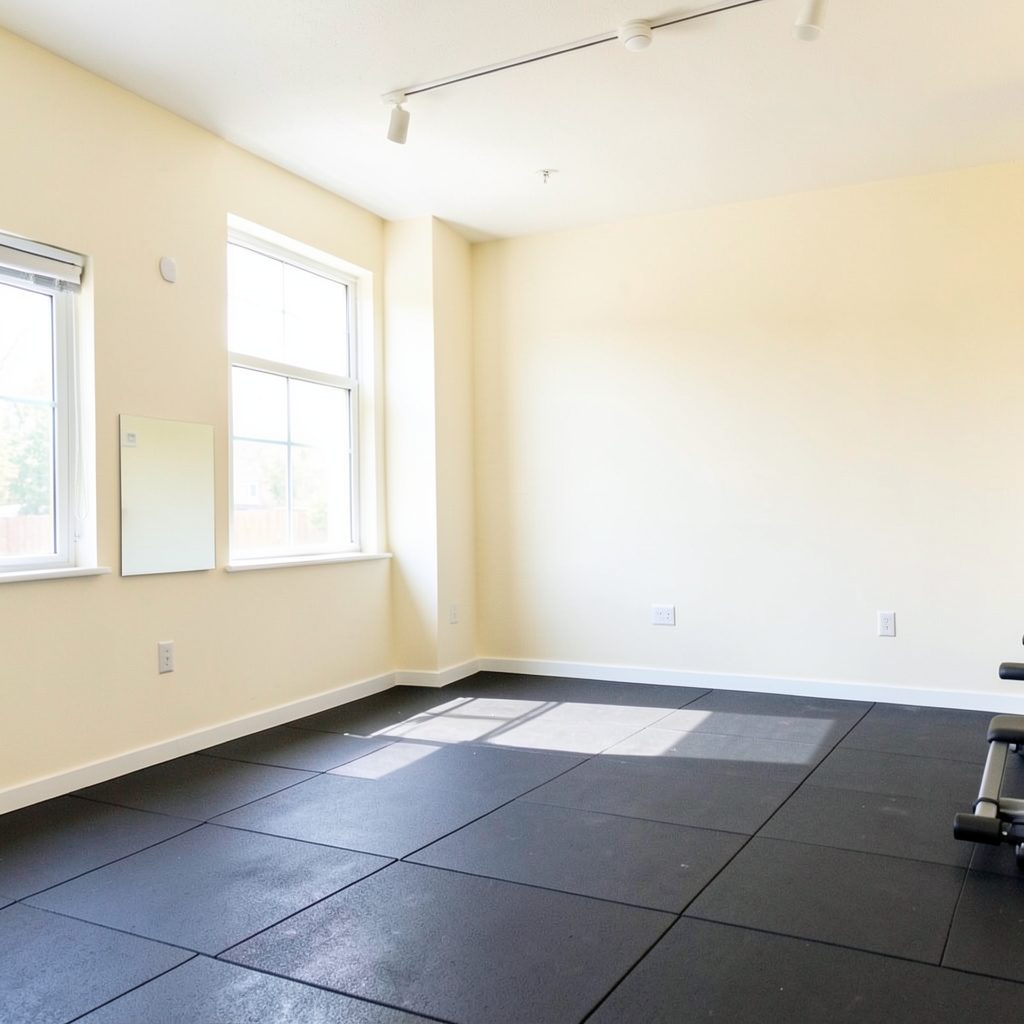
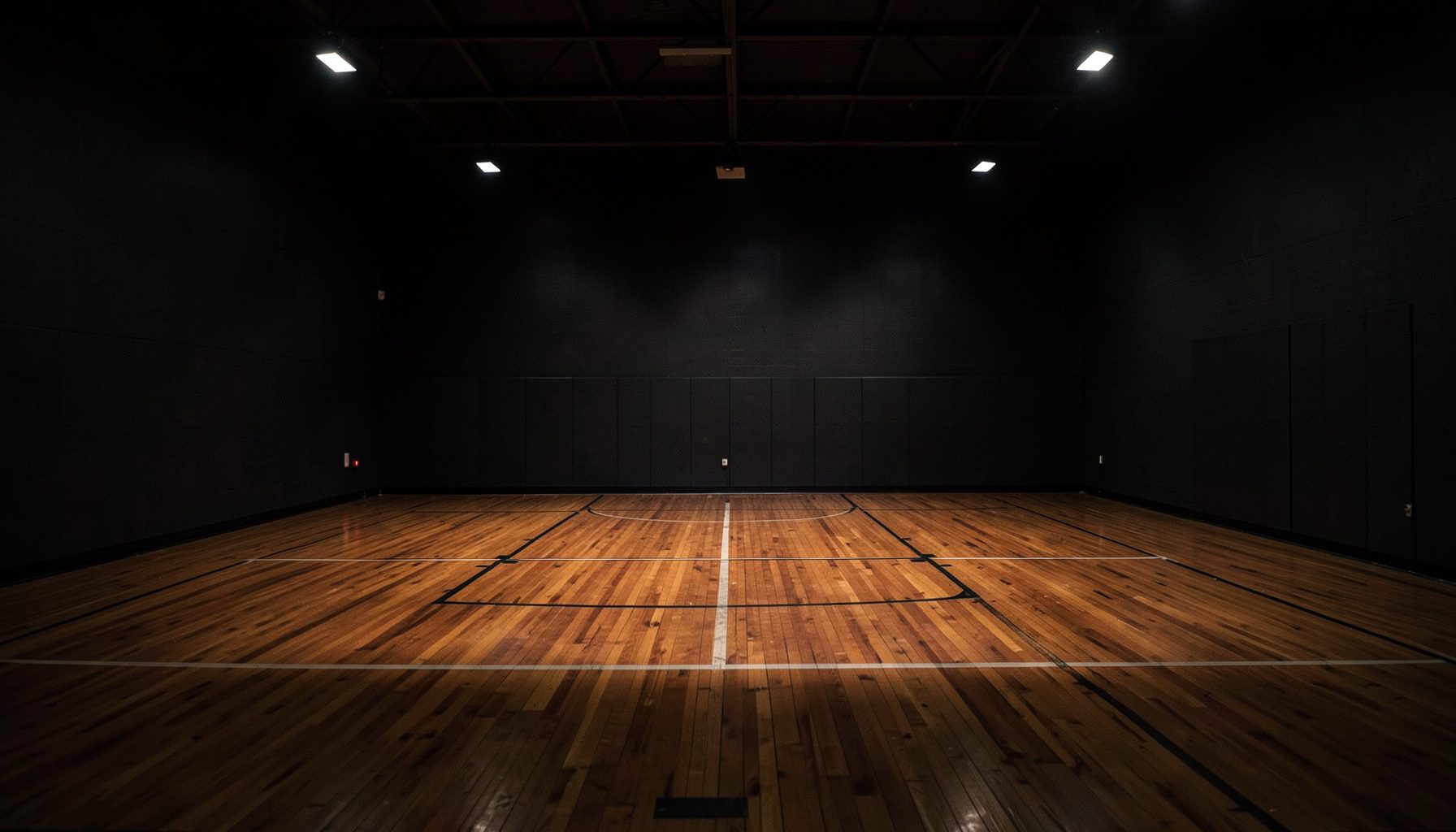
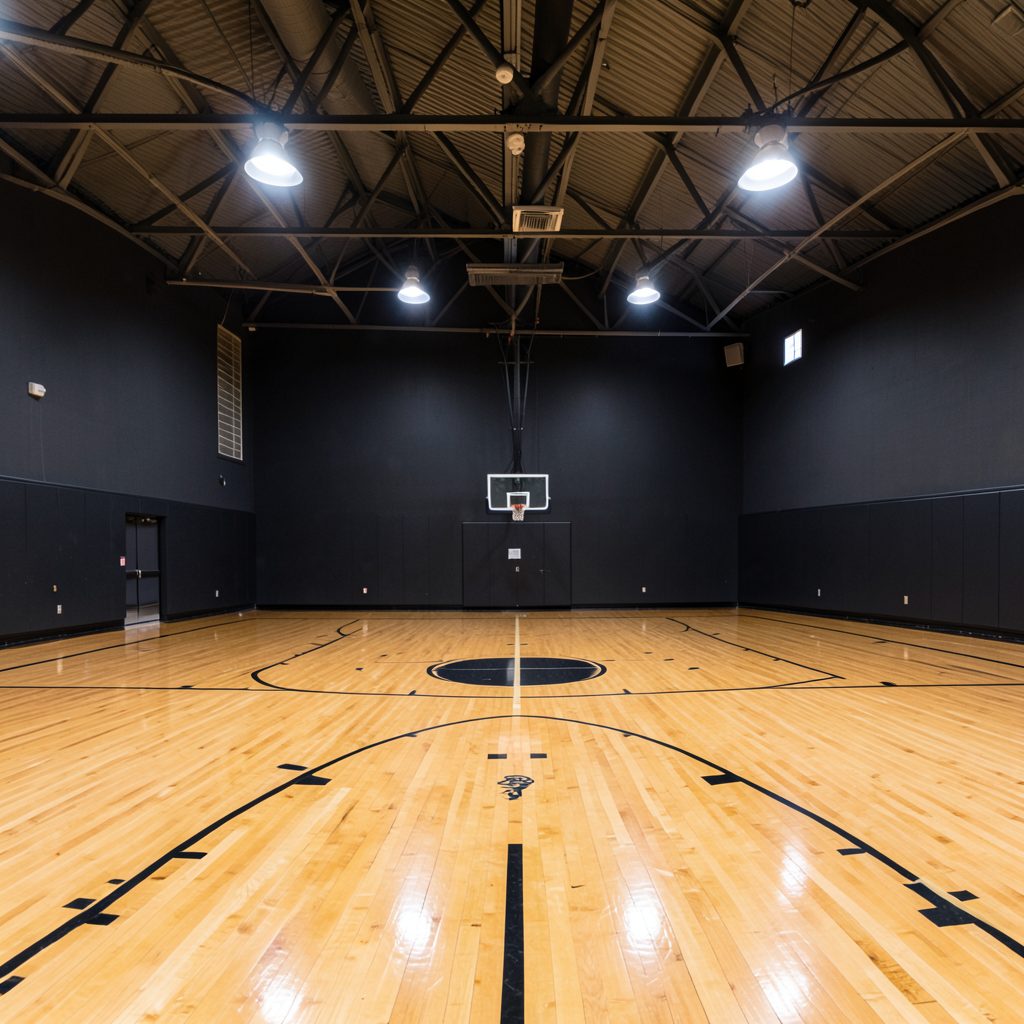
The Factory D1 Indy brings together three entities under one roof: competitive basketball leagues for all age groups, individual and group training, and wellness & recovery services including Normatec boot recovery and cryotherapy. Located off I-465 and High School Road at 6331 Crawfordsville Road, Speedway, Indiana 46224.
Get In TouchDeveloping a Screen-and-Roll Decision Tree for Young Point Guards
A screen-and-roll gives a young point guard a simple starting picture: a teammate sets a screen, the defender reacts, and the ball-handler chooses the best response. The real skill lies in reading that reaction quickly rather than following a pre-planned move. A useful decision tree turns the pick-and-roll into a sequence of manageable cues that players can recognise under pressure.
For coaches and families in Australia, this framework can support school basketball, representative pathways and weekend competition alike. Whether a guard is playing in Melbourne, Sydney, Brisbane or a regional association, the same habits apply: scan early, protect the ball, involve teammates and make the next pass with purpose.
Start with the defensive picture
Before the screen arrives, the point guard should identify three details: the on-ball defender’s position, the screener’s defender and the location of help defenders. This scan should happen while the ball is being advanced, not after the guard has already dribbled into traffic. A quick glance can reveal whether the defence is likely to go under, fight over, switch or trap.
The guard also needs to know the spacing. The screener should arrive with enough distance for the ball-handler to use the pick, while corner players stay ready to shoot or cut. If two teammates stand on the same side, the defence can load up against the drive. In junior competitions, where court awareness is still developing, coaches can mark “spacing spots” and rehearse where each player stands before adding live defenders.
A practical cue is: see the defender, use the screen, read the big. This gives a young player a repeatable process without forcing a complicated set of instructions.
Build the first branch of the decision tree
The first decision is based on the on-ball defender. If the defender goes under the screen, the guard can take the open shot when shooting range and game context support it. A hesitation dribble or a controlled pull-up may punish excessive space. If the guard is not yet a reliable shooter, they can reject the screen and attack the exposed outside shoulder instead.
When the defender goes over, the guard should turn the corner tightly and get the shoulder close to the screener. This reduces the gap for the defender to recover. The next question is whether the screener’s defender steps up. If that defender stays back, the guard may have a lane for a floater or lay-up. If they hedge aggressively, the guard should retreat, split only when there is a clear gap, or pass to the rolling teammate.
A simple verbal tree might sound like this: under means shoot or reject; over means turn the corner; hedge means create separation; switch means attack the mismatch or deliver the ball inside. Young guards can learn these phrases during walkthroughs before they must apply them at full speed.
Teach the roll, pop and short pass
The screener’s movement creates the second half of the read. A hard roll towards the basket is effective when the help defender is late or the opposing big has been pulled away from the paint. The pass should lead the roller into space, rather than being thrown behind them. Bounce passes work well against a low defender, while a high pocket pass can reach a teammate cutting into the lane.
A pop changes the problem. If the screener can shoot, they may step into open space after contact, especially when the defending big retreats to protect the rim. The point guard must keep their eyes active: a defender may appear to cover the pop while still leaving a corner shooter open. A short roll is another option against a blitz, allowing the screener to catch in the middle and make the next pass.
Players should practise passing from different angles and with both hands. A left-handed pocket pass from the left side may be more natural for one guard, while a right-handed bounce pass from the middle may open a better lane for another. Decision-making improves when the technique supports the read.
Add a clear response to every coverage
Switching requires patience. The guard should not automatically dribble into a taller defender’s chest. They can use a quick change of direction, attack the opponent’s slower foot or call for a re-screen. If the screener receives a smaller defender, the guard should recognise the mismatch and feed the post or create a seal before help arrives.
Against a trap or hard blitz, the safest decision is often an early pass. The ball can go to the screener, a short-roll teammate or a release player in the middle. Once the defence is stretched, the next pass may produce a lay-up or an uncontested corner shot. Young players often try to escape the trap with a risky spin; training them to jump-stop, pivot and find the outlet protects possession.
Australian junior basketball commonly follows FIBA principles, so coaches can use realistic spacing and timing rather than relying on professional NBA examples. A guard should understand the shot clock where it applies, the value of maintaining possession and the importance of making a decision before the defence resets.
Train the read with progressive pressure
Begin with guided repetitions. Place a cone or coach where the on-ball defender would stand, then have the guard practise using the screen, rejecting it and stopping under control. Add the screener’s defender next, giving that player only two choices such as drop or hedge. This narrows the learning task while still requiring a genuine response.
Progress to two-on-two live play, then add a corner shooter and a help defender. Award points for correct decisions rather than only made shots: one point for a clean rejection, a successful pocket pass, a paint touch followed by a kick-out or a safe escape from pressure. This rewards process and prevents young guards from believing that every possession must end with their own shot.
A multi-purpose venue such as The Factory D1 Indy can support this type of development by combining court work, conditioning and recovery in an athletic environment. Australian clubs can apply the same model in school gyms, local associations and dedicated training centres, adjusting the drills for court size and available equipment.
Connect the skill to Australian game environments
A decision tree must transfer to the situations young players actually face. In Melbourne or Sydney, representative athletes may have several training sessions each week alongside school commitments, so short, focused blocks can be more effective than exhausting sessions. In Brisbane, outdoor courts and warmer conditions may require attention to hydration, ball grip and the timing of high-intensity drills. In regional areas, where travel to tournaments can be significant, coaches can use video review and compact partner exercises between fixtures.
The language should suit the player’s age and the team’s culture. Early-childhood athletes may use “see the space” and “find the teammate”, while teenagers can discuss defensive coverage, advantage creation and second-side action. A guard preparing for Basketball Australia pathway opportunities or NBL1-level competition needs increasing detail, yet the foundation remains the same: scan, identify the coverage, create an advantage and make the next correct play.
Coaches should also measure decisions over time. Track paint touches, live-ball turnovers, open passes, forced shots and successful reads against each coverage. Review a few clips after games rather than overwhelming players with every possession. A young point guard gains confidence when feedback shows that a good decision remains valuable even when a teammate misses the resulting shot.
Give each guard a compact set of calls to use in training: “under”, “over”, “switch”, “trap” and “short”. Run five-minute decision games in which the defence changes coverage without warning. Finish with a competitive scrimmage where the score rewards assists, paint touches and low-turnover possessions. This makes the decision tree part of the player’s instincts instead of a worksheet remembered only during drills.
Book a court session, bring the framework into your next junior practice and give every point guard repeated chances to read the defence. With consistent cues, realistic pressure and purposeful review, the screen-and-roll becomes a platform for confident playmaking, stronger team spacing and smarter basketball.
Inside The Factory
Three Entities, One Roof
Leagues
Eight league divisions span every age group: Indy Pro AM, 18+ Open Men's, 30+ Men's, Bite Size (ages 3–6), Impact League, 5th/6th Grade, Middle School, and High School. Gather your team and compete.
Training
Individual and group basketball training for all skill levels. Major M.O.V.E.S. Basketball Training serves ages 4–7 on Wednesday and Thursday evenings at 6:30 PM — $30 per session or $100 unlimited monthly.
Wellness & Recovery
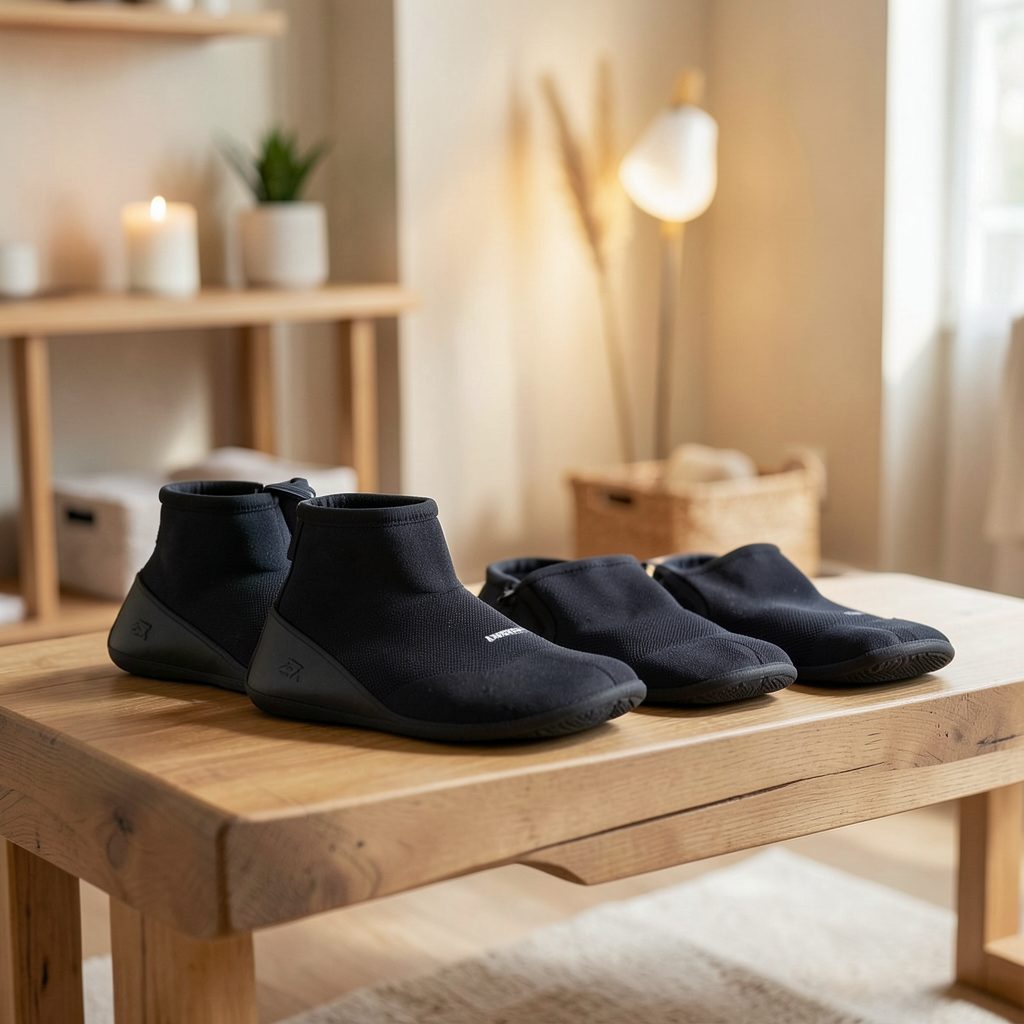
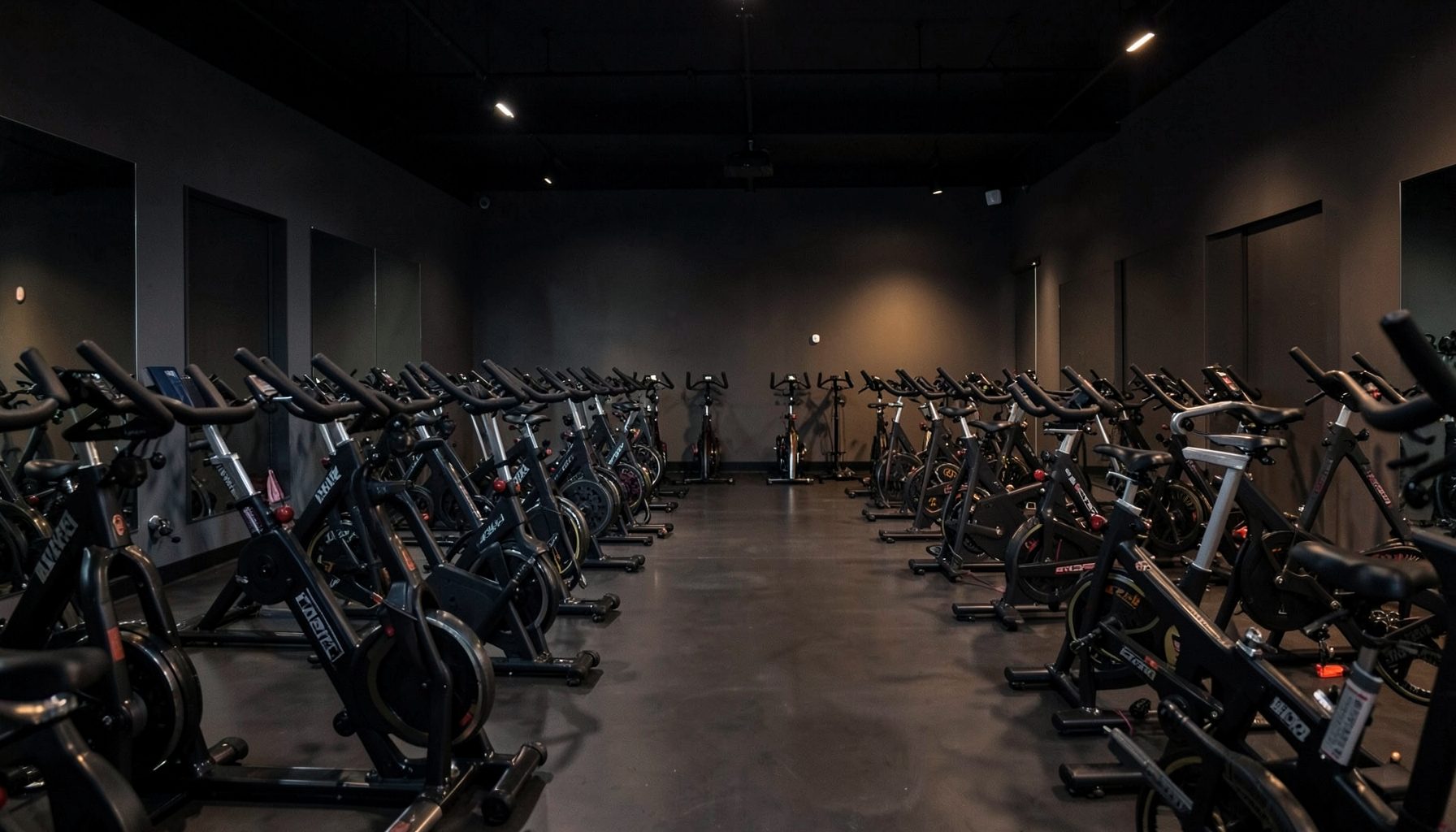
Normatec boot recovery and cryotherapy treatments help athletes bounce back faster. Cycle and spin classes add a cardio dimension to the holistic performance approach.
Have a Question?