Train. Compete. Recover.
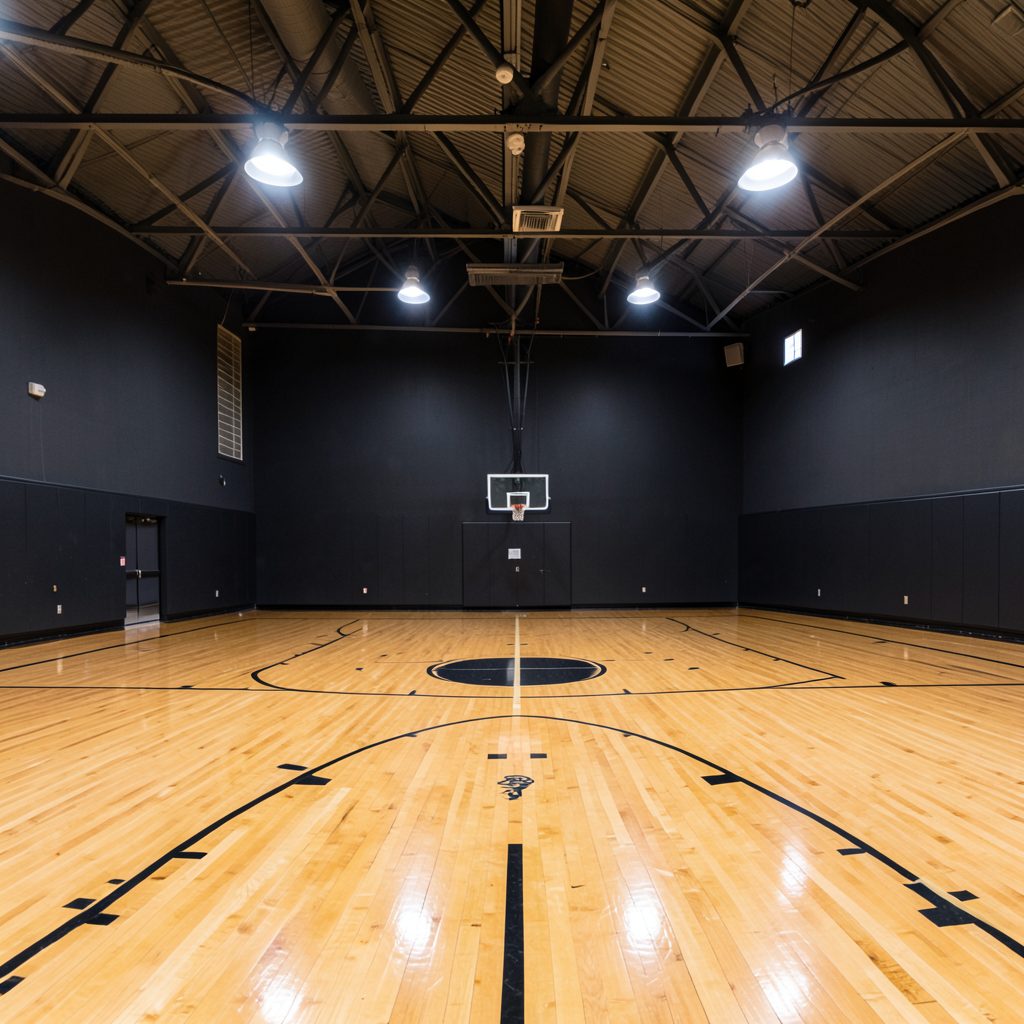
A multi-purpose athletic facility in Speedway, Indiana — basketball leagues, skill training, and wellness services all under one roof.
The Factory D1 Indy brings together three entities under one roof: competitive basketball leagues for all age groups, individual and group training, and wellness & recovery services including Normatec boot recovery and cryotherapy. Located off I-465 and High School Road at 6331 Crawfordsville Road, Speedway, Indiana 46224.
Get In TouchSharper Paint Footwork For Australian Basketball Players
Scoring near the basket rarely depends on strength alone. A player may have the height to finish over a defender, yet lose the chance because their first step is slow, their pivot foot moves early, or their balance disappears after contact. Reliable footwork turns crowded paint possessions into controlled scoring opportunities.
For Australian athletes, these skills apply across school competitions, local association basketball, rep programs, NBL1 pathways and social leagues. A guard attacking a packed key in Melbourne needs many of the same movement solutions as a junior forward in Brisbane or an adult player competing after work in Perth.
The most useful drills to improve basketball offensive footwork in the paint teach balance, timing, angles and decision-making together. They should progress from slow technical repetitions to live pressure, so the feet remain dependable when the defender bodies up and the shot clock is moving.
A good session also respects the realities of local training. Players may share a council court, fit practice around school runs or commuting, and train in warm conditions where hydration affects concentration. Short, focused blocks are often more productive than exhausting sessions with poor technique.
Build Balance Before Speed
Begin with the stance that supports every interior move. Place the feet slightly wider than the hips, keep the knees soft, lower the centre of gravity and hold the chest upright. The weight should sit through the balls of the feet without lifting the heels excessively. This position allows a player to catch, pivot, jab or drive without needing an extra adjustment step.
Use a two-foot jump stop drill. Start on the perimeter, take one controlled dribble towards the key and land on both feet at the same time. Immediately bring the ball into a strong triple-threat position, then practise a front pivot, reverse pivot and shot fake. Perform each action slowly at first, checking that the feet remain planted and the shoulders stay balanced over the base.
Progress to a one-two stop for lay-ups. Drive from either wing, place the outside foot down first and then step through with the inside foot. Keep the final step long enough to protect the ball, but avoid travelling by gathering too early. Practise finishes from both sides because Australian defenders quickly recognise players who can only finish with one preferred foot.
Win Space With Pivot Work
Post players and smaller guards both need pivoting skills. In the paint, the pivot foot protects possession while the other foot searches for a passing lane or finishing angle. A simple chair or cone drill can develop this awareness. Place the obstacle on the low block, receive with your back to the basket, establish the pivot foot and rotate away from imagined pressure before finishing.
Add three options to every repetition: a baseline turn, a middle turn and a shot fake followed by a step-through. The goal is not to memorise a sequence. It is to keep the pivot foot stable while reading where the defender would be positioned. Keep the ball close to the shoulder, use the body as a shield and look over the opposite shoulder before committing.
The drop-step drill is especially valuable for players who receive deep. Step towards the defender with the near foot, swing the other foot around their hip and finish strongly off the backboard. The movement should be compact rather than a wide spin. On Australian courts where help defenders often rotate from the nail or short corner, a tight drop step leaves less time for a steal or charge.
Finish Through Contact
Paint footwork must survive bumps. Use a pad, resistance band or partner to apply controlled contact during the gather. The offensive player takes one strong step, absorbs the pressure through the torso and keeps the eyes on the target. The feet should continue travelling towards the rim instead of stopping when contact arrives.
Practise inside-hand lay-ups from both sides. When driving right, finish with the left hand if the defender is positioned between the ball and the rim; reverse the arrangement on the other side. This protects the ball and forces the defender to reach across the body. Add an up-and-under by showing the ball high, keeping the pivot foot grounded and stepping around the contest.
The Mikan drill develops touch and foot rhythm close to the hoop. Alternate finishes without bringing the ball below the chest, using a quick step across the lane and a soft release off the glass. Once the basic pattern is comfortable, add a pad bump or require a reverse finish. Keep repetitions clean rather than rushing for a high number.
Create Separation From The Block
A strong offensive move often begins before the dribble. Work on seal-and-score repetitions: establish position with the hips low, present a target hand, receive the pass and take a short baseline or middle attack. The first step should move the defender, not merely move the ball. Use the forearm legally as a feeler, while keeping the elbow controlled and away from the opponent’s face.
The rocker-step drill teaches players to shift a defender’s weight. From the block, jab towards the baseline, bring the foot back under control and then attack the middle. The jab should be sharp enough to suggest a real drive, while the return step keeps the body loaded. Practise the reverse pattern as well, because predictable footwork makes help defence easier.
For guards, a paint-entry euro step can create a finishing lane when the rim protector commits. Take the first step away from the shot blocker, then redirect across the body for the finish. Keep the steps long and low, with the ball protected on the outside. This movement should be taught at walking speed before being added to a live one-on-one drill.
Train Reads At Game Pace
Stationary technique has value, but footwork becomes useful when players must react. Set up a coach, partner or coloured-cone cue at the edge of the key. The attacker drives, performs a jump stop or one-two stop and responds to the cue: finish, pivot out, pass to a corner or use a step-through. This develops the connection between feet, eyes and decision-making.
Use a two-player advantage drill to recreate common association basketball situations. The offensive player starts on the wing, attacks a close-out and enters the paint while a second defender rotates from the weak side. The finish may be a lay-up, floater, jump stop pass or kick-out. Change the starting side regularly so the player cannot rely on a rehearsed movement.
Film a few repetitions from the baseline. Look for travelling on the gather, a drifting first step, a raised chin during contact or a pivot foot that turns before the ball is secured. Video feedback is particularly helpful for junior athletes who may feel balanced while their hips are actually leaning outside their base.
Coaches working with children should also build safe, age-appropriate sessions. In Australia, requirements for volunteers and coaches can include a state or territory Working With Children Check, with rules varying between New South Wales, Victoria, Queensland and other jurisdictions. Clear supervision, suitable contact practices and consent procedures matter as much as technical instruction.
Link Footwork To Conditioning And Recovery
Footwork quality drops when the legs are tired, so conditioning should resemble the demands of a possession. Try six-second paint bursts followed by 20 seconds of recovery: jab, attack, jump stop, pivot and finish. Repeat from different spots, then rest for two minutes. This trains repeated explosive efforts without turning every drill into a long-distance running session.
Australian players may train before school, during lunch or after a full workday. A brief warm-up with ankle rolls, calf raises, hip mobility and controlled landing practice can prepare the joints better than starting immediately with full-speed lay-ups. In hot cities such as Brisbane or Perth, schedule demanding sessions in cooler periods, bring water and allow extra breaks when the court is humid.
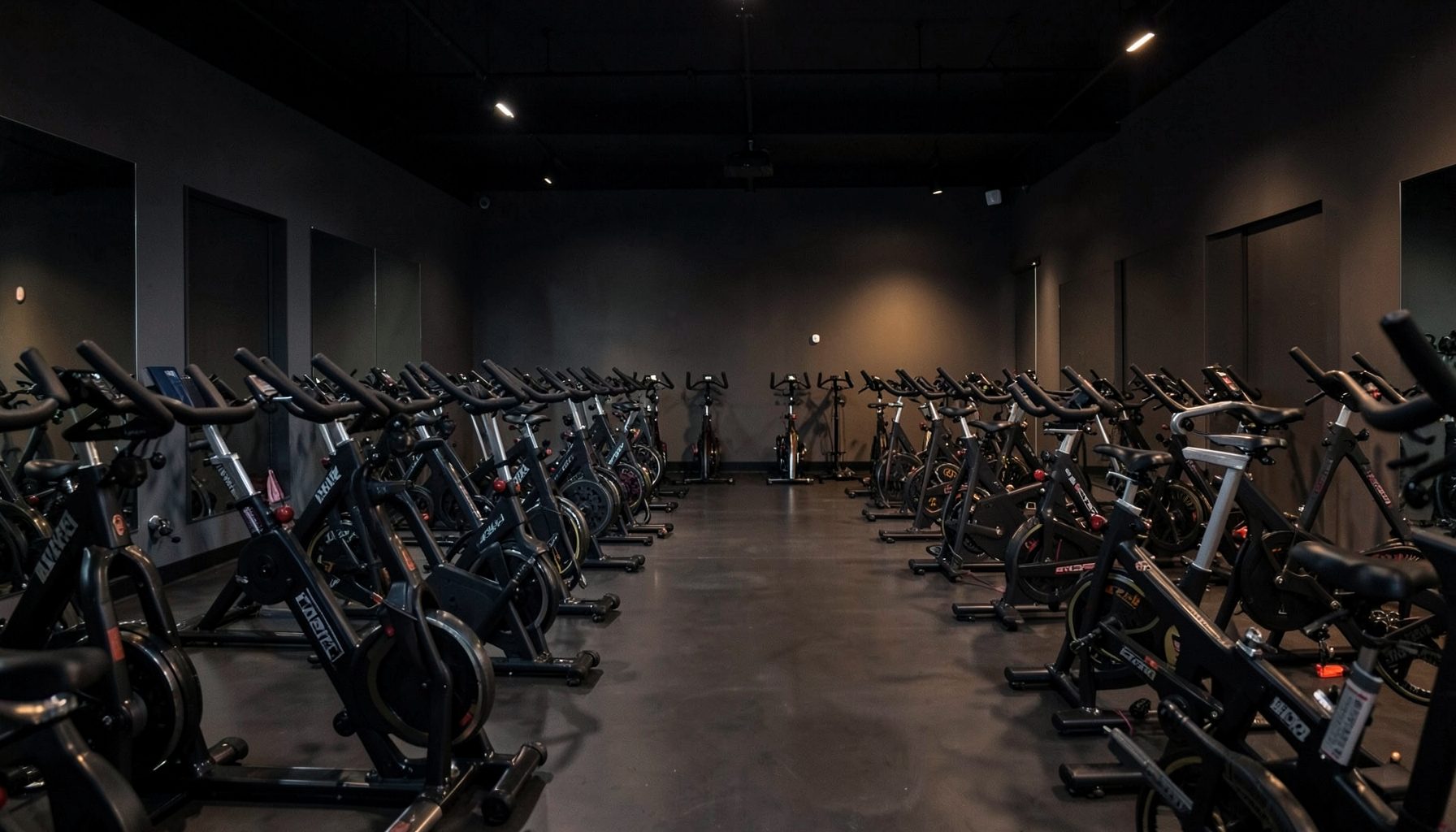
Cross-training can support court movement when it does not replace basketball practice. A low-impact cycling session develops leg endurance while reducing repeated jumping stress; athletes can explore cycle and spin classes as part of a broader conditioning routine. Recovery work, sleep and adequate food are equally important for maintaining sharp foot placement across a long club season.
For players in the Australian market, access may range from a private performance facility to a school gym or outdoor council court. The equipment is simple: cones, a ball, a chair and a partner are enough. What matters is consistency. Two focused footwork sessions each week, followed by live finishing and passing decisions, can produce greater improvement than occasional highlight-style workouts.
Start the next session with five minutes of jump stops and pivots, then complete controlled finishes from both sides of the basket. Add contact, live reads and fatigue only after the movement is stable. Track successful finishes, travelling errors and weak-side repetitions, and use the results to shape the following week’s work. Consistent practice turns strong footwork into a dependable advantage in the paint.
Inside The Factory
Three Entities, One Roof
Leagues
Eight league divisions span every age group: Indy Pro AM, 18+ Open Men's, 30+ Men's, Bite Size (ages 3–6), Impact League, 5th/6th Grade, Middle School, and High School. Gather your team and compete.
Training
Individual and group basketball training for all skill levels. Major M.O.V.E.S. Basketball Training serves ages 4–7 on Wednesday and Thursday evenings at 6:30 PM — $30 per session or $100 unlimited monthly.
Wellness & Recovery
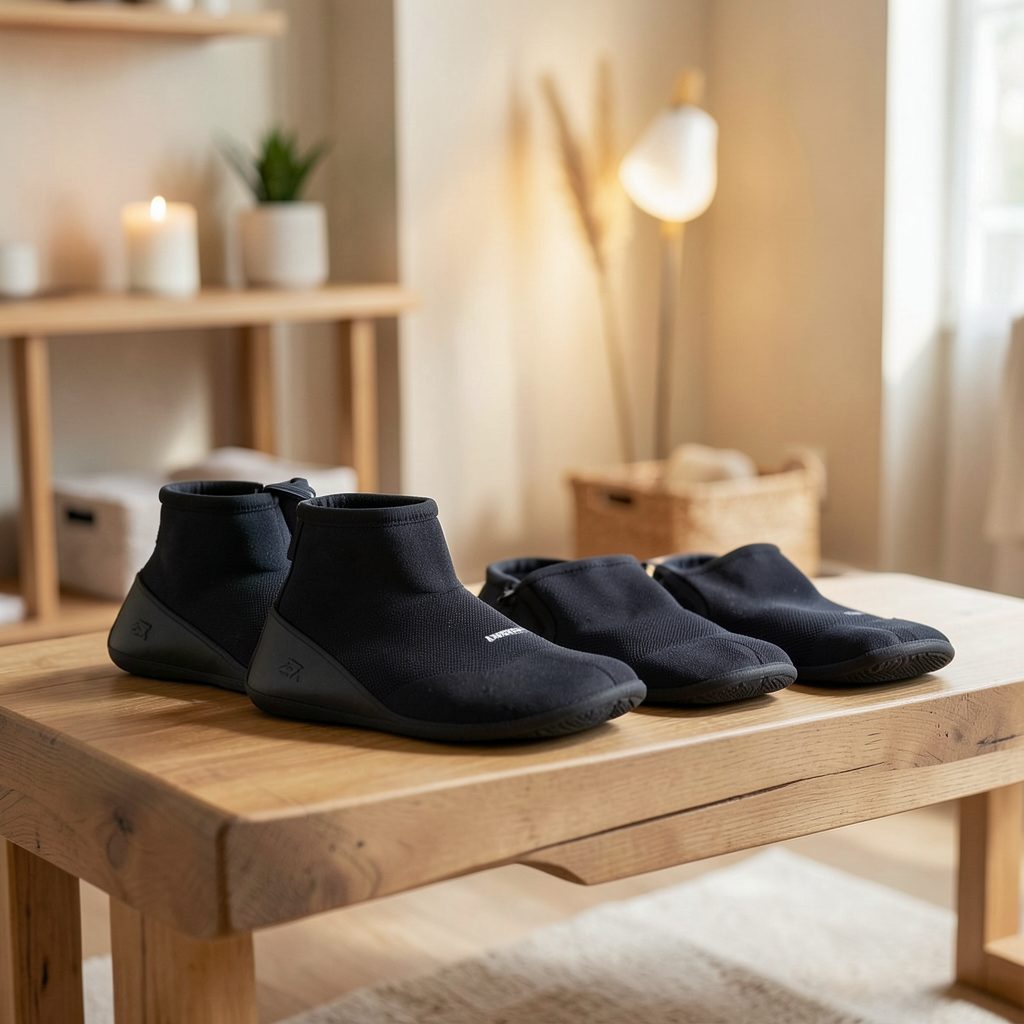
Normatec boot recovery and cryotherapy treatments help athletes bounce back faster. Cycle and spin classes add a cardio dimension to the holistic performance approach.
Have a Question?