Train. Compete. Recover.
A multi-purpose athletic facility in Speedway, Indiana — basketball leagues, skill training, and wellness services all under one roof.
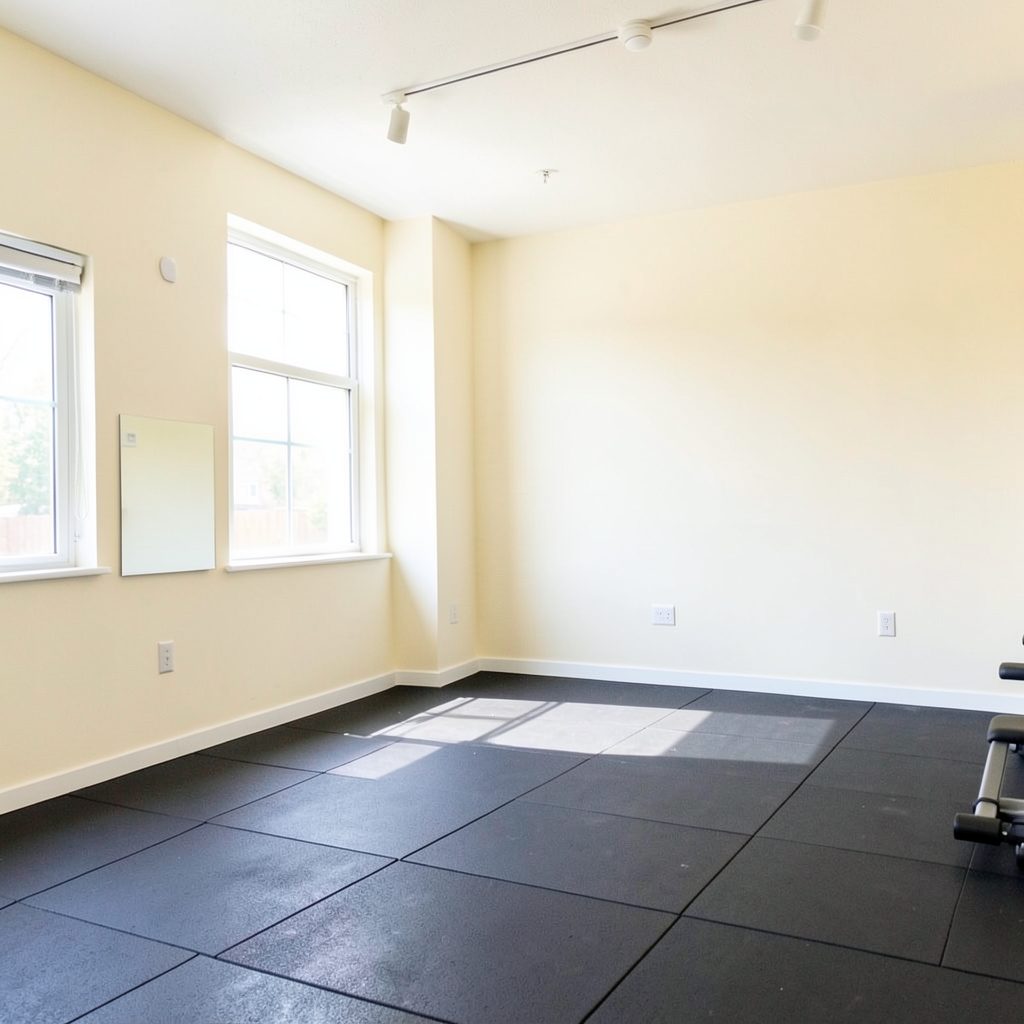
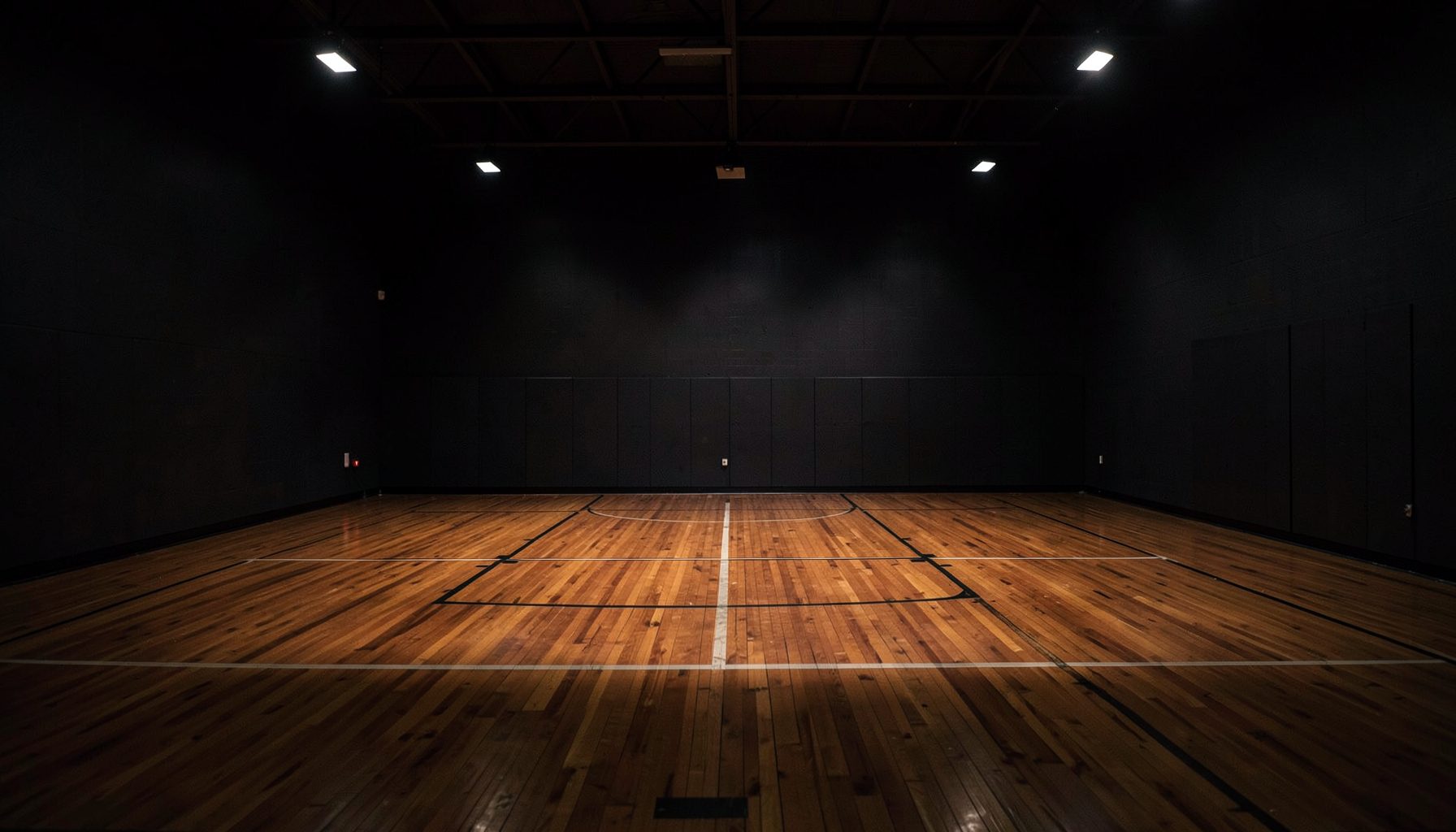
The Factory D1 Indy brings together three entities under one roof: competitive basketball leagues for all age groups, individual and group training, and wellness & recovery services including Normatec boot recovery and cryotherapy. Located off I-465 and High School Road at 6331 Crawfordsville Road, Speedway, Indiana 46224.
Get In TouchFive-Minute Warm-Up Routines Before a Youth Basketball Game
A five-minute warm-up prepares young basketball players to move quickly, handle the ball confidently and start a game without feeling stiff. The best routines use dynamic mobility, footwork and simple ball-handling drills rather than long, passive stretches.
Five minutes is enough when every exercise has a clear purpose. Coaches can raise body temperature, activate the muscles used in basketball and rehearse game-day movements while keeping the session focused and energetic.
Younger players need simpler instructions, shorter exercise combinations and plenty of positive feedback. Older players can handle faster change-of-direction drills, but they still benefit from a routine they can perform consistently without lengthy explanation.
Australian game days also require flexibility. Heat, humidity and changing weather can affect outdoor courts, while shared school halls and community recreation centres may have slippery floors or limited space for movement.
Why a Pre-Game Warm-Up Matters
Cold muscles often feel slower and less responsive. Dynamic movement increases blood flow and prepares the ankles, knees, hips, shoulders and wrists for the repeated running, jumping and reaching involved in basketball.
A useful warm-up should gradually progress from general movement to basketball-specific actions. Begin with easy marching or side steps, add larger joint and limb movements, then introduce sharper footwork, balance exercises and controlled changes of direction.
The aim is not to exhaust players before tip-off. Short activity breaks can reduce the feeling of stiffness and support movement confidence, but coaches should stop any drill that causes sharp pain, dizziness or unusual loss of balance.
Building a Five-Minute Sequence
During the first 45 seconds, have players march, skip or jog around the court. Ask them to swing their arms naturally, take shorter steps and gradually increase their pace. This provides a controlled transition from standing still to active movement.
From 45 seconds to two minutes, focus on joint preparation. Players can perform ankle rocks, hip circles, arm circles, shoulder rotations and gentle calf raises. Body-weight mini squats and side lunges then prepare the legs for the demands of court play.
Use the final three minutes for basketball actions. Include mini dribbles, defensive slides, two-foot landing drills and short sequences of closeouts or pivot footwork. Finish with several controlled layups or passing movements so players enter the game with their eyes on the ball and their hands ready.
Drills That Match the Game
Footwork should reflect what happens on court. Players can practise split steps, stop-and-go movements, lateral slides and quick steps in opposite directions. Coaches should emphasise a quiet landing, bent knees and hands that stay ready for the next action.
Ball-handling activates coordination as well as the arms and shoulders. Use both hands, change dribble height and practise catching with the fingertips. Younger children may work with one ball each, while older squads can rotate through quicker dribble-and-pass combinations.
Wrist and forearm care can also support players who shoot, pass or rebound regularly. Coaches can review the wrist-strength yoga guidance for background, while keeping the immediate game warm-up fast and dynamic rather than turning it into a lengthy yoga session.
Adapting for Age, Conditions and Ability
Australian community basketball commonly uses age-graded divisions from under-8 through under-16, although formats vary by association. Players in the youngest groups benefit from animal walks, hoop-style reaches and short dribble games that resemble play rather than formal training.
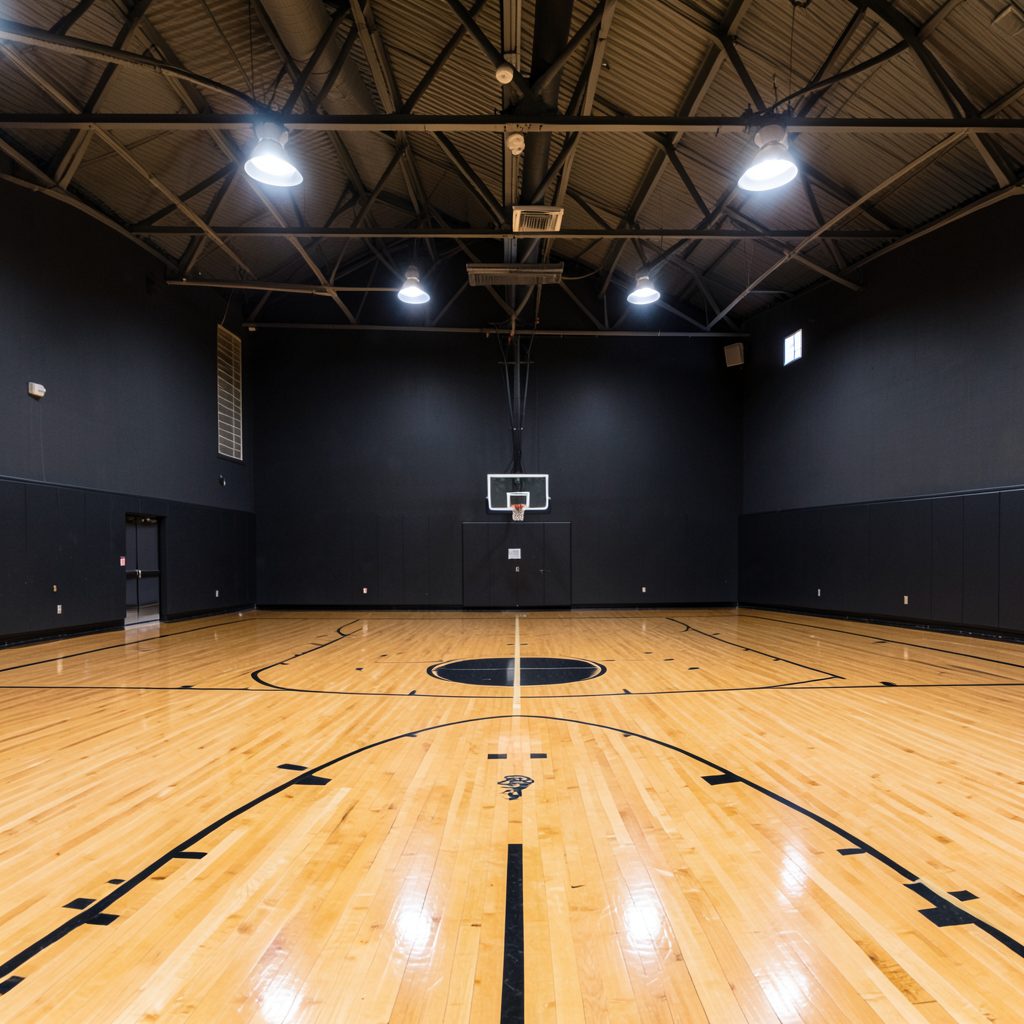
Many clubs train in shared school gymnasiums, council sports centres or neighbourhood basketball arenas. Coaches should check the surface before selecting drills, particularly where condensation, polished timber or painted lines could affect traction. Fewer players may need to work in smaller groups to avoid crowding.
Conditions differ sharply across Australian cities. Melbourne’s changeable weather can turn cool and windy between quarters, while Brisbane’s humidity makes shaded breaks and regular sips of water essential. In Perth, an outdoor session during a hot afternoon should be shortened, moved into shade and adjusted according to the club’s heat policy.
Young athletes may also arrive from Australian rules football, netball, cricket or swimming. That background can improve coordination and conditioning, but basketball-specific balance, landing mechanics and footwork still deserve dedicated attention before competition.
Comparing Your Pre-Game Options
The standard five-minute sequence works for most teams, but court access, player experience and available equipment can influence the best format. Younger squads usually benefit from simple movement and ball games, while older teams can include quicker defensive and shooting patterns.
A practical comparison shows where each option fits best:
| Routine option | Court time | Best fit | Main consideration |
|---|---|---|---|
| Standard five-minute sequence | 5 minutes | Most youth teams | Limited time requires prioritisation |
| Ball-led activation | 5–7 minutes | Squads with several balls and open space | Needs equipment and sufficient floor area |
| No-ball movement routine | 3–5 minutes | Crowded courts or limited equipment | Less specific to basketball handling |
| Extended activation | 10–15 minutes | Older or experienced teams arriving early | Extra time may lead to unnecessary fatigue |
Whichever format is selected, the routine should end with the same ingredients: balanced feet, responsive legs, active shoulders and familiar ball control. Consistency matters because repeated movement patterns help players recognise how their bodies should feel at the start of a game.
Prepare Every Player for Tip-Off
Choose a routine that fits the players, venue and available time, then practise it during training. A short team routine is easier for children to remember, and regular practice allows coaches to reduce verbal instructions while players begin their own preparation.
Coaches and families can also explore The Factory D1 Indy in Speedway, Indiana, where individual and group basketball training, youth programmes, competitive leagues and recovery services support a complete training environment. To discuss a group visit or suitable session, use the Factory D1 Indy contact page and select the option that best fits the squad.
Make the warm-up a fixed part of game day, rehearse it before the season and bring every player to the court prepared to move, compete and enjoy the game.
Inside The Factory

Three Entities, One Roof
Leagues
Eight league divisions span every age group: Indy Pro AM, 18+ Open Men's, 30+ Men's, Bite Size (ages 3–6), Impact League, 5th/6th Grade, Middle School, and High School. Gather your team and compete.
Training
Individual and group basketball training for all skill levels. Major M.O.V.E.S. Basketball Training serves ages 4–7 on Wednesday and Thursday evenings at 6:30 PM — $30 per session or $100 unlimited monthly.
Wellness & Recovery
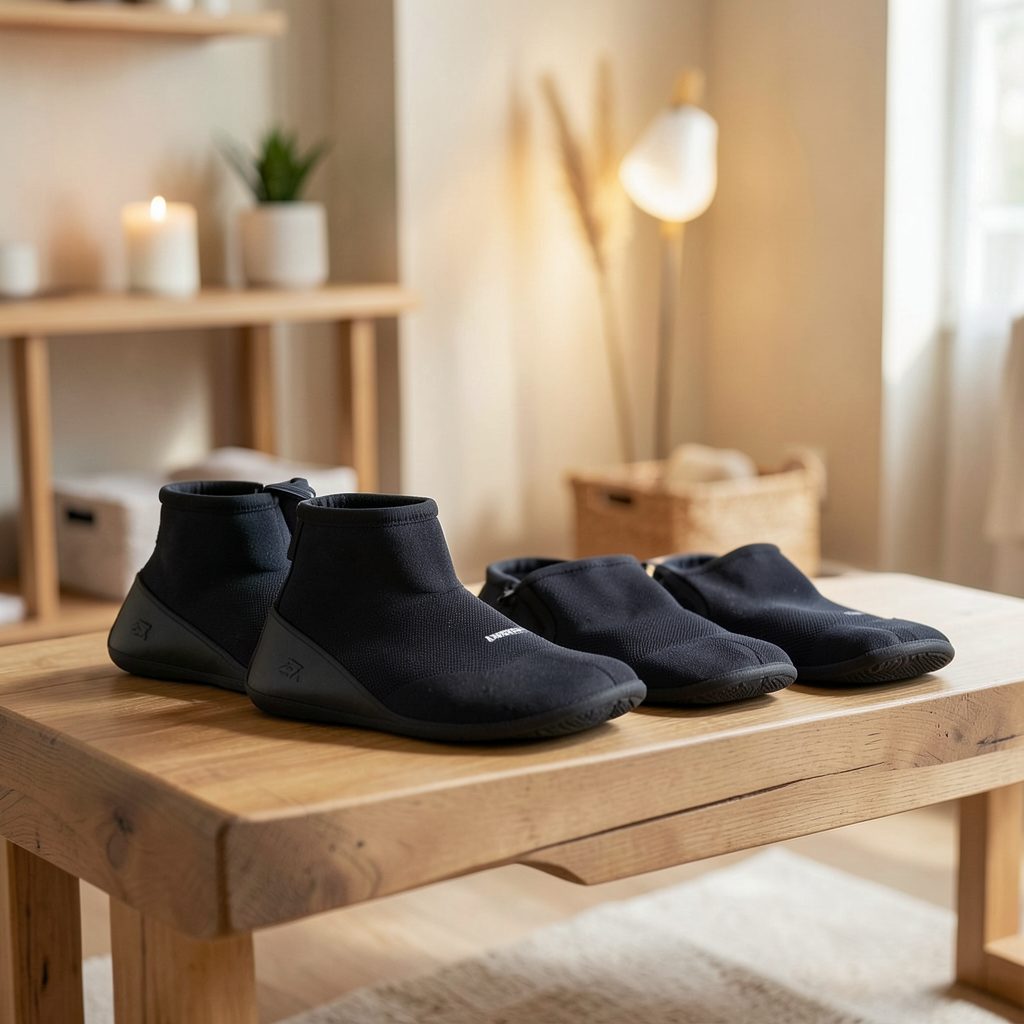
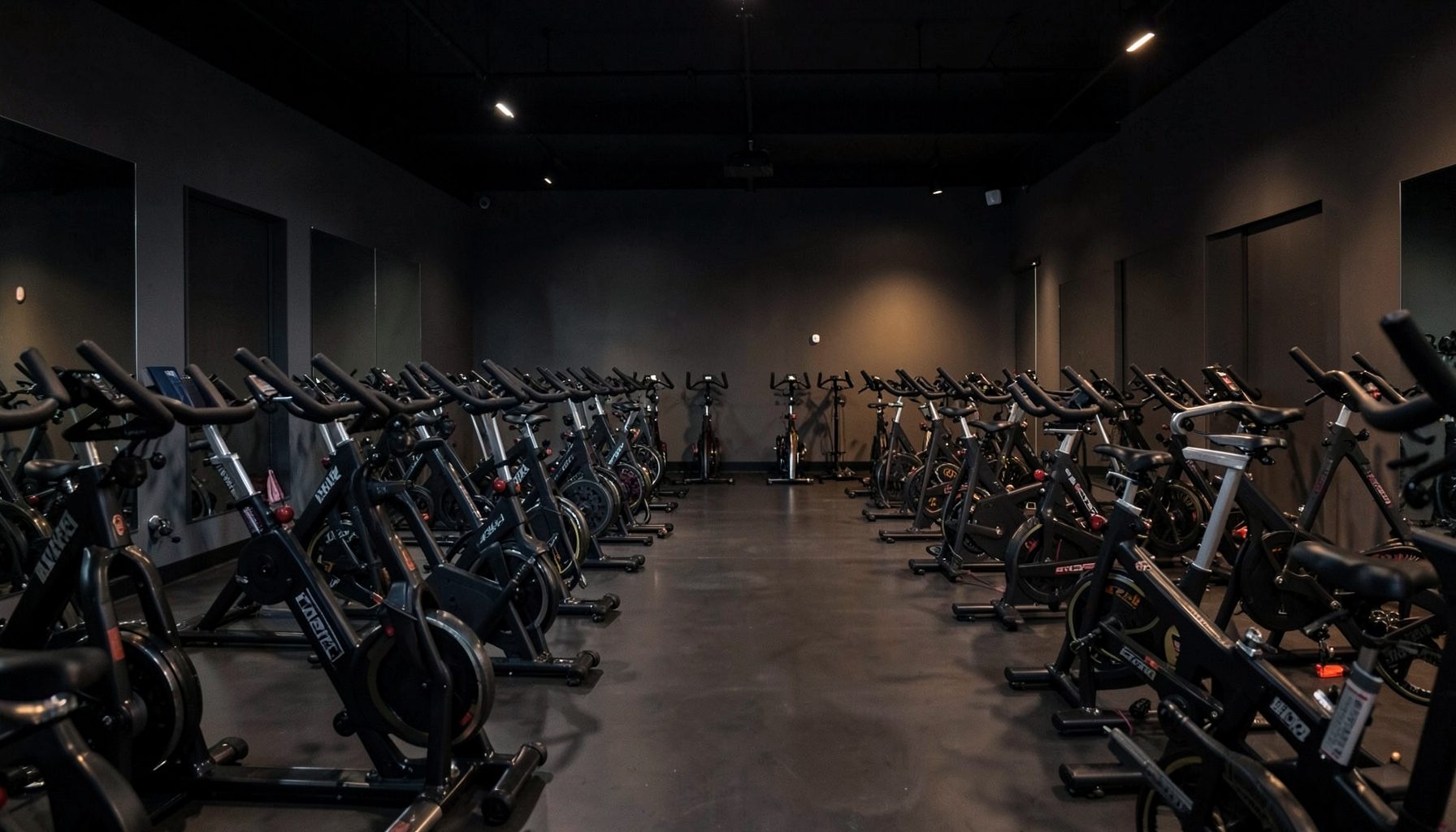
Normatec boot recovery and cryotherapy treatments help athletes bounce back faster. Cycle and spin classes add a cardio dimension to the holistic performance approach.
Have a Question?