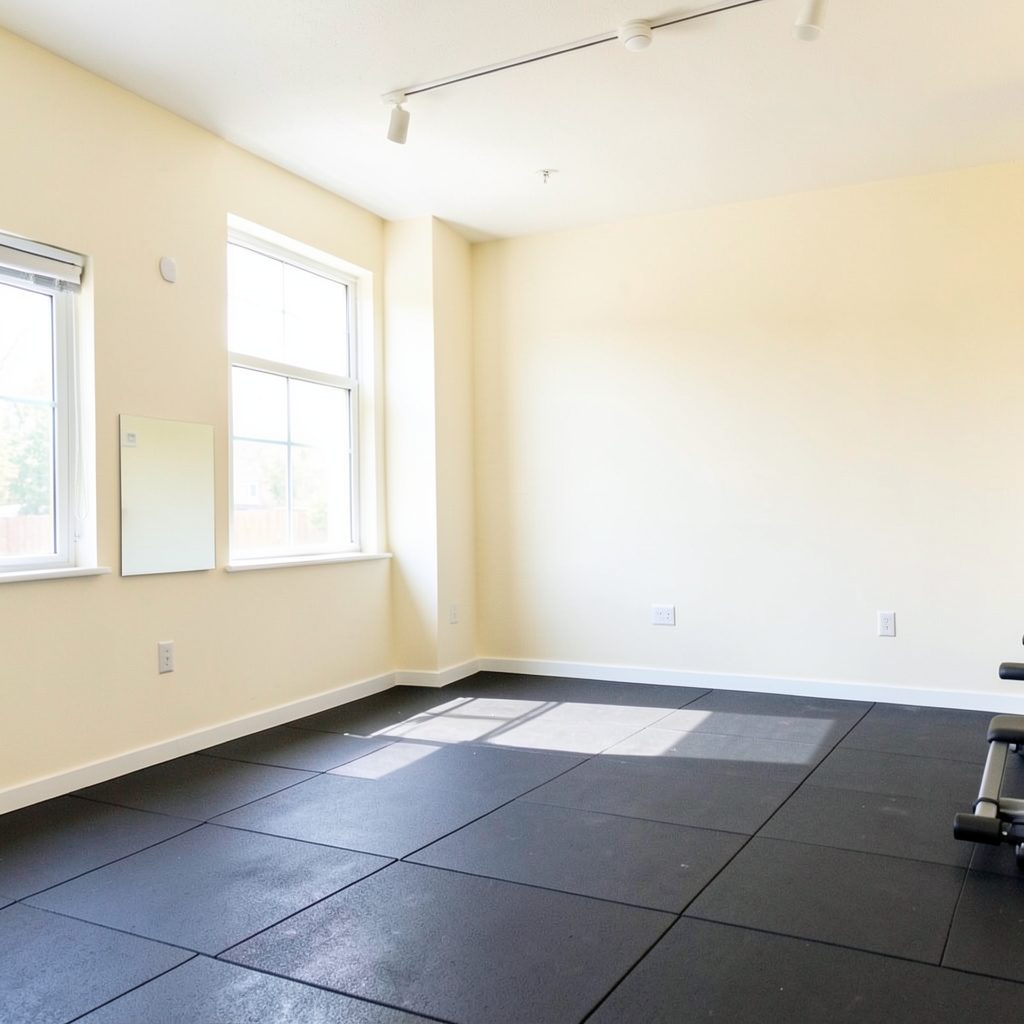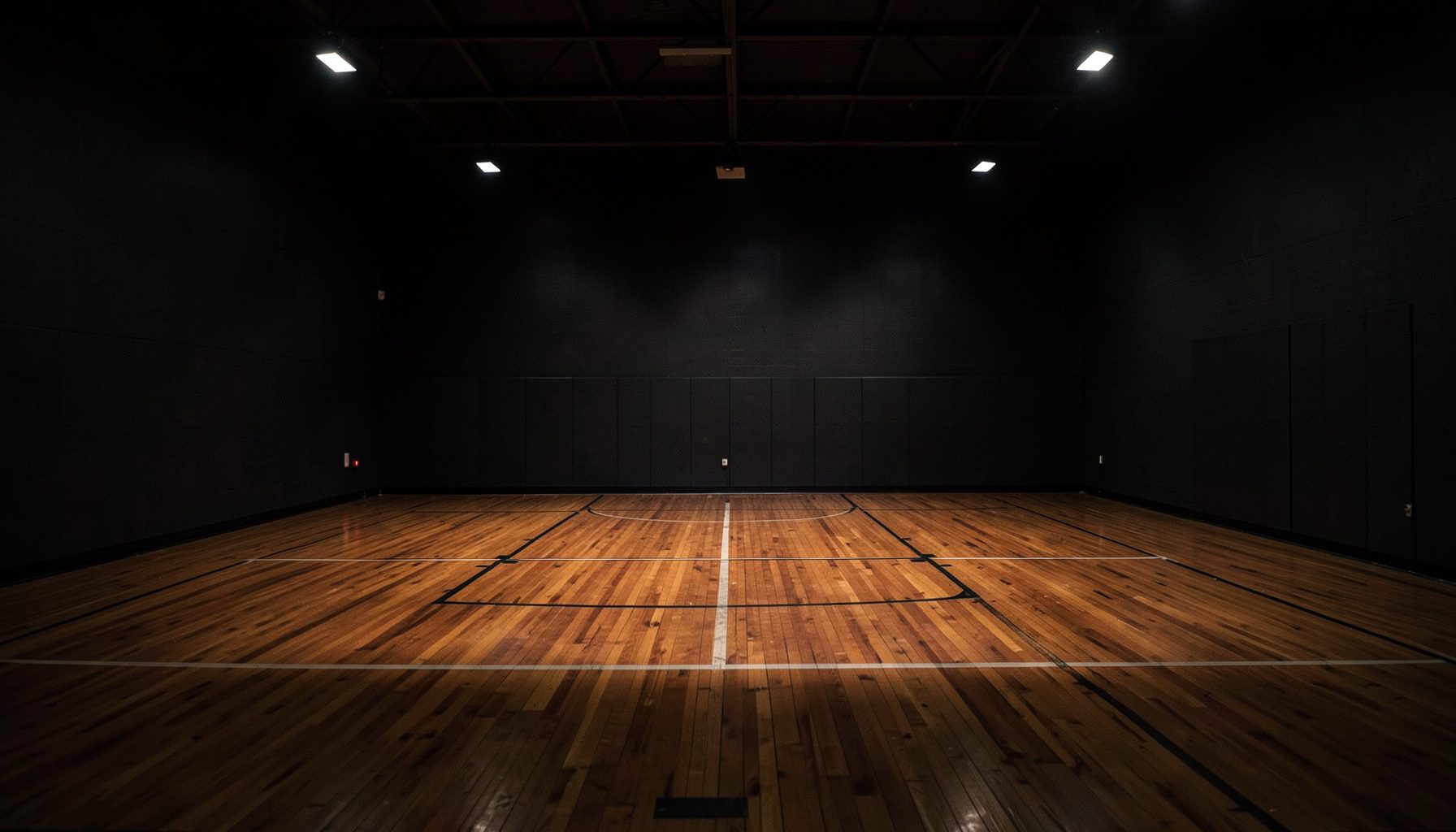
Train. Compete. Recover.
A multi-purpose athletic facility in Speedway, Indiana — basketball leagues, skill training, and wellness services all under one roof.
The Factory D1 Indy brings together three entities under one roof: competitive basketball leagues for all age groups, individual and group training, and wellness & recovery services including Normatec boot recovery and cryotherapy. Located off I-465 and High School Road at 6331 Crawfordsville Road, Speedway, Indiana 46224.
Get In TouchFive Signs Your Body Needs a Cryotherapy Session After a Long Week
A demanding week can leave your body feeling heavy, stiff and slower than usual. Long workdays, repeated training sessions, weekend competition and disrupted sleep may all contribute to muscle soreness and general fatigue. For athletes, the warning signs are often easy to dismiss until they begin affecting movement, focus and performance.
Cryotherapy uses brief exposure to very cold temperatures to support a recovery routine. Depending on the service, it may be used as whole-body or targeted cold therapy. It should not replace medical care, hydration, proper nutrition or a qualified assessment, but it can be a useful addition when your body needs help winding down after repeated physical stress.
For Australians balancing sport with busy city life, recovery can be especially important. A basketball player commuting across Melbourne, a runner training in Brisbane humidity or a shift worker in Sydney may face very different demands, yet the body’s signals are remarkably similar. These are five signs that a cryotherapy session may fit into your recovery plan.
| Sign | What it may suggest | Helpful response |
|---|---|---|
| Soreness lasting several days | Muscles have not fully recovered | Reduce intensity and consider supervised recovery |
| Stiffness or restricted movement | Fatigue, tightness or minor irritation | Use mobility work and professional guidance |
| Heavy, sluggish performance | Accumulated training load | Prioritise sleep, food and a rest day |
| Persistent swelling or discomfort | A possible injury or overload issue | Seek medical advice before using cold therapy |
| Poor sleep after hard sessions | The nervous system remains activated | Create a calm evening routine and recover |
Soreness That Does Not Settle
Normal post-exercise soreness usually improves as the muscles recover. If your legs, shoulders or lower back still feel unusually tender several days after training, your weekly workload may be exceeding your current recovery capacity. This is common after tournaments, intense conditioning blocks or several consecutive basketball sessions.
Cold therapy may temporarily reduce the sensation of soreness and help you feel more comfortable. However, it should be paired with low-intensity movement, adequate protein, fluids and sleep. A cryotherapy session is more sensible when soreness is general and familiar, rather than sharp, localised or getting worse.
Australian athletes may notice this pattern after a winter basketball league, a Saturday morning running group or a long surf session followed by a full work week. Cold weather in Melbourne can also make already-tight muscles feel less mobile, so a gradual warm-up remains important before any exercise.
Stiffness Is Changing How You Move
Stiffness is more significant when it alters your technique. You may shorten your stride, avoid rotating your torso, compensate with one leg or struggle to reach a comfortable defensive stance. These changes can place extra stress on other joints and muscles, particularly during fast court movements.
A supervised recovery session may help you feel less restricted, but the underlying cause still matters. Mobility drills, a light walk, stretching within a comfortable range and an assessment from a physiotherapist can be more appropriate than simply applying cold. Avoid treating intense pain, numbness or a suspected tear as routine training soreness.
For people in Brisbane or Darwin, heat and humidity can add to the feeling of fatigue after outdoor conditioning. Rehydrating with water and electrolytes when appropriate, cooling down gradually and changing out of damp clothing should come before relying on any recovery technology.
Your Performance Feels Heavy
A body that feels unusually heavy can be signalling accumulated fatigue. The signs may include slower reaction time, reduced jump height, poor coordination, a lack of power or difficulty maintaining your usual training pace. When a familiar drill suddenly feels demanding, pushing harder is rarely the best first response.
Cryotherapy can form part of a broader recovery strategy after a high-load week, especially when the goal is to feel refreshed before the next planned session. Still, a cold treatment cannot erase sleep debt or compensate for insufficient food. Aim for regular meals containing carbohydrates and protein, a consistent bedtime and at least one lower-load period during the week.
This matters for athletes travelling between competitions or training around a full timetable. An adult player working in Perth may finish late, drive to a session and repeat the pattern several times before the weekend. Scheduling recovery before fatigue becomes overwhelming is more useful than waiting until performance drops sharply.
Sleep Has Become Restless
Hard training can make you physically tired while leaving your nervous system alert. You might take longer to fall asleep, wake frequently or feel unrefreshed the next morning. Poor sleep then affects pain sensitivity, concentration, muscle repair and your ability to regulate effort.
A cryotherapy session may feel calming for some people, but responses vary. Try not to treat it as a substitute for a dark, cool bedroom, reduced evening screen time and a consistent wind-down routine. If sleep disruption continues, review caffeine timing, training intensity and stress levels, and speak with a health professional when necessary.
Evening sport is common across Australia because of hot afternoons and work schedules. A late game in Sydney or an evening training session in Adelaide can push bedtime back considerably. Allow time to cool down, rehydrate and eat a suitable recovery meal rather than rushing directly from competition into bed.
Swelling or Irritation Keeps Returning
Mild, widespread post-training discomfort can be part of a heavy week. Recurrent swelling in one knee, ankle, shoulder or wrist deserves more attention. So does warmth, bruising, instability, reduced strength or pain that changes your normal movement.
Cold exposure may reduce discomfort briefly, yet repeated symptoms can indicate an injury that needs diagnosis. Do not use cryotherapy to mask pain so you can compete. Get advice from a doctor, physiotherapist or sports medicine professional, particularly if symptoms followed a collision, fall or sudden change of direction.
A well-run athletic facility can support your wider routine by combining training, competition and recovery services. At The Factory D1 Indy in Speedway, Indiana, athletes can also take part in basketball programmes and league registration details, making it possible to plan competition alongside conditioning and recovery. Australians considering a visit or comparing facilities should still check the provider’s medical screening process and local availability.
You Are Using Recovery Tools More Often
One overlooked sign is needing recovery support after sessions that previously felt manageable. If you are regularly reaching for compression, massage, ice baths or long periods of rest just to feel ready for ordinary training, the issue may be your total workload rather than a lack of treatments.
Cryotherapy and Normatec-style compression can be useful options within a structured programme, but each serves a different purpose and may not suit everyone. Cold exposure can be inappropriate for people with certain cardiovascular conditions, circulation problems, cold sensitivity, uncontrolled blood pressure or other medical concerns. Pregnancy and medication use may also require professional advice.
Before booking a session, disclose relevant health conditions and follow the facility’s screening instructions. Stop immediately if you experience chest discomfort, dizziness, breathing difficulty, severe skin pain or unusual numbness. A short consultation is worthwhile, especially if you are new to whole-body cold therapy.
Pay attention to the pattern behind your fatigue. Five hard sessions, insufficient sleep and a busy weekend may call for a reduced training week, not simply another treatment. Used thoughtfully, cryotherapy can be one part of a balanced plan that includes movement, fuelling, hydration, sleep and qualified support.
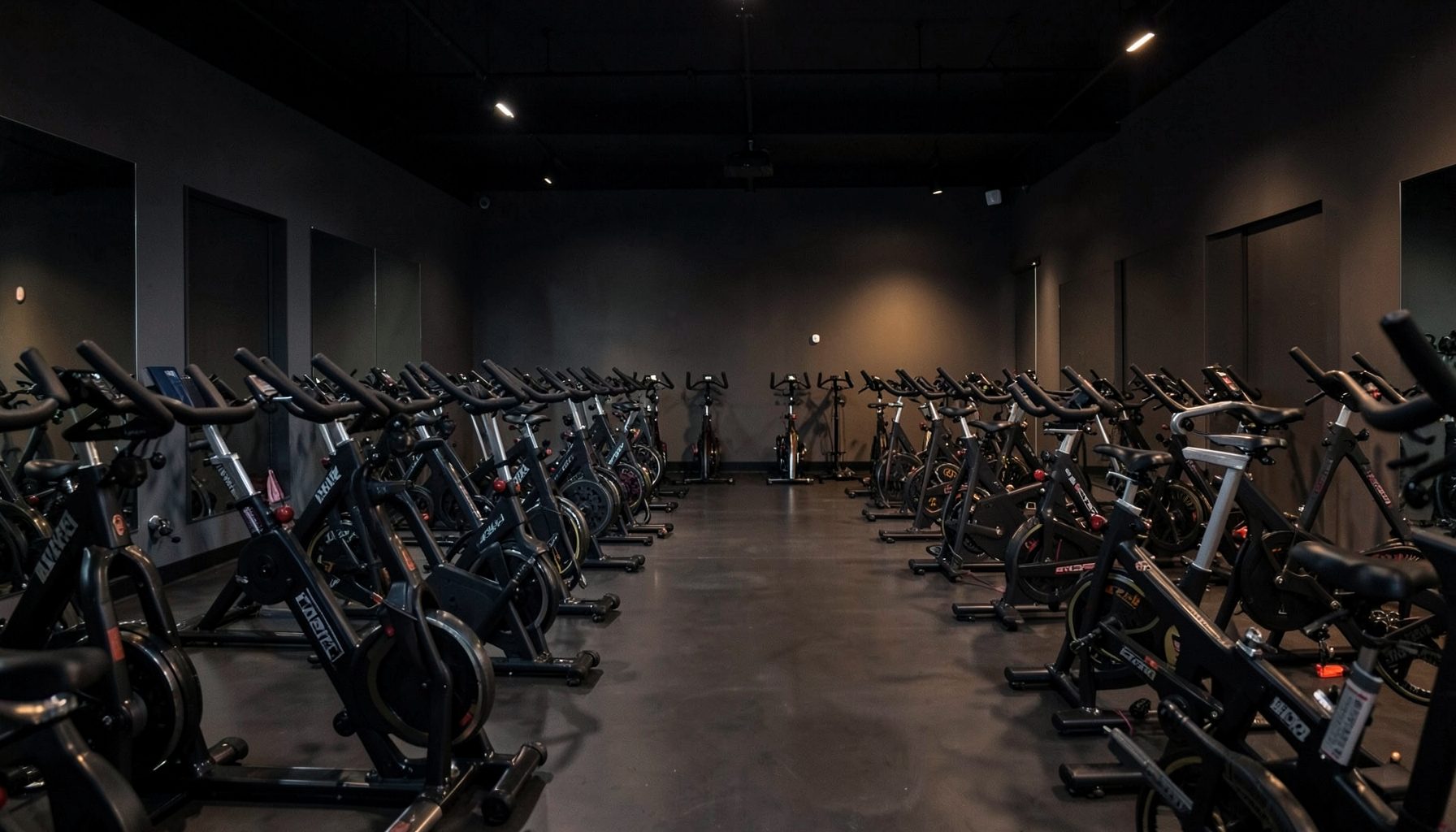
If your body is showing several of these signs, arrange an appropriate recovery assessment and ask whether cryotherapy is suitable for you. The Factory D1 Indy offers a community-focused setting for training, leagues, cycle classes and wellness services, so contact the facility to discuss available recovery options and make your next week more sustainable.
Inside The Factory
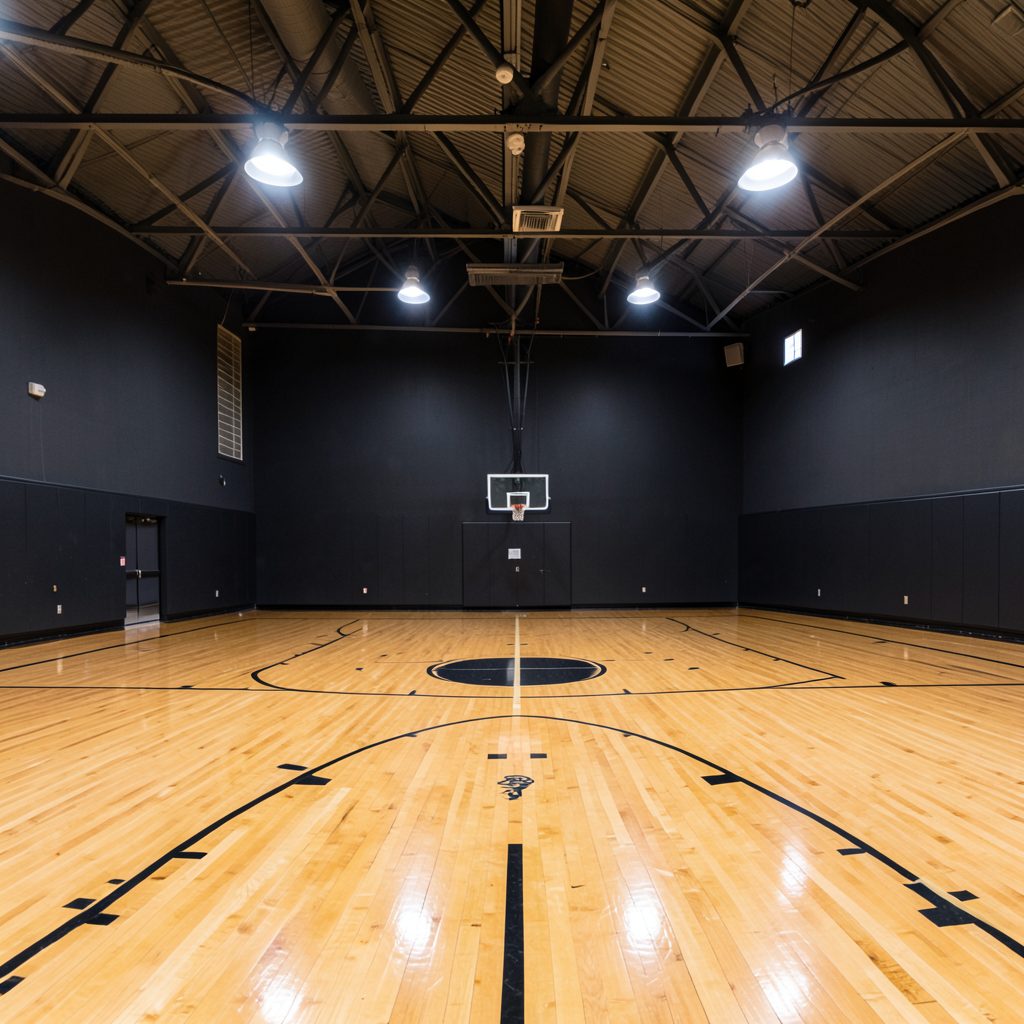

Three Entities, One Roof
Leagues
Eight league divisions span every age group: Indy Pro AM, 18+ Open Men's, 30+ Men's, Bite Size (ages 3–6), Impact League, 5th/6th Grade, Middle School, and High School. Gather your team and compete.
Training
Individual and group basketball training for all skill levels. Major M.O.V.E.S. Basketball Training serves ages 4–7 on Wednesday and Thursday evenings at 6:30 PM — $30 per session or $100 unlimited monthly.
Wellness & Recovery
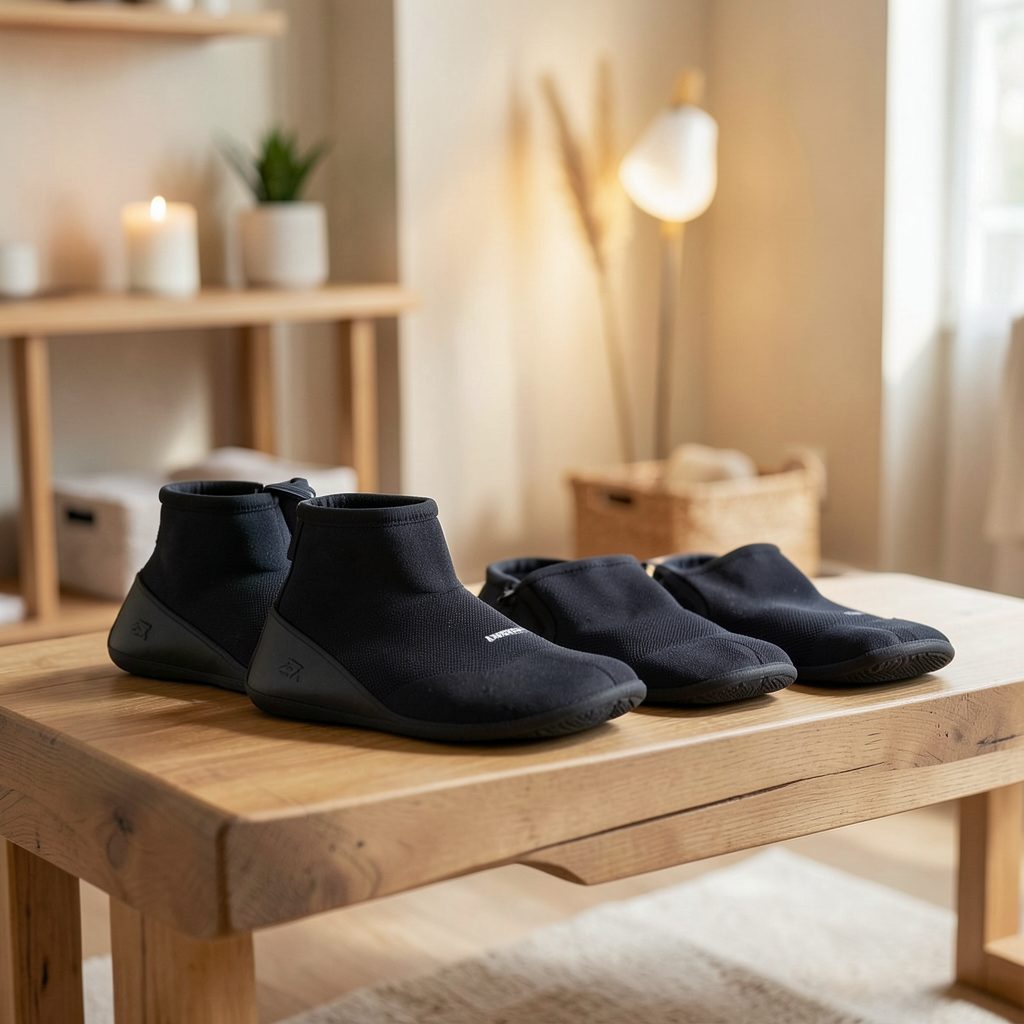
Normatec boot recovery and cryotherapy treatments help athletes bounce back faster. Cycle and spin classes add a cardio dimension to the holistic performance approach.
Have a Question?