Train. Compete. Recover.
A multi-purpose athletic facility in Speedway, Indiana — basketball leagues, skill training, and wellness services all under one roof.
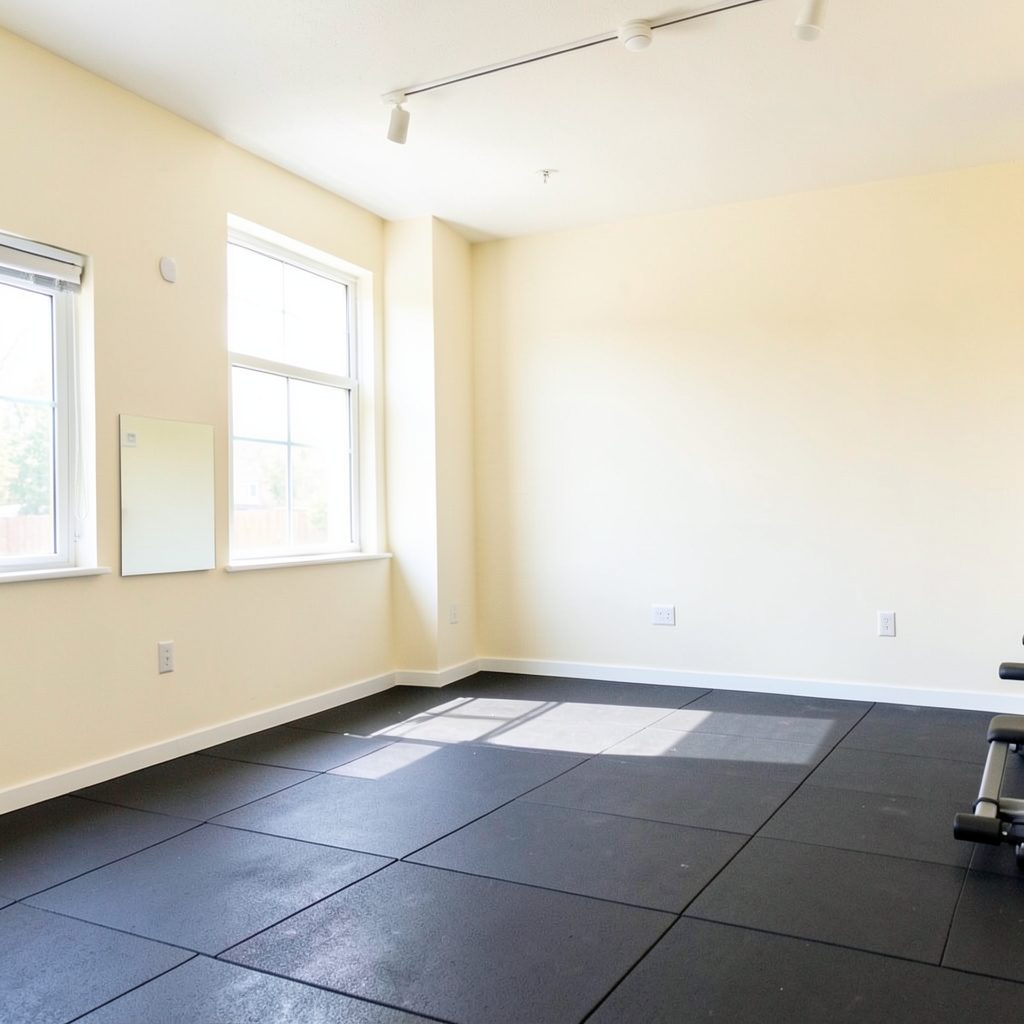
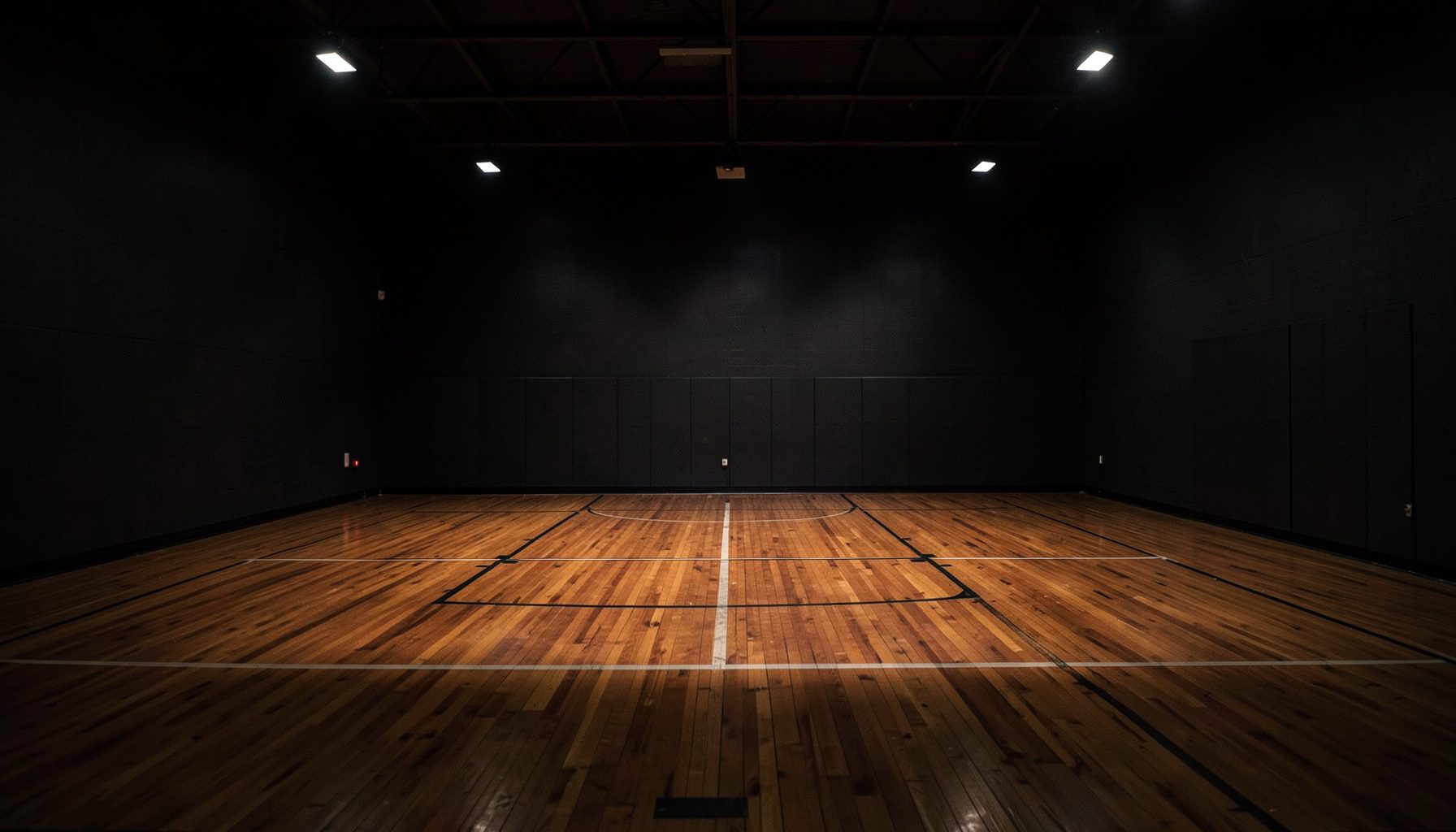
The Factory D1 Indy brings together three entities under one roof: competitive basketball leagues for all age groups, individual and group training, and wellness & recovery services including Normatec boot recovery and cryotherapy. Located off I-465 and High School Road at 6331 Crawfordsville Road, Speedway, Indiana 46224.
Get In TouchFive Stretching Routines Every Basketball Player Should Master
Basketball demands repeated bursts of speed, sudden stops, vertical jumps, lateral slides, and full-body contact. A player may feel ready after a few easy laps, yet the muscles and joints still need focused preparation before practice or competition. A thoughtful stretching routine can improve movement quality while helping the body handle those demands.
Flexibility is only one part of athletic mobility. The goal is to move through a useful range of motion with control, then maintain that range when fatigue sets in. Dynamic stretches work well before activity, while slower static holds are better suited to cooldowns and recovery sessions.
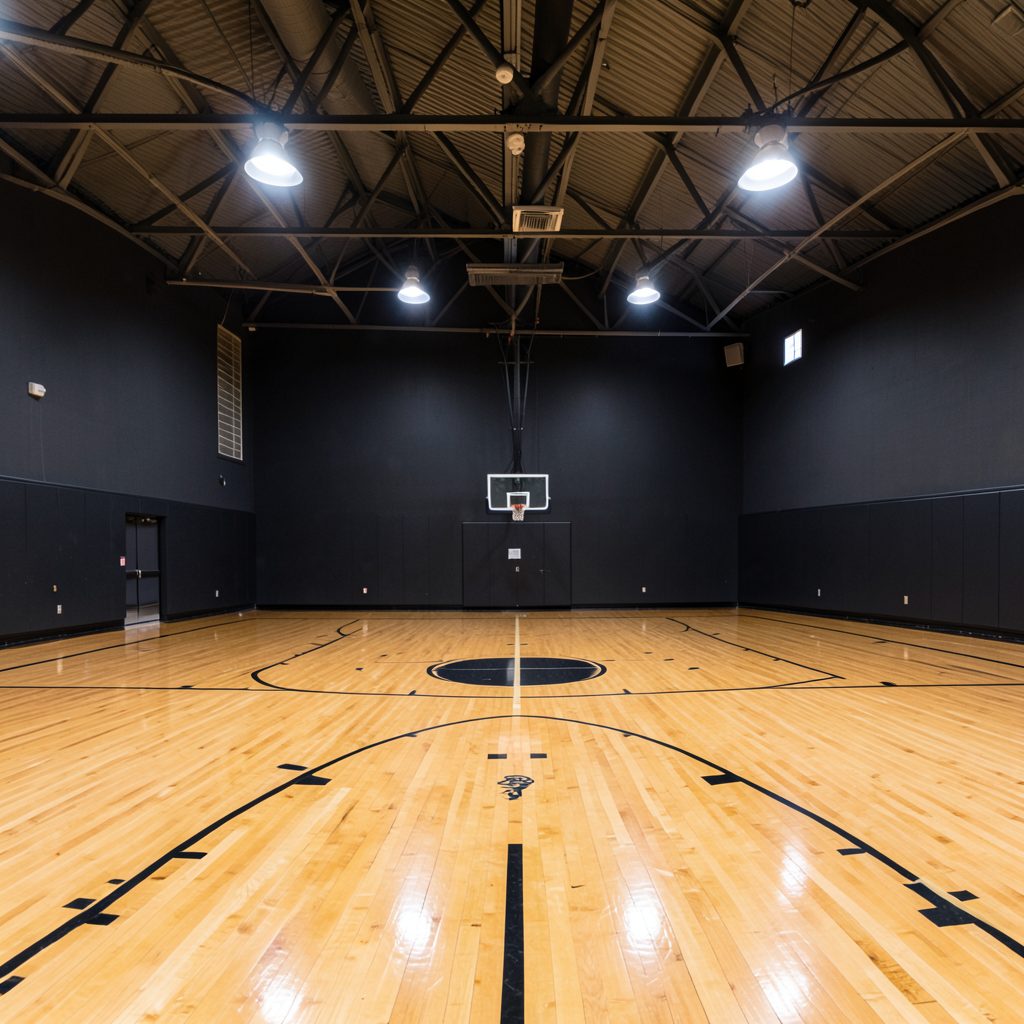
Athletes training in Speedway can combine these habits with skills work, conditioning, and competition at The Factory D1 Indy, a multi-purpose facility built around basketball and community fitness. The following routines can be completed on a court, in a gym, or at home with minimal equipment.
Start With Dynamic Court Movement
Before basketball practice, begin with five to eight minutes of continuous movement. Jog from baseline to baseline, then add high knees, heel kicks, lateral shuffles, backpedaling, and controlled skips. Keep the pace moderate enough to maintain good posture and smooth footwork.
Follow the general movement with walking lunges and arm circles. On each lunge, keep the front knee aligned with the toes and reach the opposite arm overhead. This combination warms the hips, ankles, shoulders, and trunk while gradually increasing circulation.
Dynamic stretching should feel active rather than forced. Avoid bouncing into a deep position or holding a stretch for a long time before jumping. The purpose is to prepare the nervous system for explosive actions, not to relax the muscles before they have worked.
Mobilize Ankles And Calves
Ankle mobility affects sprinting, jumping, defensive stance, and landing mechanics. Stand facing a wall with one foot in front, keeping the front heel down. Slowly drive the knee toward the wall over the second or third toe, then return to the starting position. Complete 10 to 12 controlled repetitions on each side.
Next, perform slow calf raises through the full available range. Rise onto the balls of the feet, pause briefly, and lower the heels with control. Add a bent-knee version to place more emphasis on the soleus, a calf muscle that works heavily during running and repeated jumps.
For a deeper cooldown stretch, place the hands on a wall and step one foot behind you. Keep the rear heel grounded and hold the calf stretch for 20 to 30 seconds. Move gently; sharp pain, tingling, or numbness is a reason to stop and seek professional guidance.
Open The Hips And Groin
Lateral movement places substantial demand on the adductors, hip flexors, and glutes. Begin with a lateral squat shift: step wide, bend one knee while keeping the opposite leg long, and sit the hips back. Return to center before moving to the other side. Use six to eight repetitions per direction.
A half-kneeling hip-flexor stretch is useful after running or extended sitting. Place one knee under the hip and the opposite foot in front. Tuck the pelvis slightly, tighten the rear glute, and shift forward without arching the lower back. Add a gentle reach toward the side of the kneeling leg to involve the trunk and upper hip.
The frog stretch or a supported butterfly position can be included during a post-practice cooldown. These positions should create mild tension through the inner thighs, never a painful pull. Players with a history of groin issues should progress gradually and consider advice from a qualified sports professional.
| Routine | Best Timing | Main Areas | Suggested Dose |
|---|---|---|---|
| Dynamic court movement | Before practice or games | Whole body, hips, shoulders | 5–8 minutes |
| Ankle and calf mobility | Before and after training | Calves, ankles, feet | 10–12 reps per side |
| Hip and groin mobility | Warmup or cooldown | Adductors, hip flexors, glutes | 6–8 reps or 20–30 seconds |
| Hamstring and quad sequence | Both, with different methods | Front and back of thighs | 8–10 reps or 20–30 seconds |
| Spine and shoulder mobility | Before shooting and contact work | Thoracic spine, shoulders | 6–10 reps per side |
Lengthen The Hamstrings And Quadriceps
The hamstrings help control sprinting and deceleration, while the quadriceps absorb force during landings and defensive slides. For a pre-game sequence, use walking straight-leg sweeps. Extend one heel forward, keep the leg long without locking the knee, and sweep the opposite hand toward the foot. Alternate sides for 10 repetitions.
Add alternating reverse lunges with an overhead reach. Step back, lower under control, and reach both arms upward as the front hip and ankle stabilize the body. This movement prepares the thighs for changes in level without placing the muscles into a relaxed, passive stretch.
After training, switch to static positions. A seated hamstring stretch can be held for 20 to 30 seconds with a long spine, while a standing quad stretch brings the heel toward the glute. Keep the knees close together and avoid pulling the foot aggressively toward the back.
Rotate The Spine And Free The Shoulders
Basketball players need shoulder mobility for shooting, passing, rebounding, and contact. Begin with slow arm swings across the chest and overhead reaches. Keep the ribs from flaring and let the shoulder blades move naturally rather than forcing the arms beyond a comfortable range.
For the upper back, use a quadruped thread-the-needle stretch. From hands and knees, slide one arm beneath the opposite arm, rotating through the upper spine. Return to the starting position and reach that arm toward the ceiling. Complete six to eight repetitions per side.
A half-kneeling trunk rotation adds a controlled challenge. Place one knee down, brace the abdomen, and rotate the torso toward the forward leg. The movement should come from the mid-back rather than the lower back. This routine supports a more fluid shooting motion and better body control when changing direction.
Turn Stretching Into Recovery
Static stretching has a useful place after practices, games, and strength sessions. Once breathing has settled, choose two or three areas that feel restricted and hold each position for 20 to 30 seconds. Hamstrings, hip flexors, calves, glutes, and the chest are common choices for basketball players.
Stretching should complement recovery rather than replace sleep, hydration, nutrition, and appropriate training loads. If the body feels unusually heavy, reduce intensity and focus on gentle mobility. Persistent soreness, swelling, weakness, or a recurring sharp sensation deserves assessment instead of repeated stretching.
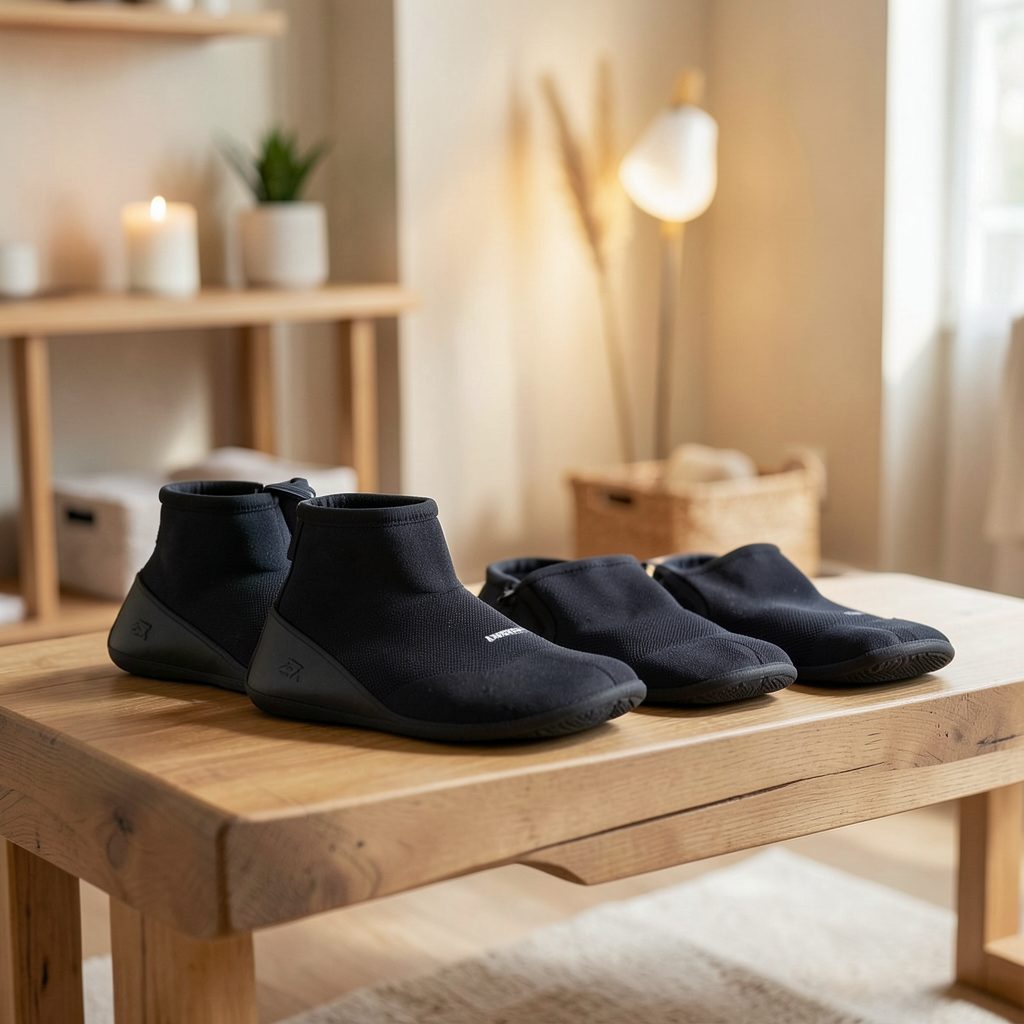
Players can also pair mobility work with professional recovery options. The Factory D1 Indy offers recovery services that include options such as Normatec compression therapy and cryotherapy, giving athletes additional tools after demanding training or competition.
Build A Consistent Weekly Routine
The best stretching program is one an athlete can perform consistently. Use dynamic movement before every basketball session, then choose targeted mobility drills based on the day’s demands. A guard who spends hours changing direction may emphasize ankles and hips, while a post player may need extra attention to hips, shoulders, and the thoracic spine.
Use these practical habits to keep the routine effective:
- Warm up dynamically for five to eight minutes before intense activity.
- Perform ankle, hip, and spine mobility with slow, controlled repetitions.
- Save longer static holds for after practice, games, or separate recovery sessions.
- Stop any stretch that produces sharp pain, numbness, or unusual joint pressure.
- Track recurring tightness and adjust training, recovery, or professional care when needed.
A stretching routine should make movement feel more prepared, not exhausted. Progress comes from regular practice, measured range of motion, and attention to technique. Pair these five routines with sound basketball fundamentals and sensible conditioning to move, land, and compete with greater control.
Make mobility part of every training day at The Factory D1 Indy. Visit the facility to explore basketball programming, fitness classes, leagues, and recovery resources that support athletes throughout the season.
Inside The Factory

Three Entities, One Roof
Leagues
Eight league divisions span every age group: Indy Pro AM, 18+ Open Men's, 30+ Men's, Bite Size (ages 3–6), Impact League, 5th/6th Grade, Middle School, and High School. Gather your team and compete.
Training
Individual and group basketball training for all skill levels. Major M.O.V.E.S. Basketball Training serves ages 4–7 on Wednesday and Thursday evenings at 6:30 PM — $30 per session or $100 unlimited monthly.
Wellness & Recovery
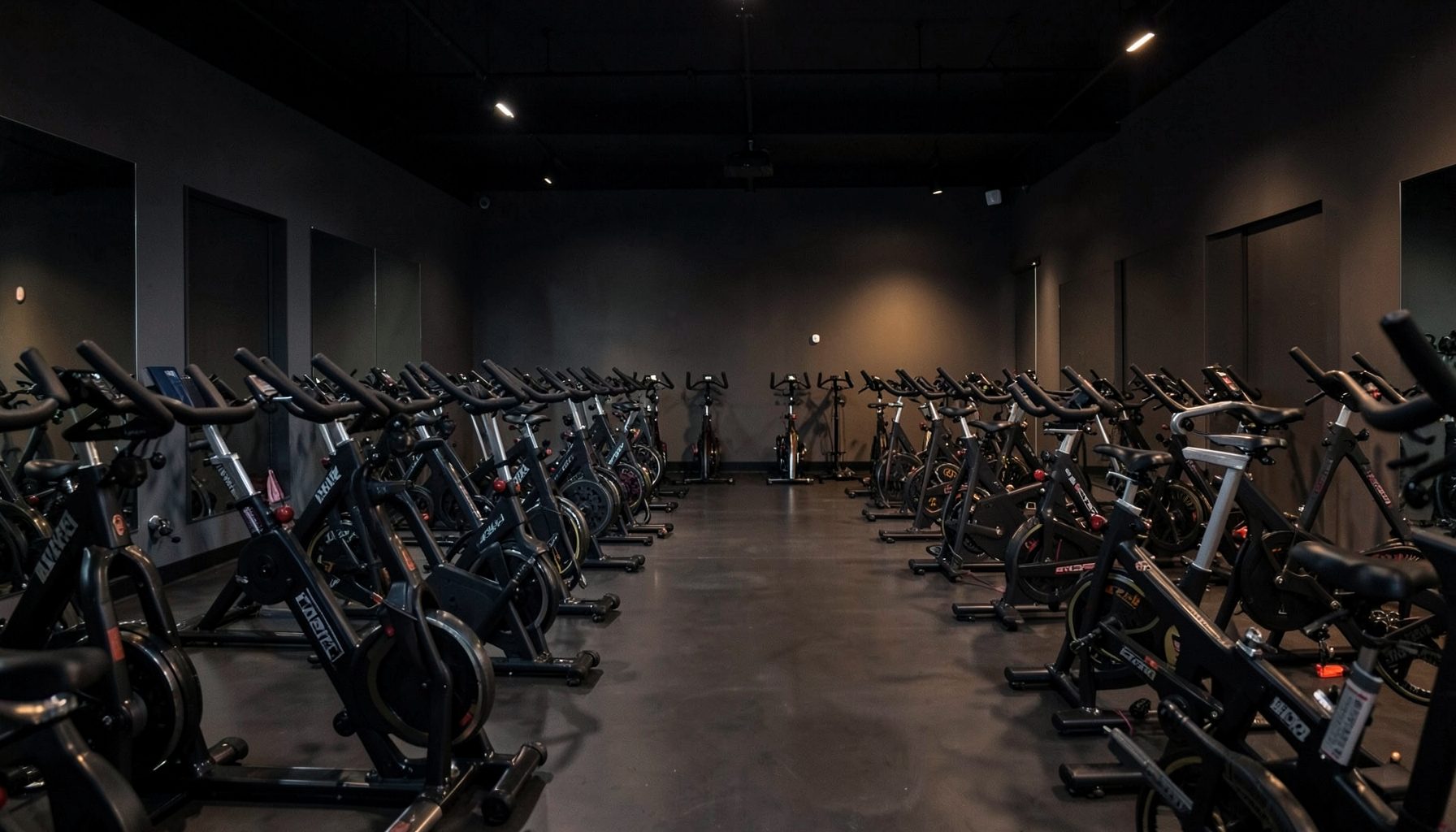
Normatec boot recovery and cryotherapy treatments help athletes bounce back faster. Cycle and spin classes add a cardio dimension to the holistic performance approach.
Have a Question?