Train. Compete. Recover.
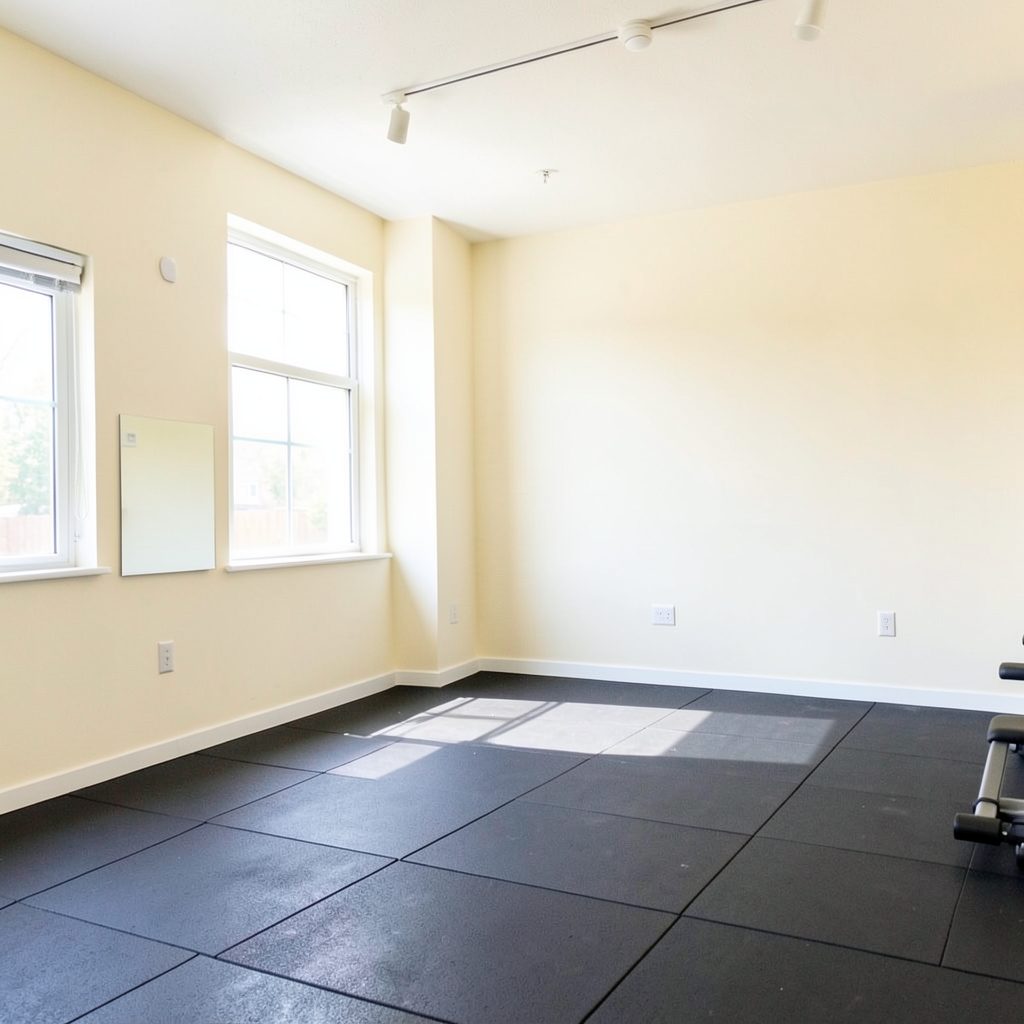
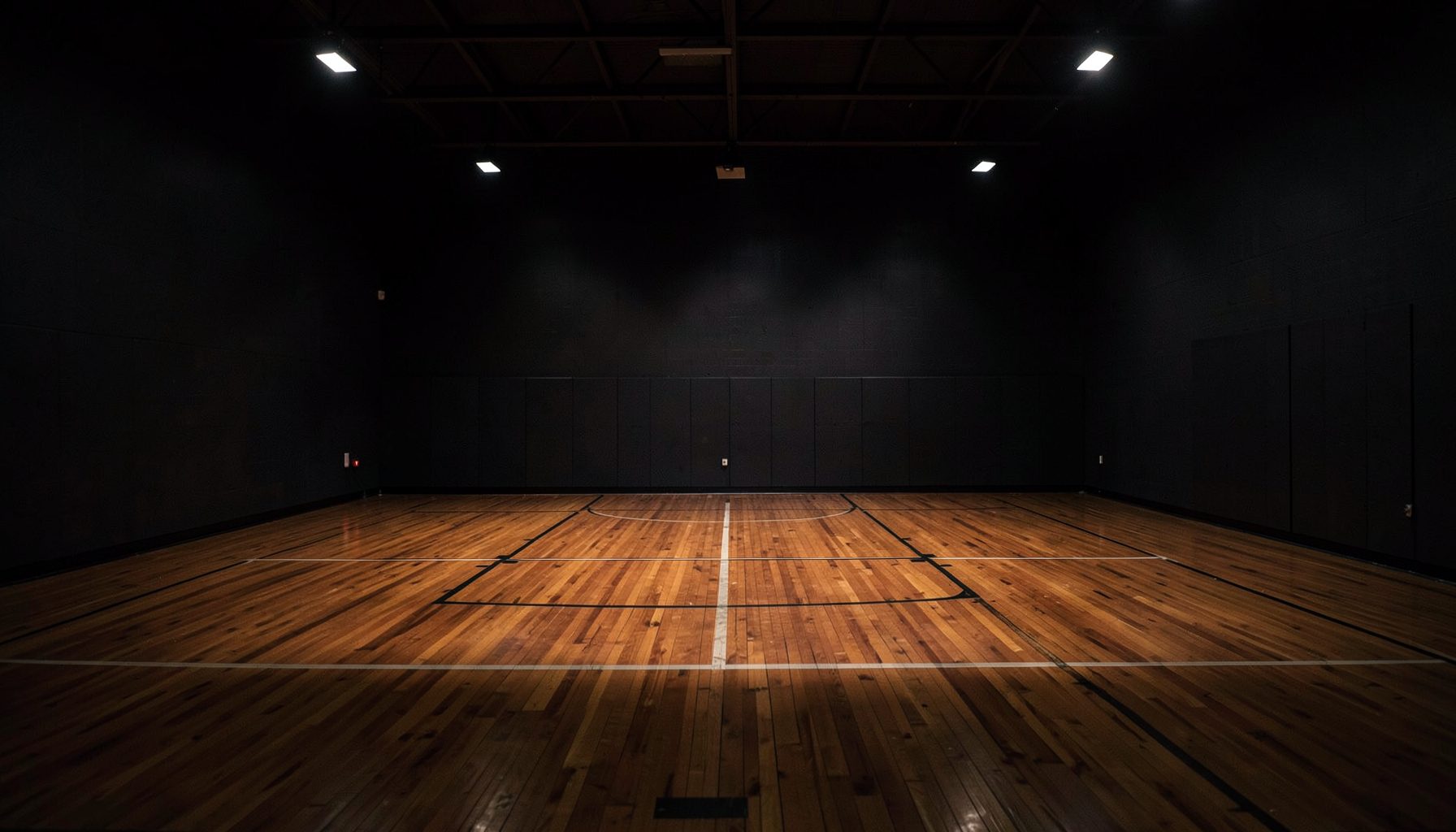
A multi-purpose athletic facility in Speedway, Indiana — basketball leagues, skill training, and wellness services all under one roof.
The Factory D1 Indy brings together three entities under one roof: competitive basketball leagues for all age groups, individual and group training, and wellness & recovery services including Normatec boot recovery and cryotherapy. Located off I-465 and High School Road at 6331 Crawfordsville Road, Speedway, Indiana 46224.
Get In TouchStrategic Cryotherapy Before a Basketball Game
Cold exposure can give basketball players a controlled physical and mental reset before competition. Used at the right time and for a clear purpose, cryotherapy may ease residual soreness, sharpen alertness and help athletes feel ready after demanding training sessions.
It is not a substitute for sleep, hydration, injury management or a dynamic warm-up. The strongest approach treats pre-game cryotherapy as one element of a wider game-day plan, with individual workload and response guiding the protocol.
For players in Australia, where summer conditions and frequent tournament schedules can complicate recovery, the timing of cold exposure matters as much as the treatment itself. A useful strategy prioritises feeling better on court rather than simply completing a session.
What pre-game cryotherapy can do
Cryotherapy broadly describes controlled exposure to cold, including whole-body cold chambers, localised cold treatments, cold-water immersion and specialised recovery systems. Its effects depend on the method, duration, temperature and the athlete’s previous training load.
Several options can support game readiness, but they serve different purposes. The practical window below is illustrative and should be adjusted with qualified guidance:
| Recovery method | Main pre-game purpose | Practical timing | Important consideration |
|---|---|---|---|
| Whole-body cryotherapy | Mental freshness and perceived recovery after prior exertion | Allow time to rewarm before play | May temporarily reduce power or feel uncomfortable |
| Localised cryotherapy | Soothing a specific sore area | Brief, controlled application before travel or warm-up | Check skin regularly and avoid prolonged numbness |
| Compression therapy | Relaxation and recovery between demanding sessions | Before or after training, according to the protocol | Does not replace a dynamic warm-up |
| Dynamic warm-up | Raising tissue temperature and preparing movement patterns | Closest to tip-off | Should remain part of every pre-game routine |
The objective should be defined before the athlete enters the cold. A player managing accumulated fatigue may value whole-body cryotherapy, while another with a localised hamstring niggle may prefer targeted treatment. Mental preparation, recent workload and personal tolerance should influence the choice.
Choosing the right protocol
Whole-body cryotherapy is most useful when the aim is a broad reset following intensive court work, travel or several games in succession. Its sensory impact can create a sense of freshness, although that response varies. Some players feel energised, while others feel stiff or unusually subdued for a short period.
Localised cryotherapy offers a more specific option for muscular soreness, particularly after repeated sprinting, jumping and change-of-direction work. Compression therapy can complement either approach by creating a calm recovery environment without requiring the athlete to remain chilled immediately before competition.
Mobility work also belongs earlier in the preparation process. Athletes who prefer restorative movement may use a 20-minute hip-opening sequence several hours before the game, then follow it with dynamic drills closer to tip-off. Static positions should not replace sport-specific preparation for jumping, acceleration and lateral movement.
Timing cold exposure around warm-up
Cryotherapy works best as an early recovery intervention rather than a last-minute performance trick. On a standard game day, a practical sequence places cold exposure before the final preparation window, followed by rewarming, hydration and a complete dynamic warm-up.
For example, an athlete might complete a supervised cold session two to three hours before tip-off, return to normal temperature, eat or drink according to personal needs, and complete mobility before a 15-to-20-minute dynamic warm-up. The exact timing should reflect facility guidance, travel arrangements and the athlete’s response.
In a tournament with back-to-back games, cold exposure may fit more naturally between sessions or after the preceding game. The next performance should be tested during warm-up. If jumping, sprinting or coordination feels below normal, the session should be shortened, modified or discontinued rather than pushed through.
Australian game-day conditions
Australian basketball stretches from outdoor community courts to indoor NBL1 and State League venues. Brisbane’s summer humidity, Sydney’s coastal warmth and Melbourne’s changeable conditions can produce very different pre-game needs, especially when games are scheduled in the evening.
Many professional venues are air-conditioned, but informal games and practice sessions often take place outdoors. Heat and humidity can increase fatigue and fluid loss, making hydration and gradual rewarming essential after cold exposure. Cold treatment should never be used to compensate for insufficient preparation in hot conditions.
Australian sporting culture already includes familiar recovery tools such as ice packs, compression garments, electrolyte drinks and ice baths. Cryotherapy fits that broader market when it offers controlled dosing and professional supervision rather than another extreme recovery ritual.
Safety and individual response
Cold exposure requires screening. Basketball players with cardiovascular conditions, uncontrolled hypertension, Raynaud’s phenomenon, cold urticaria, neuropathy or other circulation-related concerns should seek medical advice before using a whole-body cold chamber. Medication, recent illness and pregnancy may also affect suitability.
Treatment should never conceal the severity of an injury. Athletes should stop if they experience chest pain, dizziness, unusual shortness of breath, intense pain or prolonged numbness. Localised cold should not be applied over suspected fracture, acute swelling or compromised circulation, and prolonged treatment should not leave skin numb.
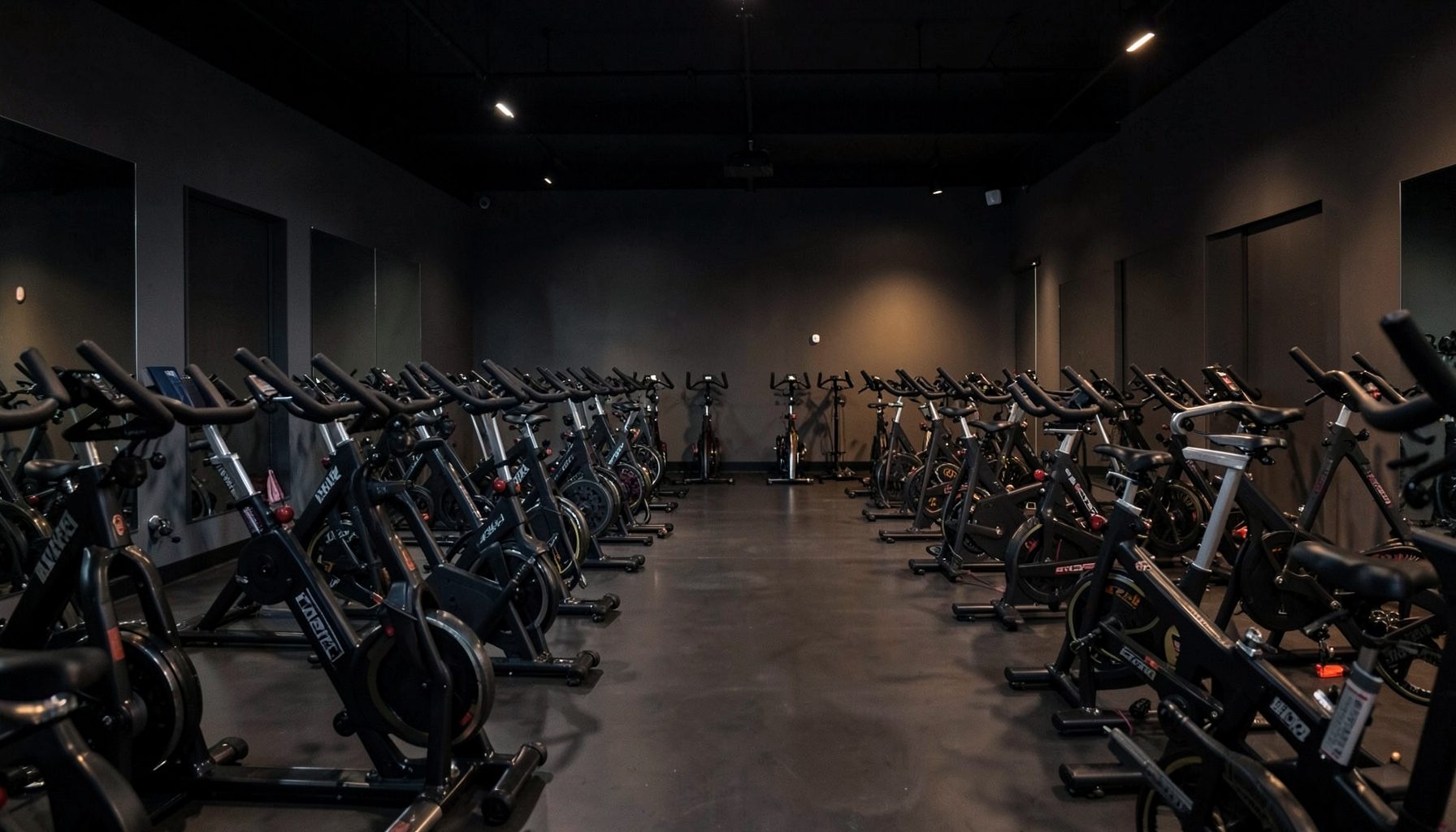
At a multi-service training environment such as Factory D1 Indy, cryotherapy can sit alongside skills training, competitive leagues, spin classes and compression therapy. This supports the Factory D1 Indy recovery approach, where recovery and conditioning are built into the same preparation environment as competition.
A practical game-day plan
Start with the previous 24 hours. Adequate sleep, regular meals, appropriate carbohydrate intake and hydration provide the foundation. Cryotherapy can support recovery from those choices, but it cannot compensate for a poorly managed workload.
On game day, athletes can follow a simple sequence: complete the cold session early enough to rewarm, drink fluids, check in with the coaching staff about soreness and fatigue, then progress through mobility, dynamic drills and basketball-specific movements. Keep each stage purposeful rather than adding recovery treatments simply because they are available.
Track what happens across several games. Useful indicators include morning soreness, perceived freshness, warm-up comfort and any change in jumping or sprinting output. Those observations help determine whether the protocol is genuinely strategic or whether another recovery method would be more suitable.
Make the next cold session a measured part of game preparation. Consult a coach or qualified recovery professional, reserve a supervised cryotherapy session, and arrive with a clear objective, timing plan and individual safety guidelines.
Inside The Factory

Three Entities, One Roof
Leagues
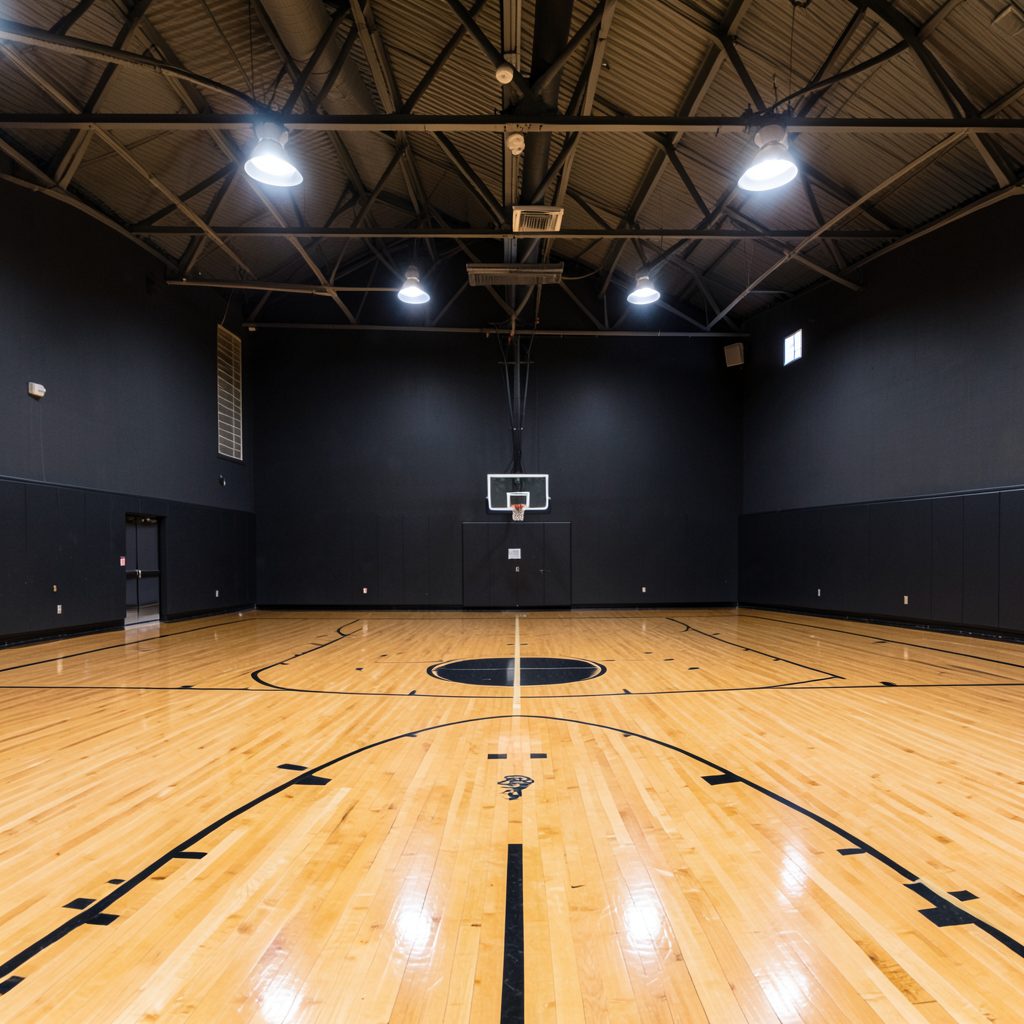
Eight league divisions span every age group: Indy Pro AM, 18+ Open Men's, 30+ Men's, Bite Size (ages 3–6), Impact League, 5th/6th Grade, Middle School, and High School. Gather your team and compete.
Training
Individual and group basketball training for all skill levels. Major M.O.V.E.S. Basketball Training serves ages 4–7 on Wednesday and Thursday evenings at 6:30 PM — $30 per session or $100 unlimited monthly.
Wellness & Recovery
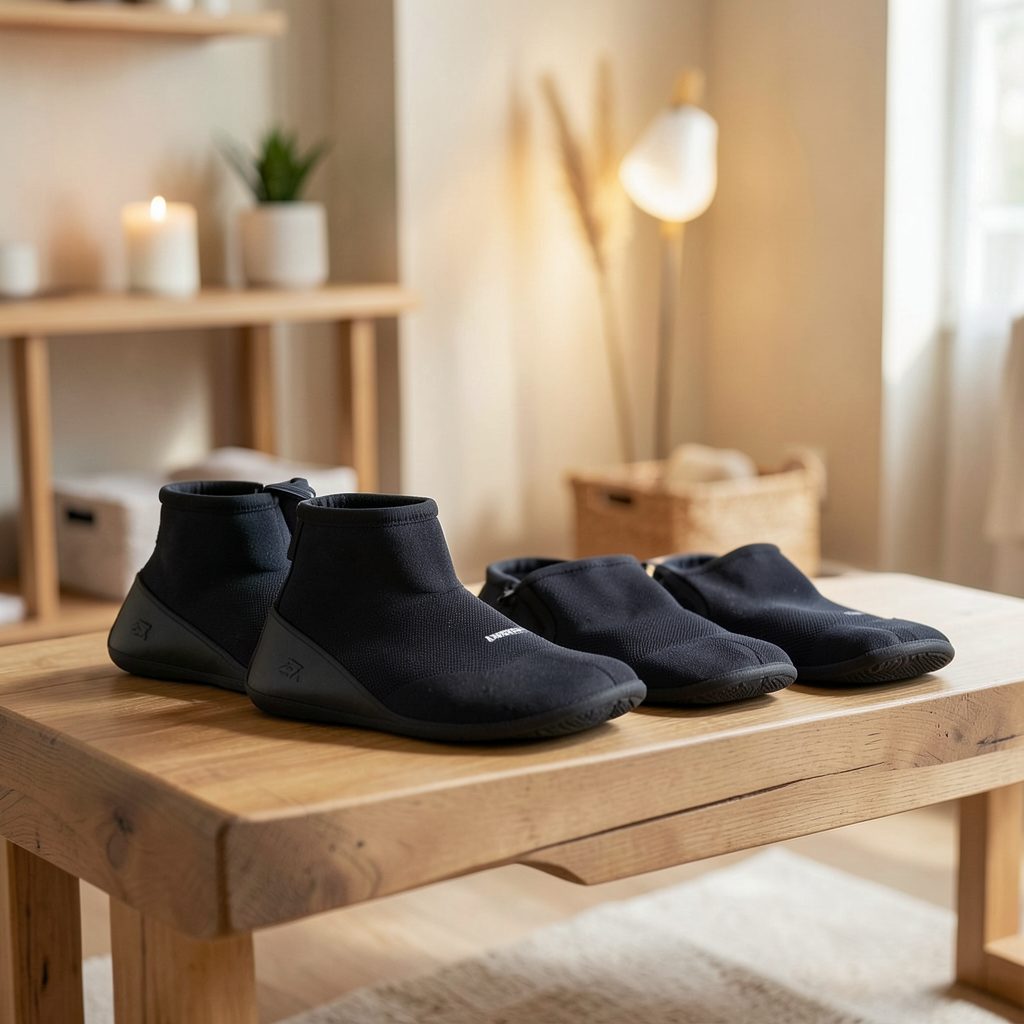
Normatec boot recovery and cryotherapy treatments help athletes bounce back faster. Cycle and spin classes add a cardio dimension to the holistic performance approach.
Have a Question?