Train. Compete. Recover.
A multi-purpose athletic facility in Speedway, Indiana — basketball leagues, skill training, and wellness services all under one roof.
The Factory D1 Indy brings together three entities under one roof: competitive basketball leagues for all age groups, individual and group training, and wellness & recovery services including Normatec boot recovery and cryotherapy. Located off I-465 and High School Road at 6331 Crawfordsville Road, Speedway, Indiana 46224.
Get In TouchHow cryotherapy can help with muscle strains from sudden sprints
A sudden sprint can turn an ordinary pickup game into a painful problem. Hamstrings, calves, quadriceps and the adductors work hard when an athlete accelerates, changes direction or stops while the muscle is under load. If the tissue is overstretched, the result may be a strain: soreness, tightness, swelling and pain that returns when the affected area is asked to work. Cryotherapy cannot repair torn fibres, but cold therapy can help control pain and swelling while the body settles.
It is equally important to know what cryotherapy cannot do. Whole-body cryotherapy is often promoted for post-exercise recovery, yet evidence that it speeds the repair of an acute strain remains limited. The most useful approach is staged: protect the area, use cold if it makes movement more comfortable, restore gentle strength, then rebuild sprinting ability under guidance. The sections below explain where cryotherapy fits, how to use it safely and what Australian athletes should consider before buying into recovery hype.
What a sprint strain involves
A sprint-related strain is usually an eccentric overload injury. The muscle contracts while lengthening, as happens when a runner pushes off, lands from a jump or brakes during a fast cut. Small disruptions to the muscle-tendon unit cause most strains; a complete tear is less common but can occur with unusual force, fatigue or inadequate preparation.
The location of pain gives clues. A hamstring strain tends to hurt in the back of the thigh, while a calf strain often feels deep in the upper or lower calf. A quad strain may create tightness and tenderness at the front of the thigh. Groin pain can involve the adductors, although a sudden wince during a sprint should also be checked for a less common hip or pelvic injury.
For the first 24 to 48 hours, relative rest and pain management matter more than any gadget. Avoid maximal running, jumping and resisted sprinting, but use pain-free walking and gentle range of motion as tolerated. A pop, extensive bruising, obvious weakness, inability to bear weight or rapidly increasing swelling warrants prompt assessment by a general practitioner or sports physiotherapist.
How cryotherapy may ease symptoms
Cryotherapy comes in several forms. Local cold therapy uses an ice pack, cold compress or circulating cold sleeve over one area. Whole-body cryotherapy places the athlete in a chamber where cool air surrounds the body for a short period. Local cold is more targeted for a known strain; whole-body exposure may feel refreshing after hard training, but it does not selectively treat damaged muscle.
Cold can numb painful nerve endings, reduce superficial blood flow and temporarily ease swelling, making it easier to move and begin rehabilitation. That analgesic effect is useful when pain is limiting basic movement or sleep. It is not proof that the injured fibres have healed, and the benefit fades as the tissue warms. Cryotherapy is therefore an adjunct to loading and rehabilitation rather than a substitute for either.
Research on whole-body cryotherapy currently offers stronger support for temporary reductions in perceived soreness and general recovery than for faster tendon or muscle repair. Some protocols may also blunt adaptations to strength or endurance when cold is used immediately after training, although findings vary. For an acutely painful strain, comfort-led use during the early response is usually more relevant than chasing a universal recovery score.
Cold recovery in an Australian context
Australian conditions make temperature planning especially important. Brisbane can remain hot and humid after sunset, Sydney summers are often warm, and Melbourne can move quickly from mild weather to a hot afternoon. A cold pack kept in an insulated bag can be practical between shifts, but athletes should not rely on ice remaining frozen through travel. Home freezers, reusable gel packs and chilled towels provide more dependable local options.
Local sporting culture adds another layer. Saturday social competition, early-morning runs, touch rugby, Australian Rules, rugby league, soccer and netball all create opportunities to accelerate, cut and stop at speed. Many recreational athletes train around work or family schedules, squeezing a sprint into a short session without a full warm-up. Preparing the hamstrings, calves and hips for sudden speed remains essential, even when the activity is informal.
Recovery technology is familiar in the Australian fitness market, from boutique studios offering compression boots to larger gyms marketing ice baths and cryotherapy chambers. It is worth asking whether a service has evidence for the advertised outcome or mainly delivers a refreshing sensation. The Therapeutic Goods Administration regulates many therapeutic devices in Australia; depending on the device and its claims, a sponsor may need to meet Australian regulatory requirements and list the product in the Australian Register of Therapeutic Goods. Listing is not an endorsement of every marketing claim.
A practical cryotherapy recovery session
Local cold should be applied through a cloth barrier, not directly on skin, and used within the product instructions. Fifteen to twenty minutes is a common range for an established cold pack, but shorter sessions may be enough for sensitive skin. Stop if the area becomes numb, excessively pale, blotchy or painful. Ice should never be left in place overnight, and cold should not be used over open wounds or areas with impaired circulation.
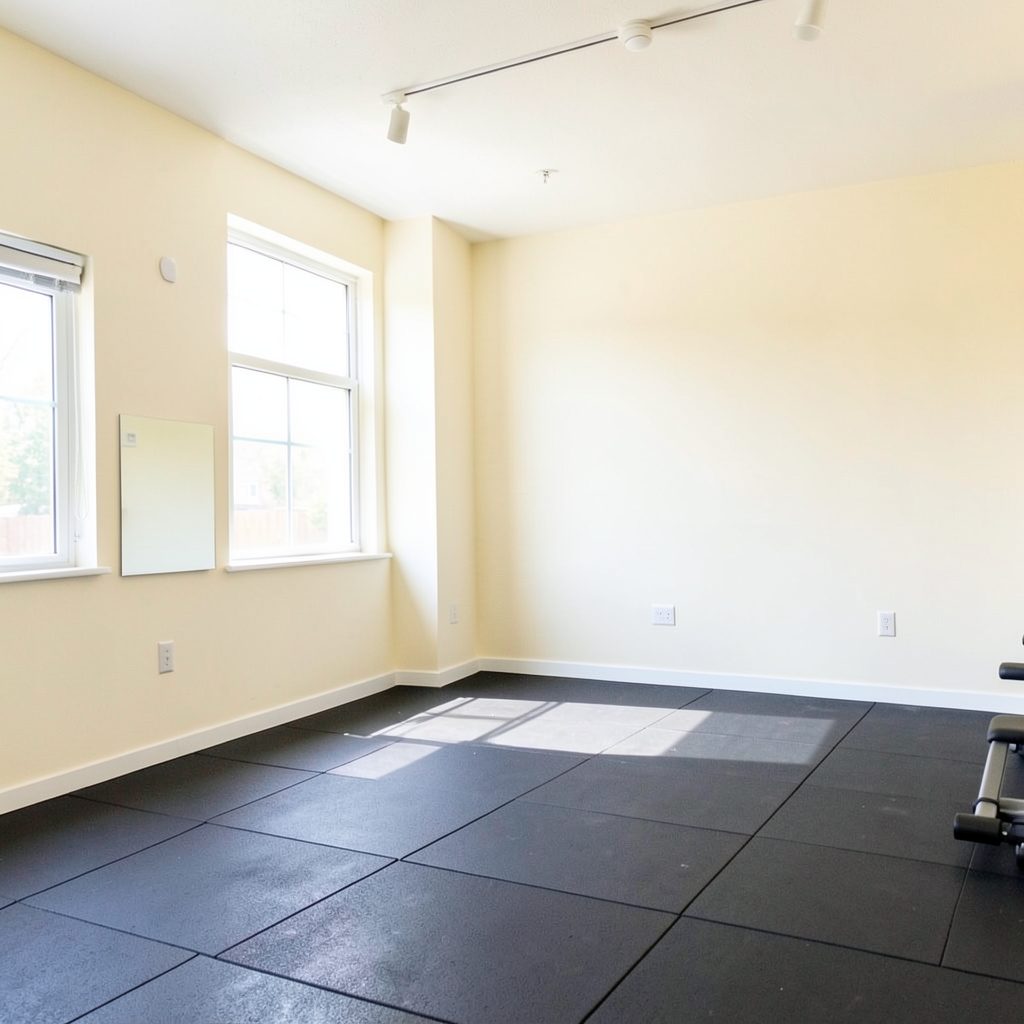
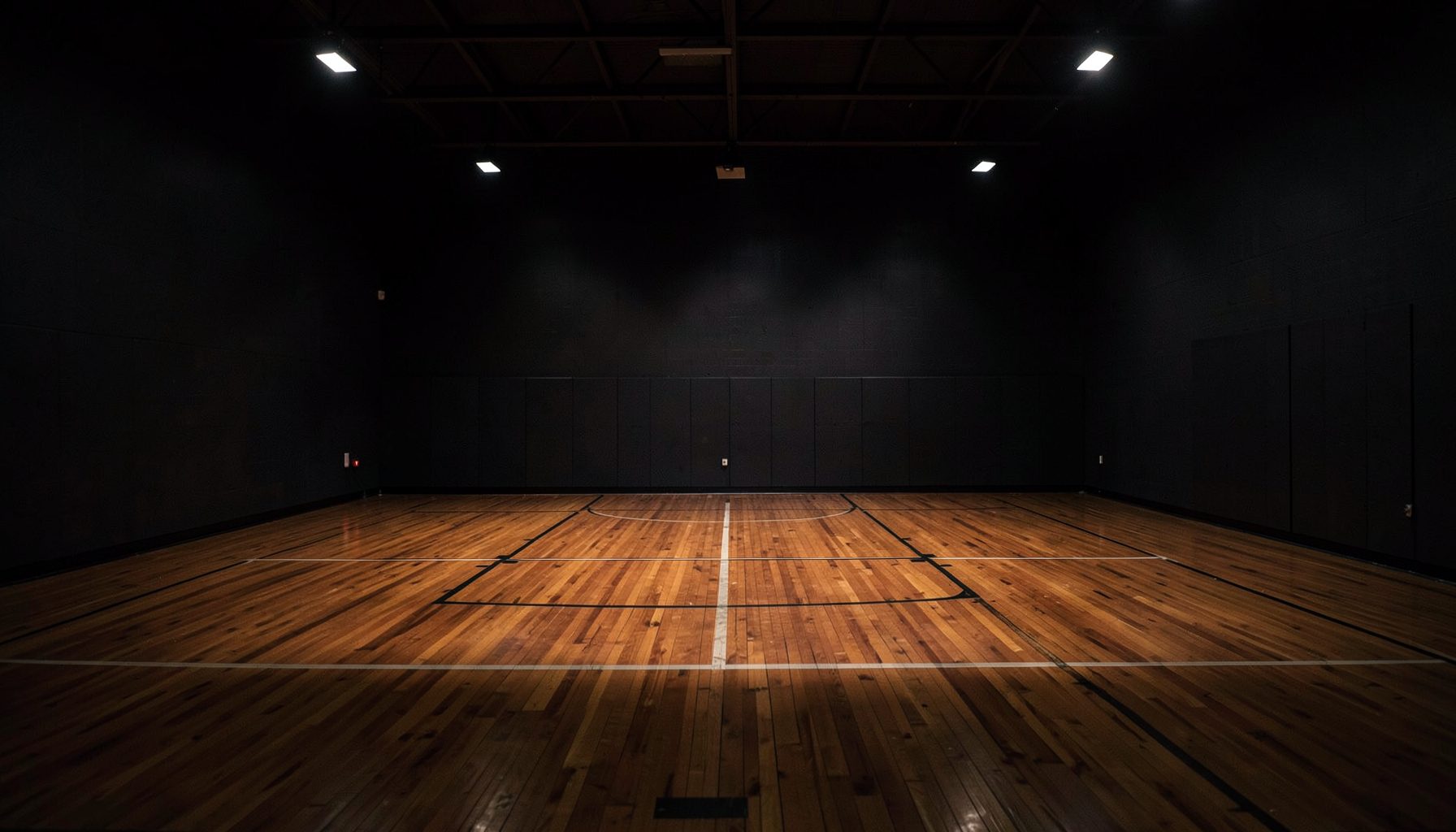
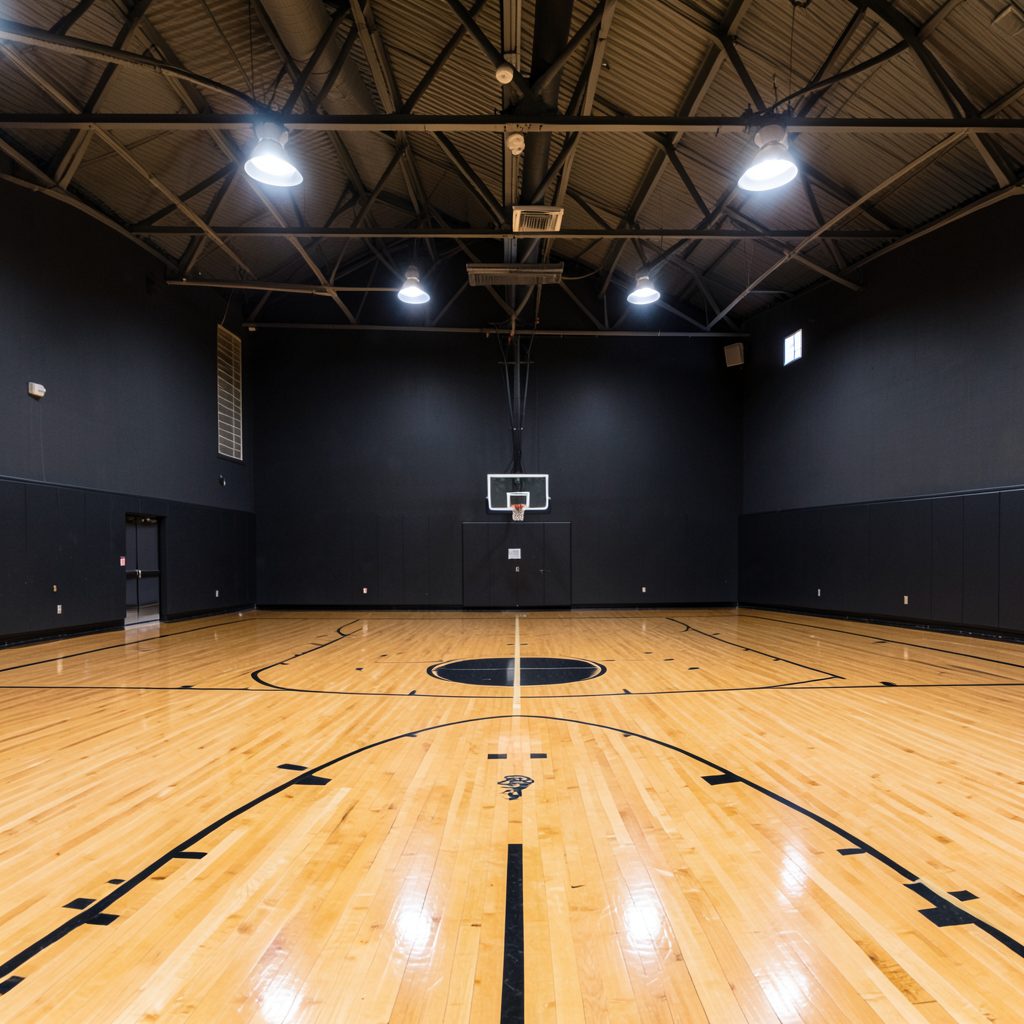
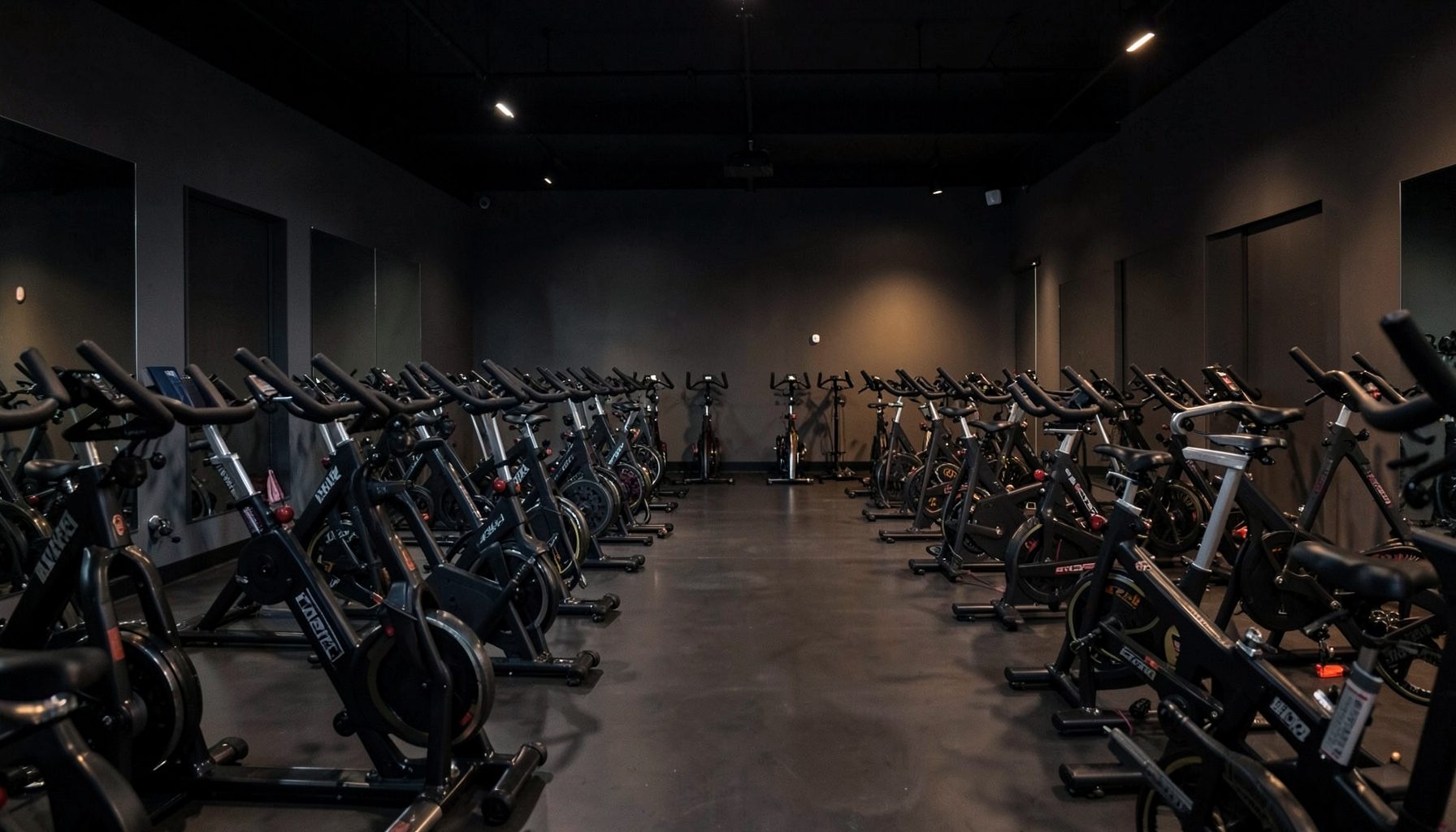
For a whole-body session, use a properly operated chamber, trained supervision and the manufacturer’s temperature and exposure limits. The protocol should include a gradual warm-up, dry skin, suitable clothing and a monitored recovery period before leaving the facility. At The Factory D1 Indy in Speedway, Indiana, visitors can review the D1 facility gallery to see the training environment before arranging a recovery or conditioning session.
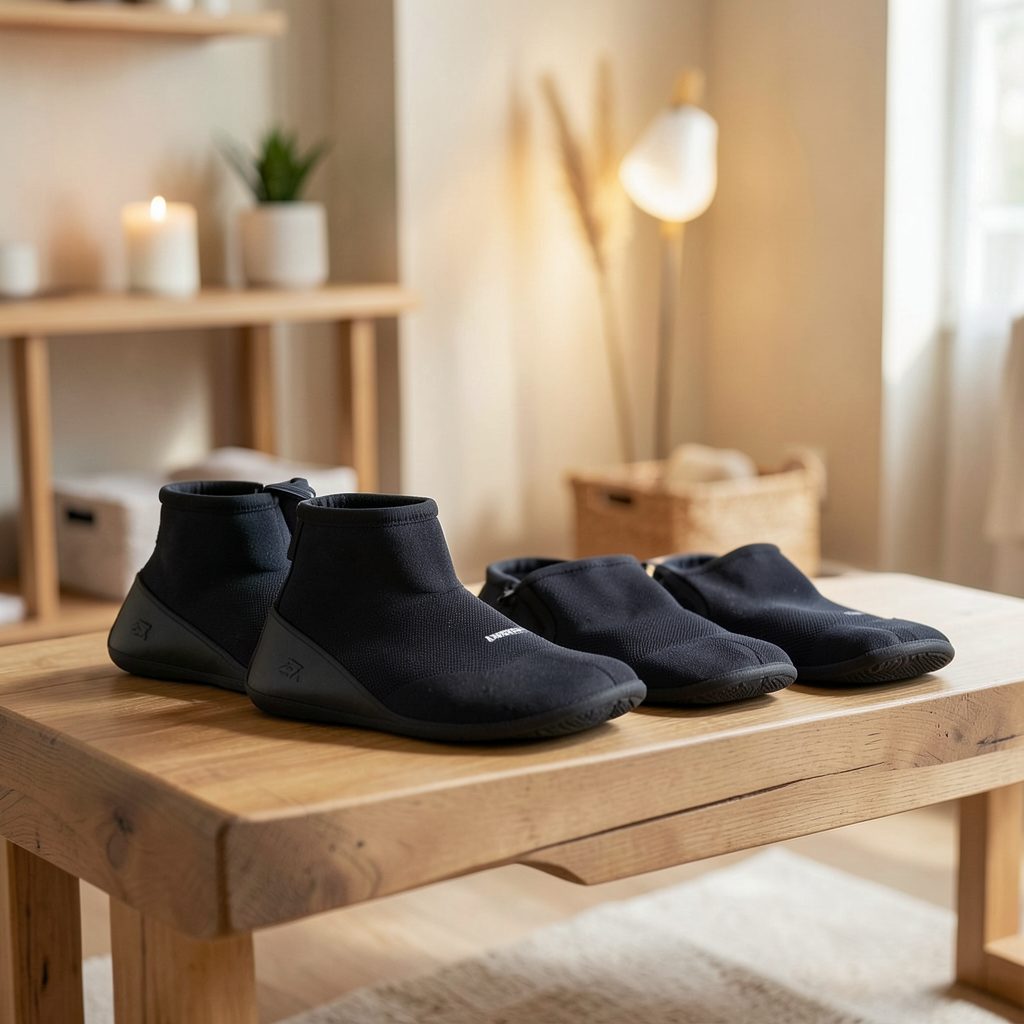
Cold can sit alongside relative rest, comfortable movement and compression. Normatec-style compression may provide a massaging sensation and help legs feel fresh, but pressure should not cause tingling, numbness or increased pain. Ice, compression and elevation are not a reason to push through a worsening injury. If the next day’s symptoms are clearly worse, reduce the load and seek advice rather than repeating the same protocol.
Returning to speed with confidence
Return to speed should begin only after everyday movements are comfortable. Walking, stairs and gentle calf raises or bridges should not cause a marked increase in pain or a limp. Light isometric work and controlled lengthening can then prepare the muscle, followed by short accelerations, change-of-direction drills and progressively faster running. The final stage needs full-speed exposure, with adequate recovery between efforts so symptoms can be checked the following morning.
Mobility work can complement, not compete with, the rehabilitation. Gentle movement may restore confidence in the hip and ankle, while breathing-focused yoga can reduce the urge to rush back into training. For athletes who already use yoga as part of their routine, best hatha practice timing offers guidance on fitting practice into the day. Deep stretching should remain comfortable and should not reproduce the sharp pain of a fresh strain.
Persistent pain, recurring bruising or weakness deserves an individual assessment. A general practitioner can evaluate a more serious injury and decide whether imaging is needed, while a sports physiotherapist can design a progressive loading plan. In Australia, private health insurance or a GP referral may affect how allied-health care is accessed, so patients can check current rebates and referral rules. No recovery device should replace a safe return-to-sport process.
If a recent sprint has left you with muscle pain, the next step can be simple and measured: arrange an assessment, choose the recovery option that suits your symptoms, and give the area time to rebuild tolerance. The Factory D1 Indy team can explain its basketball skills training, league programmes, spin sessions, compression therapy and cryotherapy services so athletes and families can choose an appropriate entry point.
Contact The Factory D1 Indy in Speedway, Indiana to discuss a suitable training or recovery session, then bring any concerns about an acute strain to a qualified healthcare professional. A measured return is the fastest route to confident competition.
Inside The Factory

Three Entities, One Roof
Leagues
Eight league divisions span every age group: Indy Pro AM, 18+ Open Men's, 30+ Men's, Bite Size (ages 3–6), Impact League, 5th/6th Grade, Middle School, and High School. Gather your team and compete.
Training
Individual and group basketball training for all skill levels. Major M.O.V.E.S. Basketball Training serves ages 4–7 on Wednesday and Thursday evenings at 6:30 PM — $30 per session or $100 unlimited monthly.
Wellness & Recovery
Normatec boot recovery and cryotherapy treatments help athletes bounce back faster. Cycle and spin classes add a cardio dimension to the holistic performance approach.
Have a Question?