Train. Compete. Recover.
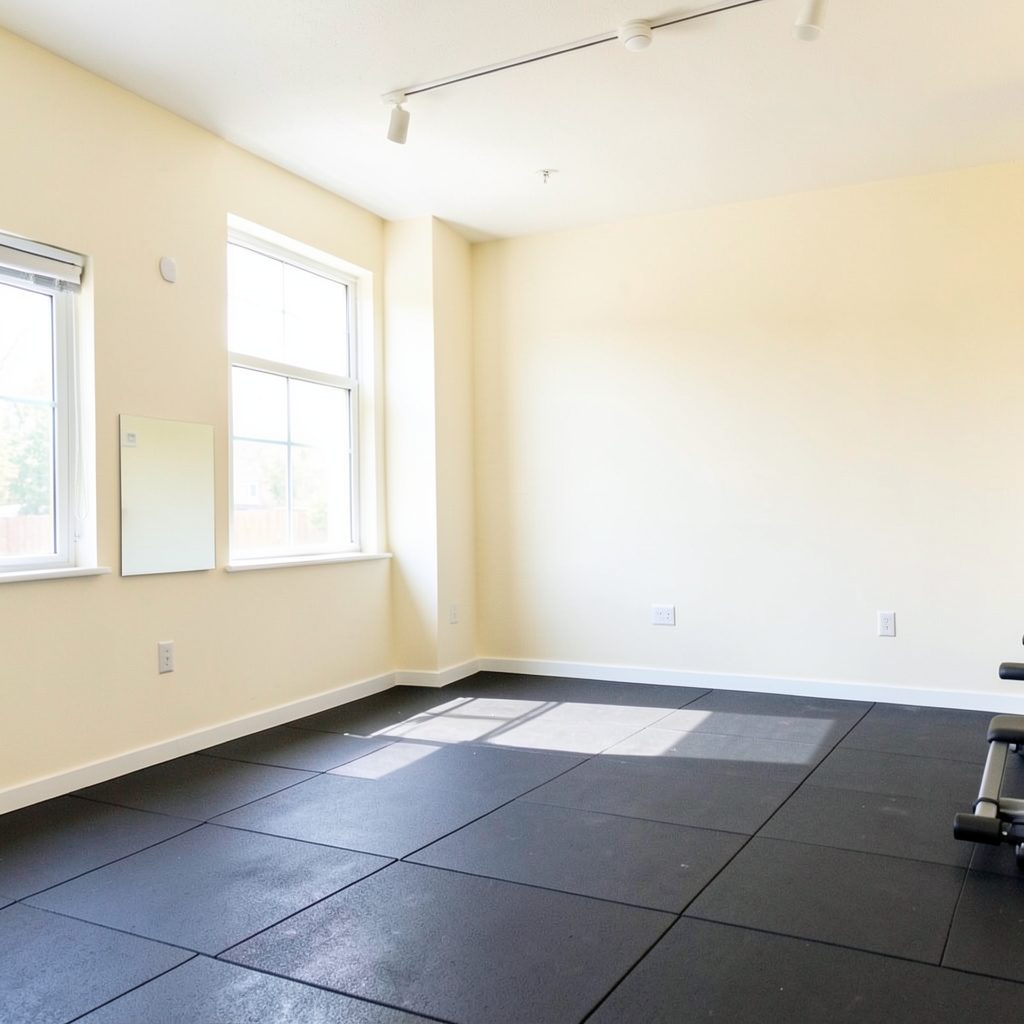
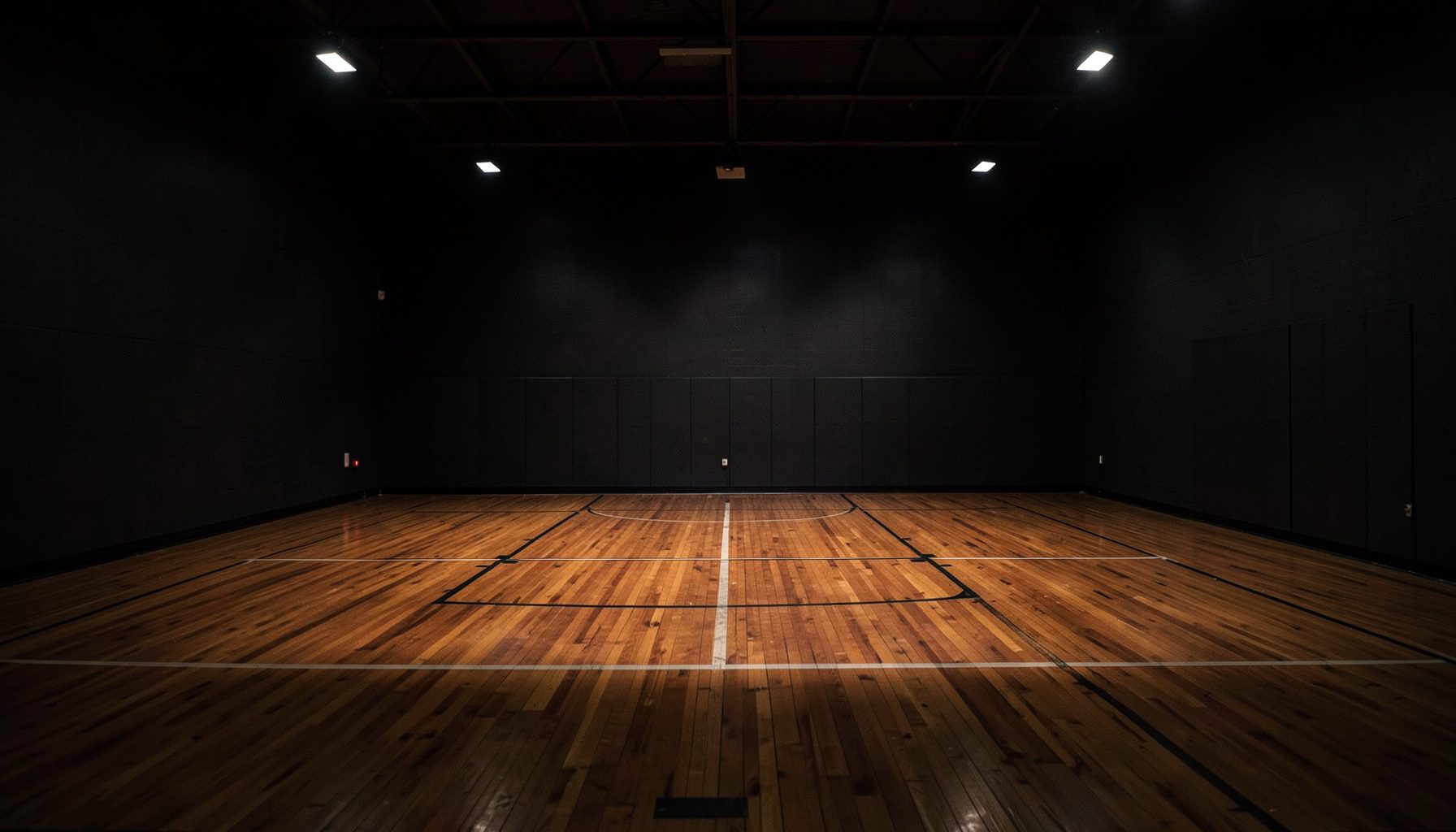
A multi-purpose athletic facility in Speedway, Indiana — basketball leagues, skill training, and wellness services all under one roof.
The Factory D1 Indy brings together three entities under one roof: competitive basketball leagues for all age groups, individual and group training, and wellness & recovery services including Normatec boot recovery and cryotherapy. Located off I-465 and High School Road at 6331 Crawfordsville Road, Speedway, Indiana 46224.
Get In TouchHow Cryotherapy Supports Recovery After a Demanding Spin Workout
A hard spin workout can leave your legs heavy, your hips tight, and your whole body warmer than usual. Intervals, hill climbs, and sustained efforts place repeated demands on the quadriceps, hamstrings, glutes, calves, and cardiovascular system. The result may be normal post-exercise soreness, temporary inflammation, and a noticeable drop in energy later in the day.
Cryotherapy uses controlled cold exposure to help manage some of those short-term recovery sensations. Whether it involves a localized cold treatment or a whole-body chamber, the goal is to create a brief cooling stimulus that may reduce discomfort and help you feel ready to move again. It is a recovery tool, not a replacement for sound training habits.
At The Factory D1 Indy, spin classes fit within a broader athletic environment that includes conditioning, performance training, and wellness support. Understanding how cold therapy works can help you decide when it belongs in your post-ride routine and how to pair it with more foundational recovery methods.
Why Spin Workouts Can Leave You Sore
Cycling classes often combine resistance, speed, and repeated bursts of high effort. A challenging ride can produce small amounts of muscle stress, particularly when you increase the resistance, stand for climbs, or perform sprint intervals. This stress is a normal part of training adaptation, though it can create stiffness and soreness in the following hours or days.
Heat buildup and fluid loss can add to the sensation of fatigue. Sweat reduces water and electrolyte levels, while prolonged muscle contractions use stored glycogen for fuel. If you finish a class without replacing fluids or eating adequately, tired legs may feel even heavier.
Post-workout soreness is different from a sharp injury. Persistent joint pain, severe swelling, numbness, dizziness, or unusual weakness deserves medical attention rather than a recovery session. Cryotherapy may support routine exercise recovery, but it should never be used to mask symptoms that require evaluation.
What Cold Exposure Does
Cold causes blood vessels near the skin to narrow temporarily, which can reduce local blood flow and lower tissue temperature. This effect may ease the perception of soreness and reduce the feeling of heat in overworked muscles. Once you leave the cold environment, circulation gradually returns as the body warms.
Many athletes describe cryotherapy as refreshing because the brief stimulus can change how the body perceives discomfort. It may also provide a useful mental reset after a demanding class. Research on whole-body cryotherapy and exercise recovery remains mixed, so results vary by person, treatment style, temperature, and timing.
The most realistic expectation is short-term relief rather than an instant biological reset. Cryotherapy may help you feel less achy, yet it does not replenish glycogen, repair damaged tissue by itself, or replace sleep. Its value is greatest when it complements a complete recovery plan.
Cryotherapy Compared With Common Recovery Tools
The best recovery option depends on what your body needs after the ride. Gentle movement can reduce the feeling of stiffness, while hydration and nutrition address the resources used during exercise. Cold exposure focuses more on comfort, perceived soreness, and temporary cooling.
| Recovery method | Primary purpose | Best use after spin | Important consideration |
|---|---|---|---|
| Cryotherapy | Cooling and short-term soreness relief | When legs feel hot, heavy, or tender | Use only with appropriate screening and supervision |
| Easy walking or mobility | Restoring comfortable movement | After intense intervals or long seated periods | Keep the pace gentle rather than adding more training stress |
| Hydration and electrolytes | Replacing fluids and minerals | After a sweaty class | Needs vary with heat, duration, and individual sweat rate |
| Protein-rich meal | Supporting muscle repair and refueling | Within the broader post-workout period | Pair with carbohydrates after demanding endurance work |
| Sleep and rest | Whole-body recovery | Every training day | Consistency has a larger long-term effect than any single treatment |
Combining methods works better than relying on one service. A practical routine might include a few minutes of easy walking, a balanced meal, water or an electrolyte drink, and a scheduled cold treatment if soreness remains bothersome. This approach supports both immediate comfort and the body’s longer recovery process.
When Cryotherapy May Be Useful
Cryotherapy can be especially appealing after an unusually hard class, a return to cycling after time away, or a week with several demanding workouts. It may help reduce the perception of muscle soreness before the next training session. Athletes who have another practice, game, or class soon may value that temporary sense of relief.
It can also fit well after a high-volume training day that combines spin with basketball, strength work, or other conditioning. A recovery session may help you transition from intense exertion into a calmer part of the day. The treatment should feel controlled and tolerable, never like a test of how much discomfort you can endure.
For ongoing soreness, the better answer may be adjusting training load. If every ride leaves you exhausted for several days, examine resistance levels, class frequency, sleep, food intake, and rest days. Recovery technology can support smart programming, but it cannot compensate for excessive intensity or insufficient recovery time.
How To Use Cold Therapy Responsibly
Follow the facility’s screening process and staff instructions before entering a cryotherapy chamber or receiving localized treatment. Cold exposure is not appropriate for everyone. People with certain circulation disorders, uncontrolled high blood pressure, cold sensitivity, neuropathy, heart conditions, or other medical concerns should seek guidance from a qualified healthcare professional first.
Remove moisture as directed and use the protective equipment provided. Do not treat longer exposure as a better treatment. A supervised session should be brief and controlled, with staff available to monitor your comfort and response. Stop immediately if you experience severe pain, intense skin discomfort, shortness of breath, confusion, or unusual dizziness.
Timing also matters. If your primary goal is muscle growth or a long-term training adaptation, frequent immediate cold exposure after every strength-focused session may not be ideal. After a spin workout, occasional use for comfort can be reasonable, especially when endurance fatigue and soreness are the main concerns. Discuss frequent sessions with a sports medicine professional if you are training at a high level.
Build A Complete Post-Ride Routine
Start recovery before you reach the cryotherapy area. Spend a few minutes cooling down with easy pedaling or walking so your breathing and heart rate can settle gradually. Gentle mobility for the ankles, hips, and thoracic spine can restore comfortable movement without turning recovery into another workout.
Next, replace fluids and eat a meal or snack containing carbohydrates and protein. Carbohydrates help restore energy used during intense cycling, while protein supplies amino acids needed for muscle maintenance and repair. A meal such as yogurt with fruit and oats, a turkey wrap, or rice with lean protein can work well depending on your schedule.
The wellness and recovery services at The Factory D1 Indy can be part of a broader plan that includes movement, conditioning, and rest. Consider cold therapy as one option within that environment, alongside consistent sleep and sensible training progression.
Practical Steps For Better Recovery
Use these habits to make post-spin recovery more consistent:
- Cool down for five to ten minutes with easy movement instead of stopping abruptly.
- Drink water after class and consider electrolytes when the session is long, hot, or especially sweaty.
- Eat carbohydrates and protein during the hours after a demanding ride.
- Choose cryotherapy when temporary soreness relief would support your schedule, rather than treating it as mandatory after every class.
- Track soreness, sleep, and energy so you can adjust workout intensity before fatigue accumulates.
Pay attention to the pattern your body creates over time. Feeling mildly tired after a hard ride is expected; feeling progressively worse across several sessions signals a need for more rest or a revised plan. Recovery should help you train consistently, not encourage you to ignore warning signs.
A demanding spin workout can be an effective way to build endurance, power, and mental toughness. With appropriate cold exposure, refueling, hydration, mobility, and sleep, you can make the hours after class more comfortable and return to your next session with greater readiness. Visit The Factory D1 Indy to explore spin training and recovery options that support your goals.
Inside The Factory

Three Entities, One Roof
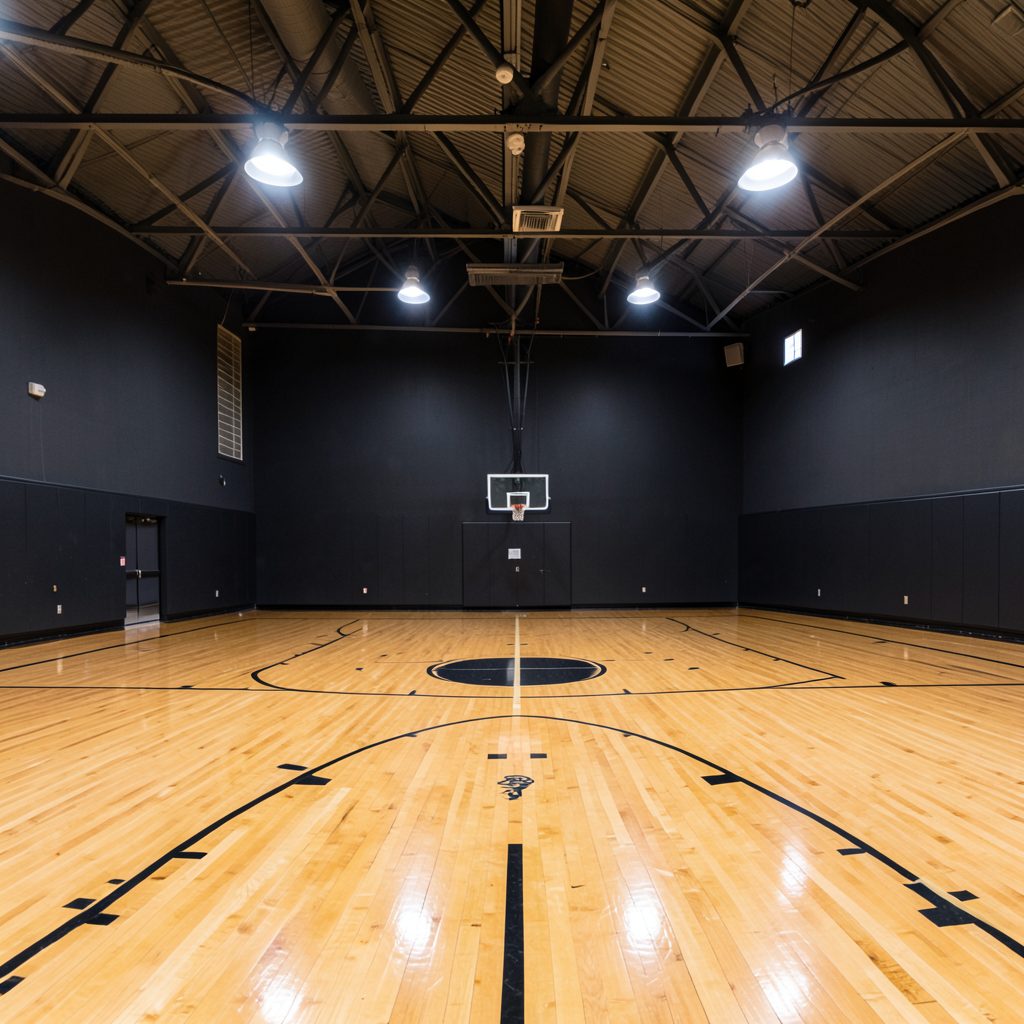
Leagues
Eight league divisions span every age group: Indy Pro AM, 18+ Open Men's, 30+ Men's, Bite Size (ages 3–6), Impact League, 5th/6th Grade, Middle School, and High School. Gather your team and compete.
Training
Individual and group basketball training for all skill levels. Major M.O.V.E.S. Basketball Training serves ages 4–7 on Wednesday and Thursday evenings at 6:30 PM — $30 per session or $100 unlimited monthly.
Wellness & Recovery
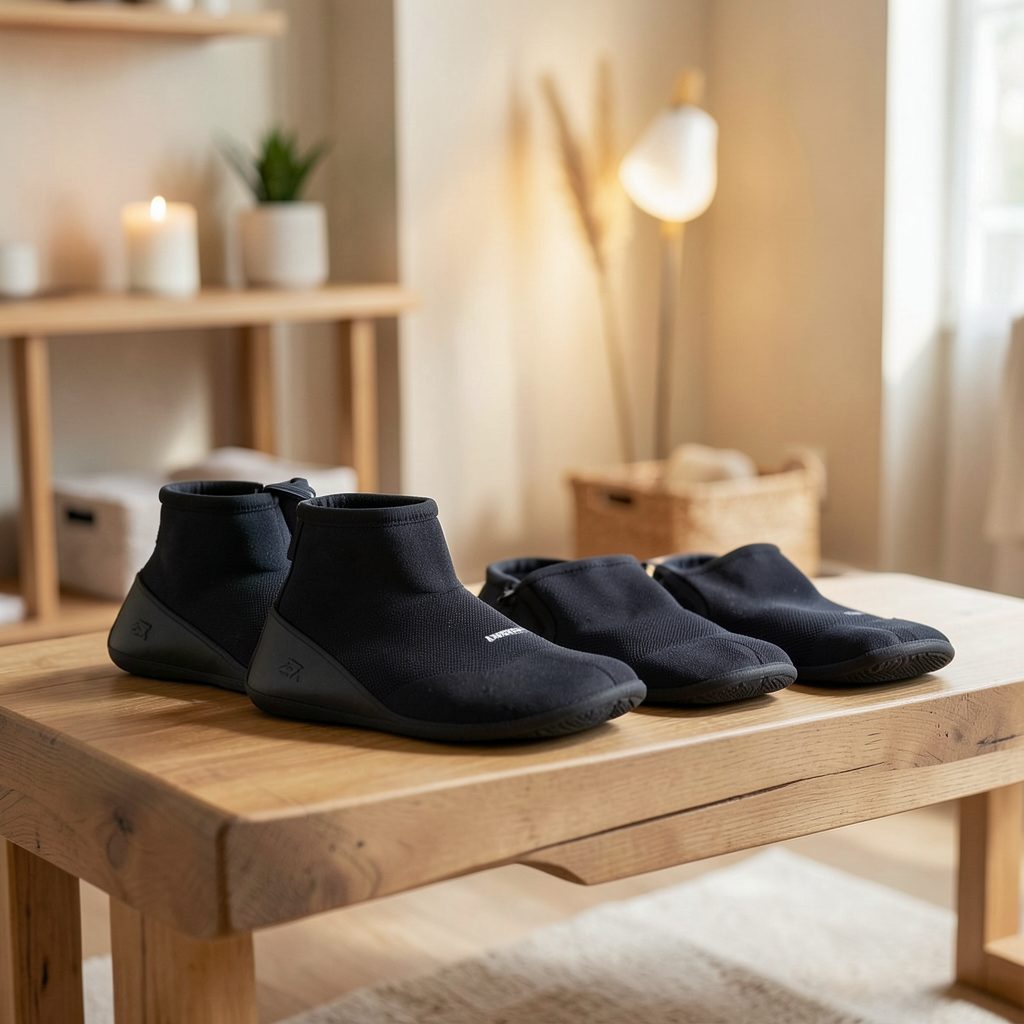
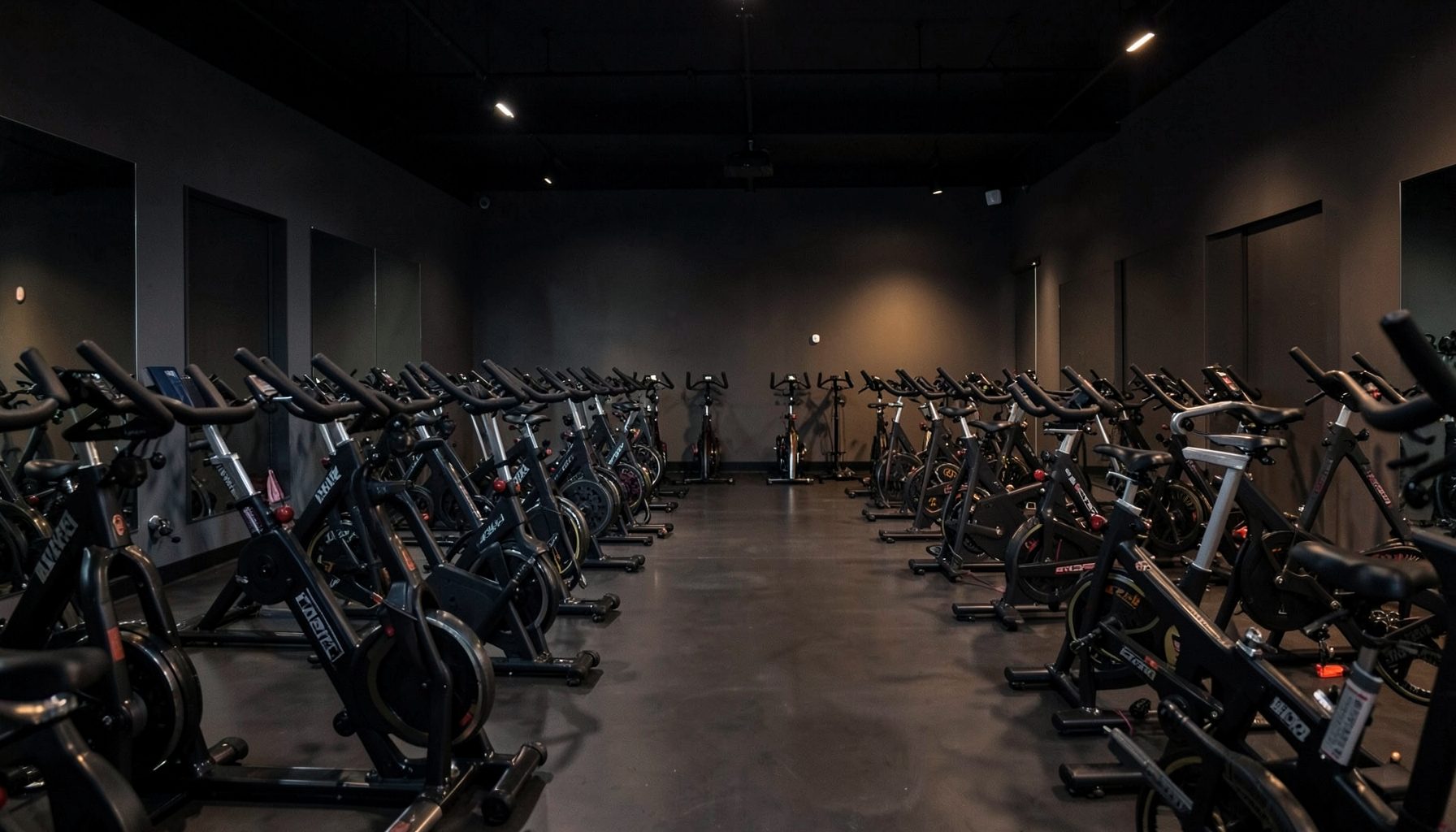
Normatec boot recovery and cryotherapy treatments help athletes bounce back faster. Cycle and spin classes add a cardio dimension to the holistic performance approach.
Have a Question?