Train. Compete. Recover.
A multi-purpose athletic facility in Speedway, Indiana — basketball leagues, skill training, and wellness services all under one roof.
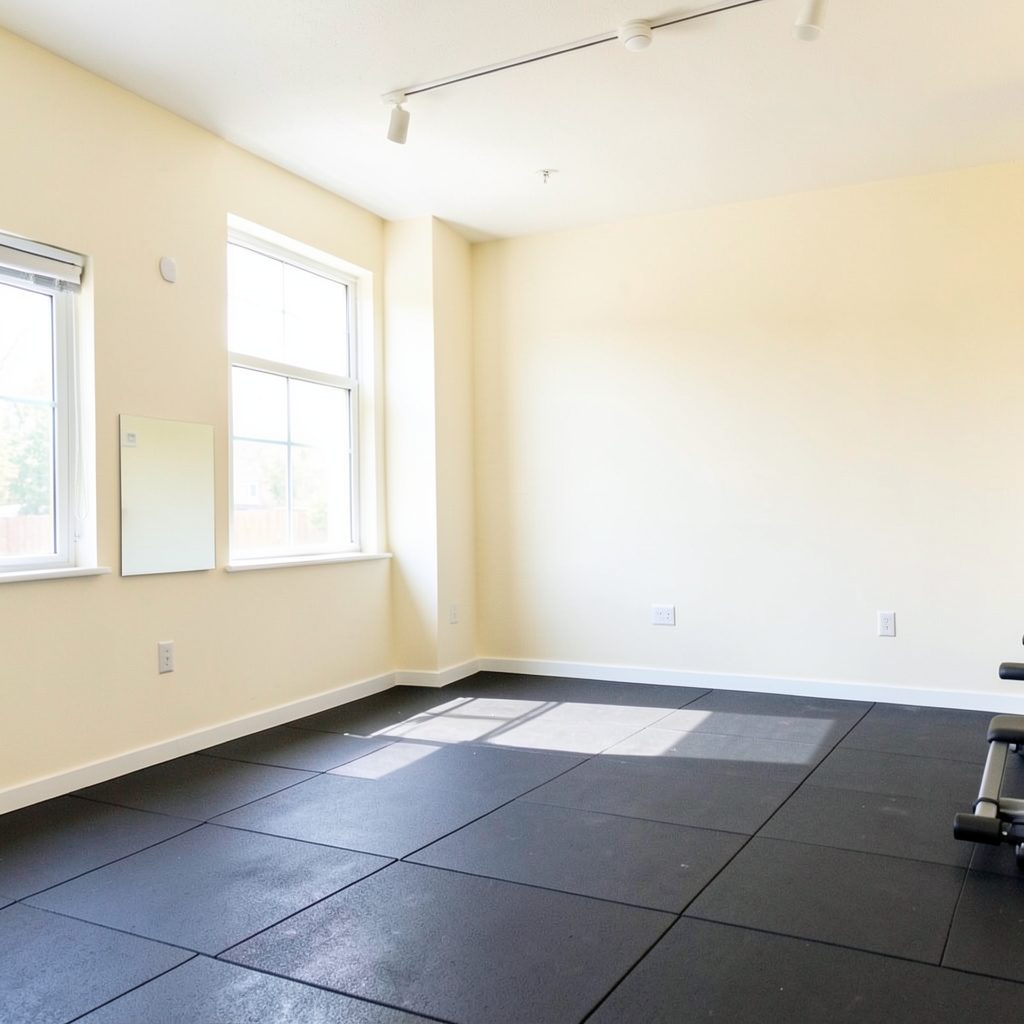
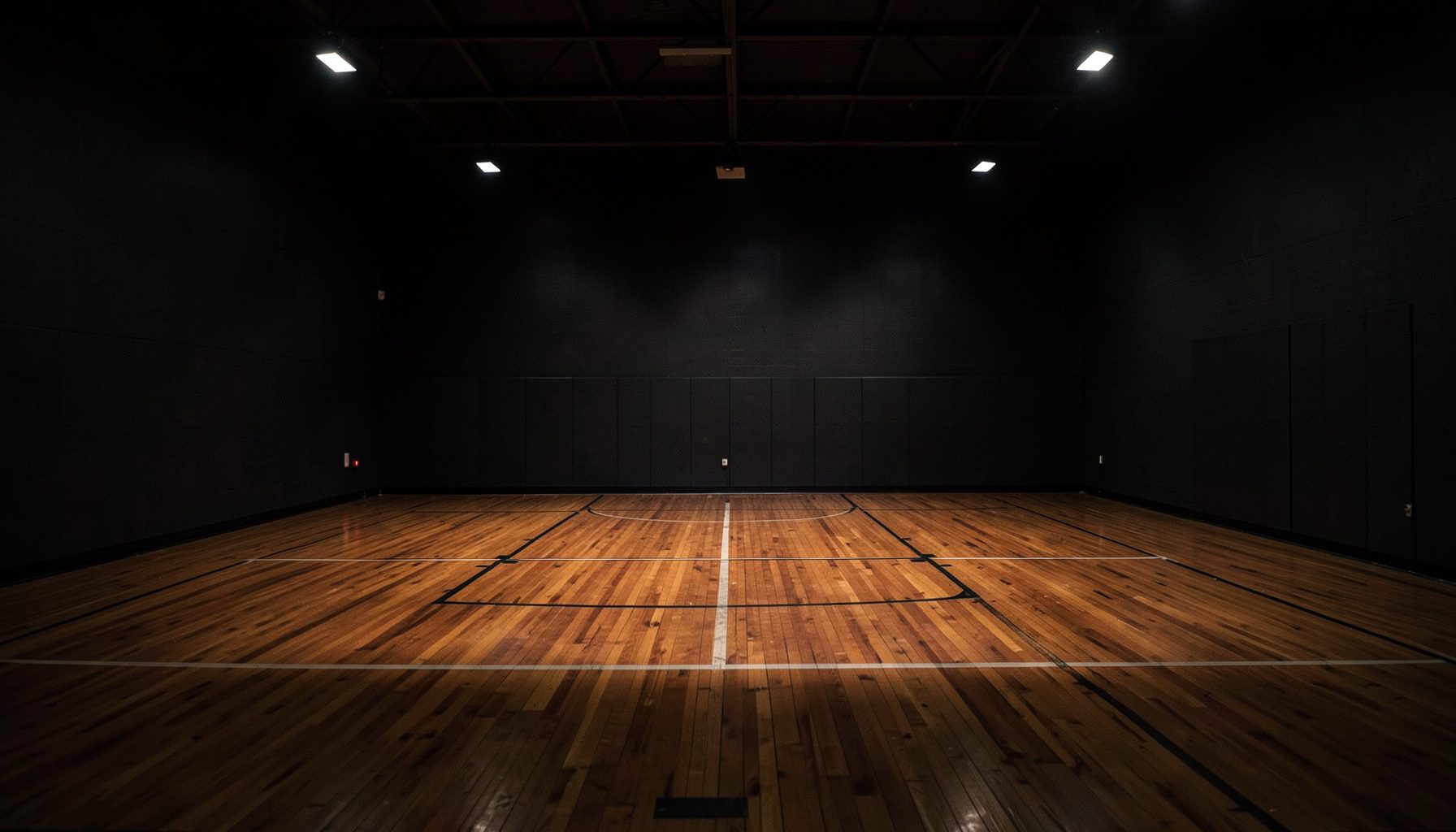
The Factory D1 Indy brings together three entities under one roof: competitive basketball leagues for all age groups, individual and group training, and wellness & recovery services including Normatec boot recovery and cryotherapy. Located off I-465 and High School Road at 6331 Crawfordsville Road, Speedway, Indiana 46224.
Get In TouchHow Cycle Classes Build Leg Strength for Basketball Players
Basketball demands repeated bursts of force. Players sprint into transition, stop under control, jump for rebounds, slide laterally on defense, and battle for position in the lane. These actions rely on strong, well-conditioned legs that can produce power repeatedly without losing coordination.
Cycle classes offer a practical way to develop that lower-body foundation. A properly structured ride challenges the quadriceps, hamstrings, glutes, and calves while also improving cardiovascular capacity. For basketball players, the value extends beyond general fitness: stronger legs can support acceleration, defensive positioning, balance, and late-game effort.
Indoor cycling also gives athletes a controlled training environment. Resistance, cadence, and work intervals can be adjusted to match a player's age, experience, and current goals. At a facility such as The Factory D1 Indy, cycle training can complement basketball skill work, competitive leagues, and recovery services within a broader athletic routine.
Why cycling matters on the court
Each pedal stroke creates resistance through the lower body, especially when a rider climbs, stands briefly, or works against a heavier load. The quadriceps help extend the knee, the glutes drive the hips, and the hamstrings assist with hip control and recovery through the pedal cycle. The calves contribute to ankle stability and force transfer.
Basketball players need these same muscle groups during takeoffs, deceleration, defensive slides, and changes of direction. Cycling does not duplicate every court movement, but it strengthens the muscular engine that supports those movements. A stronger base can help athletes maintain posture and footwork when fatigue begins to affect technique.
The low-impact nature of an exercise bike is another advantage. Running and jumping place repeated stress on the feet, ankles, knees, and hips. Cycling lets athletes train leg endurance and resistance tolerance while reducing pounding, making it useful during conditioning phases or between high-intensity basketball sessions.
How resistance develops lower-body strength
A cycle class can be adjusted from a fast, light spin to a slow, demanding climb. Lower cadence with higher resistance increases the force required for every rotation. This resembles the muscular demand of pushing through the floor during a sprint start or driving toward the basket, although the movement pattern remains different from a basketball play.
Repeated resistance intervals also teach the legs to produce force after previous efforts. A player might complete several hard climbs with brief recovery periods, similar to the repeated sprint demands found in a game. Over time, this can improve the ability to work forcefully without an immediate drop in output.
The main muscles receive slightly different emphasis depending on technique. Seated climbs often create sustained tension through the thighs and glutes, while controlled standing efforts add a greater challenge for the hips and trunk. Fast cadence intervals place more emphasis on muscular endurance and coordination. A qualified instructor can vary these demands rather than relying on one pace for every class.
From leg strength to basketball power
Strength is the ability to apply force, while power is the ability to apply it quickly. A cycle workout develops strength most directly through resistance, but it can also support power when short, intense intervals are added. Rapid efforts against moderate resistance challenge the legs to accelerate the pedals while maintaining control.
This can help prepare athletes for repeated bursts, such as sprinting back on defense or attacking an open lane. The transfer is strongest when cycling is paired with basketball-specific power work, including jumps, medicine-ball exercises, resisted sprints, and change-of-direction drills. Cycling supports the conditioning base; court training teaches the body how to use that base in sport.
Strong legs also help with deceleration. Basketball players must absorb force when stopping, landing, and changing direction. Cycling does not provide the eccentric loading of a landing or hard stop, so it should not replace strength training. It can, however, improve muscular stamina so players have more capacity to perform those movements with sound form throughout practice and competition.
Comparing conditioning methods for basketball
Different forms of conditioning create different training effects. Cycling is especially useful when an athlete needs cardiovascular work and leg resistance without adding another high-impact running session. The best choice depends on the stage of training, the player's health, and the demands already present in basketball practice.
| Training method | Primary benefit | Impact level | Basketball application |
|---|---|---|---|
| Indoor cycling | Leg endurance and controlled resistance | Low | Conditioning between court sessions |
| Sprint intervals | Acceleration and anaerobic capacity | High | Fast breaks and repeated bursts |
| Strength training | Maximum force and tissue capacity | Moderate | Contact, jumping, and stability |
| Plyometrics | Reactive power and landing skill | High | Rebounding and explosive takeoffs |
| Steady running | Aerobic base and movement economy | Moderate | General conditioning and recovery runs |
Cycling fits well when a player needs a challenging workout with predictable loading. It can also be scaled for beginners, younger athletes, and experienced competitors. The goal is not to replace sprinting, lifting, or jumping, but to use each method where it provides the greatest benefit.
Making a cycle class specific to basketball
A basketball-focused ride should include changes in pace and resistance rather than a single continuous effort. Short climbs can mimic forceful drives, fast intervals can represent transition runs, and moderate recovery periods can train athletes to regain control while staying active. This structure develops the ability to shift between effort levels.
Cadence control matters as well. Athletes who rush every interval may lose resistance and form, while those who grind too slowly may overload the knees or hips. Riders should keep the torso stable, maintain smooth pedal mechanics, and adjust resistance gradually. Good technique allows the targeted muscles to work without unnecessary strain.
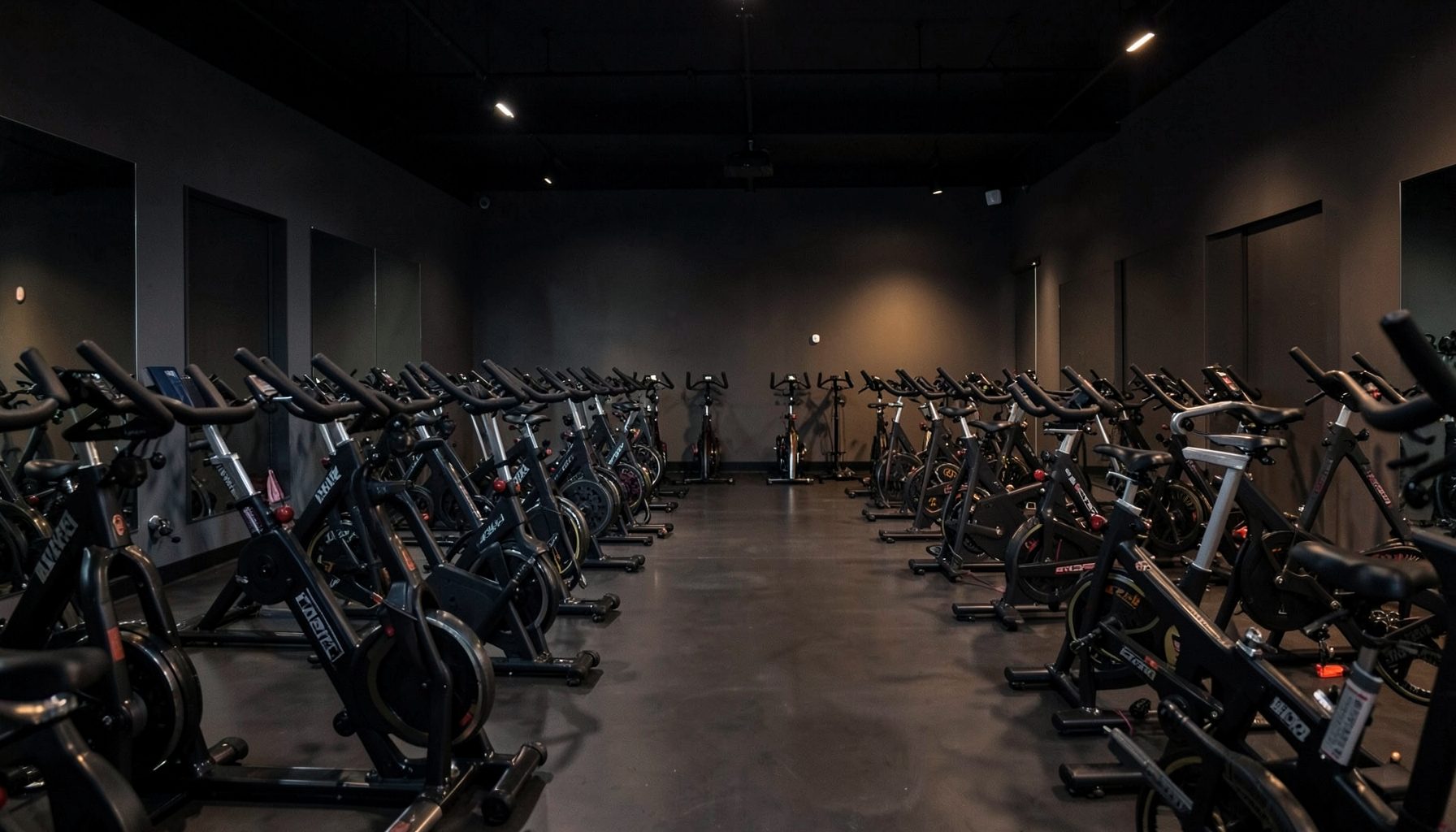
Players can also use perceived exertion to guide effort. A moderate segment should allow controlled breathing and conversation, while a hard interval should feel demanding but technically manageable. Instructors can provide progressions for youth players, recreational athletes, and high-level competitors so each person receives an appropriate challenge. The cycle and spin program at The Factory D1 Indy gives athletes a structured setting for this type of conditioning.
Building cycling into a weekly plan
The timing of a ride affects how it supports basketball performance. A moderate cycle class can work well on a recovery or conditioning day, especially when the alternative would be additional running volume. A hard resistance session may fit after a skill workout or on a separate training day, provided the athlete has enough time to recover before competition.
Players should avoid stacking every demanding session together. A week that includes games, team practices, lifting, plyometrics, and intense cycling may create more fatigue than useful adaptation. Rest, sleep, hydration, and adequate food help the legs respond to training rather than simply accumulate soreness.
Warm-ups and cool-downs also deserve attention. Riders should begin with easy resistance before adding intensity, then gradually reduce the load at the end. Light mobility for the hips, ankles, and thighs can support comfortable movement. Athletes managing pain, an injury, or a return-to-play plan should coordinate cycling with a qualified medical or performance professional.
Pairing leg work with recovery
Training creates the stimulus, but recovery allows the body to adapt. Basketball players who add cycle classes should monitor signs of excessive fatigue, such as declining jump height, heavy legs during warm-ups, unusual soreness, or reduced motivation. These signals may indicate that the weekly workload needs adjustment.
Recovery services can be useful when combined with sensible scheduling. Compression therapy may help athletes feel more comfortable after demanding sessions, while cryotherapy and other wellness options may form part of an individualized recovery routine. The wellness and recovery services at The Factory D1 Indy offer additional support for athletes balancing training and competition.
Recovery should never be used to justify constant overtraining. Players still need rest days and should address persistent pain rather than masking it. When cycling, basketball practice, strength work, and recovery are coordinated, athletes can improve fitness while protecting the consistency that matters most during a long season.
Practical ways to get more from each ride
A few habits can make cycle training more productive for basketball players:
- Use heavier resistance for controlled climbing intervals to challenge the quadriceps and glutes.
- Add short high-cadence efforts to develop repeated-burst conditioning.
- Keep the hips stable and the pedal stroke smooth instead of bouncing in the saddle.
- Schedule hard rides away from important games or explosive lower-body workouts.
- Track energy, soreness, and court performance to adjust weekly training load.
The most effective program is one that athletes can perform consistently. Beginners may start with one cycle class per week, while experienced players can add a second session during a conditioning phase. Coaches and instructors can adjust duration, resistance, and interval length as the athlete develops.
A stronger cycling base can help basketball players arrive at the fourth quarter with more available effort, steadier footwork, and better control. Book a cycle session at The Factory D1 Indy, then build it into a balanced plan that includes basketball skills, strength training, and purposeful recovery.
Inside The Factory

Three Entities, One Roof
Leagues
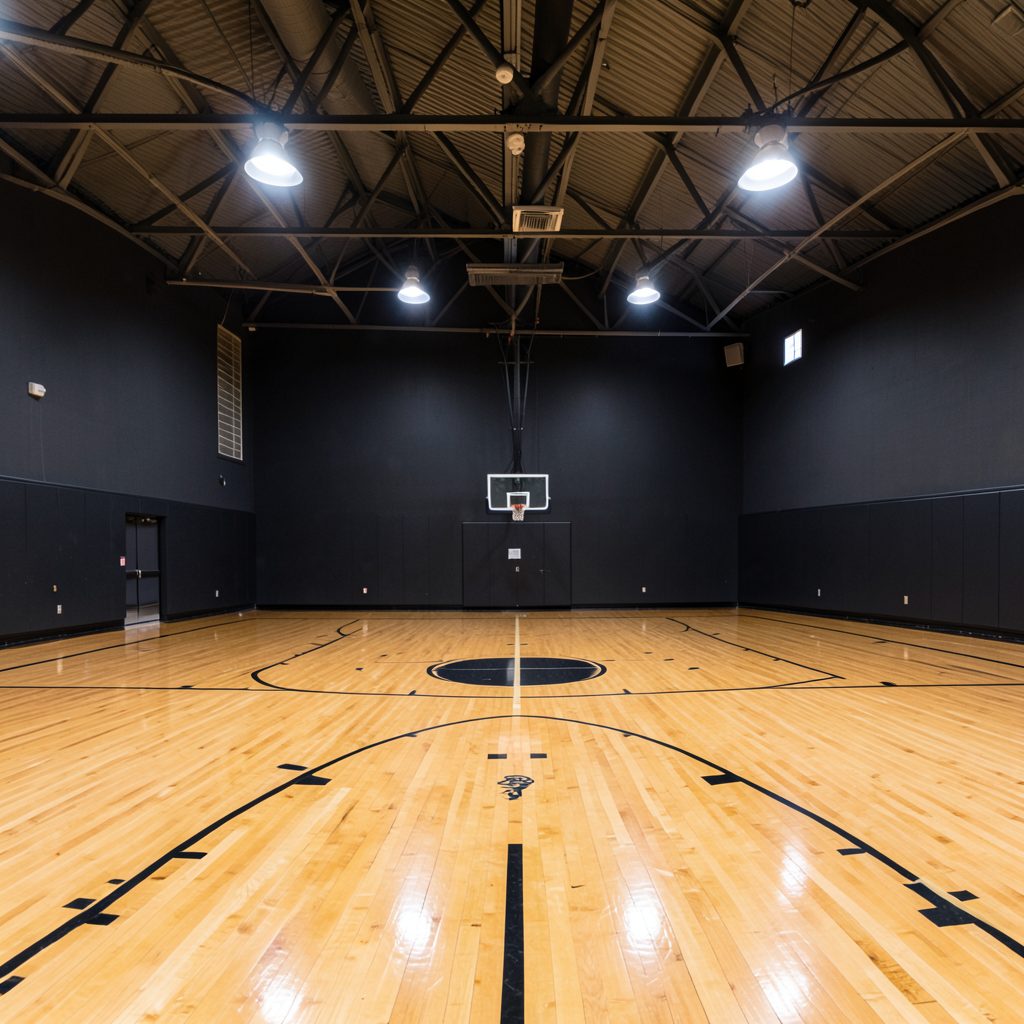
Eight league divisions span every age group: Indy Pro AM, 18+ Open Men's, 30+ Men's, Bite Size (ages 3–6), Impact League, 5th/6th Grade, Middle School, and High School. Gather your team and compete.
Training
Individual and group basketball training for all skill levels. Major M.O.V.E.S. Basketball Training serves ages 4–7 on Wednesday and Thursday evenings at 6:30 PM — $30 per session or $100 unlimited monthly.
Wellness & Recovery
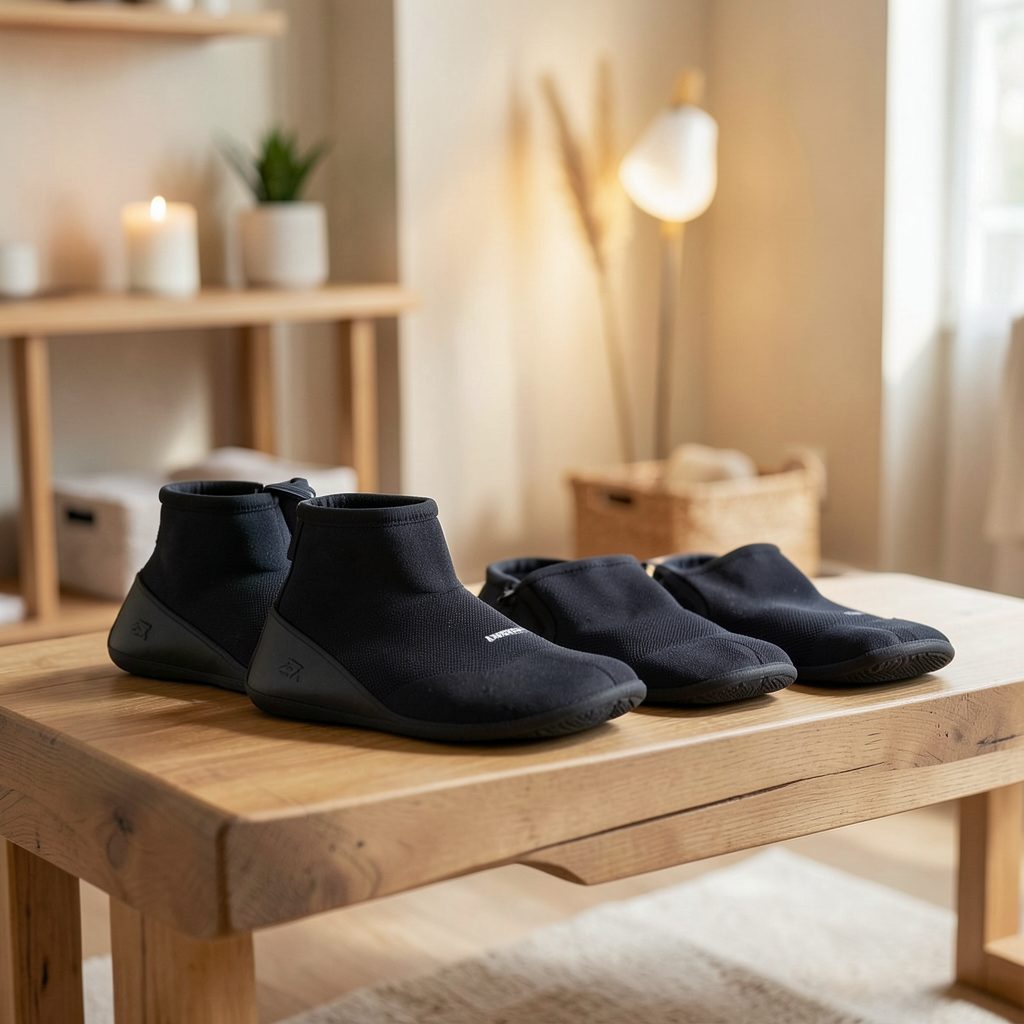
Normatec boot recovery and cryotherapy treatments help athletes bounce back faster. Cycle and spin classes add a cardio dimension to the holistic performance approach.
Have a Question?