Train. Compete. Recover.
A multi-purpose athletic facility in Speedway, Indiana — basketball leagues, skill training, and wellness services all under one roof.
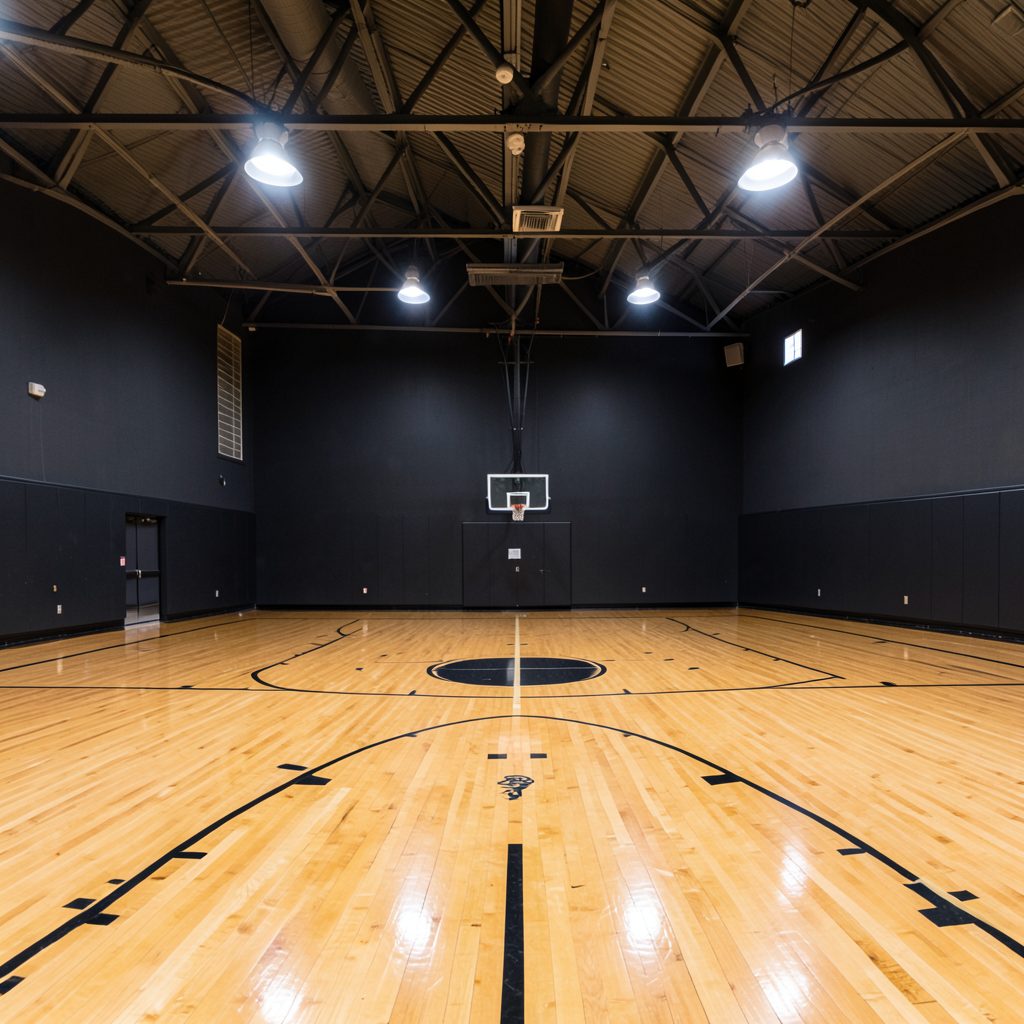
The Factory D1 Indy brings together three entities under one roof: competitive basketball leagues for all age groups, individual and group training, and wellness & recovery services including Normatec boot recovery and cryotherapy. Located off I-465 and High School Road at 6331 Crawfordsville Road, Speedway, Indiana 46224.
Get In TouchHow Normatec Therapy Can Speed Up Recovery After Leg Day
Leg day creates the training stimulus needed to build stronger quadriceps, hamstrings, glutes, and calves. It can also leave the lower body feeling heavy, tight, and sore for the next day or two. Good recovery helps athletes return to practice, work, or their next workout with less discomfort and better movement quality.
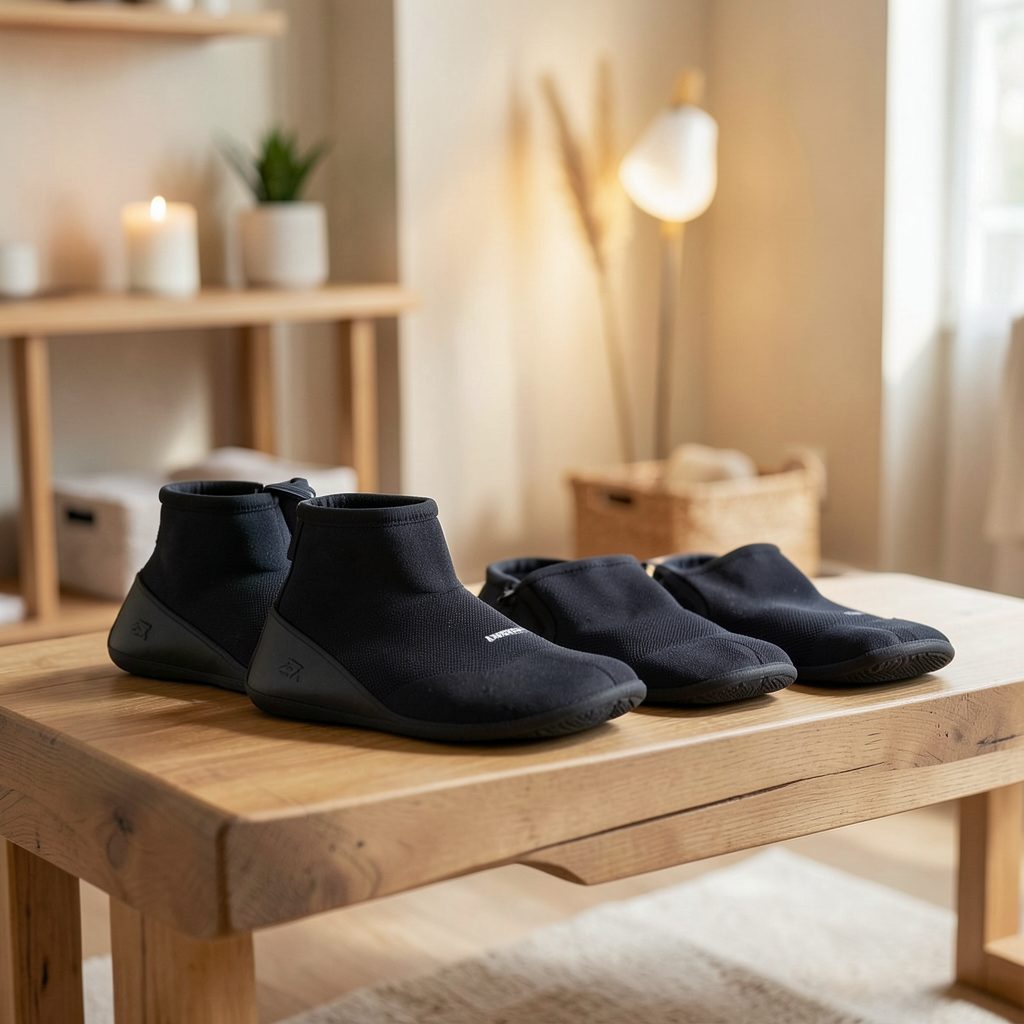
Normatec is a pneumatic compression system designed to support circulation in the limbs. The system uses inflatable sleeves that apply controlled pressure in sections, generally moving from the feet upward toward the hips. This sequence may help encourage fluid movement and reduce the sensation of post-workout heaviness.
The Factory D1 Indy combines athletic training with wellness and recovery services, making compression therapy a practical option for basketball players, cyclists, recreational athletes, and anyone handling demanding lower-body sessions. Used appropriately, it can complement sleep, hydration, nutrition, mobility work, and sensible programming.
What Happens During Leg Day
Strength exercises such as squats, lunges, deadlifts, step-ups, and sled work place significant mechanical stress on the muscles. Small amounts of muscle damage and inflammation are normal parts of adaptation, while temporary fluid shifts can contribute to swelling, stiffness, and a “full” feeling in the legs.
Training also produces metabolic byproducts and increases demand on the cardiovascular and lymphatic systems. The body clears these substances through its normal circulation and recovery processes, but the experience can feel uncomfortable when a workout is especially high in volume, intensity, or unfamiliar movement.
Delayed-onset muscle soreness often becomes more noticeable between 12 and 48 hours after exercise. Compression cannot erase this process or repair muscle instantly. Its value is more practical: it may improve comfort, support circulation, and help an athlete feel ready to move while the body completes its normal recovery work.
How Sequential Compression Supports Recovery
Normatec sleeves inflate and release in a wave-like pattern. The pressure begins farther down the limb and progresses upward, creating a gentle milking action that may assist venous return. Better movement of blood and fluid can help reduce the heavy, congested sensation that sometimes follows lower-body training.
The rhythmic pressure can also provide a relaxing sensory experience. After a demanding session, athletes may find it easier to sit still, breathe comfortably, and shift into a recovery mindset. That matters because recovery is influenced by the entire routine, including rest and stress management, rather than by one device alone.
Research on pneumatic compression shows promising effects for perceived soreness and short-term recovery, though results vary by person, protocol, and training demand. Some athletes notice a clear difference after one session, while others benefit more from repeated use. It is best viewed as a supportive recovery tool rather than a replacement for foundational habits.
When To Use Normatec After Lower-Body Training
A session soon after leg day may be useful when the primary goal is reducing discomfort or helping the legs feel lighter. Many athletes choose compression after strength training, intense basketball practice, a long ride, or a tournament day. A later session can also be comfortable when soreness and stiffness become more prominent.
Duration and pressure should be selected according to the facility’s guidance and the athlete’s experience. More pressure is not automatically better. The sleeves should feel snug and supportive, never painful, numb, excessively tight, or irritating. Staff can help adjust the fit and select an appropriate setting.
Compression works well alongside low-intensity movement. A brief walk, easy mobility routine, or gentle cycling session can encourage circulation without adding substantial muscular stress. Athletes who use cycle classes for endurance can pair demanding rides with a planned recovery session, provided the overall weekly workload remains manageable.
| Recovery Approach | Primary Benefit | Best Timing | Important Consideration |
|---|---|---|---|
| Normatec compression | Supports circulation and may reduce heaviness or perceived soreness | After training or later the same day | Use comfortable pressure and proper sleeve fit |
| Easy walking | Promotes gentle movement without high muscle demand | Immediately after training or the next day | Keep the pace relaxed |
| Mobility work | Maintains comfortable range of motion | After cooling down or on recovery days | Avoid forcing painful stretches |
| Hydration and nutrition | Replenishes fluids and supports tissue repair | Throughout the day after exercise | Match intake to sweat loss and training demands |
| Quality sleep | Supports hormonal, nervous system, and muscular recovery | Every night | Consistency matters more than a single long night |
What Athletes May Notice
The most common benefit is a change in how the legs feel. Compression may reduce a sense of pressure, puffiness, or fatigue, allowing an athlete to walk, warm up, or complete daily activities more comfortably. This can be especially helpful for players who have several practices or games close together.
Some people experience temporary improvements in perceived recovery rather than dramatic changes in strength or performance. Feeling less sore may make it easier to perform a gentle warm-up and maintain good movement mechanics. That indirect benefit can be valuable when a busy schedule leaves little room between sessions.
Responses differ because recovery needs differ. A basketball guard completing repeated accelerations may have different soreness patterns from a cyclist finishing a long ride or an adult returning to strength training. Keeping brief notes about soreness, energy, sleep, and training quality can show whether compression is genuinely useful for an individual routine.
Pairing Compression With Complete Recovery Habits
Normatec should sit inside a broader recovery plan. Adequate protein and total calories support muscle repair, while fluids and electrolytes help replace losses from sweating. Sleep remains one of the most influential tools for restoring physical and mental readiness, particularly during periods of frequent competition.
Active recovery can include easy walking, low-resistance cycling, breathing drills, or controlled mobility. These options encourage movement without repeating the same high-force demands that created soreness. A hard conditioning session should not be mislabeled as recovery simply because it uses a different exercise.
Training structure matters as well. Alternating intense lower-body days with lighter sessions gives tissues time to adapt. Coaches and athletes can monitor jump height, bar speed, movement quality, mood, and persistent soreness to identify when the workload needs adjustment. Compression may make a busy schedule feel more manageable, but it should not conceal signs of excessive fatigue.
Safety, Suitability, And Professional Guidance
Most healthy adults tolerate pneumatic compression well when the equipment fits correctly and the settings are appropriate. However, people with certain medical conditions should seek professional clearance before using it. Concerns may include a history of blood clots, significant peripheral arterial disease, uncontrolled heart failure, serious circulation disorders, unexplained leg swelling, or active skin infection.
Stop the session if there is sharp pain, tingling, numbness, unusual discoloration, shortness of breath, chest discomfort, or a worsening symptom. Compression is not a diagnostic treatment, and sudden one-sided swelling or calf pain requires prompt medical evaluation rather than a recovery session.
Facility staff can explain positioning, session length, and comfort adjustments, but they do not replace a physician or physical therapist. Athletes returning from surgery or a significant injury should follow the care plan provided by their medical team before adding compression.
Build A Repeatable Post-Workout Routine
A simple routine makes recovery easier to follow when training schedules are busy. After leg day, cool down with a few minutes of easy movement, drink fluids, eat a balanced meal, and use compression if it feels appropriate. The following practices can help make the process consistent:
- Schedule a comfortable Normatec session after demanding lower-body work or competition.
- Pair compression with easy walking or gentle mobility instead of complete inactivity.
- Prioritize a protein-rich meal, adequate fluids, and a dependable sleep schedule.
- Track soreness and training readiness to judge whether the routine is helping.
- Ask qualified staff or a medical professional about safe use when health conditions or injuries are involved.
Make Recovery Part Of Training
The goal of compression therapy is not to eliminate every sign of hard work. A productive leg day should create a challenge, and some soreness may remain while the muscles adapt. Normatec can support the transition from intense exercise to recovery by helping the legs feel less heavy and more comfortable.
Athletes at The Factory D1 Indy can combine training, conditioning, competition, and recovery in one community-focused facility. Book a Normatec session after your next lower-body workout and build a recovery routine that supports the way you actually train.
Inside The Factory
Three Entities, One Roof
Leagues
Eight league divisions span every age group: Indy Pro AM, 18+ Open Men's, 30+ Men's, Bite Size (ages 3–6), Impact League, 5th/6th Grade, Middle School, and High School. Gather your team and compete.
Training
Individual and group basketball training for all skill levels. Major M.O.V.E.S. Basketball Training serves ages 4–7 on Wednesday and Thursday evenings at 6:30 PM — $30 per session or $100 unlimited monthly.
Wellness & Recovery
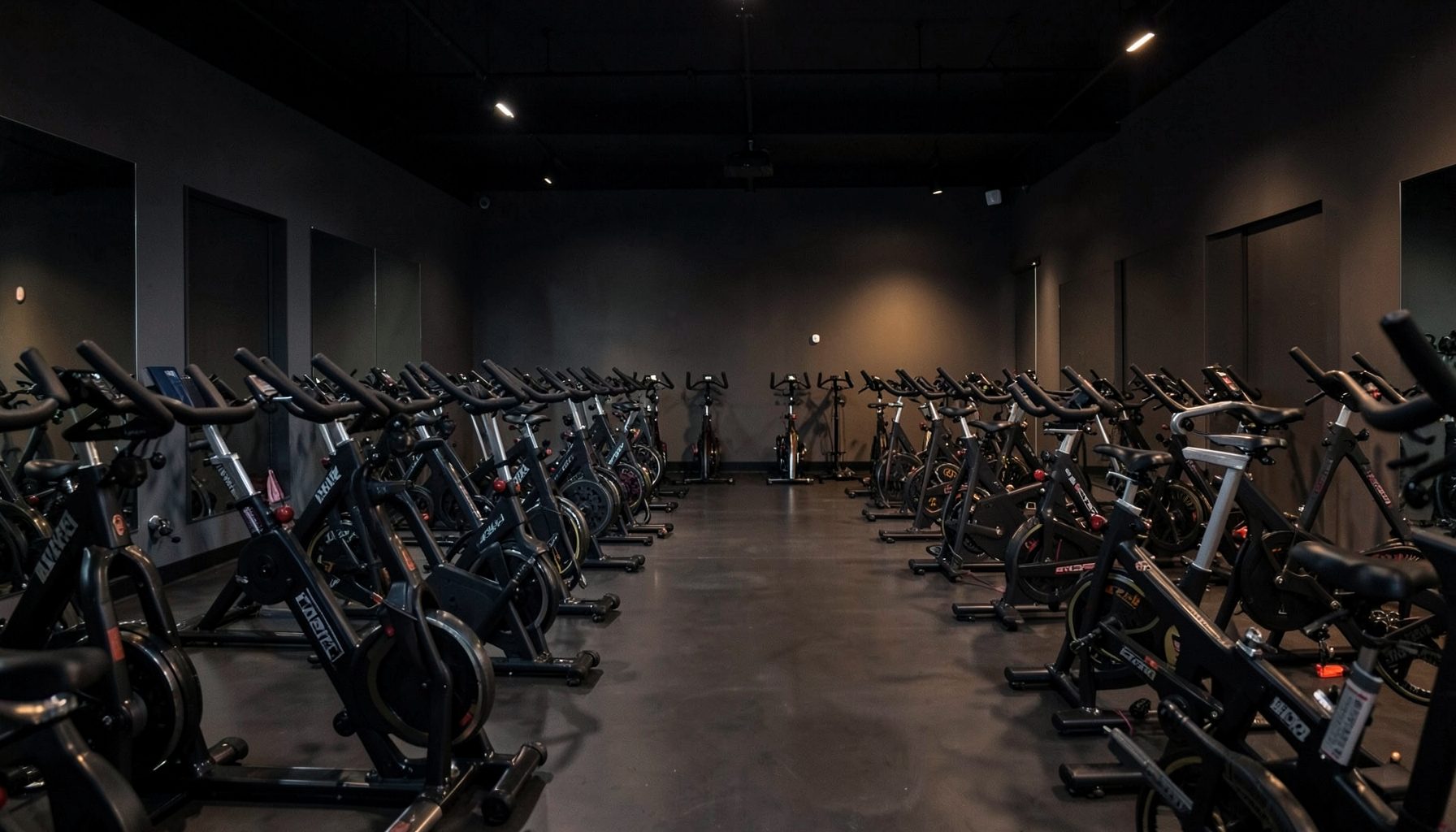
Normatec boot recovery and cryotherapy treatments help athletes bounce back faster. Cycle and spin classes add a cardio dimension to the holistic performance approach.
Have a Question?