Train. Compete. Recover.
A multi-purpose athletic facility in Speedway, Indiana — basketball leagues, skill training, and wellness services all under one roof.
The Factory D1 Indy brings together three entities under one roof: competitive basketball leagues for all age groups, individual and group training, and wellness & recovery services including Normatec boot recovery and cryotherapy. Located off I-465 and High School Road at 6331 Crawfordsville Road, Speedway, Indiana 46224.
Get In TouchRecover Stronger Between Tournament Games With Normatec
Weekend tournaments demand repeated bursts of speed, jumping, contact and concentration. A basketball athlete may play several games across Saturday and Sunday, often with limited time to eat, cool down and restore tired legs. The challenge is rarely a single match; it is maintaining useful energy and movement through the entire schedule.
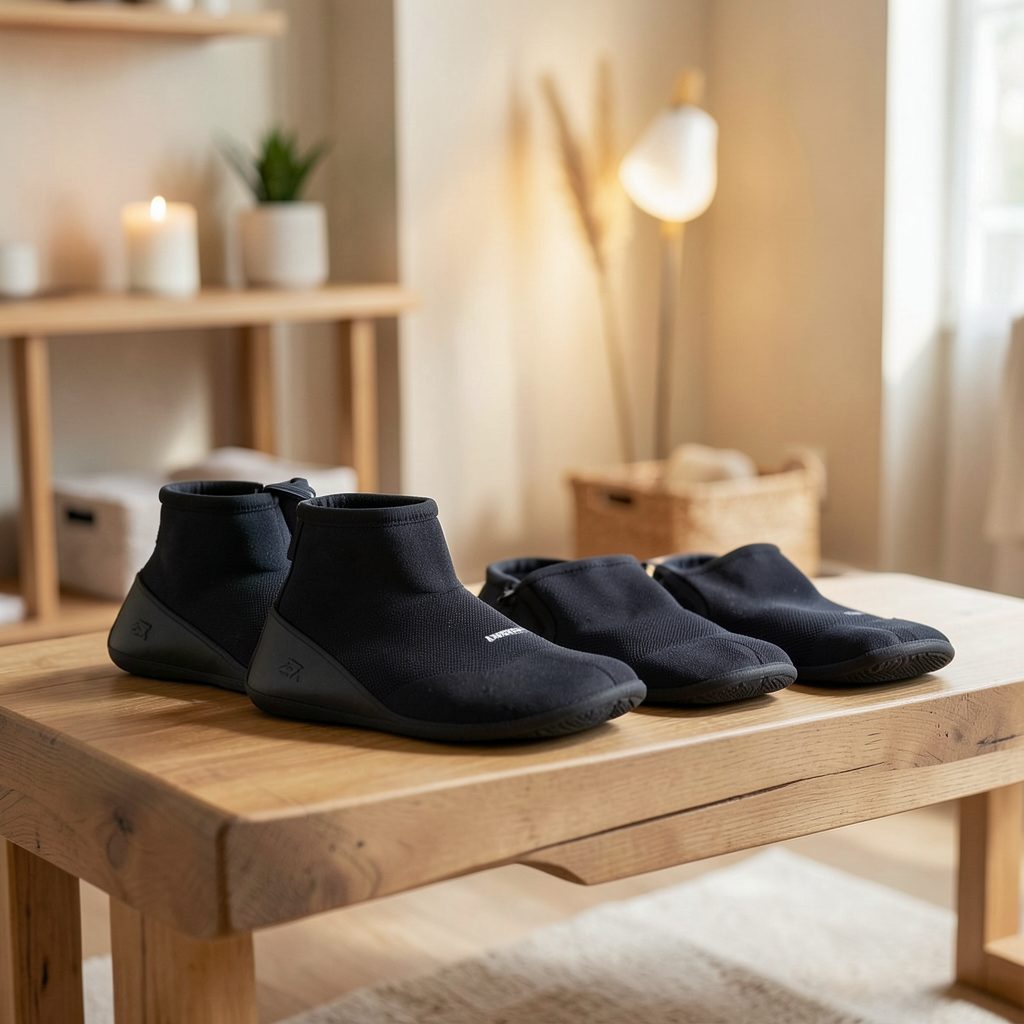
Normatec therapy is a form of pneumatic compression that uses inflatable chambers in sleeves around the legs, arms or hips. The chambers fill and release in sequence, creating a gentle pressure pattern that supports circulation and fluid movement. This makes it a practical recovery tool between games, training sessions and tournament days.
For Australian athletes, tournament recovery can be complicated by long drives between suburbs, hot outdoor conditions and packed school or club schedules. A player travelling from Melbourne to regional Victoria, or crossing Brisbane for a weekend competition, may spend as much time sitting in a car as moving on court. A structured recovery routine can help manage that accumulated fatigue.
Compression therapy is not a replacement for sleep, nutrition, medical care or a well-designed training programme. It works best as one part of a broader plan that includes a gradual cool-down, regular fluids, carbohydrate-rich meals and attention to unusual pain or swelling.
What Pneumatic Compression Does For Tired Muscles
Normatec systems use sequential compression rather than applying one constant squeeze. The sleeves are divided into chambers, and the pressure typically moves from the lower limb upwards. This pattern is designed to encourage venous return and help the body manage some of the fluid that can collect after strenuous exercise.
Athletes often describe the sensation as rhythmic pressure, similar to a firm but comfortable massage. The treatment does not directly repair muscle fibres or erase fatigue. Its value is that it may support the normal recovery process while the athlete rests, especially after repeated running, jumping and changes of direction.
Research on recovery boots has produced mixed results, with outcomes depending on the athlete, protocol and workload. Some people report less perceived soreness and a lighter feeling in the legs, while others notice a greater benefit in relaxation than in performance. That variation makes an individual trial useful before relying on compression during an important competition.
Anyone with a diagnosed vascular condition, unexplained swelling, recent surgery, skin infection or another relevant medical concern should seek professional advice before using pneumatic compression. Pressure should feel supportive, never painful, numb or excessively tight.
Using Recovery Time Between Games
The most useful window is usually the period after the athlete has cooled down, replaced fluids and eaten something suitable. A short walk, gentle mobility work and dry clothing can come first. Once breathing and body temperature have settled, a compression session can provide quiet downtime before the next warm-up.
Timing should reflect the tournament schedule. A player with three hours between games may use the treatment early in the break, leaving enough time for a meal, team meeting and dynamic warm-up. Using it immediately before competition may leave some athletes feeling relaxed or heavy, so it is sensible to test the routine during ordinary training.
A session should never replace movement altogether. Sitting in compression for hours while remaining dehydrated is unlikely to create a complete recovery strategy. Light walking, ankle pumps and easy range-of-motion exercises can reduce stiffness after a long bus or car journey.
The environment also matters. In Australian summer tournaments, especially around Sydney, Perth or Adelaide, heat can increase fluid loss before the final game of the day. Cooling down in a shaded or air-conditioned space and replacing electrolytes according to individual needs should happen before compression becomes the focus.
Combining Compression With Sleep And Fuel
Muscle recovery depends heavily on adequate energy intake. Tournament athletes often eat whatever is quick between games, but a combination of carbohydrates and protein is more useful than relying solely on snack foods. Fruit, yoghurt, sandwiches, rice bowls and recovery drinks can be practical options when a full meal is difficult.
Fluids should be taken regularly rather than saved until thirst becomes intense. Australian athletes competing outdoors may need to account for humidity in Queensland, dry heat in Western Australia or cool conditions that mask sweat loss in Tasmania. A sports dietitian can help determine a suitable hydration and electrolyte plan for an individual athlete.
Sleep remains the strongest recovery tool across a full weekend. Compression may make it easier to relax after travel, but it cannot compensate for a late night, an uncomfortable hotel or insufficient total sleep. Preparing kit, food and transport in advance gives athletes a better chance of protecting their sleep window.
A simple evening routine can include a warm shower, gentle stretching, compression if appropriate, a balanced meal and reduced screen exposure. Players should also record soreness, energy and movement quality rather than judging the treatment only by how it feels for a few minutes.
Choosing A Safe Session At A Sports Facility
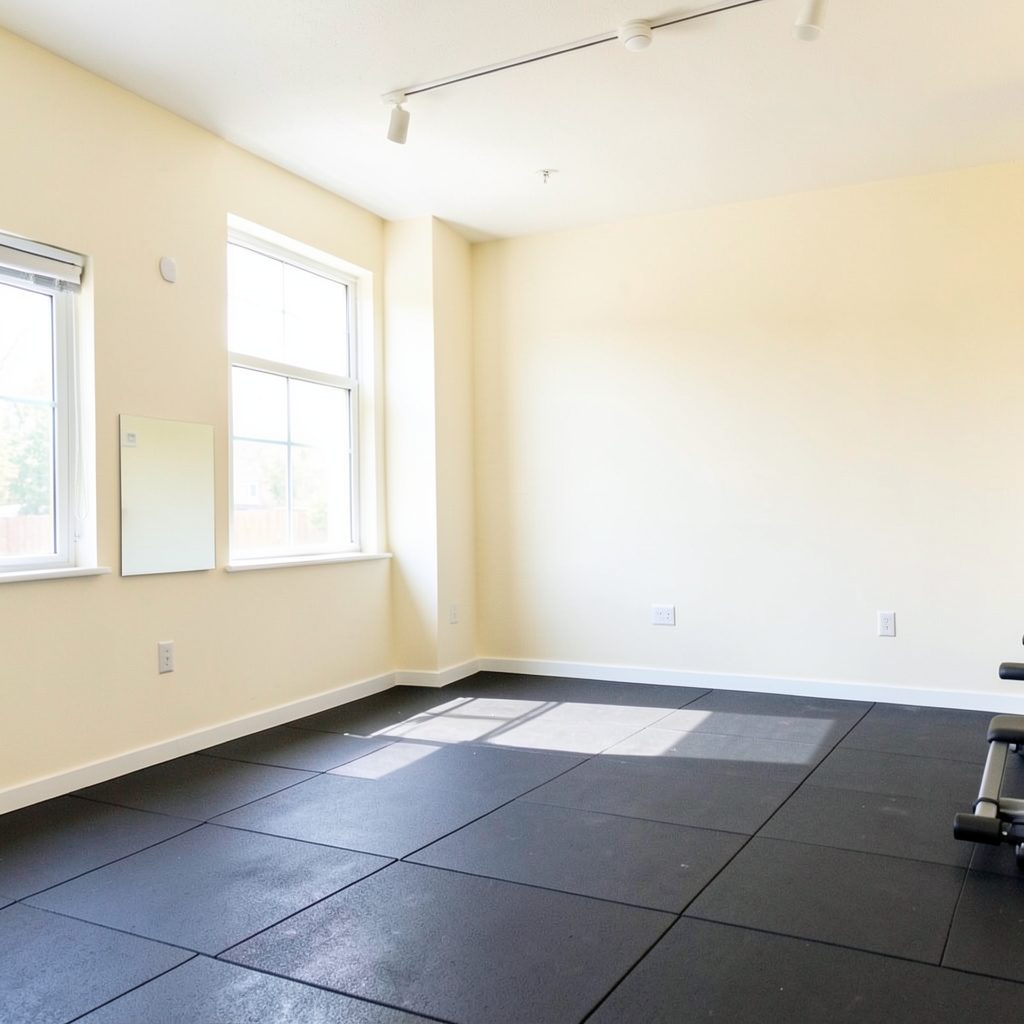
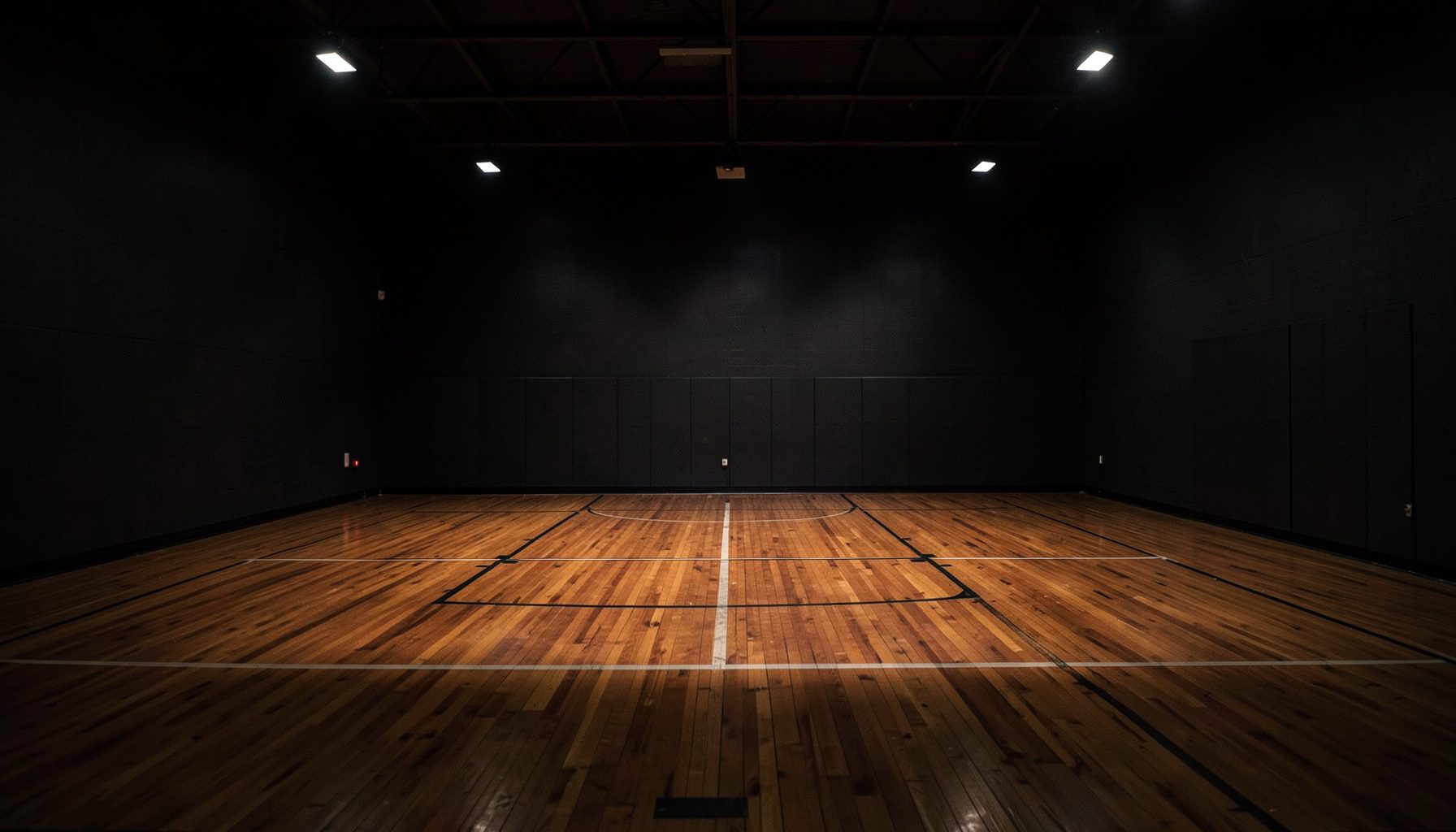
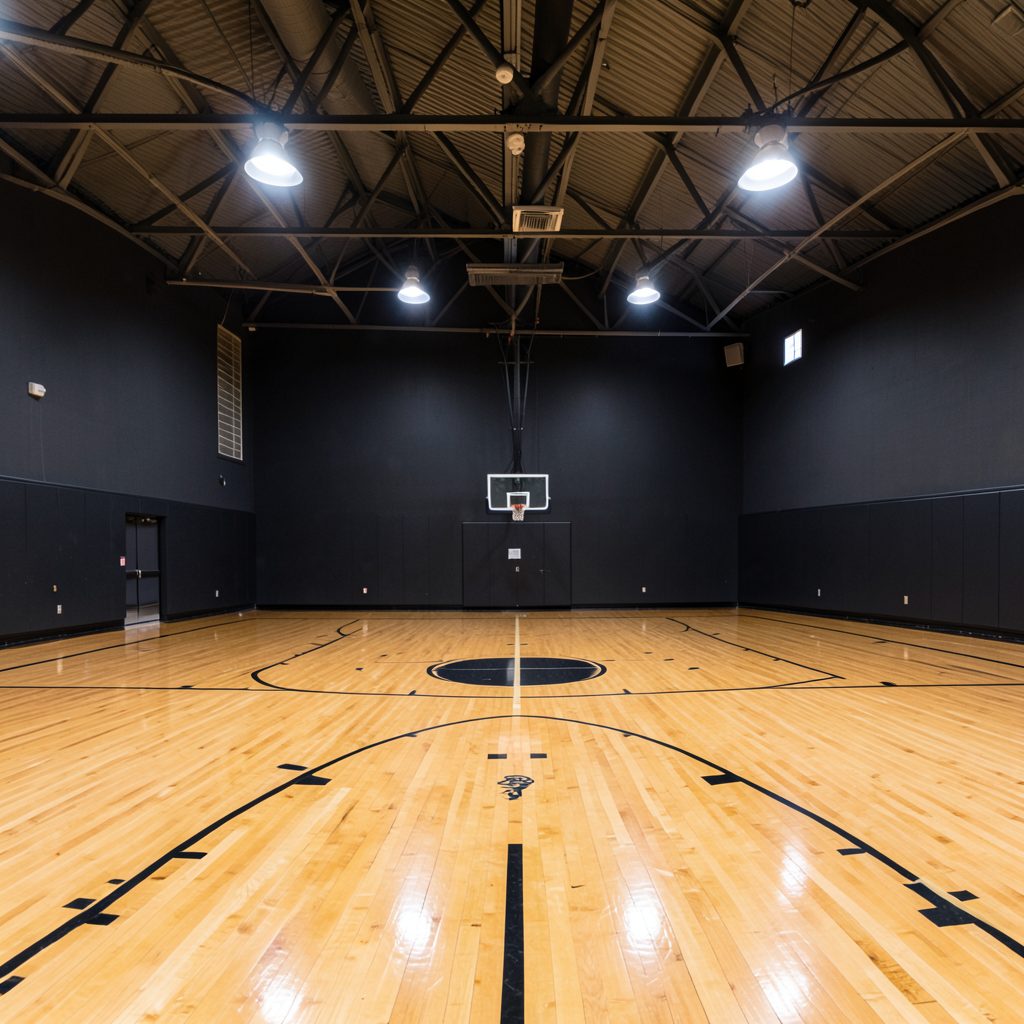
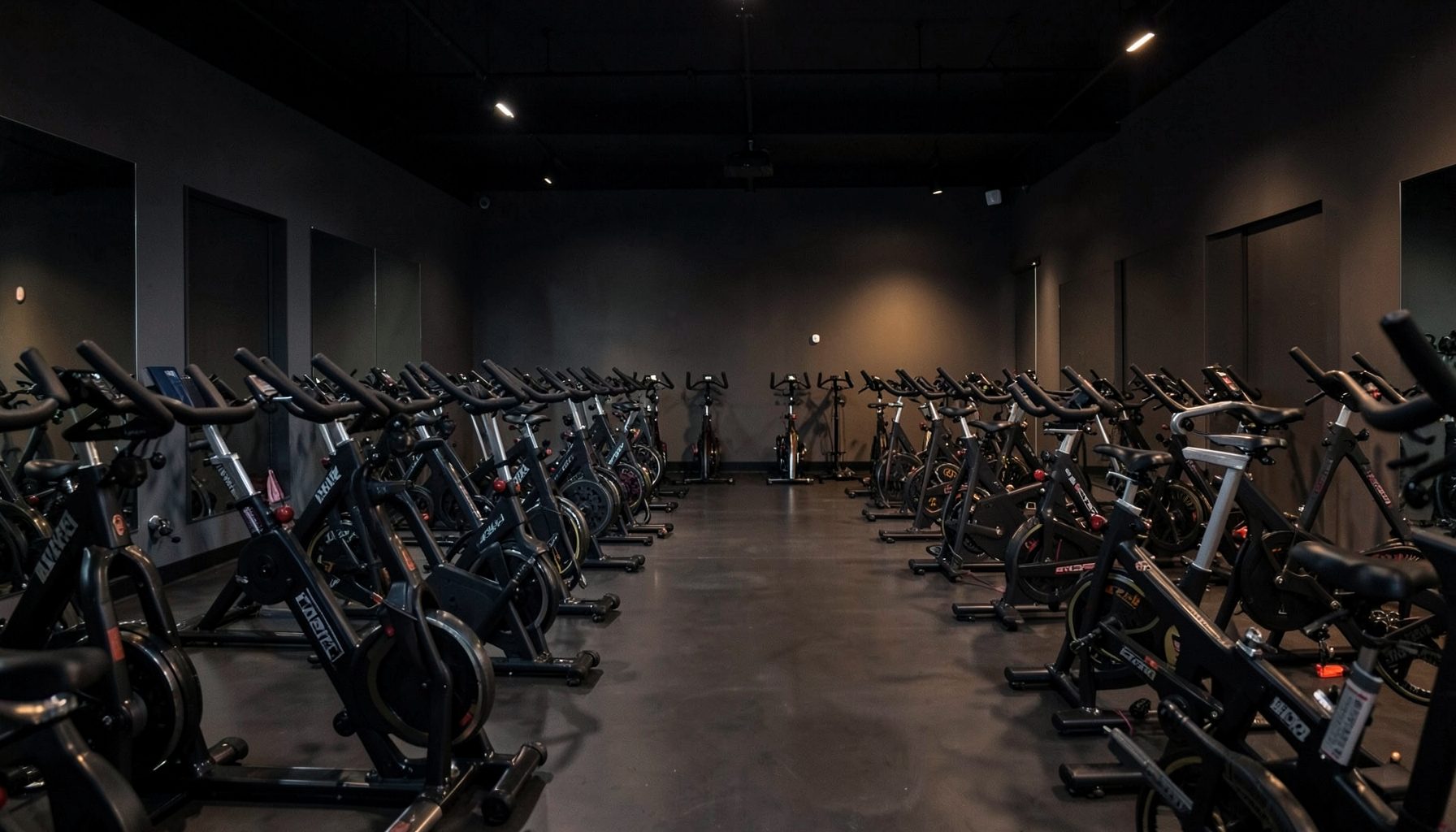
A professional athletic facility can make recovery more convenient because the equipment, space and timing are organised around training demands. At The Factory D1 Indy, athletes can combine court-based work with conditioning and recovery services, rather than treating recovery as an afterthought. The facility gallery gives visitors a sense of the training environment before they arrive.
A first session should be comfortable and conservative. Staff should explain the sleeve placement, pressure settings and expected sensation, while the athlete should mention relevant medical history and any current injury. More pressure is not automatically better, and discomfort is a reason to stop and reassess.
For Australian visitors travelling to Speedway, Indiana, planning around the tournament calendar is important. A long-haul flight from Sydney, Melbourne or Brisbane can add stiffness and disrupted sleep before the athlete reaches the court. A gentle session after arrival may be more appropriate than an aggressive treatment, particularly when the body is still adjusting to time-zone changes.
Local Australian athletes can apply the same principles when comparing recovery studios, physiotherapy clinics and sports performance centres. Check staff qualifications, hygiene procedures, equipment instructions and the provider’s approach to contraindications. Under Australian consumer law, services should be supplied with appropriate care and skill, and health-related claims should be presented responsibly rather than as guarantees of performance.
Building A Repeatable Tournament Routine
The best recovery plan is repeatable under pressure. Before the event, athletes can identify where compression fits, what food travels well and how much time is needed for a shower, treatment and warm-up. Coaches should avoid scheduling a recovery session so tightly that players feel rushed before tip-off.
A useful sequence after a game is to walk for five to ten minutes, change out of wet clothing, drink and eat, then use compression while resting. Later, the athlete can complete mobility drills and a sport-specific warm-up. The order may change according to weather, playing time and medical advice, but consistency makes the routine easier to evaluate.
Compression can also be useful after the final game, when legs may feel heavy from accumulated loading. The following morning, however, athletes should assess soreness, joint stiffness and movement before returning to intense work. Sharp pain, one-sided swelling, marked warmth or unusual shortness of breath requires medical attention rather than another recovery session.
Parents of junior players should keep expectations realistic. Youth athletes need suitable supervision, age-appropriate training loads and adequate food and sleep. Recovery technology should support healthy habits, not encourage children to train through pain or compete when they are unwell.
| Recovery approach | Best use between tournament games | Main limitation |
|---|---|---|
| Normatec pneumatic compression | Quiet recovery while supporting circulation and relaxation | Does not replace fluids, food, sleep or medical assessment |
| Easy walking and mobility | Reducing stiffness after sitting or playing | May be difficult when fatigue or injury is significant |
| Carbohydrate and protein snack | Replacing fuel for the next game | Requires planning and may not suit every dietary need |
| Cooling and hydration | Managing heat load and fluid loss | Needs to be tailored to climate and sweat losses |
| Sleep and rest | Supporting whole-body recovery overnight | Limited by travel, scheduling and accommodation |
A well-timed Normatec session can help an athlete feel more prepared for the next game, particularly when it is combined with sensible fuelling, hydration, mobility and sleep. Book a recovery session at The Factory D1 Indy when your tournament schedule brings you to Speedway, and use the staff’s guidance to create a routine that supports the whole weekend rather than chasing a quick fix.
Inside The Factory

Three Entities, One Roof
Leagues
Eight league divisions span every age group: Indy Pro AM, 18+ Open Men's, 30+ Men's, Bite Size (ages 3–6), Impact League, 5th/6th Grade, Middle School, and High School. Gather your team and compete.
Training
Individual and group basketball training for all skill levels. Major M.O.V.E.S. Basketball Training serves ages 4–7 on Wednesday and Thursday evenings at 6:30 PM — $30 per session or $100 unlimited monthly.
Wellness & Recovery
Normatec boot recovery and cryotherapy treatments help athletes bounce back faster. Cycle and spin classes add a cardio dimension to the holistic performance approach.
Have a Question?