Train. Compete. Recover.
A multi-purpose athletic facility in Speedway, Indiana — basketball leagues, skill training, and wellness services all under one roof.
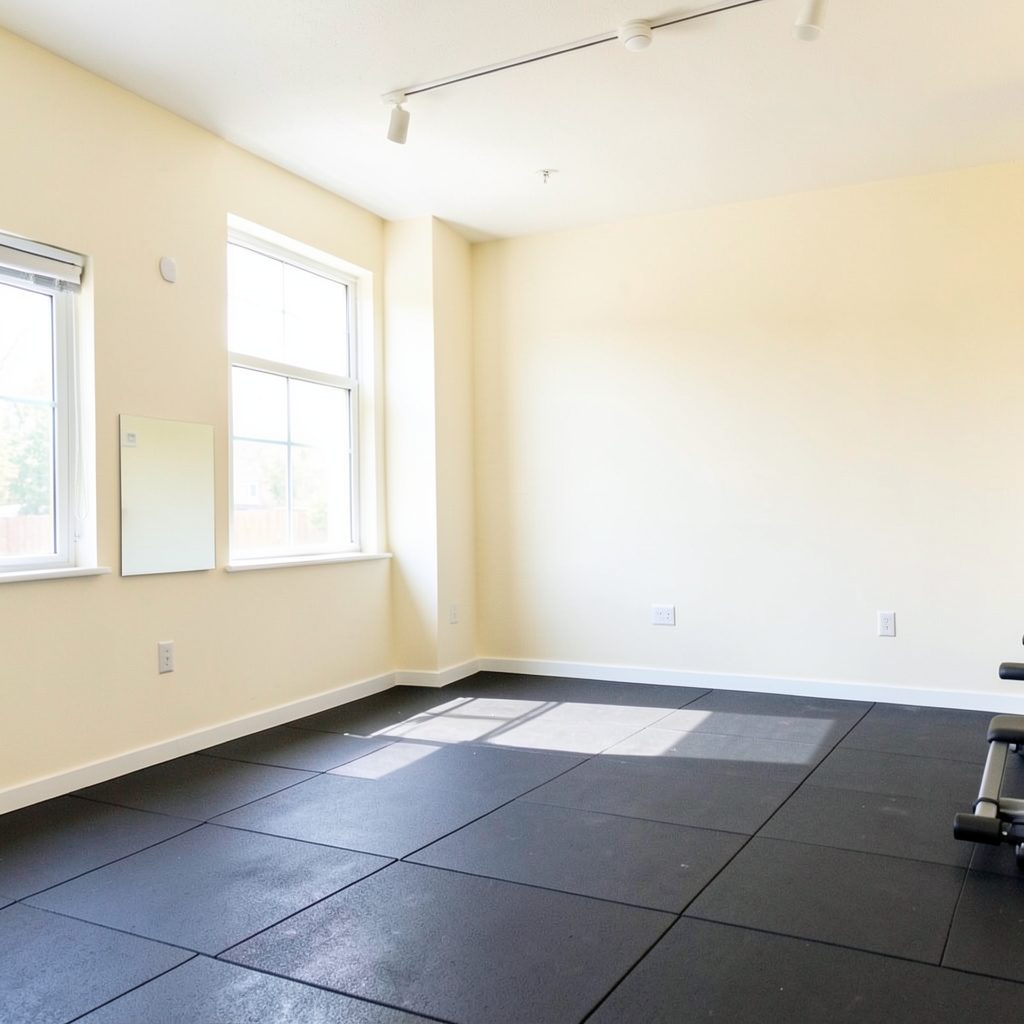
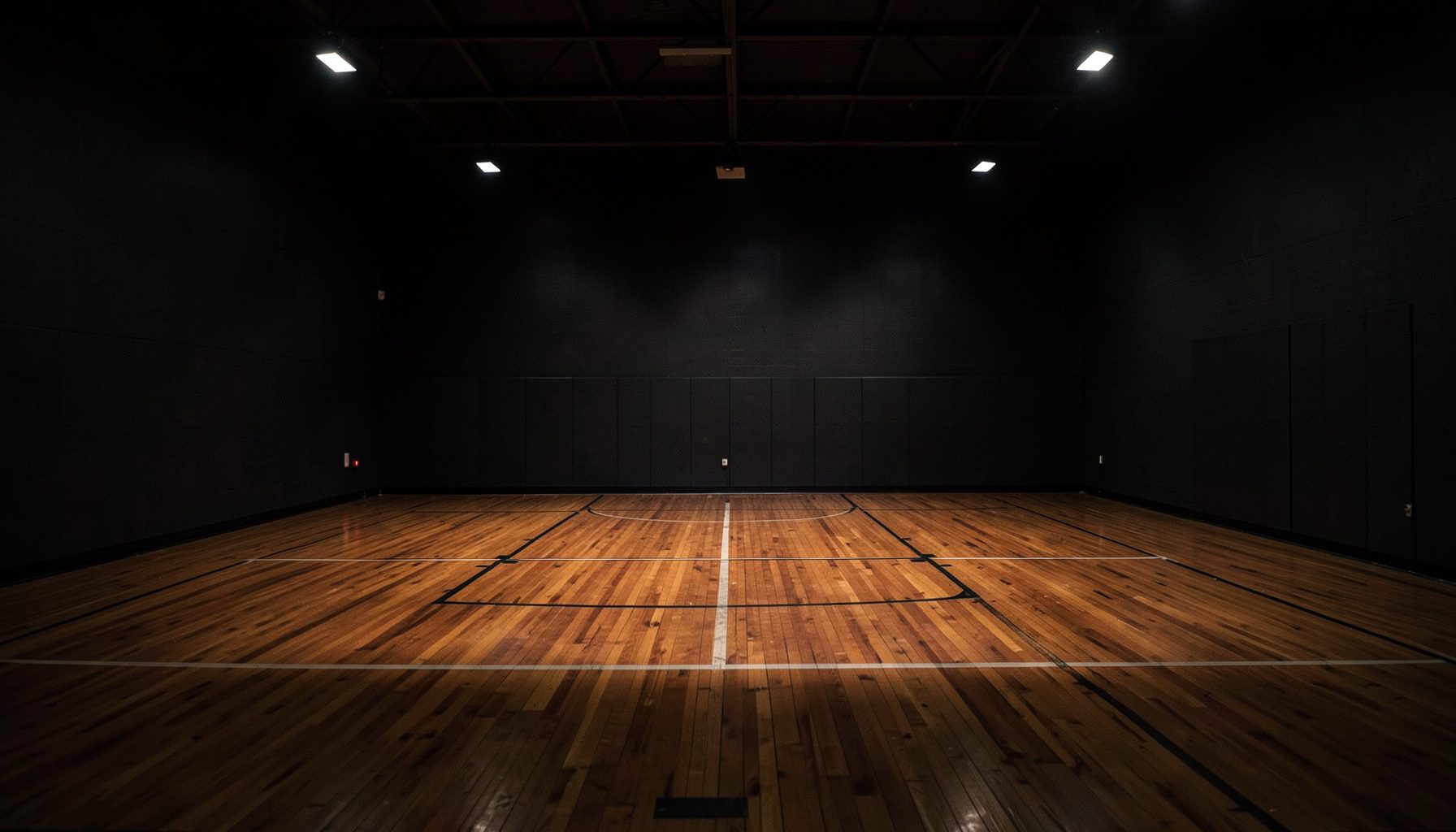
The Factory D1 Indy brings together three entities under one roof: competitive basketball leagues for all age groups, individual and group training, and wellness & recovery services including Normatec boot recovery and cryotherapy. Located off I-465 and High School Road at 6331 Crawfordsville Road, Speedway, Indiana 46224.
Get In TouchHow Arm Position Shapes Upper-Body Fatigue on Long Spin Rides
A long spin session can feel like a leg workout, yet your shoulders, arms, neck and upper back often decide how comfortable you remain in the saddle. Small changes in hand placement alter how much you brace through the handlebars, how freely your shoulders move and how efficiently you support your torso.
Understanding these effects helps riders pace themselves more intelligently. Whether you are preparing for a charity ride along Melbourne’s Beach Road, building endurance for a Sydney cycling event or attending a studio class after work, arm position can preserve energy or quietly drain it over time.
Why Your Upper Body Tires on the Bike
Your arms should provide balance and light support rather than carry the weight of your entire upper body. When a rider leans heavily into the handlebars, the wrists, forearms, shoulders and chest must work continuously to stabilise the torso. This tension becomes more obvious when cadence and resistance rise.
Fatigue can also come from poor posture. Rounded shoulders, a compressed neck and locked elbows restrict breathing mechanics and create static muscle effort. The result may be aching between the shoulder blades, tingling hands or a stiff neck before the legs have reached their limit.
A relaxed grip is therefore a performance tool. Keep your fingers wrapped gently around the bars, maintain a small bend in the elbows and allow the shoulders to sit away from the ears. These details reduce unnecessary upper-body involvement during steady riding.
The Neutral Hand Position
The most useful position for a long, seated effort is usually the neutral placement on the tops or central section of the handlebars. It gives you a stable base while keeping the elbows soft and the chest open. This position suits warm-ups, endurance intervals and moderate climbs where control matters more than aggression.
Avoid gripping as if you are trying to pull the bike towards you. Excessive pressure recruits the forearms and biceps, while clenched hands often travel up the chain of tension into the traps. Every few minutes, check whether you can briefly loosen your fingers without losing balance.
Australian riders training in warm Brisbane or tropical north Queensland may notice this tension sooner because heat and humidity accelerate dehydration and perceived exertion. A neutral grip, steady breathing and regular sips from the bottle can make a long indoor ride feel considerably more manageable.
How Forward And Wide Positions Change Load
Moving the hands forward can help during standing climbs or faster efforts because it gives the torso extra stability. It also encourages a stronger bracing action through the shoulders and triceps. Used briefly, this is practical; held for an entire class, it can create fatigue in the arms and upper back.
A wider hand position may open the chest and give larger riders more room to breathe. However, spreading the elbows or reaching too far can increase shoulder tension. The correct width lets your elbows remain slightly bent and your shoulders relaxed, rather than forcing them into a rigid horizontal line.
Use the position that matches the effort rather than chasing variety for its own sake. On a long ride, changing hand placement every few minutes is generally more useful than holding a demanding position until discomfort appears.
Standing Climbs Need Active Support
When you rise from the saddle, your hands help steady the bike while your hips drive the pedals. Many riders pull hard against the handlebars, particularly when a coach calls for a heavy resistance climb. This may make the effort feel powerful, but it also increases upper-body fatigue and can overload the wrists.
Keep the hands firm enough to guide the bike, not so tight that the elbows straighten. Let the body move naturally with the pedals, keeping the shoulders over the hips rather than swinging from side to side. If your arms are burning during a short climb, reduce your grip before reducing the resistance.
The same principle applies to simulated sprints. A controlled, quiet upper body is usually more efficient than dramatic movement. Riders who enjoy football or “footy” conditioning may be familiar with bracing under pressure, but a spin bike still rewards economy rather than forceful pulling.
Managing Arm Position Through A Long Class
A 45- or 60-minute class should contain planned changes in hand placement. Start with the easiest position during the warm-up, then move forward for short climbing efforts and return to neutral during recovery. This allows different tissues to share the workload without turning every transition into a test of shoulder endurance.
During seated speed work, keep the elbows loose and avoid resting your full body weight on the bars. If your hands go numb, lift one hand at a time for a moment, roll the wrists and reset your posture. Persistent numbness can point to excessive pressure, an unsuitable handlebar height or a bike setup that needs attention.
Riders who commute by bike in Sydney or Melbourne can apply the same idea outside the studio. Change hand positions on safe, straight sections rather than waiting for a long ride to expose a problem. On busy roads, traffic awareness comes first; comfort adjustments should never compromise control.
Handlebar Setup And Recovery Matter
Arm position cannot compensate for an incorrectly adjusted bike. If the bars are too low or too far away, you may round the spine and overreach through the shoulders. If they are too high, you may compress the torso or place excess weight through the hands. Ask an instructor to check saddle height, reach and handlebar position before a demanding session.
Upper-body fatigue is also affected by strength and recovery. Light resistance work for the upper back, rotator cuff and core can improve posture, while mobility exercises for the chest and thoracic spine may make a neutral position easier to maintain. Keep this training moderate when cycling volume is high.
After a hard class, hydration, food and sleep support the muscles that stabilise the ride. Compression and recovery services may also fit into a broader routine. They should complement sensible training rather than disguise pain caused by poor technique or an unsuitable setup.
Building A More Comfortable Cycling Routine
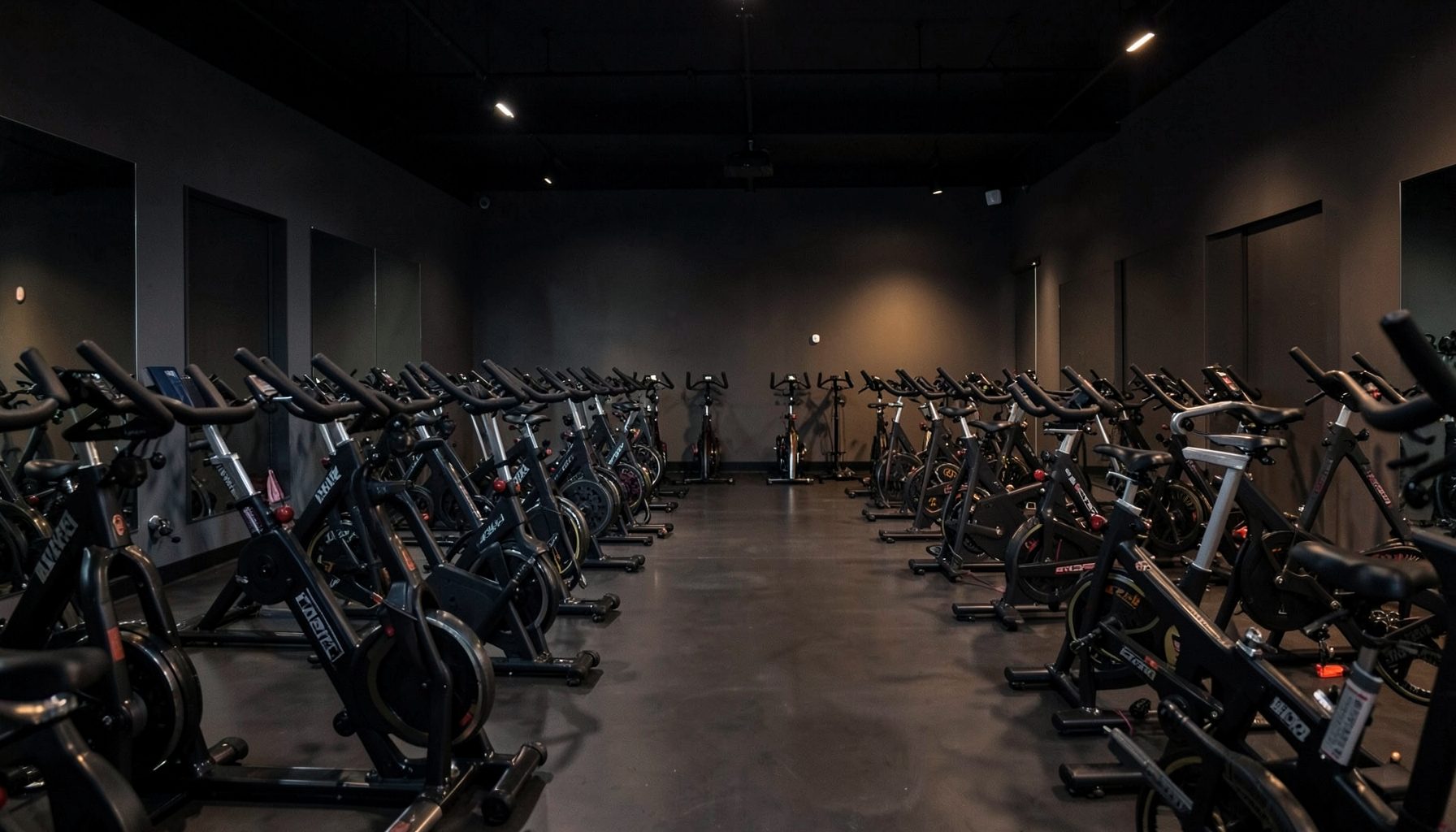
A good instructor will cue arm position as part of the whole-body movement, not treat it as an afterthought. Studio riders should hear reminders to relax the shoulders, soften the elbows and shift their hands with purpose. The Factory D1 Indy’s cycle and spin classes provide a structured setting for developing that awareness, even though Australian riders may be following a different weekly schedule and climate.
Cross-training can help as well. Recreational athletes who divide their time between cycling, basketball and gym work need to manage shoulder fatigue across the week. Competitive team sport creates its own demands through contact, passing and repeated overhead movement. Adult players can explore the adult basketball league benefits while keeping spin intensity appropriate around games.
For riders in Australia, the best routine may involve an indoor class during a hot summer afternoon, an early-morning outdoor session or a casual weekend ride with friends. Adjusting arm positions to terrain, temperature and duration makes training more sustainable than copying the posture used for a five-minute maximal effort.
Arm placement is a small technical choice with a large effect over time. Practise a light neutral grip, use forward and wide positions briefly, and treat shoulder relaxation as part of your pacing strategy. Book a coached spin session, discuss your bike setup with an instructor and build long-ride comfort one controlled effort at a time.
Inside The Factory
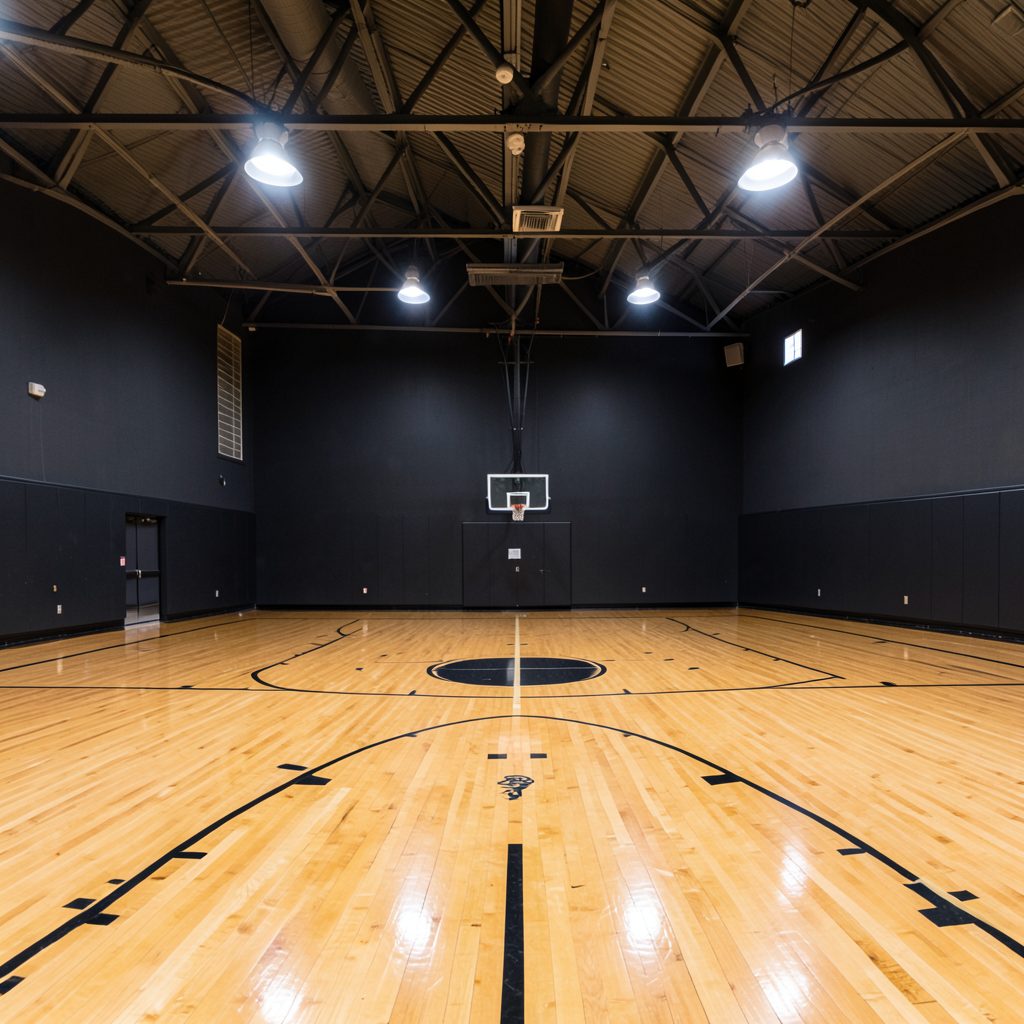

Three Entities, One Roof
Leagues
Eight league divisions span every age group: Indy Pro AM, 18+ Open Men's, 30+ Men's, Bite Size (ages 3–6), Impact League, 5th/6th Grade, Middle School, and High School. Gather your team and compete.
Training
Individual and group basketball training for all skill levels. Major M.O.V.E.S. Basketball Training serves ages 4–7 on Wednesday and Thursday evenings at 6:30 PM — $30 per session or $100 unlimited monthly.
Wellness & Recovery
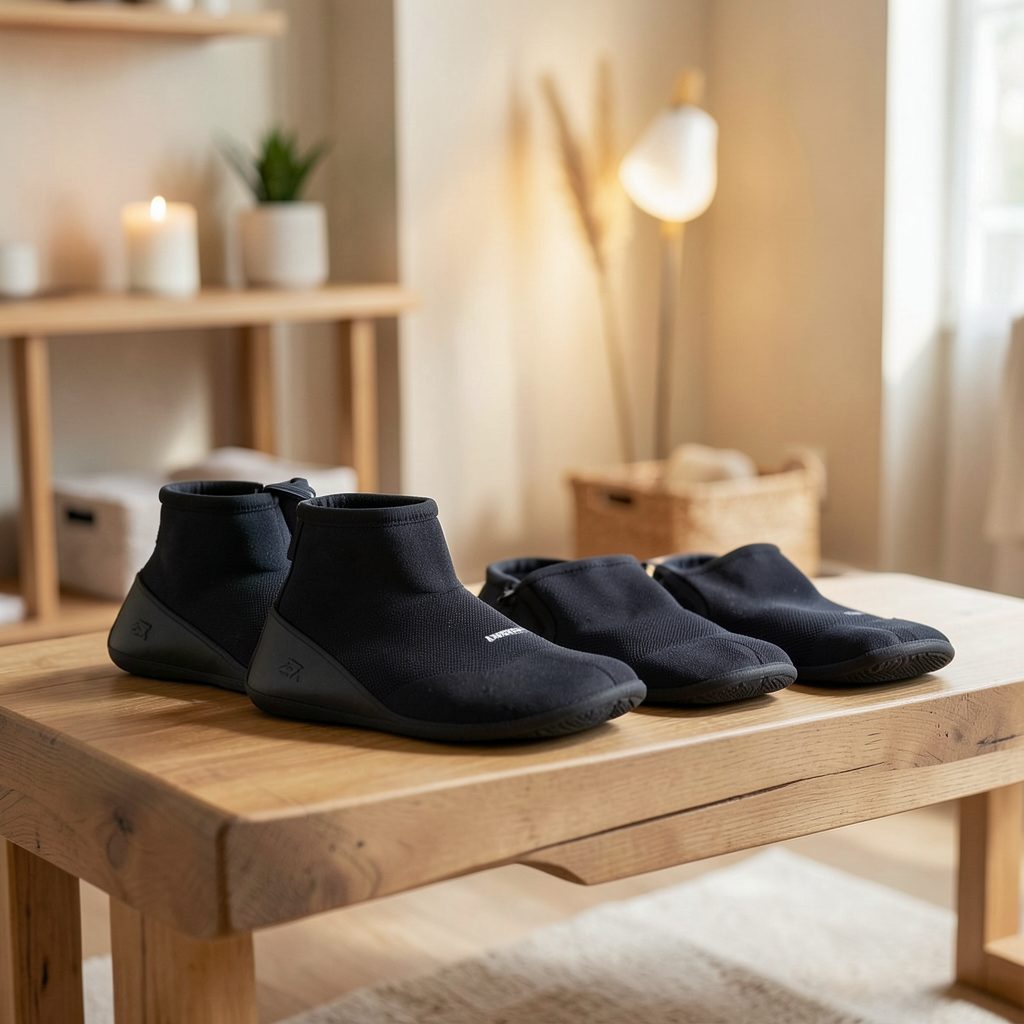
Normatec boot recovery and cryotherapy treatments help athletes bounce back faster. Cycle and spin classes add a cardio dimension to the holistic performance approach.
Have a Question?