Train. Compete. Recover.
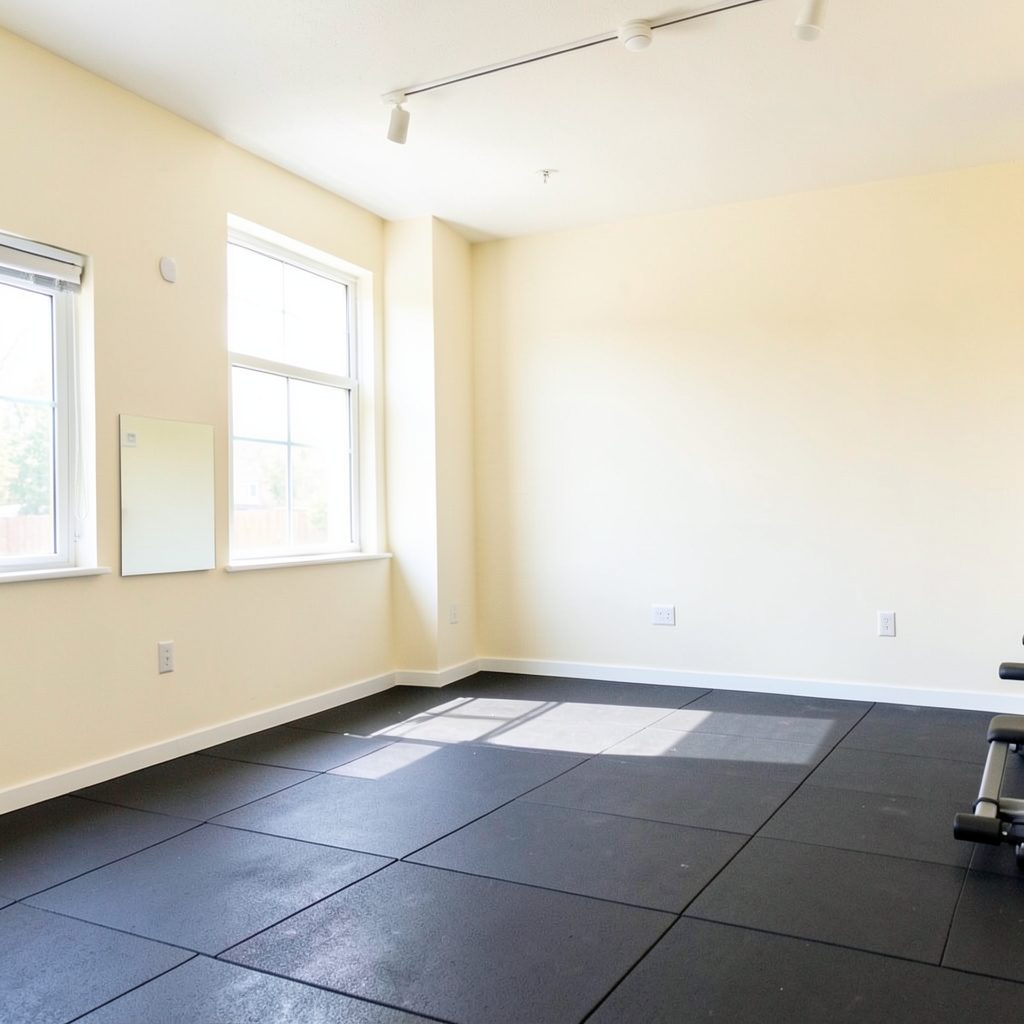
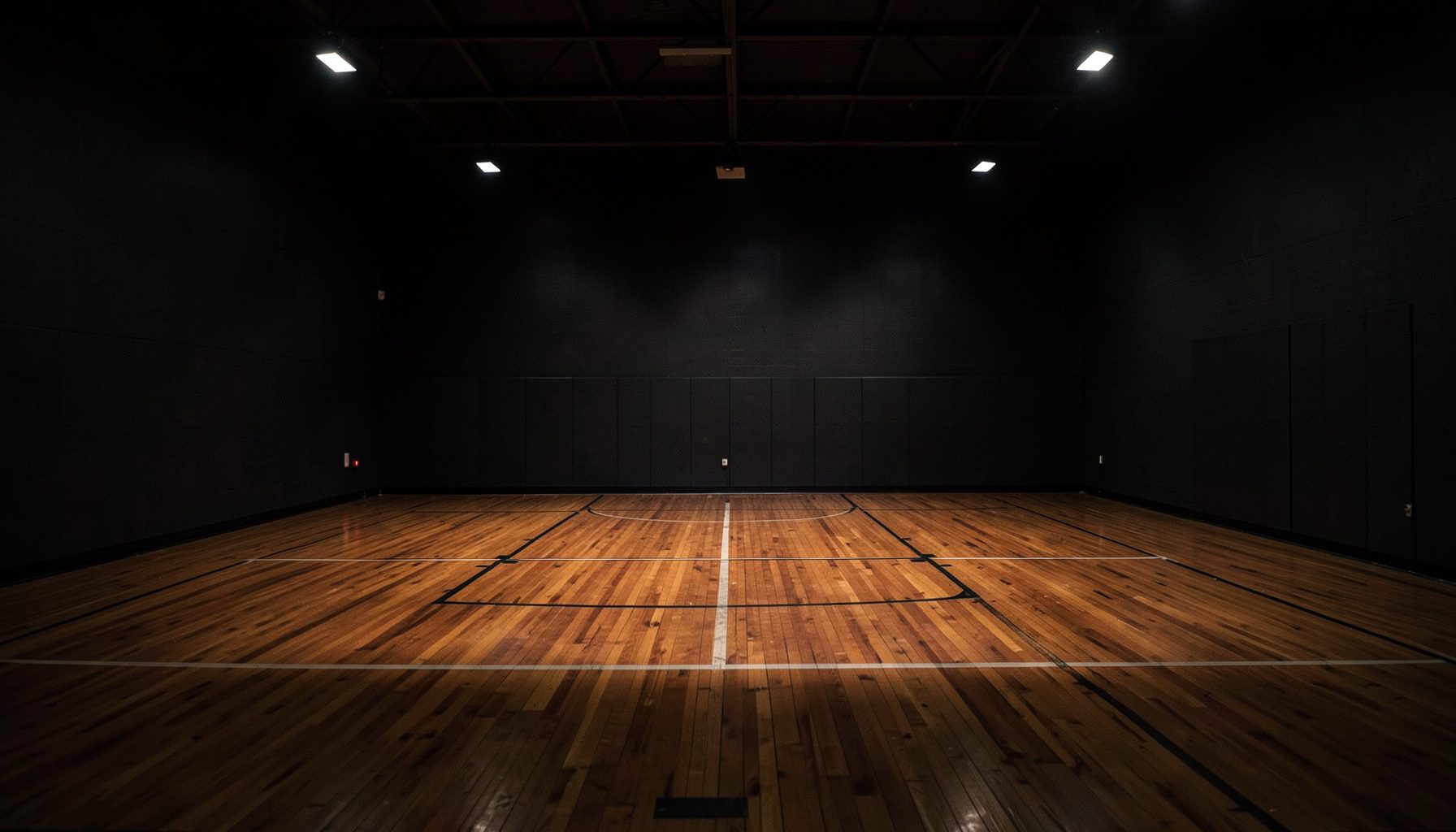
A multi-purpose athletic facility in Speedway, Indiana — basketball leagues, skill training, and wellness services all under one roof.
The Factory D1 Indy brings together three entities under one roof: competitive basketball leagues for all age groups, individual and group training, and wellness & recovery services including Normatec boot recovery and cryotherapy. Located off I-465 and High School Road at 6331 Crawfordsville Road, Speedway, Indiana 46224.
Get In TouchHow cadence drills sharpen basketball transition speed
Basketball transition speed is shaped by what happens in the first few steps after a turnover, defensive rebound or long outlet pass. Players must recognise the change of possession, accelerate into space, maintain balance and still make a controlled decision at the rim or perimeter.
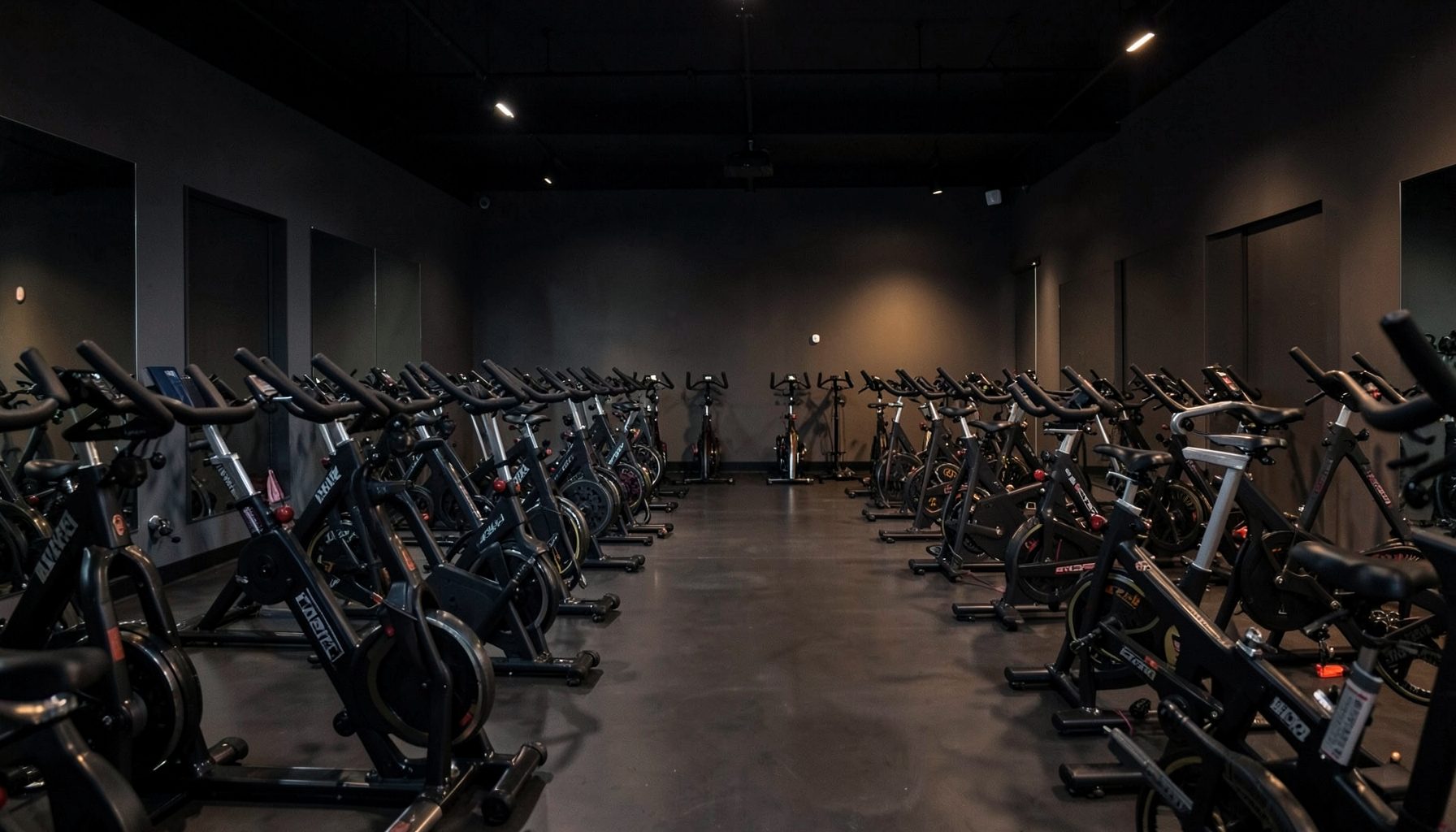
Spin training can support those demands because cadence work teaches the legs to change rhythm quickly. A controlled pedal rate develops repeatable force, while short bursts and recoveries resemble the stop-start pattern of a fast break. The bike cannot replace court sprinting, but it can build an efficient conditioning base for repeated transitions.
At The Factory D1 Indy in Speedway, Indiana, basketball training sits alongside spin classes and recovery services. That combination creates a useful model for athletes who need skills, competitive play, conditioning and restoration in the same weekly routine.
For Australian players, the principles transfer easily to basketball environments in Sydney, Melbourne, Brisbane, Perth and regional centres. Indoor cycling is especially practical during very hot afternoons, wet winter sessions or busy school and work schedules, when outdoor running is less convenient.
| Training method | Main adaptation | Basketball transition benefit | Best use |
|---|---|---|---|
| Steady spin cadence | Aerobic control and leg efficiency | Supports repeated full-court efforts | Warm-up or base conditioning |
| Short cadence surges | Rapid leg turnover | Improves first-step urgency | Transition intervals |
| High-resistance climbs | Force production | Helps drive through contact | Strength-focused blocks |
| Sprint-and-recover sets | Repeated acceleration | Mimics turnover-to-recovery patterns | Pre-season or competition conditioning |
| Mobility and compression recovery | Reduced post-session stiffness | Helps maintain quality across sessions | After hard training or games |
Why cadence matters in a fast break
Cadence describes how quickly the pedals turn, usually measured in revolutions per minute. A higher cadence with moderate resistance encourages quick, coordinated leg movement. A lower cadence against heavier resistance demands greater force. Basketball requires both qualities because a player may move from a rapid sprint into a powerful stop, cut or drive within seconds.
During a transition, the nervous system must recruit the legs rapidly without wasting movement. Cadence intervals give athletes a controlled way to practise that change in rhythm. For example, a rider might settle at 80–90 revolutions per minute before lifting to 105–115 for 10 seconds. The goal is not simply to pedal harder; it is to increase speed while keeping the upper body relaxed and the stroke smooth.
That control has a direct court connection. A player who can increase leg turnover without becoming tense may accelerate more efficiently, arrive under control and complete a pass or lay-up at speed. The drill also reinforces pacing, helping athletes avoid exhausting themselves during the first burst of a long game.
The conditioning link between bike and court
Basketball transitions are repeated high-intensity efforts rather than one isolated sprint. A guard may sprint up the floor, slow down to read a defender, cut again and then retreat when possession changes. Spin intervals can reproduce this fluctuating demand with work periods, brief recoveries and occasional resistance changes.
A practical set could include six rounds of 15 seconds at a fast cadence, followed by 45 seconds of easy spinning. After two or three minutes, the athlete can repeat the block with slightly more resistance. This develops the ability to recover while still moving, an important quality late in a quarter when legs feel heavy.
The bike also allows athletes to accumulate conditioning with less impact than repeated running. That may be useful for a player returning from a minor lower-limb issue, although medical or physiotherapy advice should guide any modified programme. Normatec compression and cryotherapy services can complement recovery planning, but neither replaces sleep, hydration, adequate food or proper rehabilitation.
Drills that mirror transition demands
A cadence ladder is a straightforward option. Begin at 85 RPM for one minute, increase to 95 for 30 seconds, then reach 105–110 for 15 seconds before returning to an easy pace. Repeat the sequence four to six times. The gradual build teaches athletes to change speed without an abrupt loss of posture or control.
Another useful drill is the turnover reaction set. Ride easily for 30 seconds, then respond to a coach’s signal with a 10-second cadence surge. The signal can represent a steal, defensive rebound or outlet pass. After the surge, return to a relaxed pace rather than stopping completely. This makes the conditioning session more cognitively relevant because the athlete practises reacting instead of simply following a predictable timer.
Resistance changes can add a strength element. Use 20 seconds of heavier climbing, followed by 10 seconds of fast, light spinning. The contrast encourages players to shift from forceful pushing to quick leg turnover, similar to driving through contact before sprinting into open court. Coaches should prioritise smooth technique and safe bike setup over maximum resistance.
Turning indoor fitness into court speed
Spin cadence work needs a basketball bridge. After a bike interval, add a short court sequence such as a 10-metre acceleration, controlled deceleration, lateral shuffle and finish at the basket. Keep the volume modest at first so the player can transfer the feeling of quick legs into useful movement rather than practising fatigue and poor mechanics.
The most valuable court cues are simple: lean slightly from the ankles, push the floor away, keep the first steps purposeful and lift the eyes early. Players should also practise the decision that follows the sprint. A transition drill might finish with a choice between a lay-up, a kick-out pass or a stop behind the arc.
This is where competitive training differs from casual pickup basketball. Organised leagues provide scheduled games, officiating and a consistent standard of play, which makes it easier to assess whether conditioning improvements appear under pressure. Players interested in that structure can review the adult league format when considering their next competition environment.
Building a weekly training rhythm
Most players need one or two focused conditioning sessions each week rather than hard intervals every day. A developing athlete might complete a moderate spin class early in the week, attend basketball skills training later, then reserve high-intensity transition work for a day when the legs are fresh. Adult players balancing office hours, commuting and family commitments may prefer a short cycle session before work or after the school run.
A useful weekly pattern includes one cadence session, two basketball practices and at least one low-intensity recovery day. Strength training can sit between those sessions if volume is managed carefully. Hard court sprints, heavy lower-body lifting and maximal bike intervals should not all be placed back-to-back.
Australian athletes often plan around school terms, weekend club fixtures and long travel distances. A player in Melbourne may use indoor cycling during a cold, wet evening, while someone in Brisbane may avoid outdoor conditioning during the hottest part of the day. The goal is consistency: a repeatable session that supports court performance without undermining the next practice.
Adjusting the approach for Australian players
Equipment and class formats vary across the Australian fitness market. Some studios emphasise rhythm and music, while performance-focused facilities use heart-rate data, power output or coach-led intervals. Basketball players should choose sessions where the instructor can explain resistance, cadence and recovery rather than treating every class as an all-out race.
Hydration also deserves attention in Australian conditions. Training in summer heat, particularly in Perth, Adelaide or Brisbane, can increase fluid losses before an athlete notices thirst. Arriving hydrated, replacing fluids after training and avoiding heavy intervals when unwell are practical safeguards. Indoor venues should still have clear emergency procedures, ventilation and suitable temperature control.
When young athletes train in Australia, clubs and providers should follow the relevant state or territory Working with Children Check requirements and child-safety policies. Parents can look for qualified coaches, clear supervision arrangements and transparent communication about training loads. These safeguards matter just as much as the quality of the workout.
Tracking progress beyond the scoreboard
Cadence training should be measured through useful basketball outcomes. Track how quickly a player reaches the far end of the court, how well they decelerate, whether their passing accuracy holds after a sprint and how often they recover into defensive position. A faster pedal rate is helpful only when it improves these actions.
Heart-rate recovery can provide another reference point. After a hard interval, note how the heart rate changes during the first minute of easy spinning. Over several weeks, a quicker recovery at the same workload may indicate improved conditioning. Power, resistance and perceived exertion can be recorded as well, especially when the bike provides performance data.
Keep a simple training log with the session type, cadence range, interval duration, fatigue level and next-day soreness. If transition drills become sharper while soreness remains manageable, the programme is probably well balanced. If sprint mechanics deteriorate or fatigue lasts several days, reduce the volume before increasing intensity.
Regular competition gives those measurements meaning. Players can check available divisions and upcoming opportunities through league registration, then use game footage and coach feedback to see whether faster recovery and stronger first steps are appearing in real possessions.
Add a short cadence session to your basketball week, pair it with controlled court accelerations and record the results over four weeks. Athletes training at The Factory D1 Indy can combine cycle conditioning with basketball development and recovery services to build a more complete performance routine.
Inside The Factory
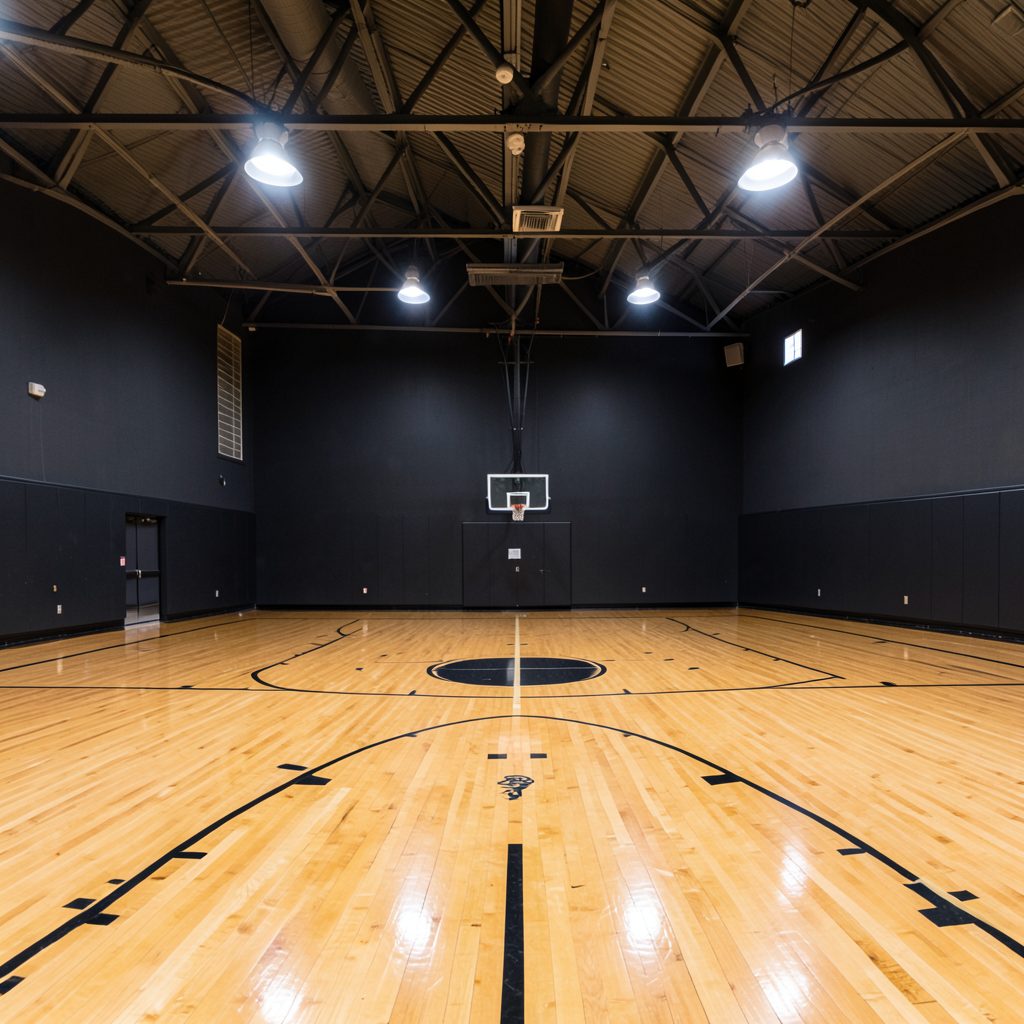

Three Entities, One Roof
Leagues
Eight league divisions span every age group: Indy Pro AM, 18+ Open Men's, 30+ Men's, Bite Size (ages 3–6), Impact League, 5th/6th Grade, Middle School, and High School. Gather your team and compete.
Training
Individual and group basketball training for all skill levels. Major M.O.V.E.S. Basketball Training serves ages 4–7 on Wednesday and Thursday evenings at 6:30 PM — $30 per session or $100 unlimited monthly.
Wellness & Recovery
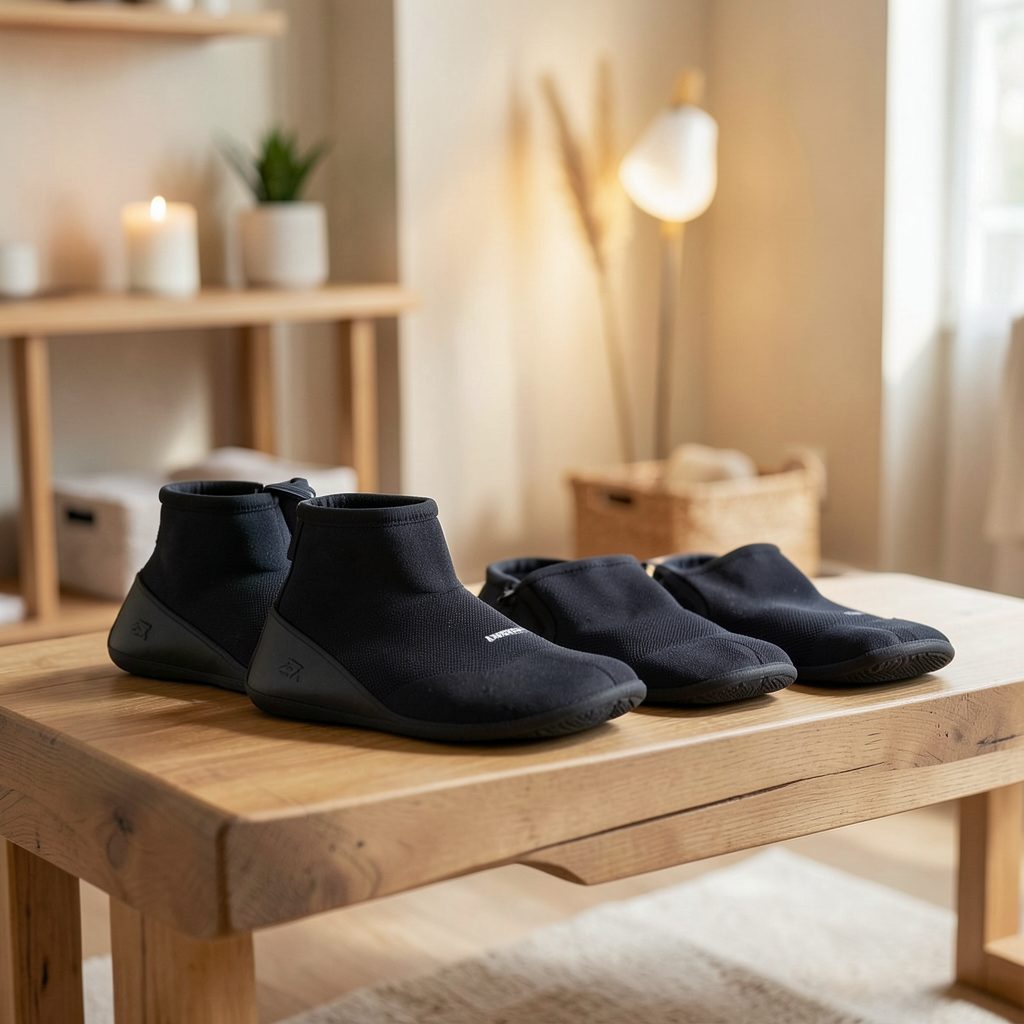
Normatec boot recovery and cryotherapy treatments help athletes bounce back faster. Cycle and spin classes add a cardio dimension to the holistic performance approach.
Have a Question?