Train. Compete. Recover.
A multi-purpose athletic facility in Speedway, Indiana — basketball leagues, skill training, and wellness services all under one roof.
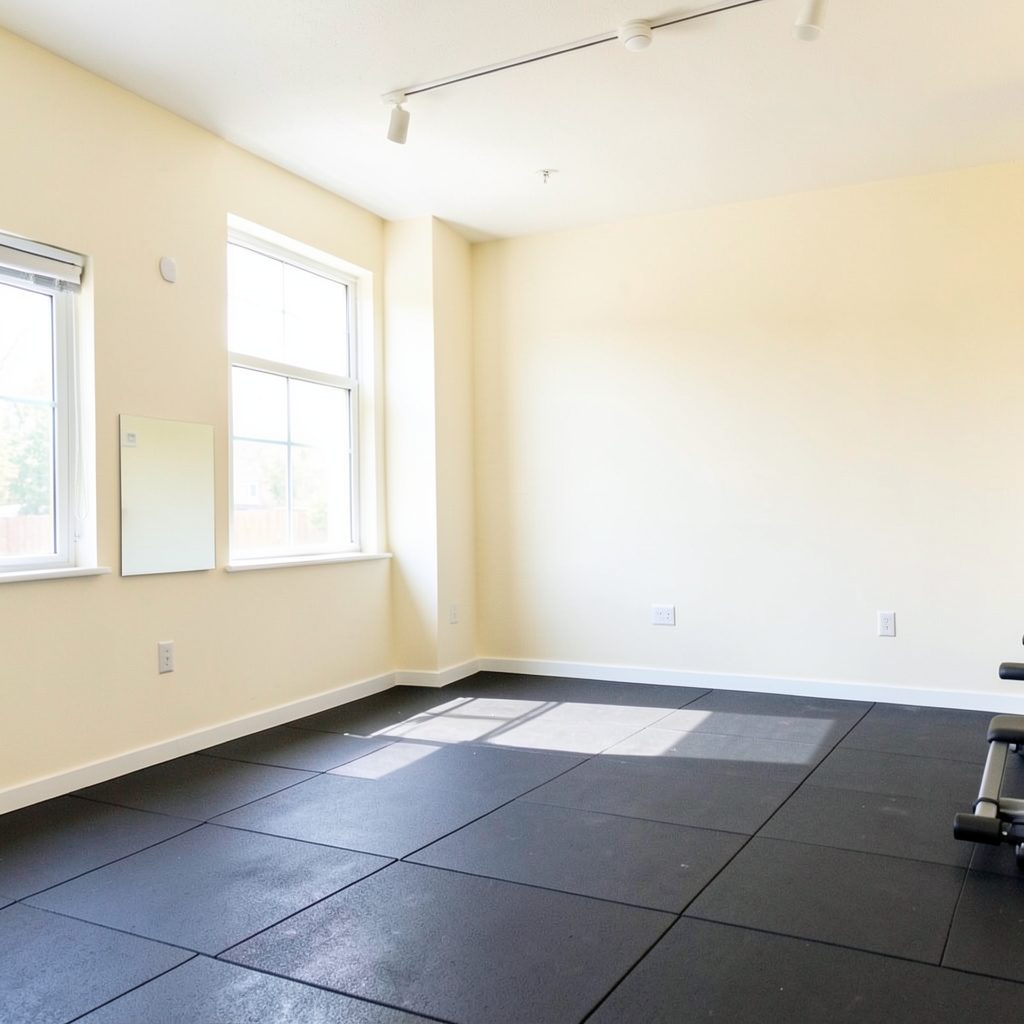
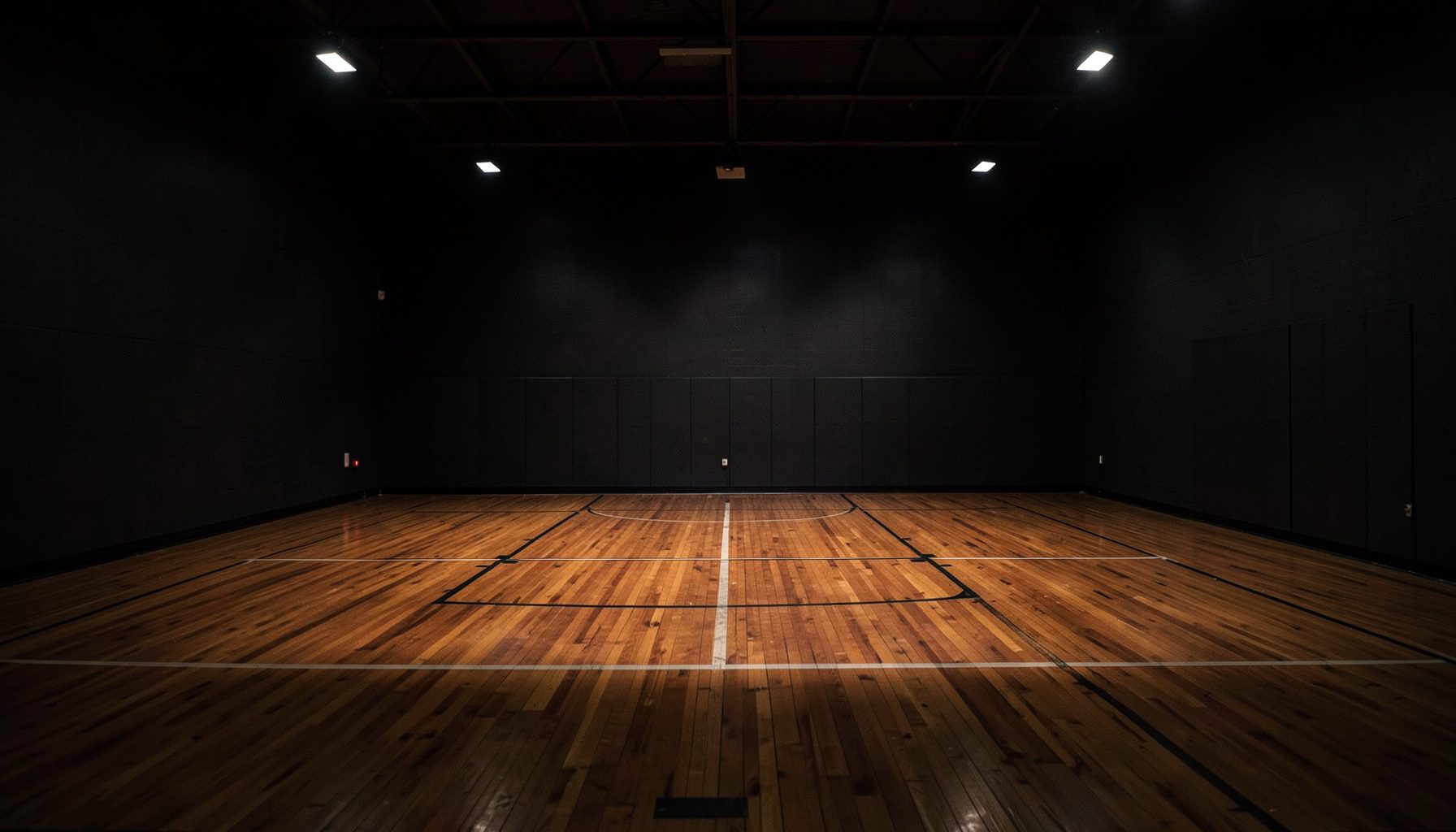
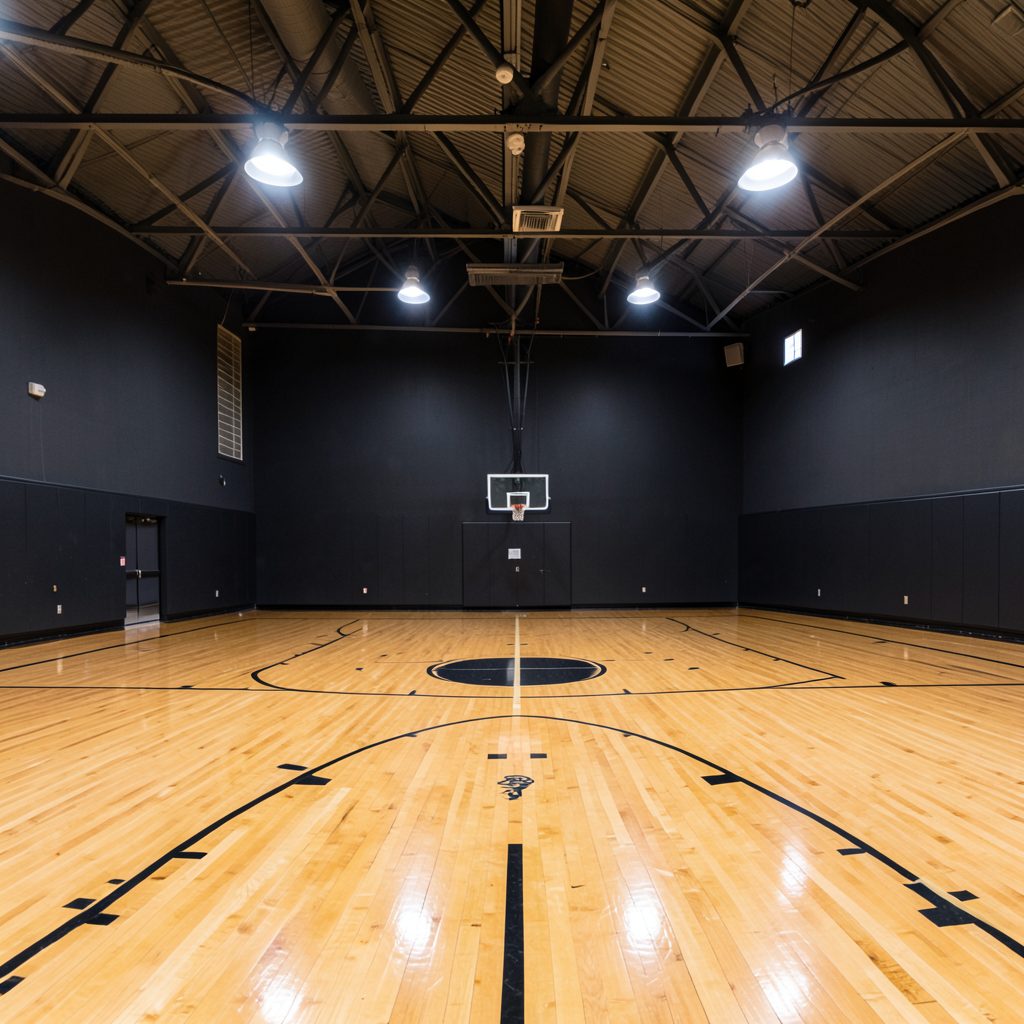
The Factory D1 Indy brings together three entities under one roof: competitive basketball leagues for all age groups, individual and group training, and wellness & recovery services including Normatec boot recovery and cryotherapy. Located off I-465 and High School Road at 6331 Crawfordsville Road, Speedway, Indiana 46224.
Get In TouchHow Spin Class Builds Leg Drive for Basketball Players
Basketball success at every level often comes down to a player's ability to rise above defenders. Whether you are chasing rebounds, finishing through contact at the rim, or blocking a shot at the peak of its arc, vertical jump is one of the most coveted athletic traits in the sport. Players spend countless hours in the weight room chasing that extra centimetre of lift, but the most overlooked training tool for explosive legs might already be parked in your local gym.
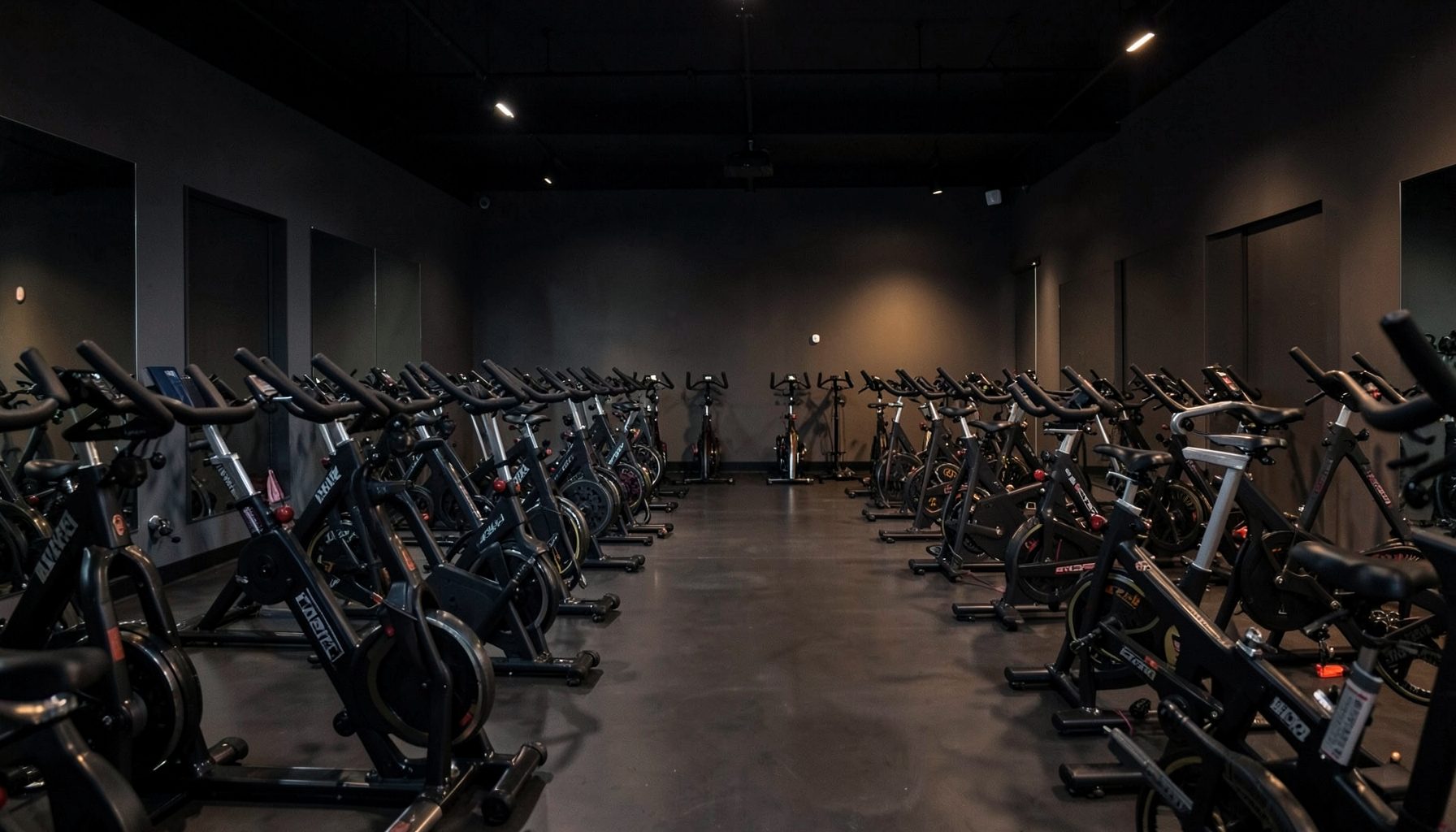
Spin class has built a reputation as a cardio staple for endurance sports and general fitness, but it offers something far more specific to basketball athletes. The seated, high-cadence pedalling motion builds the exact muscle groups responsible for launching a player off the hardwood, while keeping the joints safe from the pounding of repeated jumps. Across Australia's thriving hoops scene, from suburban Brisbane stadiums to inner-Sydney training centres, athletes are quietly adding indoor cycling to their weekly routines.
The connection between saddle time and slam dunks is not as strange as it sounds. Lower-body power output, single-leg strength endurance, and the ability to sustain repeated bursts of effort all transfer directly from the bike to the court. Understanding how a spin session actually reshapes the muscles used in jumping can completely change how a basketball off-season is structured.
The Anatomy of Leg Drive
When a basketball player explodes upward, the movement starts in the glutes and travels through the hamstrings, quadriceps, calves, and the often-underestimated posterior chain. The triple extension of the hip, knee, and ankle is what creates that sharp, vertical launch. Building each of these components requires both strength and the ability to recruit them in milliseconds. A heavy back squat will develop raw force, but explosive power on the court depends on how quickly that force can be expressed.
Spin class targets these same muscles in a very different way. Each pedal stroke demands a press through the heel and forefoot, with the glutes driving the hips forward at the bottom of the stroke. Over a 45-minute class, a rider completes thousands of these single-leg contractions, training the neuromuscular system to fire efficiently under fatigue. That repetition is exactly what a basketball player needs when attacking the basket for the fourth or fifth time in a possession.
The lower-impact nature of cycling also means the muscles can be trained with high volume without the wear and tear of box jumps or depth drops. For a teenager in a representative program logging twenty hours a week on court, that is a meaningful distinction. The legs accumulate force capacity without absorbing the constant landing stress that eventually leads to patellar tendinopathy or shin splints.
Why Cycling Complements High-Impact Court Drills
Basketball training is brutal on the lower body. Practices include plyometrics, scrimmage jumping, defensive slides, and constant changes of direction. Adding more impact work to an already-stressed body rarely produces faster results; it more often produces sore knees and missed sessions. The recovery-aware athlete in 2025 looks for ways to build the same muscle groups through safer channels.
Indoor cycling fills that gap perfectly. A spin rider generates significant lower-body torque while the joints remain in a stable, controlled plane of motion. There are no eccentric landings, no sudden decelerations, and far less risk of rolling an ankle on a contested rebound. The cardiovascular demand of a well-structured spin class rivals a steady-state tempo run, which means a basketball player gets the aerobic and anaerobic stimulus their sport demands without any new impact forces.
Australian physiologists working with NBL and WNBL talent have long observed that off-court conditioning needs to respect the on-court load. Sessions like the wellness and recovery services work hand in hand with the kind of low-impact conditioning indoor cycling provides. The pairing keeps athletes fresher for the moments that actually decide games.
Programming Spin Sessions for Basketball Goals
Not every spin class will transfer equally to jumping performance. The key variable is resistance. A recovery ride with light tension primarily flushes the legs and improves circulation, which is valuable but will not build power. To target leg drive, a basketball player should treat their indoor cycling sessions like an interval workout on the bike. Heavy climbs with low cadence build strength endurance in the glutes and quads, while out-of-the-saddle sprints train the fast-twitch fibres responsible for that first explosive step.
A practical weekly structure for a serious player might include two short, high-intensity rides during the competitive season and three longer endurance rides in the pre-season. The shorter sessions should include five to eight hard efforts of thirty to sixty seconds, separated by equal rest. The longer rides should push the rider into a sustained heavy gear for ten to fifteen minutes at a time, simulating the muscular endurance required for a long tournament weekend. Mixing both styles throughout the week keeps the legs adaptable.
Coaches around Brisbane and the Gold Coast have begun folding these rides into the early-morning window before an afternoon court session. A focused 30-minute spin before practice primes the nervous system, warms up the hip flexors, and seems to sharpen reactive agility drills taken straight from the bike to the gym floor.
Australian Hoops and the Indoor Cycling Boom
Basketball has quietly become one of Australia's fastest-growing participation sports, with junior registrations climbing year after year in cities like Melbourne, Adelaide, and Perth. The National Basketball League draws crowds that regularly fill arenas in Melbourne and Sydney, while the WNBL continues to develop world-class athletes who go on to compete in the American WNBA. With this growth has come a more professionalised off-court culture, particularly among teenage players chasing scholarship opportunities in the United States.
That professionalisation has made Australian athletes more receptive to unconventional cross-training methods. Indoor cycling studios have multiplied across Sydney's inner west, Melbourne's CBD, and Brisbane's Fortitude Valley, and a growing share of their clientele are court athletes. The boutique studio model, where riders pay for coaching rather than simply hopping on a stationary bike, mirrors the way serious basketball players seek out specialised skill coaches rather than general gym programs.
Even smaller cities like Hobart and Cairns now host dedicated cycling studios that cater to performance-minded riders. For a player in regional Tasmania travelling an hour to the nearest training venue, the local spin studio becomes a sensible off-day conditioning option. The cultural fit is stronger than it first appears. Australians already understand the value of varied, year-round physical activity, whether that is a morning surf, an afternoon park run, or an evening ride.
Pairing Conditioning With Smart Recovery
A spin session does more than build the legs. The increased blood flow during and after a ride helps the body clear metabolic waste from hard court sessions. Riders commonly describe their legs feeling lighter and more responsive in the twenty-four hours after a moderate spin class, which translates well to a heavy practice day. For athletes monitoring every detail of their readiness, that subjective feel often matches the objective data.
Modern recovery suites pair indoor cycling with complementary therapies that target the same muscular system. Compression boots, infrared sessions, and contrast bathing all help the legs recover between high-output sessions. Integrating these modalities with a smart spin plan creates a training week that builds power while protecting the joints, something every basketball player who has battled jumper's knee can appreciate.
Pairing the bike with mobility work, breath training, and dedicated recovery days produces a more complete athlete than any single method alone. Studios like dstudio yoga have built their reputation on exactly that philosophy, offering athletes a space where the body can reset between training blocks. The smartest basketball players treat recovery as a discipline in its own right, not a reward for hard work.
Building a Long-Term Routine That Lasts
Leg drive is built over months, not weeks. The athletes who add real vertical to their jumps are the ones who commit to a layered approach, blending strength training, plyometrics, sprint work, and lower-impact conditioning such as spin. Cycling sits within that framework as the tool that builds muscular endurance and protects the joints during long competitive stretches.
For Australian players, the practical question is how to fit spin into a schedule already crowded with team practice, individual skill sessions, and travel. The answer is usually short, intense rides scheduled around the most demanding court days rather than added on top of an already-stacked week. Thirty focused minutes on the bike beats ninety drifting minutes every time.
The end result is feeling faster off the floor and more durable across a long season. Spin class is not a magic trick, but used intentionally it builds the kind of leg strength that translates directly to the basketball court. Athletes who add it to their routine consistently report stronger finishes at the rim, more confident rebounding, and fresher legs deep into the second half of a tight game.
If you are serious about taking your vertical to the next level, The Factory D1 Indy offers the kind of integrated training environment where conditioning, recovery, and skill development work together. Book a court session, climb onto a spin bike, and feel the difference a complete approach makes. Your future self, soaring above the rim, will thank you.
Inside The Factory

Three Entities, One Roof
Leagues
Eight league divisions span every age group: Indy Pro AM, 18+ Open Men's, 30+ Men's, Bite Size (ages 3–6), Impact League, 5th/6th Grade, Middle School, and High School. Gather your team and compete.
Training
Individual and group basketball training for all skill levels. Major M.O.V.E.S. Basketball Training serves ages 4–7 on Wednesday and Thursday evenings at 6:30 PM — $30 per session or $100 unlimited monthly.
Wellness & Recovery
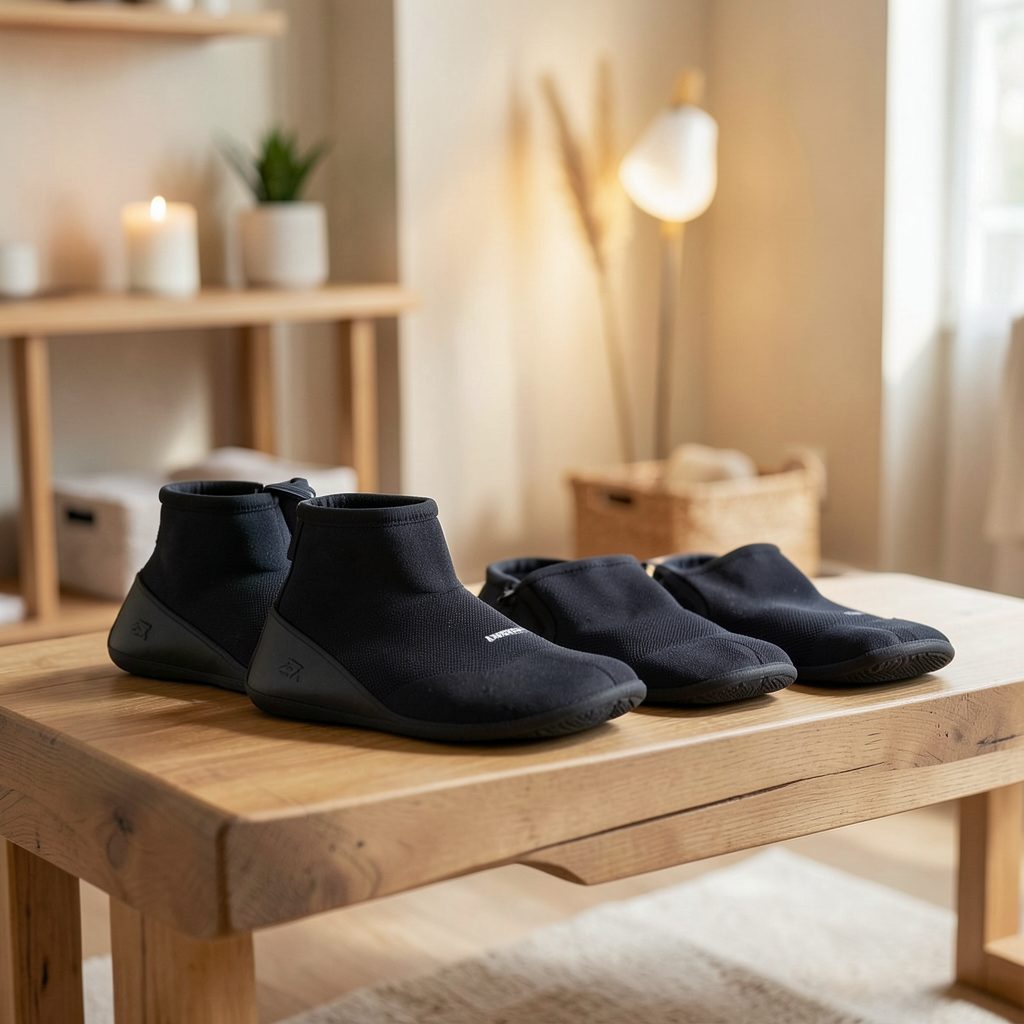
Normatec boot recovery and cryotherapy treatments help athletes bounce back faster. Cycle and spin classes add a cardio dimension to the holistic performance approach.
Have a Question?