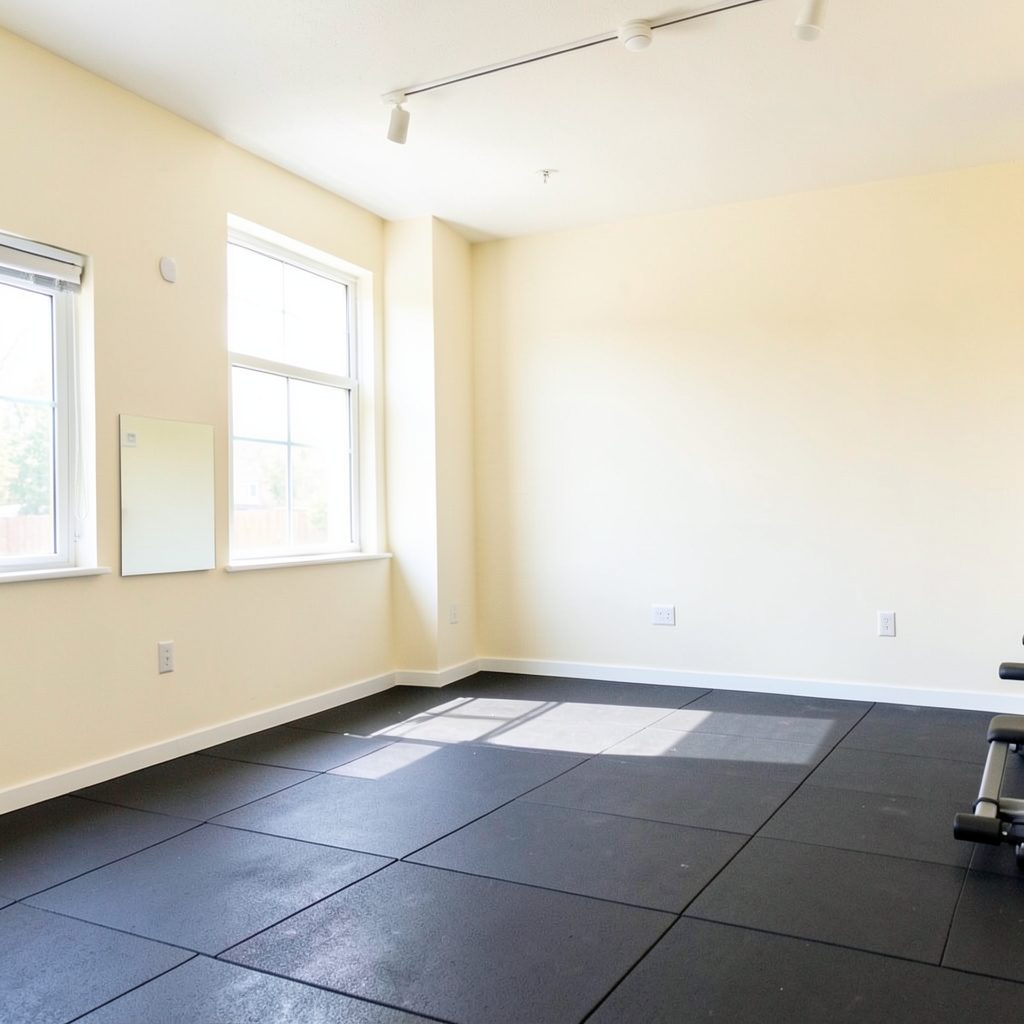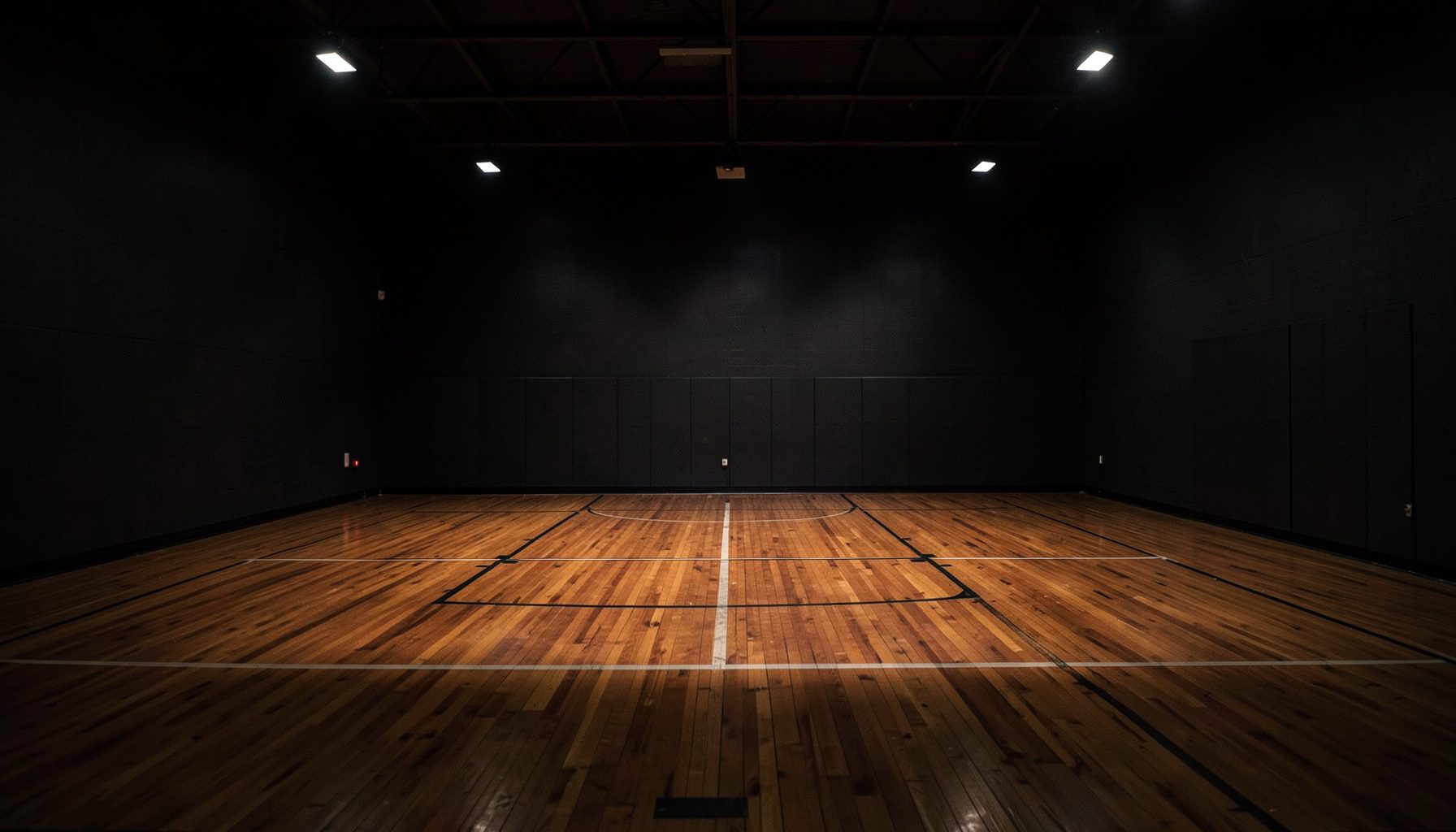
Train. Compete. Recover.
A multi-purpose athletic facility in Speedway, Indiana — basketball leagues, skill training, and wellness services all under one roof.
The Factory D1 Indy brings together three entities under one roof: competitive basketball leagues for all age groups, individual and group training, and wellness & recovery services including Normatec boot recovery and cryotherapy. Located off I-465 and High School Road at 6331 Crawfordsville Road, Speedway, Indiana 46224.
Get In TouchHow Spin Classes Build Better Basketball Conditioning
Basketball demands a broad conditioning base. Players need the endurance to stay active through a full game, the power to accelerate into a fast break, and the recovery capacity to repeat hard efforts after a short pause. A strong conditioning plan must support all three qualities without leaving the athlete too fatigued for skill development.
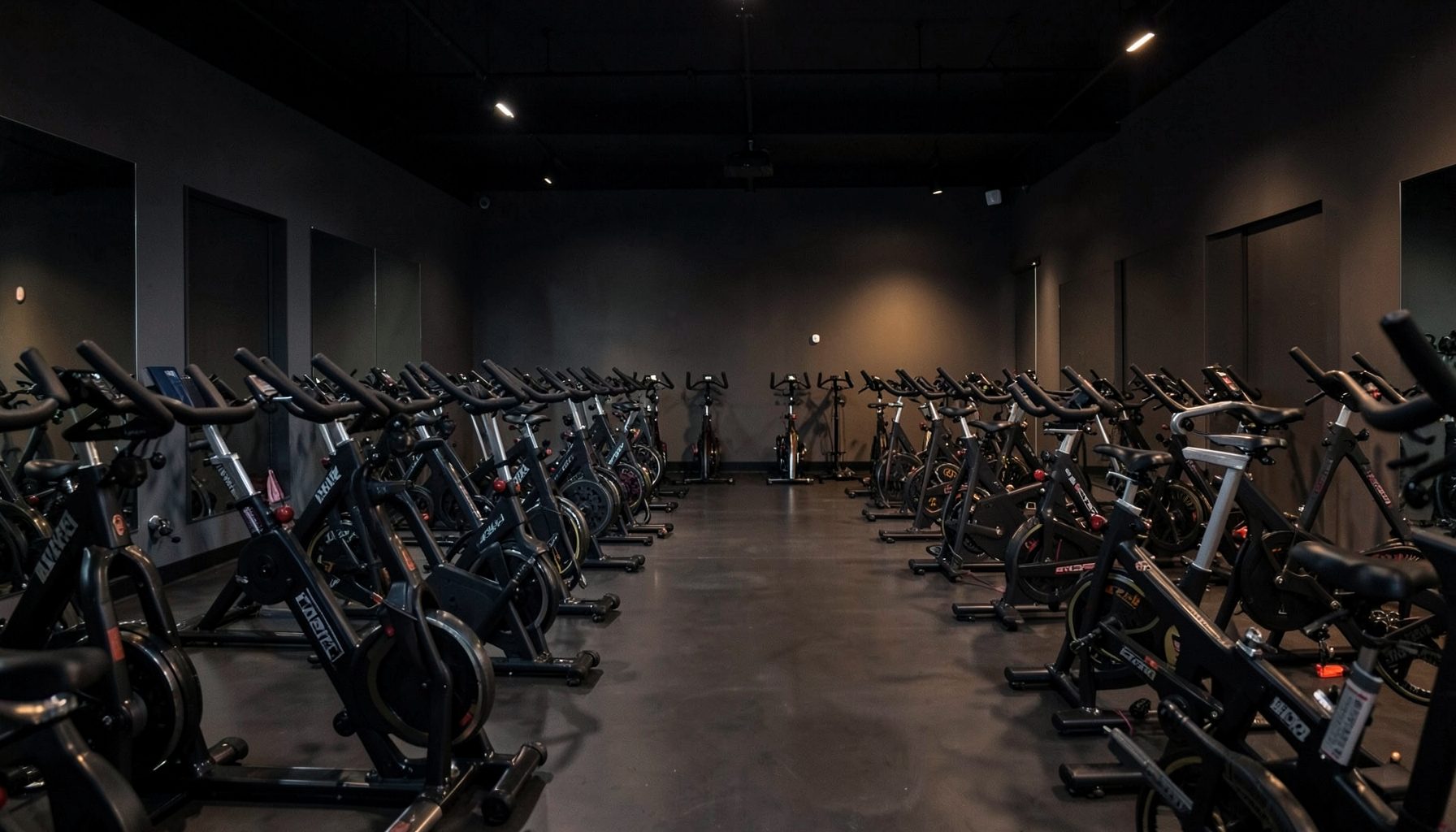
Spin classes provide a controlled way to develop cardiovascular fitness while reducing the impact placed on the joints. Indoor cycling allows athletes to adjust resistance, cadence, and effort level in real time, making it useful for beginners, experienced competitors, and players returning from a demanding training block.
The best results come when cycling complements court work rather than replacing it. Basketball practice still develops jumping, lateral movement, ball handling, and game awareness. Spin training fills in the energy-system work that helps athletes perform those skills with consistency from the opening whistle to the final possession.
Build A Strong Aerobic Foundation
A basketball player may sprint frequently, but much of the game is spent moving at lower intensities: jogging into position, cutting through half-court sets, walking during dead balls, and transitioning between plays. An efficient aerobic system helps the body produce energy during these less explosive moments and recover sooner after intense actions.
Spin classes are well suited to this type of development. A steady ride at a moderate resistance can elevate the heart rate for an extended period without the repeated landing forces associated with running. This supports cardiovascular endurance and improves the body’s ability to use oxygen efficiently, often described through measures such as aerobic capacity or VO2 max.
That foundation can make high-intensity practices more productive. When players recover more quickly between drills, they can maintain sharper footwork and better decision-making instead of letting fatigue distort their technique. The result is conditioning that supports performance rather than simply creating exhaustion.
Train Repeated Bursts With Controlled Intervals
Basketball conditioning is built around repeated bursts. A player may sprint for five seconds, backpedal, fight through contact, and then accelerate again after only a brief recovery. Spin instructors can recreate this rhythm with interval training that alternates hard efforts and lower-resistance recovery periods.
Standing climbs, short power pushes, and high-cadence intervals challenge the anaerobic system while keeping the workout measurable. Resistance can be increased for a strength-focused climb, while cadence can rise during a speed interval. This gives athletes several ways to train hard without turning every session into the same workout.
Interval cycling can also help athletes understand pacing. A session might include six to ten hard efforts with consistent recovery, teaching a player to produce quality output repeatedly rather than sprinting all-out once and fading. That control is valuable during games, when the ability to repeat strong actions matters more than one isolated effort.
| Training Focus | Spin Class Method | Basketball Benefit |
|---|---|---|
| Aerobic endurance | Sustained moderate cadence and resistance | Better movement quality late in games |
| Repeated sprint ability | Short high-effort intervals with active recovery | Faster recovery between possessions |
| Lower-body strength endurance | Seated and standing climbs | More resilient legs during defensive work |
| Speed and coordination | High-cadence bursts with smooth transitions | Improved rhythm during transitions |
| Conditioning during reduced impact | Controlled cycling volume | A way to train while limiting running stress |
Strengthen The Legs Without Excessive Impact
Cycling places consistent demand on the quadriceps, hamstrings, glutes, and calves. These muscles contribute to acceleration, defensive slides, jumping, and the ability to hold a strong stance. Although a bike cannot replace resistance training or court movement, it can improve muscular endurance in the lower body.
Resistance-based climbs are especially useful during periods when players need to build work capacity. The athlete must maintain force through each pedal stroke while controlling posture and breathing. Standing intervals add a greater demand on the hips and trunk, provided the rider keeps the movement stable instead of rocking from side to side.
The low-impact nature of cycling can be valuable for athletes managing a heavy practice schedule. It allows them to add conditioning without automatically adding more sprinting, cutting, and jumping volume. Coaches can use this option to maintain fitness during a deload week, during recovery from a tournament, or when an athlete needs variety in a conditioning program.
Connect Cycling Fitness To Court Performance
The transfer from spin class to basketball becomes strongest when the bike workout is paired with movement-specific training. Cycling builds the engine, but the court teaches the body how to apply that energy through lateral shuffles, closeouts, deceleration, and vertical force. A short skills session after a moderate ride can challenge players to execute while mildly fatigued.
This combination should be used thoughtfully. High-intensity cycling immediately before a demanding jumping or sprint session may reduce power and compromise mechanics. In contrast, a controlled ride can work well after technical practice, during a separate conditioning block, or on a day devoted to aerobic development.
Competitive athletes can also use cycling to support game preparation. Those participating in basketball leagues need enough conditioning to handle regular competition while continuing to develop skills. A spin session can provide additional energy-system work between games or practices without duplicating every demand of live play.
Adjust Intensity Across The Training Week
Not every spin class should feel like a maximum-effort test. Training intensity should match the player’s age, experience, current workload, and competitive calendar. Younger athletes may benefit from shorter intervals, technique-focused cadence work, and plenty of recovery. Adult players or advanced competitors may tolerate longer threshold efforts and more demanding resistance changes.
A simple effort scale can guide the session. Easy riding should allow comfortable conversation, moderate work should require focused breathing, and hard intervals should feel challenging while preserving control. Athletes should avoid chasing resistance so high that their knees, hips, or lower back lose proper alignment.
The weekly schedule matters as much as the individual class. A hard spin session belongs away from the most demanding basketball practice when possible. A lighter ride can fit after a recovery day or between court sessions, helping athletes increase training volume without stacking several high-impact workouts together.
Make Recovery Part Of The Conditioning Plan
Conditioning adaptations occur when the body has time to recover from training. Hydration, sleep, balanced meals, mobility work, and sensible scheduling all influence whether an athlete gains fitness or accumulates unnecessary fatigue. Players should monitor soreness and energy levels rather than treating every workout as a test of toughness.
Cycling can support active recovery when resistance remains light and cadence stays comfortable. Easy pedaling increases circulation without creating the same stress as another sprint session. Following harder training, athletes may also benefit from stretching the hip flexors, calves, hamstrings, and glutes, which can become tight during repeated cycling and basketball movement.
Recovery services can complement this approach when used appropriately. Compression therapy, cryotherapy, and other wellness options may fit into a broader plan that already includes sound nutrition and rest. They should support consistent training habits, not serve as a substitute for them.
Use These Recommendations In Practice
A practical basketball conditioning plan can include spin classes in several ways:
- Schedule one moderate aerobic ride each week to build endurance without excessive leg soreness.
- Use short cycling intervals during a conditioning block when the goal is repeated-effort capacity.
- Place hard spin sessions away from heavy lower-body strength training and intense jumping workouts.
- Pair easy cycling with mobility work on a recovery day.
- Adjust resistance and cadence to preserve smooth mechanics, especially for younger athletes and players returning from injury.
The most useful measure is how the athlete performs on the court. Track whether recovery between drills improves, whether defensive effort stays consistent late in practice, and whether legs feel prepared for games. Heart-rate data, perceived exertion, and class resistance can add useful detail, but practical basketball performance should remain the main reference point.
At The Factory D1 Indy, athletes can combine indoor cycling with basketball training, competitive play, and wellness services in one athletic environment. Build a conditioning schedule that matches your goals, attend a spin class with a clear purpose, and bring that improved energy and repeat-effort capacity back to the court.
Inside The Factory
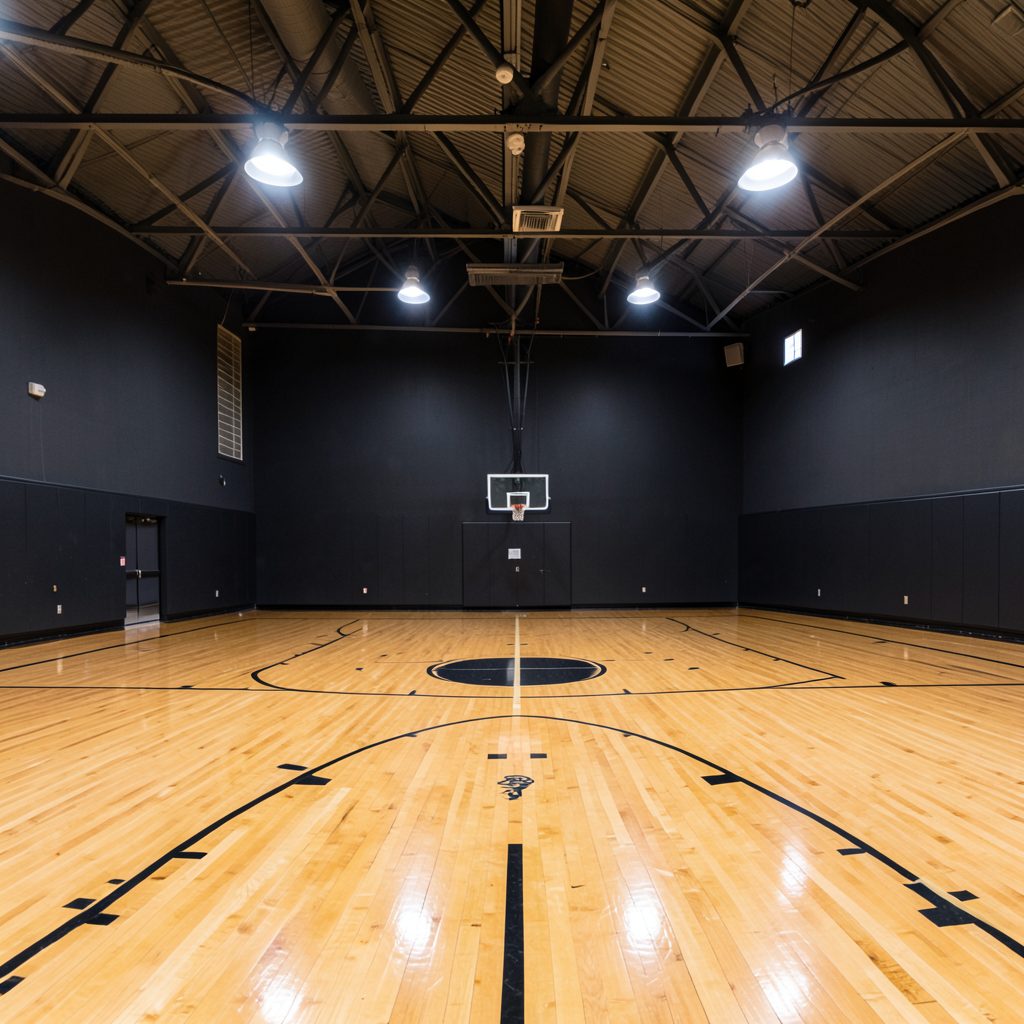

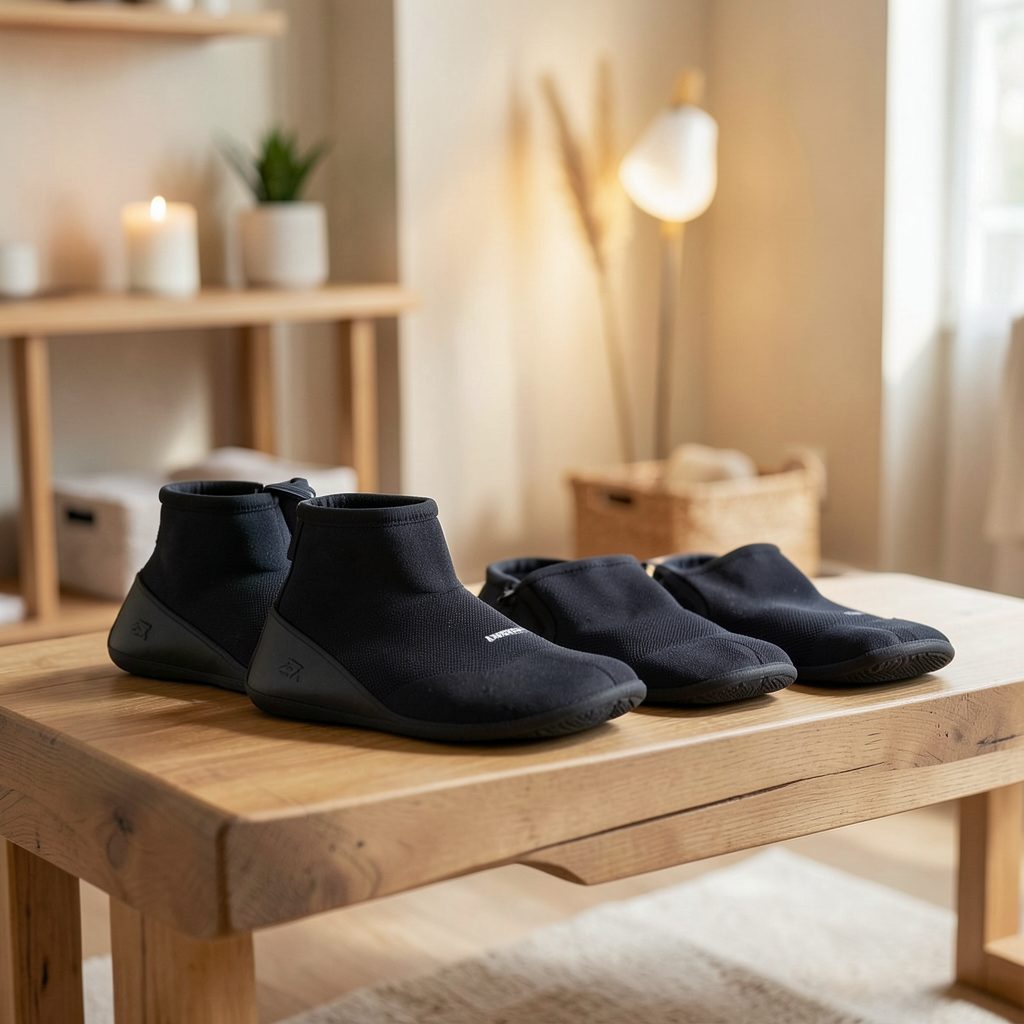
Three Entities, One Roof
Leagues
Eight league divisions span every age group: Indy Pro AM, 18+ Open Men's, 30+ Men's, Bite Size (ages 3–6), Impact League, 5th/6th Grade, Middle School, and High School. Gather your team and compete.
Training
Individual and group basketball training for all skill levels. Major M.O.V.E.S. Basketball Training serves ages 4–7 on Wednesday and Thursday evenings at 6:30 PM — $30 per session or $100 unlimited monthly.
Wellness & Recovery
Normatec boot recovery and cryotherapy treatments help athletes bounce back faster. Cycle and spin classes add a cardio dimension to the holistic performance approach.
Have a Question?