Train. Compete. Recover.
A multi-purpose athletic facility in Speedway, Indiana — basketball leagues, skill training, and wellness services all under one roof.
The Factory D1 Indy brings together three entities under one roof: competitive basketball leagues for all age groups, individual and group training, and wellness & recovery services including Normatec boot recovery and cryotherapy. Located off I-465 and High School Road at 6331 Crawfordsville Road, Speedway, Indiana 46224.
Get In TouchHow Spin Training Builds Mental Toughness for Competitive Athletes
Competitive sports demand more than speed, strength, and technical ability. Athletes must stay composed when their legs feel heavy, recover quickly from mistakes, and continue making smart decisions under pressure. Mental toughness is the ability to keep working with purpose when effort becomes uncomfortable or circumstances become unpredictable.
Spin classes provide a controlled environment for developing those qualities. The resistance can rise gradually, intervals can push an athlete beyond a comfortable pace, and every session requires attention to breathing, posture, rhythm, and effort. These demands create useful habits that transfer to basketball, soccer, football, track, and other competitive sports.
At a facility such as The Factory D1 Indy, cycling can complement court training and competitive leagues by strengthening conditioning while challenging an athlete’s mindset. The result is a broader training routine built around preparation, discipline, resilience, and recovery.
Learning To Stay Calm Under Physical Stress
A demanding cycling interval produces many of the sensations athletes experience late in competition: elevated heart rate, burning muscles, shortened breathing, and the urge to reduce effort. Spin training teaches participants to recognize those sensations without immediately reacting to them. Instead of treating discomfort as a warning to stop, athletes learn to assess it, control their breathing, and remain engaged with the task.
This skill is especially valuable in close games. A basketball player may need to defend after a long possession, sprint the floor in transition, or take a free throw while exhausted. Repeated exposure to controlled discomfort helps the athlete understand that fatigue can be managed. The body may be tired, yet focus and decision-making can continue.
Building Discipline Through Repeated Effort
Mental resilience is built through consistent actions rather than occasional heroic performances. Spin classes create a clear structure: warm up, follow resistance changes, complete intervals, and finish the session even when motivation fluctuates. Participants learn to honor the plan instead of relying on how energetic they feel on a particular day.
That consistency develops self-discipline. An athlete who regularly completes challenging rides becomes more comfortable with delayed rewards and routine effort. The same mindset supports early-morning practices, defensive drills, strength sessions, and skill repetitions. Training becomes a commitment rather than something dependent on mood.
Instructors can also help athletes practice process-based thinking. Instead of focusing only on the final number of miles or calories, riders can concentrate on holding cadence, maintaining form, or completing the next interval. Breaking a demanding session into manageable objectives makes difficult work feel more achievable.
Turning Setbacks Into Useful Feedback
A missed interval, a reduced resistance level, or a session that feels harder than expected does not have to damage confidence. Spin classes offer frequent opportunities to adjust without abandoning the workout. An athlete may lower resistance briefly, regain control, and return to the prescribed effort. This teaches adaptability while preserving accountability.
That response resembles the demands of competition. A turnover, missed shot, penalty, or poor start cannot be reversed, but the next play still requires attention. Athletes who practice resetting during conditioning are less likely to let one mistake determine the rest of their performance.
| Spin Class Experience | Mental Skill Developed | Competitive Transfer |
|---|---|---|
| Sustaining a difficult interval | Patience and emotional control | Staying composed during a long possession |
| Adjusting resistance without quitting | Adaptability and persistence | Responding to changing game conditions |
| Finishing a planned workout | Commitment and discipline | Completing practices and close contests |
| Following cadence and breathing cues | Present-moment focus | Executing technique under pressure |
| Recovering between efforts | Self-awareness and pacing | Managing energy across a full competition |
The value comes from viewing setbacks as information. An athlete can ask whether pacing, hydration, sleep, or preparation affected performance. That reflection encourages problem-solving instead of self-criticism, which supports long-term growth.
Strengthening Focus And Competitive Awareness
A spin session requires sustained attention. Riders must monitor resistance, cadence, posture, breathing, and instructor cues while managing their own perception of effort. When fatigue rises, it becomes easy to lose technique or mentally drift. Returning attention to the next instruction builds concentration that can carry into sport-specific situations.
For a basketball athlete, this may translate into noticing a screen while tired, communicating on defense, or recognizing when to slow the pace. For a runner, it may mean maintaining form through the final stretch. Mental toughness is closely connected to awareness because focused athletes can respond to what is happening instead of being controlled by frustration or fatigue.
Music, lighting, and group energy can add another dimension to the experience. Athletes learn to use external stimulation without becoming dependent on it. They can draw motivation from the room while still taking personal responsibility for effort. That balance supports confidence in both team and individual environments.
Using Group Energy Without Losing Personal Accountability
Training beside other people can make difficult work feel more manageable. A group creates shared momentum, and athletes often discover that they can sustain a higher level of effort when surrounded by committed participants. This social element reinforces belonging and gives hard sessions a competitive, motivating atmosphere.
Group exercise also provides a valuable lesson about individual standards. Everyone may follow the same class format, yet each person controls resistance, pace, and recovery. Athletes learn to compete against their own previous performance rather than comparing every result with someone else’s. That approach can reduce unproductive pressure while still encouraging progress.
The Factory D1 Indy reflects this broader training philosophy through its community-centered approach, bringing athletic development and fitness experiences together in one environment. For competitive athletes, that setting can make conditioning feel connected to a larger performance community rather than isolated from daily sport.
Connecting Conditioning With Recovery
Hard training only produces progress when the body has time and support to recover. Spin classes can improve cardiovascular fitness and mental endurance, but athletes should pair intense sessions with sleep, hydration, mobility work, and appropriate rest. Learning to recover well is itself a form of mental toughness because it requires patience and judgment.
Athletes should pay attention to signs that effort has exceeded useful training stress. Persistent soreness, declining performance, irritability, and poor sleep may signal the need for a lighter session. Choosing recovery is not a lack of ambition; it protects the consistency needed for long-term development.
Facilities that provide recovery options can help athletes make that part of training more intentional. Services such as wellness and recovery care may complement conditioning by supporting circulation, relaxation, and post-workout recovery. The specific approach should fit the athlete’s needs and be used alongside sound training habits rather than as a replacement for them.
Making Mental Training Part Of The Routine
To gain the greatest benefit, athletes should enter each spin session with a clear mental objective. One ride might emphasize staying calm during high resistance. Another could focus on completing every interval without negative self-talk. Defining the purpose before class makes the workout more than a general conditioning session.
A short reflection afterward can reinforce the lesson. Athletes might record how they handled discomfort, when concentration slipped, and what helped them reset. Over time, these notes reveal patterns and make mental progress easier to recognize.
Useful habits include:
- Set one process goal, such as controlled breathing or steady cadence.
- Use short performance cues like “stay tall,” “next interval,” or “smooth effort.”
- Practice returning to the plan after a missed target instead of quitting.
- Track recovery indicators alongside workout results.
- Transfer one lesson from class into the next practice or competition.
Spin training becomes especially powerful when coaches connect it to sport-specific demands. A coach might compare a final sprint to closing minutes in a game or frame recovery between intervals as preparation for repeated possessions. These connections help athletes see how indoor cycling supports their complete performance profile.
A strong athlete is built through repeated choices under pressure: continuing with control, responding to setbacks, and preparing intelligently for the next challenge. Spin classes offer a practical way to rehearse those choices while improving endurance and conditioning. Athletes ready to strengthen both their physical base and competitive mindset can explore cycling opportunities at The Factory D1 Indy and make focused effort part of their regular training routine.
Inside The Factory

Three Entities, One Roof
Leagues
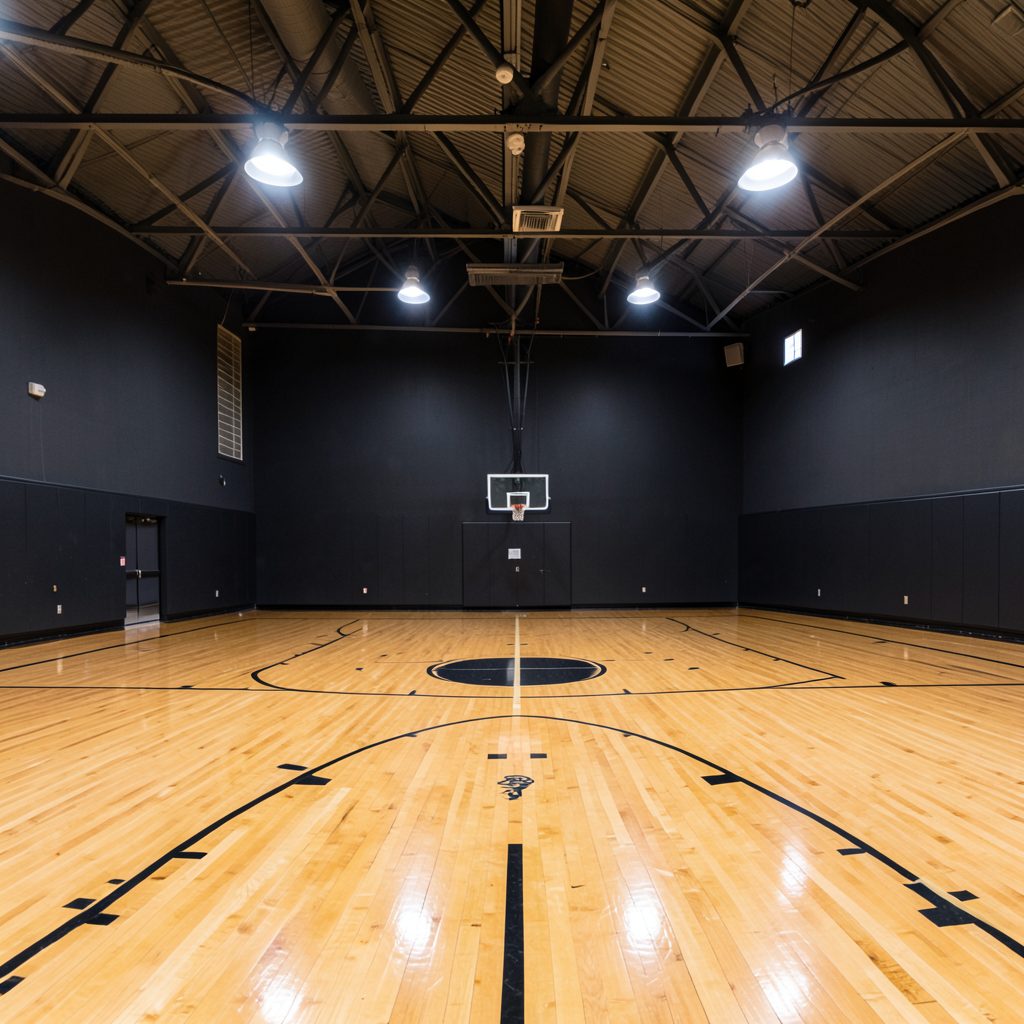
Eight league divisions span every age group: Indy Pro AM, 18+ Open Men's, 30+ Men's, Bite Size (ages 3–6), Impact League, 5th/6th Grade, Middle School, and High School. Gather your team and compete.
Training
Individual and group basketball training for all skill levels. Major M.O.V.E.S. Basketball Training serves ages 4–7 on Wednesday and Thursday evenings at 6:30 PM — $30 per session or $100 unlimited monthly.
Wellness & Recovery
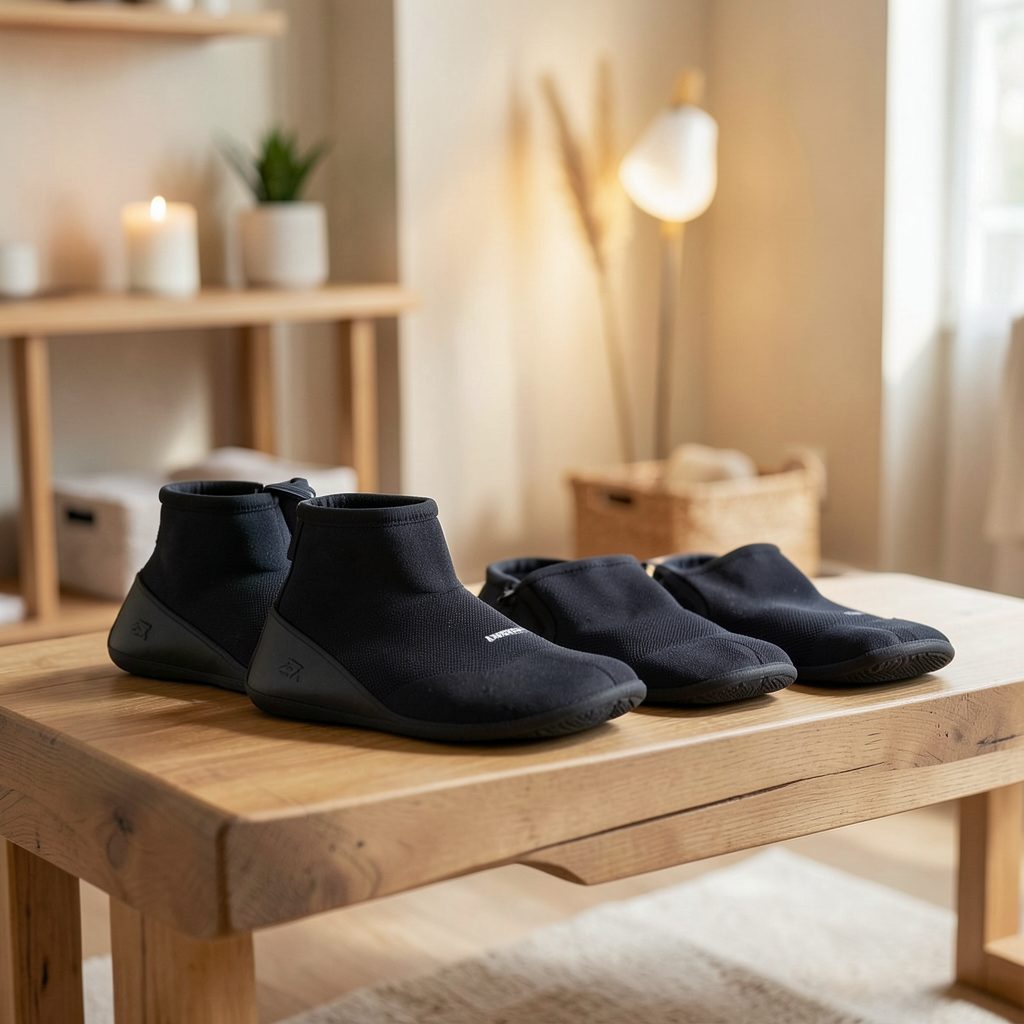
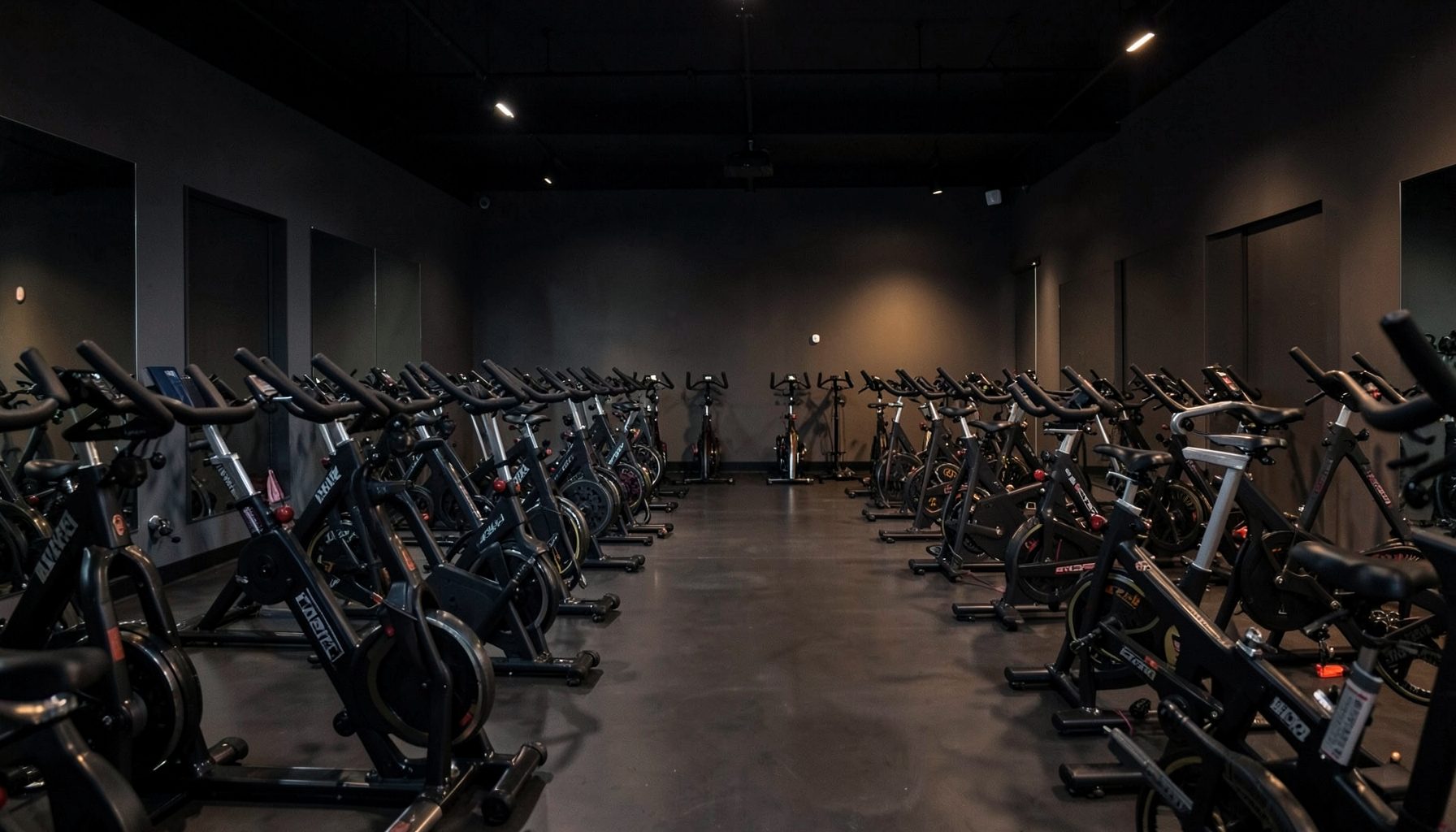
Normatec boot recovery and cryotherapy treatments help athletes bounce back faster. Cycle and spin classes add a cardio dimension to the holistic performance approach.
Have a Question?