Train. Compete. Recover.
A multi-purpose athletic facility in Speedway, Indiana — basketball leagues, skill training, and wellness services all under one roof.
The Factory D1 Indy brings together three entities under one roof: competitive basketball leagues for all age groups, individual and group training, and wellness & recovery services including Normatec boot recovery and cryotherapy. Located off I-465 and High School Road at 6331 Crawfordsville Road, Speedway, Indiana 46224.
Get In TouchSpin Bike Seat Height for Knee Comfort and Pedal Power
A spin bike may look straightforward, but a saddle that is too low can force the knees into deep flexion, while a saddle that is too high can make the hips rock over the pedals. The right seat height supports a smooth stroke, reduces avoidable strain and lets riders transfer effort into useful pedal power.
Comfort depends on more than a generic centimetre mark. Inseam length, saddle design, crank length, footwear and riding style all affect the position. Start with the bike manufacturer's geometry, then refine the setup through short, repeatable test rides rather than changing several variables at once.
Australian riders have practical reasons to value indoor cycling: a hot summer, city traffic and limited daylight can make outdoor sessions less convenient. Most local bikes, tools and workshop charts use metric measurements, so record saddle height in centimetres and compare like with like when moving between studios or machines.
Fit is only one part of knee health. Previous injuries, tight calves, weak glutes, worn pedals and training load can all alter how a position feels. Treat a new setup as a controlled test, and treat sharp pain, swelling or instability as reasons to stop riding rather than push through.
Set a clear starting point
Begin by checking the bike's condition and finding a neutral saddle angle. The saddle should sit broadly level, with only a small forward tilt if the manufacturer's instructions call for it. Look for familiar warning signs: rocking hips at the bottom of the stroke suggest the saddle may be too high, while a compressed knee and cramped hamstrings can indicate that it is too low.
An inseam measurement provides a useful starting point. Stand beside the bike with a book between your legs, measure from the floor to the top of the book, then apply the maker's saddle-height chart. Players training at Factory D1 Indy can use indoor spin work alongside court drills, conditioning and recovery without treating any single bike setting as universal.
Adjust the saddle while pedalling
Make the first adjustment while seated. Unclamp the seatpost with the correct tool, move it in small increments and tighten the clamp to the maker's specification. Keep the inserted portion of the post above its minimum-insertion mark; never use the seatpost as a handle or leave a loose clamp while riding.
With the pedals level, sit normally and pedal slowly to the bottom of the stroke. The knee should have a small, natural bend there, not be locked rigidly and not collapse towards the chest. If the heel drops comfortably, some riders can use that as a temporary check, but do not force the heel down to create a number.
Pedal through several rotations and watch the leg from the front. The knee should track in line with the second metatarsal, the ball of the foot, without crossing inward or outward. Adjust saddle height first; then make small fore-and-aft changes if reach still feels strained. Stop and have the bike checked if a damaged saddle, bent post or rough pedal makes stable positioning impossible.
Match resistance to the new position
Height and resistance work together. Turning resistance up on a low saddle can keep the rider folded at the hip and place more load through the knee, while an overly high saddle can waste energy through hip movement. Choose a resistance that permits a steady cadence and a full, controlled pedal stroke without grinding or bouncing.
Useful pedal power comes from coordinated hip and knee extension, a quiet pelvis and consistent pressure through the foot. Keep the upper body relaxed, avoid locking the elbows and let the pedal travel beneath the body rather than driving the knees forward. If power drops while the knee remains comfortable, check cadence, resistance and the bike's resistance calibration before changing height again.
Check the fit in an Australian riding context
Test the fit in the conditions where you ride. On an outdoor bike in Melbourne or Sydney, hills, longer road rides and stop-start traffic can expose reach or saddle problems that a five-minute class hides. Australia's strong e-bike and commuting market has encouraged more riders to spend time on saddles, so a reputable local bike shop can also provide useful comparison measurements and fitting advice.
Hot weather adds another Australian consideration: hydration, ventilation and recovery can affect how your legs feel during a hard session. Many gym members combine round-the-clock access and boutique classes with outdoor cycling, while indoor spin classes offer a controlled place to practise cadence. The digital magazine from The Factory D1 Indy contains practical sport and wellness material for that training mix.
Separate setup issues from pain signals
Knee discomfort is not proof of a bad saddle height. Tight hamstrings can pull the pelvis back, weak glutes can cause instability, and an old injury may change the movement pattern. Poor cleat setup, uneven pedal load or worn bearings can also create symptoms. Address obvious mechanical faults before making larger positional changes.
Stop the session if pain is sharp, worsening, accompanied by swelling, or makes the knee lock or give way. Persistent discomfort deserves assessment from an appropriately qualified health professional, especially if it continues after a sensible adjustment and recovery period. A bike fitter or clinician can help distinguish equipment issues from training and soft-tissue problems.
Legislation also matters when equipment is faulty. Australian Consumer Law guarantees can provide remedies for products that are defective, damaged or not fit for their disclosed purpose. Commercial studios must maintain equipment under relevant safety standards and state work health and safety duties. In Victoria, SafeWork Victoria guidance is a useful reference for employers responsible for workplace equipment, and riders should report a loose post or damaged pedal immediately.
Make comfort a repeatable check
After each change, ride for ten to fifteen minutes at a familiar resistance, then check for knee tracking, hip rocking, numbness and pedal power. Record the saddle height, any fore-and-aft movement and how the knees felt. Repeating the same route makes small differences easier to notice and prevents a temporary good ride from becoming a permanent poor setting.
Keep the baseline stable across classes, especially when working with a coach or training for basketball, running or competition. Build resistance gradually, warm up the calves and hips, and give sore joints time to settle. If the bike feels different from one session to the next, inspect the saddle and clamp before assuming your fitness has changed.
Recovery supports the work as well. Equipment information from WL Energy can help you research options, while The Factory D1 Indy offers spin classes, Normatec compression therapy and cryotherapy alongside youth basketball and competitive leagues. Book a class, bring these adjustment steps into your warm-up and leave with stronger legs, smoother pedal strokes and knees that feel ready for the next session.
Inside The Factory

Three Entities, One Roof
Leagues
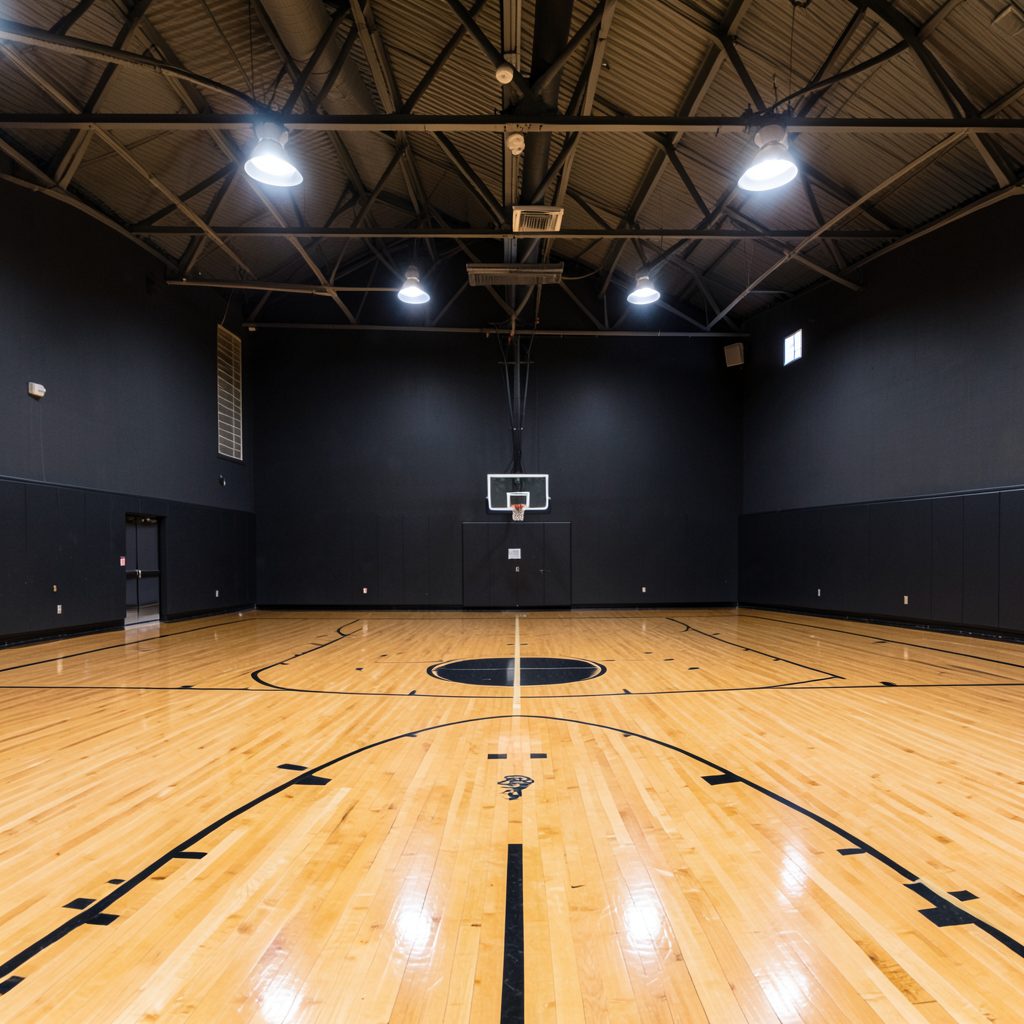
Eight league divisions span every age group: Indy Pro AM, 18+ Open Men's, 30+ Men's, Bite Size (ages 3–6), Impact League, 5th/6th Grade, Middle School, and High School. Gather your team and compete.
Training
Individual and group basketball training for all skill levels. Major M.O.V.E.S. Basketball Training serves ages 4–7 on Wednesday and Thursday evenings at 6:30 PM — $30 per session or $100 unlimited monthly.
Wellness & Recovery
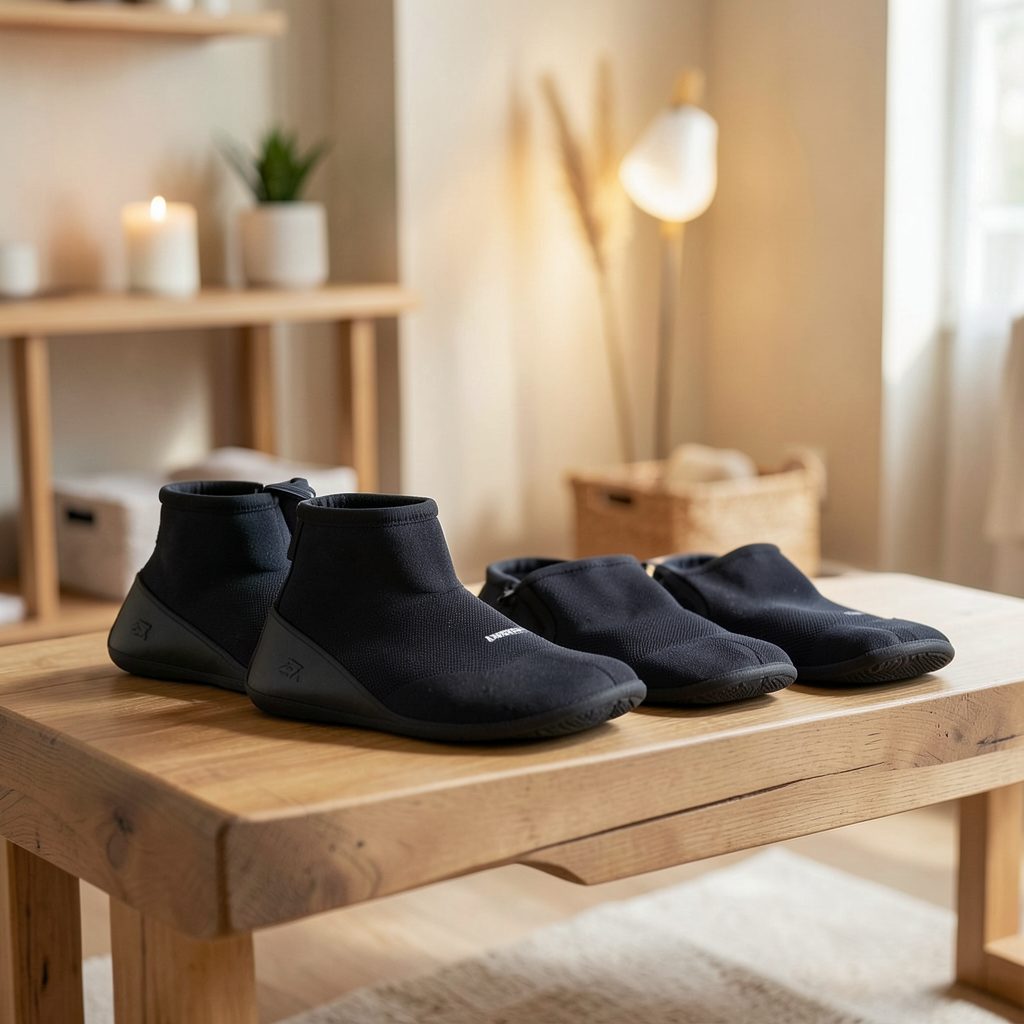
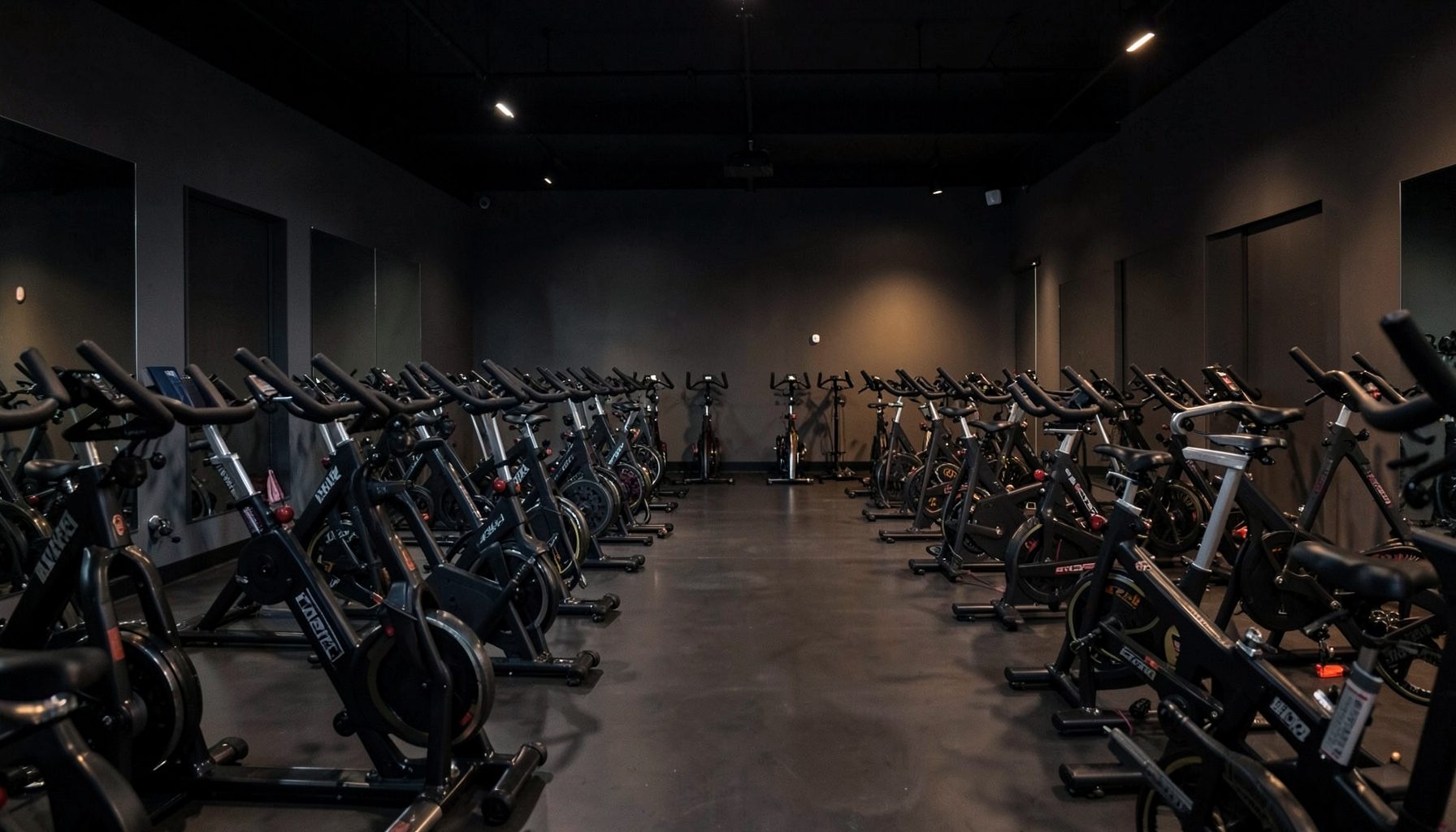
Normatec boot recovery and cryotherapy treatments help athletes bounce back faster. Cycle and spin classes add a cardio dimension to the holistic performance approach.
Have a Question?