Train. Compete. Recover.
A multi-purpose athletic facility in Speedway, Indiana — basketball leagues, skill training, and wellness services all under one roof.
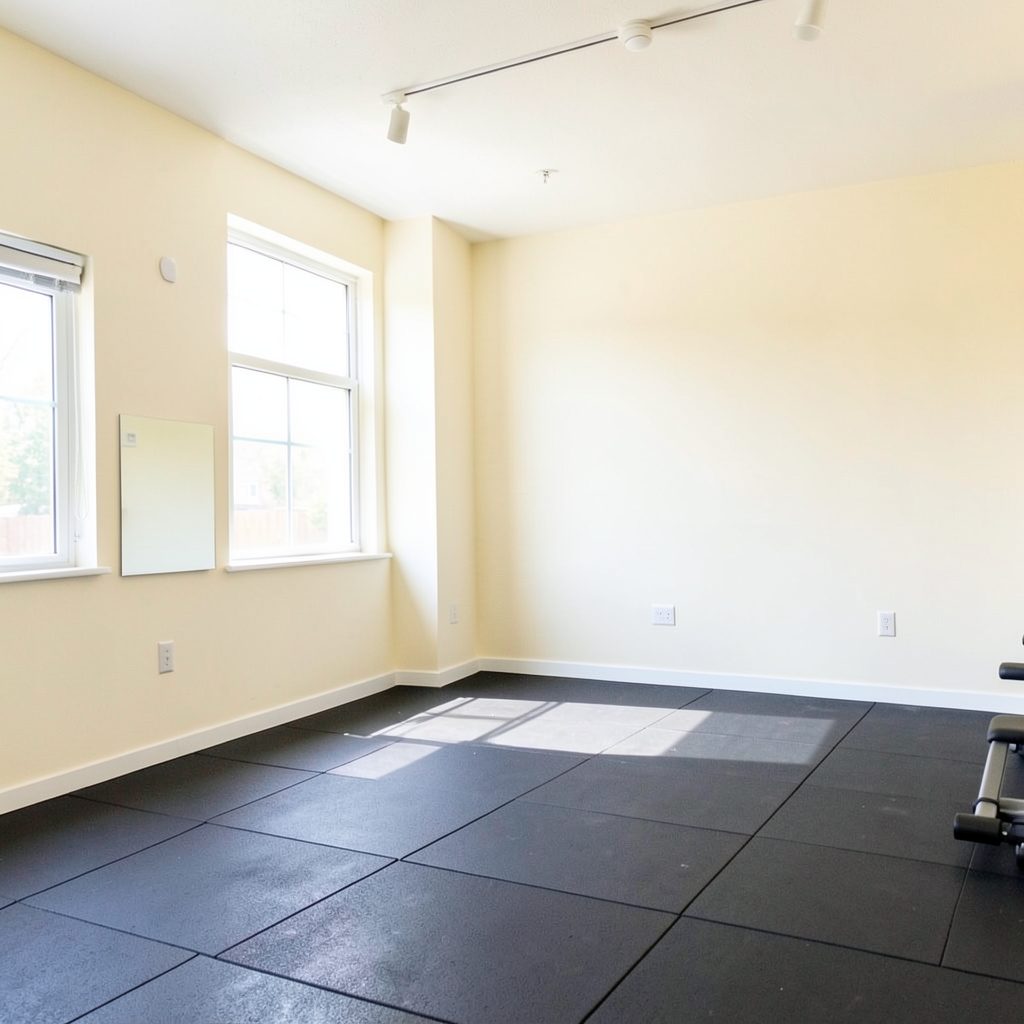
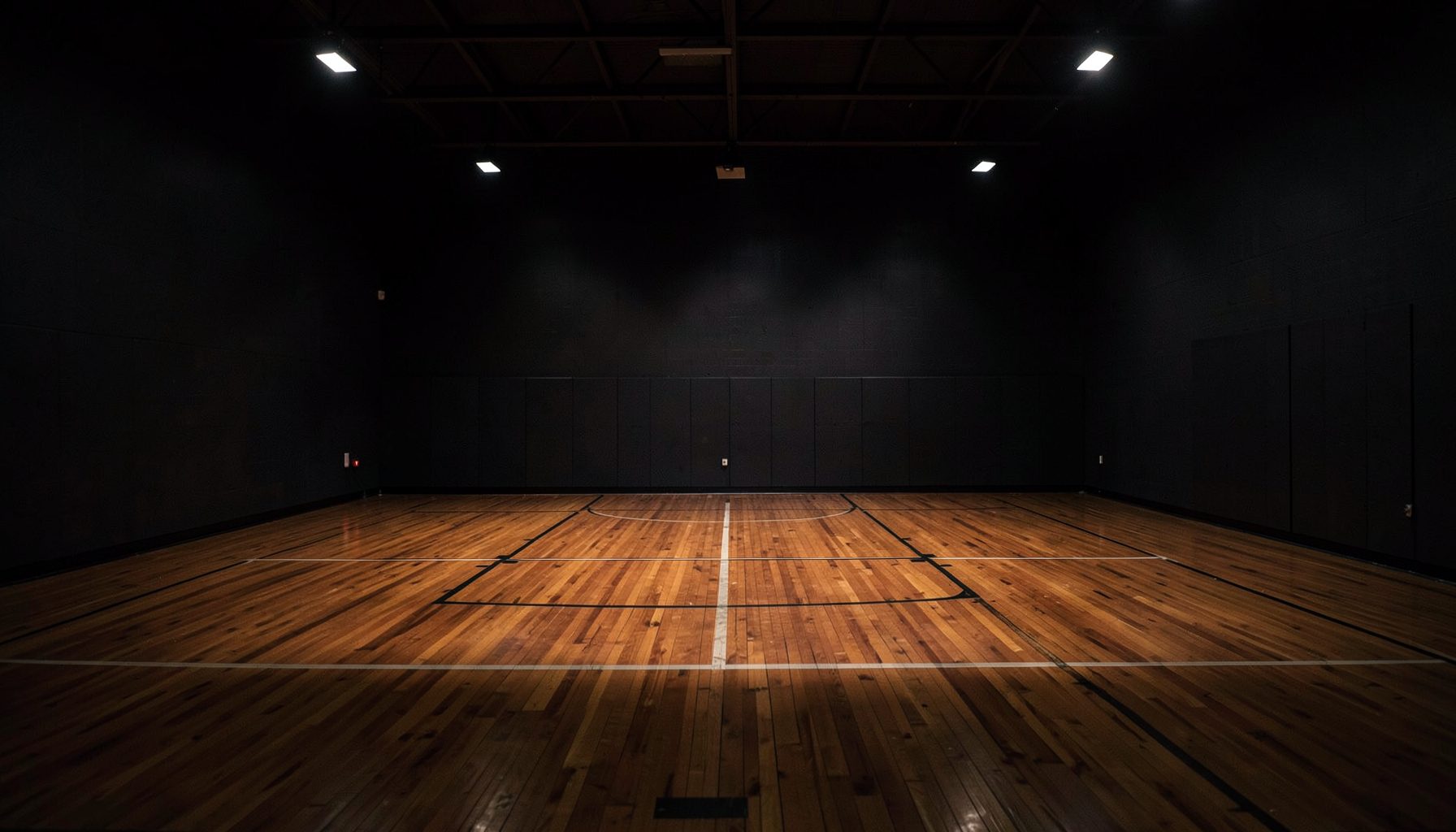
The Factory D1 Indy brings together three entities under one roof: competitive basketball leagues for all age groups, individual and group training, and wellness & recovery services including Normatec boot recovery and cryotherapy. Located off I-465 and High School Road at 6331 Crawfordsville Road, Speedway, Indiana 46224.
Get In TouchHow to Balance Spin Classes And Basketball Without Overtraining
Combining indoor cycling with basketball can improve aerobic fitness, leg strength and repeat-sprint capacity. It can also create a heavy training load when hard rides, jump-heavy practices, games and gym sessions all compete for the same recovery time.
The main risk is rarely one demanding session. Problems usually develop when intense days accumulate, sleep is shortened, meals are inconsistent and every workout is treated as a test. A sensible plan separates hard efforts, protects easier days and adjusts around work, school, travel and competition.
This approach suits Australian athletes training in busy facilities from Melbourne and Sydney to Brisbane and Perth. It also recognises local conditions: long commutes, hot weather, early-morning sessions and the growing market for boutique spin classes alongside basketball academies and community leagues.
| Training Element | Main Physical Demand | Best Scheduling Approach | Recovery Priority |
|---|---|---|---|
| Hard spin class | High cardiovascular and leg fatigue | Place away from games and intense court sessions | Carbohydrates, fluids and sleep |
| Basketball practice | Sprints, jumps, changes of direction | Treat as a high-intensity workout | Calf, ankle and knee monitoring |
| Easy ride | Low-impact aerobic work | Use between demanding days | Keep resistance and cadence moderate |
| Basketball game | Maximum competitive demand | Build the week around it | Full recovery before another hard session |
| Rest or mobility day | Nervous-system and tissue recovery | Schedule before fatigue becomes obvious | Sleep, food and gentle movement |
Count Total Training Stress
A spin class may feel controlled because it takes place indoors, yet a challenging session can place substantial stress on the quadriceps, glutes and cardiovascular system. Basketball adds acceleration, deceleration, landing and lateral movement. The combination means that two separate workouts can still overload the same tissues.
Classify each session as hard, moderate or easy. A sprint-based ride with heavy resistance is hard. A full-court practice with repeated drills is also hard. A relaxed skills session, shooting workout or low-resistance ride may be moderate or easy. This simple rating helps prevent several demanding days from appearing together in the calendar.
Use a weekly view rather than judging each workout in isolation. If a player has a Saturday game, a Friday evening spin class should usually be easy or skipped. A hard ride on Sunday may interfere with Monday basketball, particularly when the athlete is already carrying soreness from the match.
Athletes using a formal training framework can apply the same principle by tracking session duration, intensity and recovery instead of relying on motivation alone. The goal is a manageable training load that produces progress across several weeks.
Build A Practical Weekly Rhythm
A useful schedule normally includes two or three high-intensity exposures, depending on age, experience and competition level. A hard spin class, intense basketball practice and match may already fill that allowance. Additional strength work should support those sessions rather than turn every day into another maximal effort.
For example, a recreational player might complete basketball practice on Monday, an easy cycle or mobility session on Tuesday, a harder spin class on Wednesday, skills training on Thursday and a game on Saturday. Friday can focus on rest, light shooting or walking. The exact days can change, but hard sessions need space around them.
Young athletes require extra care because school, growth, exams and other sports affect recovery. A teenager playing basketball and attending spin classes should not copy an adult athlete’s schedule. Coaches and parents should coordinate timetables so that school-night sleep is not repeatedly sacrificed for late sessions.
Australian routines often include early starts, long travel across Sydney or Melbourne and weekend competitions. That makes a realistic plan more valuable than an ambitious one. A 45-minute easy ride close to home may be more restorative than commuting across the city for another demanding class.
Protect Recovery Between Sessions
Recovery starts with sleep. Most adults need roughly seven to nine hours, while adolescents generally need more. A late spin class followed by an early basketball session can reduce the time available for sleep, especially when showering, eating and travelling are included. Repeated short nights make normal training feel harder.
Food should match the workload. Carbohydrates support court work and high-intensity cycling, while protein helps repair muscle. A meal containing rice, pasta, potatoes, fruit or bread alongside lean protein is useful after a demanding session. Small snacks such as yoghurt and fruit, a sandwich or cereal with milk can help athletes who cannot tolerate a full meal immediately.
Hydration deserves special attention in Australia. Indoor venues can become warm during summer, and outdoor travel in Brisbane, Perth or Adelaide may add heat exposure before training begins. Drink regularly during the day and replace fluids after sweaty sessions. For longer or very hot workouts, an electrolyte drink may be useful, but it should not replace ordinary meals or be treated as a performance requirement for every class.
Recovery services may complement sensible training, but they cannot compensate for insufficient sleep or excessive intensity. Compression systems, massage and cold treatments can help some athletes feel more comfortable. Facilities such as The Factory D1 Indy combine basketball, conditioning and recovery options, making it easier to organise these elements in one sporting environment.
Use Intensity With More Precision
Heart-rate data, resistance levels and perceived exertion can guide cycling intensity. A hard class should feel challenging throughout the main intervals, while an easy ride should allow comfortable conversation. If every ride becomes a race against the leaderboard, the session is no longer providing low-stress aerobic work.
Basketball intensity is less predictable. A practice may include technical drills, conditioning blocks, scrimmage and repeated jumping. Ask the coach which parts are essential and whether some conditioning can be reduced when a game is close. Skill quality usually falls when an athlete is too fatigued, so extra running is not automatically productive.
A useful rule is to change only one major variable at a time. Do not increase spin resistance, class frequency, basketball minutes and strength volume in the same week. Increase duration or intensity gradually, then hold the new level long enough to judge the response.
Rest days do not need to mean lying still. Walking, gentle mobility, light stretching and easy shooting can maintain routine without adding meaningful fatigue. However, active recovery should remain genuinely easy. If an athlete finishes feeling depleted, it was training rather than recovery.
Recognise Warning Signs Early
Normal post-session soreness usually improves within a day or two and does not significantly alter movement. Warning signs include persistent heavy legs, declining jump height, unusual irritability, poor concentration, disrupted sleep, elevated resting heart rate and a clear drop in enjoyment. Repeated calf, Achilles, knee or lower-back discomfort deserves attention before it becomes an injury.
Track a few simple measures each morning: sleep quality, muscle soreness, mood and willingness to train. A short note is enough. If several markers worsen for three consecutive days, reduce intensity and volume. Replace hard spin with easy cycling, shorten basketball drills and avoid testing maximum speed or jumping.
Medical advice is appropriate for sharp pain, swelling, dizziness, chest symptoms, fainting or fatigue that does not improve with rest. Athletes using supplements should also check ingredients carefully. Products sold in the Australian market can vary in quality, and items making therapeutic claims may fall under Therapeutic Goods Administration requirements. Food-first nutrition remains the safer foundation.
Fitness businesses also operate within Australian state and territory work health and safety duties, while health and recovery information may be covered by privacy obligations. Athletes should expect clear facility procedures, qualified supervision and transparent handling of personal data. Good communication with coaches and instructors is part of injury prevention, not an optional extra.
A balanced week should leave an athlete capable of performing well in the next important session. Keep hard spin away from key games, schedule easier days deliberately, eat enough, hydrate for Australian conditions and respond to early fatigue instead of pushing through it. Start by reviewing the next seven days, marking every demanding session, and making one adjustment that creates more space for recovery.
Inside The Factory

Three Entities, One Roof
Leagues
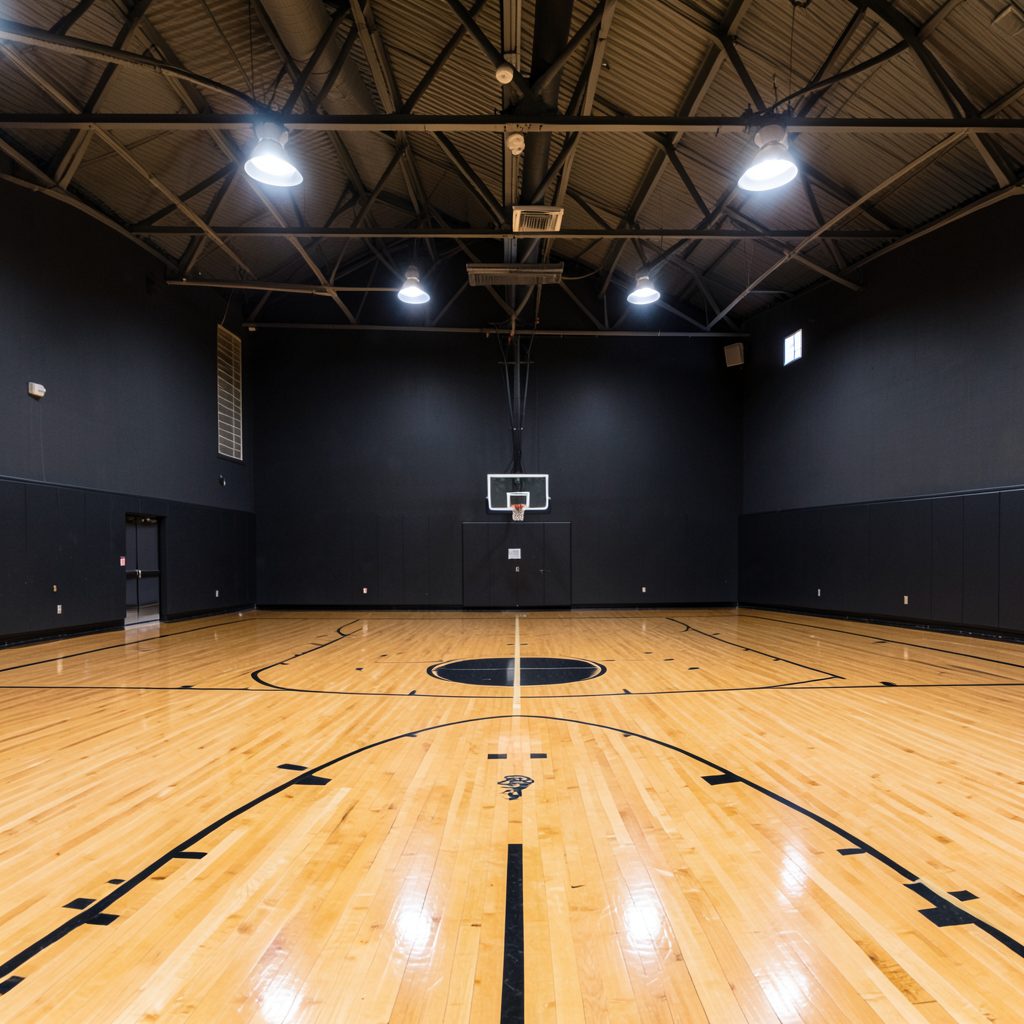
Eight league divisions span every age group: Indy Pro AM, 18+ Open Men's, 30+ Men's, Bite Size (ages 3–6), Impact League, 5th/6th Grade, Middle School, and High School. Gather your team and compete.
Training
Individual and group basketball training for all skill levels. Major M.O.V.E.S. Basketball Training serves ages 4–7 on Wednesday and Thursday evenings at 6:30 PM — $30 per session or $100 unlimited monthly.
Wellness & Recovery
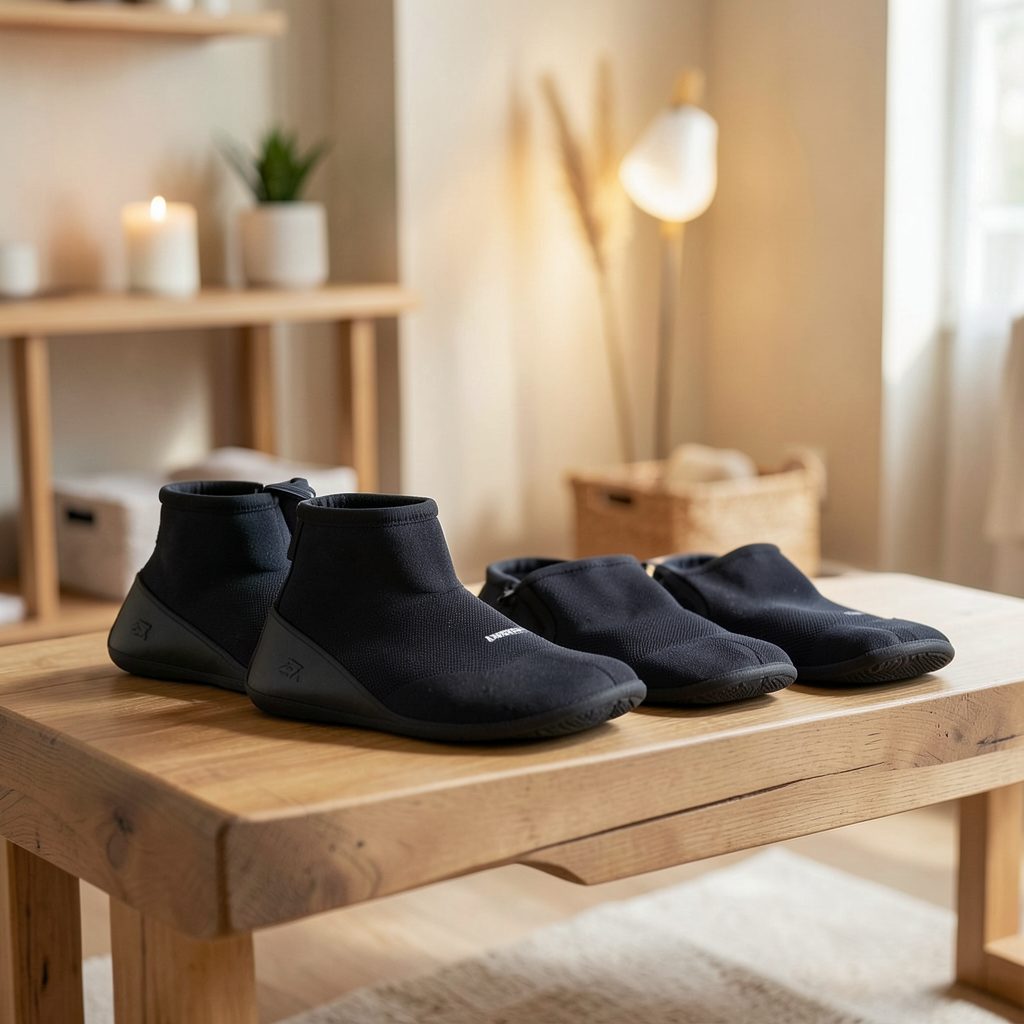
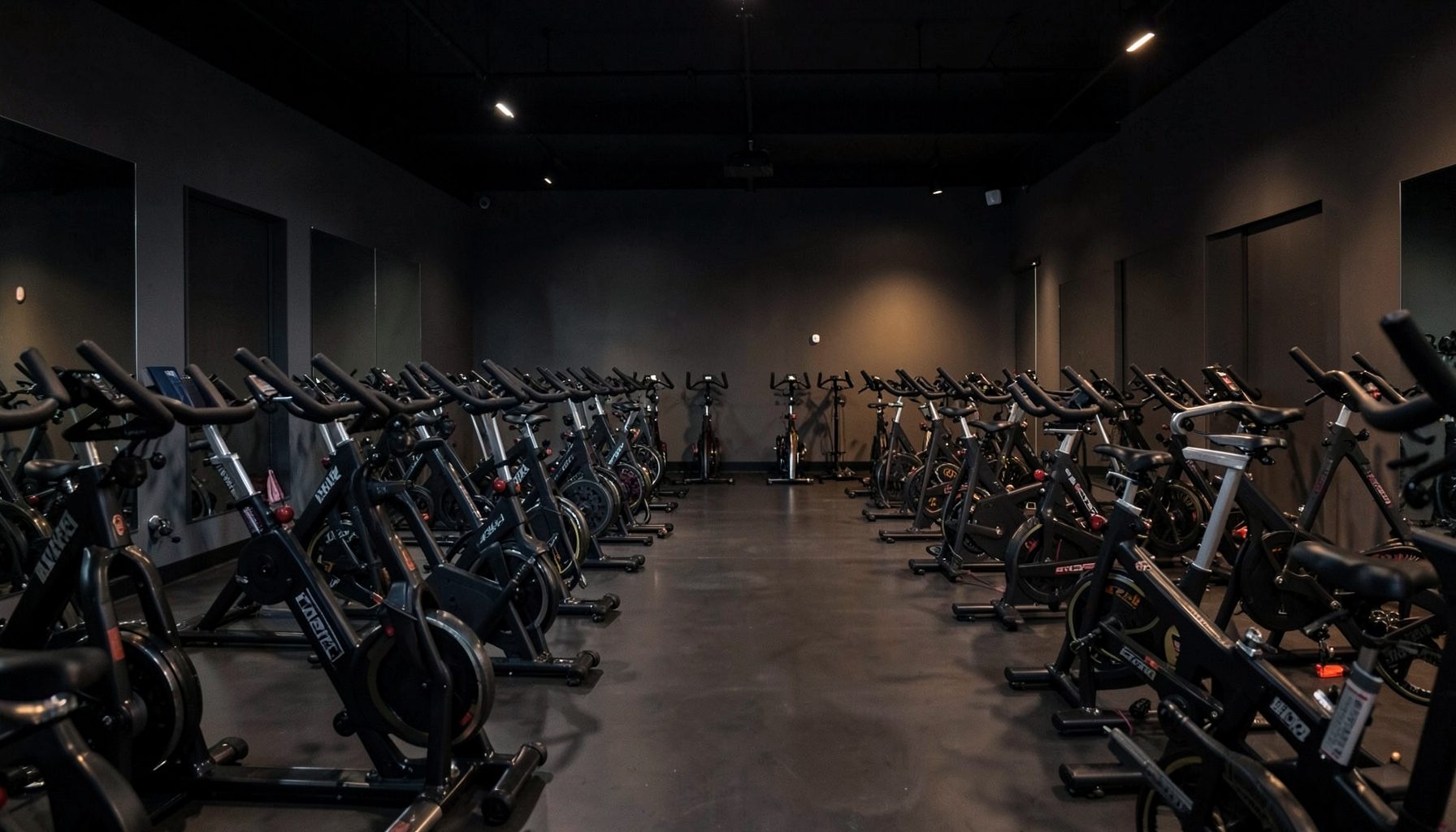
Normatec boot recovery and cryotherapy treatments help athletes bounce back faster. Cycle and spin classes add a cardio dimension to the holistic performance approach.
Have a Question?