Train. Compete. Recover.
A multi-purpose athletic facility in Speedway, Indiana — basketball leagues, skill training, and wellness services all under one roof.
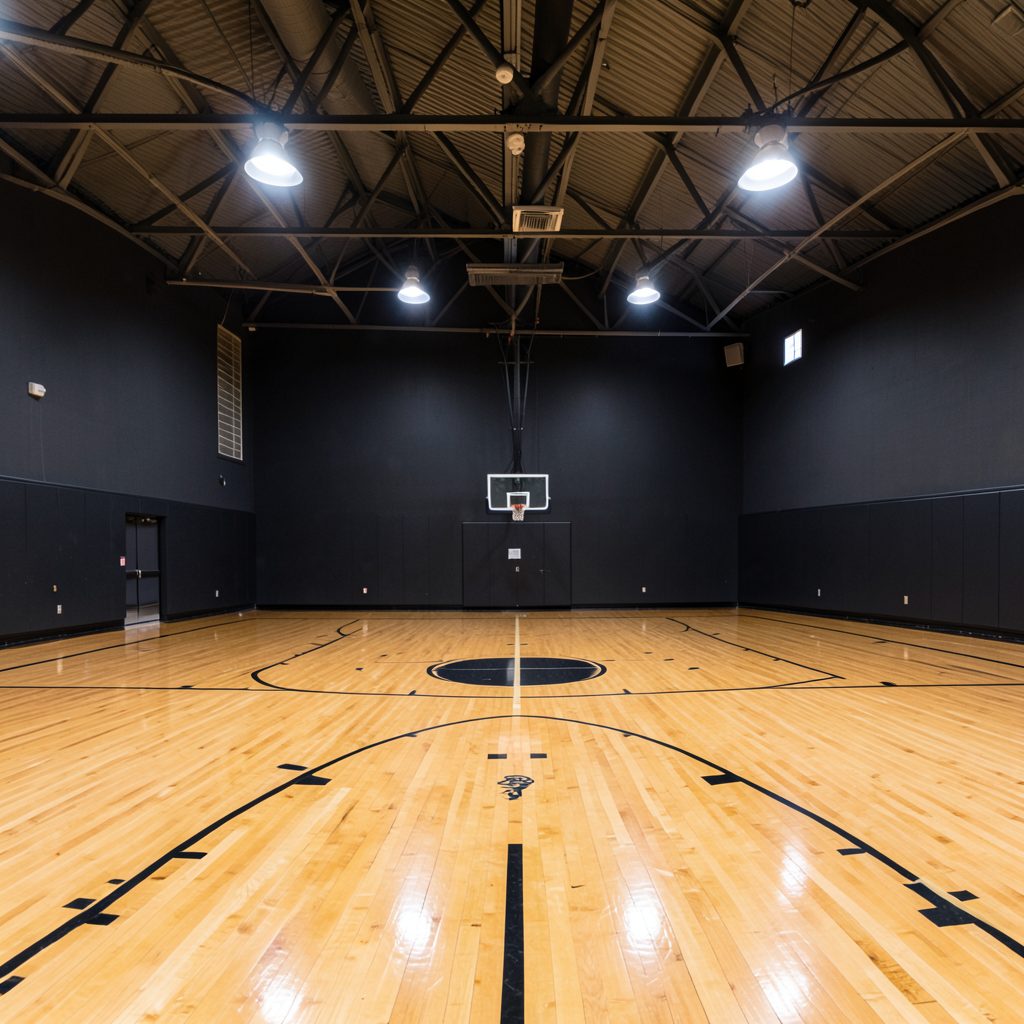
The Factory D1 Indy brings together three entities under one roof: competitive basketball leagues for all age groups, individual and group training, and wellness & recovery services including Normatec boot recovery and cryotherapy. Located off I-465 and High School Road at 6331 Crawfordsville Road, Speedway, Indiana 46224.
Get In TouchSharpening Mental Focus Through Repetitive Shooting Drills
Repetition is the engine of shooting improvement. Every athlete who has ground out thousands of makes from the elbow, the wing, or the free-throw line knows the drill: catch, set, shoot, repeat. Yet the same drills that build muscle memory can quietly erode attention. As sessions stretch from thirty minutes to ninety, the brain begins to drift. Thoughts wander to dinner, to last weekend's score, or to a sore ankle. Suddenly the mechanics slip, the arc flattens, and the very drill meant to lock in consistency starts producing sloppier reps.
Australian players, whether chasing a spot on a Perth Wildcats roster or grinding through summer club competition in Brisbane, face a particular rhythm challenge. The NBL calendar runs through the warmer months, meaning many shooters train during long afternoons when heat and fatigue combine to dull concentration. Building mental focus during repetitive shooting drills is therefore not a luxury; it is the difference between a season of compounding gains and one spent plateauing on the same percentages.
Why Repetition Erodes Concentration
The human brain is wired for novelty. When a stimulus repeats without variation, the nervous system labels it as low priority and reroutes attention elsewhere. In a shooting drill, this shows up as the eyes drifting off the rim, the feet forgetting to square, or the release point drifting mid-rep. Coaches in Australia's high-performance pathways often call this "going through the motions," and it tends to surface between the twentieth and fortieth make of a standard spot-up set.
The drift is not laziness. It is the brain conserving energy. Research on motor learning suggests that once a movement becomes procedural, the conscious mind seeks new inputs. A shooter who has wired the same catch-and-shoot motion a thousand times no longer needs every rep to consciously rehearse mechanics. The challenge becomes keeping the cortex engaged just enough to refine micro-adjustments without overthinking the macro pattern.
Australian coaches working with the Opals program lean on this principle. Instead of long, unbroken block shooting, they prescribe clustered repetitions: a tight set of five shots, a deliberate reset, then another set. The pause is where focus is rebuilt. Treating mental recovery between reps as a deliberate part of the drill turns the boring middle of practice into a focus training ground.
Designing a Reliable Pre-Shot Trigger
A pre-shot routine is more than a habit. It is a sensory cue that pulls the mind back into the body. The most reliable routines are short, repeatable, and physical. A deep exhale, a tap of the ball against the hip, a deliberate blink, or a quiet word to oneself can serve as the trigger. The point is not the gesture itself but the fact that the brain recognises the cue and responds with sharpened attention.
The best trigger is one that survives pressure. A complex mental checklist often collapses during a game, especially in the chaos of a competitive fixture at the state level. Sticking to a single physical cue and a single mental word keeps the routine portable. Brisbane Bullets development staff have long emphasised the value of the "one word" trigger, encouraging shooters to choose a phrase like "line" or "soft" and pair it with the same breath pattern every time.
The routine also needs a closing beat. After the shot, whether it falls or misses, a brief acknowledgment resets the system. A single nod, a flat-hand stop gesture, or a quiet exhale marks the end of the rep and prepares the shooter for the next cue. Without that closing beat, residual frustration or satisfaction leaks into the next shot and breaks the clean mental state the routine is trying to build.
Breathing and Body Awareness on the Line
Breath is the simplest, most portable focus tool available. Slow, controlled exhalation activates the parasympathetic nervous system, lowering heart rate and quieting the inner chatter that disrupts concentration. A common pattern for shooters is a two-count inhale through the nose, a brief hold at the top, then a four-count exhale through the mouth as the ball rises toward the rim.
Body awareness extends the same principle beyond the breath. A shooter who can feel the pressure distribution across both feet, the looseness in the shooting wrist, and the alignment of the shooting elbow is far less likely to drift mentally. The drill becomes a moving checklist of physical sensations, each one an anchor pulling attention back to the present. Many AIS-trained Australian athletes describe this as "scanning the body" before each rep, a thirty-second inventory that has become automatic.
Conditioning work feeds directly into this awareness. When the lungs are trained, the breath under fatigue stays smooth, and the focus under fatigue stays intact. Cyclists and basketball players alike benefit from steady-state cardio that keeps the breath rate predictable. Pairing on-court shooting sessions with cycle and spin work helps athletes arrive at practice with a calmer nervous system and a longer attention span.
Smart Variation to Outsmart Mental Drift
The trick to staying sharp through long shooting blocks is structured variation. Changing the spot, the distance, the footwork, or the release timing keeps the brain interested without abandoning the core technique. A coach might script five shots from the wing, five from the top, five from the corner, then a return to the wing. The repetition remains; the stimulus changes.
Constraints sharpen the mind further. Shooting only with the off hand, only with a one-dribble pull-up, or only off a specific screen action forces the brain to actively solve a problem on every attempt. The constraint becomes a focus tool, because the shooter cannot coast. Many Australian basketball programs have used constraint-led drills for years to keep talented teenagers engaged through long summer training blocks.
A second variation tool is the deliberate miss. Shooting with the intention of missing a specific way, then immediately correcting it, trains the brain to notice mechanics in real time. The shooter who tries to deliberately miss short left, then deliberately miss short right, builds a sharper internal map of the rim and their own release. Each rep becomes a small experiment, and experiments keep the mind locked in.
Recovery Rituals That Reinforce Attention
Mental focus is rebuilt away from the court as much as on it. Sleep, hydration, and active recovery all influence how fresh the mind is at the start of the next shooting session. Athletes who walk into a session under-recovered have already lost half the focus battle before the first shot goes up. Building recovery into the weekly plan is therefore a focus strategy, not a soft add-on.
Modern recovery tools accelerate the reset. Compression therapy flushes fatigue from the legs, cryotherapy calms inflammation, and short mobility sessions restore the feeling of freshness between heavy training days. Pairing these with a brief breathing reset or a quiet minute in a darkened room extends the mental benefit well beyond the physical. Professional basketball franchises across Australia have adopted these tools rapidly, offering structured recovery windows between sessions.
The most underrated recovery tool for shooters is a focused cool-down walk. Ten minutes of walking immediately after a long shooting block lets the nervous system step down gradually. The brain replays the session, files the motor patterns, and lets go of residual tension that would otherwise follow the player to the car. Players who skip the walk arrive home mentally cluttered; those who take it consistently report cleaner attention the next morning. Integrating wellness and recovery services into the weekly plan protects the focus built on court.
| Focus Technique | Best Moment to Use | Effort Required | Mental Benefit |
|---|---|---|---|
| Pre-shot trigger word | Every rep | Low | Steady attention across long blocks |
| Breath-pattern reset | Between spot sets | Low | Calmer nervous system, fewer drift moments |
| Constraint-led variation | Middle of session | Moderate | Active problem-solving, sharper mechanics |
| Body scan before series | Start of each drill | Moderate | Stronger present-moment awareness |
| Cool-down walk | End of session | Low | Cleaner mental file, faster next-day focus |
| Compression or cryotherapy | Between heavy days | Low to moderate | Faster recovery, better next-day attention |
Shooters who treat mental focus as a trainable skill, not an inherited trait, stop leaving reps on the table. A pre-shot routine, a deliberate breath pattern, a few constrained variations, and a structured recovery window together turn the boring middle of practice into the place where real improvement happens. Book a session at The Factory D1 Indy and start stacking sharper reps from the very first drill.
Inside The Factory


Three Entities, One Roof
Leagues
Eight league divisions span every age group: Indy Pro AM, 18+ Open Men's, 30+ Men's, Bite Size (ages 3–6), Impact League, 5th/6th Grade, Middle School, and High School. Gather your team and compete.
Training
Individual and group basketball training for all skill levels. Major M.O.V.E.S. Basketball Training serves ages 4–7 on Wednesday and Thursday evenings at 6:30 PM — $30 per session or $100 unlimited monthly.
Wellness & Recovery
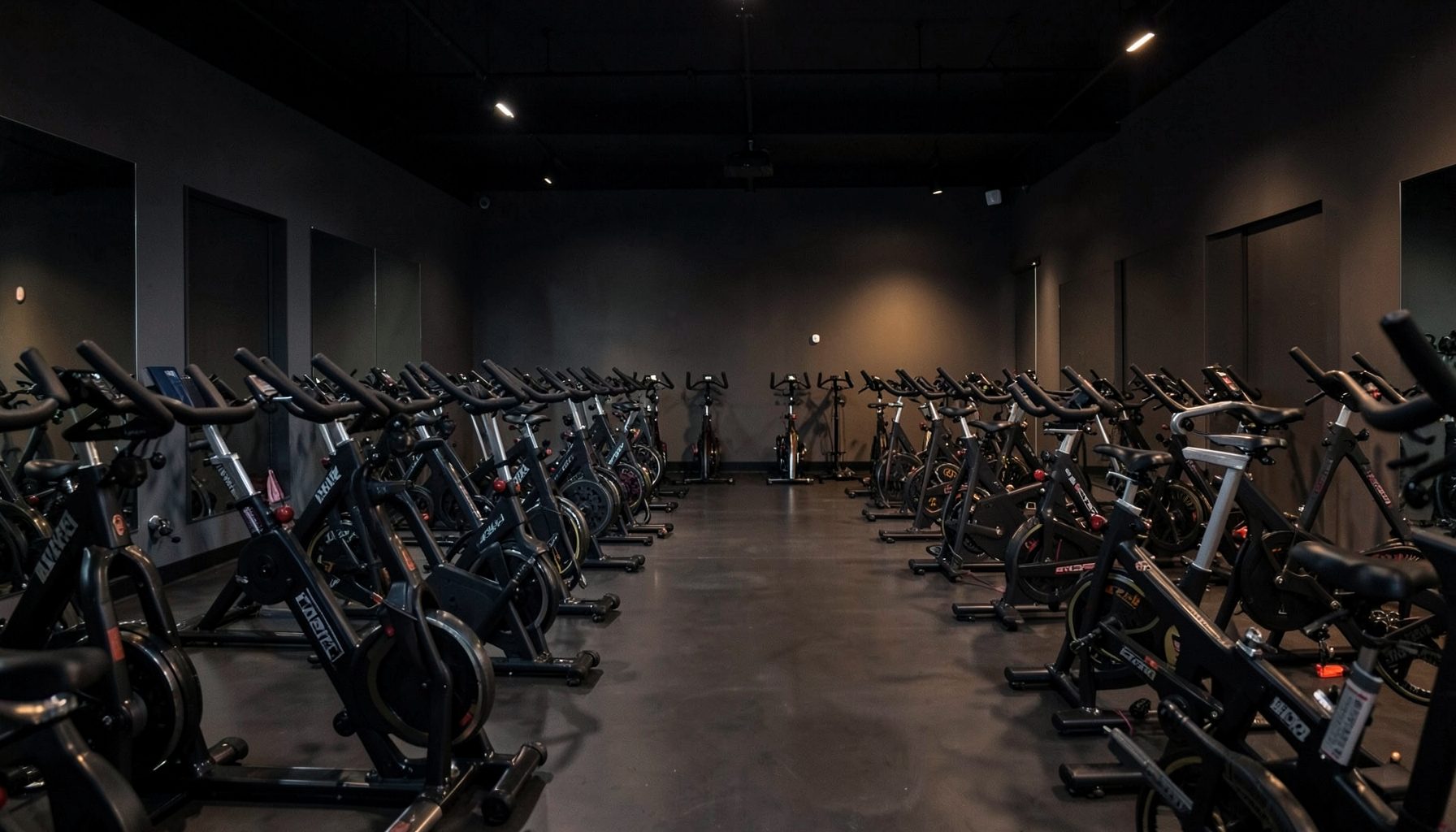
Normatec boot recovery and cryotherapy treatments help athletes bounce back faster. Cycle and spin classes add a cardio dimension to the holistic performance approach.
Have a Question?