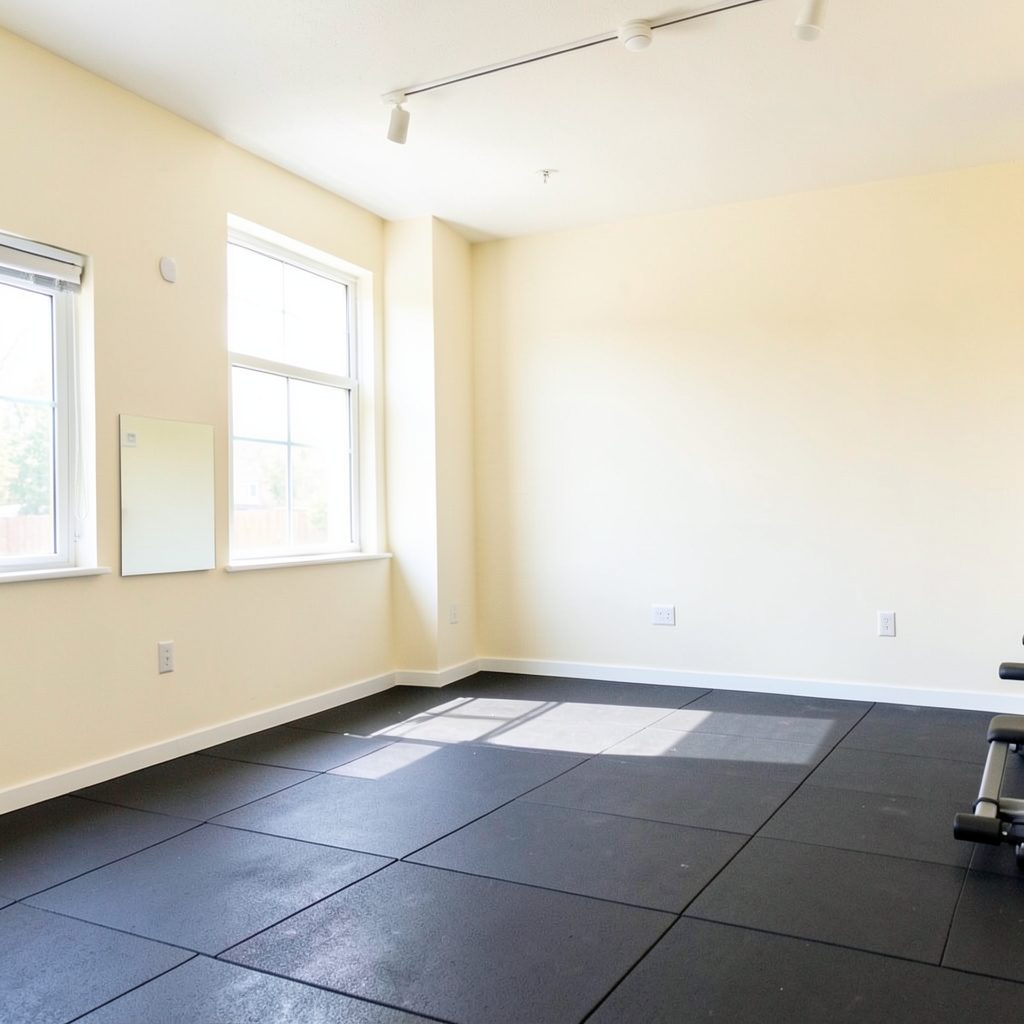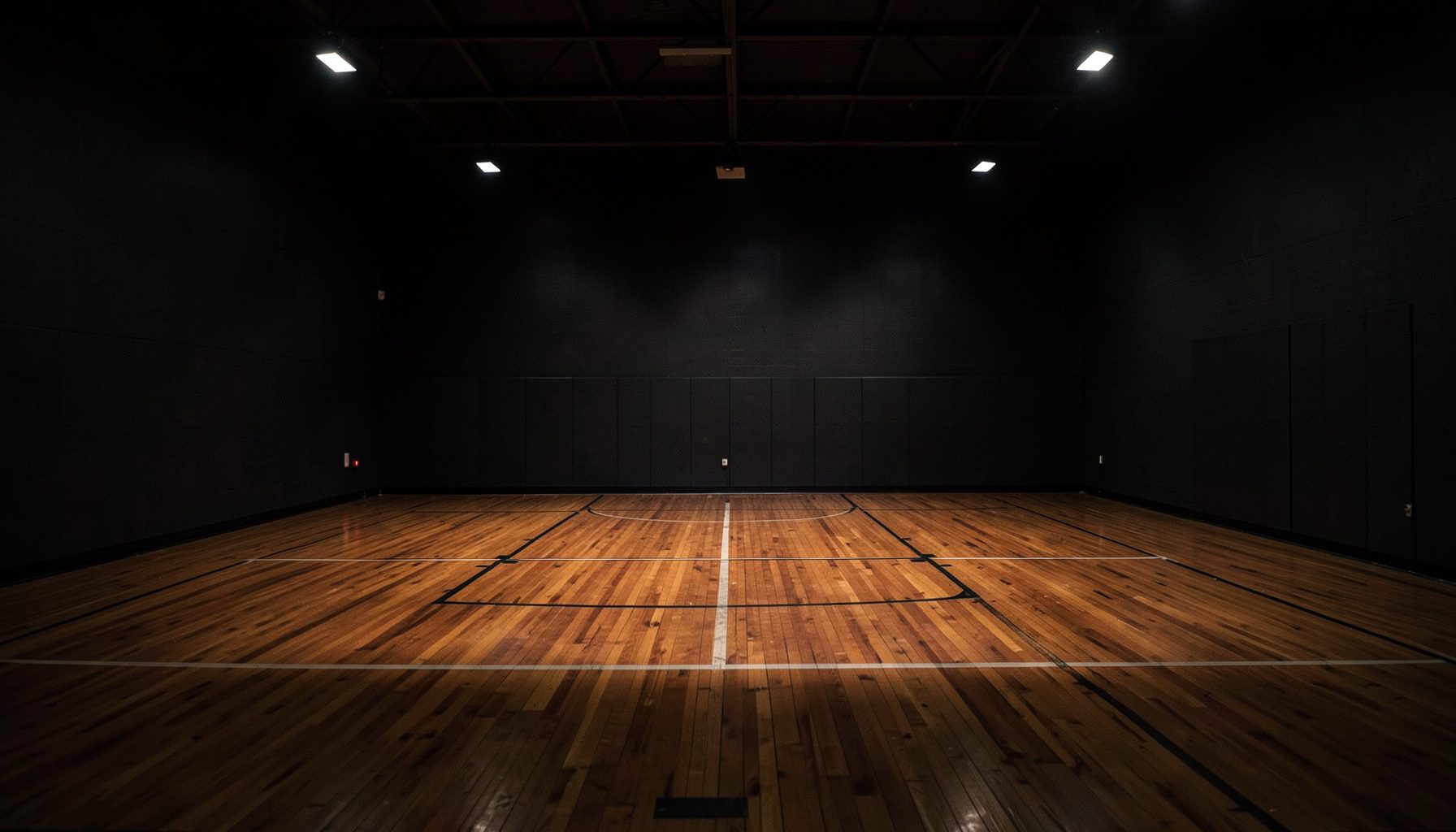
Train. Compete. Recover.
A multi-purpose athletic facility in Speedway, Indiana — basketball leagues, skill training, and wellness services all under one roof.
The Factory D1 Indy brings together three entities under one roof: competitive basketball leagues for all age groups, individual and group training, and wellness & recovery services including Normatec boot recovery and cryotherapy. Located off I-465 and High School Road at 6331 Crawfordsville Road, Speedway, Indiana 46224.
Get In TouchBuilding Team Chemistry In Adult Basketball Leagues
A strong adult basketball team is built through more than individual talent. Players need to trust one another, communicate under pressure and understand how their skills fit together. That chemistry can turn a group of capable athletes into a reliable unit that enjoys competing together.
This matters especially in social and competitive leagues, where teammates may have different playing backgrounds. One person might have years of structured coaching, while another learnt the game through local pick-up sessions or university sport. Clear roles and shared habits help everyone contribute.
For Australian players, the same principles apply whether you are joining a league in Melbourne, travelling across Sydney after work or fitting sport around family commitments in Brisbane. Basketball communities are diverse, and the best teams make room for different experience levels, personalities and schedules.
At The Factory D1 Indy, adult competition creates regular opportunities to develop those connections on court. The goal is not simply to win more games; it is to build a team culture that makes training, competition and recovery worthwhile.
Start With Shared Expectations
Team chemistry begins before the opening tip. At the first gathering, agree on practical standards for attendance, communication, effort and sportsmanship. These do not need to be complicated. A team might commit to arriving 15 minutes early, notifying teammates about absences and keeping feedback respectful.
It also helps to define what success means for the group. Some teams may be chasing a championship, while others are focused on fitness, social connection or learning the game. A shared purpose prevents frustration when players have different priorities and gives everyone a reason to support the team’s direction.
Discuss roles without treating them as permanent labels. A strong rebounder may also be a useful passer, and a confident scorer may need to defend with greater discipline. When expectations are clear, players are less likely to compete for attention and more likely to value the work that makes the whole group effective.
Build Trust Through Consistent Communication
Communication should be simple, early and useful. Players can call out screens, identify switches and warn teammates about help defence without filling every possession with noise. Short phrases such as “left”, “help” and “one more” create shared habits that become automatic over time.
Off the court, use one reliable group channel for fixture details, attendance and team updates. Adults often balance sport with demanding jobs, commuting and family responsibilities, so unclear messages can quickly lead to missed sessions or resentment. A clear communication routine respects everyone’s time.
Good teams also create space for honest conversations. If a player feels overlooked, is unsure about a rotation or believes the defensive plan is unclear, the issue should be raised calmly rather than allowed to become sideline frustration. Direct conversations protect trust when they focus on solutions instead of blame.
Create Roles That Reward Team Play
A team becomes connected when every player can see the value of their contribution. Scoring is visible, but setting a screen, boxing out, making the extra pass and rotating early can decide a close game. Recognise these actions regularly so the group understands that unselfish basketball is part of its identity.
Try giving players specific responsibilities that suit their strengths. One teammate might organise warm-ups, another might track defensive rebounds, and someone else might lead a short shooting routine. These roles create ownership without turning the team into a rigid hierarchy.
Rotations should also be explained where possible. Players are more comfortable accepting limited minutes or unfamiliar positions when they understand the reason. In a mixed adult league, flexibility is valuable because availability, fitness and match-ups can change from week to week.
Use Training To Develop Connection
Team chemistry improves when practices recreate the decisions players must make in games. Instead of spending an entire session on isolated shooting, include small-sided games, transition drills and constrained possessions. These activities encourage athletes to read one another and respond quickly.
A three-on-three drill can teach spacing, cutting and help defence with more involvement than a full-court scrimmage. Set a simple target, such as completing three passes before a shot or earning a point for a defensive stop followed by a rebound. Clear conditions make teamwork measurable and engaging.
Teams may also benefit from structured individual development. The Factory D1 Indy provides adult basketball leagues alongside a broader athletic environment, giving players a place to compete and keep building basketball habits. Individual skills become more valuable when they are connected to the team’s style of play.
Make Game-Day Routines Predictable
A consistent pre-game routine can settle nerves and reduce last-minute confusion. Arrive with enough time to change, warm up and review two or three priorities. Keep the message focused: protect the ball, communicate on defence and move it quickly, for example.
Use a short team huddle to reinforce roles rather than deliver a long speech. Identify the likely defensive match-ups, the first offensive action and the response to common situations such as full-court pressure. A few shared cues can help players feel prepared without overloading them with instructions.
Australian adult players often arrive directly from work, public transport or a long drive, particularly in larger cities such as Sydney and Melbourne. A predictable routine helps the group shift into competition mode even when the day has been crowded. It also prevents the most vocal player from controlling every pre-game decision.
Handle Conflict Before It Spreads
Disagreements are normal in competitive sport. The problem is rarely the first moment of frustration; it is the silence, sarcasm or private complaining that follows. Address tension early, ideally away from the court and when everyone has had time to cool down.
Use specific language when discussing an issue. “We are missing defensive rotations” is more productive than “Nobody cares.” Describe the action, explain its impact and agree on the next step. If two players disagree, a captain or coach can help keep the discussion balanced and focused on team standards.
A healthy culture allows accountability without embarrassment. Correcting a missed assignment during a game is different from attacking someone’s character. Teammates should be able to accept a reminder, make the adjustment and rejoin the next possession without carrying the argument through the match.
Strengthen Bonds Beyond The Scoreboard
Social connection supports on-court trust, especially for teams formed from different workplaces, clubs or friendship groups. A coffee after a weekend game, a casual meal or a team activity can help players learn about one another outside basketball. Keep these events inclusive and affordable rather than making attendance feel compulsory.
The local sports market in Australia shows how strongly community and participation shape adult competition. Players often move between basketball, football, netball, cricket and fitness classes depending on the season. Respecting those commitments makes it easier to retain teammates and avoids treating league sport as the only priority in their lives.
Recovery can become another shared habit. A team might schedule mobility work after games, share simple hydration reminders or use wellness services when appropriate. Facilities that combine competition, conditioning and recovery make it easier to look after the body across a long season, especially for athletes balancing sport with full-time work.
Team chemistry is built through repeated choices: making the extra pass, arriving prepared, speaking clearly and supporting a teammate after a mistake. Start by agreeing on a few standards, practise them in realistic drills and recognise the behaviours that make the group stronger. Explore league opportunities at The Factory D1 Indy, bring those principles to your next game and build a team people are proud to represent.
Inside The Factory
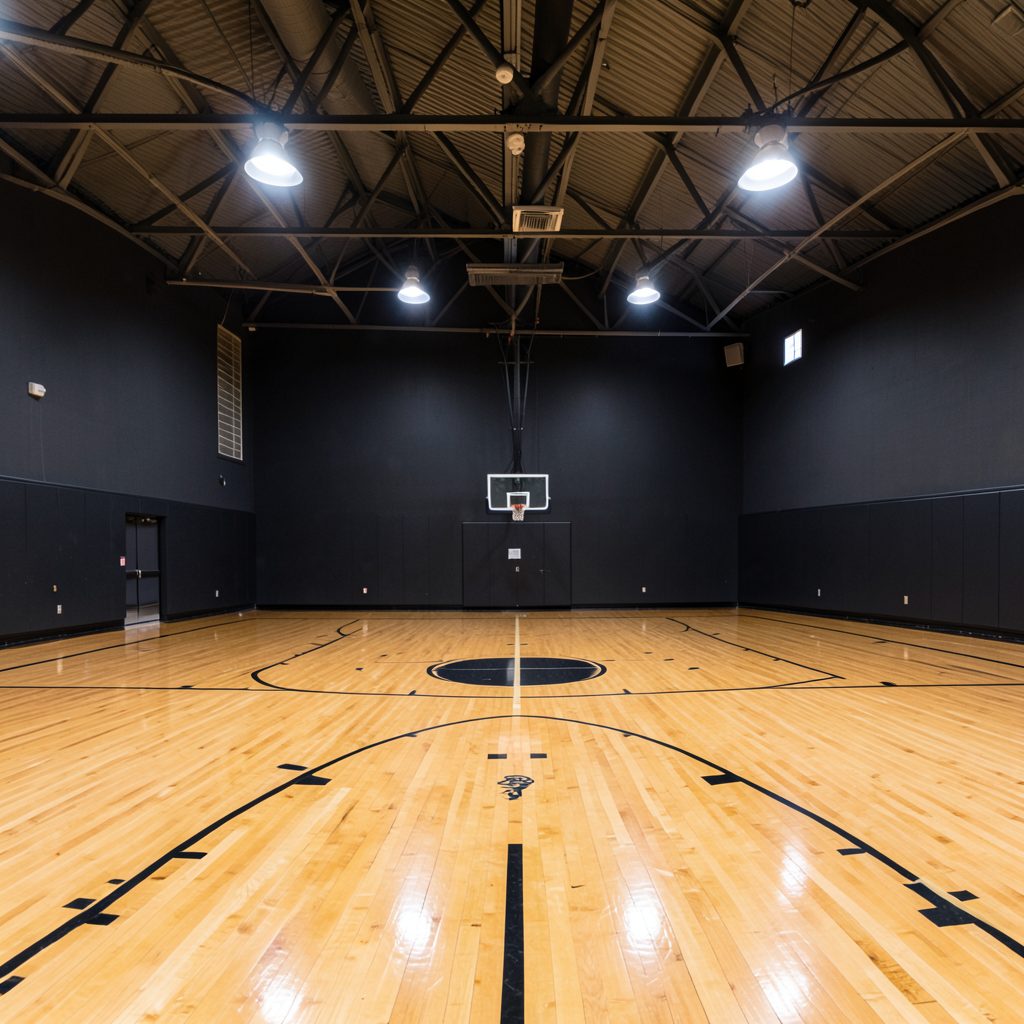

Three Entities, One Roof
Leagues
Eight league divisions span every age group: Indy Pro AM, 18+ Open Men's, 30+ Men's, Bite Size (ages 3–6), Impact League, 5th/6th Grade, Middle School, and High School. Gather your team and compete.
Training
Individual and group basketball training for all skill levels. Major M.O.V.E.S. Basketball Training serves ages 4–7 on Wednesday and Thursday evenings at 6:30 PM — $30 per session or $100 unlimited monthly.
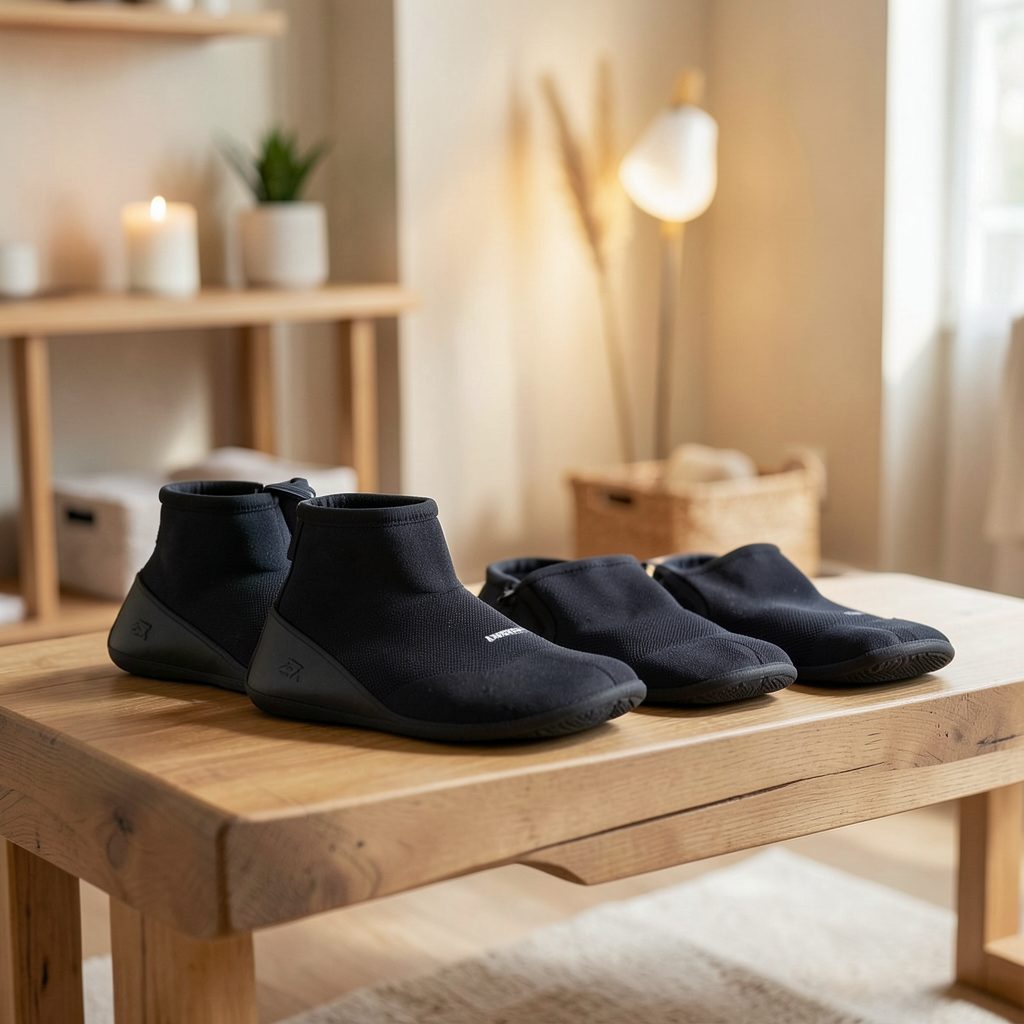
Wellness & Recovery
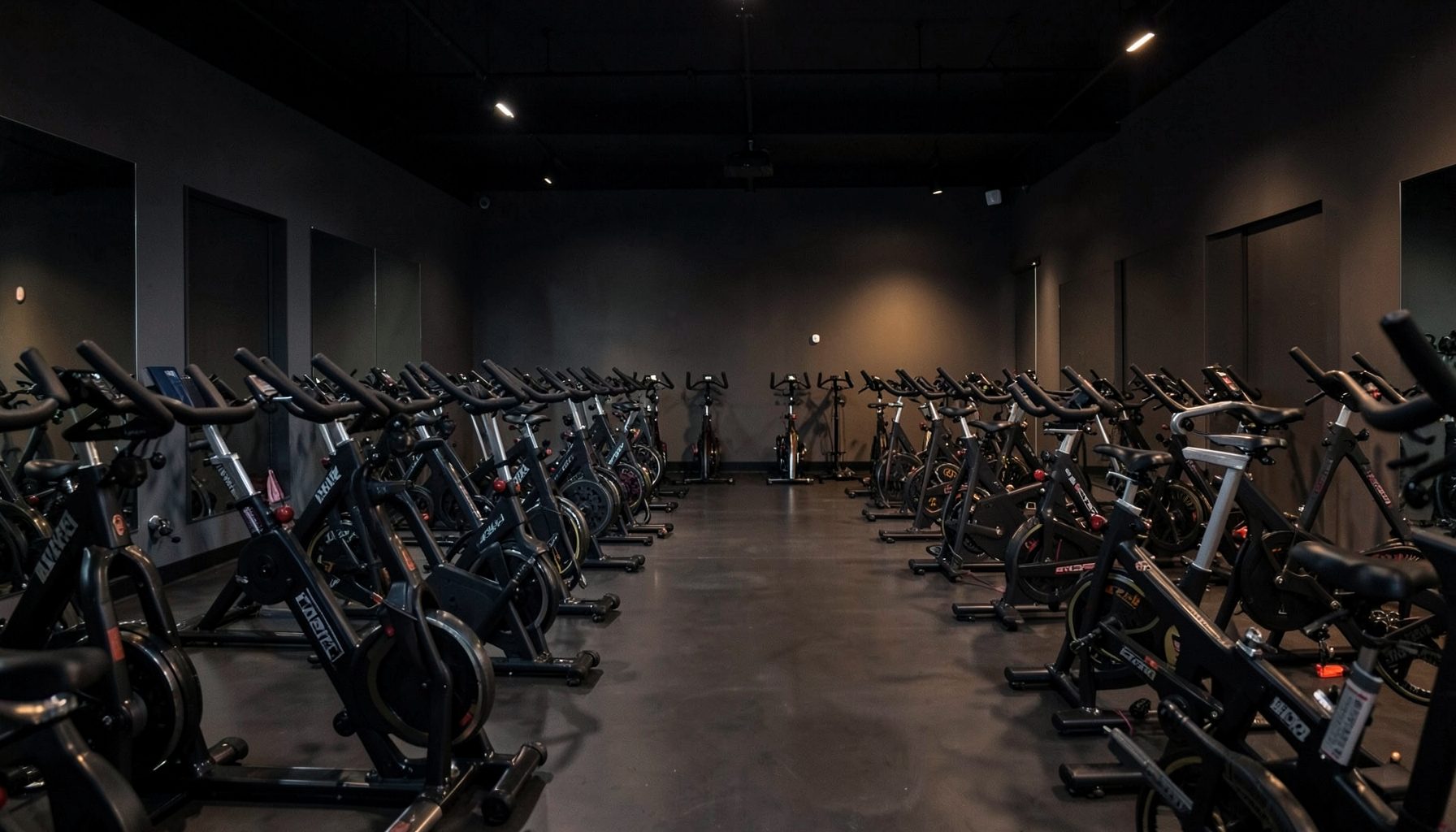
Normatec boot recovery and cryotherapy treatments help athletes bounce back faster. Cycle and spin classes add a cardio dimension to the holistic performance approach.
Have a Question?