Train. Compete. Recover.
A multi-purpose athletic facility in Speedway, Indiana — basketball leagues, skill training, and wellness services all under one roof.
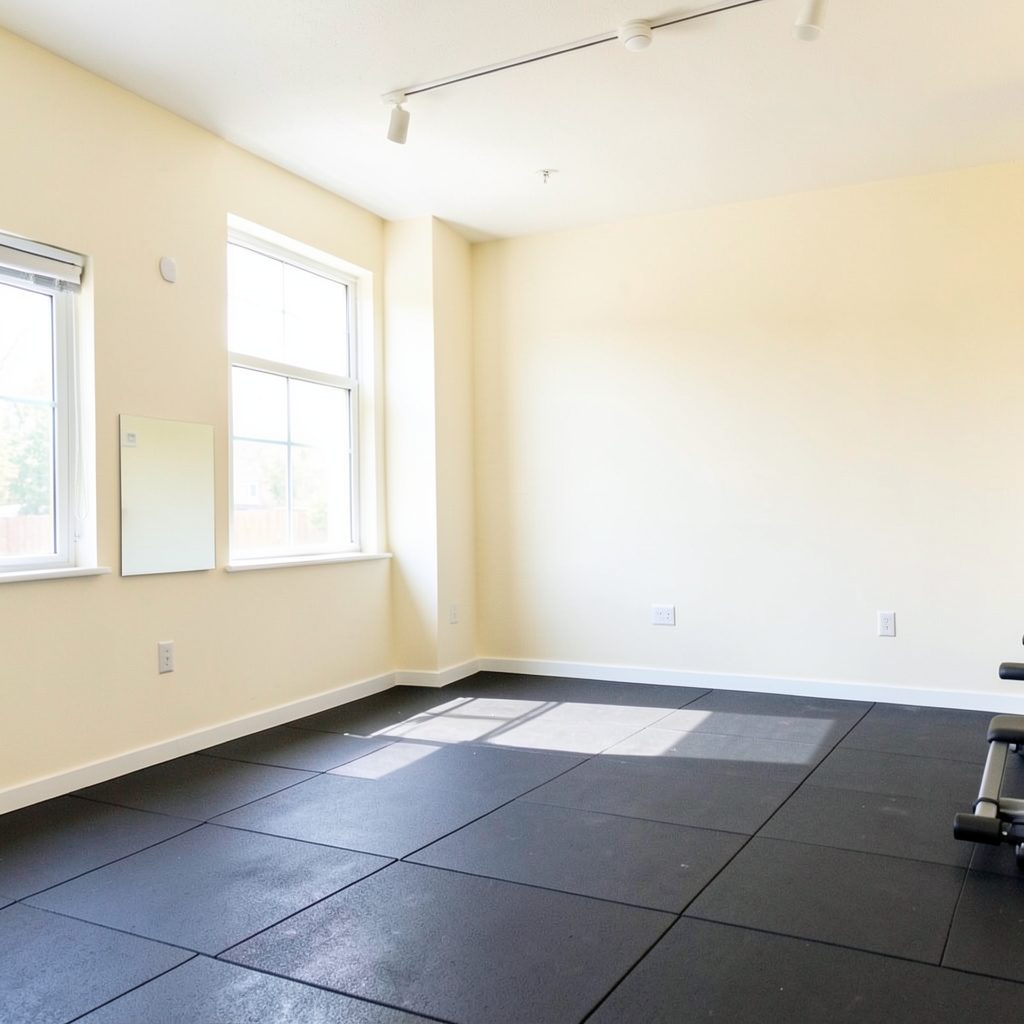
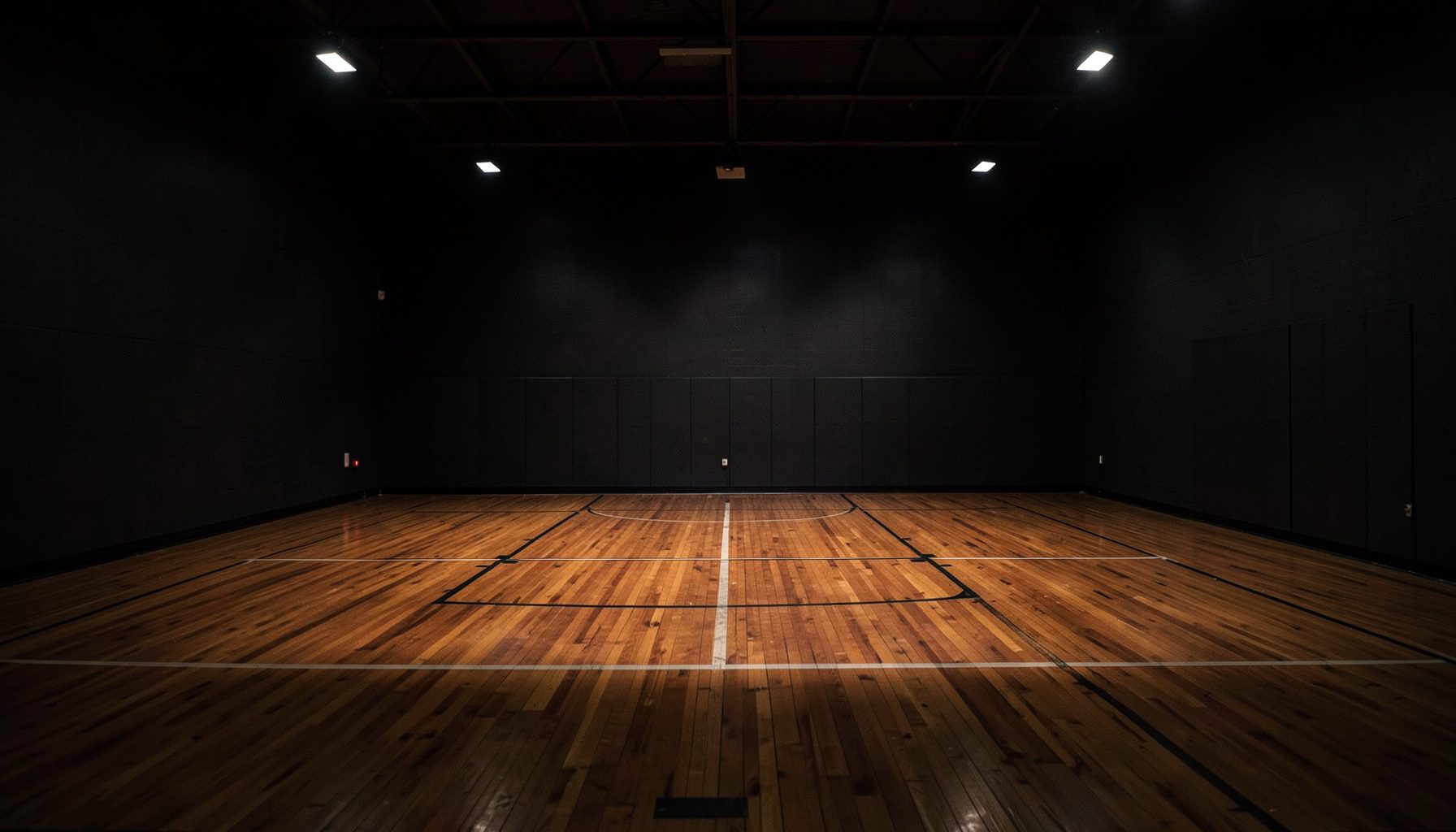
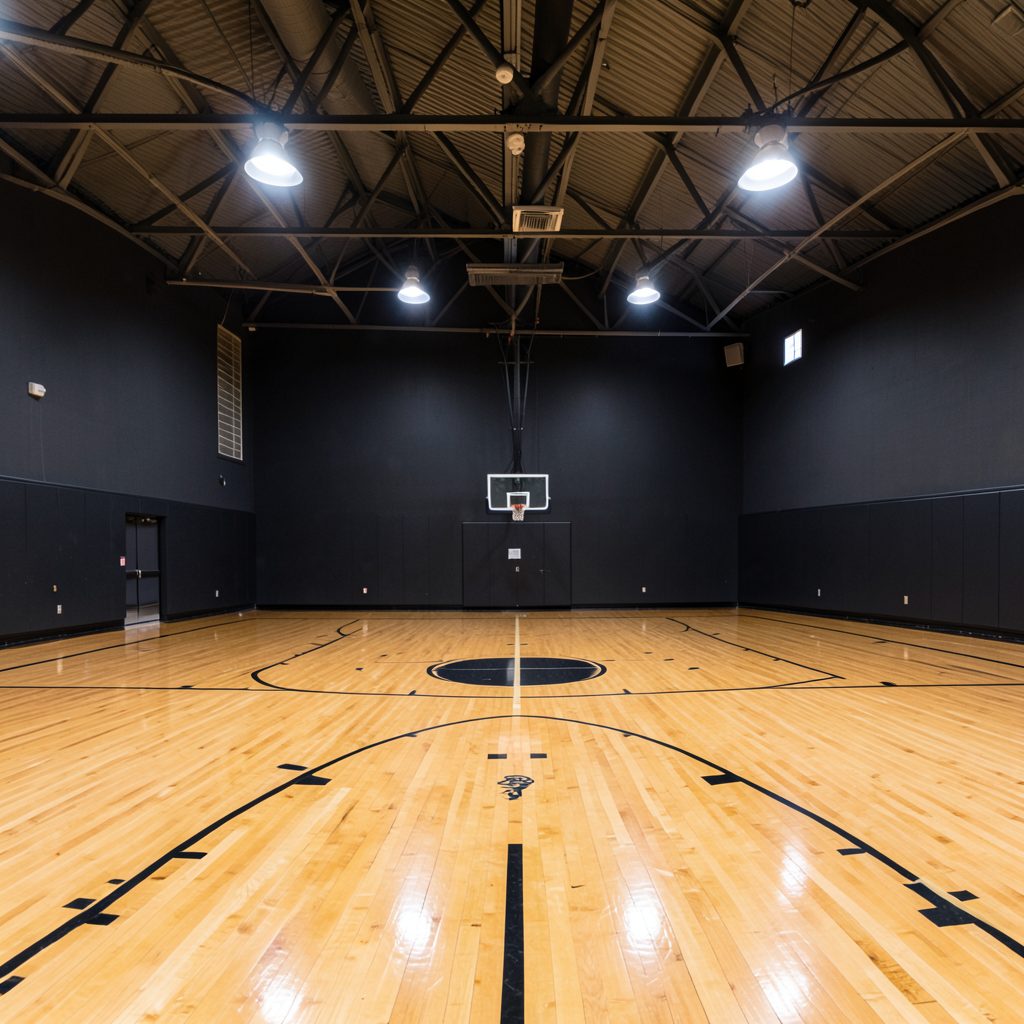
The Factory D1 Indy brings together three entities under one roof: competitive basketball leagues for all age groups, individual and group training, and wellness & recovery services including Normatec boot recovery and cryotherapy. Located off I-465 and High School Road at 6331 Crawfordsville Road, Speedway, Indiana 46224.
Get In TouchChoosing the Right Basketball Training Format
Basketball development rarely follows a single path. A young beginner may need encouragement and basic movement skills, while an experienced guard may need precise feedback on footwork, shooting mechanics, or decision-making under pressure. The best training format depends on the athlete’s current ability, personality, schedule, and goals.
Group basketball training and private lessons can both produce meaningful progress. Group sessions create energy, competition, and opportunities to practice game actions with other players. Individual coaching offers concentrated attention and a plan built around specific strengths and weaknesses.
The right choice becomes clearer when families and athletes look beyond the session price. Consider what the player needs to learn, how quickly those needs must be addressed, and which environment will make consistent practice more likely.
Start With The Athlete’s Main Goal
The first decision should be based on the outcome the athlete wants. Players preparing for school tryouts may benefit from live drills, defensive pressure, and fast transitions that resemble a team practice. Athletes trying to correct a recurring shooting or ball-handling issue may need private instruction so a coach can observe every detail.
Age and experience also matter. Beginners often gain confidence from a welcoming group where they can learn basic basketball fundamentals alongside peers. A more advanced player may require specialized skill development, position-specific work, or an individual performance plan that would be difficult to deliver in a crowded session.
The timeline deserves attention as well. If a tryout, tournament, or season is approaching, private lessons can address urgent weaknesses efficiently. When development is a longer-term priority, group training may provide a sustainable routine with enough variety to maintain motivation.
Understand The Value Of Group Sessions
Group basketball training gives players a social setting where effort and improvement are visible. Athletes can watch how teammates solve problems, respond to coaching, and compete through demanding drills. That shared environment often creates accountability, especially for players who work harder when they are surrounded by peers.
Many group workouts include stations for shooting, passing, finishing, defense, agility, and conditioning. A coach can teach a concept, then allow players to apply it with movement and pressure. This makes group practice useful for athletes who need to improve rhythm, court awareness, communication, and decision-making.
There are limitations. A coach’s attention must be divided among several participants, so an individual technical flaw may receive only brief correction. Skill levels can vary, and a player may find some drills too easy or too advanced. Asking about group size, age divisions, and the coach’s approach can help families find a better fit.
Know When Private Coaching Makes Sense
Private basketball lessons are built around the individual athlete. A coach can break down shooting form, change the pace of instruction, repeat a challenging movement, and provide immediate feedback after each attempt. This concentration is especially valuable when a player has a clear technical issue or wants to make a specific change before competition.
One-on-one instruction can also help athletes who feel overwhelmed in a group. A quieter player may ask more questions and take more risks when mistakes are treated as part of the learning process. Private sessions can build confidence while developing skills such as ball control, finishing with either hand, shooting off the dribble, and defensive positioning.
The format is not automatically better for every athlete. It can be more expensive, and a player may have fewer chances to read defenders, communicate, or make decisions against opponents. Private instruction works best when the athlete practices between sessions and arrives with a defined objective rather than expecting the coach to solve every issue in a single workout.
Compare The Options Clearly
Budget, training frequency, and the athlete’s response to competition should all influence the decision. A group program may make regular development more affordable, while occasional private lessons can provide a technical reset. Some families use individual coaching during the offseason and group practices during the competitive calendar.
| Consideration | Group Training | Private Lessons |
|---|---|---|
| Coach attention | Shared among several athletes | Focused on one player |
| Game pressure | More opportunities for competition and live reactions | Can be added selectively through drills |
| Cost per session | Usually lower | Usually higher |
| Social development | Strong peer interaction and communication | Limited peer interaction |
| Best use | Consistent development and team-oriented skills | Specific corrections and individualized goals |
| Scheduling | Often follows a set class or program time | May offer more flexible appointment options |
The table points to a practical distinction: group work generally develops the athlete within a basketball community, while private coaching concentrates on the athlete’s personal improvement plan. Neither format covers every need by itself.
Before enrolling, ask how progress is measured. Useful answers may include skill assessments, shooting percentages, movement benchmarks, coach observations, or periodic goal reviews. A clear process makes it easier to determine whether training is producing real improvement rather than simply filling time.
Consider A Hybrid Training Plan
A combined approach can offer the strongest balance. For example, an athlete might attend weekly group workouts to build competitive habits and schedule a private lesson every few weeks to address shooting mechanics or ball-handling details. The individual session can then support what the player is practicing in the group environment.
This model also lets athletes move through different development phases. A beginner may start with group fundamentals, add private instruction when a challenge appears, and eventually join a league where skills are tested in realistic situations. An advanced player may reverse the emphasis by using private coaching for specialized development and group play for decision-making.
The key is coordination. Coaches should know the athlete’s goals and avoid assigning unrelated corrections from one session to the next. A simple development plan might identify two technical priorities, one athletic target, and one competitive habit to work on over several weeks.
Evaluate The Coach And Training Environment
The coach’s communication style can matter as much as the session format. Look for instruction that is specific, encouraging, and appropriate for the athlete’s age. Strong coaches explain why a movement matters, demonstrate it clearly, and give feedback the player can apply immediately.
The facility should support the kind of development being pursued. Court quality, equipment, safety practices, scheduling, and access to leagues all affect the experience. A full athletic setting can be useful when an athlete wants basketball skills, conditioning, and recovery resources in one place. Families can explore The Factory D1 Indy to see how a community-focused facility brings training, competition, and broader athletic services together.
It is also worth observing a session when possible. Notice whether players are active for most of the workout, whether corrections are individualized, and whether the atmosphere is competitive without becoming discouraging. A positive environment should challenge athletes while giving them room to make mistakes and learn.
Build A Practical Selection Plan
Use these recommendations when deciding which format belongs in the athlete’s schedule:
- Choose group training when the player needs peer competition, communication, live decision-making, or a consistent team-oriented routine.
- Choose private lessons when the athlete has a specific mechanical problem, a short-term performance target, or a need for highly individualized instruction.
- Combine both formats when the budget and schedule allow, using private coaching for targeted corrections and group sessions for application.
- Ask about coach qualifications, group size, progress tracking, session goals, and how instruction changes for different age and skill levels.
- Reassess after four to eight weeks by reviewing confidence, measurable skill changes, practice consistency, and performance in games or scrimmages.
A thoughtful choice can change as the athlete develops. The ideal arrangement for a beginner may be different from the one needed before high school tryouts or during a competitive league season. Regular review keeps training aligned with current needs instead of locking the player into a format out of habit.
The most effective program is the one the athlete will attend consistently, understand clearly, and apply between sessions. Whether the next step is a group workout, a private lesson, or a combination of both, begin with one or two measurable goals and commit to the practice required to reach them. Schedule a training visit at a local basketball facility and turn those goals into a focused development routine.
Inside The Factory

Three Entities, One Roof
Leagues
Eight league divisions span every age group: Indy Pro AM, 18+ Open Men's, 30+ Men's, Bite Size (ages 3–6), Impact League, 5th/6th Grade, Middle School, and High School. Gather your team and compete.
Training
Individual and group basketball training for all skill levels. Major M.O.V.E.S. Basketball Training serves ages 4–7 on Wednesday and Thursday evenings at 6:30 PM — $30 per session or $100 unlimited monthly.
Wellness & Recovery
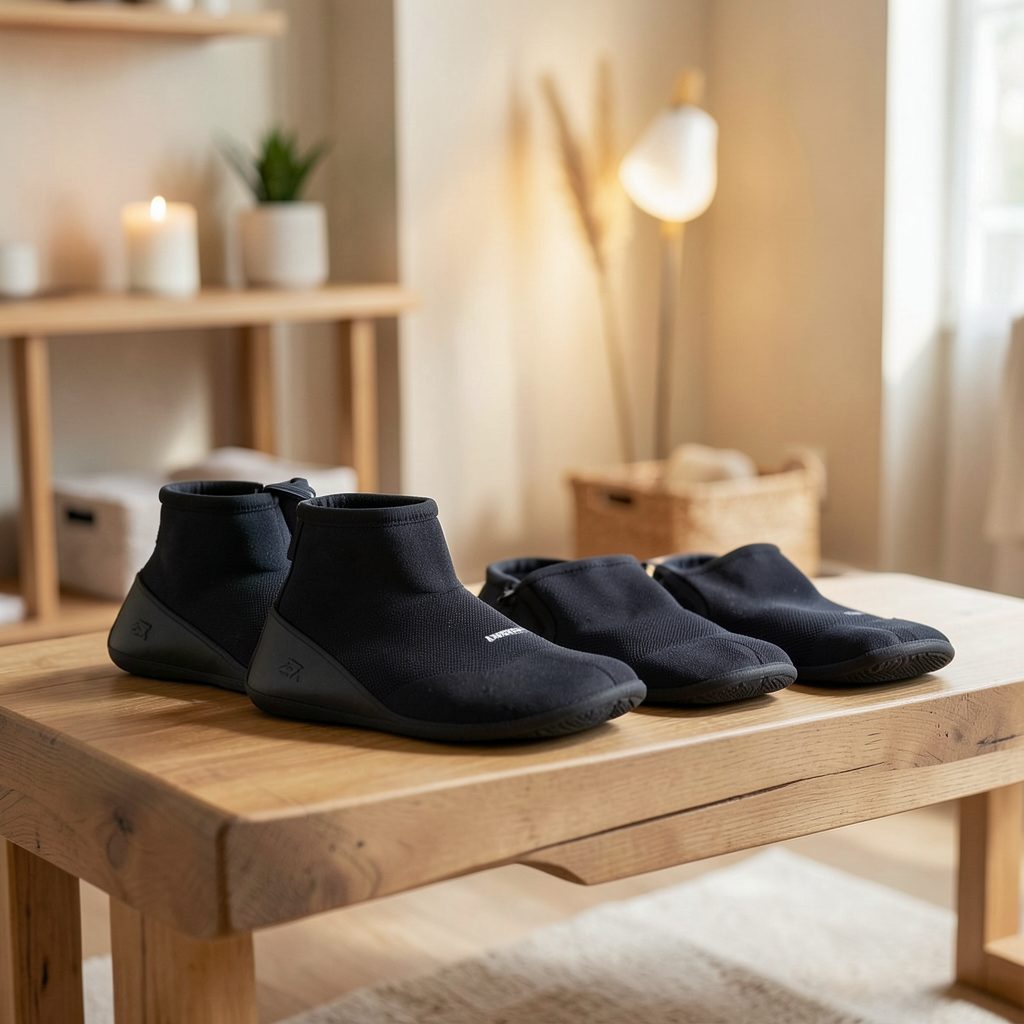
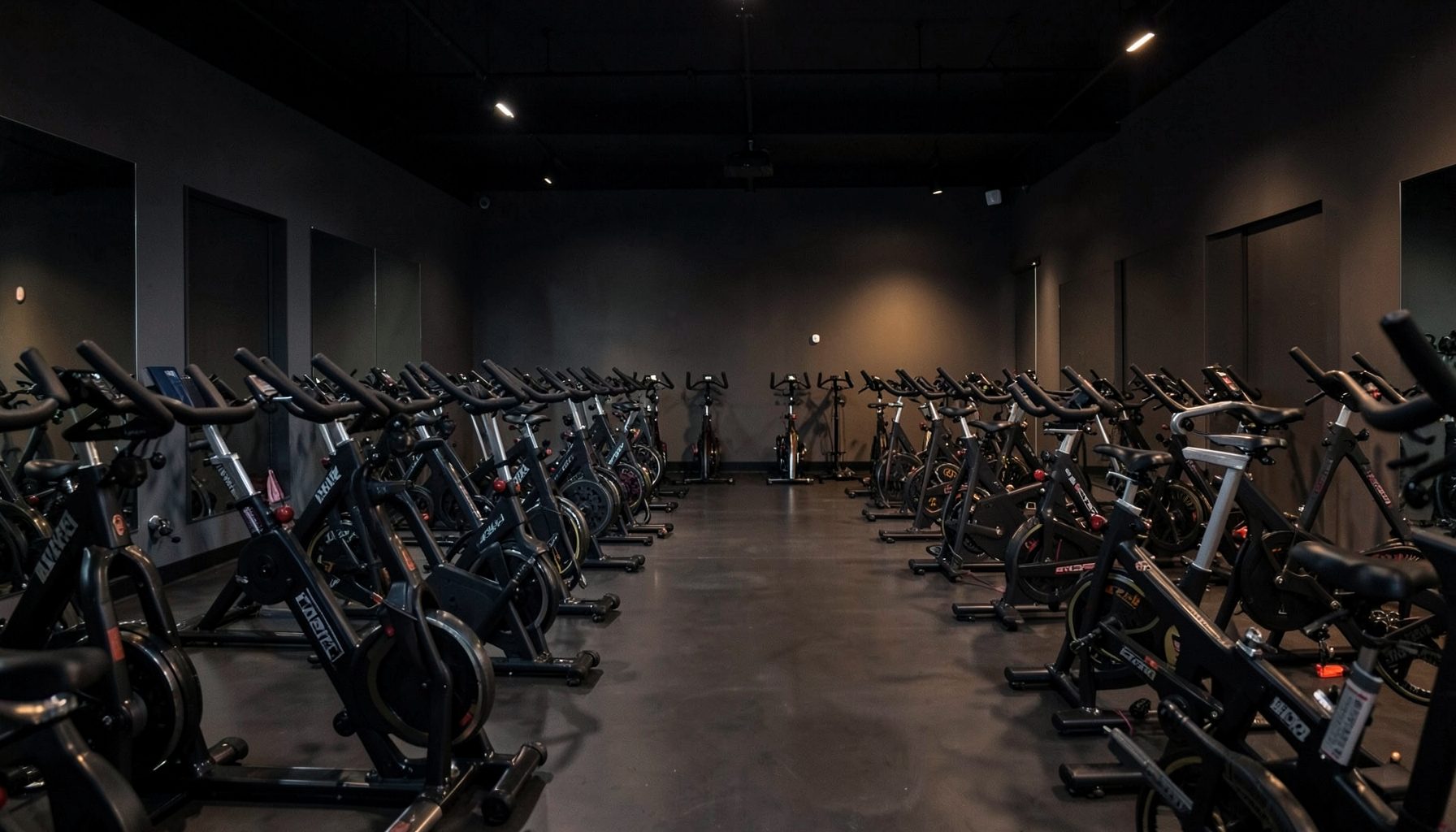
Normatec boot recovery and cryotherapy treatments help athletes bounce back faster. Cycle and spin classes add a cardio dimension to the holistic performance approach.
Have a Question?