Train. Compete. Recover.
A multi-purpose athletic facility in Speedway, Indiana — basketball leagues, skill training, and wellness services all under one roof.
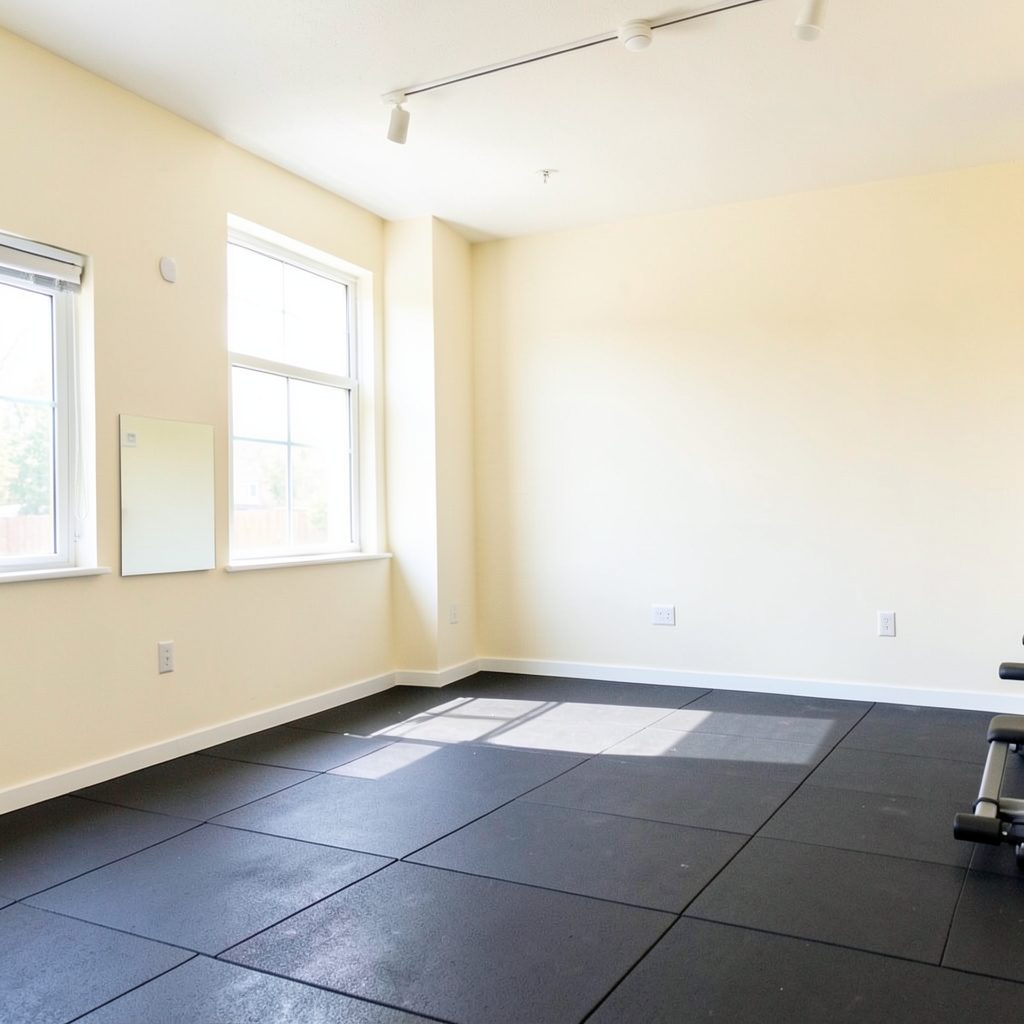
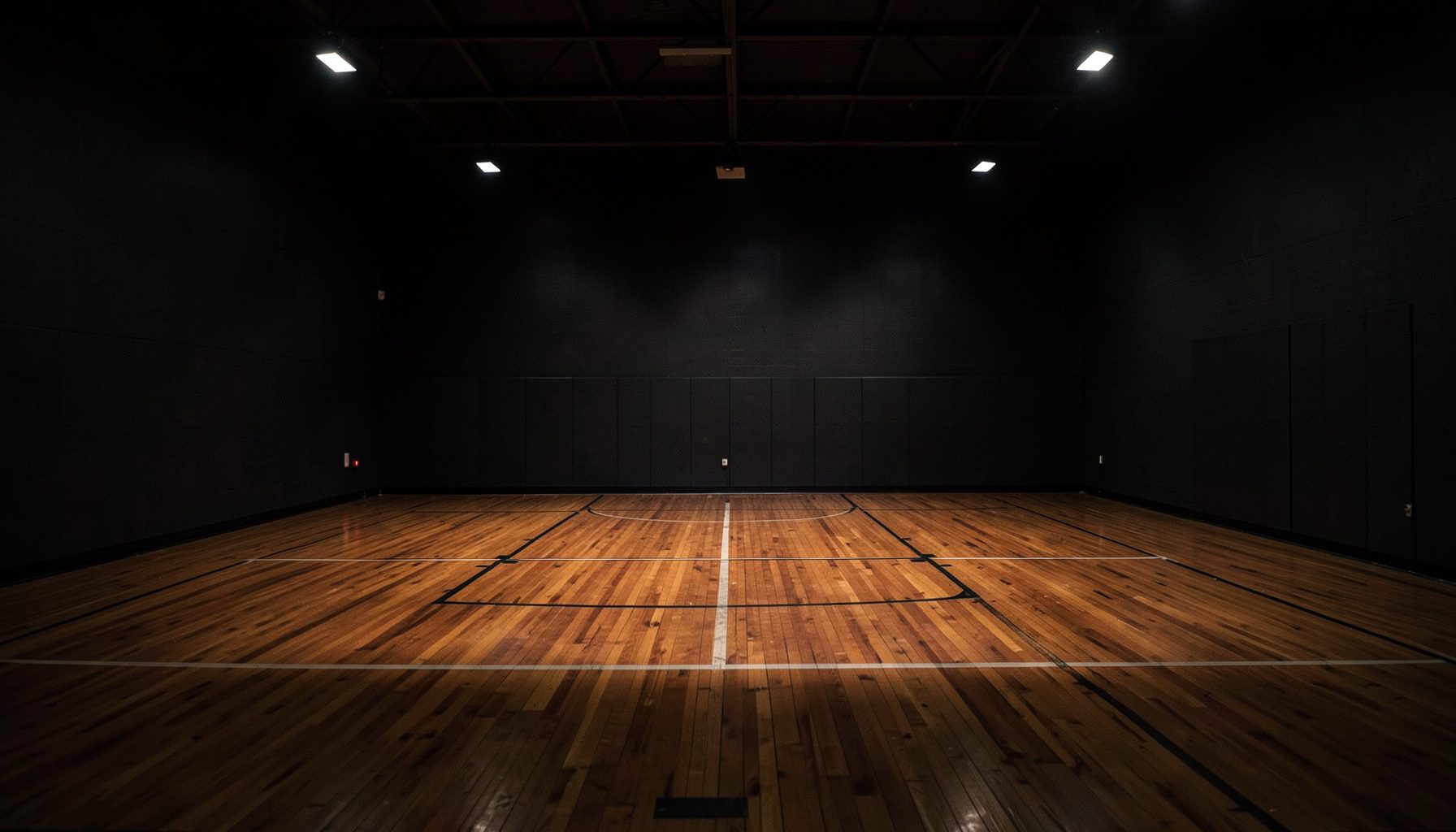
The Factory D1 Indy brings together three entities under one roof: competitive basketball leagues for all age groups, individual and group training, and wellness & recovery services including Normatec boot recovery and cryotherapy. Located off I-465 and High School Road at 6331 Crawfordsville Road, Speedway, Indiana 46224.
Get In TouchHow to Choose the Right Basketball League for Your Skill Level in Speedway
Choosing the right basketball league for your skill level in Speedway can make the difference between a frustrating season and a rewarding one. The best division gives you enough competition to improve while still allowing you to contribute, learn, and enjoy every game.
Speedway athletes have several factors to consider beyond age. Playing experience, physical conditioning, preferred position, team goals, and comfort with organized competition all affect which league will be the best fit. A recreational player returning after several years may need a different environment from a high school athlete seeking sharper competition.
The Factory D1 Indy provides a community-focused setting for youth and adult athletes, with basketball training and league opportunities suited to different stages of development. A thoughtful evaluation before registering helps you choose a division that supports both performance and long-term enjoyment.
Start With An Honest Self-Assessment
Begin by reviewing your current basketball habits rather than relying only on past experience. Consider how often you play, whether you participate in full-court games, and how comfortable you are with fundamentals such as ball handling, defensive positioning, rebounding, and finishing at the rim. Someone who played competitively years ago may still need time to rebuild conditioning and game rhythm.
Your role on a team also matters. A confident scorer may struggle in a faster league if defensive rotations and transition play are unfamiliar. A reliable passer or defender may thrive in a competitive setting even without being the strongest individual shooter. Think about the skills you can consistently use under pressure, not only what you can perform during warmups.
Age divisions provide a useful starting point, especially for young athletes, but they do not tell the entire story. Children develop physically and emotionally at different rates, so an appropriate youth basketball league should offer meaningful competition without making players feel overwhelmed. Parents and coaches can help by focusing on confidence, effort, fundamentals, and enjoyment.
Understand The Format Before You Register
League structure often has as much influence on your experience as the skill level. A recreational division may emphasize participation, sportsmanship, and steady learning, while a more competitive league can involve tighter defensive rules, faster possessions, and greater expectations for attendance. Review the game length, roster size, practice schedule, and officiating standards before choosing.
Adult leagues may vary widely in pace and intensity. Some attract former school or college players who maintain a high level of conditioning. Others are designed for working adults who want organized games without a demanding weekly schedule. If you are returning to basketball, a balanced recreational league may be a better first step than entering the most competitive available division.
For youth players, ask how teams are formed and whether evaluations are used. Balanced rosters can create better games and give developing athletes more opportunities to handle the ball, defend, and make decisions. A division with clear age guidelines and appropriate rules can support player development more effectively than a league selected solely for its name.
Compare League Options In Speedway
Once you understand your ability and preferences, compare the available choices at the facility. Look for details about division eligibility, registration deadlines, game dates, team placement, and the expected level of play. The league registration details can help families and players review current opportunities before committing to a season.
It is also useful to consider how the league fits into your broader athletic schedule. A player attending skills training, school sports, or other conditioning sessions may need a league with manageable game times. Adults should account for work, family, and recovery time, since consistent attendance benefits both individual progress and team chemistry.
| League consideration | Developing or recreational player | Experienced or competitive player |
|---|---|---|
| Game pace | Moderate tempo with room to make decisions | Fast transitions and quicker defensive pressure |
| Main goal | Confidence, fundamentals, and enjoyment | Performance, challenge, and sharper execution |
| Ideal preparation | Basic skills training and regular pickup play | Structured practice, conditioning, and game reps |
| Team expectations | Learning roles and building consistency | Reliable attendance and tactical discipline |
| Best indicator of fit | Can contribute without feeling lost | Can stay effective under sustained pressure |
A good match should stretch your abilities without removing your opportunity to participate. If you are unsure between two divisions, review the descriptions carefully and speak with league staff about the typical players and style of play. Clear information is more useful than choosing based on the division that sounds most advanced.
Read Rules And Team Expectations
Rules can change the way a league feels on the court. Check whether the division uses standard timing, a shot clock, specific substitution rules, or restrictions on full-court pressure. These details affect conditioning demands and decision-making speed. A player comfortable with half-court play may need additional preparation for a league built around constant transition.
Team expectations deserve equal attention. Some teams treat games as casual weekly competition, while others expect players to arrive early, communicate on defense, and take practices seriously. Neither approach is automatically better, but the right environment should match your reasons for playing. Misaligned expectations can create tension even when the division itself is suitable.
Also review safety policies, equipment requirements, and conduct standards. Competitive basketball should remain organized and respectful for players of every age. Understanding the rules before the first game allows you to focus on execution instead of adjusting to avoidable surprises.
Use Training To Close The Skill Gap
League games reveal weaknesses quickly, but training can help you address them before and during the season. Individual basketball instruction is useful for improving shooting mechanics, footwork, dribbling under pressure, passing angles, and defensive movement. Group sessions can add decision-making and competitive repetitions that resemble game situations.
Players who are between levels can use a short training period to prepare for a more challenging division. Improving cardiovascular conditioning, lateral quickness, and ball control may make a higher-paced league feel manageable. Younger athletes can benefit from development work that builds coordination and confidence without placing excessive emphasis on winning.
Recovery also supports league performance. Repeated games, practices, and workouts can lead to soreness that affects movement and concentration. Services such as wellness and recovery support can complement a sensible routine that includes hydration, sleep, mobility work, and rest days. Recovery is especially important for adults balancing basketball with work and family responsibilities.
Make Your Final League Choice
Before registering, compare your answers across several practical areas. Choose the division where your ability, schedule, and goals overlap most closely. The strongest option may not be the most demanding one; it is the league where you can play consistently, accept coaching, and make measurable progress.
Use these recommendations to narrow the decision:
- Select a division that challenges your current skills without making regular participation unrealistic.
- Review age, format, rules, game times, and attendance expectations before paying registration fees.
- Ask about team placement or evaluations when your experience falls between two skill levels.
- Build in basketball training and conditioning if you are moving into a faster or more competitive league.
- Treat recovery, sleep, and mobility as part of your preparation throughout the season.
After choosing a division, set one or two concrete goals for the season. You might aim to improve defensive positioning, reduce turnovers, make better outlet passes, or become more consistent from a particular area of the floor. Specific goals help you measure progress even when wins and losses vary.
The right league should give you a reason to keep returning. Review the available divisions, select the environment that fits your ability and schedule, and complete your registration with The Factory D1 Indy to take the next step toward organized basketball in Speedway.
Inside The Factory

Three Entities, One Roof
Leagues
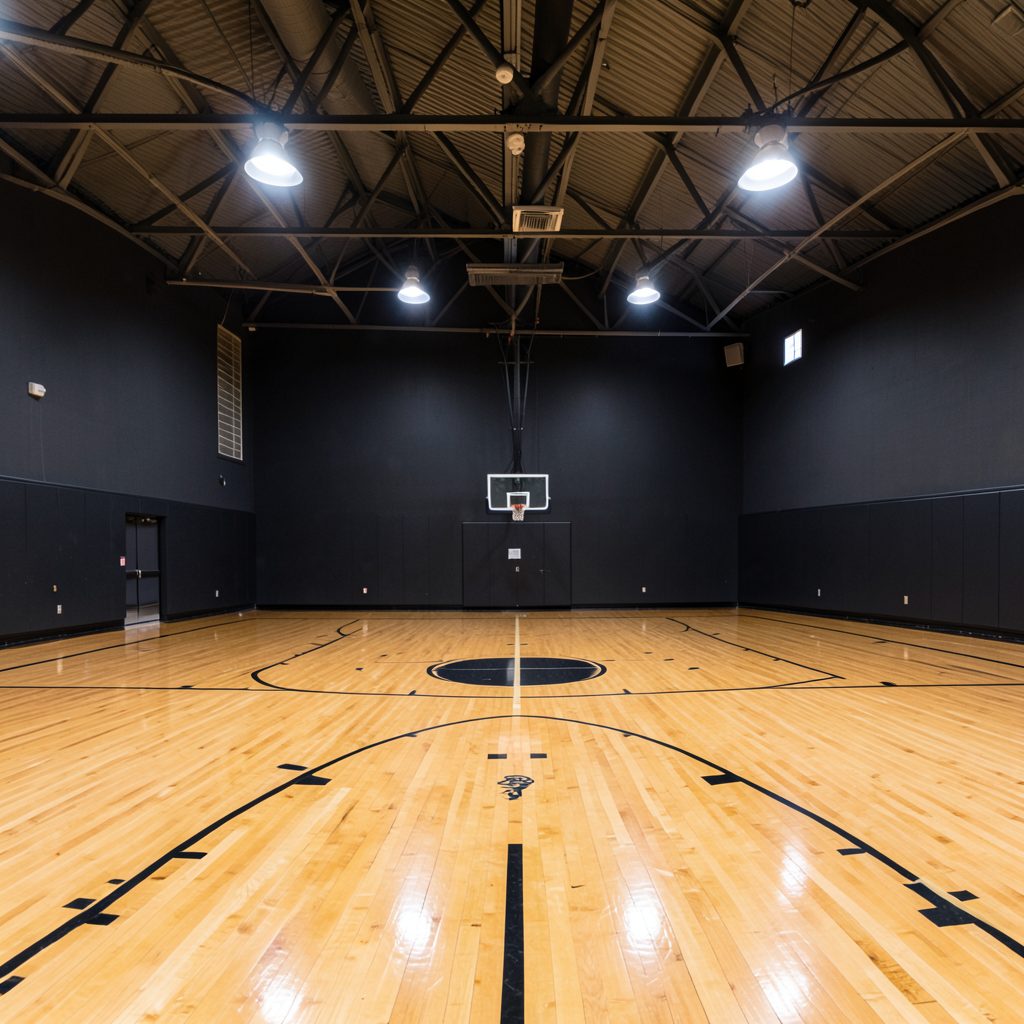
Eight league divisions span every age group: Indy Pro AM, 18+ Open Men's, 30+ Men's, Bite Size (ages 3–6), Impact League, 5th/6th Grade, Middle School, and High School. Gather your team and compete.
Training
Individual and group basketball training for all skill levels. Major M.O.V.E.S. Basketball Training serves ages 4–7 on Wednesday and Thursday evenings at 6:30 PM — $30 per session or $100 unlimited monthly.
Wellness & Recovery
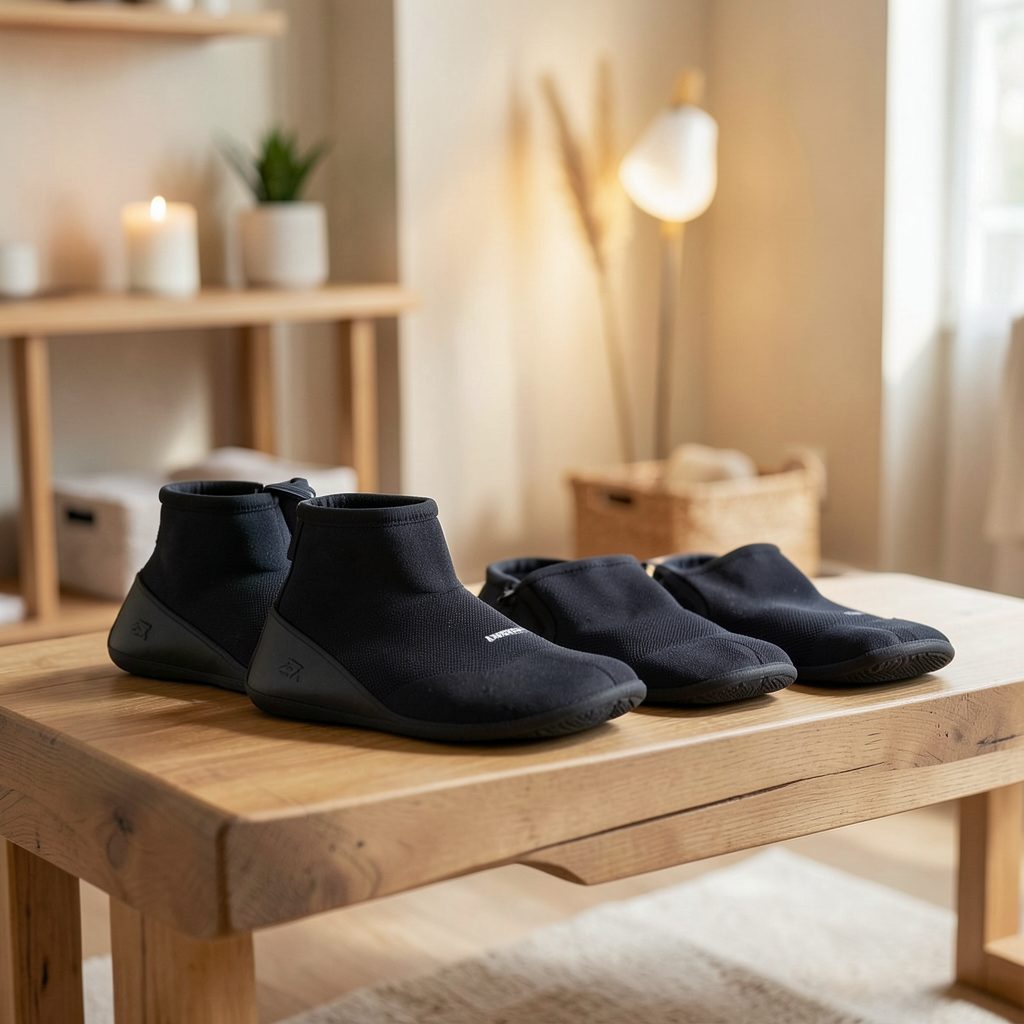
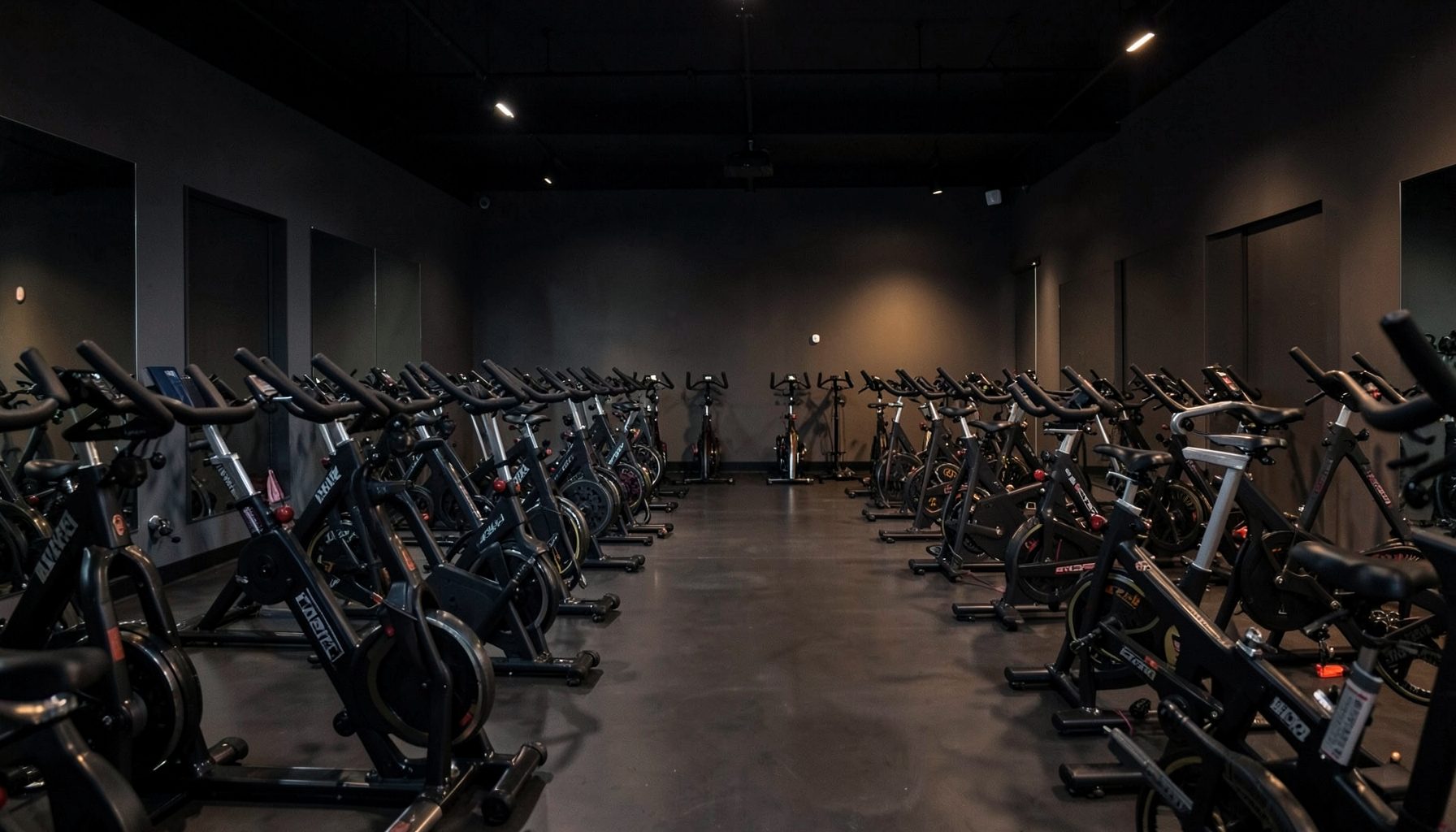
Normatec boot recovery and cryotherapy treatments help athletes bounce back faster. Cycle and spin classes add a cardio dimension to the holistic performance approach.
Have a Question?