Train. Compete. Recover.
A multi-purpose athletic facility in Speedway, Indiana — basketball leagues, skill training, and wellness services all under one roof.
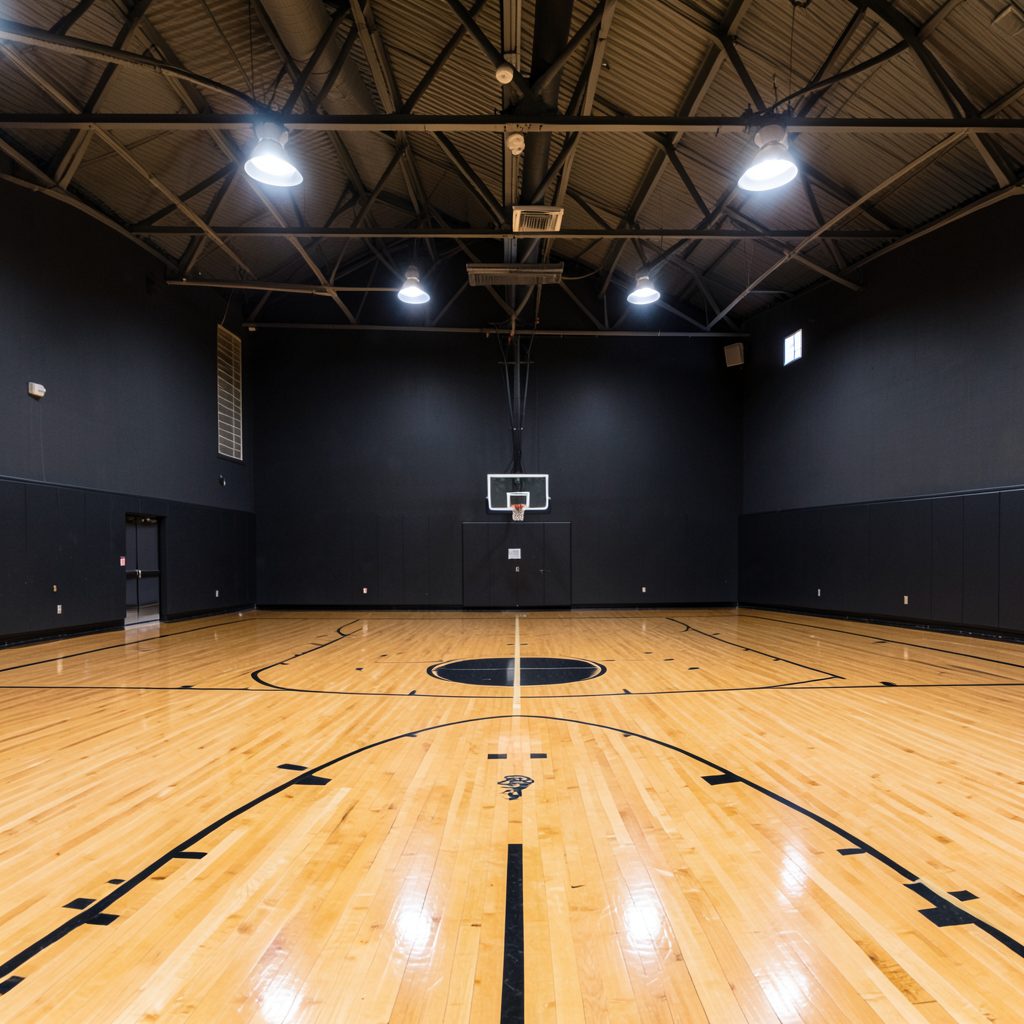
The Factory D1 Indy brings together three entities under one roof: competitive basketball leagues for all age groups, individual and group training, and wellness & recovery services including Normatec boot recovery and cryotherapy. Located off I-465 and High School Road at 6331 Crawfordsville Road, Speedway, Indiana 46224.
Get In TouchChoosing the right basketball shoes for indoor court surfaces
A basketball shoe should give you secure traction, absorb repeated landings and remain comfortable through quick changes of direction. The right pair also depends on the exact floor beneath your feet, because hardwood, synthetic panels and rubberised courts behave differently. The surface influences which outsole will grip cleanly and how much cushioning feels appropriate.
Australian basketball players regularly move between polished timber arenas, synthetic community courts and multi-purpose centres in cities such as Melbourne, Sydney, Brisbane, Perth and Adelaide. Courts may be well maintained or show the wear of busy weekday sessions. Air-conditioning improves comfort, although warm or humid conditions can still affect foot volume, sweat and the feel of a shoe late in a game.
Basketball footwear is often called “trainers” in Australia, yet a general running shoe rarely provides the lateral support or forefoot control needed for basketball. It also helps to understand that Australian sizing is not a universal conversion of US, UK or European labels. Two shoes carrying the same size on the box may fit differently because each manufacturer uses its own last and measurements.
Start with where you play, how often you play and whether you need one pair for several court types. A shoe that feels excellent on a showroom floor may behave differently after a full training session. The most useful choice is the one that feels stable during jumps, sharp during cuts and comfortable enough for your longest competitive game.
Identify the court surface first
Hardwood or synthetic timber generally rewards a flat, non-marking rubber outsole with a close, multidirectional pattern. It offers predictable friction and usually requires less aggressive traction than an outdoor basketball court. Synthetic playing surfaces can vary considerably, so their maintenance and texture matter as much as the product label.
Some Australian venues use synthetic rubber or recycled sports flooring designed for indoor use. Others host basketball on multi-purpose surfaces originally installed for another sport. A shoe with deep outdoor-style lugs may grip well but can collect dust, feel harsh or leave marks on a clean floor. Always check the venue’s footwear policy before wearing a new pair.
Knowing the exact venue is the first step in choosing the right basketball shoes for indoor court surfaces. If you train across several centres, observe how the floor feels after a light workout and during the first few minutes of play. The surface may seem fast when clean but become slippery where dust, moisture or polishing residue gathers.
Read the outsole design correctly
A herringbone or shallow multidirectional pattern gives the forefoot and heel enough contact with an indoor floor for controlled stops and cuts. Solid rubber often provides consistent grip, while translucent compounds can balance traction with durability. Small pivot points may help players who rotate repeatedly, but they should supplement rather than replace a stable overall pattern.
Indoor traction comes from friction, not suction. A shoe should feel controlled without appearing to “stick” to the floor during a stop. Excessive grip can make it harder to rotate, and a narrow contact area can encourage the shoe to pivot over the ball of the foot. Broad, evenly distributed contact usually suits frequent changes of direction.
Test the shoe on a clean indoor floor if the retailer allows it. Walk briskly, perform a few lateral slides and check whether the outsole leaves residue. Dirt trapped beneath the studs can alter traction, so inspect the pattern before every session. Outdoor-only shoes are a separate category and are rarely the best choice for repeated indoor competition.
Match cushioning to your workload
Repeated jumping and landing create impact forces that vary according to body weight, court hardness, playing time and movement pattern. A moderately cushioned midsole can soften landings while preserving responsiveness. Plush foam may feel comfortable during standing drills, yet it can compress during a game and reduce the stability some players need.
Lightweight basketball shoes can benefit quick players who rely on speed and rapid acceleration. Heavier constructions may offer more substantial impact protection, but added weight is not automatically better. Compare the shoe with your current footwear rather than relying on a single weight figure, and notice whether your foot stays centred during lateral movement.
Cushioning should complement conditioning and recovery rather than conceal a poor fit or an excessive workload. If ankle, knee or foot discomfort continues, reduce intensity and seek advice from an appropriately qualified health professional. The Factory D1 Indy’s recovery services, including compression therapy and cryotherapy, can support broader workload management, but footwear remains only one part of a healthy training routine.
Get the fit right across Australian sizing
Australian retailers may present basketball shoes in AU sizing, US men’s sizing or another regional scale. Use the manufacturer’s size chart for the specific model, and compare it with your current shoes. Do not assume that one numerical conversion applies to every brand, because the shape of the toe box and the width of the midfoot can differ considerably.
Measure both feet at the end of a normal day and wear your usual basketball socks during the fitting. You should retain enough room in front of the longest toe to slide a thumb, while the midfoot should feel securely held without pressure along the sides. The heel should remain stable when you lift one foot, without the shoe lifting away during a forward step.
Width deserves particular attention. A shoe that is correctly sized can still pinch if your feet are broad, while a roomy toe box may allow the foot to slide during acceleration. Some players benefit from models designed with a wider forefoot, while others need a narrow fit for stability. When buying online, check the retailer’s return policy carefully and preserve the box, tags and packaging until you have tested the pair indoors.
Balance support, weight and durability
Low, mid and high basketball shoes differ mainly in collar height and overall support structure. A higher collar may feel secure to some players, but it does not guarantee fewer ankle injuries. The best choice is the one that holds your foot in a neutral position without creating pressure, stiffness or awkward movement around the ankle.
Durability depends on the outsole compound, court surface and frequency of use. Players who practise on rough synthetic floors may need stronger rubber coverage than those competing mainly on polished timber. Rotate pairs if possible, as repeated wear can flatten the midsole and reduce the consistency of the outsole. Replace a shoe when its tread, cushioning or structural integrity no longer supports safe movement.
Broader conditioning can improve the way you move on court. A hybrid fitness approach can combine gym-based strength with basketball-specific speed and agility work, helping footwear perform as intended rather than compensating for weak mechanics. Australian Consumer Law also provides rights when goods are faulty, even if the retailer’s voluntary returns period has ended, so keep your purchase details.
Test the pair in game-like conditions
A brief try-on at a sports store can reveal obvious fit issues, but it cannot reproduce an entire session. Wear the shoes for at least one training session before committing to them. Include jumps, defensive slides, sprinting and repeated changes of direction. Notice whether the forefoot lifts, your heel slips or pressure develops along the sides of the foot.
Bring your intended basketball socks and any ankle support you normally use. Testing with different footwear can conceal fit problems or change how the shoe feels. If you buy online, plan a dedicated indoor session soon after delivery so there is enough time to exchange the pair if the fit or traction does not meet your needs.
Keep the outsole clean, remove trapped grit after each game and let the shoes dry naturally at room temperature. Avoid leaving damp shoes in a hot car, where heat and sunlight can damage adhesives and foam. Store them away from persistent moisture and inspect the tread periodically, especially if your local court is dusty or synthetic.
Make the final court test count
Begin with two or three suitable models and use the same fit criteria for each: traction, forefoot control, landing comfort, heel stability and weight. Reviews can identify recurring problems, but player feedback remains subjective. A model praised by someone with a narrow foot may be unsuitable for a wider foot, and a lightweight design may not appeal to a player who prioritises cushioning.
Budget in Australian dollars and check whether the displayed price includes GST. Sales such as Boxing Day and end-of-financial-year promotions can reduce the cost, but the fit should take priority over a small discount. Buying a pair that can be exchanged and used for several sessions is often more valuable than choosing an unproven shoe solely because of a sale.
A court visit may also involve other amenities or visitor arrangements. If you are heading to The Factory D1 Indy, its casino FAQ guide can help with questions about the wider venue before you travel. Bring your current shoes, basketball socks and indoor court footwear options to the facility, compare their feel after activity and select the pair that remains stable under pressure.
Choose one pair for the court you use most, test it through a full practice and give it time to prove its value. When it fits, grips and supports your movement without discomfort, book your next skills session or league at The Factory D1 Indy and make that reliable pair part of your basketball routine.
Inside The Factory
Three Entities, One Roof
Leagues
Eight league divisions span every age group: Indy Pro AM, 18+ Open Men's, 30+ Men's, Bite Size (ages 3–6), Impact League, 5th/6th Grade, Middle School, and High School. Gather your team and compete.
Training
Individual and group basketball training for all skill levels. Major M.O.V.E.S. Basketball Training serves ages 4–7 on Wednesday and Thursday evenings at 6:30 PM — $30 per session or $100 unlimited monthly.
Wellness & Recovery
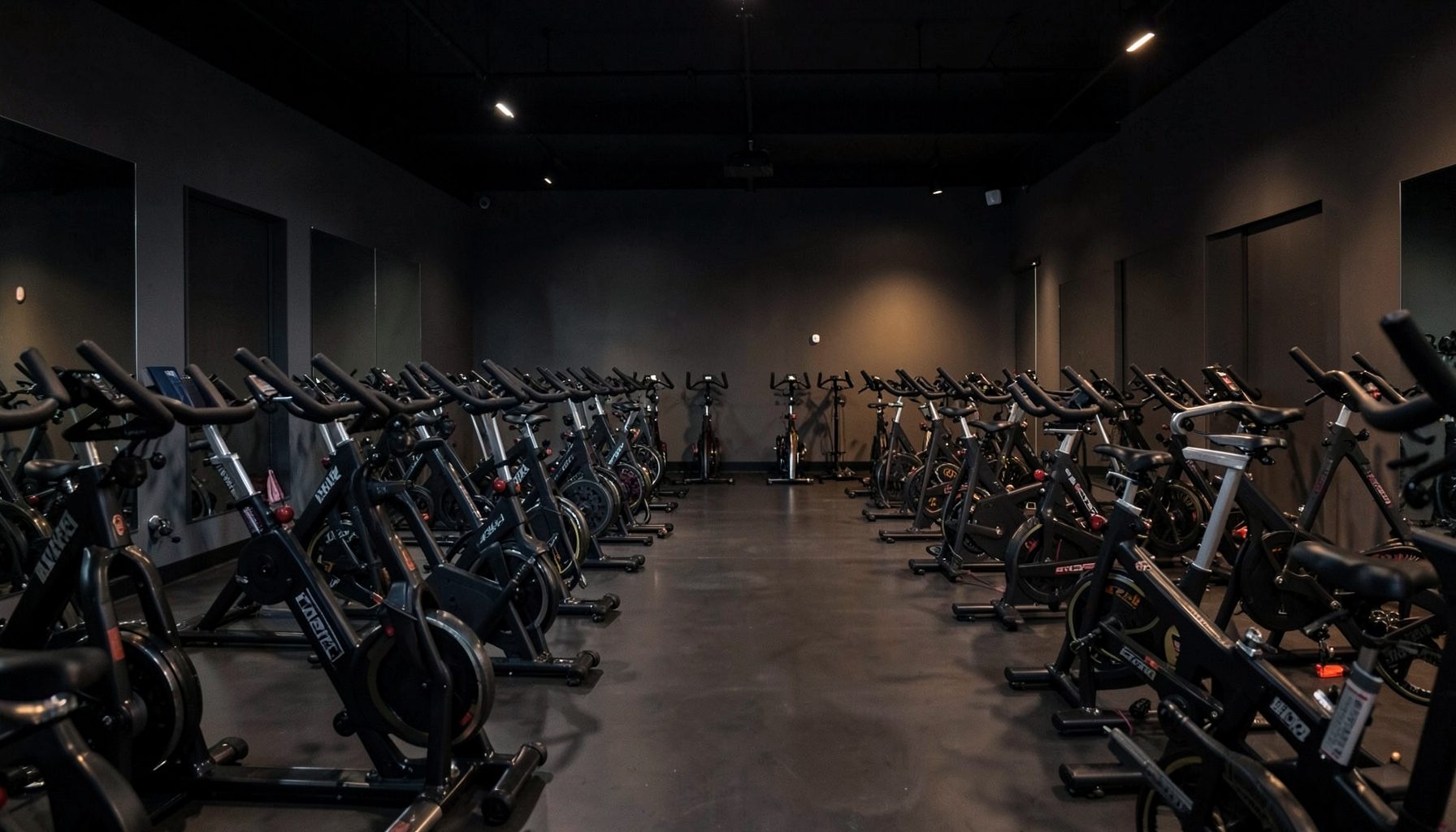
Normatec boot recovery and cryotherapy treatments help athletes bounce back faster. Cycle and spin classes add a cardio dimension to the holistic performance approach.
Have a Question?