Train. Compete. Recover.
A multi-purpose athletic facility in Speedway, Indiana — basketball leagues, skill training, and wellness services all under one roof.
The Factory D1 Indy brings together three entities under one roof: competitive basketball leagues for all age groups, individual and group training, and wellness & recovery services including Normatec boot recovery and cryotherapy. Located off I-465 and High School Road at 6331 Crawfordsville Road, Speedway, Indiana 46224.
Get In TouchNormatec and Stretching Combined for a Complete Recovery Routine
After a hard session on the court or a long week of training, the body often needs more than simply rest to bounce back. Athletes across Sydney, Melbourne, and Brisbane are increasingly turning to a layered approach that blends compression technology with deliberate, mindful movement. Pairing Normatec boots with a thoughtful stretching sequence helps flush tired legs, restore range of motion, and prepare the body for the next training block without that heavy or sluggish feeling. Used together, these two tools cover the mechanical and circulatory sides of recovery in a way that solo techniques rarely manage.
The Factory D1 Indy has built its reputation on giving athletes a single home for skills work, competition, and the kind of post-training care that keeps bodies durable across long seasons. Their adult basketball programs place ongoing conditioning at the centre of that plan, and recovery sits right alongside it. Athletes already exploring structured play through their adult basketball programs often find that weaving in a compression-plus-stretching protocol is the natural next step in protecting the work they put in during games and training.
How Pneumatic Compression Actually Works
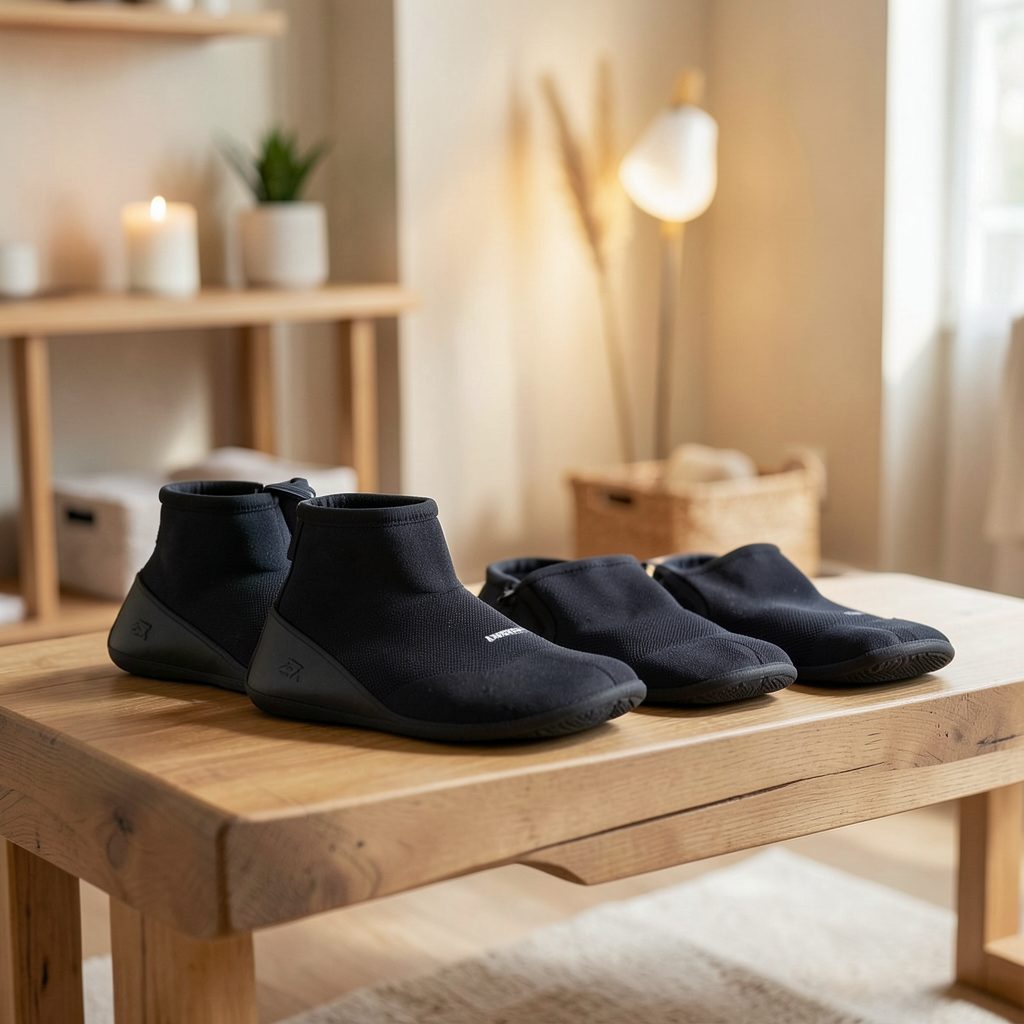
Normatec units use sequential pneumatic compression, meaning inflatable chambers wrapped around the legs inflate and deflate in a wave pattern. The pressure moves fluid from the extremities back toward the core, mimicking the muscle pump that activates when walking, jogging, or jumping. For basketball athletes who log heavy jumping and lateral cutting, this kind of assisted circulation reduces swelling in the calves and quads after high-volume weeks.
Modern Australian sports physiotherapists often recommend 20 to 30 minutes of compression immediately after training or competition. The legs feel noticeably lighter afterward, and athletes who previously relied solely on foam rolling frequently find that compression reaches deeper into the lower limbs where a roller cannot press. Used consistently, it supports faster turnaround between back-to-back sessions, which matters during a packed club or representative schedule spanning multiple states.
Why Stretching Still Matters in the Equation
Compression addresses blood and lymph flow, but it does very little for tissue length and joint mobility. That is where deliberate stretching enters the picture. A post-compression stretch window is ideal because the tissues are warmer, more hydrated, and more responsive than they would be after sitting at a desk all day. Holding gentle static positions for 30 to 60 seconds each gives fascia and muscles time to settle into a slightly longer resting length.
Dynamic mobility work also has its place, particularly as a warm-up before hitting the floor. However, the recovery-focused combination most adult players benefit from is static stretching after compression. Hip flexors, hamstrings, calves, and the thoracic spine all respond well to this order. For athletes training through hot Adelaide summers or cooler Hobart winter mornings, the temperature of the recovery room matters too; a warm space makes stretching more comfortable and reduces the risk of pulling cold tissue.
Sequencing Your Session the Right Way
The order of operations changes how effective the entire routine feels. Start with the compression cycle for 20 to 30 minutes, ideally while listening to music, a podcast, or simply breathing deeply. Once the cycle finishes, stand up slowly and walk around for a minute to let blood redistribute. Then move directly into the stretching sequence, beginning with the larger muscle groups before working into smaller areas.
A reliable order might be calves, quads, hamstrings, hip flexors, glutes, and finally the lower back and shoulders. Skip any position that causes sharp pain, and breathe slowly through each one. Many basketballers notice that the few minutes of transition between compression and stretching, usually spent getting a drink or chatting with a teammate, signal to the nervous system that the hard work is done. That mental shift is part of the recovery and should not be rushed.
Adding Breath and Mindfulness to the Process
Recovery sessions often become mechanical, and athletes miss the calming side of the experience. Pairing compression with controlled breathing amplifies the parasympathetic response, the part of the nervous system responsible for rest and repair. Slow nasal breathing, around four to six seconds in and out, lowers heart rate and helps the body shift out of fight-or-flight mode after intense training on the floor.
Some Australian athletes borrow ideas from broader wellness practices, including morning routines built around oil pulling and yoga, to bookend their training weeks. While those rituals are not strictly part of a recovery protocol, the mindset of treating recovery as a daily practice rather than an afterthought changes everything. The breathing component can sit comfortably on top of either phase, depending on where the body feels more tense in a given session.
Designing a Weekly Schedule That Fits Real Life
A recovery plan only works if it fits around everyday commitments. For club basketballers in Perth or Brisbane juggling weekend fixtures, weekday training, and work or study, the routine needs to be flexible. Two combined sessions per week is a solid starting point for most adult players, with one longer session on a heavy training day and a shorter session 24 to 48 hours later.
If the week is light, even one focused session keeps tissues responsive. Pairing the routine with a hot shower, a balanced meal, and eight hours of sleep multiplies the benefits. Athletes running a season through The Factory D1 Indy also use this approach to maintain their competitive edge, which is worth keeping in mind for anyone stepping into structured adult competition for the first time.
Common Mistakes to Avoid When Pairing the Two
Jumping on compression immediately after a hot training session in the Brisbane sun can leave some athletes feeling lightheaded. Cool down with five to ten minutes of walking first, then move into the compression phase. Skipping the stretch altogether is another frequent error; the two practices reinforce each other, and relying on only one misses the bigger picture.
Stretching cold tissue, whether first thing in the morning or directly after arriving at the facility, is a third misstep. Without that warm-up window, muscles are less pliable and more prone to strain. Treating recovery as passive rather than intentional also dilutes the results. Approaching each session with a clear plan, a comfortable room temperature, and a few minutes of focused breath makes the routine feel like a skill rather than a chore.
Adjusting the Routine Across a Season
No two athletes respond to recovery work exactly the same way. Some feel the benefits of compression immediately, while others need a few sessions to notice changes. The same applies to stretching; a hamstring that feels tight one week might be perfectly fine the next, depending on training load. Tracking how the body feels across the week, even with a simple phone note, helps adjust session length, pressure level, and stretch selection.
Soreness that lingers beyond 48 hours is a signal to scale back the next training session or add an extra recovery day. Sharp sensation during a stretch usually means the position needs adjusting, not that the athlete should push harder. For players returning from a long break, during off-season downtime, or after travel between Sydney, Melbourne, and Darwin for a tournament, the routine should start at the gentlest end of the spectrum and build gradually.
Book a session at The Factory D1 Indy to experience Normatec compression alongside the recovery and training services already built into their basketball programs, and start building a recovery routine that matches the effort put into every game.
Inside The Factory
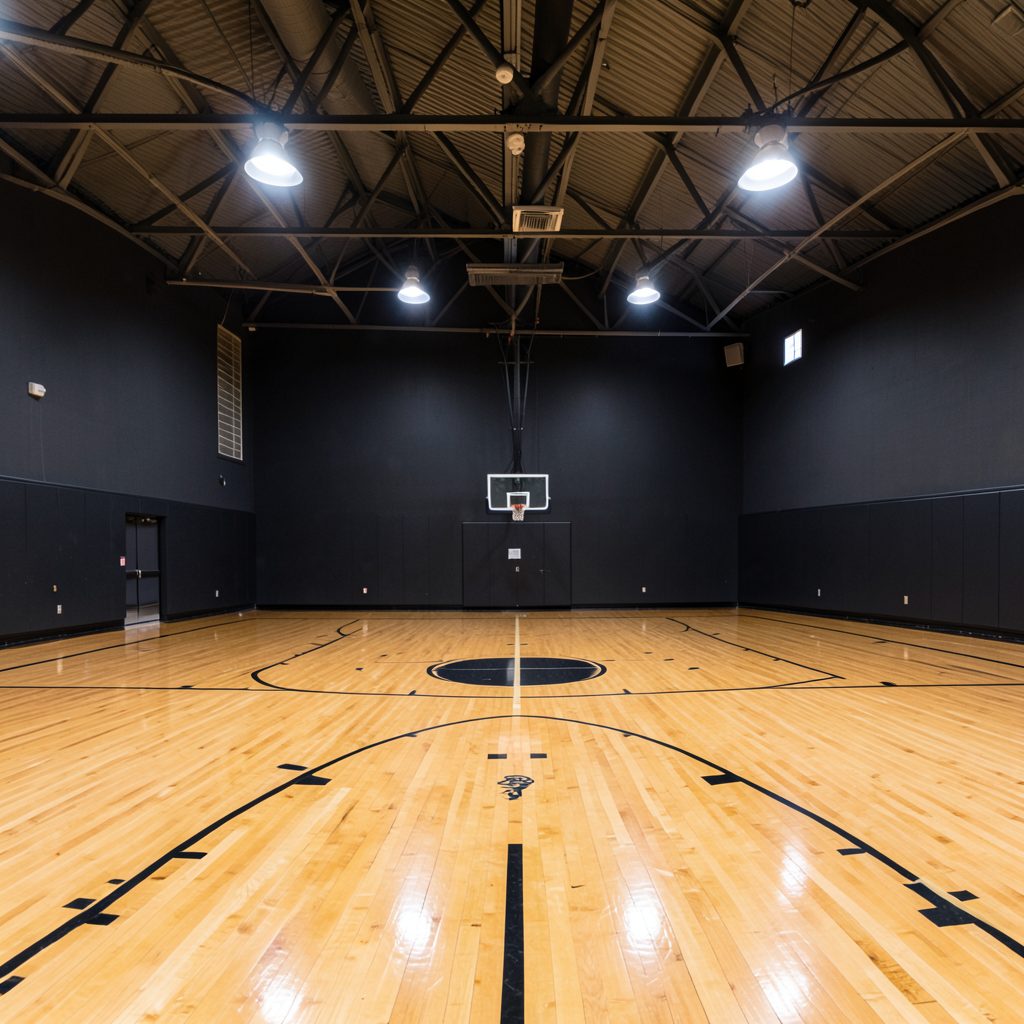

Three Entities, One Roof
Leagues
Eight league divisions span every age group: Indy Pro AM, 18+ Open Men's, 30+ Men's, Bite Size (ages 3–6), Impact League, 5th/6th Grade, Middle School, and High School. Gather your team and compete.
Training
Individual and group basketball training for all skill levels. Major M.O.V.E.S. Basketball Training serves ages 4–7 on Wednesday and Thursday evenings at 6:30 PM — $30 per session or $100 unlimited monthly.
Wellness & Recovery
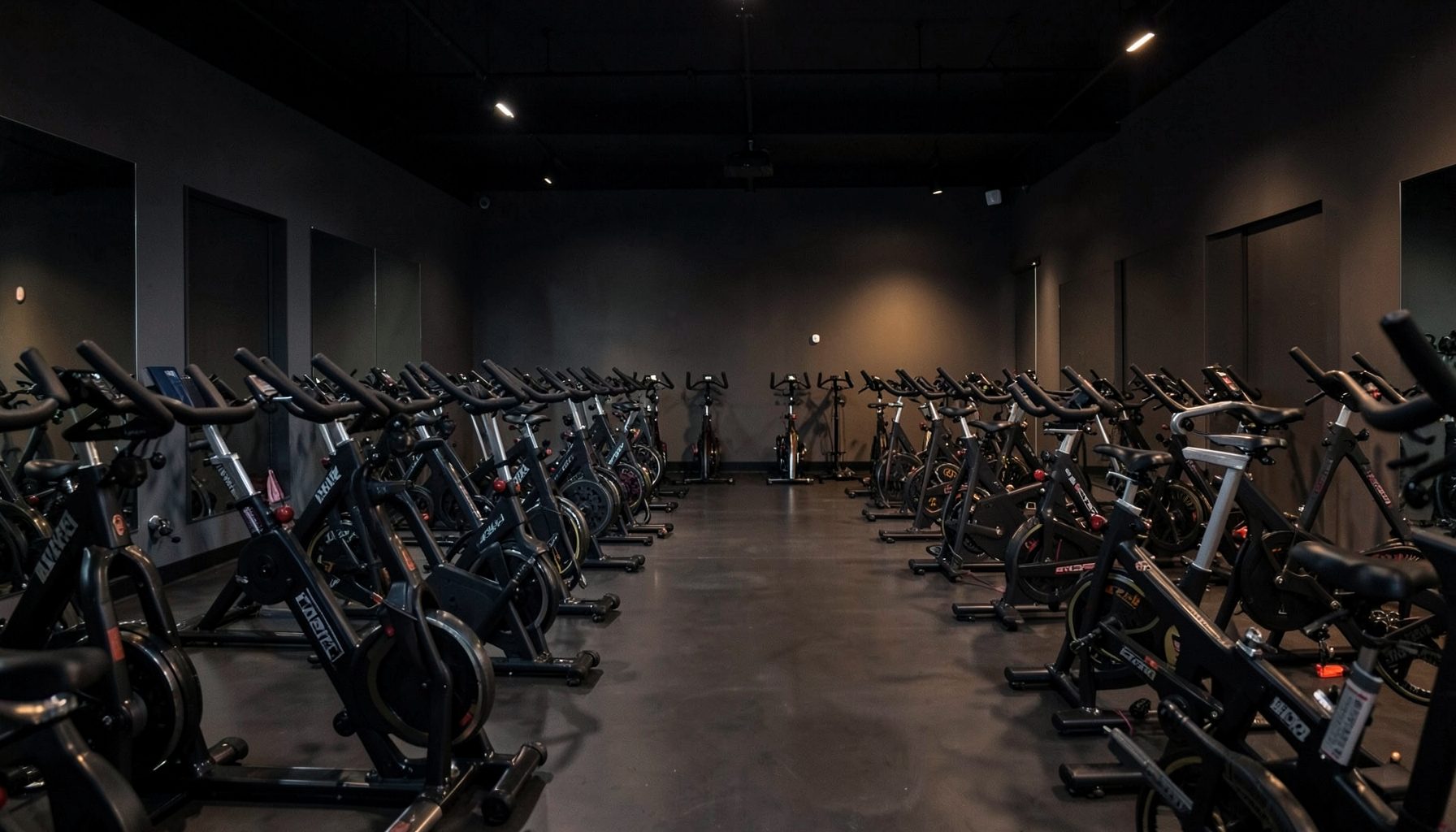
Normatec boot recovery and cryotherapy treatments help athletes bounce back faster. Cycle and spin classes add a cardio dimension to the holistic performance approach.
Have a Question?