Train. Compete. Recover.
A multi-purpose athletic facility in Speedway, Indiana — basketball leagues, skill training, and wellness services all under one roof.
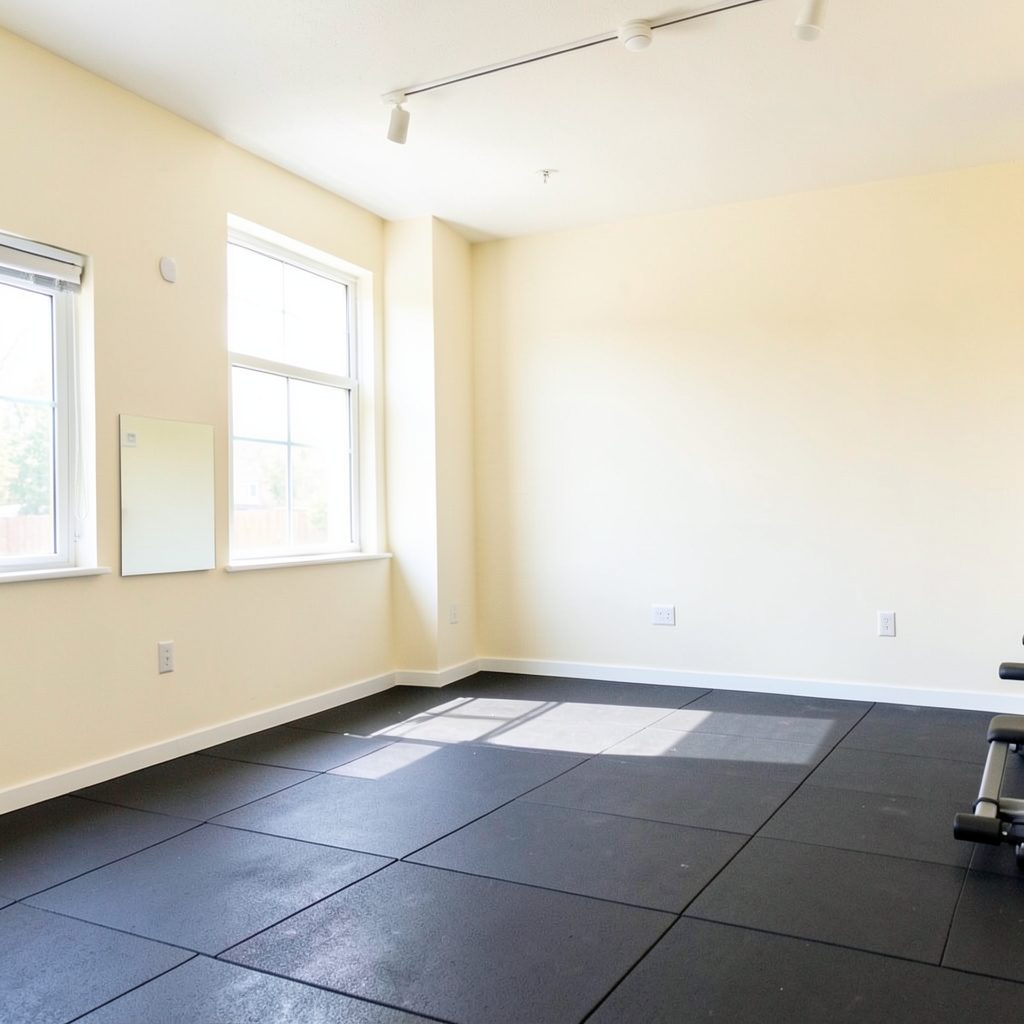
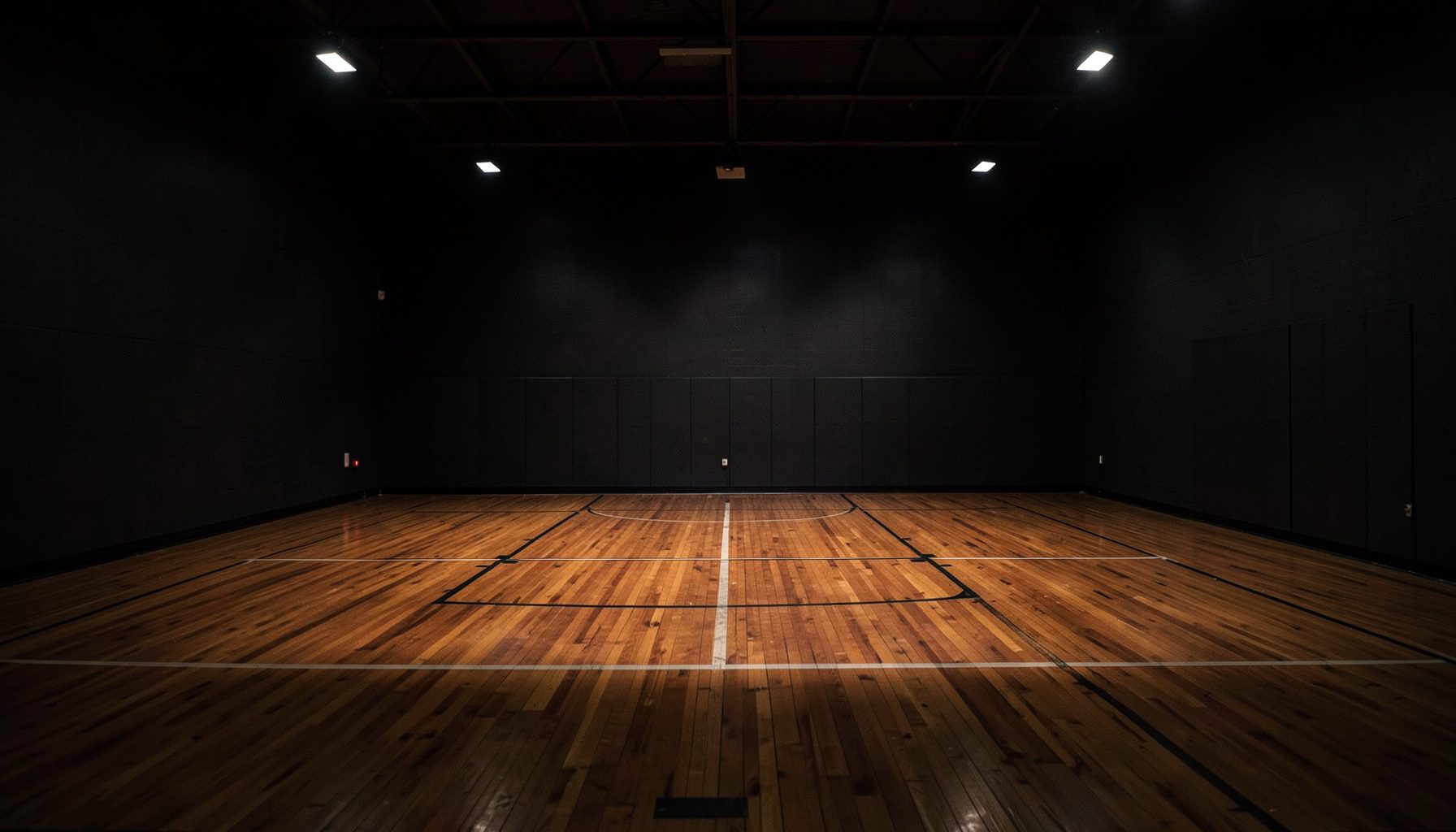
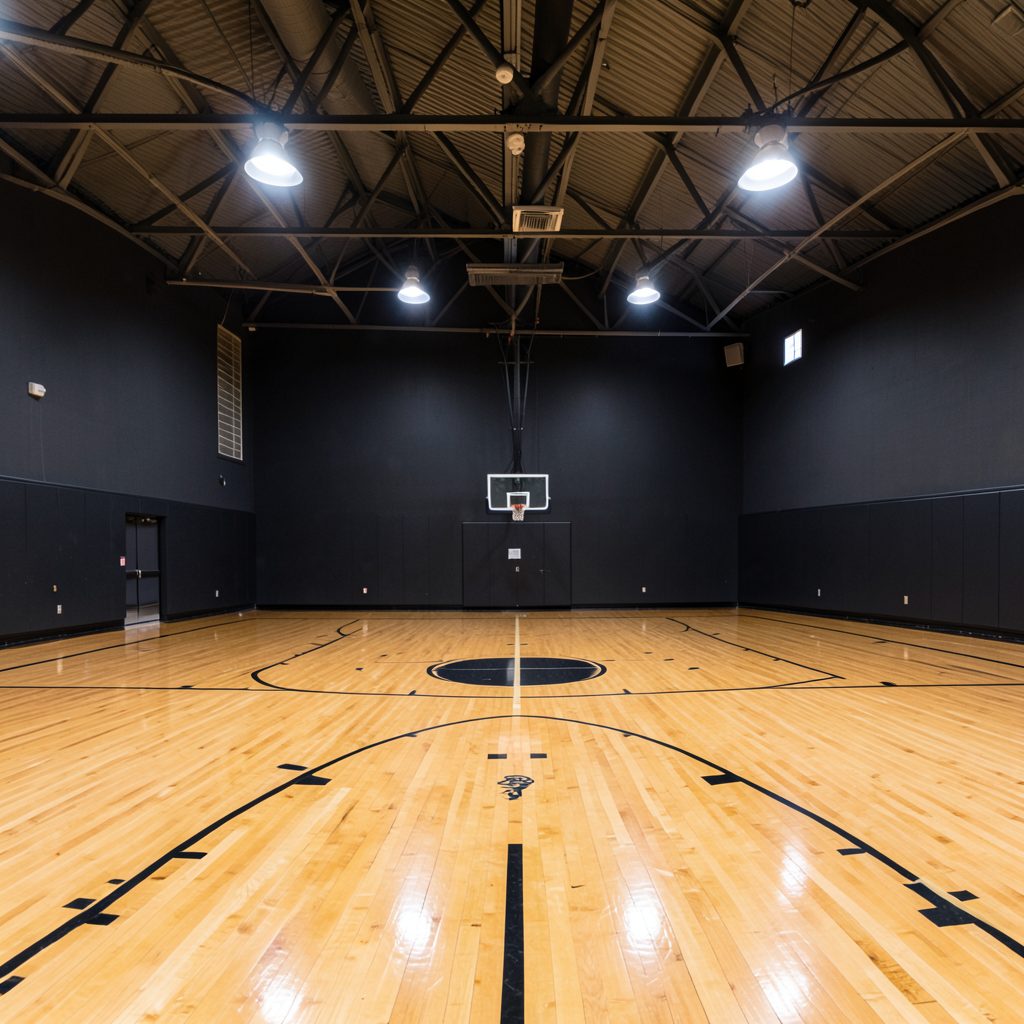
The Factory D1 Indy brings together three entities under one roof: competitive basketball leagues for all age groups, individual and group training, and wellness & recovery services including Normatec boot recovery and cryotherapy. Located off I-465 and High School Road at 6331 Crawfordsville Road, Speedway, Indiana 46224.
Get In TouchA Reliable Free Throw Routine for League Games
A consistent free throw routine gives players a repeatable process when the game slows down, the crowd gets loud, and the score creates pressure. The goal is not to make every attempt feel identical. It is to give your body and mind familiar actions that lead into the shot.
Learning how to develop a consistent free throw routine for league games starts with simplicity. A useful routine should take only a few seconds, use the same physical cues each time, and help you shift attention away from the previous play.
Free throws reward preparation because the conditions are predictable. You have space, a set distance, and time to organize your breathing and focus. With deliberate practice, that pause can become an advantage instead of a source of anxiety.
Start with a repeatable sequence
Choose a sequence that feels natural and contains three or four clear actions. For example, you might receive the ball, place your feet, take two controlled dribbles, breathe out, and lift your eyes to a specific target. The sequence should be short enough to remember when you are tired.
Your feet deserve special attention. Keep your stance consistent, with your shooting foot aligned comfortably toward the rim and your other foot positioned in a stable, balanced way. Avoid making dramatic adjustments from attempt to attempt. Small differences in foot placement can change your balance, timing, and release path.
Use the same visual target each time. Some players focus on the back of the rim, while others choose the front rim or the center of the hoop. There is no universal choice, but your attention should settle on one specific point before the shot begins. A fixed target helps prevent your eyes from wandering toward defenders, spectators, or the scoreboard.
Connect breathing with concentration
Breathing is a practical reset button. After receiving the ball, take a calm breath and let the exhale reduce tension in your shoulders and hands. A long, controlled exhale can help you move from emotional reaction to deliberate execution.
The routine should also include a mental cue. Keep it brief, positive, and related to the process. Words such as “smooth,” “finish,” or “through” can direct attention toward rhythm and follow-through. Avoid technical instructions that make you analyze several body parts at once.
If you miss, preserve the routine rather than changing everything immediately. A missed shot may result from a poor read, a rushed release, fatigue, or simple variance. Review the attempt after the possession or game, then make one measured adjustment during your next practice session.
Rehearse the routine under realistic pressure
A routine becomes dependable when it is practiced beyond relaxed shooting drills. Begin with individual repetitions, then add consequences and distractions. Shoot after sprinting, at the end of a workout, or while teammates create controlled noise. The purpose is to teach your process to remain available when your heart rate rises.
Pressure practice should still emphasize quality. Ten focused attempts with a clear routine can be more useful than fifty rushed shots. Record makes, misses, and the reason for each breakdown. You may discover that your feet change when tired, your breath becomes shallow after a miss, or your eyes leave the target before the release.
| Practice setting | Main challenge | Routine emphasis |
|---|---|---|
| Quiet individual work | Building mechanics | Stance, dribbles, target, follow-through |
| Fatigue shooting | Elevated heart rate | Exhale, balance, steady tempo |
| Teammate pressure | Distraction and noise | Mental cue and visual focus |
| Scrimmage free throws | Game decisions | Full routine after contact or transition |
| League simulation | Score and consequence | Trusting the process on every attempt |
Game-like practice should include realistic timing. Take two free throws after a sprint, then immediately defend or rebound. Run a late-game scenario where one or two attempts determine the result. These situations help you learn that pressure does not require a faster routine; it requires greater commitment to the same routine.
Adapt without losing your rhythm
League games rarely provide a perfectly quiet environment. Officials may handle the ball differently, opponents may talk, and the time between attempts can vary. Your routine should be flexible enough to begin after a whistle, yet stable enough to feel familiar in every gym.
Do not copy another player’s exact timing. Some athletes need one dribble, while others prefer two or three. Excessive dribbling can invite hesitation, so choose the fewest movements that help you settle. Once you have selected the sequence, avoid changing it based on whether the first shot went in.
The first free throw can also serve as a reset for the second. After the ball returns, briefly acknowledge the result, then release it mentally. Rebuild your stance, repeat your breath, and use the same target. Treating the second attempt as a new execution prevents a make from creating overconfidence or a miss from carrying frustration forward.
Prepare your body and attention
Free throw consistency depends on more than shooting form. Hips, ankles, shoulders, and hands all contribute to a controlled release, so a complete warm-up should include movement and mobility rather than several hurried shots. Light jogging, dynamic leg work, and easy form shooting can prepare you for a long league session.
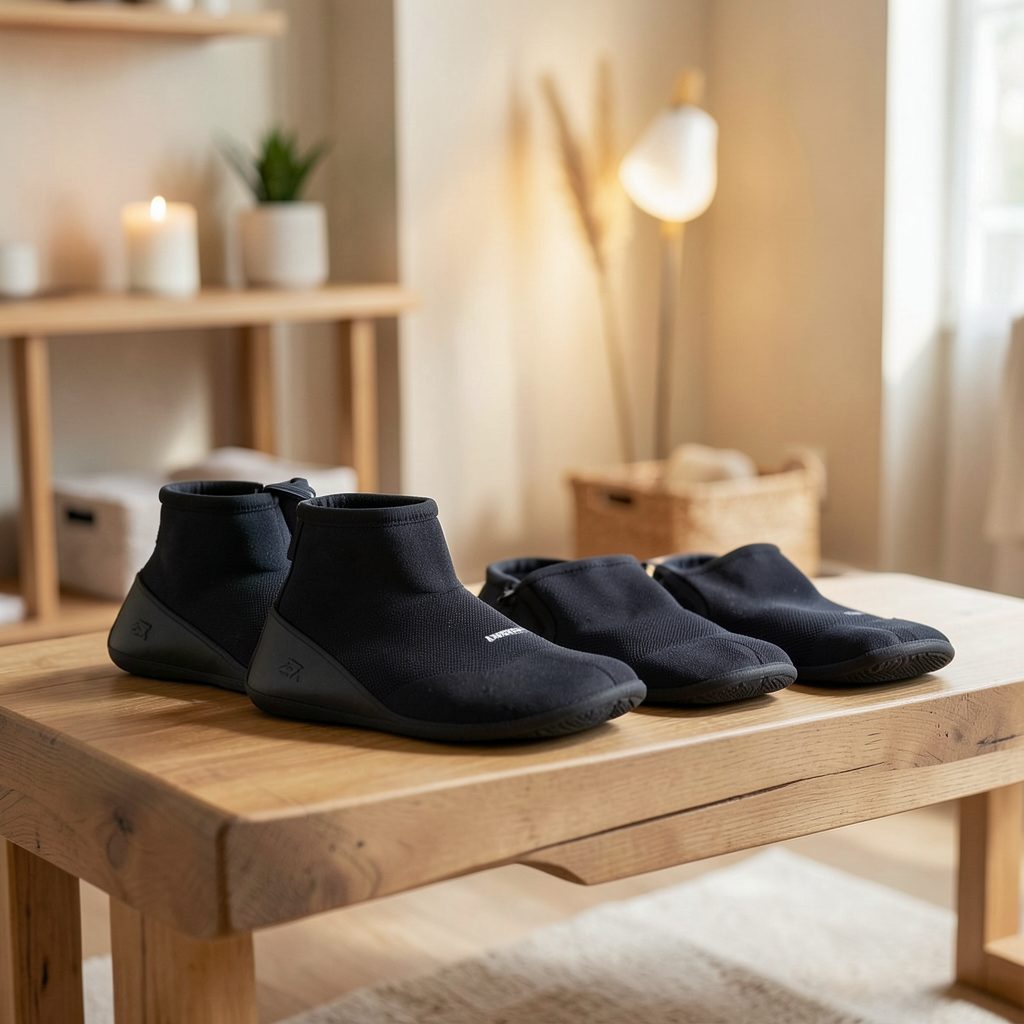
Fatigue can also affect concentration. Hydration, food timing, and recovery between games influence how well you can repeat a routine late in competition. Athletes who train frequently may benefit from dedicated recovery services that support muscle readiness and help them return to practice with less accumulated soreness.
Mental preparation can begin before arriving at the facility. Visualize walking to the line, placing your feet, taking your breath, and watching the ball fall through the net. Keep the image detailed but calm. Visualization is most useful when it rehearses the routine and the response to pressure, including how you will reset after a miss.
Build a practical league-game plan
A good routine should be tested in a repeatable weekly schedule. Use early practices to refine mechanics, middle-of-week sessions to add fatigue and distraction, and the final session before a game to reinforce confidence without creating excessive workload. The final practice should leave you feeling sharp rather than exhausted.
Track the details that matter. Alongside your free throw percentage, note whether you completed your routine, whether your balance was stable, and whether your attention stayed on the chosen target. A player can shoot well while relying on an unstable process, but that success may disappear when competition becomes more demanding.
Use these habits to make your routine easier to trust:
- Keep the sequence to three or four consistent actions.
- Choose one visual target and one short mental cue.
- Practice free throws after movement, fatigue, and controlled distractions.
- Reset fully between attempts instead of reacting to the previous result.
- Review missed shots for patterns, then change only one variable at a time.
During league games, commit to the routine as soon as the ball reaches your hands. Set your feet, breathe, focus, and shoot with the same rhythm you have trained. A consistent process will not guarantee every free throw, but it gives every attempt the best available preparation.
Bring that process to your next practice at The Factory D1 Indy, test it in competitive situations, and make each trip to the line an opportunity to perform with control.
Inside The Factory
Three Entities, One Roof
Leagues
Eight league divisions span every age group: Indy Pro AM, 18+ Open Men's, 30+ Men's, Bite Size (ages 3–6), Impact League, 5th/6th Grade, Middle School, and High School. Gather your team and compete.
Training
Individual and group basketball training for all skill levels. Major M.O.V.E.S. Basketball Training serves ages 4–7 on Wednesday and Thursday evenings at 6:30 PM — $30 per session or $100 unlimited monthly.
Wellness & Recovery
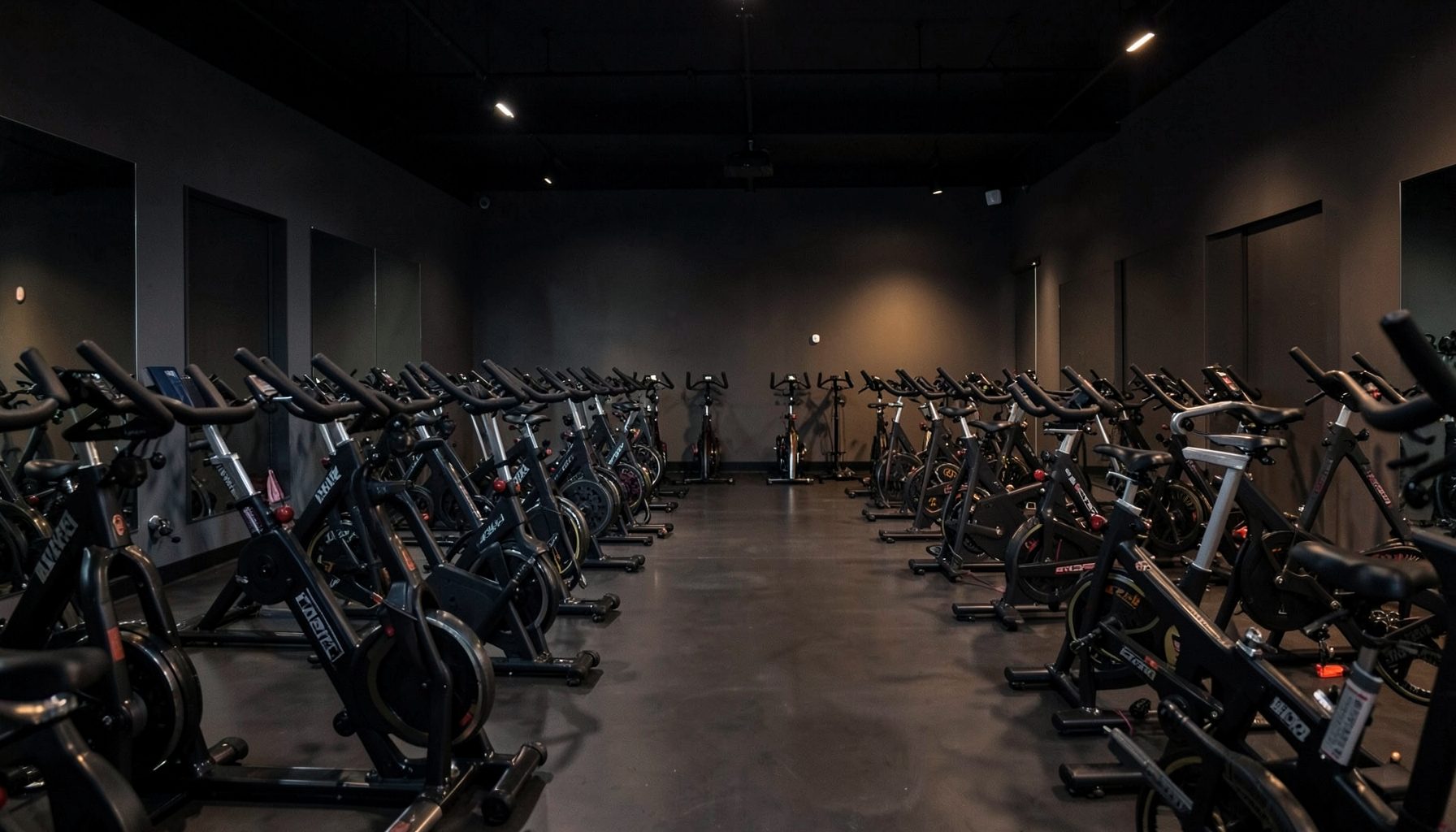
Normatec boot recovery and cryotherapy treatments help athletes bounce back faster. Cycle and spin classes add a cardio dimension to the holistic performance approach.
Have a Question?