Train. Compete. Recover.
A multi-purpose athletic facility in Speedway, Indiana — basketball leagues, skill training, and wellness services all under one roof.
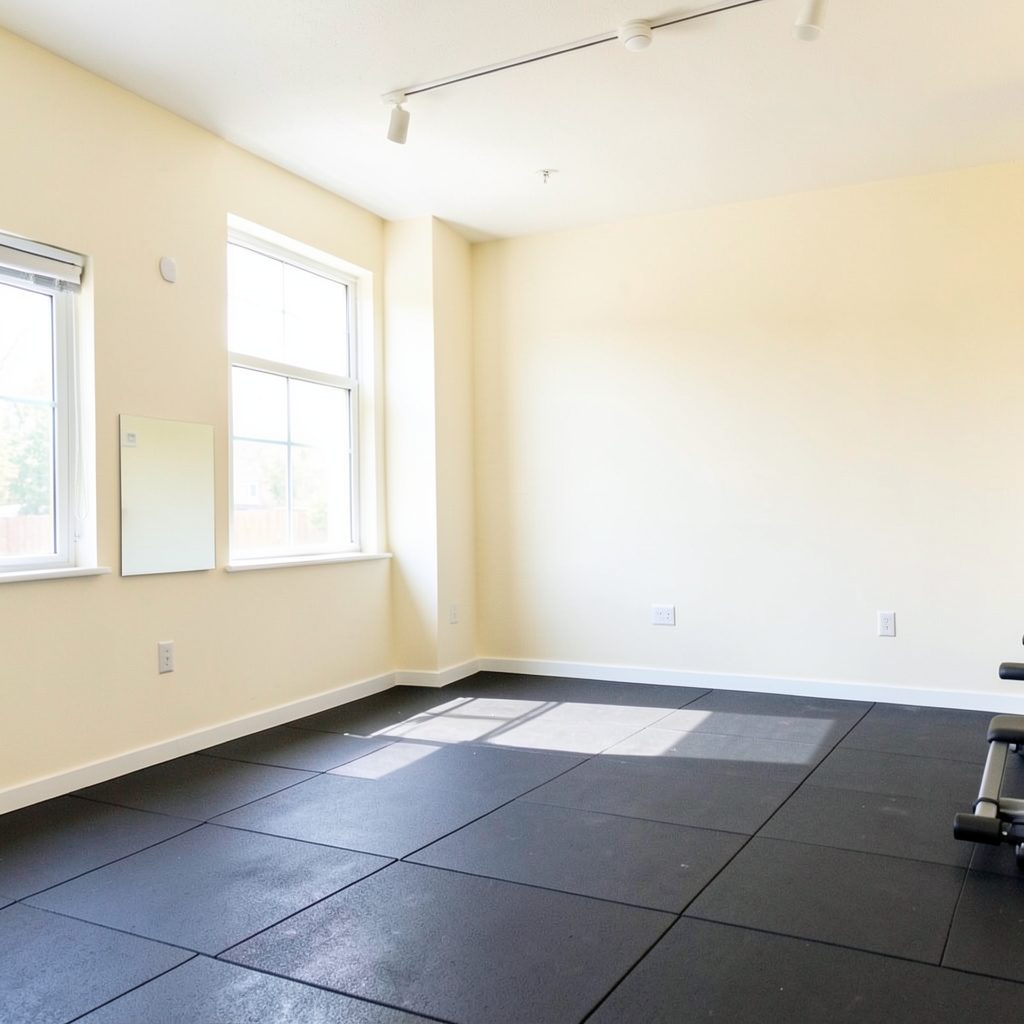
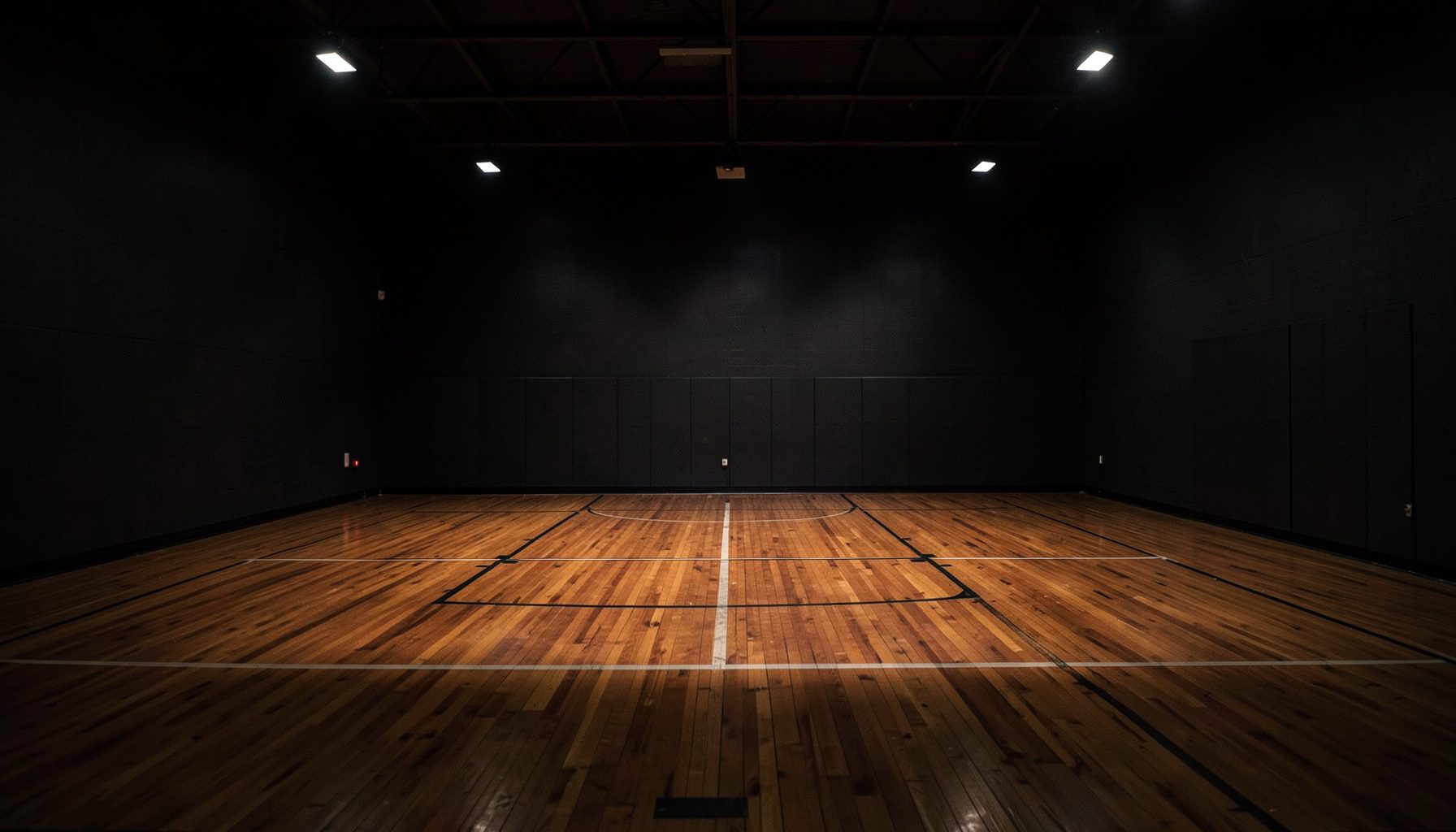
The Factory D1 Indy brings together three entities under one roof: competitive basketball leagues for all age groups, individual and group training, and wellness & recovery services including Normatec boot recovery and cryotherapy. Located off I-465 and High School Road at 6331 Crawfordsville Road, Speedway, Indiana 46224.
Get In TouchFueling young hoopers with a smart pre-practice nutrition plan
Basketball courts across Melbourne, Sydney and Brisbane are buzzing before sunrise and after school, with kids in singlets and high-tops chasing a better handle, a smoother jumper or a spot on the rep team. Australia has produced stars like Ben Simmons and Josh Giddey, and a steady stream of young talent is grinding through skills sessions, club fixtures and representative tryouts every weekend. With that workload comes a question parents and coaches ask constantly: what should young players eat before stepping onto the court?
Pre-practice nutrition is not about fancy supplements or strict meal plans. It is about giving growing bodies the right fuel at the right time so they can train hard, recover well and enjoy the game. A simple, repeatable routine built around everyday Australian foods will do more for a junior athlete than any powder from a catalogue. The habits formed now also travel with kids into adult life, shaping their relationship with food and sport long after the final buzzer.
Why pre-practice fuel matters for growing athletes
Basketball taxes the body in bursts. Players sprint end to end, jump repeatedly, change direction and recover in short windows. That style of play leans heavily on glycogen, the stored carbohydrate energy sitting in the muscles and liver. When a child skips breakfast or arrives at training with an empty tank, their first sprints look sluggish, their shot loses lift and concentration drifts before the second quarter even starts.
Young players are also still growing. Bones lengthen, muscles develop and the brain continues to mature well into the teenage years. Steady nutrition before practice supports focus during drills and keeps mood steady, which matters when a coach is correcting footwork for the twentieth time. Pair this with the fact that many Australian kids rotate between basketball in summer, cricket on the weekends and football in winter, and the case for reliable pre-training fuel becomes hard to ignore.
Timing the meal and snack window
The body digests food at a predictable pace, and that rhythm should shape what lands on the plate and when. A balanced meal two to three hours before practice gives the gut time to process complex carbohydrates, a moderate serve of protein and a small amount of healthy fat. For a 4pm training session, that points to an early lunch around 1pm built around wholegrain bread, lean chicken or eggs, vegetables and fruit.
A smaller snack thirty to sixty minutes before tip-off tops up blood sugar without sitting heavy in the stomach. This is the moment for quick, easy-to-digest options: a banana, a small tub of Greek yoghurt, a handful of rice crackers with honey, or a homemade smoothie made with oats, milk and berries. Players heading to early-morning sessions, common in club programs around Perth and Adelaide, may need to shift the meal earlier or rely on a portable snack eaten on the way to the gym.
Building the right plate for the court
The plate itself does not need to be complicated. Carbohydrates should take up the largest portion because they power the high-intensity running that basketball demands. Australian pantry staples like rolled oats, Weet-Bix, wholegrain wraps, brown rice, pasta, sweet potato and bananas are reliable sources that kids tend to enjoy and parents can find at any Coles or Woolworths.
Protein supports muscle development and helps stabilise energy. Lean options such as eggs, chicken, turkey, tinned tuna, cottage cheese, beans and lentils fit easily into a pre-practice meal. Fats belong on the plate too, but in smaller amounts and from quality sources like nut butters, avocado or a drizzle of olive oil. Avoid the temptation to load up on fried foods, pastries or large serves of cheese before training, as these slow digestion and leave kids feeling flat.
Parents often worry about vitamins and minerals, and rightly so. A colourful plate covers most bases. Add berries, spinach, tomato and capsicum wherever possible, and rotate the choices through the week so kids do not get bored. Hydrating foods like watermelon, cucumber and oranges also help on warm Australian afternoons, giving a small top-up of fluids alongside the usual water bottle.
Hydration is non-negotiable in the Aussie climate
Heat is a quiet opponent that youth players underestimate far too often. Sydney and Brisbane summers regularly push past thirty degrees, and indoor venues without strong air-conditioning can feel just as stifling as outdoor ones. Sweat losses during a two-hour session can quietly add up to one or two litres in a teenager, and replacing that fluid is critical for concentration, coordination and cramp prevention.
Water should be the default drink during routine practices. Players should sip steadily from a labelled bottle rather than gulping at breaks. For longer or more intense sessions, especially those held in heatwaves or on consecutive days during a tournament, a sports drink containing electrolytes and carbohydrates helps replace what sweat removes. Coconut water is a gentler Australian-friendly option, and a pinch of salt in a homemade lemonade can work in a pinch for older teens.
Cold water and ice slushies are surprisingly effective in hot gyms, with research from the Australian Institute of Sport suggesting chilled fluids can help regulate core temperature during hard efforts. Parents packing the kit bag should also slip in a small snack for the trip home, since depleted young players often arrive at the kitchen too tired to eat properly.
Common pitfalls to steer clear of
Even well-meaning families fall into habits that sabotage pre-practice nutrition. The biggest is treating training like a casual catch-up, with players fuelled only by whatever is lying around the pantry. A bowl of cornflakes eaten five minutes before heading out the door will not carry a player through a hard skills session.
Another trap is loading up on treats to "reward" the effort. Lollies, chips, chocolate milk and fried takeaway the night before a session will sit heavy in the morning and leave the player dragging their feet. Energy drinks and large coffees are also off the menu for kids, no matter how much the older players at the club are sipping them.
Finally, families should not copy elite adult routines. Intermittent fasting, carb-cutting diets and protein-heavy meal plans designed for professionals can leave growing children short of the nutrients they need. A junior player simply requires a balanced, well-timed plate and plenty of fluids, repeated consistently across the week.
Fueling young players well is one of the simplest ways parents and coaches can lift performance without changing a single drill. For those building out a complete training environment alongside nutrition, the programs at Factory D1 Indy show how skills work, recovery and conditioning fit together. Set the routine, keep the pantry stocked with sensible Australian staples, and let the kids get back to playing the game they love.
Inside The Factory


Three Entities, One Roof
Leagues
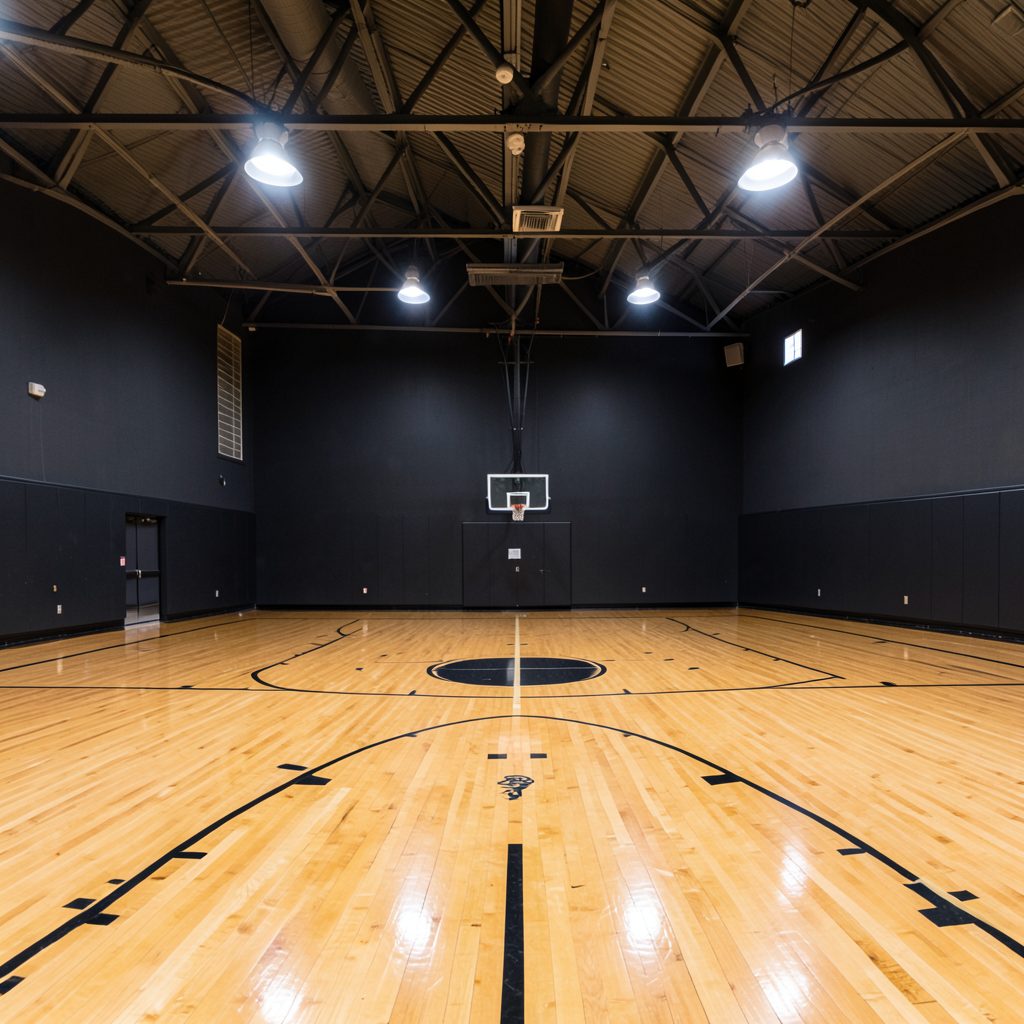
Eight league divisions span every age group: Indy Pro AM, 18+ Open Men's, 30+ Men's, Bite Size (ages 3–6), Impact League, 5th/6th Grade, Middle School, and High School. Gather your team and compete.
Training
Individual and group basketball training for all skill levels. Major M.O.V.E.S. Basketball Training serves ages 4–7 on Wednesday and Thursday evenings at 6:30 PM — $30 per session or $100 unlimited monthly.
Wellness & Recovery
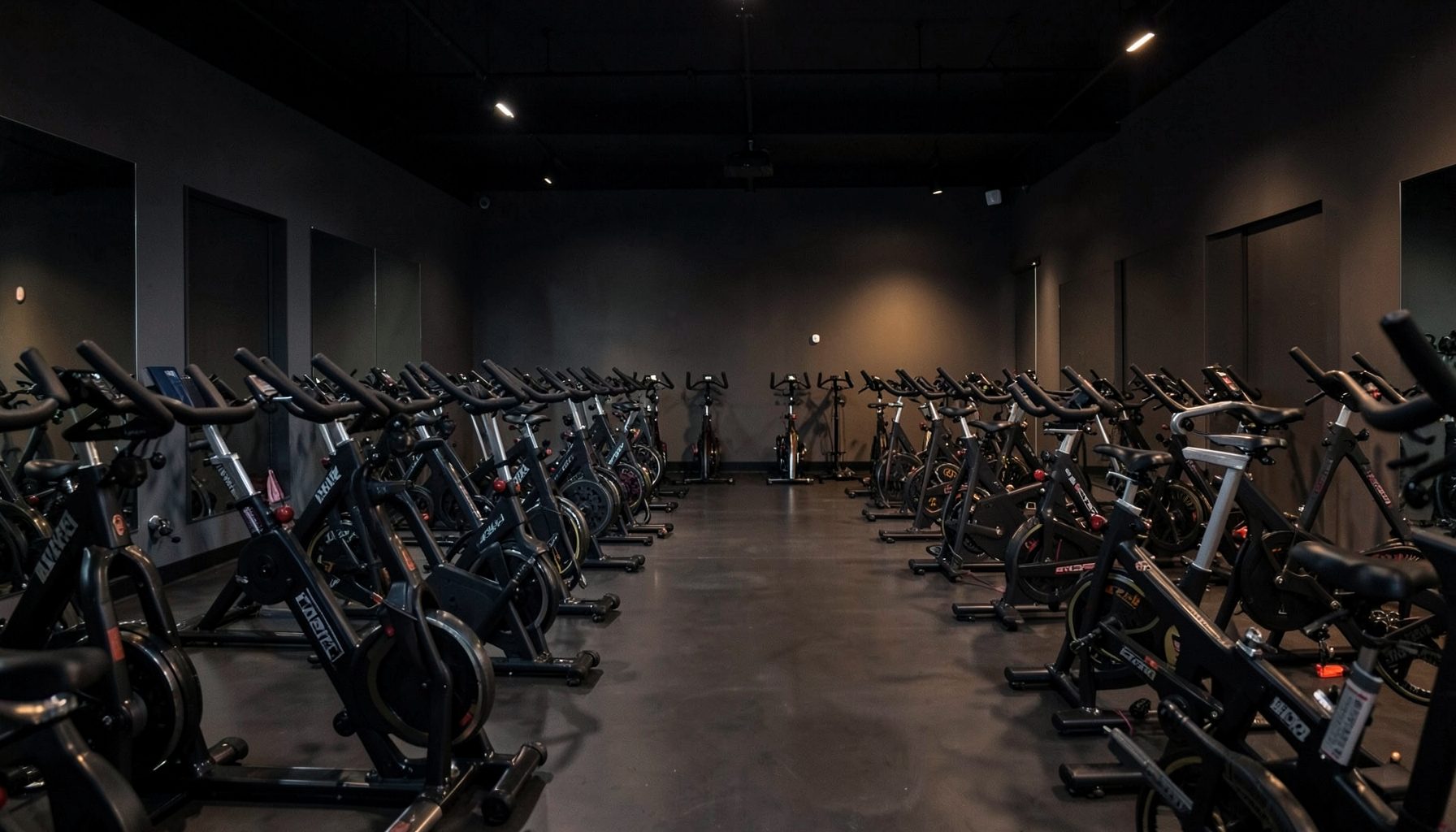
Normatec boot recovery and cryotherapy treatments help athletes bounce back faster. Cycle and spin classes add a cardio dimension to the holistic performance approach.
Have a Question?