Train. Compete. Recover.
A multi-purpose athletic facility in Speedway, Indiana — basketball leagues, skill training, and wellness services all under one roof.
The Factory D1 Indy brings together three entities under one roof: competitive basketball leagues for all age groups, individual and group training, and wellness & recovery services including Normatec boot recovery and cryotherapy. Located off I-465 and High School Road at 6331 Crawfordsville Road, Speedway, Indiana 46224.
Get In TouchHow to Handle a Losing Streak in Adult Competitive Basketball Leagues
A losing streak can change the atmosphere of an adult basketball team quickly. Players who usually communicate may become quiet, mistakes can feel heavier, and every close game may seem to confirm that the team is stuck. In competitive leagues, where work schedules, family responsibilities, and limited practice time already create pressure, frustration can spread faster than a defensive rotation.
The answer is rarely to panic, overhaul the roster, or demand that every player score more. A losing run is usually a combination of execution issues, confidence problems, fatigue, and difficult matchups. The most productive response is to slow the process down, identify what is actually happening, and create a realistic plan for the next game.
Adult athletes also benefit from treating league basketball as both competition and community. A team that can learn together, train with purpose, and recover properly has a better chance of rebuilding momentum than one that relies on emotion alone.
Reset your mindset after each game
The first step is separating the result from the performance. A loss is a fact, but it does not explain why the game was lost. Your team may have defended well for three quarters, created good shots, or improved its rebounding while still falling short. Reviewing those details prevents an emotional reaction from becoming the team’s entire story.
Hold a short postgame conversation focused on observable events. Identify two things the team did effectively, two areas that affected the result, and one priority for the next practice. Avoid turning the discussion into a trial where players defend themselves. The goal is to create clarity, not assign blame.
Individual players should use the same approach. Instead of replaying every missed shot, consider whether you made sound decisions, sprinted back in transition, communicated on defense, and stayed engaged after mistakes. Those controllable habits are more useful than judging yourself by points alone.
Find the real pattern behind the losses
A losing streak often appears more complicated than it is. Track a few simple indicators across recent games: turnovers, offensive rebounds allowed, free-throw attempts, transition points conceded, late-game possessions, and defensive communication breakdowns. These numbers can reveal whether the problem is consistent or whether the team has faced several unrelated opponents and situations.
Film review can be brief and practical. Select five to ten possessions rather than watching an entire game with no defined purpose. Look for repeated moments such as poor floor balance after a shot, help defenders arriving late, rushed passes against pressure, or isolation possessions that produce low-quality attempts.
The same review should include what happens when the team is tired. Some groups execute well early and lose structure in the fourth quarter. Others struggle from the opening tip because they lack a reliable half-court offense. Knowing the pattern allows coaches and captains to address a specific weakness instead of adding random drills to practice.
Rebuild trust through team communication
A losing run can produce finger-pointing, especially when playing time, shot selection, or defensive effort becomes a sensitive subject. Captains can reduce that tension by setting clear standards for communication. Players should be able to offer a correction without humiliating a teammate, and they should be expected to accept feedback without withdrawing.
Use direct, specific language during games. “Screen left,” “gap,” “one more,” and “box out” are more useful than complaints after a play is over. Positive communication should be loud enough to hear, while corrections should focus on the next action. A teammate who misses a rotation still needs to know where the next assignment is.
Roles may also need clarification. One player may be the primary ball handler, another may be the defensive organizer, and someone else may provide energy through rebounding and screens. When every athlete understands how to contribute, the team becomes less dependent on individual scoring and less likely to collapse when a starter has an off night.
Turn practice time into a response
Practice should reflect the situations that are costing games. If the team gives up transition baskets, include sprint-back and conversion drills. If turnovers occur against pressure, rehearse outlets, spacing, and passing windows. If late possessions become disorganized, practice a small collection of end-of-game actions until everyone knows the first and second options.
| Problem showing up in games | Practice emphasis | Simple measure |
|---|---|---|
| Live-ball turnovers | Pressure passing and jump-stop decisions | Fewer rushed passes |
| Poor defensive rebounding | Hit-find-get drills and gang rebounding | Opponent second chances |
| Slow starts | Competitive opening segments | First-quarter energy |
| Late-game confusion | Situational five-on-five possessions | Clear shot selection |
| Missed rotations | Shell defense and closeout communication | Correct help position |
Keep the workload realistic for adult league players. Many athletes arrive after work or family commitments, so a highly complicated system may create more hesitation than improvement. Two or three reliable sets, clear defensive rules, and consistent substitution patterns can provide enough structure to compete effectively.
End practices with a competitive segment that has a defined objective. A team might need to protect a lead for two minutes, generate three stops in a row, or score against a full-court press without turning the ball over. These scenarios build composure and make improvement visible.
Protect energy, conditioning, and recovery
Physical fatigue can look like poor attitude or weak decision-making. Legs become heavy, closeouts get shorter, and players stop cutting with conviction. Adult competitors should consider sleep, hydration, nutrition, and workload before assuming the team simply lacks toughness.
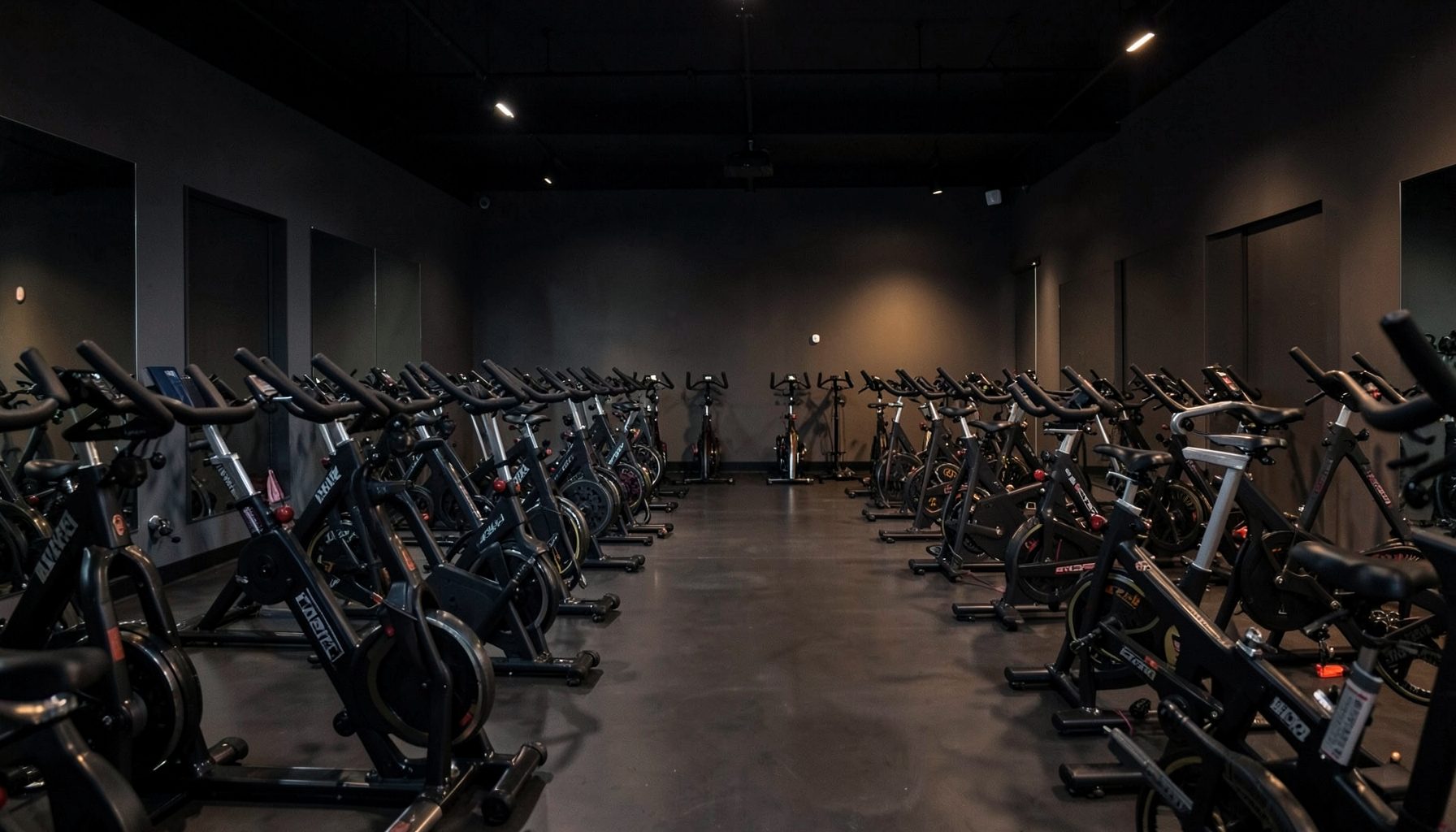
Conditioning does not have to mean endless running. Short intervals, repeated defensive efforts, and game-specific movement can improve the ability to perform late in games. Cycle or spin sessions may also support cardiovascular conditioning when used alongside basketball practices, particularly for athletes who need a structured workout during the week.
Recovery deserves equal attention. Compression therapy, mobility work, and cold-based recovery may help athletes manage soreness when integrated sensibly into a broader routine. The Factory D1 Indy provides wellness and recovery services that can complement training for players balancing competitive basketball with demanding daily schedules.
Players should also distinguish normal soreness from pain that changes movement. Continuing to play through an injury can turn a temporary issue into a longer absence, which places greater stress on the rest of the roster. A responsible team culture makes health part of preparation rather than treating it as an excuse.
Set measurable goals for the next game
A team trying to end a losing streak should avoid vague targets such as “play harder” or “want it more.” Choose a few behaviors that can be evaluated during and after the game. Examples include limiting live-ball turnovers, securing a specific rebounding margin, getting back on defense after every shot, or reaching a certain number of paint touches.
Keep the goals narrow enough that players can remember them under pressure. Three team priorities are usually sufficient. Coaches and captains can reinforce them during timeouts, while players can use them to redirect attention after a mistake. A bad possession does not need to become a bad quarter.
Useful goals for the next competitive game may include:
- Communicate on every defensive possession, especially in transition.
- Create a paint touch before settling for a contested perimeter shot.
- Finish every defensive possession with five players pursuing the rebound.
- Use the final two minutes to execute the designated half-court actions.
- Measure success by decision-making and effort, not only the scoreboard.
A narrow performance target also makes progress easier to recognize. The team may still lose a close game while cutting turnovers in half or defending the final possessions with greater discipline. Those improvements build evidence that the group is moving in the right direction.
Momentum usually returns through repeated habits rather than a single dramatic breakthrough. Show up prepared, compete with clear roles, review the evidence, and support teammates through mistakes. Adult basketball is demanding, but it also offers a consistent environment for growth, fitness, and connection.
Bring the next game back to controllable actions: communicate early, defend together, make the extra pass, and finish possessions. Use training opportunities at The Factory D1 Indy to sharpen skills, improve conditioning, and prepare your league team to compete with greater confidence.
Inside The Factory


Three Entities, One Roof
Leagues
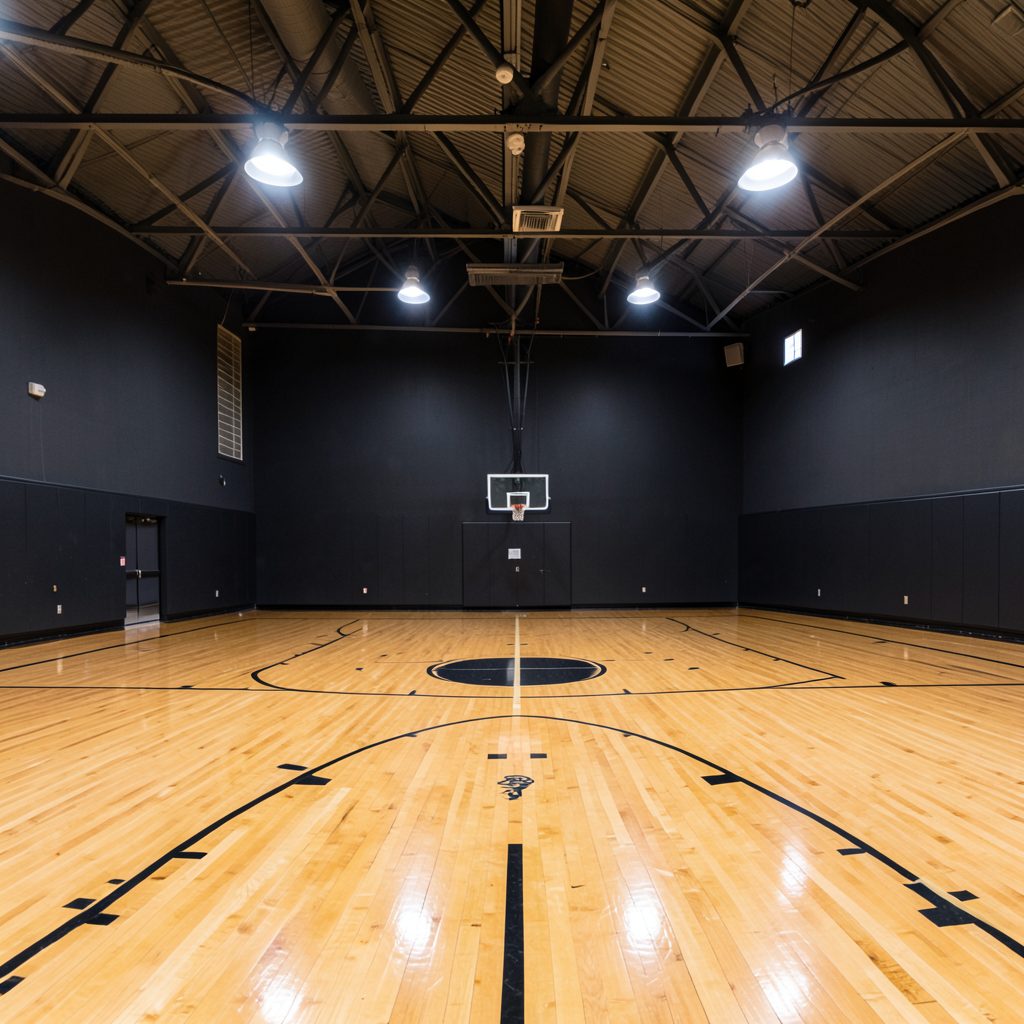
Eight league divisions span every age group: Indy Pro AM, 18+ Open Men's, 30+ Men's, Bite Size (ages 3–6), Impact League, 5th/6th Grade, Middle School, and High School. Gather your team and compete.
Training
Individual and group basketball training for all skill levels. Major M.O.V.E.S. Basketball Training serves ages 4–7 on Wednesday and Thursday evenings at 6:30 PM — $30 per session or $100 unlimited monthly.
Wellness & Recovery
Normatec boot recovery and cryotherapy treatments help athletes bounce back faster. Cycle and spin classes add a cardio dimension to the holistic performance approach.
Have a Question?