Train. Compete. Recover.
A multi-purpose athletic facility in Speedway, Indiana — basketball leagues, skill training, and wellness services all under one roof.
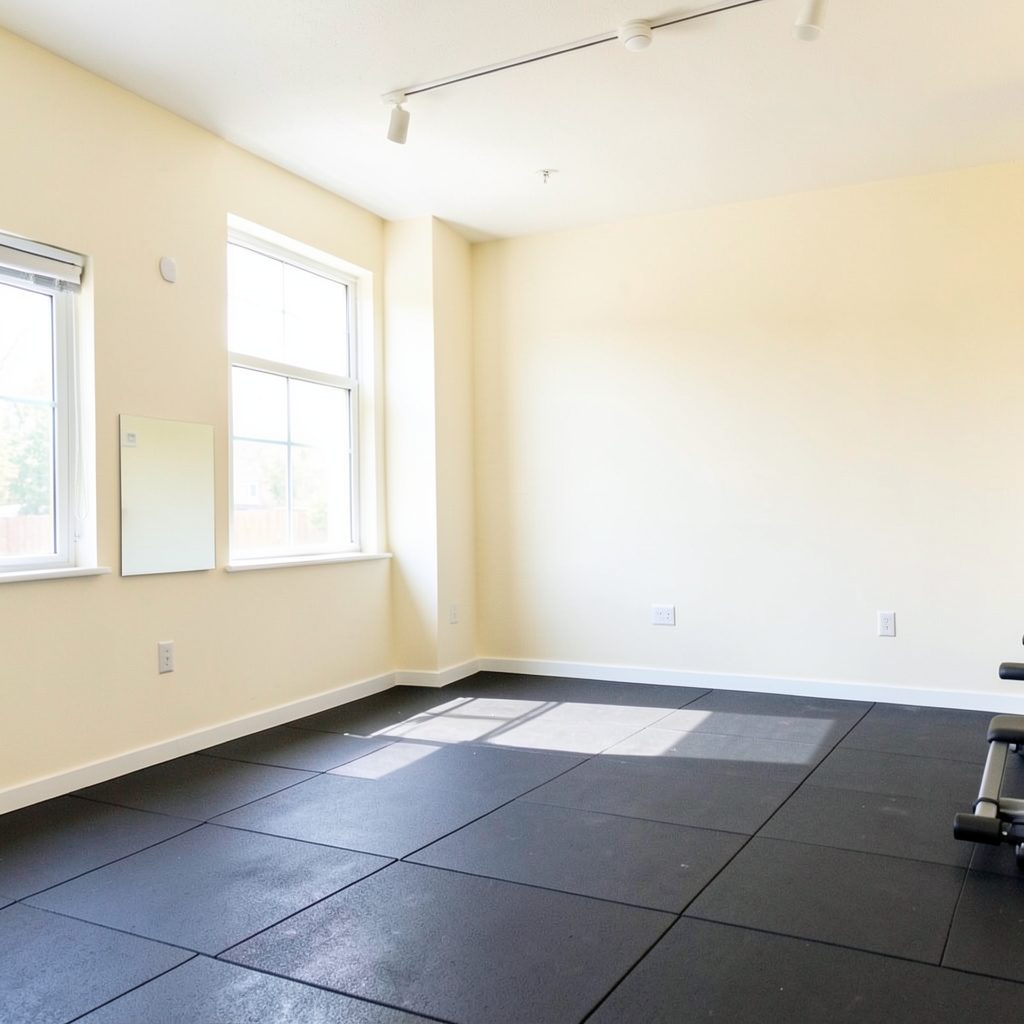
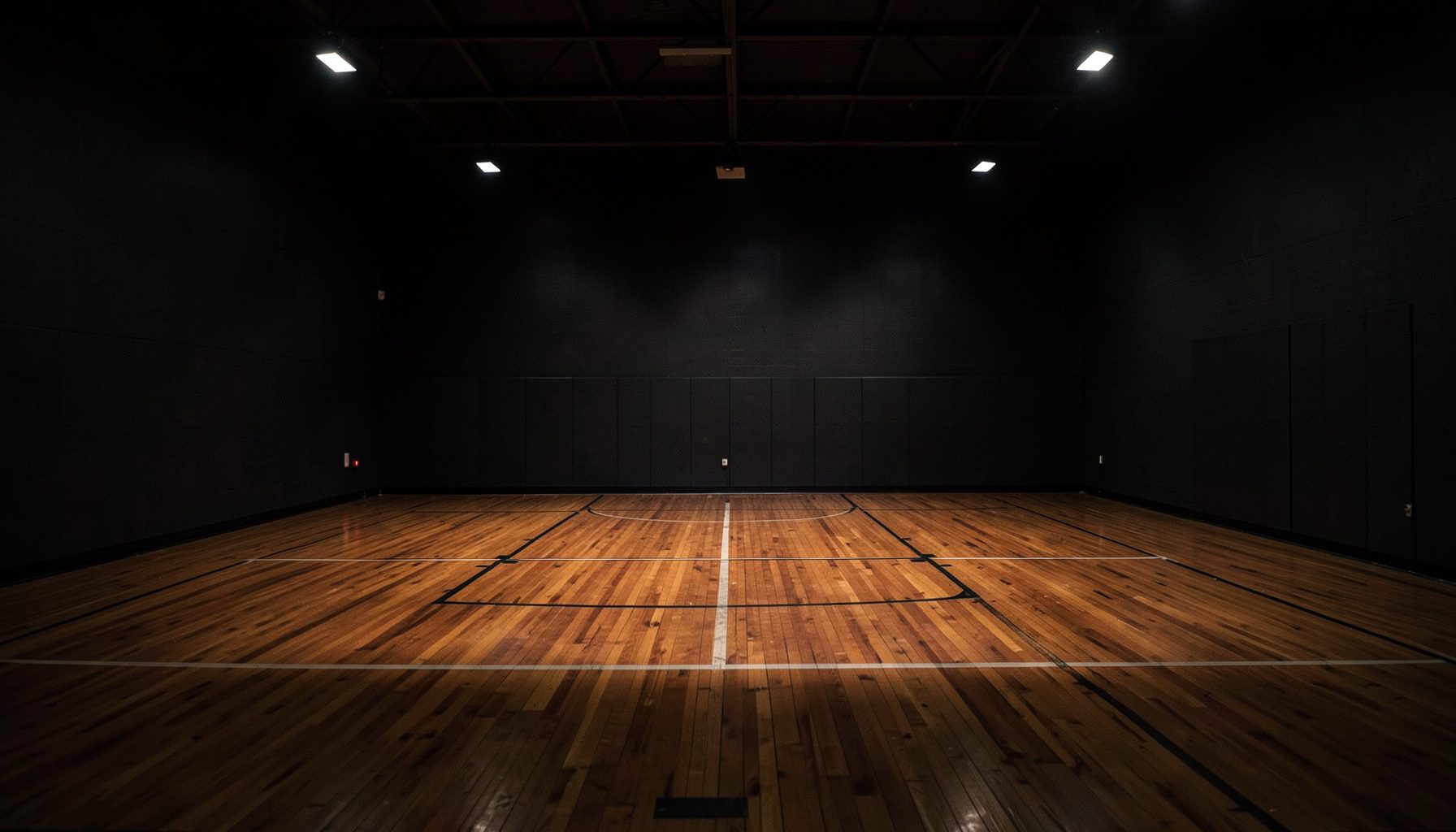
The Factory D1 Indy brings together three entities under one roof: competitive basketball leagues for all age groups, individual and group training, and wellness & recovery services including Normatec boot recovery and cryotherapy. Located off I-465 and High School Road at 6331 Crawfordsville Road, Speedway, Indiana 46224.
Get In TouchHow to Handle Losing in Youth Sports with Grace
Losing is a normal part of youth sports, yet it can feel enormous to a child who has worked hard, hoped to win, and cared deeply about the outcome. A missed shot, close game, or disappointing season may bring tears, anger, embarrassment, or silence. Those reactions do not mean a young athlete is weak or poorly behaved. They mean the result mattered. Learn more about Cycle Spin.
The goal is not to teach children to ignore disappointment. Healthy sportsmanship gives them space to feel frustrated while helping them respond with self-control, respect, and perspective. With steady guidance from parents, coaches, and teammates, a defeat can become useful feedback rather than a lasting wound to confidence.
At a community-focused facility such as The Factory D1 Indy, athletes experience training, leagues, conditioning, and competition in an environment built around development. That setting can help children learn that progress includes both exciting wins and difficult losses.
What losing can teach young athletes
A game result offers information, but it does not define a player’s ability or future. A loss may reveal that a team needs to improve communication, defensive positioning, free-throw accuracy, or preparation. When children learn to view the scoreboard as feedback, they are more likely to stay engaged and take ownership of their development.
Losing also builds emotional skills that extend beyond basketball. Young athletes practice patience when a call feels unfair, persistence after a mistake, and empathy when another team celebrates. These lessons support classroom habits, friendships, and future work experiences because children learn how to recover without blaming everyone around them.
Parents can reinforce this perspective by praising effort, decision-making, teamwork, and courage. Saying, “I noticed how you kept defending after that turnover,” gives a child something specific to value. General statements such as “You played great” may be encouraging, but detailed observations help athletes understand which behaviors deserve repetition.
Start with the emotional response
Immediately after a loss, children may not be ready for an analysis of the game. Their bodies are still full of adrenaline, and their minds may be focused on one missed opportunity. A calm adult can begin with recognition: “That was hard,” or “You really wanted this one.” Acknowledging disappointment does not encourage poor behavior; it shows the child that emotions can be named safely.
Give the athlete a little time to cool down before asking what went wrong. Water, a quiet ride home, a shower, or a short walk may be more helpful than an immediate lecture. If a child is crying, allow the tears without making them feel ashamed. If the child is angry, set a clear boundary around harmful conduct while still accepting the feeling: “It is okay to be upset, but it is not okay to insult the referee.”
Once emotions have settled, invite reflection with simple prompts. “What part felt most difficult?” and “What did your team do well?” are more productive than “Why did you lose?” Families looking for broader perspectives on training, health, and athletic development can also explore the digital sports magazine for ideas that support a balanced approach to competition.
Separate the result from identity
Children often turn a single result into a permanent label: “I am bad at basketball,” “I always choke,” or “My teammates hate me.” Adults should gently challenge these statements without dismissing the underlying pain. “You had a tough game” is accurate and temporary. “You are a failure” is neither accurate nor useful.
Language matters before, during, and after competition. Replace identity-based criticism with observations about choices and habits. A player may have rushed a shot, stopped moving without the ball, or struggled to communicate. Each point can be improved. This approach preserves accountability while keeping the athlete’s self-worth separate from performance.
Coaches can help by setting goals that do not depend entirely on winning. Examples include making three strong defensive rotations, encouraging a teammate after a mistake, boxing out consistently, or making the next correct pass. These process goals give athletes a sense of control and make improvement visible even when the scoreboard is unfavorable.
Build graceful sideline habits
Sportsmanship is easier to practice when families and teams establish expectations before competition begins. Athletes should know that handshakes, respectful language, listening during postgame conversations, and caring for equipment are part of the sport. These actions should apply after wins as well as losses, because a child who celebrates with humility is building the same character needed to lose with dignity.
Adults must model the behavior they expect. Complaining about officials, criticizing opponents, or replaying every coaching decision in the car teaches children that losing is an injustice rather than an experience. Parents can show composure by thanking coaches, acknowledging strong plays from both teams, and avoiding public arguments. Children notice tone, body language, and facial expressions even when adults say the right words.
Teams can also create a short postgame routine. Players might shake hands, identify one positive team action, name one area to practice, and then move on. Keeping the routine brief prevents a loss from dominating the entire day. It also helps younger athletes understand that disappointment has a beginning, a middle, and an end.
Turn a defeat into a practical plan
Reflection should lead to action, but it should not become punishment. Choose one or two areas for improvement rather than listing every mistake. A young basketball player who struggled against pressure defense may benefit from practicing strong pivots and outlet passes. Another athlete may need footwork, conditioning, or confidence taking an open shot.
| Unhelpful reaction | Healthier response | Skill developed |
|---|---|---|
| Blaming officials for the entire result | Review controllable decisions and habits | Accountability |
| Avoiding teammates after a loss | Thank teammates and recognize shared effort | Connection |
| Replaying one mistake repeatedly | Identify one lesson and one next step | Resilience |
| Demanding extra practice as punishment | Schedule focused, age-appropriate practice | Discipline |
| Saying “I am terrible” | Describe the specific skill that needs work | Self-awareness |
Recovery should include physical care as well as mental reset. Adequate sleep, hydration, balanced meals, mobility work, and appropriate rest help athletes return with better concentration. For older children and teens, cross-training can build confidence and conditioning without making every session about the previous loss. Cycle and spin classes at The Factory D1 Indy can provide a structured fitness option that supports endurance while adding variety to an athletic routine.
Create a culture that supports growth
A child’s response to losing is shaped by the messages repeated around the team. Coaches and parents can make growth more important than status by recognizing preparation, improvement, cooperation, and responsible reactions. When athletes see that adults value character as much as results, they are less likely to hide mistakes or fear every setback.
Useful habits include:
- Ask about effort, choices, and teamwork before asking about the score.
- Give children time to settle emotionally before discussing corrections.
- Set one measurable practice goal after a disappointing performance.
- Praise respectful behavior toward officials, opponents, coaches, and teammates.
- Treat mistakes as information rather than evidence of limited potential.
Every child will process competition differently. One athlete may want to talk right away, while another needs quiet. One may recover after a few minutes, while another carries disappointment for several days. Consistent support means keeping boundaries firm, listening carefully, and adjusting the conversation to the child’s age and temperament.
Competitive leagues and skills training provide repeated chances to practice these habits. A child who loses a close game, returns to practice, works on a weakness, and competes again is learning a powerful form of resilience. The experience becomes less about avoiding defeat and more about becoming prepared for the next challenge.
The strongest response to a loss is not forced positivity or pretending that the result does not matter. It is honest emotion followed by respectful behavior, thoughtful reflection, and continued effort. Families and coaches can help young athletes carry that process into every practice and game.
Visit The Factory D1 Indy to find training, leagues, conditioning, and wellness resources that help athletes grow through every stage of competition. Give young players the chance to practice skill, sportsmanship, and recovery in a supportive community where every game can contribute to long-term development.
Inside The Factory


Three Entities, One Roof
Leagues
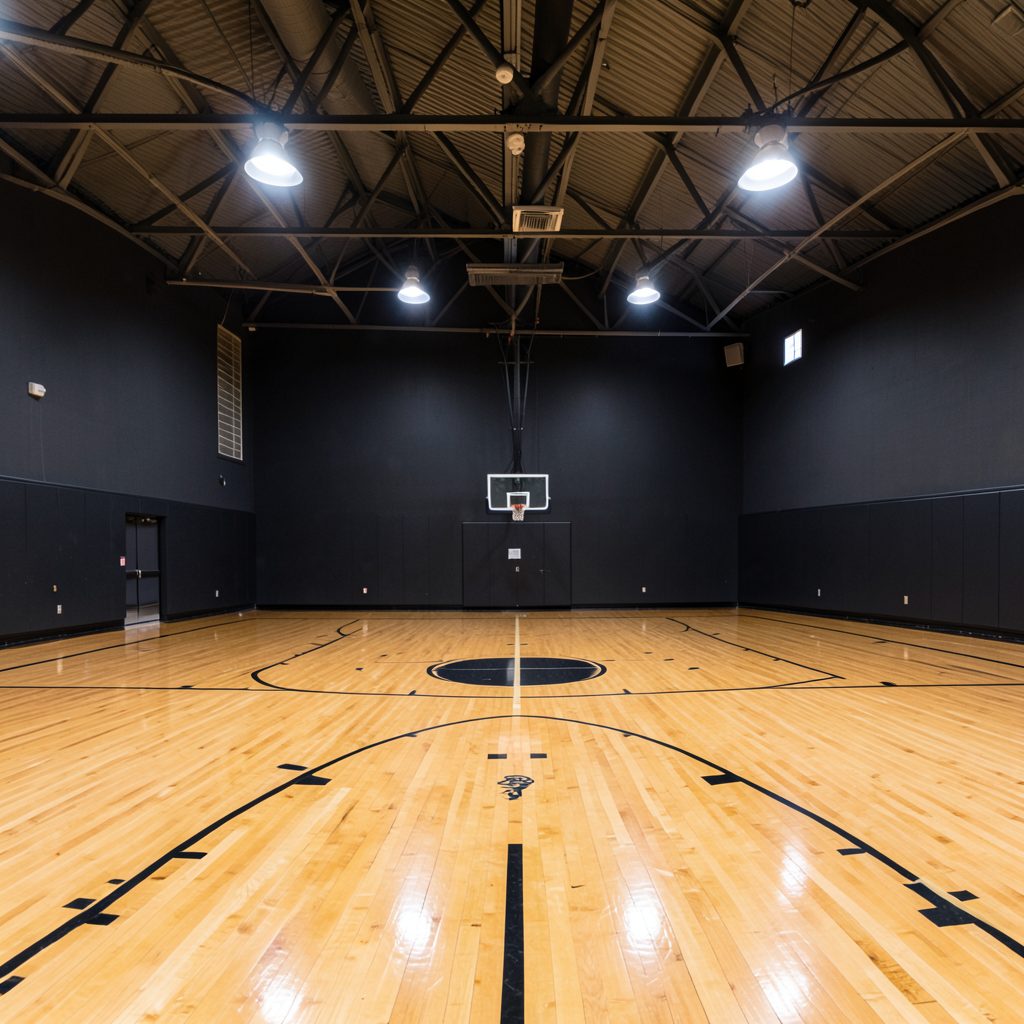
Eight league divisions span every age group: Indy Pro AM, 18+ Open Men's, 30+ Men's, Bite Size (ages 3–6), Impact League, 5th/6th Grade, Middle School, and High School. Gather your team and compete.
Training
Individual and group basketball training for all skill levels. Major M.O.V.E.S. Basketball Training serves ages 4–7 on Wednesday and Thursday evenings at 6:30 PM — $30 per session or $100 unlimited monthly.
Wellness & Recovery
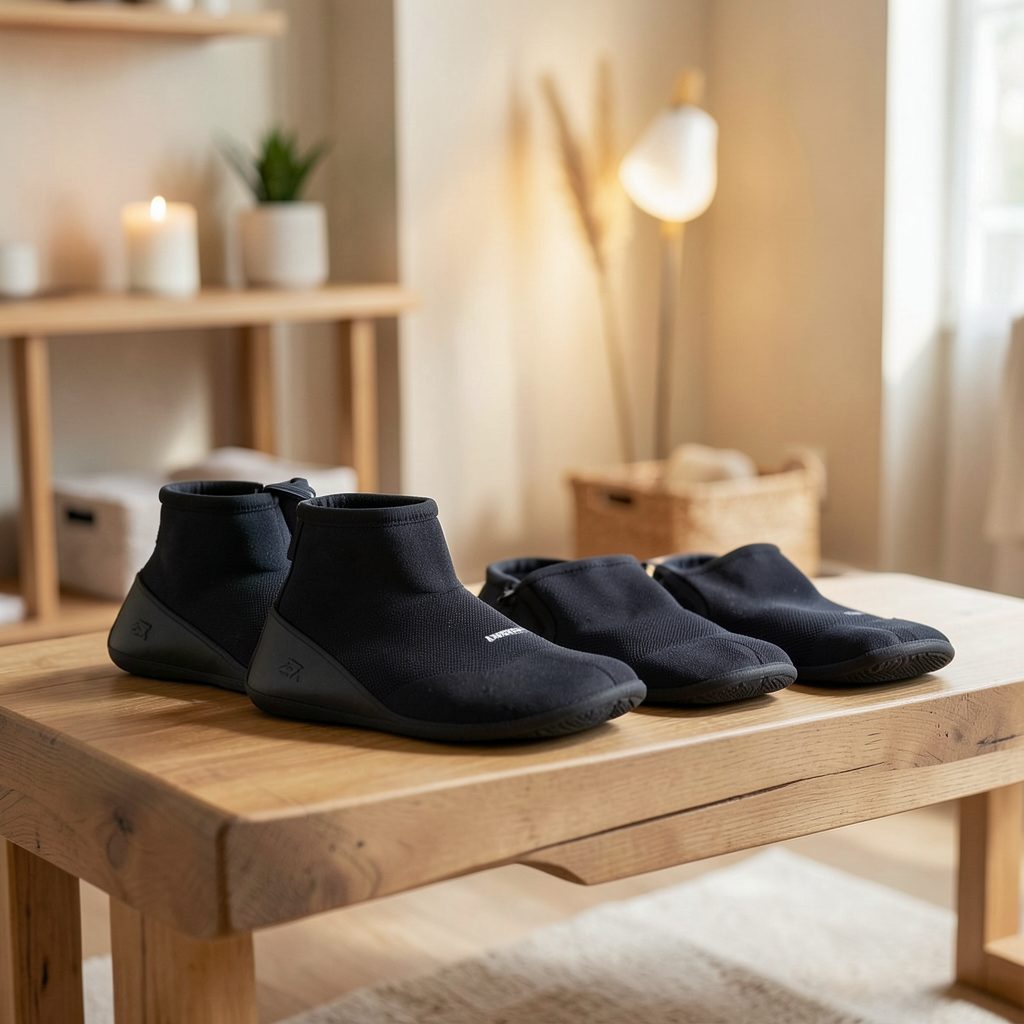
Normatec boot recovery and cryotherapy treatments help athletes bounce back faster. Cycle and spin classes add a cardio dimension to the holistic performance approach.
Have a Question?