Train. Compete. Recover.
A multi-purpose athletic facility in Speedway, Indiana — basketball leagues, skill training, and wellness services all under one roof.
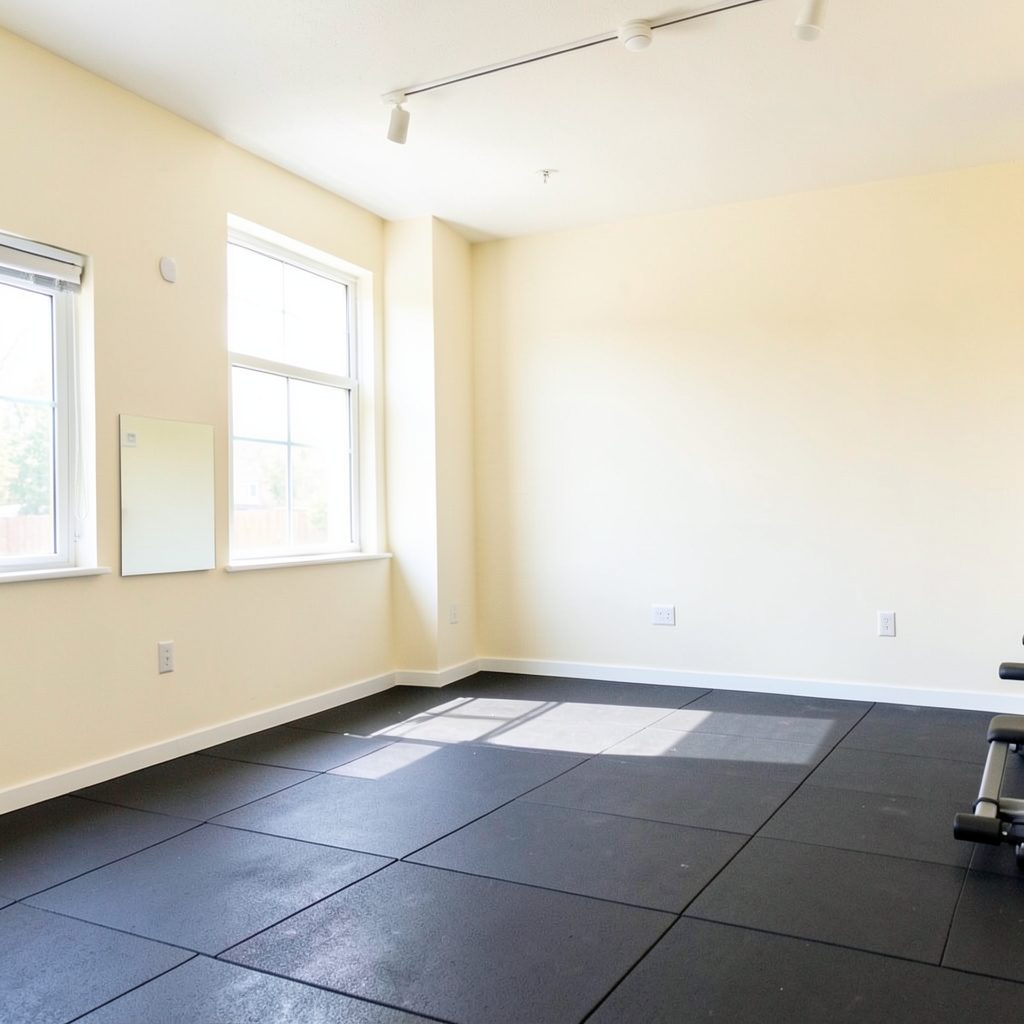
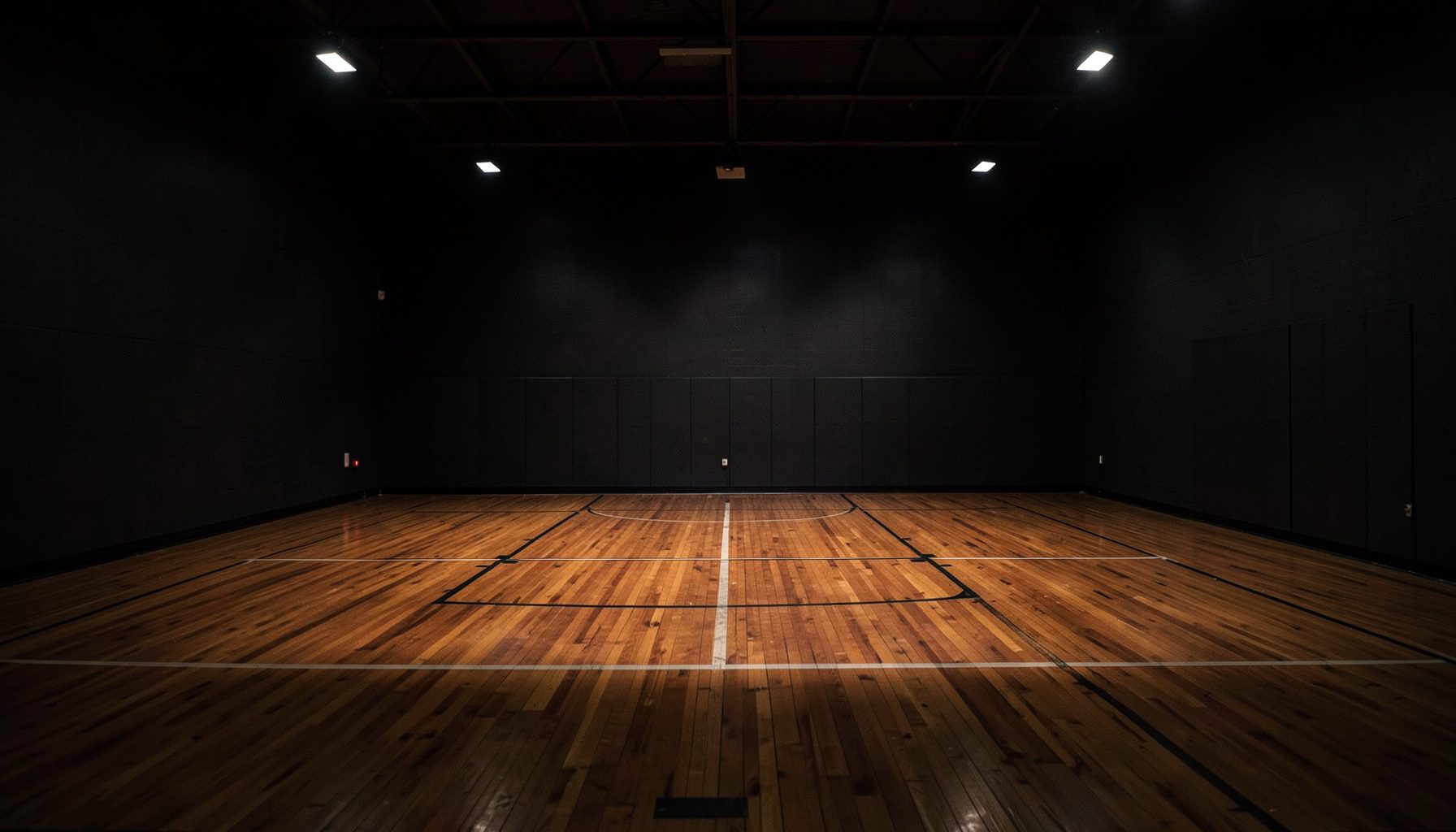
The Factory D1 Indy brings together three entities under one roof: competitive basketball leagues for all age groups, individual and group training, and wellness & recovery services including Normatec boot recovery and cryotherapy. Located off I-465 and High School Road at 6331 Crawfordsville Road, Speedway, Indiana 46224.
Get In TouchHelping Your Child Love Basketball Without Burnout
A child’s enthusiasm for basketball grows when the sport feels like play, progress and belonging rather than a weekly test. Skills matter, yet the strongest long-term motivation usually comes from enjoying teammates, celebrating small improvements and feeling safe enough to make mistakes.
Parents often want to provide every advantage, especially when a child shows promise. However, a packed schedule of private lessons, school teams, representative trials and weekend tournaments can quietly turn excitement into pressure. A sustainable pathway leaves room for rest, other interests and ordinary family life.
Australian families may be balancing basketball with AFL, cricket, swimming or netball, along with long school commutes and busy term calendars. In Sydney, Melbourne, Brisbane and smaller regional communities, travel time and court availability can shape how often a young athlete trains. The most effective plan is the one your child can enjoy consistently.
A positive basketball environment should develop confidence, coordination, decision-making and friendships alongside shooting and ball-handling. Whether your child is just learning to dribble or aiming for higher-level competition, the goal is to build a healthy relationship with movement that can last for years.
Start with enjoyment, not performance
Young players are more likely to return to training when they associate basketball with laughter, discovery and connection. Small-sided games, shooting challenges and creative dribbling activities can be more motivating than long technical drills. Let your child occasionally choose the game, music-free warm-up or skill they want to practise.
Praise behaviours your child can control. “You kept trying that left-hand lay-up” is more helpful than focusing only on points scored. Effort, teamwork, listening and courage after a mistake give children several ways to feel successful, even when the scoreboard does not go their way.
Avoid turning every driveway session into a lesson. A few minutes of relaxed play may support a love of the game better than correcting every foot position. If your child asks for technical advice, offer one clear cue, then return to play.
Match the challenge to the child
A useful training load is challenging enough to create progress but manageable enough to preserve confidence. Children develop at different speeds, so comparing a late-developing player with an older or more physically mature teammate can be discouraging. Coaches should adapt activities for height, coordination, confidence and experience.
Watch for signs that the level is poorly matched. Constant frustration, reluctance to attend, fear of making an error or repeated comments such as “I’m the worst” may indicate that the challenge needs adjusting. A different division, more beginner-friendly session or temporary focus on fundamentals can restore enjoyment.
For Australian families, school terms and representative basketball calendars can create sudden spikes in activity. Plan the year in blocks rather than treating every trial, camp and tournament as essential. A child does not need to accept every opportunity to build a strong sporting future.
Protect recovery and everyday balance
Rest is part of athletic development, not a reward for working hard. Younger players need regular sleep, nutritious meals, hydration and unstructured time. They also benefit from days when their bodies can move without formal coaching. Recovery supports learning, mood and injury prevention.
Pay attention to persistent soreness, changes in sleep, irritability, reduced appetite or a drop in school concentration. A single tired session is normal; a pattern deserves discussion with the coach and, when appropriate, a GP or sports physiotherapist. Do not encourage a child to hide pain to remain selected.
Australian conditions add practical considerations. Summer training in Perth, Adelaide or inland areas may require earlier sessions, shade and careful hydration, while humid Queensland weather can make indoor recovery especially important. Follow venue heat policies and remember that children may not recognise dehydration until they are already struggling.
Create a healthy coaching relationship
A good coach teaches skills while protecting dignity. Before enrolling, ask how the programme handles mistakes, playing time, injuries, feedback and communication with parents. Look for instruction that develops passing, defence, movement and decision-making rather than treating scoring as the only measure of ability.
The Factory D1 Indy reflects the value of a wider athletic environment, combining basketball training and leagues with conditioning and recovery services; families can explore its athletic facility to understand how structured development may be organised. For an Australian family, the same principles apply when assessing a local club, school programme or holiday camp.
Child safety should be part of the decision. Australian clubs commonly operate under state or territory child-safe requirements, and coaches or volunteers may need a Working with Children Check, such as a WWCC in New South Wales or Victoria’s equivalent screening process. Parents should expect clear supervision, complaint pathways and appropriate boundaries around changing rooms, transport and digital communication.
Keep competition in perspective
Games can teach resilience, composure and teamwork, but children need help interpreting results. After a loss, ask what felt enjoyable, what the team learned and which moment showed courage. Avoid replaying every turnover during the drive home. A calm transition helps the child separate their identity from the result.
When selection or playing time becomes stressful, keep the conversation specific and respectful. Ask the coach what skill would help the player contribute more, then agree on one or two achievable goals. A child may need better defensive positioning, stronger fitness or more confidence calling for the ball—not a vague instruction to “try harder.”
| Situation | Helpful parental response | Response to avoid |
|---|---|---|
| The child misses an important shot | Recognise the courage to take it and discuss the next play | Criticise the technique immediately |
| The child is not selected | Allow disappointment, then identify a practical development step | Promise that selection was unfair without context |
| The child feels nervous before a game | Use a familiar breathing or warm-up routine | Give a long motivational speech |
| The child wants a break | Ask what feels difficult and review the schedule | Label the child lazy or uncommitted |
Give children a voice in their pathway
Ownership increases motivation. Let your child help choose between a skills session, social game, rest day or another activity. They can also set a process goal, such as making five accurate passes or communicating on defence, rather than relying only on points or team ranking.
A simple weekly check-in can reveal changing needs. Discuss enjoyment, energy, soreness, confidence and school workload using a low-pressure scale from one to five. The purpose is not to interrogate the athlete; it is to notice patterns before burnout becomes obvious.
This approach also respects the Australian youth sport market, where families may face registration fees, uniforms, transport, camps and private coaching costs. Spending more does not guarantee greater enjoyment or development. Choose services that fit the family budget and provide clear value, rather than adding sessions because other parents appear to be doing so.
Make basketball part of a broader identity
Basketball should be important without becoming the whole story. Encourage friendships, creative interests, study, family time and other physical activities. Cross-training through swimming, cycling, athletics or casual outdoor play can develop general movement skills while reducing repetitive stress.
A child who enjoys several activities may become a more adaptable athlete. Early specialisation can work for some young people, but it is not required for every aspiring basketball player. Variety can maintain enthusiasm during a plateau and help children return to basketball with renewed energy.
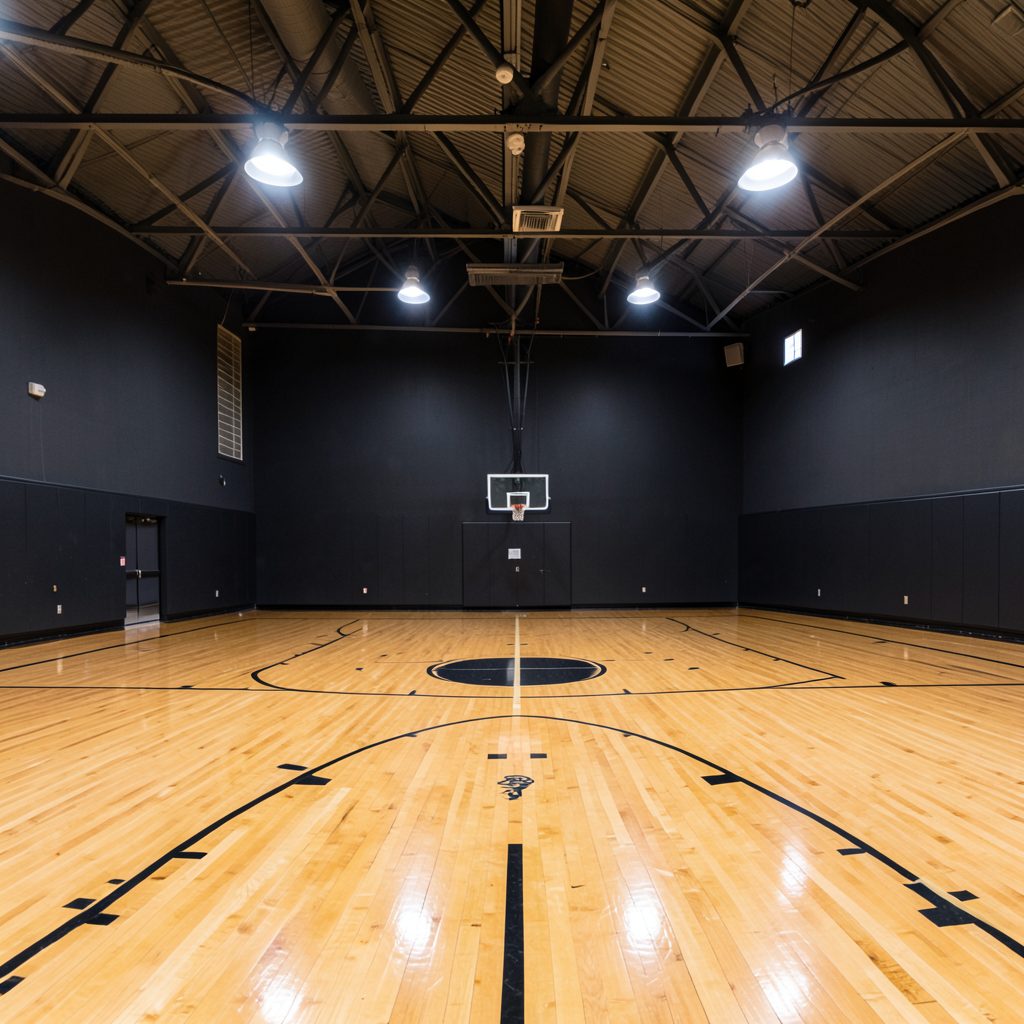
Facilities that show community, training and competition together can help families understand the range of sporting experiences available. The facility gallery offers a visual sense of how an athletic venue can support skill work, games and a welcoming social atmosphere. Locally, visit a club at training time and observe whether children look engaged, included and appropriately challenged.
Recognise burnout before it grows
Burnout may appear as ongoing exhaustion, irritability, anxiety before training, frequent minor injuries or a sudden loss of interest in a sport once loved. Some children become perfectionistic, while others withdraw or complain of vague aches. These signs should be treated as information, not misbehaviour.
Reduce pressure early. A short break, lighter schedule or return to informal shooting can be enough for some players. If symptoms continue or affect school, sleep or mood, involve a health professional and communicate openly with the coach. A temporary pause does not erase progress.
The best long-term basketball pathway is flexible. It allows a child to work hard, rest properly, change teams, try another role and rediscover enjoyment when motivation dips. Supportive adults create the conditions for commitment; the child’s growing sense of ownership turns that support into lasting participation.
Build the next season around enjoyment, recovery and one or two meaningful goals. Choose coaches and programmes that respect development, safety and individuality, then celebrate the moments that make your child want to pick up a basketball again. That is how skill, confidence and a genuine love of the game can grow together.
Inside The Factory

Three Entities, One Roof
Leagues
Eight league divisions span every age group: Indy Pro AM, 18+ Open Men's, 30+ Men's, Bite Size (ages 3–6), Impact League, 5th/6th Grade, Middle School, and High School. Gather your team and compete.
Training
Individual and group basketball training for all skill levels. Major M.O.V.E.S. Basketball Training serves ages 4–7 on Wednesday and Thursday evenings at 6:30 PM — $30 per session or $100 unlimited monthly.
Wellness & Recovery
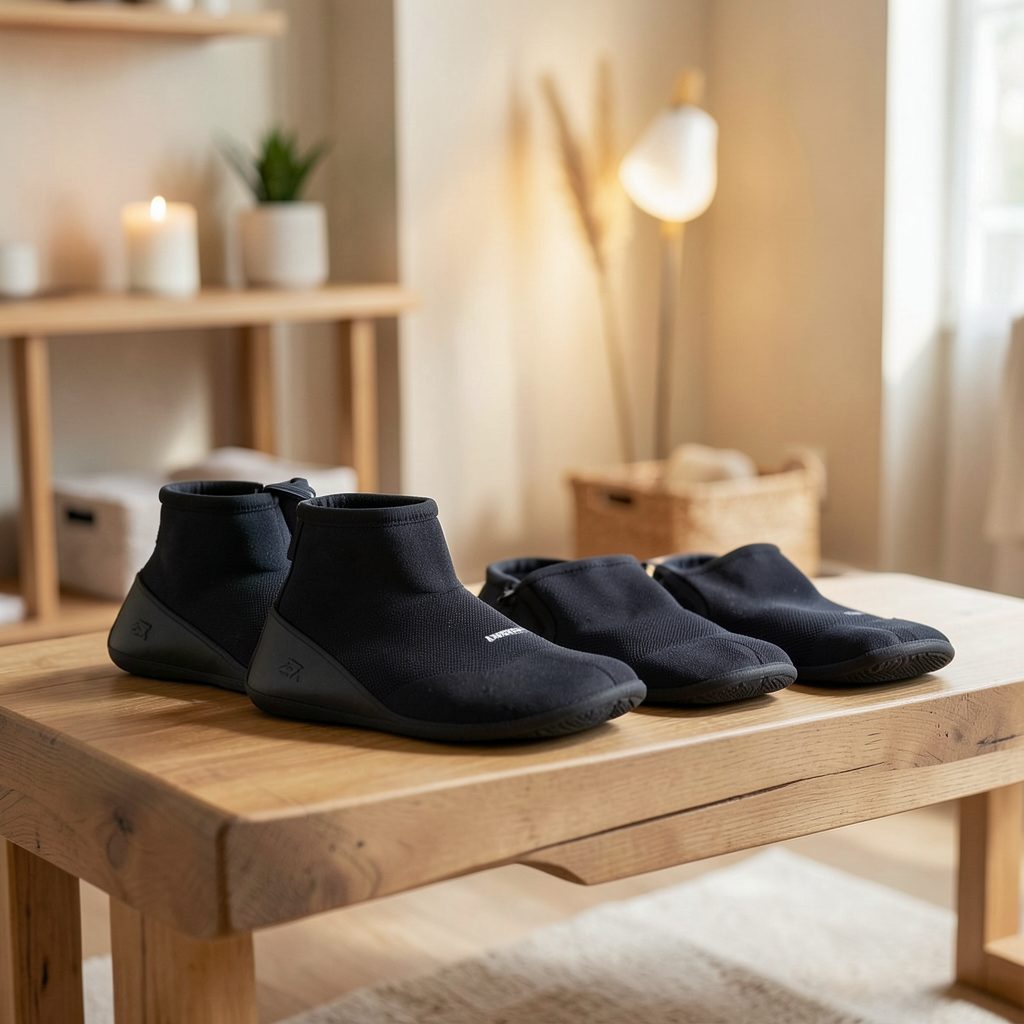
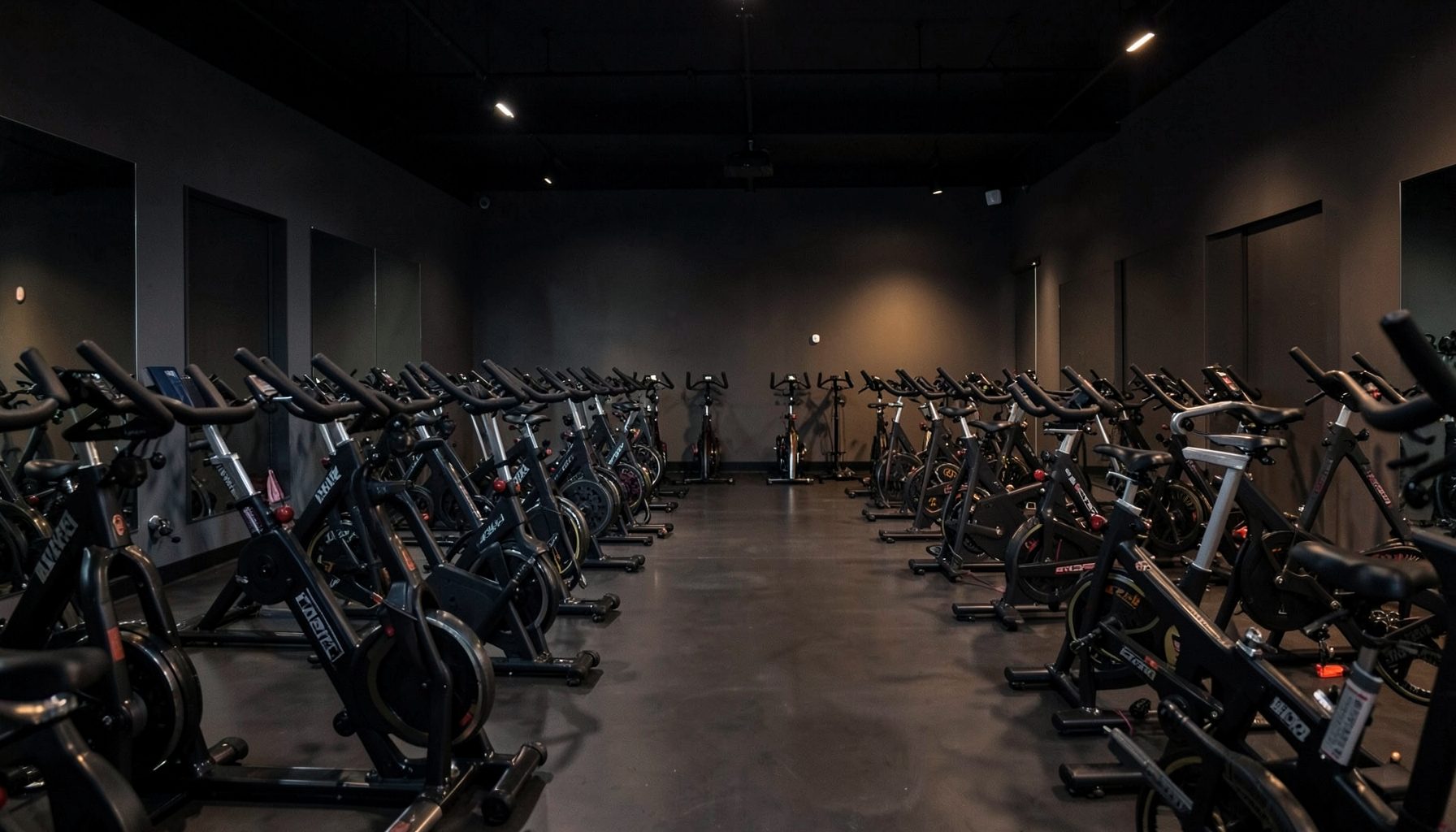
Normatec boot recovery and cryotherapy treatments help athletes bounce back faster. Cycle and spin classes add a cardio dimension to the holistic performance approach.
Have a Question?