Train. Compete. Recover.
A multi-purpose athletic facility in Speedway, Indiana — basketball leagues, skill training, and wellness services all under one roof.
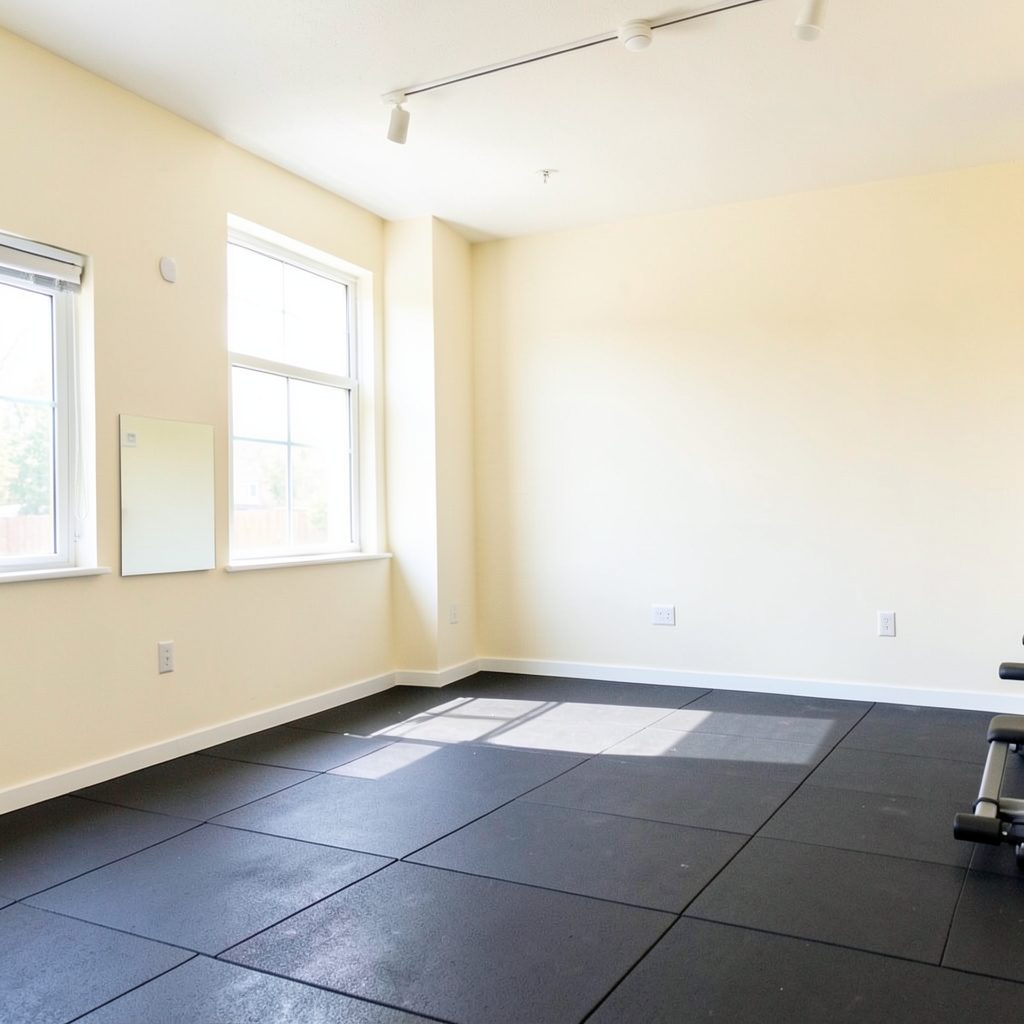
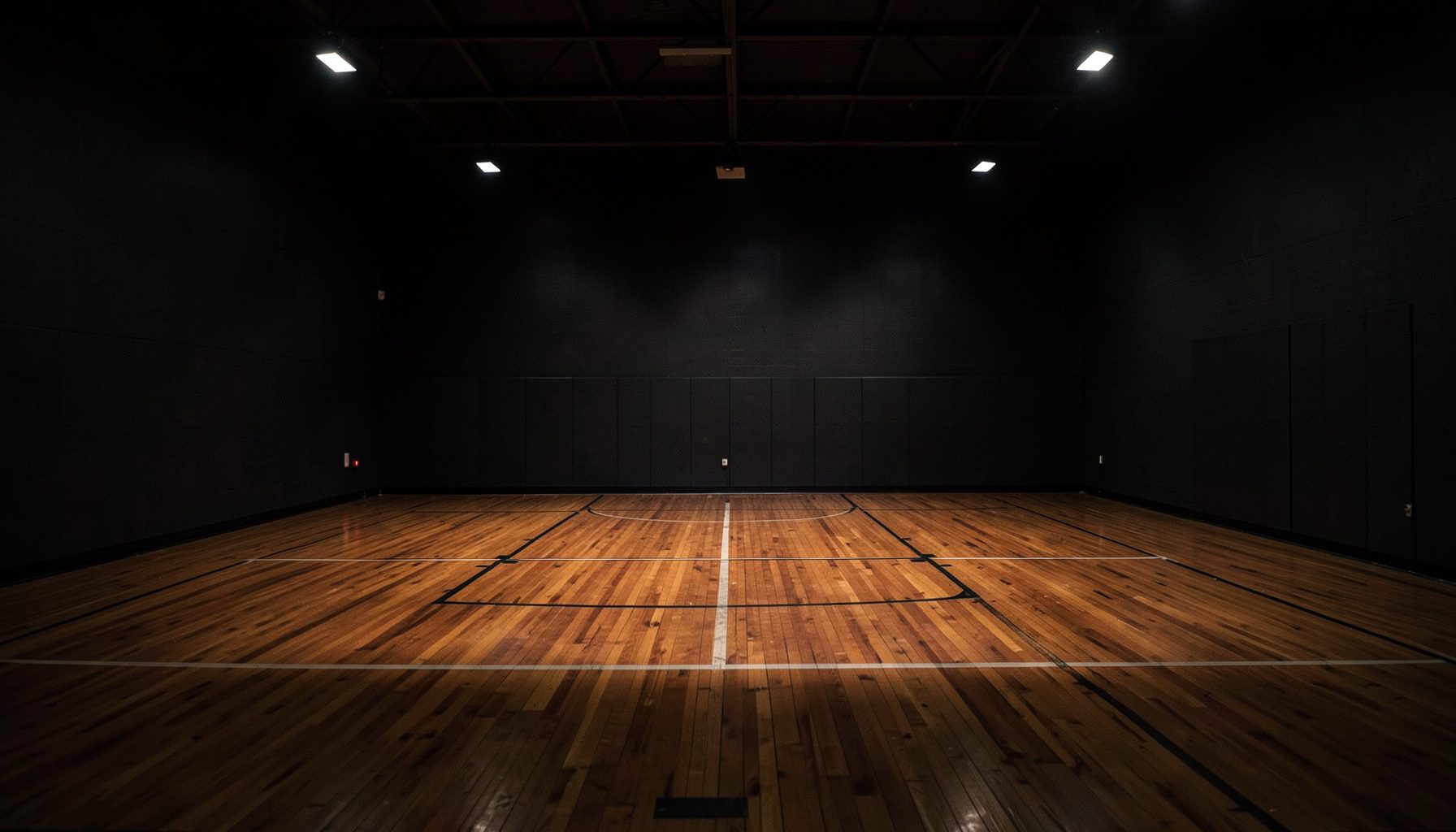
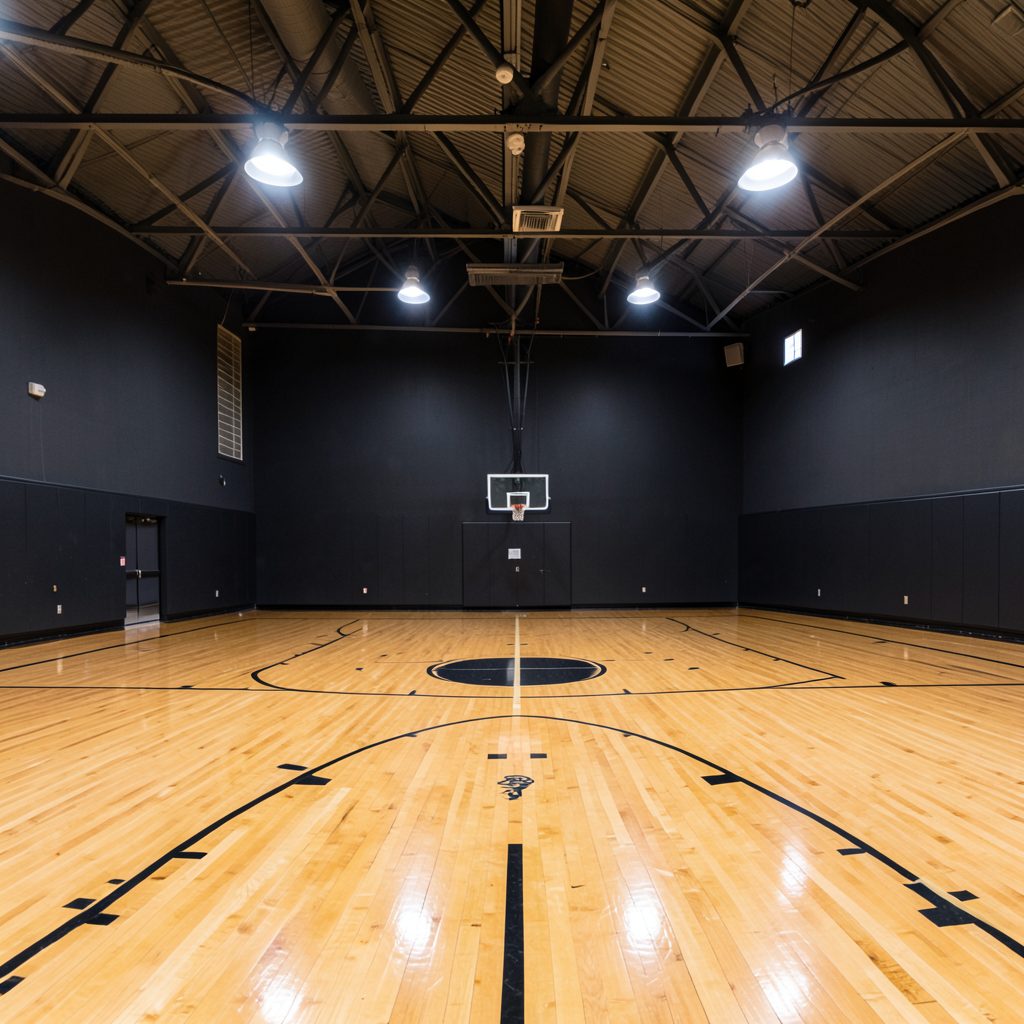
The Factory D1 Indy brings together three entities under one roof: competitive basketball leagues for all age groups, individual and group training, and wellness & recovery services including Normatec boot recovery and cryotherapy. Located off I-465 and High School Road at 6331 Crawfordsville Road, Speedway, Indiana 46224.
Get In TouchHelping Your Child Handle a Loss in Youth Basketball
A close loss can feel enormous to a young basketball player. The final score may be forgotten within a week, yet the disappointment can linger if a child believes the result defines their ability, effort, or place on the team. Parents and coaches have an important role in helping athletes process the experience without dismissing their feelings.
Youth competition is designed to teach more than shooting, passing, and defensive positioning. Games provide safe opportunities to practise persistence, communication, emotional control, and responsibility. A defeat can become a valuable learning moment when adults create space for honest reactions and guide the next step calmly.
At The Factory D1 Indy, players take part in training and leagues suited to different ages and experience levels. The same approach applies to families involved in Saturday basketball in Melbourne, school competitions in Sydney, or junior fixtures during the Australian winter season: children need support that protects their confidence while keeping competition meaningful.
| What your child may need | Helpful adult response | What to avoid |
|---|---|---|
| Time to feel disappointed | Acknowledge the result and listen | Telling them to “get over it” |
| Perspective | Remind them that one game is one event | Pretending the loss does not matter |
| A practical next step | Choose one skill or habit to work on | Giving a long list of corrections |
| Emotional safety | Separate performance from identity | Criticising effort, attitude, or teammates |
| Motivation | Let the child reconnect with enjoyment | Pressuring them to win the next game |
Let The First Reaction Be Honest
Immediately after a loss, your child may be quiet, tearful, angry, or eager to blame a referee, teammate, or coach. These responses are common, particularly after a close game or an important fixture. Your first job is not to analyse every possession. Offer calm acknowledgement: “That was a tough one,” or “I can see that result really hurt.”
Give the player a little time before asking detailed questions. A car ride home can be especially sensitive, whether you are leaving a local stadium in Brisbane or driving across town after a late game. Food, water, a shower, and sleep may do more to restore perspective than a post-match lecture.
Listening does not mean agreeing with every accusation. If your child says the referee caused the loss, you can recognise the frustration while gently broadening the view: “That call was difficult, and there were also parts of the game your team could control.” This keeps the conversation respectful and prevents blame from becoming the main lesson.
Use Questions That Build Reflection
Once emotions have settled, invite your child to reflect with open, specific prompts. Ask what felt difficult, which part of the game they enjoyed, or what they noticed about their own decisions. Questions about effort and choices are usually more useful than “Why did you lose?” They encourage self-awareness without making the athlete defend the final score.
Help your child identify one controllable detail. It might be sprinting back on defence, communicating on screens, taking an open shot with confidence, or staying engaged after making a mistake. One clear focus is easier to practise than a complete list of weaknesses. A young athlete should leave the conversation knowing what to try next, not believing they have failed everywhere.
Parents can also help children recognise progress that the scoreboard does not show. A player may have boxed out consistently, encouraged a nervous teammate, or made a pass they would have missed a month earlier. In Australian junior basketball, where school sport, club fixtures, and weekend tournaments can create busy schedules, noticing these small improvements helps children maintain a healthy relationship with competition.
Separate Identity From Performance
A lost game is an event, not a description of your child. Statements such as “You are a poor player” or “You always let the team down” can become internalised quickly. Replace them with language that describes behaviour and choices: “You stopped moving after that turnover,” or “Your defensive effort improved in the second half.”
Praise should be specific rather than automatic. “Good game” may feel empty after a defeat, while “I noticed you kept contesting rebounds when you were tired” shows that you were paying attention. This kind of feedback reinforces qualities that remain valuable across basketball, school, work, and relationships.
Avoid comparing your child with a sibling, teammate, or a professional athlete from the NBL or WNBL. Elite players have years of specialised coaching, strength work, competition, and support behind them. Children develop at different rates, especially during growth spurts, school-term pressures, and changes between age divisions. The aim is steady development, not a perfect performance every weekend.
Turn Disappointment Into A Simple Plan
After reflection, agree on a small action for the next training session. A player who struggled with ball handling might spend ten focused minutes on weak-hand control. Someone who became frustrated after a turnover could practise a reset routine: breathe, make eye contact with a teammate, and sprint back on defence. A practical response restores a sense of control.
The plan should suit the athlete’s age and should not become an extra burden. Younger children may benefit from a playful shooting challenge, while older players can track one statistic or ask their coach for one piece of feedback. If your child wants additional structure, individual and group basketball skills training can provide repetition in a supportive environment rather than placing every expectation on game day.
Families can also protect enjoyment by balancing competition with other forms of movement. A cycle or spin class, an outdoor shootaround, or an easy walk can help release tension without turning every activity into a performance test. Recovery matters as well; families interested in nutrition and wellbeing can explore these Ayurvedic diet tips as one perspective, while remembering that children’s dietary needs should be discussed with a qualified health professional.
Keep The Team Environment Healthy
Children often copy the emotional cues of adults. If parents argue about officiating, criticise coaches from the sideline, or treat a junior league as a high-stakes audition, players may learn that losing is embarrassing. Supportive cheering, respect for officials, and encouraging language create a healthier atmosphere for everyone on the court.
If your child is upset with a teammate, help them discuss the specific incident without attacking the person. “We lost our defensive assignment” is more constructive than “You ruined the game.” Coaches can reinforce this standard by focusing on communication, shared responsibility, and the next possession rather than searching for someone to blame.
A league should offer a pathway for learning and belonging as well as competition. Parents who want to find an appropriate division or upcoming opportunity can review league registration details and consider the child’s age, confidence, experience, and schedule. The right level should challenge a player without making every result feel like a verdict.
The most useful message after a defeat is simple: the result matters because your child cared, but it does not decide who they are or what they can become. Stay calm, listen first, name one strength, and choose one next action together. Support the next training session, celebrate brave effort, and let your young athlete return to the court with confidence and room to grow.
Inside The Factory

Three Entities, One Roof
Leagues
Eight league divisions span every age group: Indy Pro AM, 18+ Open Men's, 30+ Men's, Bite Size (ages 3–6), Impact League, 5th/6th Grade, Middle School, and High School. Gather your team and compete.
Training
Individual and group basketball training for all skill levels. Major M.O.V.E.S. Basketball Training serves ages 4–7 on Wednesday and Thursday evenings at 6:30 PM — $30 per session or $100 unlimited monthly.
Wellness & Recovery
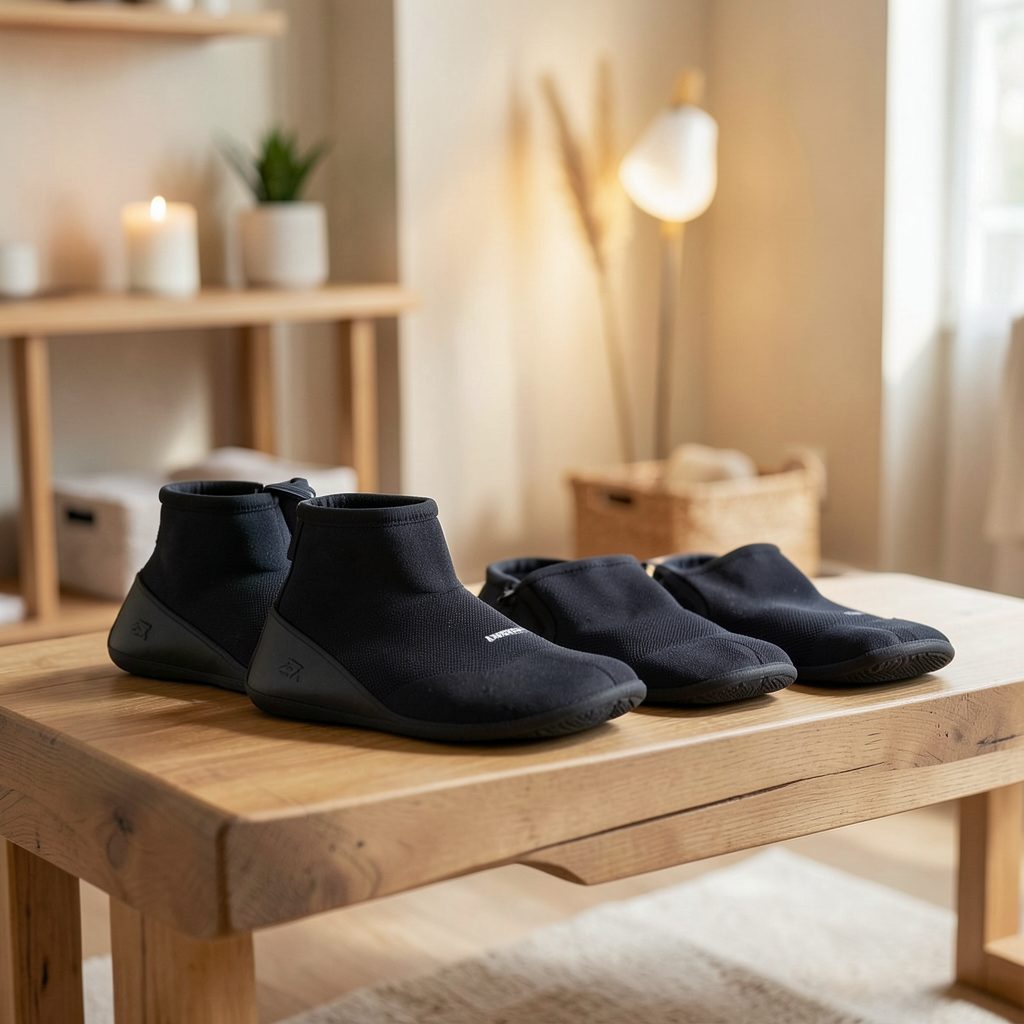
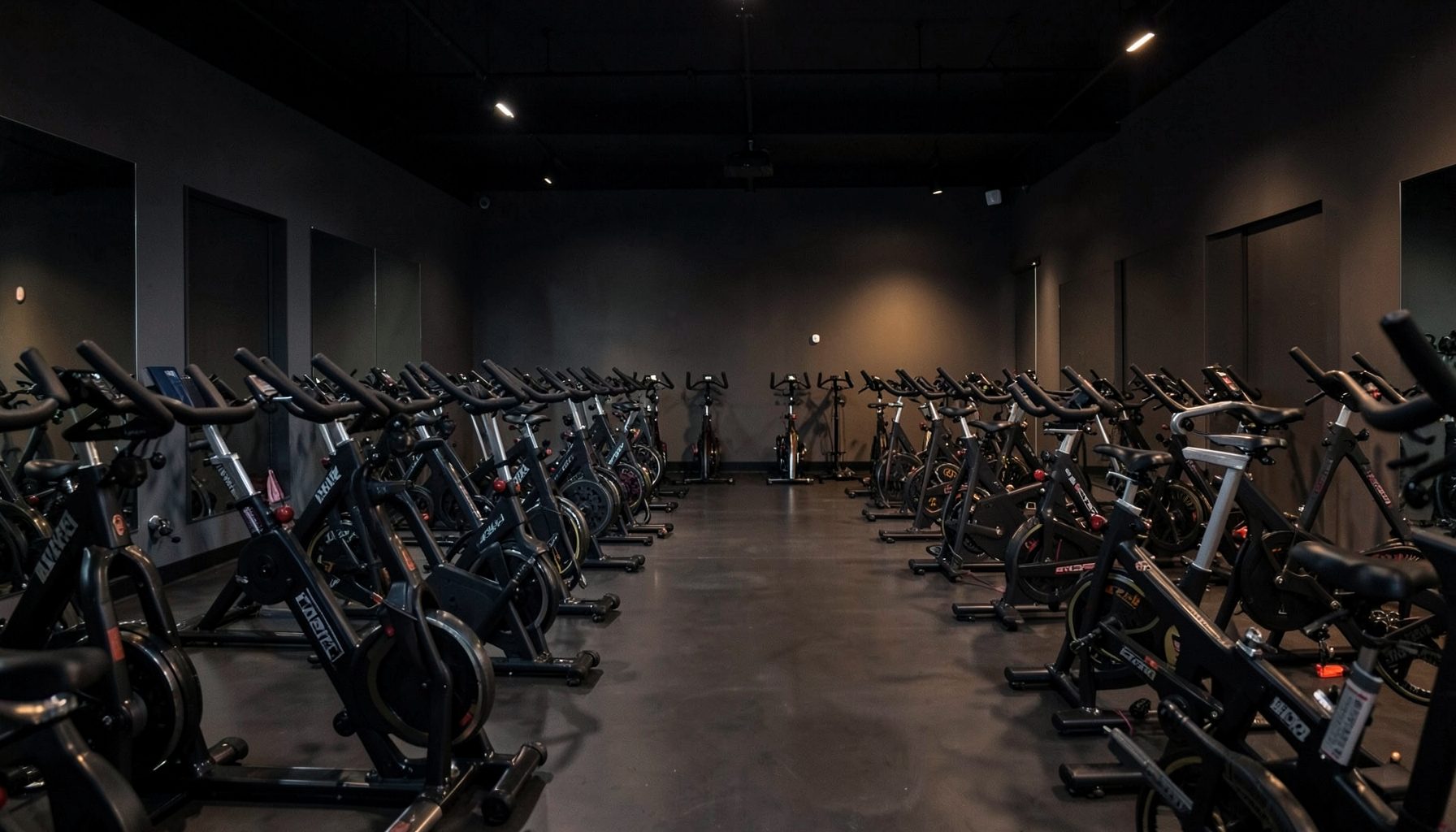
Normatec boot recovery and cryotherapy treatments help athletes bounce back faster. Cycle and spin classes add a cardio dimension to the holistic performance approach.
Have a Question?