Train. Compete. Recover.
A multi-purpose athletic facility in Speedway, Indiana — basketball leagues, skill training, and wellness services all under one roof.
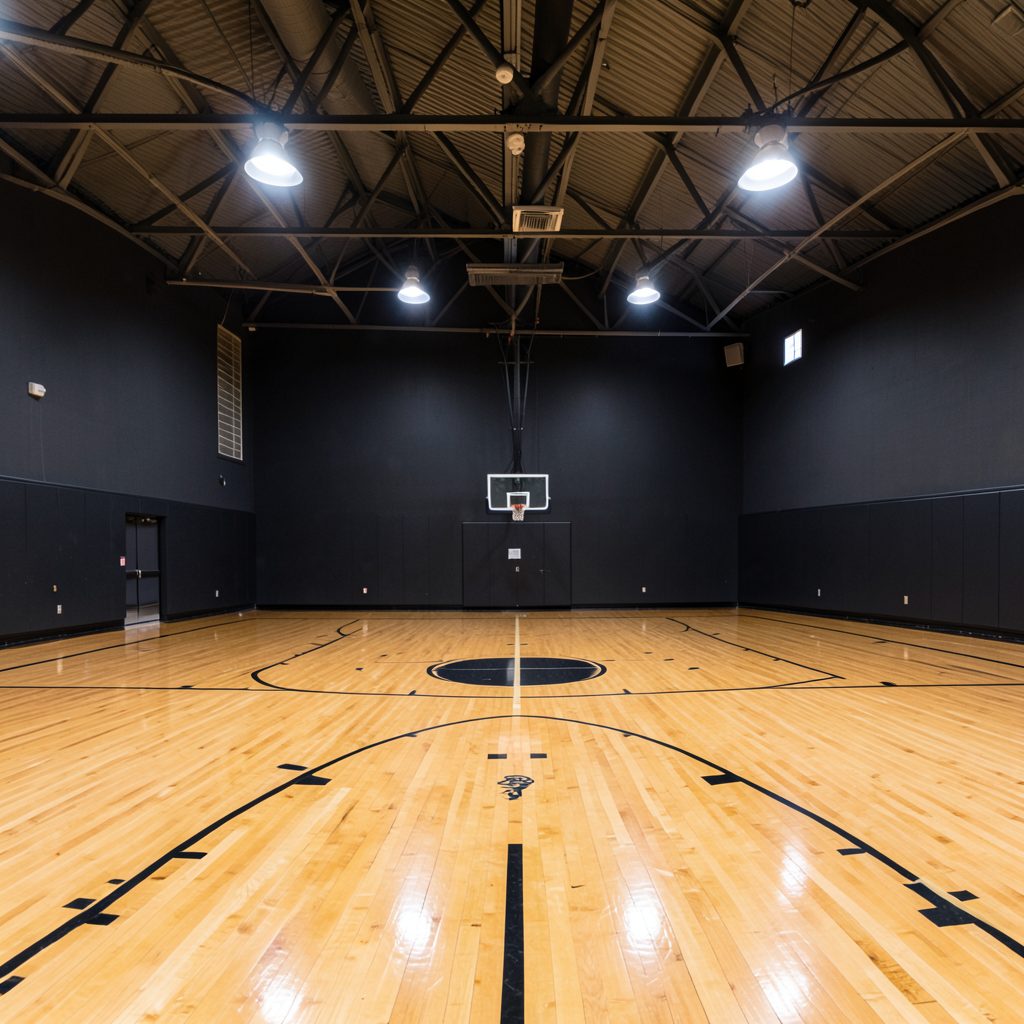
The Factory D1 Indy brings together three entities under one roof: competitive basketball leagues for all age groups, individual and group training, and wellness & recovery services including Normatec boot recovery and cryotherapy. Located off I-465 and High School Road at 6331 Crawfordsville Road, Speedway, Indiana 46224.
Get In TouchImprove Basketball Passing Accuracy With Wall Drills
Accurate passing is built through repeatable mechanics, clear targets, and awareness of where the ball needs to arrive. A wall provides immediate feedback, making it one of the simplest tools for improving a chest pass, bounce pass, overhead pass, or one-handed delivery. Each rebound shows whether the ball traveled with the right speed, angle, and spin.
Wall work also helps athletes develop passing rhythm without waiting for a teammate. Young players can learn hand placement and footwork, while experienced athletes can sharpen weak-hand passing, quick releases, and passes made at game speed. The key is to practice with purpose instead of throwing the ball randomly.
A productive session should connect fundamentals to basketball situations. Start with clean stationary repetitions, then add movement, time limits, changes of angle, and decision-making. That progression turns a basic wall drill into useful preparation for practices, leagues, and competitive games.
Why Wall Drills Improve Passing Control
A wall is a consistent target, so it exposes technical errors immediately. If a chest pass hits too high, drifts to one side, or returns outside the player’s frame, the passer can adjust the next repetition. This direct feedback helps athletes understand how their stance, arm path, and wrist snap affect the ball’s flight.
The rebound also develops receiving skills. Players must catch with soft hands, absorb the ball, and prepare it quickly for the next pass. That combination mirrors game situations in which a teammate delivers the ball at an awkward height or with extra speed. Passing accuracy improves faster when catching and passing are trained as one continuous movement.
Use a specific target on the wall, such as a piece of tape, a numbered spot, or a small painted mark. A visible target encourages precision rather than general effort. Begin close enough to maintain control, then increase the distance only after the ball repeatedly reaches the target and returns to a comfortable catching position.
Build A Strong Passing Position
Start every repetition in an athletic stance. Keep the feet slightly wider than the shoulders, bend the knees, and hold the chest upright. The hands should be ready in front of the body, with the eyes focused on the intended target. This position allows the player to pass, catch, or move without needing an extra setup step.
For a chest pass, place both hands on the sides of the ball with the fingers spread comfortably. Step toward the wall as the arms extend, then finish with the thumbs pointing down and the fingers directing the ball toward the target. The pass should leave the body smoothly rather than being pushed only with the arms.
A bounce pass requires the same controlled step and extension, but the target moves lower. Aim for a spot roughly two-thirds of the distance between the player and the wall. The ball should strike the wall or floor at a predictable angle and rise into the receiver’s midsection. Practice both hands equally so the weaker side does not become a limitation.
Overhead and one-hand passes deserve separate attention. For an overhead pass, keep the ball above the forehead, avoid arching the back, and extend through the elbows and wrists. For a one-hand pass, step with the opposite foot and finish toward the target. These variations improve passing range and prepare players for outlets, skips, and passes around defenders.
Progress From Basic Repetitions To Game Speed
The most effective wall drills increase difficulty gradually. Accuracy should remain the priority, but the player can add speed, movement, and pressure once the mechanics become consistent. The following progression works for beginners and competitive athletes alike:
| Drill Stage | Main Focus | Suggested Work |
|---|---|---|
| Stationary chest passes | Hand placement and target accuracy | 25 clean repetitions |
| Stationary bounce passes | Ball angle and receiving position | 20 repetitions with each hand emphasis |
| Alternating passes | Quick hands and rhythm | 30 seconds without losing control |
| Lateral passing | Footwork and balance | Shuffle several steps between passes |
| One-hand passing | Range and weak-hand development | 15 repetitions per side |
| Timed combinations | Speed under fatigue | 3 rounds of 30 seconds |
Rest briefly between rounds and record successful passes rather than only total attempts. For example, an athlete might complete 42 passes in a minute but hit the target accurately 31 times. The next goal should be to raise the accuracy percentage while preserving a fast release.
Once the player can maintain control, move farther from the wall or reduce the target size. Another option is to alternate pass types on a coach’s or partner’s command. These small changes create mental demands without requiring a full team drill.
Add Movement And Decision Making
Standing in one place teaches mechanics, but basketball passing usually happens while the body is moving. Add a lateral shuffle by taking two or three steps away from the wall, planting under control, and passing again. Keep the shoulders level and avoid crossing the feet when quick balance matters.
Players can also combine passing with a jab step, pivot, or closeout reaction. Catch the rebound, pivot away from an imaginary defender, and deliver the next pass from a new angle. This teaches the athlete to protect the ball while maintaining vision and body control.
For a higher-level challenge, mark two or three targets on the wall. Assign each target a number or color, then have a partner call the destination. The passer must identify the target, set the feet, and deliver the correct pass quickly. This drill improves visual processing, communication habits, and passing decisions under pressure.
Use a realistic pass selection. A short chest pass may be best for a nearby teammate, while a bounce pass can avoid a defender’s hands. An overhead pass may reach a teammate over pressure, but it can also be slower and easier to intercept. Wall training becomes more transferable when the athlete considers why each pass is being used.
Correct Common Passing Errors
One frequent problem is relying on the arms while leaving the feet stationary. Without a step, the pass often lacks power and accuracy. Practice stepping directly toward the target, keeping the hips and shoulders aligned, and finishing with the wrists rather than swinging the arms across the body.
Another mistake is watching the ball instead of the target. The eyes should locate the target before the pass begins, then track the rebound as it returns. Players who stare at their hands often react late and lose their passing line. Encourage them to keep their head up and use peripheral vision during movement drills.
Passing too hard can be just as harmful as passing too softly. A powerful pass that rebounds unpredictably does not develop useful control. Adjust the force until the ball reaches the target firmly and returns near the center of the body. The ideal speed depends on distance, but every pass should be catchable.
Players should also avoid practicing only their dominant hand. Weak-hand passing becomes more comfortable through frequent, manageable repetitions. Begin with shorter distances and larger targets, then increase the challenge as control improves. Balanced passing skills give athletes more options when a defender removes the preferred passing lane.
Create A Consistent Practice Routine
Wall drills work best when they are short, focused, and repeated throughout the week. Ten to fifteen minutes before basketball practice can reinforce fundamentals without creating excessive fatigue. Athletes should stop to reset their stance when accuracy drops instead of turning poor mechanics into repeated habits.
A simple routine can include a warm-up, a technical block, a movement block, and a timed finish. Keep a training log that tracks the number of accurate passes, the types of passes practiced, and the distance from the wall. This makes progress visible and helps identify whether accuracy declines with speed or fatigue.
Use these recommendations to keep each session productive:
- Choose a clear wall target and count accurate contacts instead of rushing repetitions.
- Practice chest, bounce, overhead, and one-hand passes on both sides of the body.
- Add footwork only after the stationary version feels controlled and repeatable.
- Increase distance, reduce target size, or add a time limit to create gradual pressure.
- Finish with a short game-speed sequence while preserving proper passing form.
Basketball players can also reinforce wall work through structured skill sessions, partner passing, and live competition. At a basketball training facility, athletes can combine individual development with organized practice environments that challenge accuracy, timing, and decision-making.
Take Passing Accuracy To The Court
The purpose of wall drills is to make passing mechanics automatic when defenders, teammates, and game pressure enter the picture. After each session, apply the same habits in partner drills: step toward the receiver, show strong hands, pass to the target area, and move immediately after the delivery.
Consistent practice produces the greatest results when it includes both precision and variety. Begin with clean repetitions, develop both hands, add movement, and finish with quick decisions. Make wall passing part of a regular basketball training schedule, then carry that confidence into team practices, leagues, and competition. Start with one focused session today and build from accurate repetition to game-ready execution.
Inside The Factory
Three Entities, One Roof
Leagues
Eight league divisions span every age group: Indy Pro AM, 18+ Open Men's, 30+ Men's, Bite Size (ages 3–6), Impact League, 5th/6th Grade, Middle School, and High School. Gather your team and compete.
Training
Individual and group basketball training for all skill levels. Major M.O.V.E.S. Basketball Training serves ages 4–7 on Wednesday and Thursday evenings at 6:30 PM — $30 per session or $100 unlimited monthly.
Wellness & Recovery
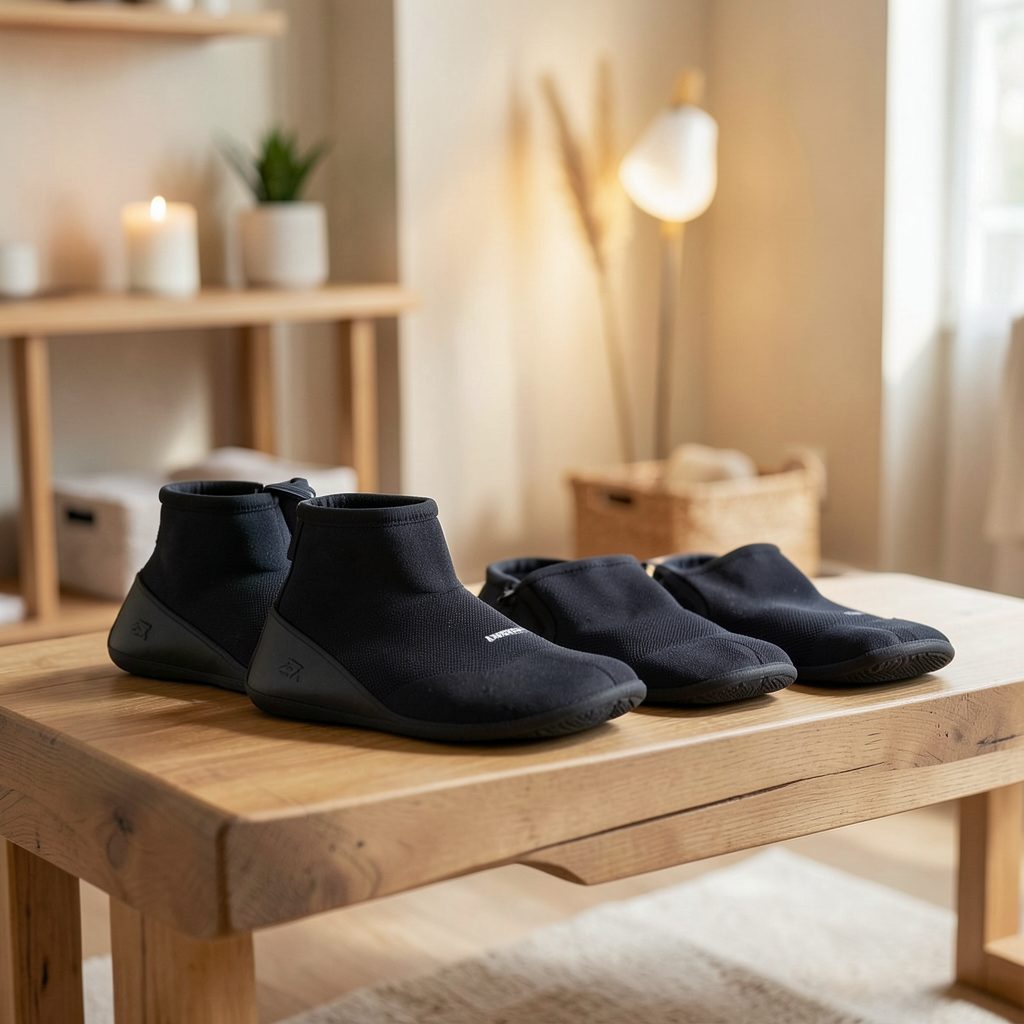
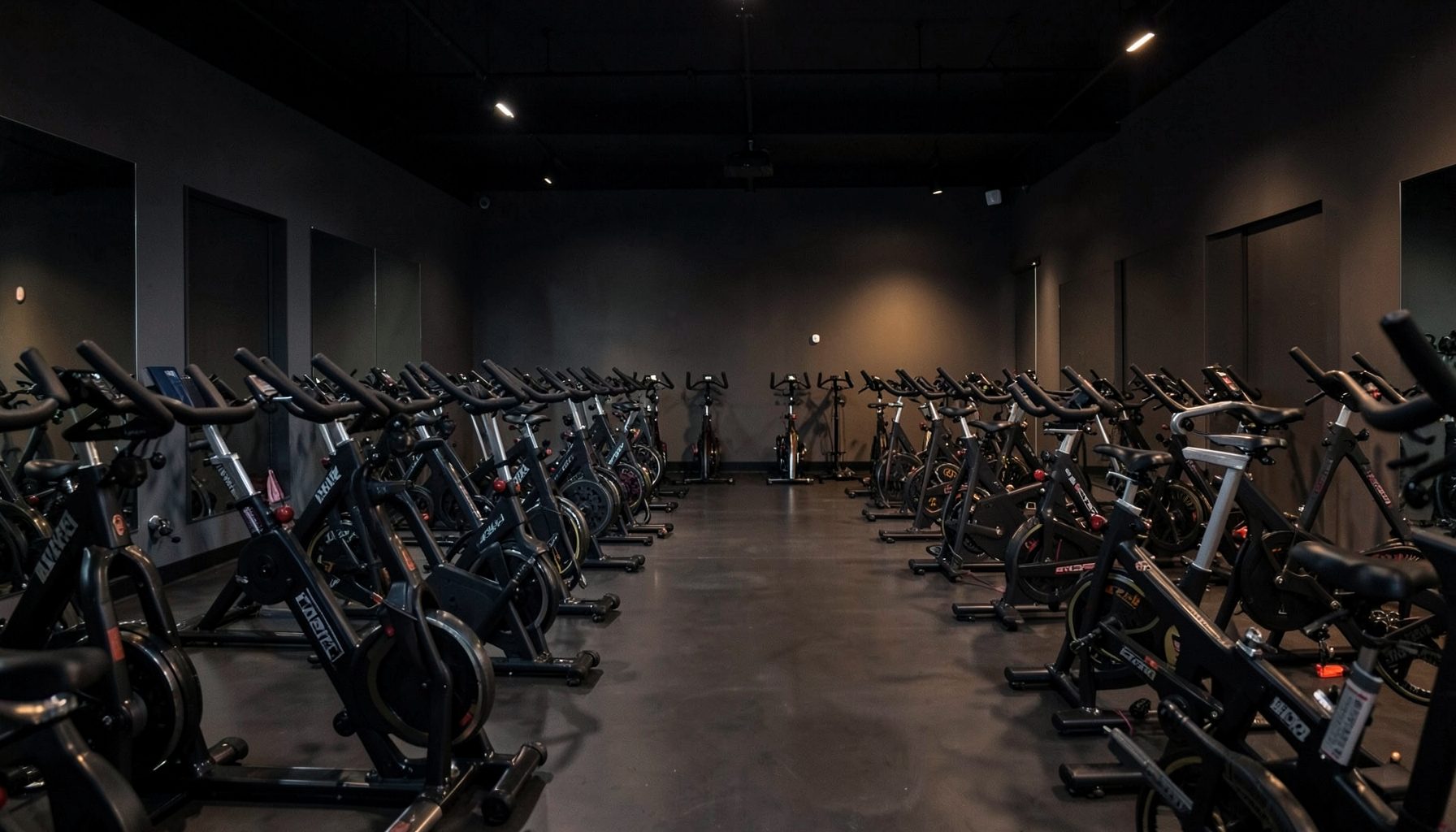
Normatec boot recovery and cryotherapy treatments help athletes bounce back faster. Cycle and spin classes add a cardio dimension to the holistic performance approach.
Have a Question?