Train. Compete. Recover.
A multi-purpose athletic facility in Speedway, Indiana — basketball leagues, skill training, and wellness services all under one roof.
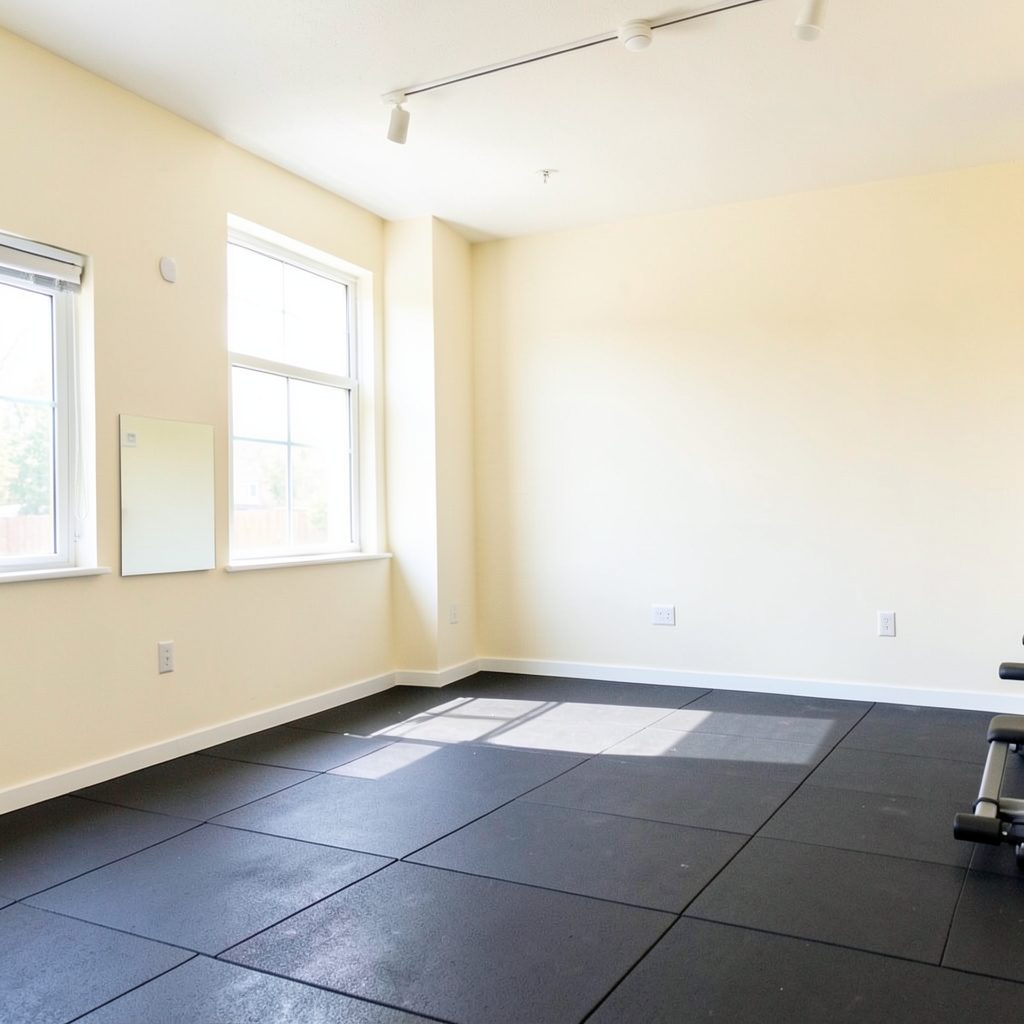
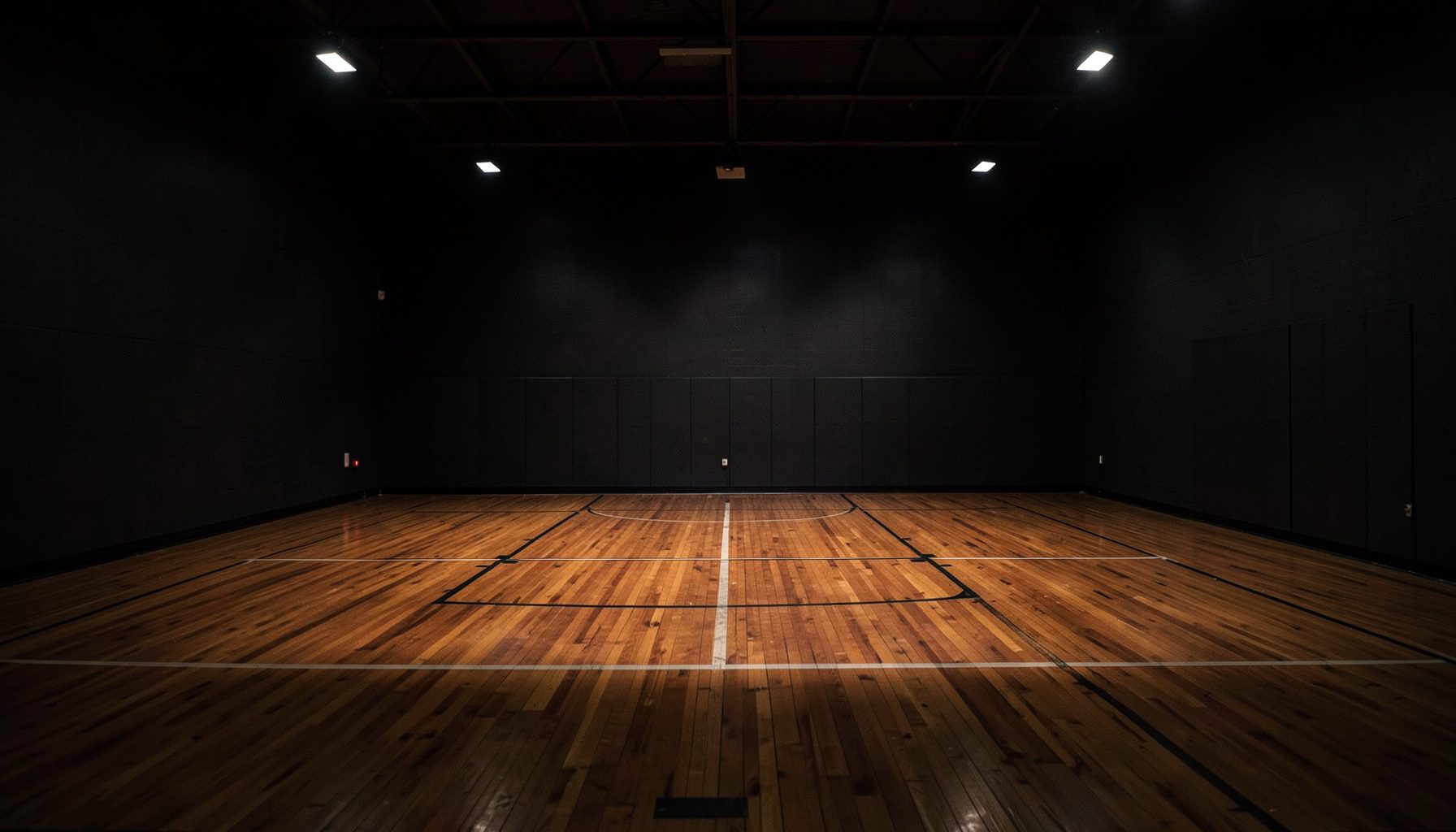
The Factory D1 Indy brings together three entities under one roof: competitive basketball leagues for all age groups, individual and group training, and wellness & recovery services including Normatec boot recovery and cryotherapy. Located off I-465 and High School Road at 6331 Crawfordsville Road, Speedway, Indiana 46224.
Get In TouchHow to Improve Your Vertical Jump With Plyometric Training
A higher vertical jump can help a basketball player finish above the rim, contest shots, secure rebounds, and create separation on the court. While genetics influence explosive potential, structured training can improve the strength, speed, coordination, and confidence needed to jump more effectively.
Plyometric training develops power through fast, forceful movements. It teaches the muscles and nervous system to absorb force quickly and produce it again in a short window. The result is improved reactive strength, takeoff speed, and control during athletic movements.
A successful jump program is more than a collection of tiring exercises. It combines movement quality, lower-body strength, appropriate landing mechanics, gradual progression, and enough recovery between demanding sessions. Athletes at The Factory D1 Indy can use this approach to support basketball development at every stage.
Why Explosive Jumping Matters
Vertical leap ability begins with force production. The hips, knees, and ankles must extend rapidly in a coordinated sequence, often called triple extension. When these joints work together efficiently, the athlete can direct more force into the floor and convert it into upward momentum.
Jump height also depends on how quickly force is produced. A strong athlete may perform a heavy squat well but still need faster power development to elevate during a game. Plyometrics bridge that gap by training explosive movement rather than slow, controlled strength alone.
Basketball players rarely jump from a perfect stationary position. They rise after a sprint, gather, stop, pivot, or react to another player. For that reason, a complete program should include both stationary jumps and movements that challenge balance, timing, and body control.
Build A Strong Movement Base
Before adding high-intensity jumps, athletes should learn how to land quietly and securely. The feet should contact the floor under the body, while the knees track in line with the toes. The hips and ankles should bend together to help distribute impact instead of allowing the knees or lower back to absorb excessive stress.
A basic strength foundation supports safer and more powerful plyometric work. Squats, split squats, lunges, hip hinges, calf raises, and single-leg exercises develop the muscles used during takeoff and landing. Core training also matters because a stable trunk allows force to transfer efficiently between the lower and upper body.
Mobility can influence jump mechanics as well. Adequate ankle range of motion helps an athlete lower into a useful loading position, while hip mobility supports forceful extension. A short dynamic warm-up with skips, lunges, leg swings, and controlled squats prepares the body more effectively than beginning with maximum-effort jumps.
Plyometric Exercises That Develop Power
Start with low-volume drills that emphasize rhythm and technique. Pogo jumps, line hops, and ankle hops teach the lower legs to respond quickly while keeping ground contact brief. These exercises are useful for developing stiffness through the ankle and improving the spring-like quality of each movement.
Once an athlete can land consistently, progress to countermovement jumps, squat jumps, and broad jumps. A countermovement jump uses a quick dip before takeoff, closely matching the loading pattern used in many basketball situations. Broad jumps add horizontal force and encourage athletes to project the body with intent.
More advanced athletes can introduce depth drops, depth jumps, single-leg hops, and lateral bounds. These drills place greater demand on the muscles and connective tissues, so they should be added gradually. The goal is maximum quality, not exhaustion. Stop a set when jump height falls noticeably or landings become noisy and unstable.
| Exercise | Primary Focus | Suggested Starting Volume | Key Coaching Cue |
|---|---|---|---|
| Pogo jumps | Ankle reactivity | 2–3 sets of 10–20 contacts | Stay tall and bounce quickly |
| Countermovement jumps | Vertical power | 3–5 sets of 3–5 reps | Load fast and drive upward |
| Broad jumps | Horizontal force | 3–4 sets of 3 reps | Land softly with hips back |
| Lateral bounds | Side-to-side power | 2–4 sets of 4–6 per side | Control the landing before rebounding |
| Depth drops | Landing mechanics | 2–3 sets of 3–5 reps | Absorb force quietly and evenly |
Program Training For Better Results
Plyometric sessions should usually take place early in a workout, after the warm-up but before heavy fatigue develops. Explosive work depends on a fresh nervous system. Performing repeated jumps after a long conditioning session can reduce quality and reinforce poor mechanics.
Most developing athletes can begin with one or two plyometric sessions each week, leaving at least 48 hours between demanding lower-body sessions. A workout might include a dynamic warm-up, a low-level landing drill, one vertical jump exercise, one horizontal or lateral drill, and strength movements afterward.
Rest periods are part of the program. Allow roughly 60 to 120 seconds between challenging sets, and take longer if the exercise is highly demanding. Full recovery allows every repetition to be fast and powerful. Shortening rest simply to create fatigue changes the purpose of the session.
Track useful performance markers over time. Record standing jump height, broad jump distance, the number of quality repetitions, and how stable each landing feels. Testing every few weeks is more useful than measuring every day, since daily performance changes with sleep, stress, soreness, and school or work demands.
Combine Jump Work With Athletic Conditioning
A higher jump becomes more valuable when it can be repeated during competition. Basketball athletes need to sprint, decelerate, change direction, and recover between efforts. Conditioning should therefore develop both energy-system capacity and movement efficiency without overwhelming the legs.
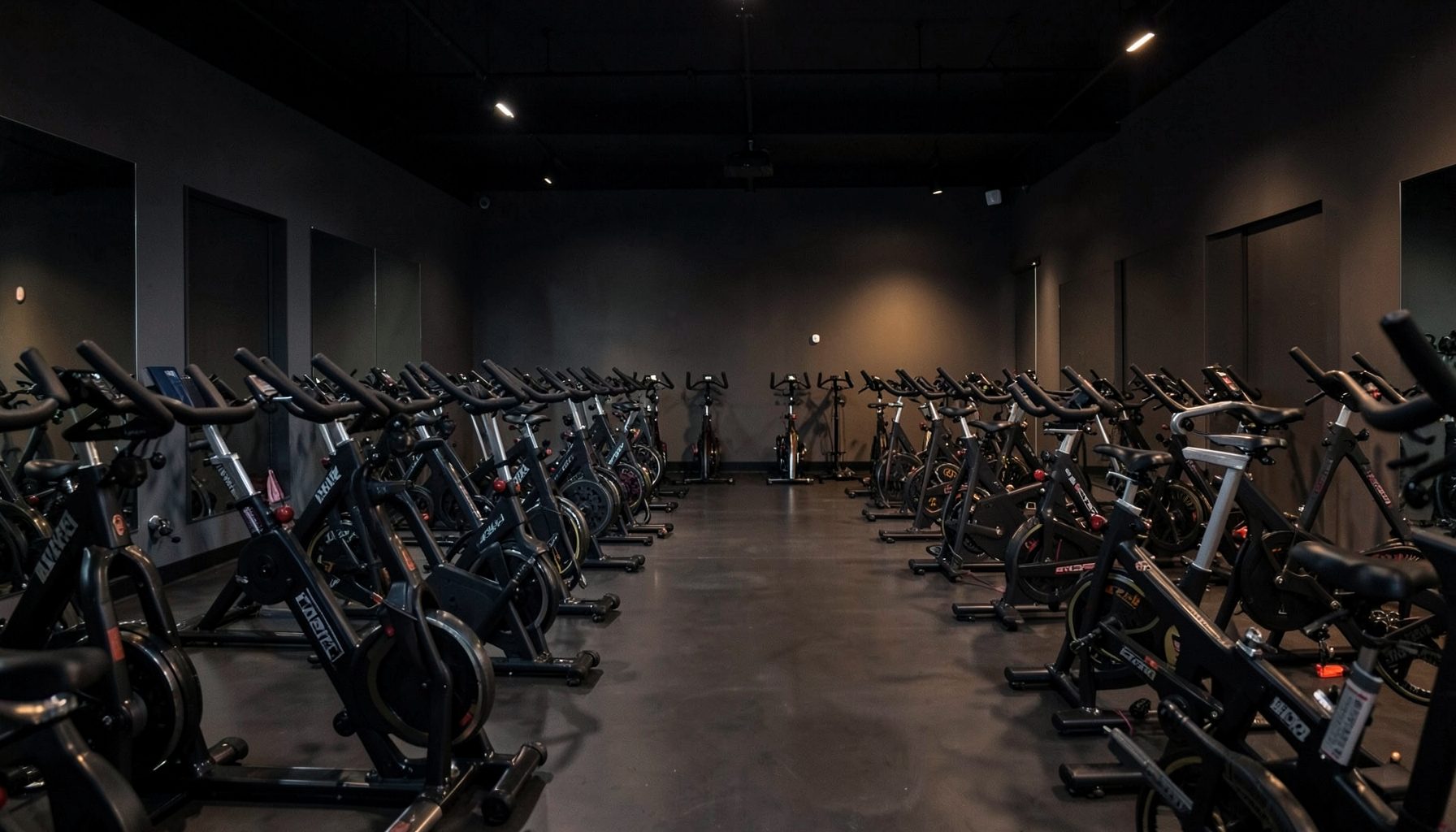
Low-impact conditioning can support this goal during parts of the training week. At The Factory D1 Indy, athletes may complement court work with cycle and spin classes, which can build cardiovascular fitness while reducing the repetitive impact of additional running and jumping.
Sport-specific practice should connect explosive training to real decisions. After developing jump mechanics, athletes can work on rebounding timing, two-foot and one-foot takeoffs, jump stops, closeouts, and finishing through contact. This helps transform improved lower-body power into basketball performance.
Protect Recovery And Joint Health
Plyometrics place meaningful stress on the ankles, knees, hips, and feet. Mild muscle fatigue is expected, but persistent joint pain, swelling, or a sharp sensation deserves attention. Reducing volume and reviewing technique is preferable to pushing through symptoms that may alter movement patterns.
Sleep, hydration, nutrition, and rest days influence adaptation as much as the exercises themselves. Athletes should aim for consistent sleep and eat enough protein and carbohydrates to support demanding practices. A recovery-focused routine can include light mobility, walking, gentle cycling, and soft-tissue work.
Recovery services can also be useful when training volume is high. Compression therapy, cryotherapy, and other wellness options may help athletes manage the physical demands of frequent practices and competitions. These tools should support, rather than replace, sound programming and professional guidance.
A Practical Weekly Approach
A simple weekly structure allows athletes to train explosiveness without competing with basketball practice. The exact schedule should reflect age, experience, playing commitments, and current soreness.
- Perform low-level landing drills and basic jumps during the first weekly power session.
- Add strength exercises such as squats, split squats, hinges, and calf raises after explosive work.
- Use a second weekly session for lateral bounds, broad jumps, or more advanced drills only when mechanics remain consistent.
- Keep at least one lower-impact or recovery-focused day between demanding jump sessions.
- Reassess jump height and landing quality every few weeks before increasing volume or exercise difficulty.
Younger athletes should prioritize coordination, body control, and enjoyment over maximum intensity. Adults returning to sport may need additional mobility and strength preparation before progressing to depth jumps or repeated single-leg hops. Individualized coaching helps match the workload to the athlete rather than forcing every participant through the same progression.
Turn Explosiveness Into Performance
Improving a vertical jump is a gradual process built on consistent, high-quality practice. Stronger legs create a foundation, plyometrics teach rapid force production, and basketball-specific drills help athletes use that power under pressure. The best results come from progressing patiently while protecting landing quality and recovery.
Athletes and families can train, compete, and recover in one community-focused environment at The Factory D1 Indy in Speedway, Indiana. Connect with the facility to explore basketball training, leagues, conditioning options, and wellness services that support a more powerful and prepared athlete.
Inside The Factory

Three Entities, One Roof
Leagues
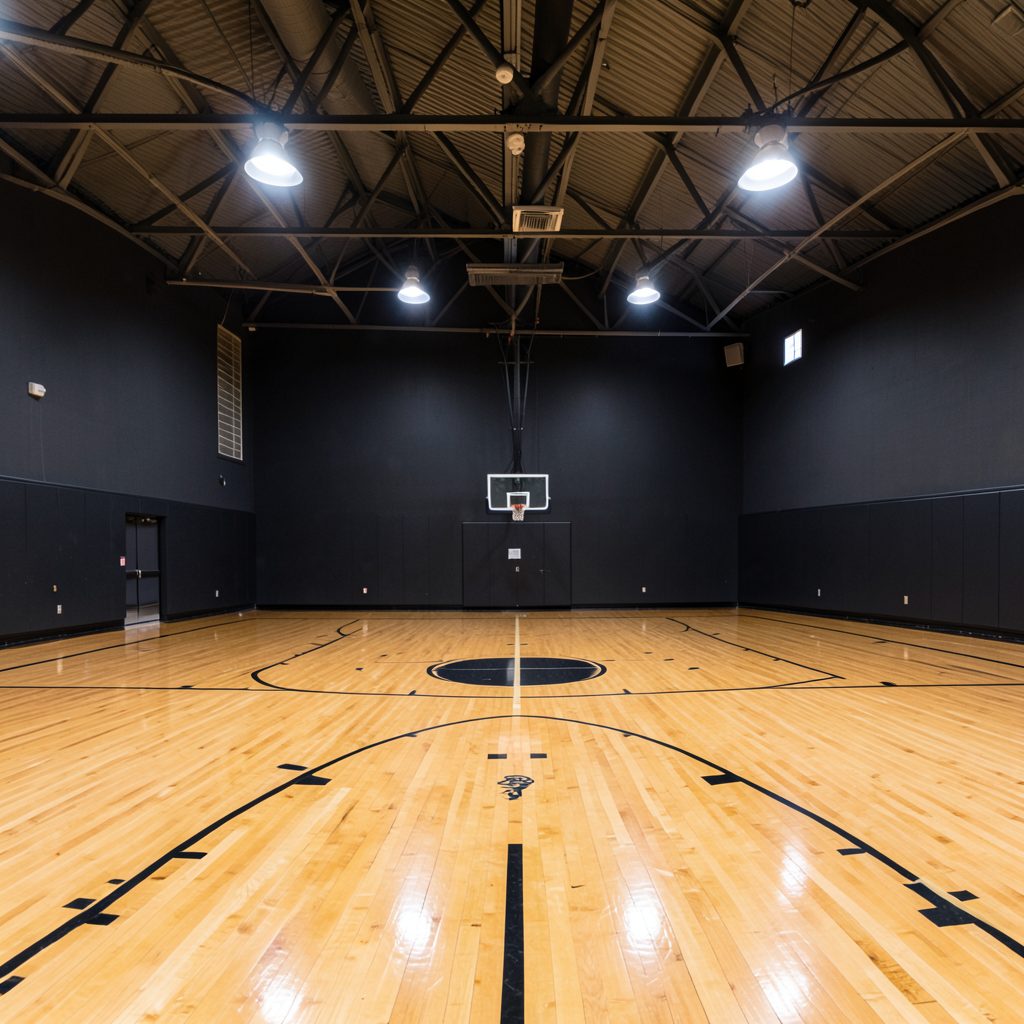
Eight league divisions span every age group: Indy Pro AM, 18+ Open Men's, 30+ Men's, Bite Size (ages 3–6), Impact League, 5th/6th Grade, Middle School, and High School. Gather your team and compete.
Training
Individual and group basketball training for all skill levels. Major M.O.V.E.S. Basketball Training serves ages 4–7 on Wednesday and Thursday evenings at 6:30 PM — $30 per session or $100 unlimited monthly.
Wellness & Recovery
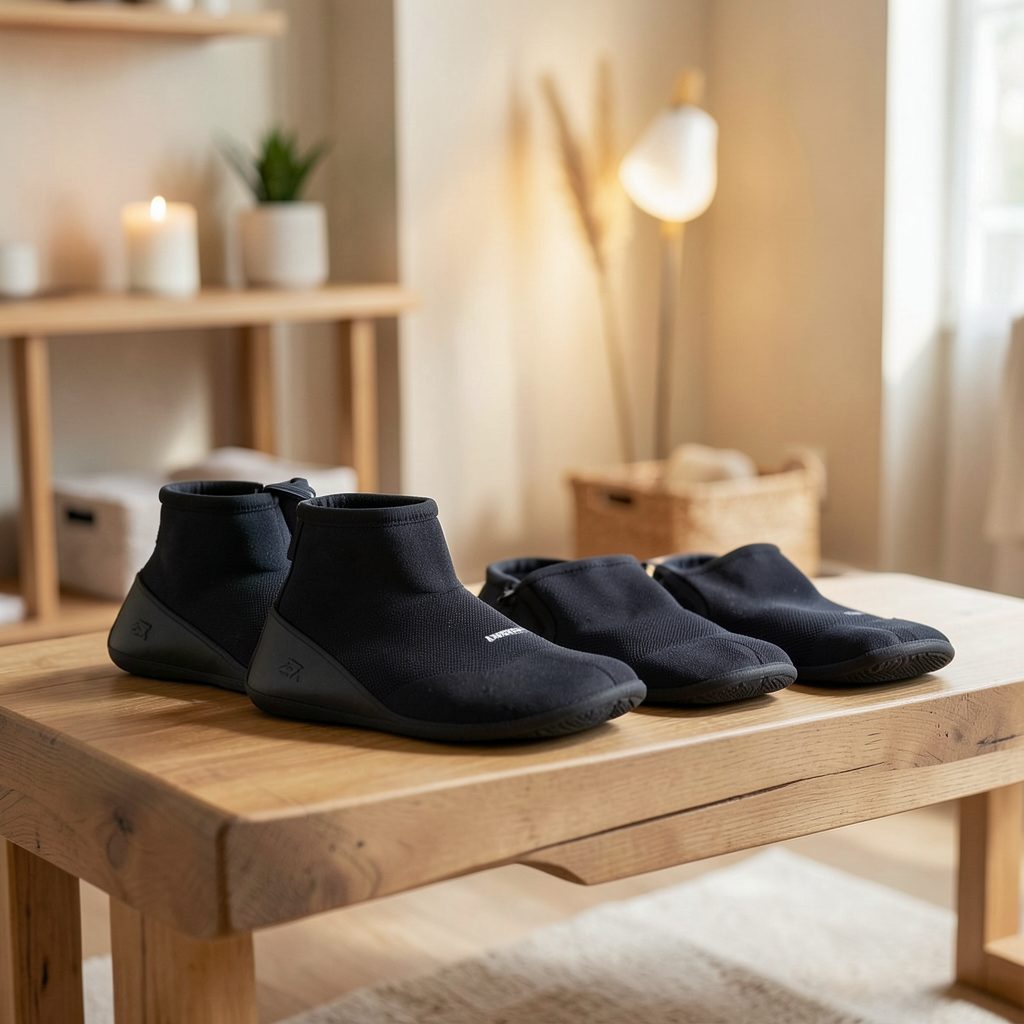
Normatec boot recovery and cryotherapy treatments help athletes bounce back faster. Cycle and spin classes add a cardio dimension to the holistic performance approach.
Have a Question?