Train. Compete. Recover.
A multi-purpose athletic facility in Speedway, Indiana — basketball leagues, skill training, and wellness services all under one roof.
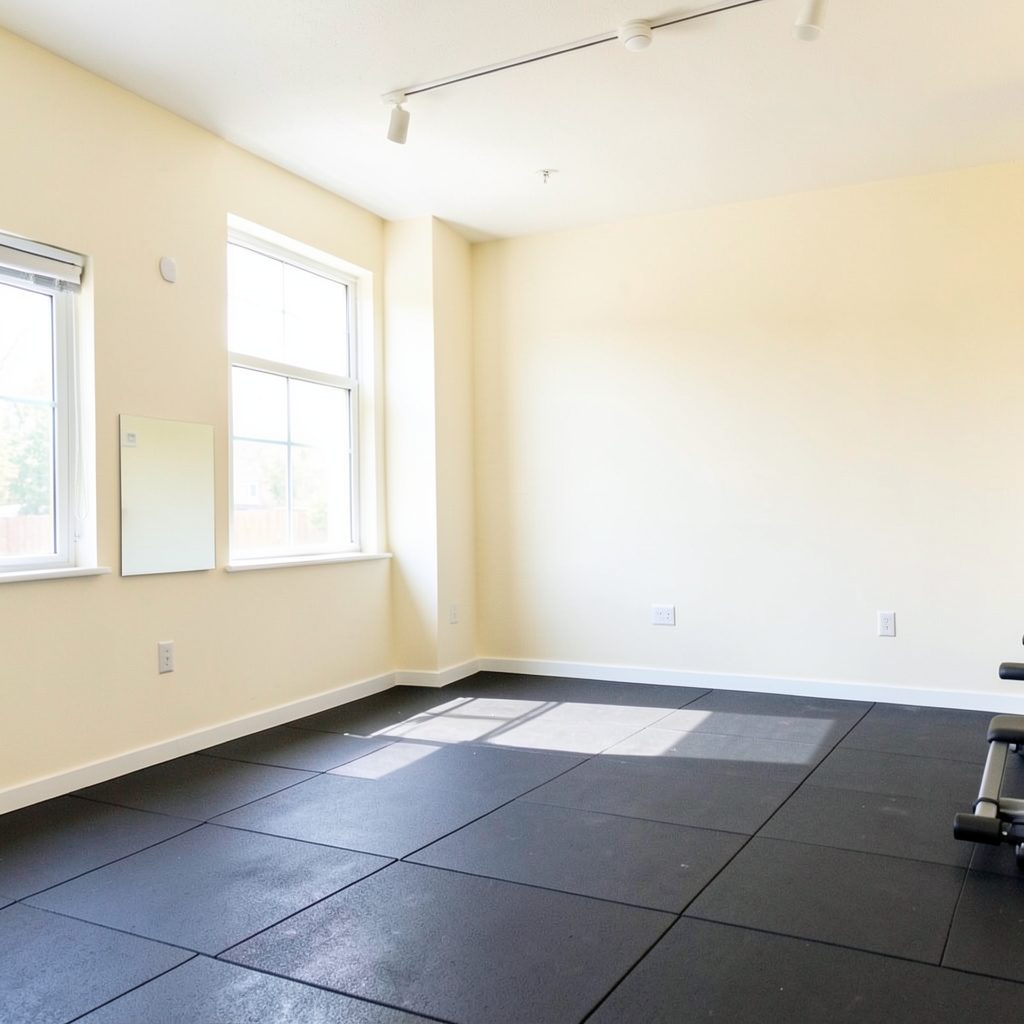
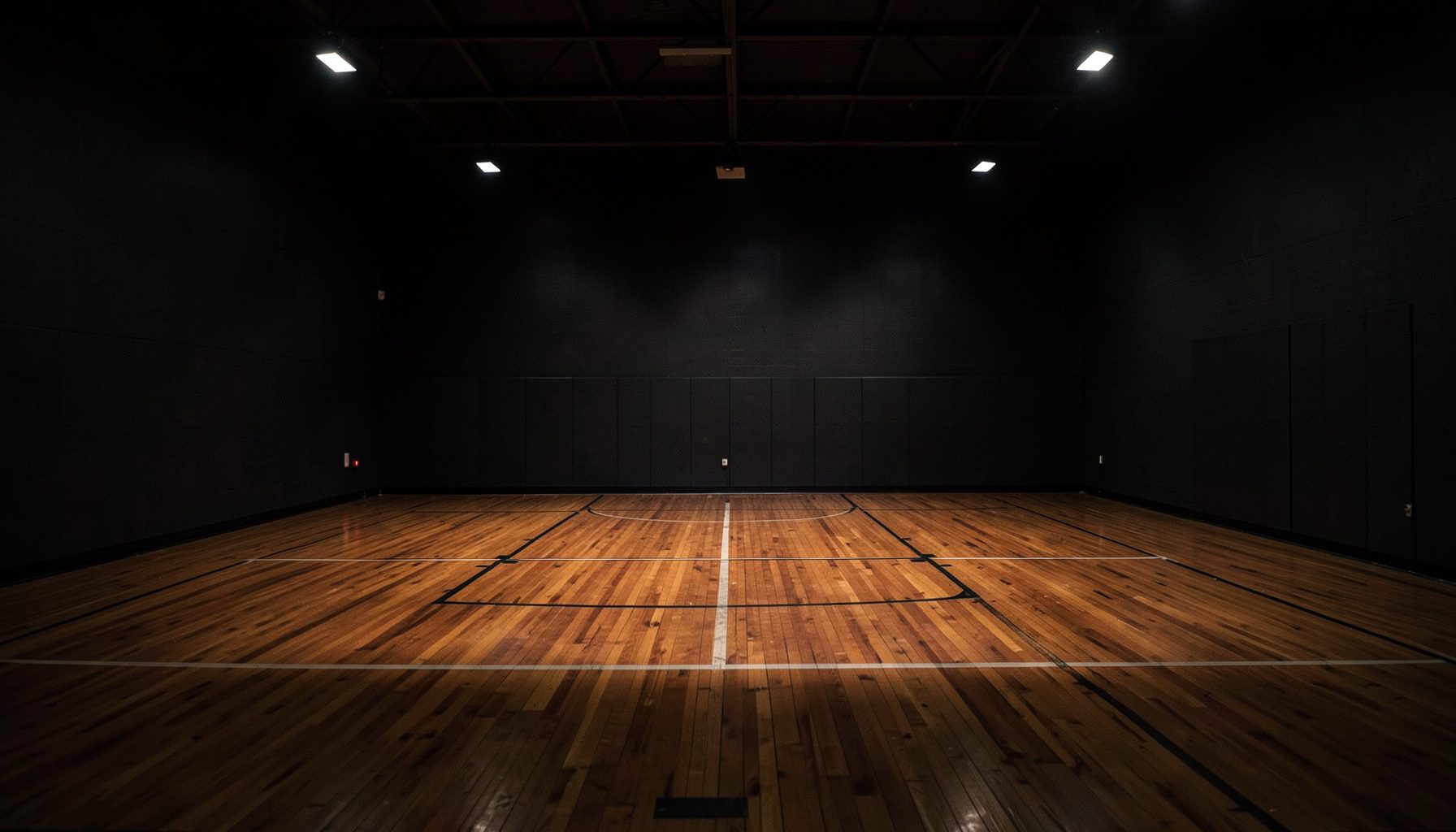
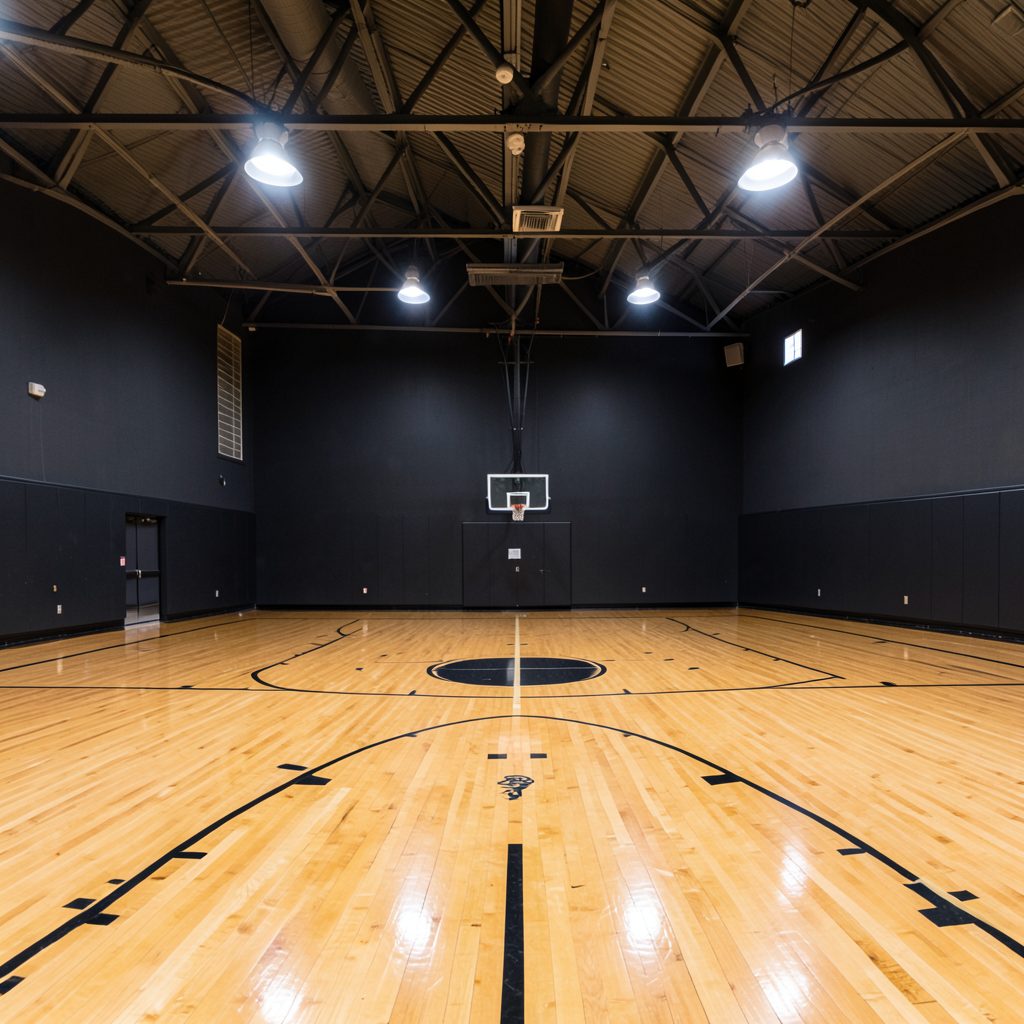
The Factory D1 Indy brings together three entities under one roof: competitive basketball leagues for all age groups, individual and group training, and wellness & recovery services including Normatec boot recovery and cryotherapy. Located off I-465 and High School Road at 6331 Crawfordsville Road, Speedway, Indiana 46224.
Get In TouchHow to Incorporate Lateral Cone Drills into Your Basketball Warm-Up
A well-designed basketball warm-up should prepare the body for the movements that follow. Players accelerate, stop, shuffle, pivot and contest space from multiple angles, so a few straight-line jogs cannot cover every demand of the game. Lateral cone drills provide a simple way to activate the hips, ankles, knees and trunk before shooting, passing or live play.
The equipment is inexpensive, portable and easy to adapt. Three to six cones can create a movement lane, defensive slide pattern or reaction grid for beginners, school teams and experienced athletes. The aim is to raise body temperature gradually, improve footwork and sharpen coordination without creating fatigue before the main session begins.
This approach suits Australian basketball environments particularly well. A junior squad training after school in Melbourne may share a court with another team, while a club in Brisbane might work in humid conditions and an outdoor group in Perth may need to manage hard surfaces and strong afternoon heat. A compact cone routine can be adjusted to fit the space, weather and age group.
At The Factory D1 Indy, athletes can combine basketball skill development with conditioning and recovery in a dedicated sports environment. The same principles can be applied by coaches, parents and players at local stadiums, community courts or school facilities across Australia.
Set Up the Warm-Up With Purpose
Begin with three to five minutes of low-intensity movement before introducing sharper lateral actions. Easy jogging, skipping, arm swings and controlled hip mobility help increase circulation and prepare the joints. Players should feel warmer and more alert, not breathless.
Place cones far enough apart to encourage clean movement. For younger athletes, a lane of three cones spaced one to two metres apart is usually sufficient. Older players can use wider distances or several lanes to create more repetitions. Leave clear space between groups, particularly in busy indoor stadiums where court sharing is common.
Keep the first round predictable. Ask athletes to move sideways with short, quiet steps, keeping their chest facing forward. This gives coaches a chance to observe posture and foot placement before adding speed, reaction cues or a ball.
Teach the Athletic Stance First
Before asking for rapid changes of direction, establish a balanced defensive stance. Feet should be slightly wider than hip-width, knees bent, hips lowered and chest lifted. The head remains up so players can see a coach, teammate or imaginary opponent.
During a lateral shuffle, the lead foot moves first and the trailing foot follows without crossing. Crossing the feet may be useful in a sprint recovery, but it is less stable when a player needs to stay square to the ball. Encourage athletes to push from the inside edge of the outside foot and avoid allowing the knees to collapse inward.
Use short coaching cues such as “low hips”, “quiet feet” and “push the floor”. These are easier to remember than long explanations, especially with primary-school players or a large representative squad preparing for a Basketball Australia pathway session.
Progress From Simple Shuffles to Reactive Movement
The basic cone shuffle is an ideal starting drill. Set three cones in a straight line, with the athlete beginning at the middle cone. On the coach’s signal, the player shuffles to the left cone, returns through the middle and moves to the right cone. After two or three controlled repetitions, allow a short rest.
Progress to a lateral sprint and stop. Place two cones several metres apart, then have the player accelerate sideways, decelerate under control and finish in a balanced stance. The stop matters as much as the movement because basketball players frequently need to brake before receiving a pass, contesting a shot or changing direction.
A reaction variation adds decision-making. The coach calls “left” or “right”, points towards a cone or holds up a coloured marker. Players respond after the cue rather than memorising the sequence. This keeps the drill relevant to game play and helps athletes practise seeing, processing and moving quickly.
Add Defensive Footwork and Ball Skills
Once players can maintain alignment, combine lateral movement with close-out footwork. Begin in a low stance, shuffle towards a cone, then finish with short choppy steps and a controlled hand contest. The final steps should reduce speed without sending the athlete past the imagined shooter.
Another useful pattern is the triangle drill. Arrange three cones in a triangle and ask the athlete to shuffle between two points, sprint diagonally to the third and backpedal to the start. Keep the distances moderate and insist on clean transitions. This sequence reflects the varied angles seen in help defence and recovery.
A basketball can be introduced after the feet remain organised. Players may dribble with the outside hand while moving laterally, then change hands at the middle cone. Beginners should first master the movement without a ball; advanced athletes can add a pass, shot or live defensive read. Skill complexity should rise only when movement quality stays consistent.
Adapt the Routine for Australian Conditions
Warm-up design should reflect the training environment. On a hot outdoor court in Adelaide or Perth, schedule demanding lateral work early, use shade and provide regular water breaks. Rubber or painted surfaces can become slippery when dusty, so coaches should inspect the court and adjust intensity when traction is unreliable.
In humid Brisbane or tropical parts of Queensland, players may need longer recovery between rounds and a slower progression to full speed. Indoor venues in Sydney and Melbourne can also feel warm during crowded evening sessions, particularly when several junior teams are rotating through the stadium. A shorter drill block with frequent observations is often safer than a long, continuous circuit.
Local schedules matter as well. School-holiday clinics, weekend domestic competitions and winter basketball programs attract mixed ability levels. Create two or three versions of the same drill so every athlete can participate: a walking shuffle for beginners, a controlled shuffle for developing players and a reactive version for experienced competitors.
For athletes who also play Australian rules football, netball or other court sports, lateral cone work can reinforce transferable movement skills. Still, the coach should connect each variation to basketball actions such as staying square, closing space, opening a passing lane or recovering to the ring.
Finish With Quality, Then Recover
A complete cone warm-up can take eight to twelve minutes. After general movement, use two or three lateral patterns for one or two rounds each, allowing enough rest for athletes to maintain control. The final drill should leave players switched on and ready for shooting or team-based practice, rather than heavy-legged.
Watch for common faults: upright posture, feet clicking together, uncontrolled stops, excessive crossover steps and players racing beyond their ability to brake. Correct one issue at a time. If technique deteriorates, reduce the distance, slow the pace or remove the ball before adding intensity again.
Follow the movement block with basketball-specific preparation. Players can move into close-range finishing, partner passing, stationary shooting and then full-speed shooting drills. This sequence connects increased heart rate and footwork practice with the technical actions they will use in competition.
Recovery belongs in the wider training plan too. Gentle mobility or breath-led stretching after practice may help athletes transition out of high-intensity work, while a resource on yin yoga timing can help coaches and players think more carefully about when slower recovery sessions fit around basketball training.
Use lateral cone drills as a consistent part of your basketball preparation, adapting distance, speed and decision-making to the athlete in front of you. Coaches can build them into club sessions, school programs and individual workouts, while players can practise the fundamentals safely with a few cones and clear space. Book a training session at The Factory D1 Indy to develop sharper footwork, stronger movement habits and greater confidence on court.
Inside The Factory
Three Entities, One Roof
Leagues
Eight league divisions span every age group: Indy Pro AM, 18+ Open Men's, 30+ Men's, Bite Size (ages 3–6), Impact League, 5th/6th Grade, Middle School, and High School. Gather your team and compete.
Training
Individual and group basketball training for all skill levels. Major M.O.V.E.S. Basketball Training serves ages 4–7 on Wednesday and Thursday evenings at 6:30 PM — $30 per session or $100 unlimited monthly.
Wellness & Recovery
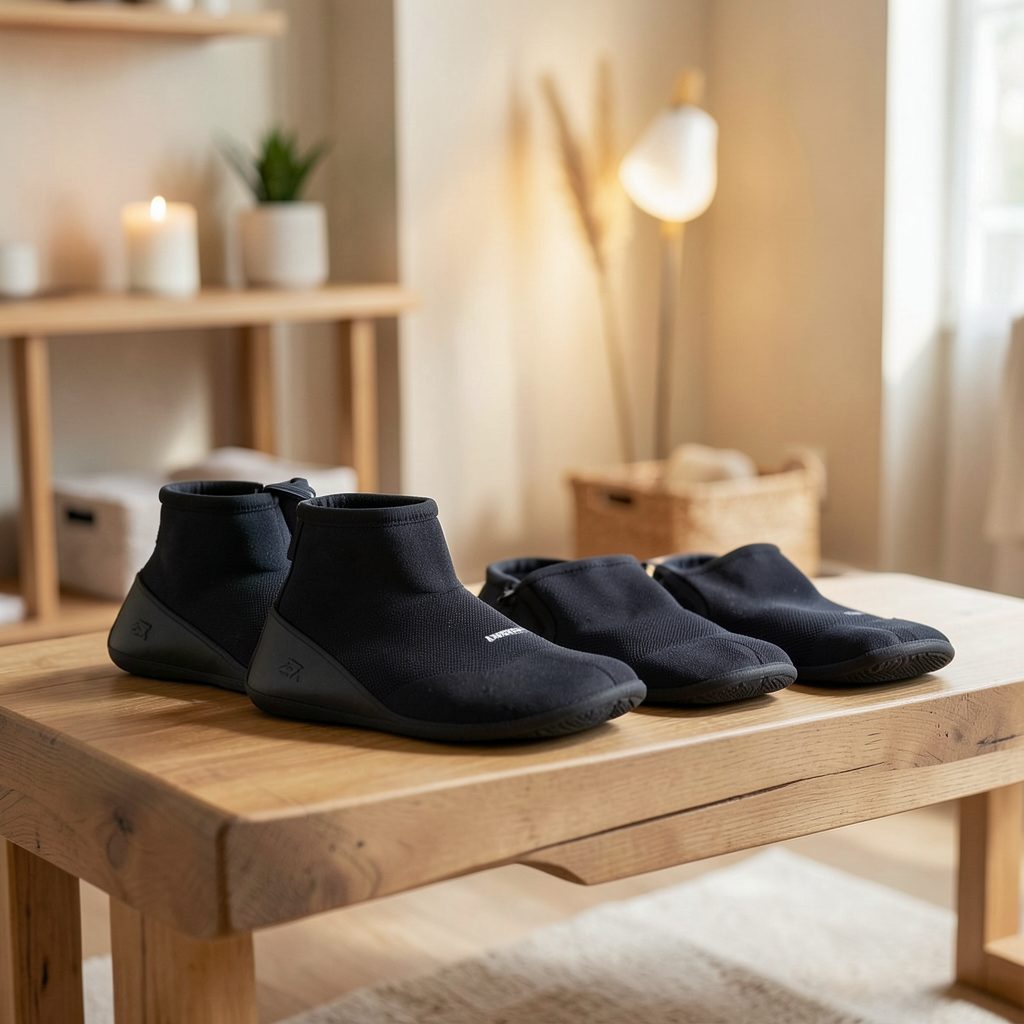
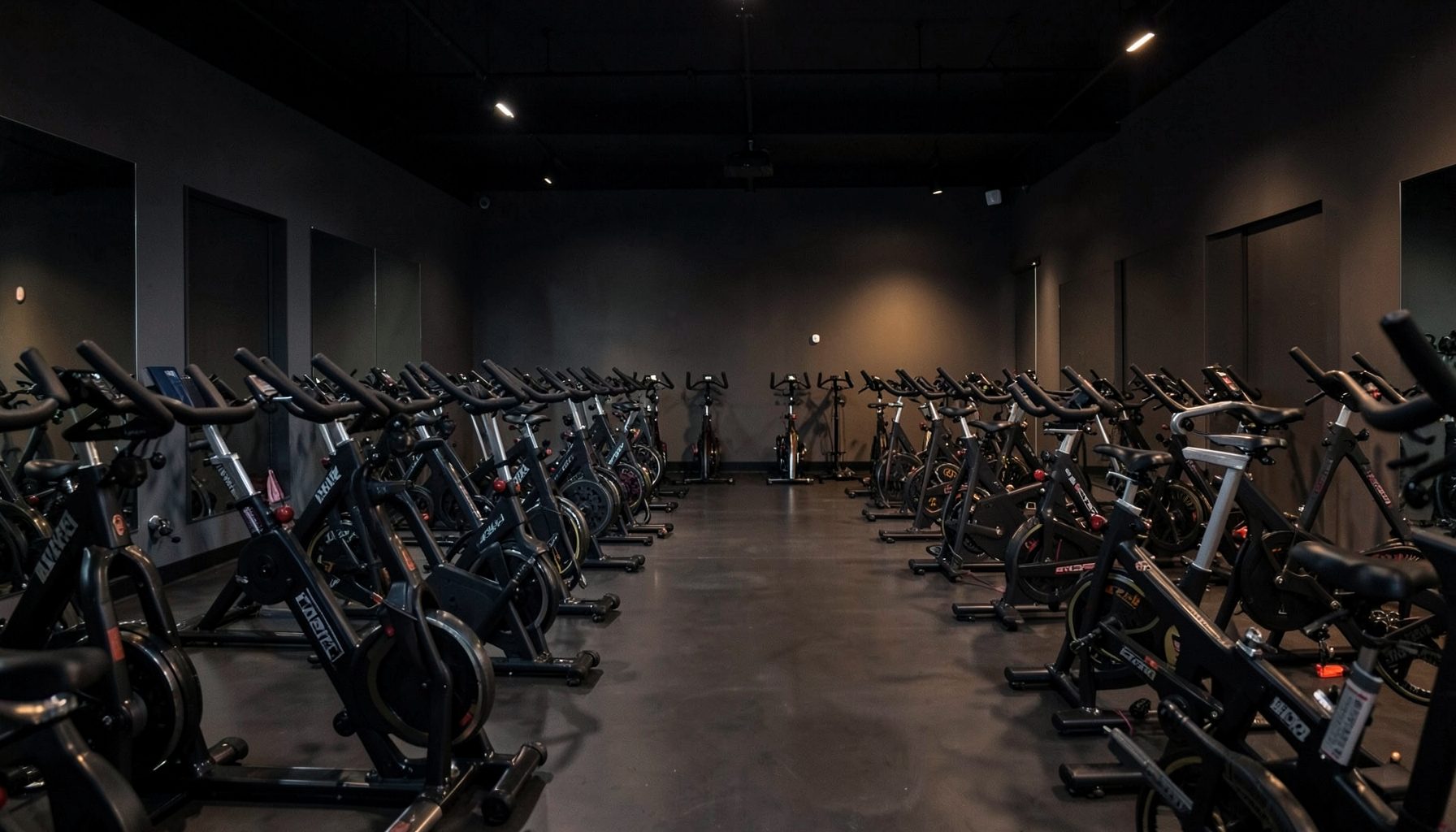
Normatec boot recovery and cryotherapy treatments help athletes bounce back faster. Cycle and spin classes add a cardio dimension to the holistic performance approach.
Have a Question?