Train. Compete. Recover.
A multi-purpose athletic facility in Speedway, Indiana — basketball leagues, skill training, and wellness services all under one roof.
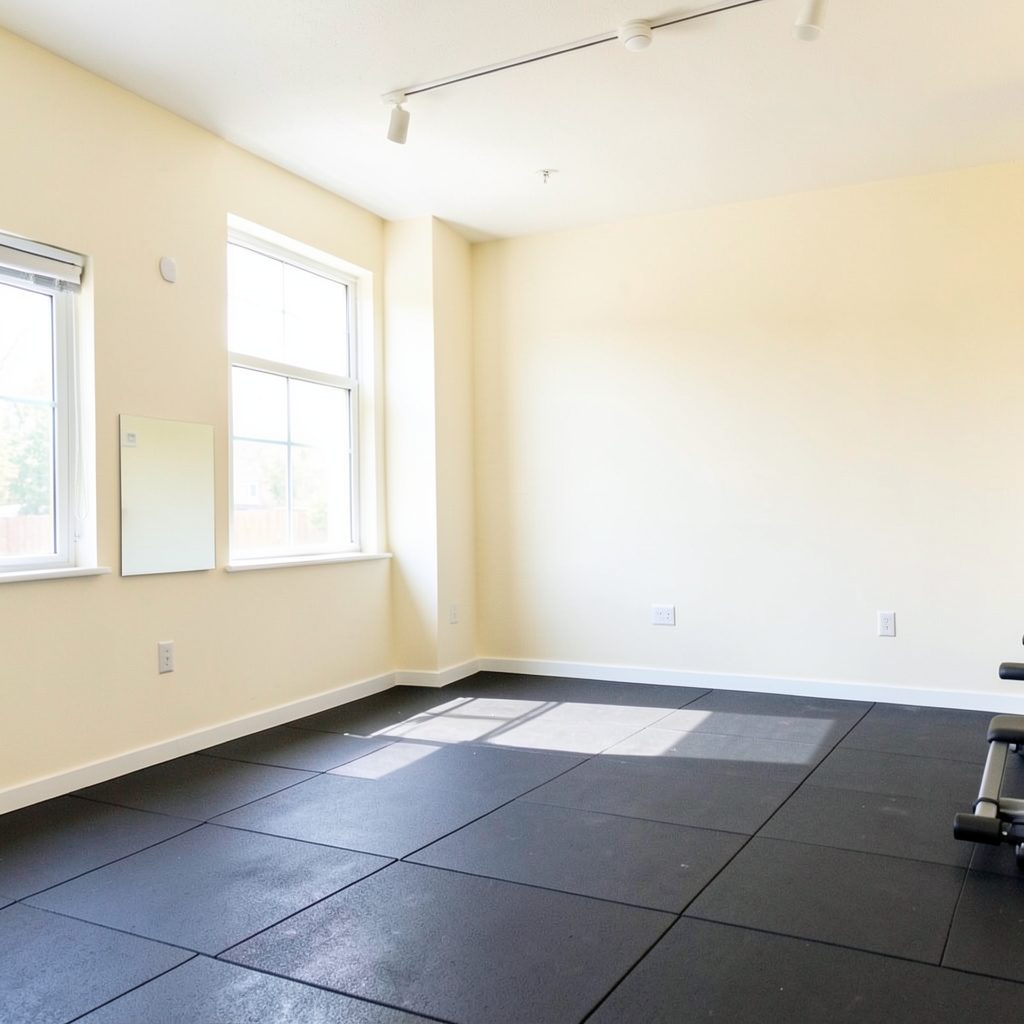
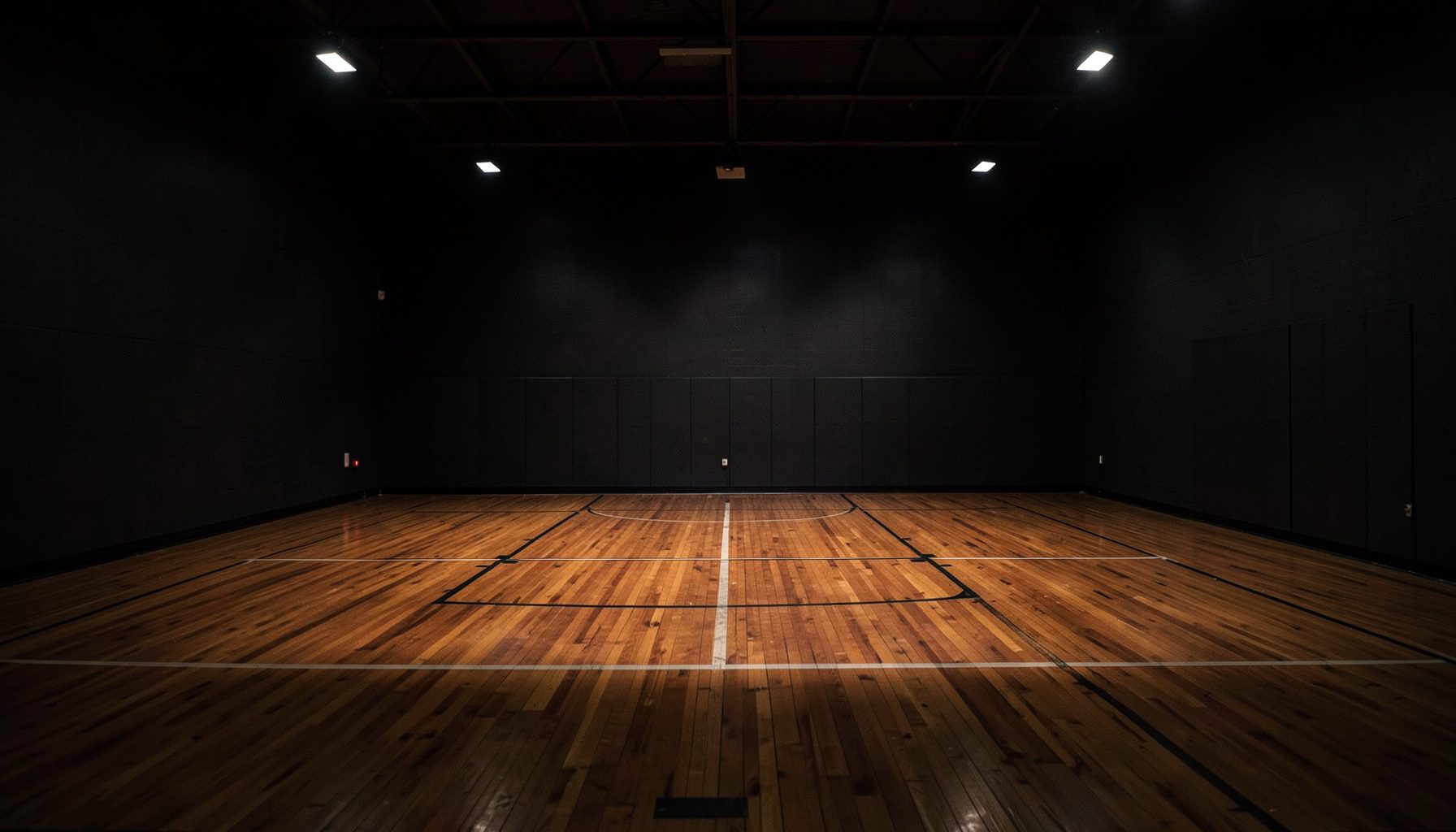
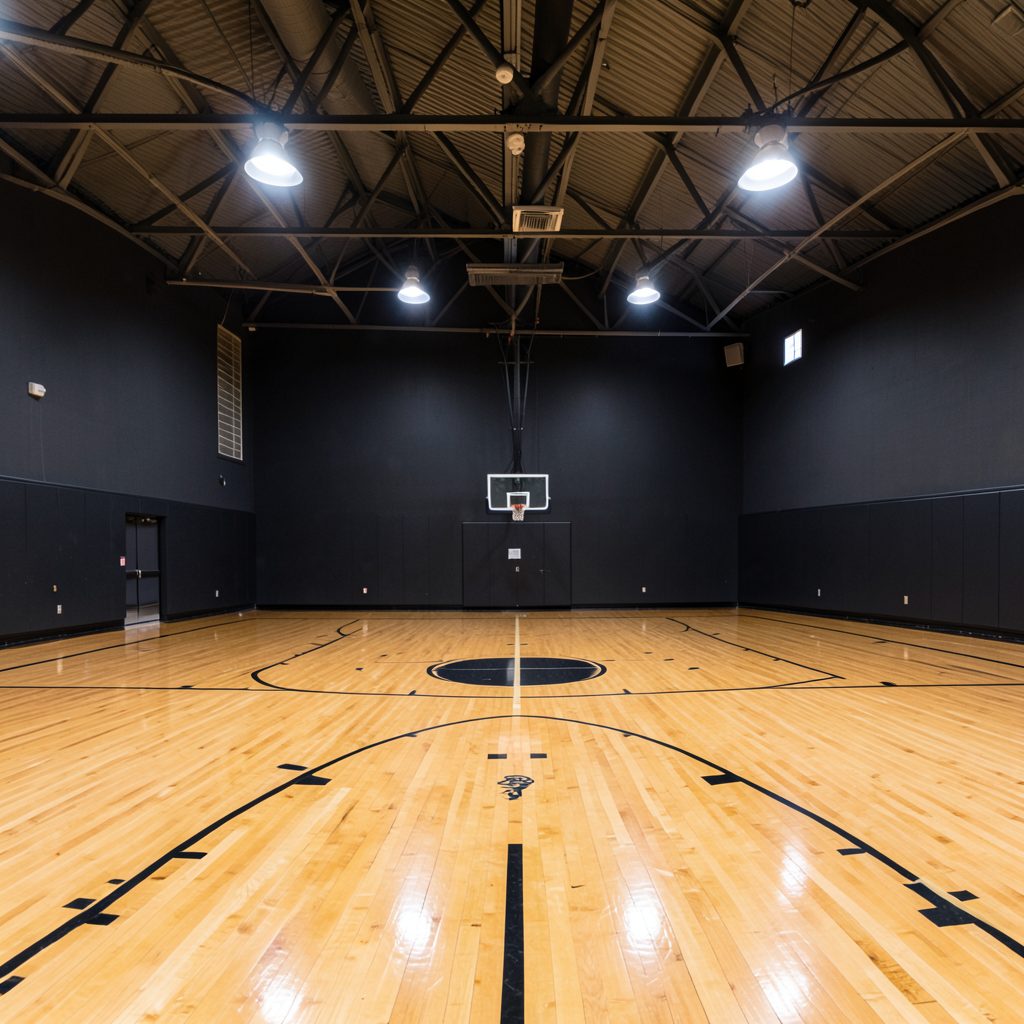
The Factory D1 Indy brings together three entities under one roof: competitive basketball leagues for all age groups, individual and group training, and wellness & recovery services including Normatec boot recovery and cryotherapy. Located off I-465 and High School Road at 6331 Crawfordsville Road, Speedway, Indiana 46224.
Get In TouchHow to Maintain Basketball Shoes for Better Court Grip Over Time
Reliable traction can change the way you cut, stop and defend. Basketball shoes rely on a clean rubber outsole to create friction with the floor, but dust, moisture, worn tread and poor storage gradually reduce that connection. A pair that once felt secure may start sliding during a hard plant, even when the upper still looks perfectly usable.
Maintaining your basketball shoes is a simple way to protect performance and extend their useful life. With regular cleaning, sensible use and careful checks, players can preserve court grip through training sessions, weekend games and changing conditions across Australia.
Start with the right court shoes
Good maintenance begins with choosing footwear that suits the surface. Indoor basketball shoes generally have a softer, tackier rubber compound designed for polished timber or synthetic courts. Outdoor concrete and asphalt are rougher, so they usually require a more durable outsole, although that rubber may feel less sticky indoors.
Avoid wearing basketball shoes as everyday footwear. Walking on footpaths, school grounds or shopping-centre floors grinds away the tread and transfers grit into the grooves. In Australian cities such as Sydney and Melbourne, keeping one pair exclusively for indoor courts can make a noticeable difference, particularly when players move between school, club and representative training.
Fit also affects traction. If your heel lifts or your foot slides inside the shoe, the outsole cannot work efficiently because your landing position becomes unstable. Replace worn insoles or adjust your lacing before assuming the rubber is the problem. A secure, comfortable fit helps every part of the shoe perform as intended.
Remove dust after every session
Fine dust is one of the fastest ways to reduce grip on an indoor court. As you move, particles build up across the outsole and form a thin barrier between the rubber and the floor. The loss of traction can be subtle at first, appearing as a slightly longer stop or a small slip during a crossover.
After each session, tap the soles together outside the playing area and wipe them with a dry, clean microfibre cloth. For stubborn dust, use a slightly damp cloth, then allow the outsole to air-dry fully. A soft toothbrush can clear particles from shallow grooves without damaging the rubber.
Avoid spitting on the soles or relying on sticky court sprays. These shortcuts can leave residue, spread dirt across the floor and create inconsistent traction. Many Australian basketball venues, from community stadiums in Brisbane to indoor courts in Adelaide, expect players to keep footwear clean rather than using products that affect the playing surface.
Wash the outsole without damaging it
When a dry wipe is no longer enough, mix a small amount of mild dishwashing liquid with warm water. Dip a soft brush into the solution and scrub the outsole, concentrating on the grooves and edges where dirt collects. Keep the upper as dry as possible, especially if it contains suede, mesh overlays or glued panels.
Wipe away soap with a clean damp cloth and leave the shoes in a ventilated room. Do not place them on a heater, in a clothes dryer or in direct summer sun. Excessive heat can harden the rubber, weaken adhesives and distort the shape. This matters in warmer areas such as Perth or northern Queensland, where a closed car can become extremely hot within minutes.
Clean the shoes when they are visibly dirty rather than after every few minutes on court. Over-washing can shorten the life of materials, while ignoring embedded grit allows it to act like sandpaper against the outsole. A gentle weekly clean is often suitable for regular players, with extra attention after dusty outdoor sessions.
Keep moisture under control
Wet soles do not grip consistently. Sweat, rainwater and condensation can create a slick layer between rubber and timber, while damp shoes can develop odours and lose their shape. After training, remove the insoles and loosen the laces so air can reach the interior.
Use newspaper or unprinted paper to absorb moisture, replacing it as needed. Reusable shoe-drying inserts can also help, but avoid aggressive heat sources. If you play in humid conditions in Darwin or on a rainy winter evening in Melbourne, allow extra drying time before placing the shoes in a sports bag.
Carry a separate towel for wiping your soles and keep footwear away from wet clothing and drink bottles. Australian players often travel to games by car, where gear can remain sealed for hours; opening the bag as soon as you arrive helps prevent trapped humidity. Never pack damp shoes tightly for the next training session.
Store and transport them carefully
Store basketball shoes somewhere cool, dry and shaded. Leave enough space for air circulation and avoid compressing them under uniforms, balls or gym equipment. Keeping the shoes in a breathable bag is preferable to sealing them in a plastic carrier, particularly after use.
A little structure also protects the outsole. Do not fold the heel down when putting shoes on, and use a shoehorn if necessary. Rotate the laces and inspect the heel counter for collapse, since a damaged rear section can change your foot position and reduce stability even when the tread remains visible.
Players who train at a dedicated facility can make this routine easier by keeping a small kit in their locker or sports bag: a microfibre cloth, soft brush, spare laces, paper inserts and a ventilated shoe bag. At The Factory D1 Indy, athletes can combine skills work, leagues and conditioning with habits that support dependable movement on the court.
Inspect tread and traction regularly
Look closely at the outsole every few weeks. Healthy tread should have defined grooves and a reasonably even surface. If the pattern is smooth across the forefoot, worn heavily on one side or cracked around the flex points, cleaning will not restore the original grip.
Uneven wear can reveal movement or fit issues. Heavy wear beneath the big toe may come from repeated pushing off, while a flattened outer edge can reflect landing mechanics. This information is useful when discussing footwear with a coach, physiotherapist or specialist basketball retailer. It can also help you decide whether a different shoe shape or cushioning setup would suit your playing style.
Test traction in a controlled way before a match. On a clean, dry section of court, perform a few gentle stops and lateral movements rather than trying to force a dramatic slide. If the outsole feels unreliable after cleaning and the tread is visibly degraded, retire the pair for casual use or replace it before a competitive fixture.
Rotate pairs and replace them wisely
Using two pairs can extend the life of both. Rotate them between training and games so each pair has time to dry and recover. Some players keep a durable outdoor model for concrete courts and reserve a softer indoor pair for timber or synthetic flooring. This prevents abrasive outdoor surfaces from quickly wearing down shoes intended for indoor traction.
Replacement timing depends on body weight, playing frequency, court type and movement style. A social player may get much longer use than an athlete training several times a week, while outdoor sessions can destroy an indoor outsole quickly. Appearance alone is a poor guide; traction, support, cushioning and structural integrity matter more than colour or cosmetic scuffs.
For practical training and recovery ideas, the digital basketball magazine offers a useful resource to explore alongside advice from qualified coaches. Pairing equipment care with sound conditioning, recovery and movement habits can help players stay consistent across a long season.
Shoes are ready for replacement when the tread is smooth, the rubber has hardened, the midsole feels compressed, the heel no longer holds your foot securely or the upper separates from the sole. Do not wait for a serious slip or injury to confirm the decision.
Build a quick shoe-care routine into every basketball session: wipe the outsole, dry the interior, store the pair properly and inspect the tread before important games. Consistent attention protects grip, supports confident footwork and helps each pair deliver more reliable performance on Australian courts. Check your current shoes today and make the next clean, dry and inspection part of your regular training habit.
Inside The Factory
Three Entities, One Roof
Leagues
Eight league divisions span every age group: Indy Pro AM, 18+ Open Men's, 30+ Men's, Bite Size (ages 3–6), Impact League, 5th/6th Grade, Middle School, and High School. Gather your team and compete.
Training
Individual and group basketball training for all skill levels. Major M.O.V.E.S. Basketball Training serves ages 4–7 on Wednesday and Thursday evenings at 6:30 PM — $30 per session or $100 unlimited monthly.
Wellness & Recovery
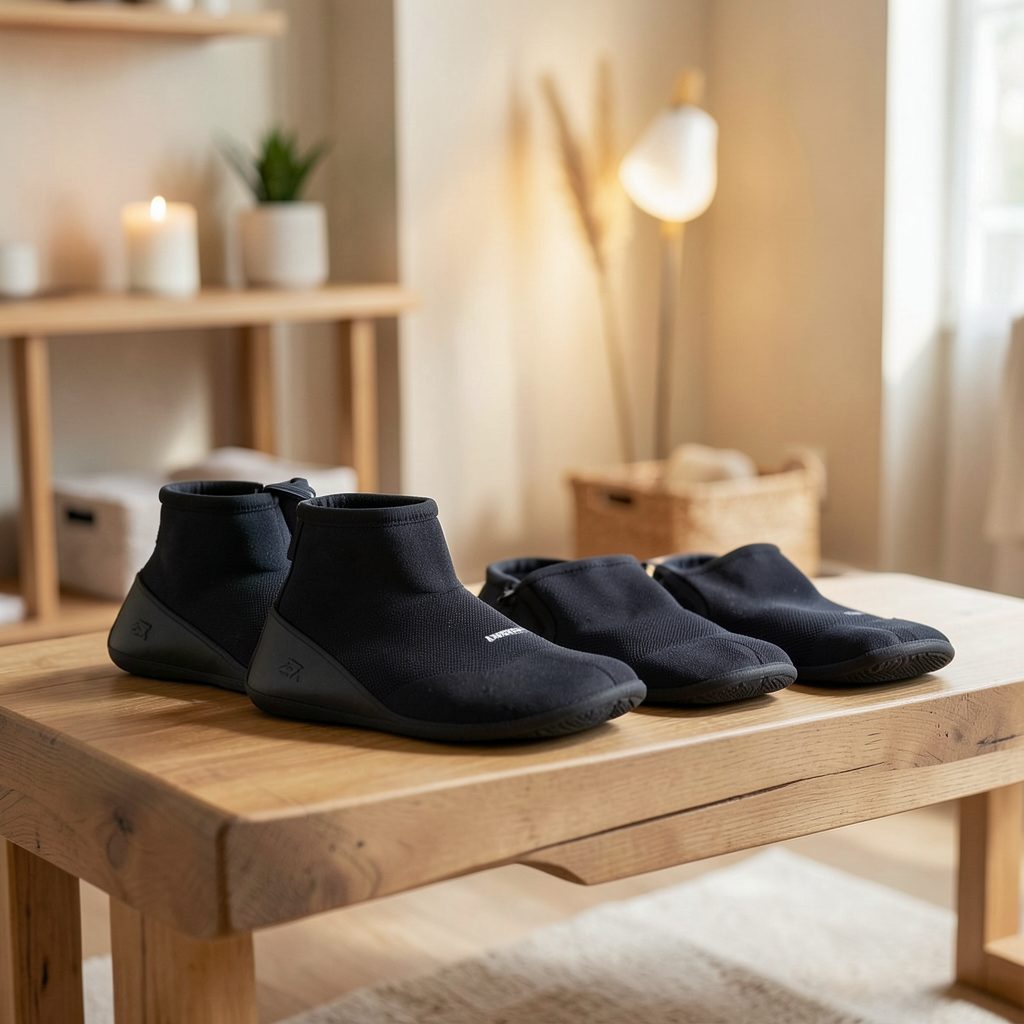
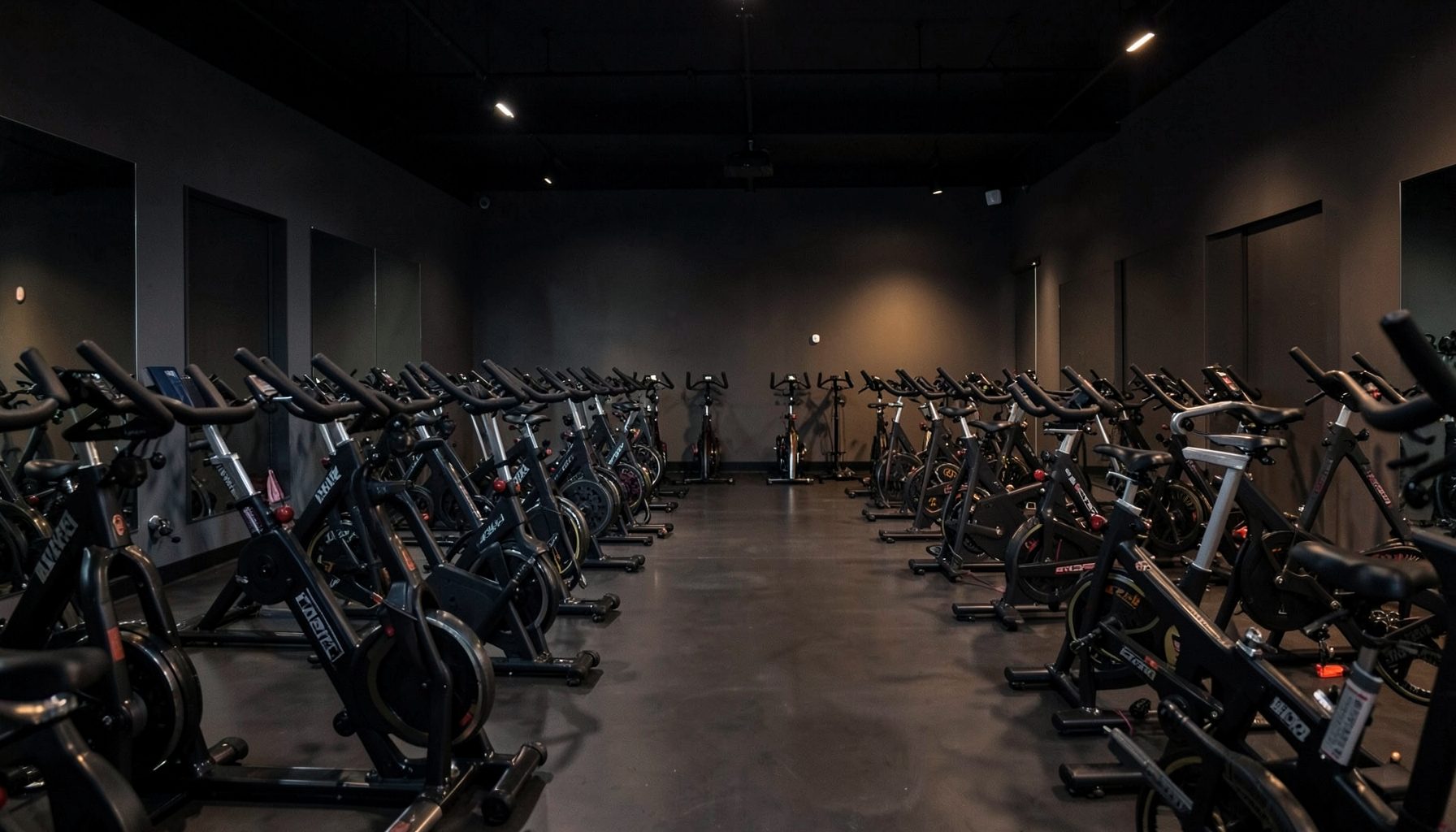
Normatec boot recovery and cryotherapy treatments help athletes bounce back faster. Cycle and spin classes add a cardio dimension to the holistic performance approach.
Have a Question?