Train. Compete. Recover.
A multi-purpose athletic facility in Speedway, Indiana — basketball leagues, skill training, and wellness services all under one roof.
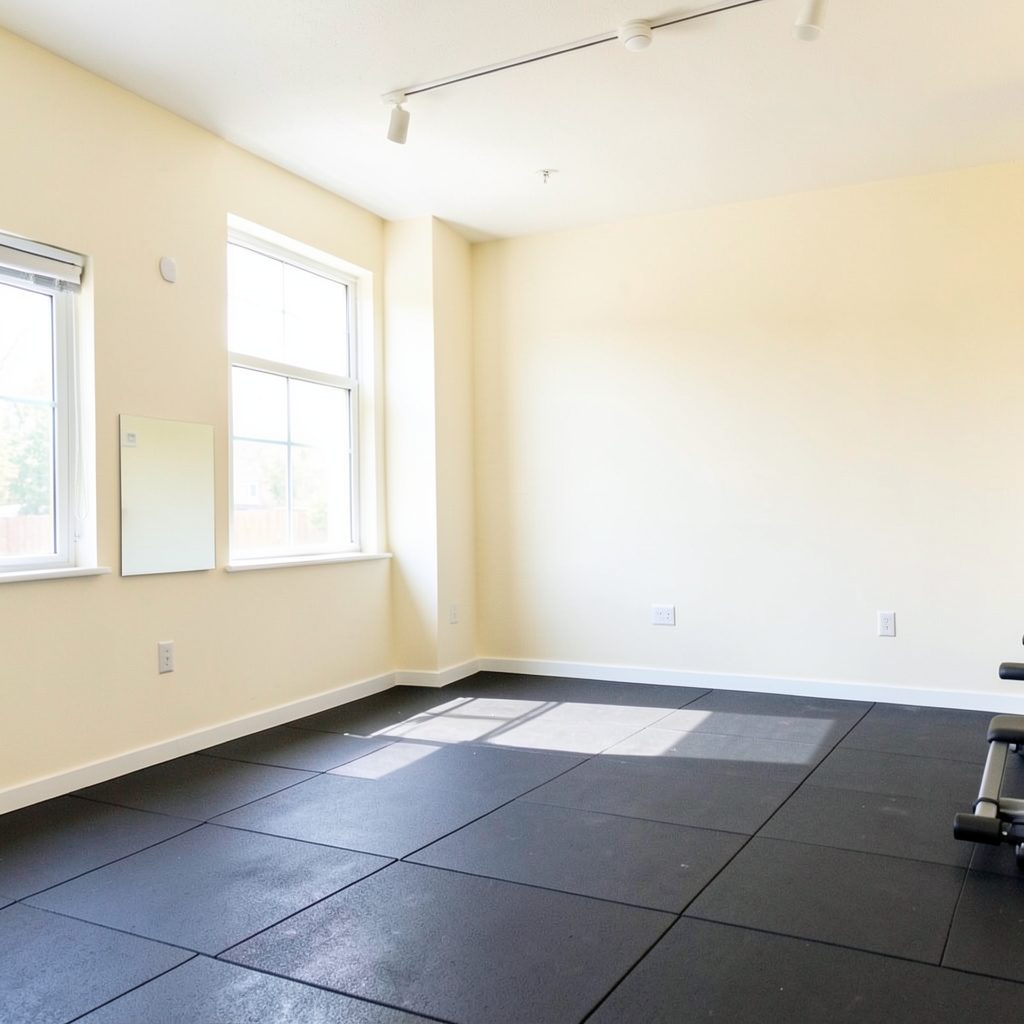
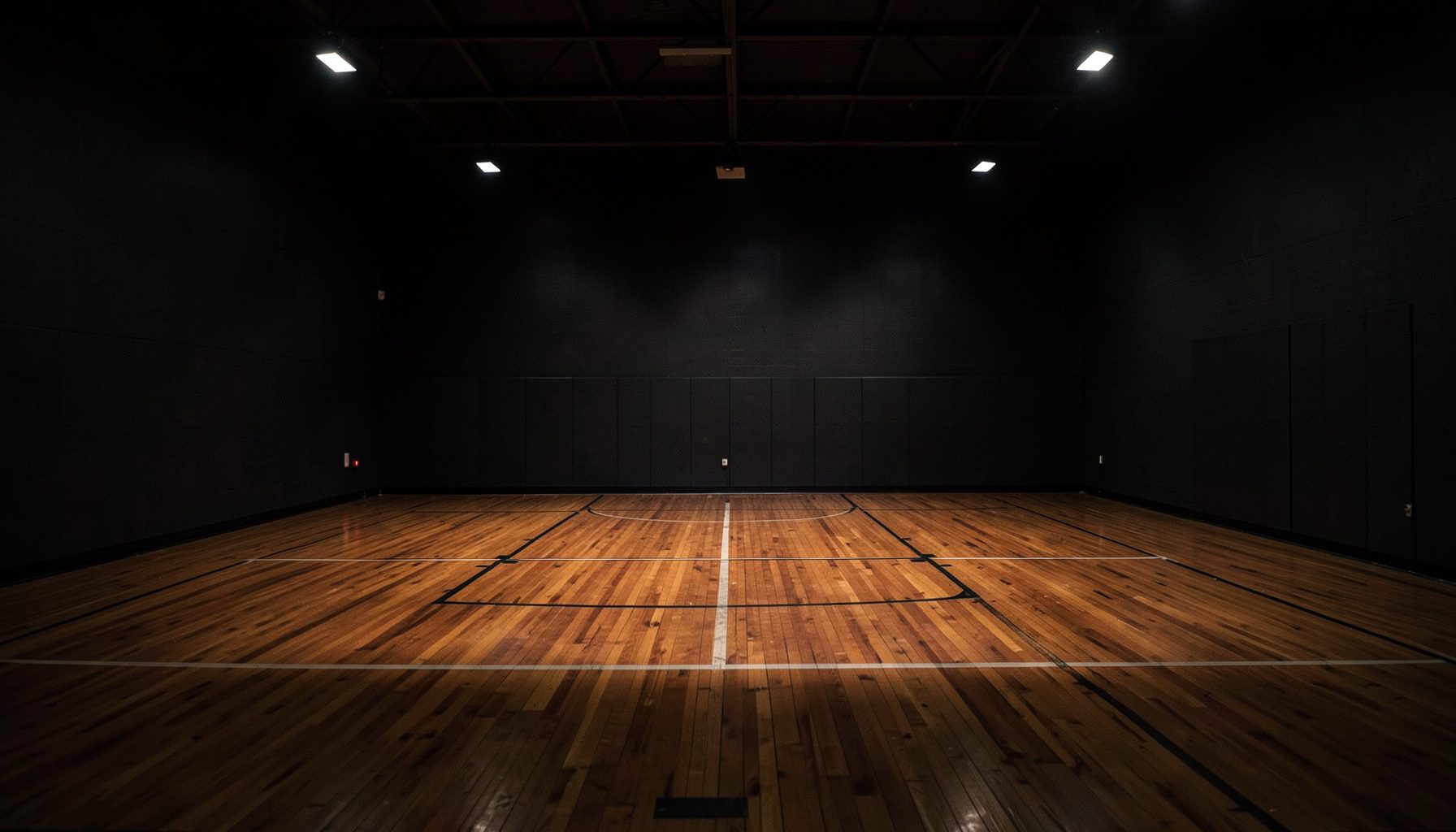
The Factory D1 Indy brings together three entities under one roof: competitive basketball leagues for all age groups, individual and group training, and wellness & recovery services including Normatec boot recovery and cryotherapy. Located off I-465 and High School Road at 6331 Crawfordsville Road, Speedway, Indiana 46224.
Get In TouchHow Youth Basketball Players Can Manage Game Day Anxiety
Game day can bring excitement, nervous energy, and a sudden loss of confidence. A young basketball player may feel worried about missing shots, making turnovers, disappointing teammates, or being judged by coaches and spectators. These feelings are common, especially when a league game feels more important than a regular practice.
Anxiety is the body’s response to pressure. A faster heartbeat, tense muscles, sweaty hands, or a busy mind can make an athlete feel unprepared, even after weeks of training. The goal is not to eliminate every nervous feeling. Instead, players can learn to recognize those signals and use them as energy for focus, movement, and effort.
A supportive environment also makes a significant difference. Facilities such as The Factory D1 Indy give athletes opportunities to train, compete, and develop confidence in a community-centered setting. With consistent preparation and the right mindset, youth players can approach competition with greater calm and control.
Why Game Day Nerves Appear
Young athletes often experience performance anxiety because they attach too much importance to a single result. A player may think one missed free throw defines their ability or that one poor game will change how others see them. These thoughts increase pressure and pull attention away from the next play.
Physical symptoms can make the situation feel worse. Shallow breathing, tight shoulders, an unsettled stomach, and racing thoughts may be interpreted as signs that something is wrong. In reality, these are normal responses to a meaningful challenge. Learning this can help players respond with curiosity instead of fear.
Anxiety can also come from uncertainty. Players may wonder how much playing time they will receive, which opponent they will guard, or whether they will perform as well as they did in practice. Coaches and parents can reduce that uncertainty by emphasizing controllable behaviors such as communication, defensive effort, rebounding, and smart decisions.
Build A Reliable Pre-Game Routine
A predictable routine helps the brain shift from everyday distractions into competition mode. The routine does not need to be complicated. Arriving with enough time to change, hydrate, and warm up prevents rushed decisions that can increase tension before tipoff.
Players should include a few familiar steps that support physical and mental readiness:
- Eat a balanced meal or snack several hours before the game.
- Drink water throughout the day instead of waiting until warmups.
- Complete dynamic movement, ball-handling, and shooting at a comfortable pace.
- Put phones and unrelated distractions away during the final minutes before play.
- Choose one simple intention, such as sprinting back on defense or making the extra pass.
The final intention should focus on an action rather than an outcome. “I will play hard” is useful, while “I must score 20 points” creates a result the player cannot fully control. A short routine repeated before practices and games can make competition feel more familiar.
Use Mental Skills During The Game
A player does not need to feel perfectly calm before playing well. A better goal is to regain focus quickly after nervousness, a mistake, or a difficult moment. This skill is especially important in basketball because the game changes from possession to possession.
Controlled breathing can lower physical tension. Players can inhale through the nose for a count of four, exhale slowly for a count of six, and repeat the cycle two or three times. A longer exhale signals the body to settle. This can be done during a free throw, a dead ball, or while waiting to check into the game.
Helpful self-talk should be brief and believable. Statements such as “See the floor,” “Next play,” “Strong stance,” or “Finish the box-out” direct attention toward the present task. After a turnover, the player can use a reset routine: take one breath, identify the next responsibility, and move into position. Dwelling on the previous play gives it influence over the next one.
| Game Day Challenge | Useful Reset | Focus For The Next Possession |
|---|---|---|
| Missing an open shot | Take one breath and relax the shoulders | Sprint back and defend |
| Turning the ball over | Say “next play” and make eye contact with a teammate | Communicate and get open |
| Feeling rushed | Slow the exhale and scan the court | Make the simplest good decision |
| Sitting on the bench | Watch spacing and defensive assignments | Be ready to contribute when called |
| Facing a strong opponent | Use a short cue such as “stay balanced” | Keep good footwork and contest safely |
Create Supportive Messages From Adults
Parents and coaches strongly influence how young athletes interpret pressure. Before a game, repeated reminders about scoring, winning, or avoiding mistakes can unintentionally increase anxiety. Calm, specific encouragement works better than a long motivational speech.
Adults can say, “Play with effort and communicate,” or “Trust your preparation and respond to each play.” These messages give players something practical to do. After the game, asking what the athlete noticed, learned, or enjoyed can create a healthier conversation than focusing only on points and the final score.
Coaches can also normalize nervousness by explaining that many experienced players feel it. A brief team routine, such as group breathing, a shared phrase, or a clear warmup sequence, can build security. When mistakes are treated as information rather than personal failures, players are more likely to take smart risks and stay engaged.
Parents should watch for signs that anxiety is becoming overwhelming. Frequent stomachaches, sleep problems, avoiding games, or intense fear that continues beyond competition may require additional support from a school counselor, pediatrician, or qualified mental health professional. Emotional well-being deserves the same attention as physical development.
Practical Habits For Game-Day Readiness
Confidence grows from repeated preparation, reflection, and manageable challenges. Players can use these habits throughout the season:
- Practice the same breathing and reset cues during drills, not just before games.
- Set process goals for each contest, such as communicating five times on defense.
- Visualize one or two basic situations, including making a mistake and responding well.
- Keep a short journal of successful actions, improvements, and lessons from each game.
- Protect sleep and recovery so the body is prepared for competition.
A brief post-game review should stay balanced. Players can identify one strength, one adjustment, and one action to carry into the next practice. This approach builds self-awareness without turning every game into a harsh evaluation.
Skills training, league competition, conditioning, and recovery can reinforce one another. When athletes regularly practice under different levels of pressure, game situations become less unfamiliar. Recovery services such as compression therapy may support physical preparation, while mental routines help players return to a steady mindset.
Turn Preparation Into Confidence
Game day anxiety becomes easier to manage when players stop treating nervousness as an enemy. It is a signal that the moment matters, and it can be guided through breathing, movement, positive self-talk, and attention to controllable actions. Each successful reset teaches the athlete that a mistake or anxious feeling does not have to determine the rest of the game.
Families can support this growth by building consistent routines and praising effort, courage, teamwork, and improvement. Players can start with one technique at the next practice, use it again during warmups, and carry it into league competition. Visit The Factory D1 Indy to find training and athletic opportunities that help young athletes prepare with purpose, compete with confidence, and keep developing on and off the court.
Inside The Factory

Three Entities, One Roof
Leagues
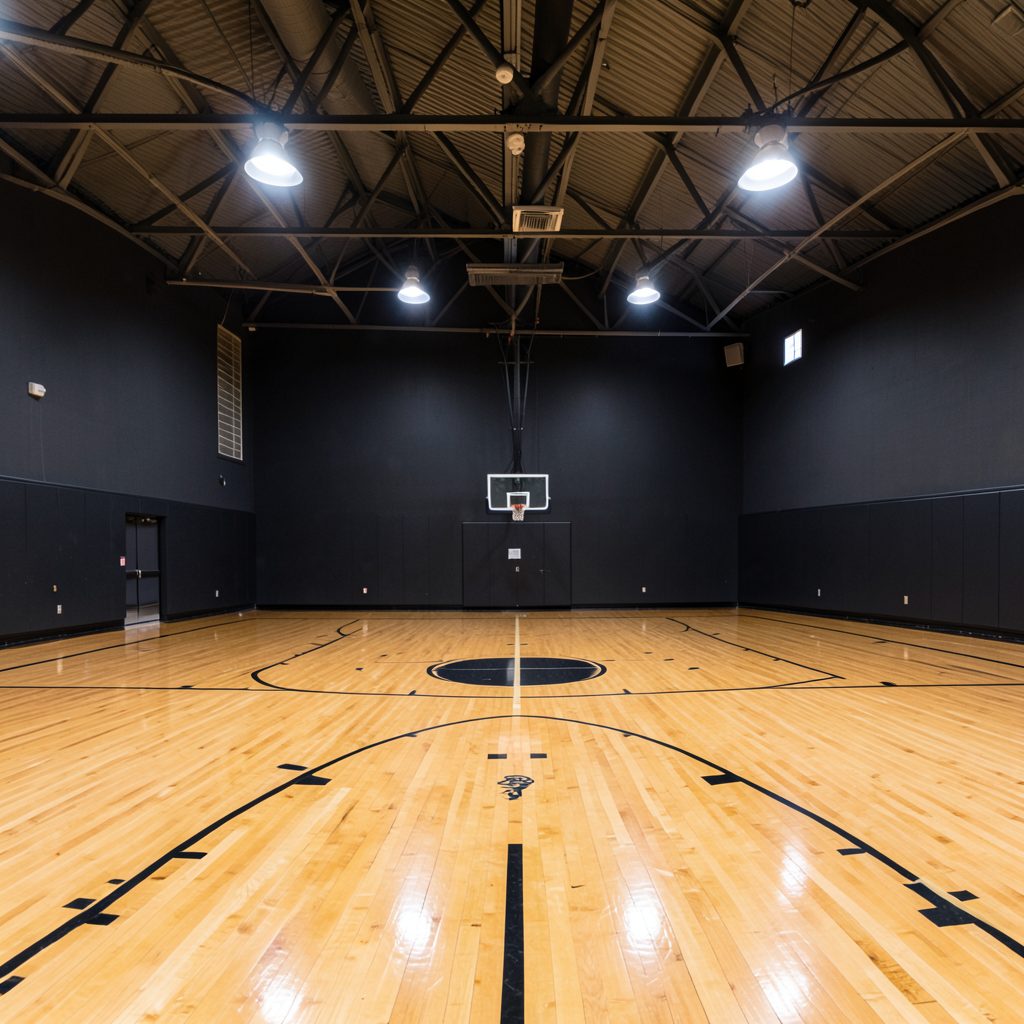
Eight league divisions span every age group: Indy Pro AM, 18+ Open Men's, 30+ Men's, Bite Size (ages 3–6), Impact League, 5th/6th Grade, Middle School, and High School. Gather your team and compete.
Training
Individual and group basketball training for all skill levels. Major M.O.V.E.S. Basketball Training serves ages 4–7 on Wednesday and Thursday evenings at 6:30 PM — $30 per session or $100 unlimited monthly.
Wellness & Recovery
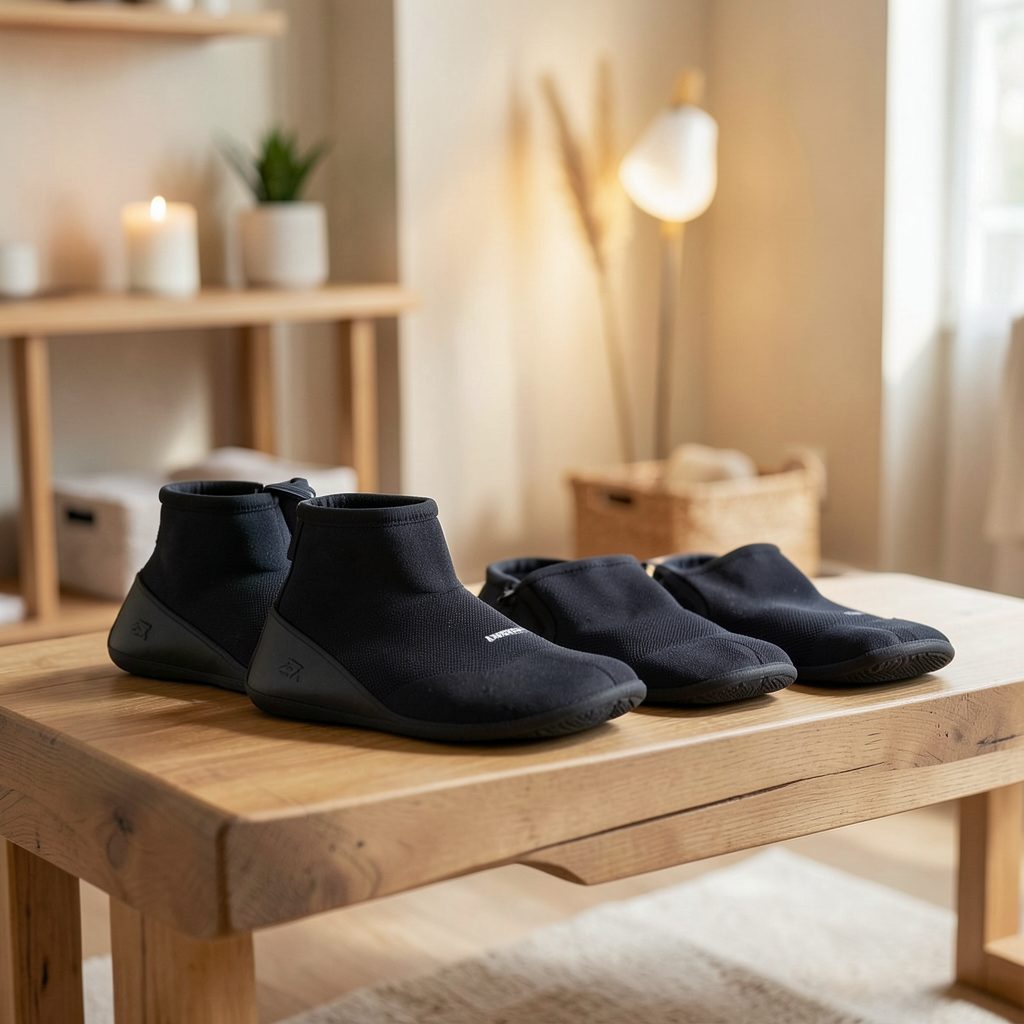
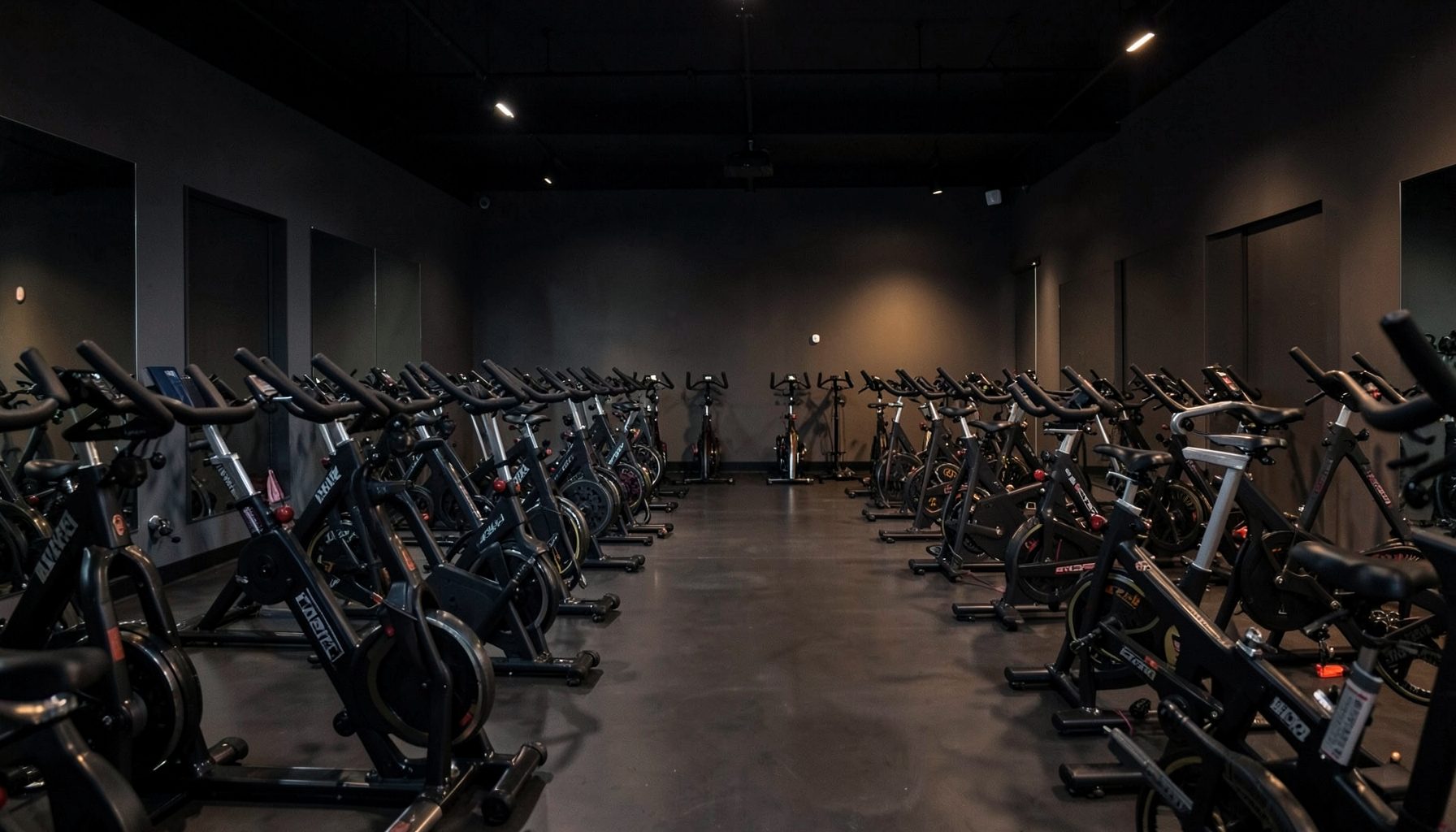
Normatec boot recovery and cryotherapy treatments help athletes bounce back faster. Cycle and spin classes add a cardio dimension to the holistic performance approach.
Have a Question?