Train. Compete. Recover.
A multi-purpose athletic facility in Speedway, Indiana — basketball leagues, skill training, and wellness services all under one roof.
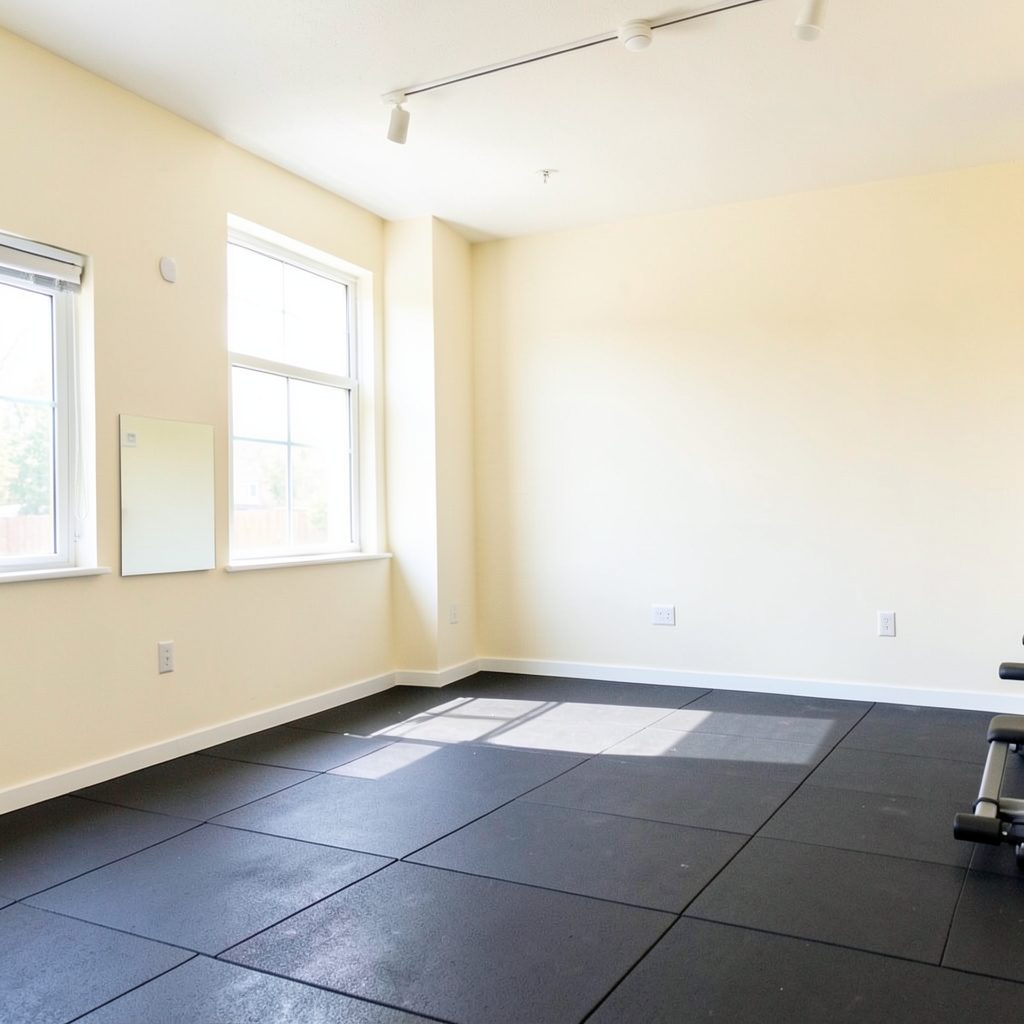
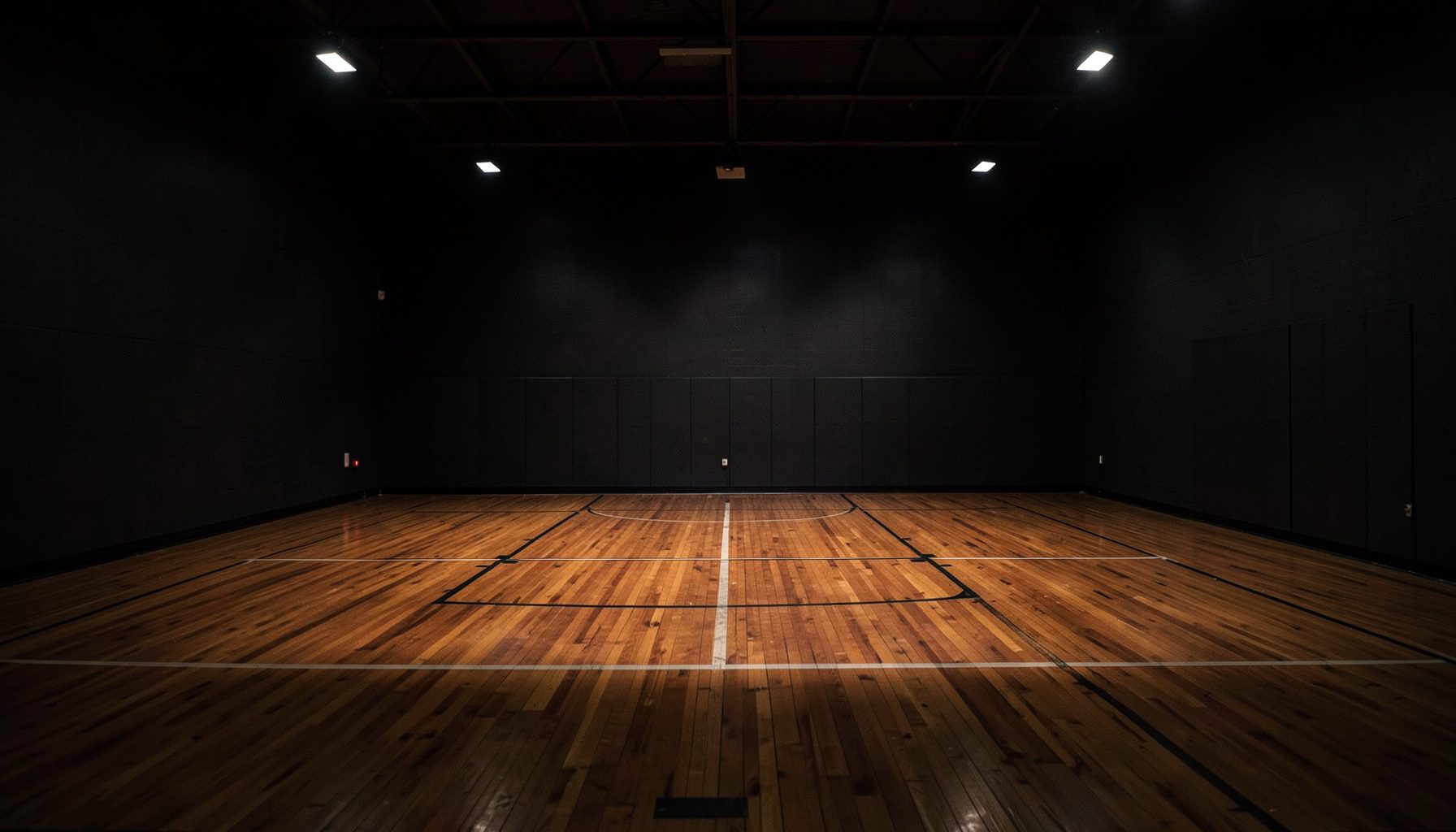
The Factory D1 Indy brings together three entities under one roof: competitive basketball leagues for all age groups, individual and group training, and wellness & recovery services including Normatec boot recovery and cryotherapy. Located off I-465 and High School Road at 6331 Crawfordsville Road, Speedway, Indiana 46224.
Get In TouchFinishing At The Rim When The Defender Is Taller
A height advantage can make the paint look crowded, but it does not decide every drive. A taller defender usually wants the ball-handler to rise straight up, expose the ball, or attack without changing speed. Effective rim finishing comes from arriving under control, using angles, and releasing the ball where the shot blocker cannot easily reach it.
For Australian players, this work fits naturally into a weekly routine built around school, club training, and weekend competition. Whether you play in Melbourne, Sydney, Brisbane, Perth, or a regional centre, the same principles apply: create an advantage before the final step, practise both sides of the basket, and make the finish reliable when legs are tired.
Start With The Right Advantage
The first advantage is often created several metres from the basket. Use a change of pace rather than sprinting at the defender from the perimeter. A controlled hesitation, hard in-and-out dribble, or sharp crossover can make the taller player shift their feet. Once their hips turn, attack the front foot and get shoulder-to-hip alongside them.
Avoid driving directly into the defender’s chest. A diagonal line to the rim gives you more space and lets you finish on either side of the body. If the defender retreats, take one strong dribble and stop before their feet are set. If they step up early, use a quick change of direction or a short pass to a teammate cutting behind the help.
A useful solo drill begins at the wing. Attack a cone representing the on-ball defender, change speed at the cone, then use a second cone near the lane line as the shot blocker. Finish on the opposite side of the rim. Complete repetitions with both hands, starting at half speed and increasing intensity only when the footwork stays clean.
Build A Reliable Footwork Base
Against a taller opponent, the final two steps matter more than an impressive dribble combination. Practise long-short finishes, where the first step covers ground and the second step gathers your balance. This helps you get beneath a contest instead of jumping from too far away. Keep your eyes on the backboard target, not on the defender’s hands.
The inside-hand finish is especially valuable. When driving from the right side, finishing with the left hand can place your body between the ball and the defender. The reverse lay-up uses the same protection, taking the ball to the far side of the hoop and using the ring as a shield. Add stride stops and jump stops so you can finish after either footwork pattern.
Use a marked lane or two floor spots to make the drill precise. Start outside the key, attack a coach or pad, gather under control, and finish without travelling. In Australian club basketball, where training time can be limited by shared school gyms, five focused minutes of footwork can be more useful than a long sequence of casual lay-ups.
Train Finishes That Change The Release Point
A tall defender is most comfortable when the release point is predictable. Build a finishing package that changes where and when the ball leaves your hand. Include high glass finishes, low scoop lay-ups, floaters from the dotted line, and short push shots released before the defender reaches the restricted area.
The floater is useful when a big player drops towards the rim but does not fully commit. Jump off one foot, rise vertically, and release the ball softly with one hand. The goal is not maximum height; it is a quick release over the defender’s shoulder. Practise from several distances and angles so the shot becomes a decision rather than a memorised movement.
Reverse finishes deserve regular attention. Drive beneath the backboard, keep the ball away from the defender, and use the rim to block their line of sight. Practise both directions, including reverse finishes with the outside hand. A small variation in release angle can turn a blocked attempt into a clean bank shot.
Use Contact Without Losing Balance
Physical contact is part of competitive basketball, but leaning into a defender usually reduces control. Keep your chest strong, absorb contact through your core, and stay balanced through the gather. Your aim is to maintain a straight line to the target while protecting the ball with your shoulder, forearm position, and body angle.
Work with a partner holding a pad at the hip or upper torso. Attack at realistic speed, take contact on the final step, and finish through the bump. Begin without a live shot blocker, then allow the partner to contest vertically. This teaches you to distinguish legal body contact from a foul-seeking movement that leaves the ball exposed.
Practise finishing through both sides of your body. A right-handed player should be comfortable taking contact on the left shoulder and still finishing with the left hand. Include two-foot power finishes when the lane is crowded. A strong jump stop can prevent a taller defender from forcing you into an awkward, fading attempt.
Read The Defender Before You Leave The Floor
Good finishing is a reading skill. Watch the defender’s feet, chest, and jump timing. If they are late and running behind you, use the backboard. If they are waiting in the paint, stop short with a floater. If they jump early, delay your release or use a reverse finish. The best option changes according to the defender’s position.
A coach can create realistic decisions with three simple calls: “drop” for a floater, “square” for a power finish, and “outside” for a reverse. The player attacks from either wing and must respond after the defender moves. This makes the exercise closer to a game than shooting the same lay-up repeatedly.
Include passing decisions as well. A tall defender may rotate from the weak side, leaving a corner shooter or baseline cutter open. Drive far enough to make the help defender commit, then deliver a controlled pass. Learning when not to finish is part of becoming a dependable scorer around the basket.
Turn Repetition Into Game Pressure
Finishing practice should eventually include a defender, a score, and a consequence. Play one-on-one from the wing with a three-dribble limit. Award two points for a made finish, one point for drawing a legal shooting foul, and a defensive point for a stop or block. This encourages purposeful attacks instead of reckless attempts.
Another format is a finishing circuit with four stations: inside-hand lay-ups, floaters, reverse finishes, and contact finishes. Complete a set number on the right and left sides, then repeat while fatigued. Keep the standard high: a repetition counts only when the approach, footwork, protection, and finish are controlled.
Players can also test these skills in structured competition. The Factory D1 Indy supports basketball development alongside leagues for different ages and playing levels; athletes interested in organised game experience can review league registration and use competition to identify which finishing options hold up under pressure.
For Australian athletes, game-like training should reflect local schedules. A junior may have a weekday club session, an early Saturday fixture, and a school commitment the next morning. Practise short, high-quality blocks rather than adding exhausting volume after every training session. Indoor courts are particularly valuable during wet winter evenings in Melbourne or sudden summer storms in Brisbane.
Recover And Measure Progress
Rim finishing places repeated stress on the ankles, knees, hips, and lower back. Start with movement preparation, ankle mobility, and controlled landing mechanics. After hard sessions, easy cycling, hydration, sleep, and light mobility can support recovery. Compression or cold-based services may be useful for some athletes, but they should complement sound training habits rather than replace them.
Facilities offering skills work and recovery services, such as The Factory D1 Indy, can provide a useful model for combining court development with conditioning and recovery. Australian athletes should also check that coaches and youth programmes follow the relevant state child-safety requirements, including screening such as a Working with Children Check where applicable. The exact process differs between states and territories.
Track progress with practical measures. Record makes out of 20 from each side, success against a live shot blocker, and the number of finishes completed without losing the ball. Re-test every two or three weeks under similar conditions. If your left-hand reverse improves but your floater remains inconsistent, adjust the next practice block rather than simply doing more of everything.
A taller defender becomes less intimidating when your decisions are quick and your footwork is dependable. Build the habit with controlled repetitions, add contact and changing contests, then carry those skills into league play. Book a focused training session, choose two finishing techniques to develop this week, and put them to the test in your next competitive game.
Inside The Factory

Three Entities, One Roof
Leagues
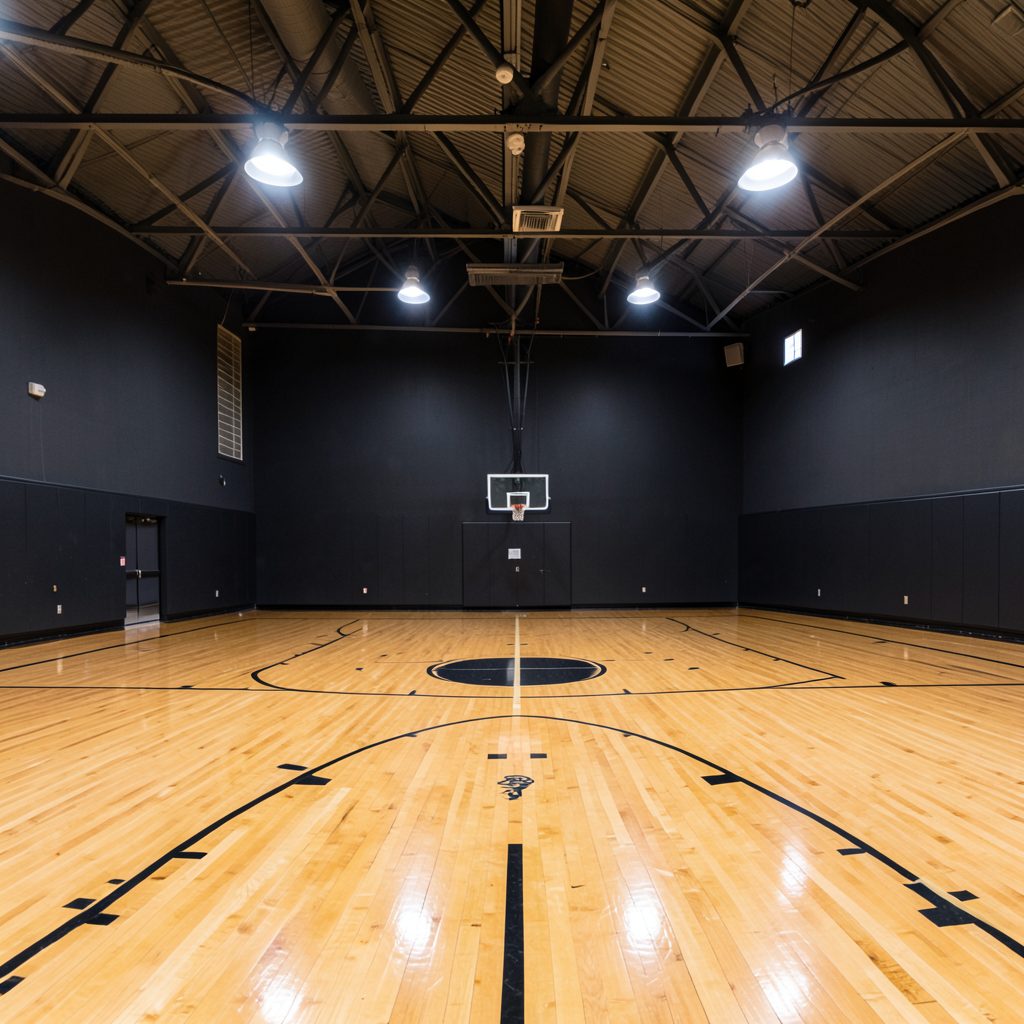
Eight league divisions span every age group: Indy Pro AM, 18+ Open Men's, 30+ Men's, Bite Size (ages 3–6), Impact League, 5th/6th Grade, Middle School, and High School. Gather your team and compete.
Training
Individual and group basketball training for all skill levels. Major M.O.V.E.S. Basketball Training serves ages 4–7 on Wednesday and Thursday evenings at 6:30 PM — $30 per session or $100 unlimited monthly.
Wellness & Recovery
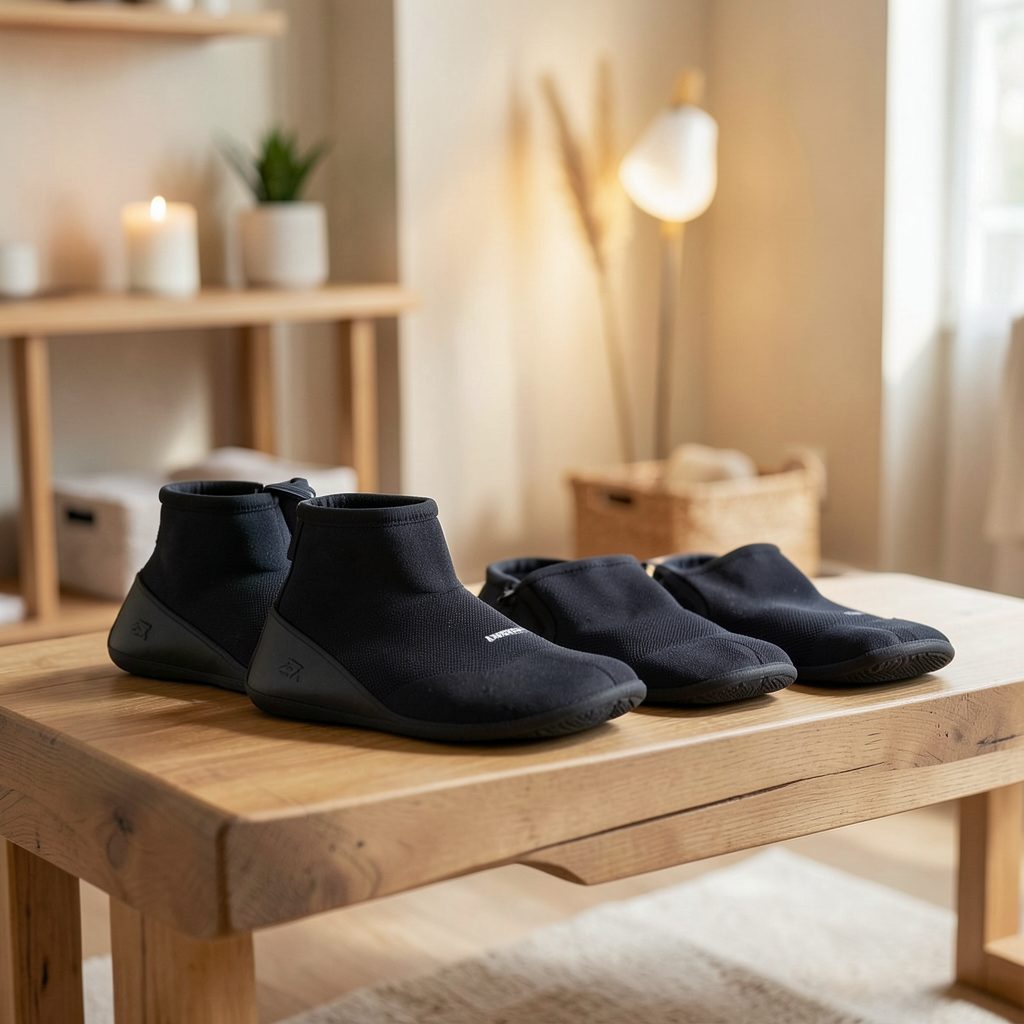
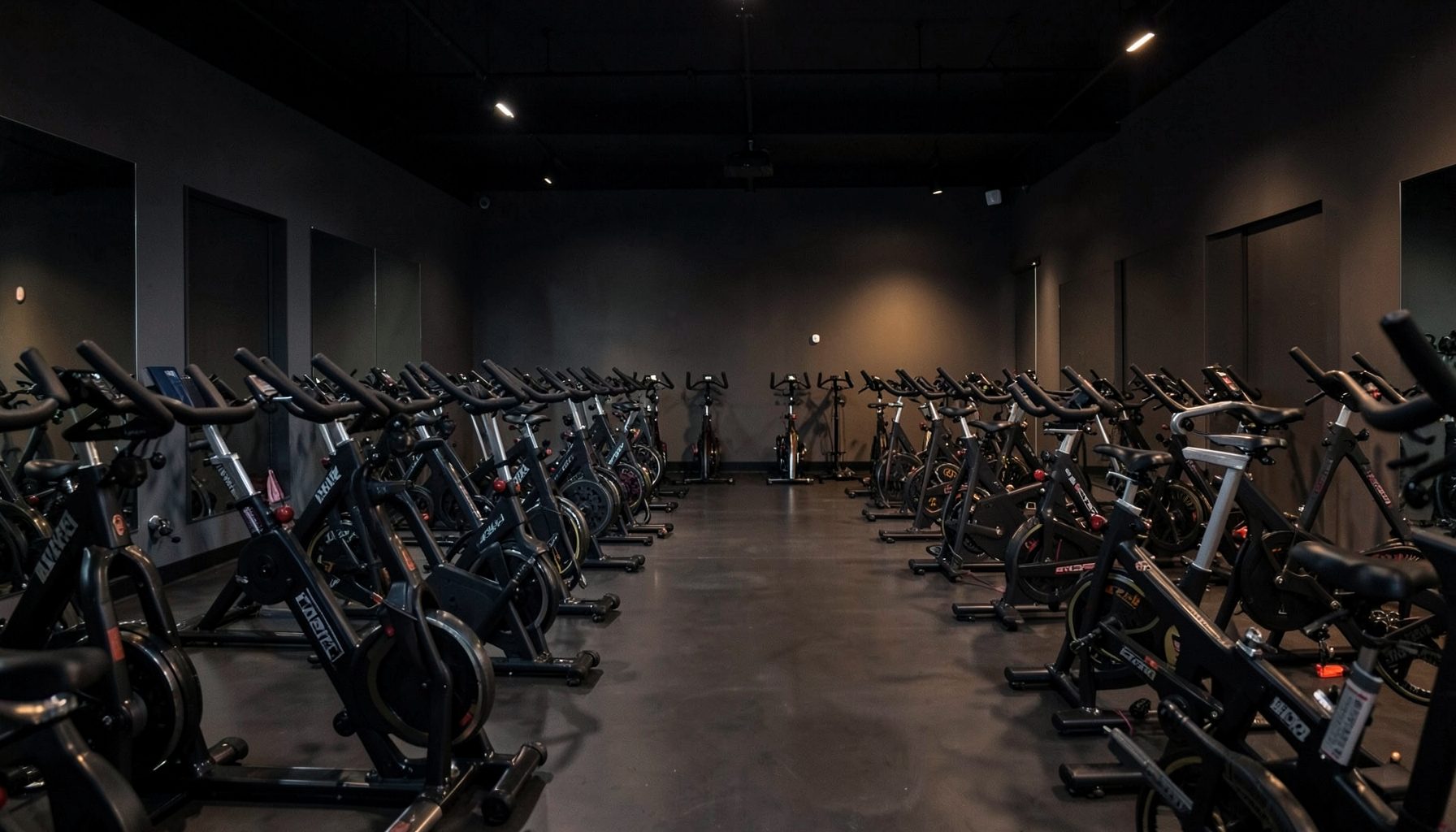
Normatec boot recovery and cryotherapy treatments help athletes bounce back faster. Cycle and spin classes add a cardio dimension to the holistic performance approach.
Have a Question?