Train. Compete. Recover.
A multi-purpose athletic facility in Speedway, Indiana — basketball leagues, skill training, and wellness services all under one roof.
The Factory D1 Indy brings together three entities under one roof: competitive basketball leagues for all age groups, individual and group training, and wellness & recovery services including Normatec boot recovery and cryotherapy. Located off I-465 and High School Road at 6331 Crawfordsville Road, Speedway, Indiana 46224.
Get In TouchPreparing Your Child For Their First Youth Basketball League
Joining a youth basketball league is an exciting milestone. For a child, it can mean learning new skills, meeting teammates, wearing a uniform, and experiencing the energy of organized competition for the first time. For parents, preparation often involves balancing encouragement with realistic expectations.
The goal is not to create a polished athlete before opening tipoff. A successful first season should help your child feel comfortable on the court, understand basic game habits, and discover that practice and teamwork can be rewarding. Confidence grows when children know what to expect and feel supported while they learn.
A multi-purpose athletic facility such as The Factory D1 Indy can give young players access to basketball training, youth programs, and competitive league experiences in a community setting. Preparation at home can then reinforce what they learn during practices and games.
Set Realistic Expectations
Before the first practice, explain that youth basketball is a learning experience rather than a test of talent. Your child may travel with the ball, forget a defensive assignment, miss an open shot, or hesitate during the first game. These moments are normal parts of developing coordination and confidence.
Use simple language to describe the purpose of the league: learning fundamentals, listening to coaches, sharing the ball, and trying hard. Avoid predicting how many points your child will score or whether the team will win. Children generally perform with greater freedom when they are not carrying pressure to impress adults.
It also helps to explain the rhythm of a typical season. Practices may include warmups, dribbling drills, passing exercises, shooting, scrimmages, and team instructions. Games may feel louder and faster than practice, so remind your child that they can focus on one possession at a time.
Build Basketball Skills Through Play
Young players do not need long, demanding workouts to prepare for a league. Short sessions of 15 to 30 minutes can develop ball control and coordination while keeping basketball enjoyable. Let your child dribble with both hands, practice chest passes, shoot close to the basket, and work on stopping under control.
Games can make skill development feel less like homework. Try dribbling through cones, counting consecutive passes, or seeing how many close-range shots your child can make with good form. Encourage movement and effort rather than correcting every detail. Too many instructions at once can make a beginner hesitant.
Footwork deserves attention as well. Practice athletic stances, pivoting, jump stops, defensive slides, and changing direction. These basic movements support nearly every basketball action. If your child attends group or individual skills training, ask the coach which fundamentals would be most useful to reinforce at home.
Prepare The Right Equipment And Routine
A child’s equipment does not need to be expensive, but it should be comfortable and suitable for basketball. Well-fitting athletic shoes with clean, supportive soles can help a player move confidently. Pack a water bottle, breathable clothing, basketball shorts, and any league-required uniform or protective equipment.
Create a simple game-day routine several days before the first contest. Confirm the arrival time, location, transportation plan, and uniform requirements. Pack the bag in advance so the morning feels organized. A familiar breakfast, adequate hydration, and a calm departure can help reduce first-game nerves.
Sleep is part of preparation too. Children often need more rest than adults realize, especially when they are combining school, practices, and games. A consistent bedtime supports energy, concentration, and emotional regulation. Avoid introducing a major new training schedule immediately before the season begins.
Help Your Child Understand Team Basketball
Many first-time players focus naturally on the ball and the basket. Explain that basketball also involves spacing, passing, defending, communicating, and moving without the ball. Keep these ideas simple: spread out on offense, watch your player on defense, listen for instructions, and look for teammates who are open.
Teach a few basic terms before the first game, such as dribble, pass, rebound, pivot, foul, defense, and out of bounds. Understanding common language can make a busy practice easier to follow. Your child does not need to memorize every rule before the season starts; familiarity will develop through repetition.
Team behavior is just as important as technical ability. Encourage your child to greet teammates, listen when the coach speaks, share equipment, and respond respectfully to referees. Applauding teammates and helping someone recover after a mistake are habits that build a positive team culture.
Make The First Game Feel Manageable
The first game can be overwhelming because of spectators, announcements, uniforms, whistles, and unfamiliar opponents. Arrive early enough to find the court, use the restroom, organize equipment, and allow your child to observe the environment. Rushing into warmups can increase anxiety.
Give your child one or two simple reminders before play begins. “Watch the ball,” “keep moving,” or “have fun with your teammates” is usually more helpful than a detailed tactical speech. During the game, allow the coach to direct play. Multiple voices can confuse a young athlete who is already processing many new sights and sounds.
Afterward, focus on the experience rather than the scoreboard. Ask what felt fun, what seemed surprising, or what the child learned. If your child wants to discuss a missed shot or turnover, listen first and offer brief encouragement. A calm post-game conversation helps the player associate competition with growth instead of judgment.
| Area | Helpful Preparation | What To Avoid |
|---|---|---|
| Skills | Short, playful sessions focused on dribbling, passing, shooting, and footwork | Intense workouts or constant technical corrections |
| Equipment | Comfortable shoes, water, uniform, and a packed bag | New shoes or unfamiliar gear on game day |
| Mindset | Emphasize effort, learning, teamwork, and enjoyment | Pressure to score or win every game |
| Game day | Arrive early and give one or two clear reminders | Rushing, overcoaching, or discussing mistakes during play |
| Recovery | Hydration, food, sleep, and gentle movement | Treating soreness or fatigue as something to ignore |
Support Progress Between Games
The first season will include uneven performances. One game may bring energetic defense and confident shooting, while the next may involve frustration or limited involvement. This variation is expected as children learn to manage emotions, physical effort, and new responsibilities.
Keep feedback specific and positive. Praise hustle, a smart pass, a defensive effort, or the courage to try again after a mistake. Specific feedback shows your child that progress includes much more than points. It also reinforces behaviors that coaches can build on during practices.
Recovery supports consistent participation. Offer water and a balanced meal after games, encourage light stretching if recommended by a qualified professional, and protect regular sleep. If your child experiences ongoing pain, unusual fatigue, or a noticeable change in movement, pause activity and consult an appropriate medical professional.
Create A Positive Basketball Experience
Parents shape the emotional tone around youth sports. Cheer for effort and good teamwork from both sides, respect coaching decisions, and avoid criticizing referees from the sideline. Children often remember the atmosphere created by adults as much as they remember the final score.
Take interest in your child’s broader athletic development. Basketball can complement conditioning, mobility, and recovery activities, provided the schedule remains age-appropriate and balanced. A facility offering basketball, cycle classes, and wellness services can provide different ways to stay active as children grow and their interests develop.
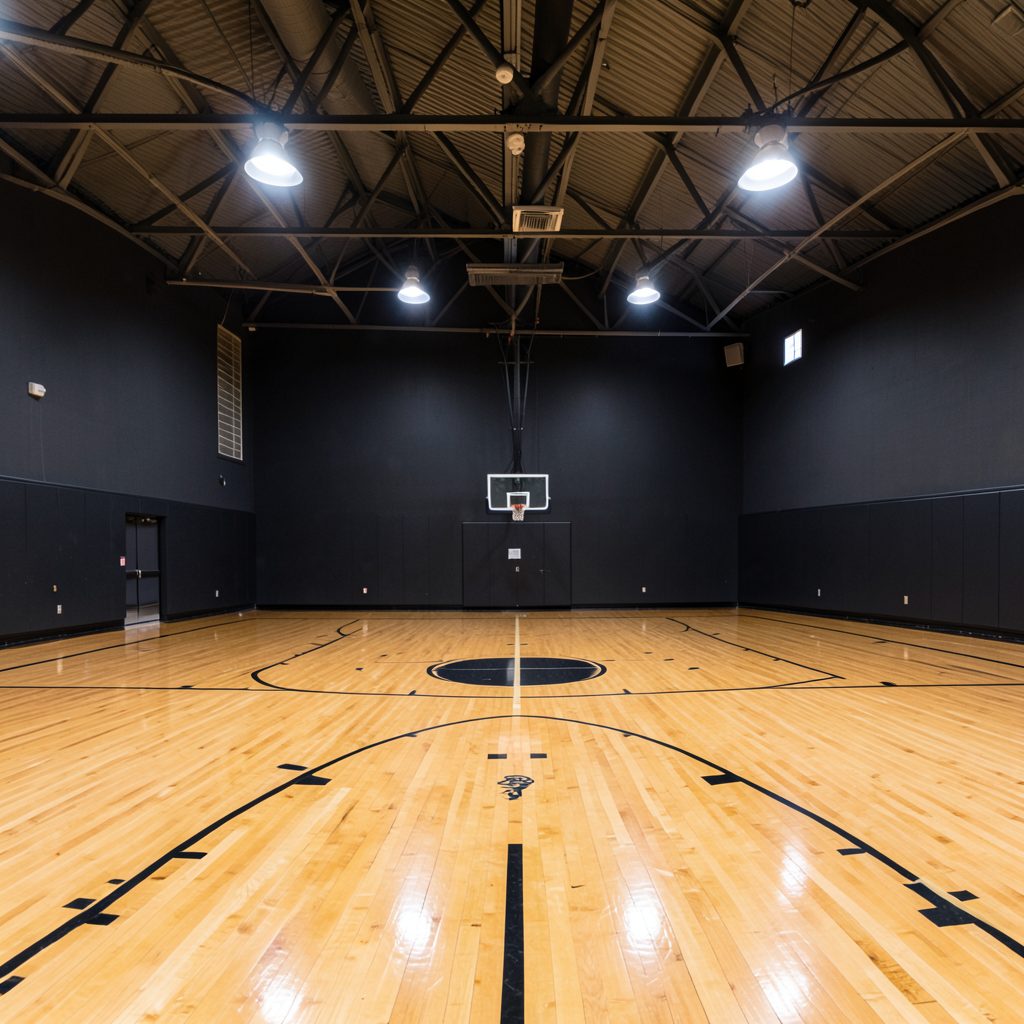
Visual reminders can also build excitement. Looking through the facility gallery may help your child become familiar with the atmosphere of practices, courts, and community activities before arriving for the first time. Familiarity can make a new setting feel more welcoming.
Use these practical habits throughout the season:
- Keep home practice brief, playful, and focused on one or two skills.
- Prepare equipment and transportation details the night before each game.
- Use encouraging language that highlights effort, teamwork, and improvement.
- Let the coach handle instruction during competition.
- Protect time for rest, schoolwork, family activities, and unstructured play.
The best preparation gives a young athlete confidence without taking away the fun of discovery. When children know the basic expectations, have comfortable equipment, and feel supported through mistakes, they are more likely to participate freely and continue developing.
Explore youth basketball opportunities at The Factory D1 Indy, review available programs, and help your child take the first step toward a positive, active season.
Inside The Factory
Three Entities, One Roof
Leagues
Eight league divisions span every age group: Indy Pro AM, 18+ Open Men's, 30+ Men's, Bite Size (ages 3–6), Impact League, 5th/6th Grade, Middle School, and High School. Gather your team and compete.
Training
Individual and group basketball training for all skill levels. Major M.O.V.E.S. Basketball Training serves ages 4–7 on Wednesday and Thursday evenings at 6:30 PM — $30 per session or $100 unlimited monthly.
Wellness & Recovery
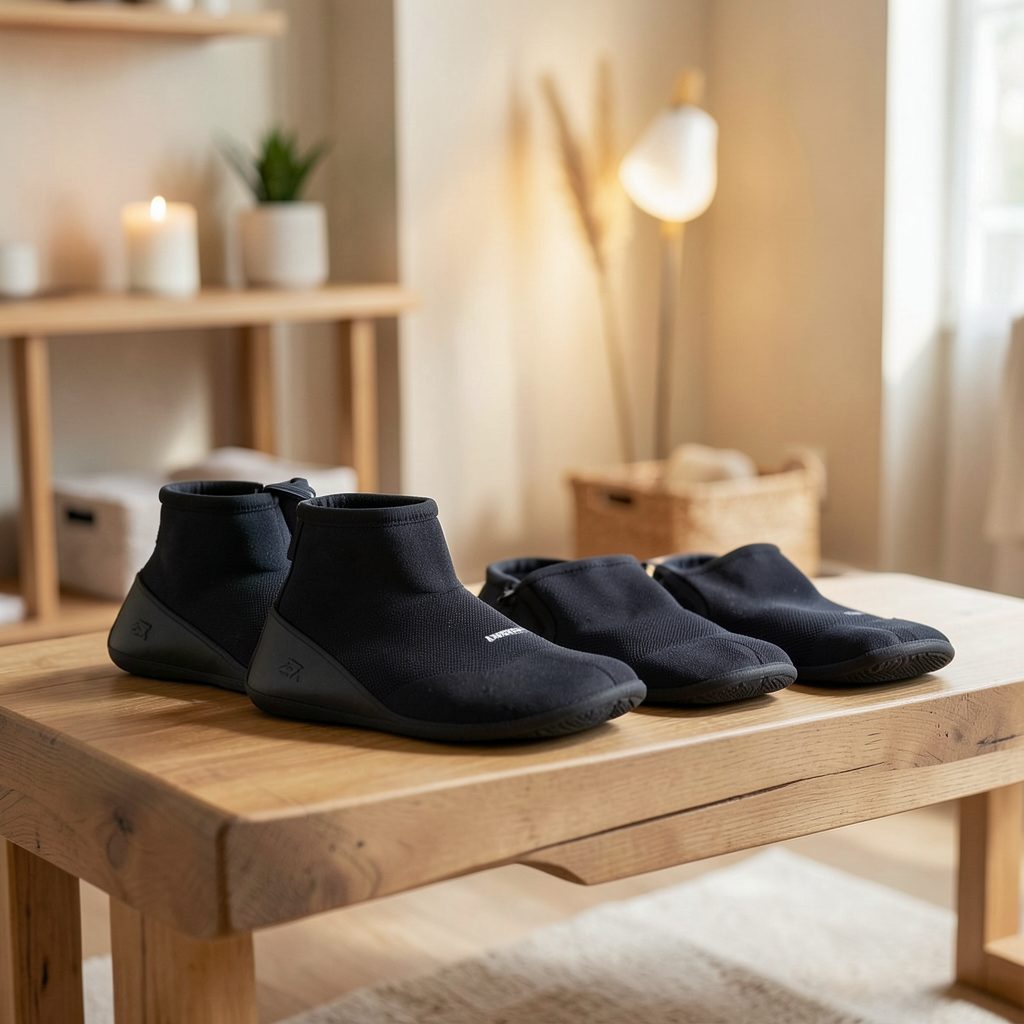
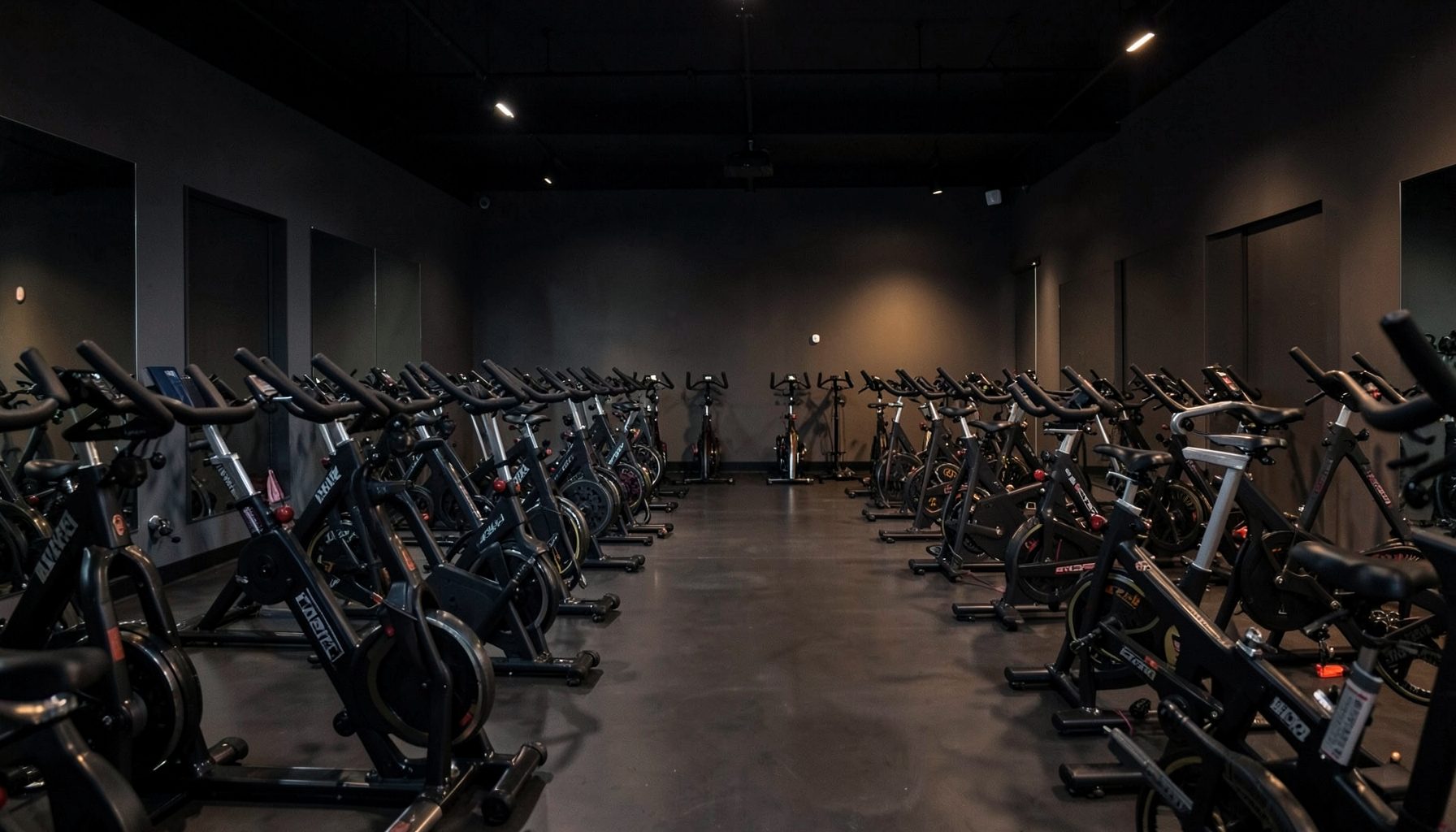
Normatec boot recovery and cryotherapy treatments help athletes bounce back faster. Cycle and spin classes add a cardio dimension to the holistic performance approach.
Have a Question?