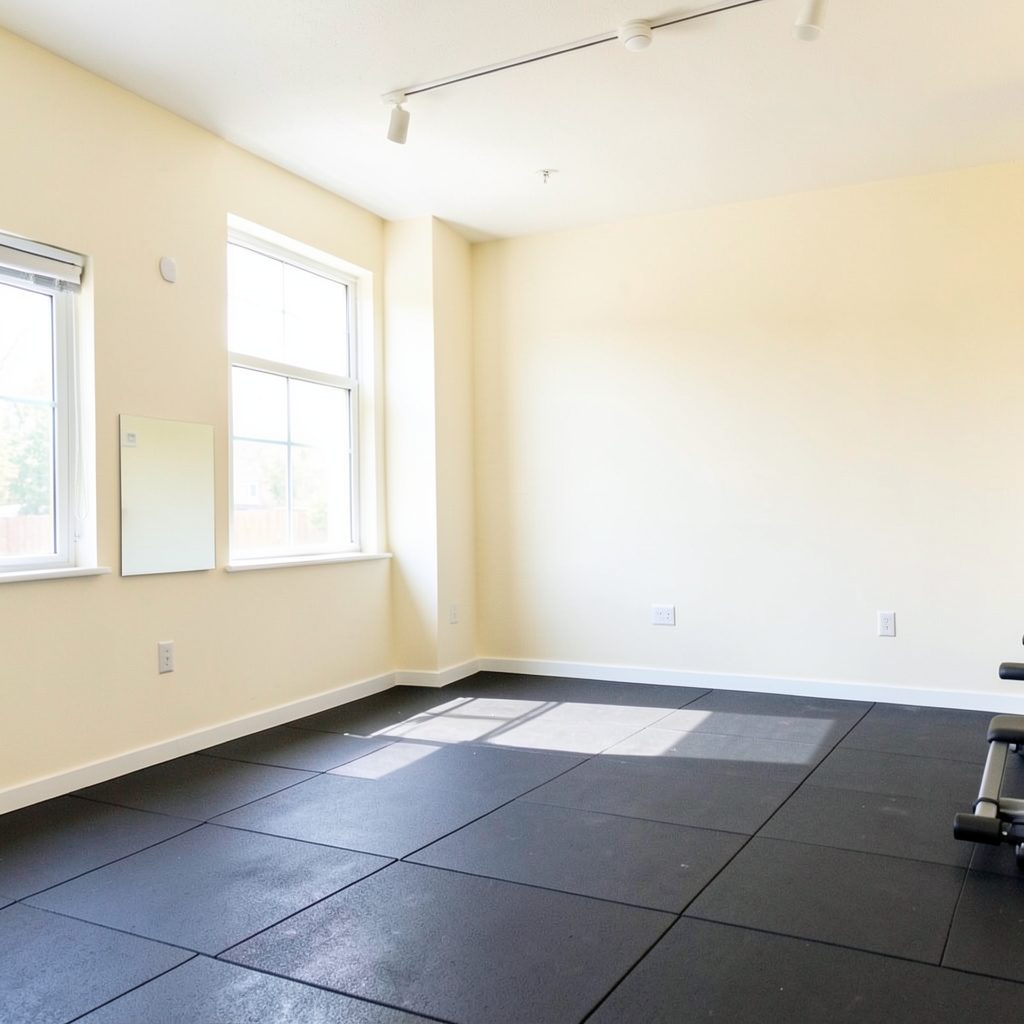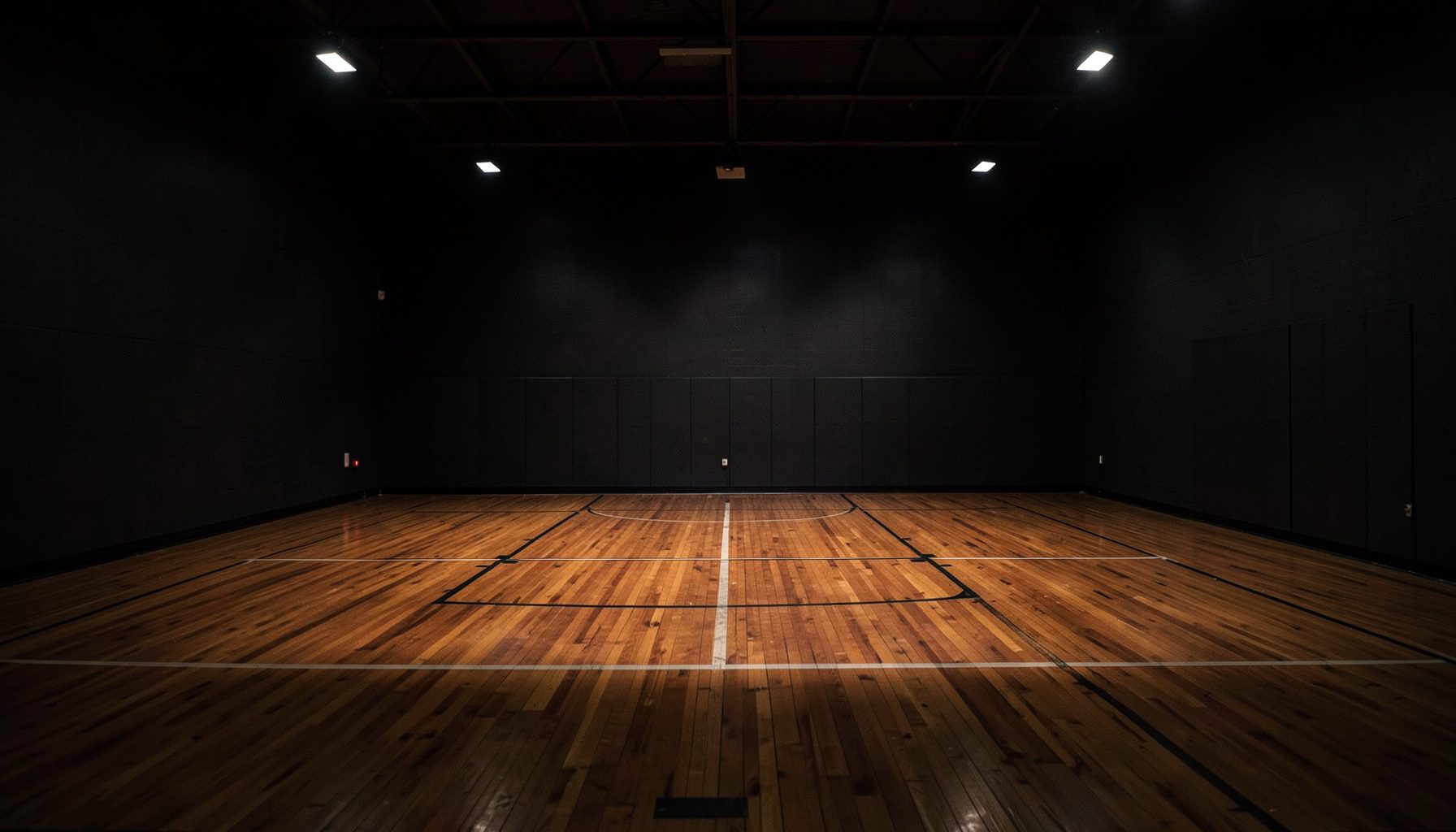
Train. Compete. Recover.
A multi-purpose athletic facility in Speedway, Indiana — basketball leagues, skill training, and wellness services all under one roof.
The Factory D1 Indy brings together three entities under one roof: competitive basketball leagues for all age groups, individual and group training, and wellness & recovery services including Normatec boot recovery and cryotherapy. Located off I-465 and High School Road at 6331 Crawfordsville Road, Speedway, Indiana 46224.
Get In TouchHow To Prevent Ankle Injuries In Basketball
Basketball demands repeated jumping, sudden stops, sharp cuts, and landings in crowded spaces. Those movements place substantial stress on the ankle joint, especially when a player lands on another athlete’s foot or changes direction with poor balance. A rolled ankle can interrupt a season, reduce confidence, and increase the chance of future sprains.
An effective prevention strategy combines ankle taping, supportive footwear, strength training, mobility work, and better landing mechanics. Taping can provide useful external support, but it works best as one part of a broader routine rather than as a substitute for conditioning or rehabilitation.
Players should also pay attention to fatigue. Tired legs often lead to slower reactions, unstable landings, and reduced control during defensive slides. Building sound habits before practice, games, and basketball training can help athletes move with greater confidence while lowering avoidable risk.
Why Basketball Players Sprain Ankles
The ankle is especially vulnerable when the foot rolls inward, a movement commonly associated with lateral ankle sprains. Basketball creates frequent opportunities for this motion through rebounding traffic, close defensive pressure, and quick lateral transitions. Previous ankle injuries can leave the surrounding ligaments and balance system less responsive, making another sprain more likely.
Limited ankle dorsiflexion can also affect movement quality. If the ankle cannot comfortably move forward over the toes, an athlete may compensate by lifting the heel, turning the foot outward, or allowing the knee to collapse inward. These changes can make cutting and landing less efficient.
Poor single-leg balance is another warning sign. A player may appear strong during a two-foot squat but struggle to stabilize after a one-foot landing. Prevention should therefore include movements that reflect the demands of the game, including single-leg control, hopping, deceleration, and directional changes.
Use Taping As Targeted Support
Athletic tape can limit excessive ankle motion and improve a player’s sense of joint position. A standard ankle taping setup usually includes an anchor around the lower leg, stirrups running beneath the heel, horseshoe strips, and figure-eight or heel-lock patterns. The goal is firm support without restricting normal circulation or creating painful pressure.
Tape should be applied to clean, dry skin, with the ankle held in a neutral position. Excessive tension can cause numbness, tingling, discoloration, or discomfort. Players should check the foot after taping and remove the tape immediately if these symptoms appear. Tape that becomes loose, wet, or heavily stretched during a session may no longer provide reliable support.
Because technique matters, athletes should learn from an athletic trainer, physical therapist, or experienced coach rather than copying a random online demonstration. Taping is particularly useful for athletes returning from a previous sprain, but the right approach depends on injury history, sport demands, and medical guidance.
| Support Strategy | Primary Benefit | Best Use | Important Limitation |
|---|---|---|---|
| Athletic tape | Restricts excessive ankle motion | Practices, games, and return-to-play periods | Can loosen with sweat and movement |
| Lace-up ankle brace | Consistent external support | Recurrent sprains or higher-risk athletes | May feel bulky inside some shoes |
| High-top basketball shoe | Adds structure around the ankle | Everyday court activity | Does not prevent every rolling motion |
| Balance and strength work | Improves active joint control | Long-term injury prevention | Requires consistent practice |
| Mobility exercises | Supports efficient movement patterns | Warm-ups and training sessions | Should not force painful ranges |
A brace may be a practical alternative when an athlete needs repeatable support or has difficulty applying tape. Neither option replaces rehabilitation. Players with swelling, significant bruising, inability to bear weight, or ongoing instability should be evaluated by a qualified healthcare professional before returning to competition.
Strengthen The Muscles That Control Landing
Strong calf muscles help absorb force during jumping and running, while the muscles along the outside of the lower leg assist with side-to-side stability. Calf raises, bent-knee heel raises, resistance-band eversion, and controlled step-downs can build useful support around the ankle and lower leg.
Begin with two-leg exercises, then progress to single-leg variations as control improves. During a single-leg calf raise, the heel should rise smoothly without the foot rolling outward or the ankle wobbling. Slow repetitions often reveal weaknesses that fast movements conceal.
Landing practice should focus on quiet, balanced contact with the floor. Athletes can begin with small two-foot jumps, emphasizing soft knees and hips, then progress to single-leg hops and lateral bounds. The knee should track generally over the toes, and the torso should remain controlled rather than collapsing toward one side.
Improve Balance And Proprioception
Proprioception is the body’s awareness of joint position. After an ankle sprain, this sense can become less accurate, which may delay muscular reactions when the foot starts to roll. Balance training helps restore those reactions and teaches the athlete to make quick corrections.
A simple progression starts with standing on one leg for 20 to 30 seconds. Once that becomes easy, add reaches in different directions, gentle ball passes, or a soft surface. Progress further to single-leg mini-squats, hop-and-stick drills, and lateral landing holds. Every repetition should be controlled; increasing difficulty is less important than maintaining alignment.
Dynamic balance should eventually resemble basketball movement. Shuffle several steps, plant, and hold the position. Hop forward, stabilize, then react to a visual cue. These drills develop the ability to control the ankle while attention is divided, much like it is during a live possession.
Warm Up, Move Well, And Manage Fatigue
A basketball warm-up should raise body temperature and prepare the ankle for speed, impact, and lateral movement. Light jogging, skips, ankle rolls through a comfortable range, walking lunges, lateral shuffles, and progressive jumps can prepare the body more effectively than static stretching alone.
Movement quality should be checked during defensive slides and closeouts. Players should avoid letting the feet cross unpredictably, should stay balanced over the base of support, and should decelerate under control. Coaches can include low-intensity landing drills early in practice before athletes become tired.
Workload management also matters. Sudden increases in games, tournaments, sprint sessions, or jumping volume can overwhelm tissues that have not adapted. Planned rest, adequate hydration, and sufficient sleep support coordination and recovery. Athletes who combine court training with cycling or spin classes should account for total lower-body workload rather than treating every session separately.
Choose Court Gear And Recovery Habits Carefully
Basketball shoes should fit securely at the heel and midfoot, leave enough room for the toes, and provide traction suited to the court surface. Worn soles, compressed cushioning, or loose laces can reduce stability. Shoes should be replaced when support and grip have noticeably declined, not only when the upper looks damaged.
Inspect the court before practice or competition. Dust, moisture, damaged flooring, and loose objects can change traction and increase the risk of an awkward plant. Properly tying the shoes and replacing worn socks can also reduce slipping inside the shoe.
After demanding sessions, gentle movement and recovery practices may help athletes manage soreness and prepare for the next workout. Facilities that offer recovery services can provide options such as compression therapy and cryotherapy, though these services should complement sound training, sleep, and medical care rather than replace them.
Build A Consistent Prevention Routine
Ankle injury prevention is most effective when it becomes part of regular basketball preparation. A brief routine performed several times each week can improve strength, balance, and landing control without requiring a separate long workout.
Use these habits as a practical starting point:
- Perform calf raises, band-resisted ankle work, and step-downs two or three times per week.
- Add single-leg balance, hop-and-stick, and lateral landing drills to warm-ups.
- Tape or brace a previously injured ankle according to professional guidance.
- Replace shoes when traction, cushioning, or fit begins to decline.
- Stop playing and seek evaluation for severe pain, swelling, deformity, numbness, or an inability to bear weight.
Consistency matters more than intensity. Athletes should progress gradually, keep movements pain-free, and maintain control before adding speed, height, or resistance. A coach or medical professional can adjust the routine when an athlete has a history of repeated sprains or lingering symptoms.
Use the next practice to make ankle protection part of the session: warm up deliberately, complete a few balance and landing drills, inspect your footwear, and apply appropriate support before competition. Small actions repeated throughout the season can help players stay on the court, train with confidence, and respond better to the fast, unpredictable demands of basketball.
Inside The Factory
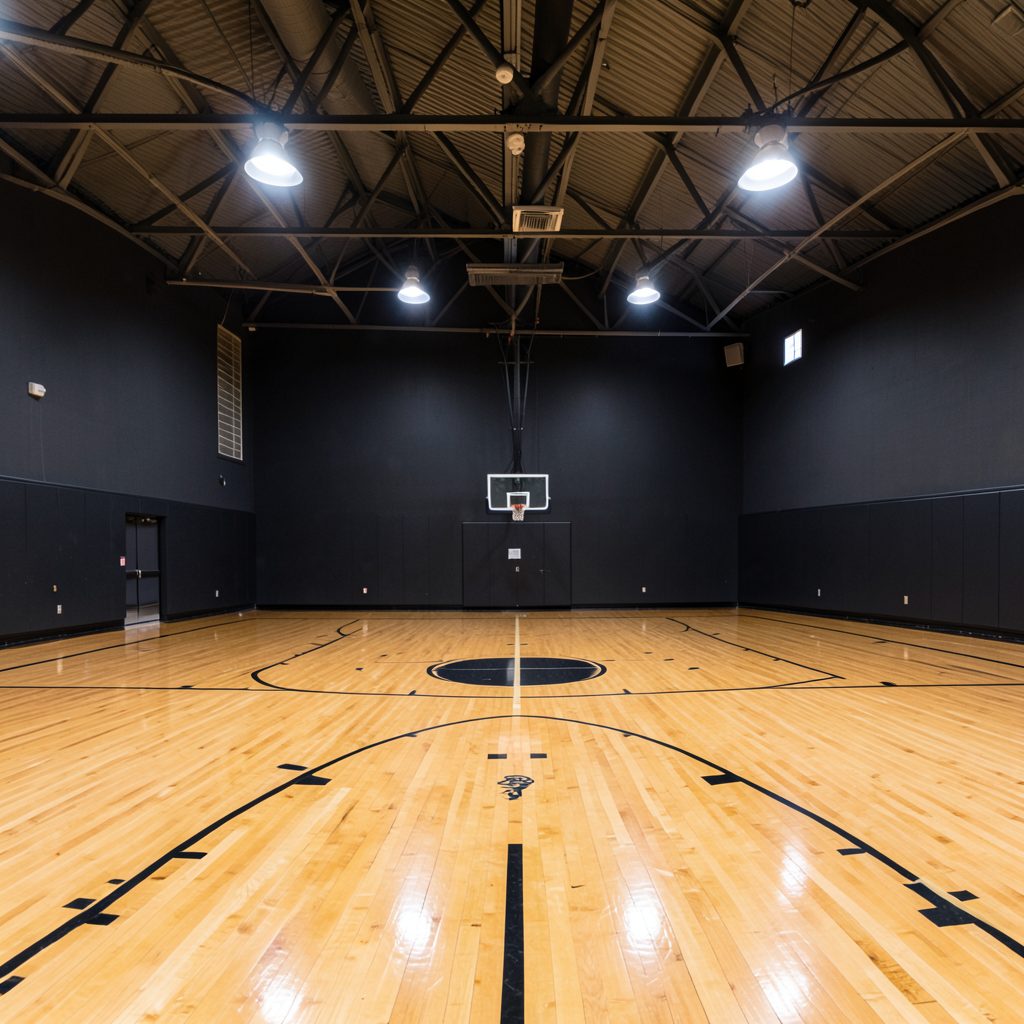
Three Entities, One Roof
Leagues
Eight league divisions span every age group: Indy Pro AM, 18+ Open Men's, 30+ Men's, Bite Size (ages 3–6), Impact League, 5th/6th Grade, Middle School, and High School. Gather your team and compete.
Training
Individual and group basketball training for all skill levels. Major M.O.V.E.S. Basketball Training serves ages 4–7 on Wednesday and Thursday evenings at 6:30 PM — $30 per session or $100 unlimited monthly.
Wellness & Recovery
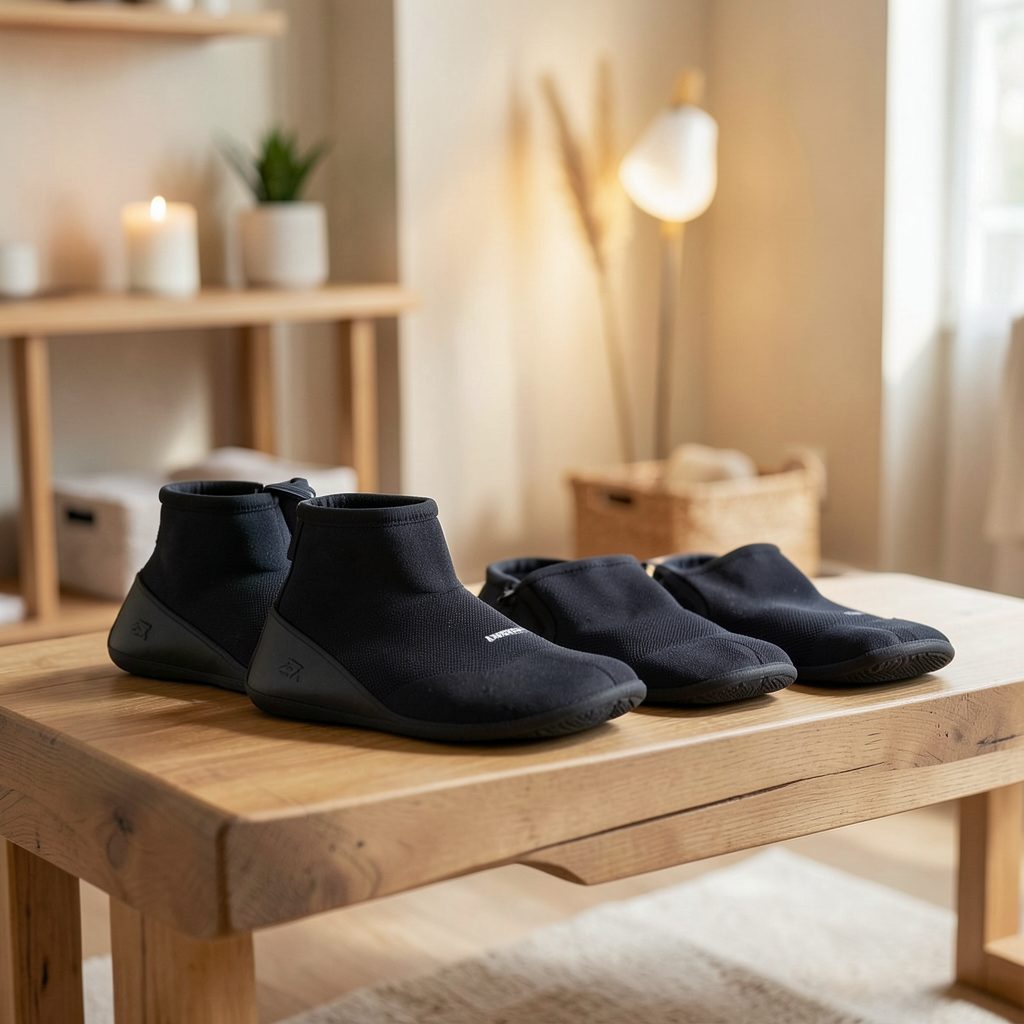
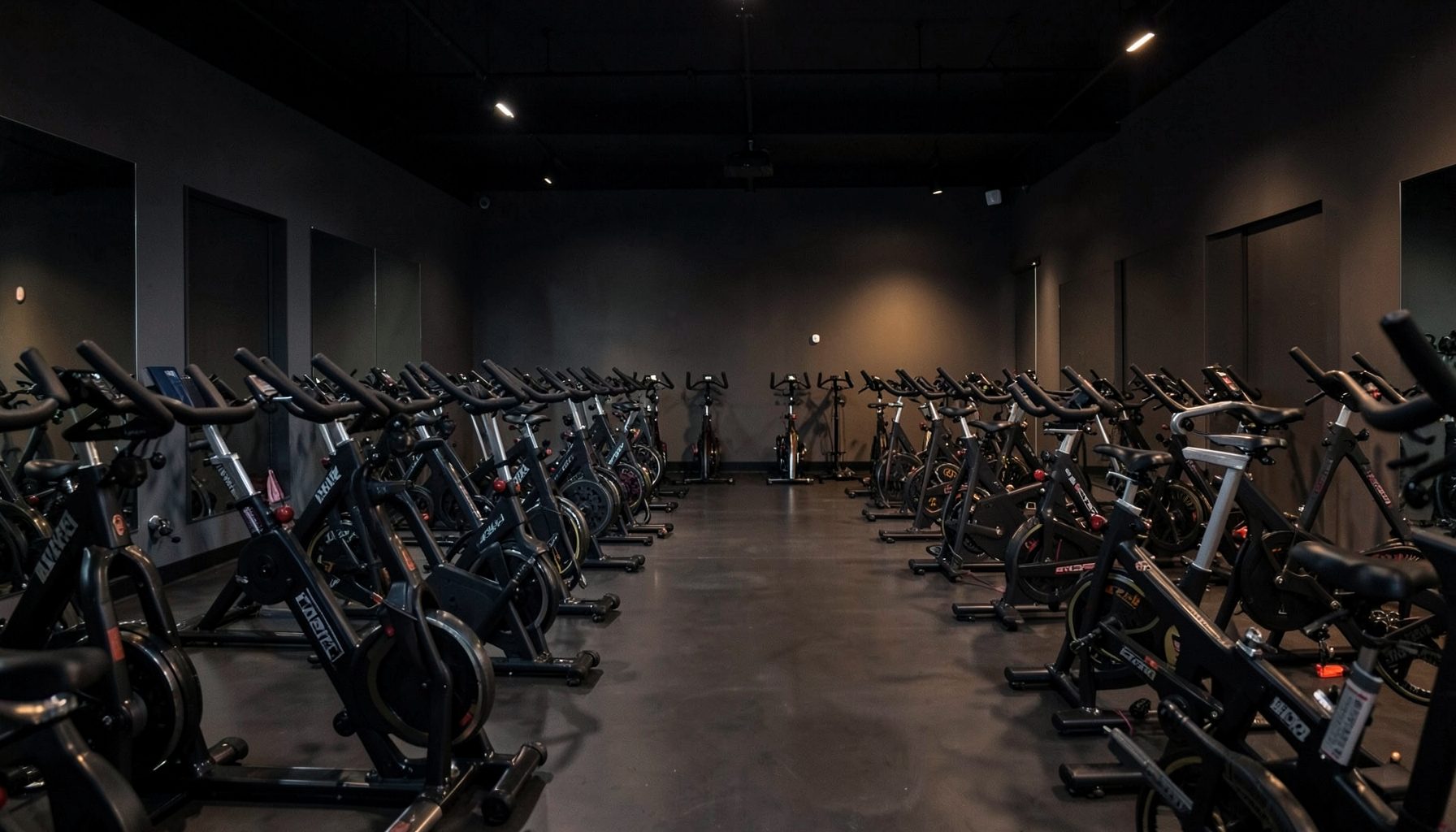
Normatec boot recovery and cryotherapy treatments help athletes bounce back faster. Cycle and spin classes add a cardio dimension to the holistic performance approach.
Have a Question?