Train. Compete. Recover.
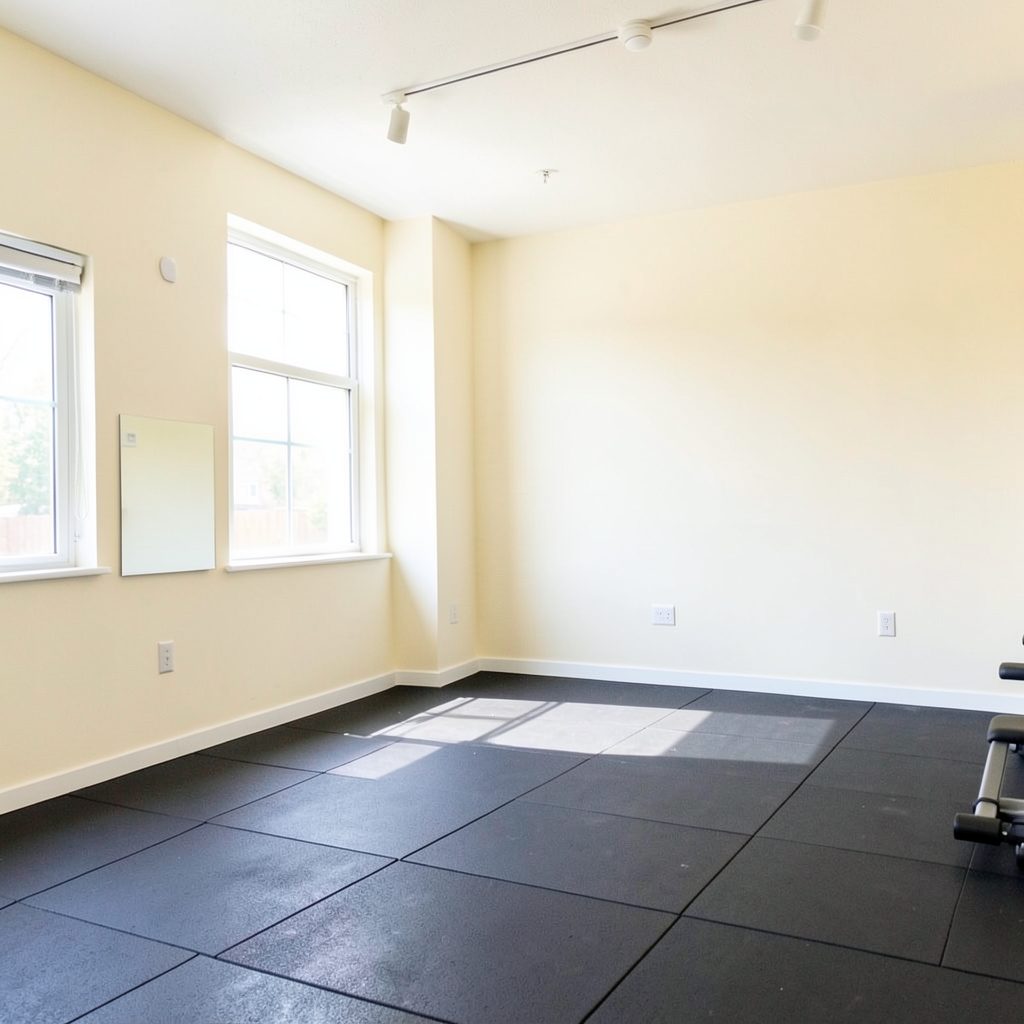
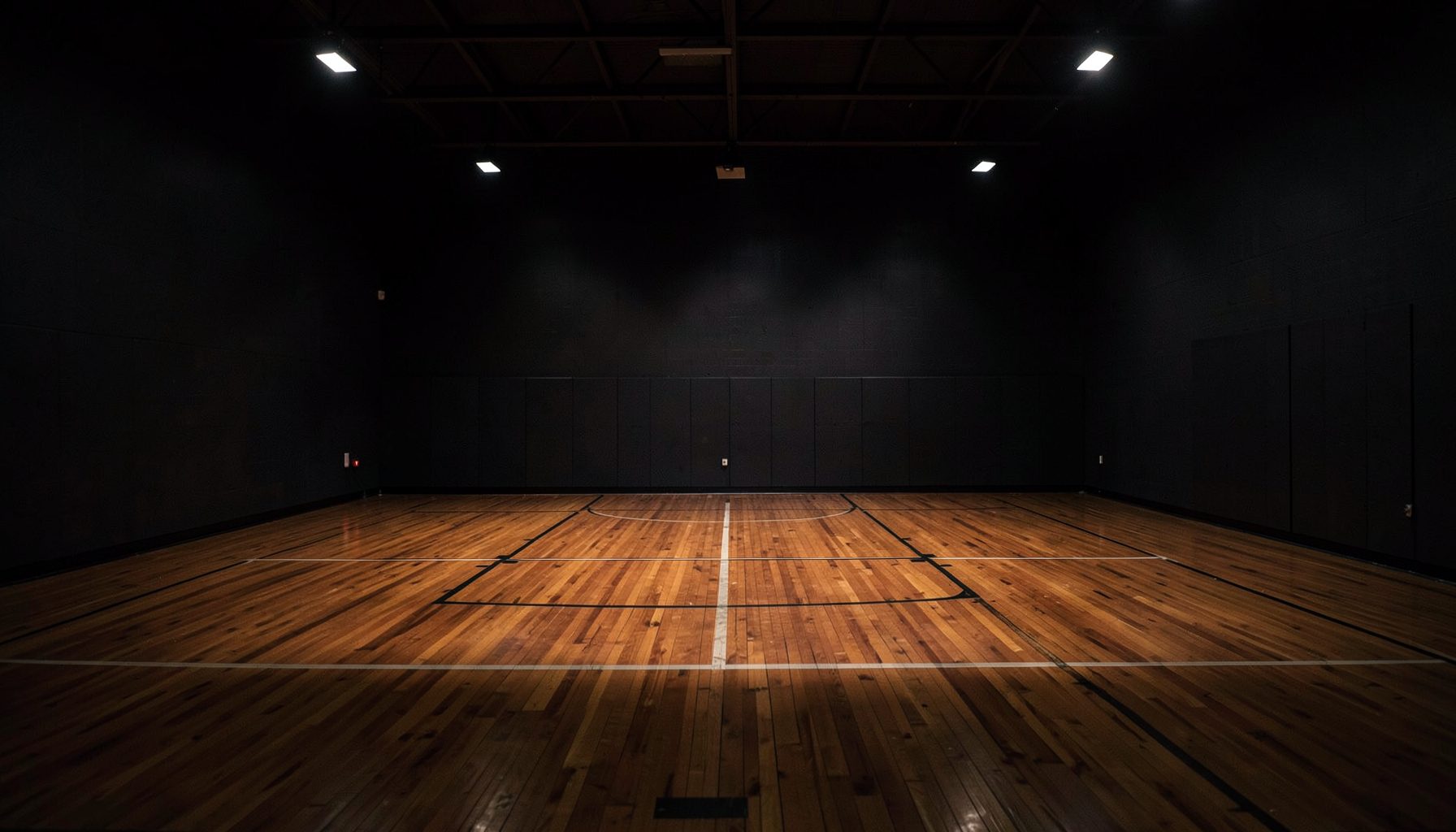
A multi-purpose athletic facility in Speedway, Indiana — basketball leagues, skill training, and wellness services all under one roof.
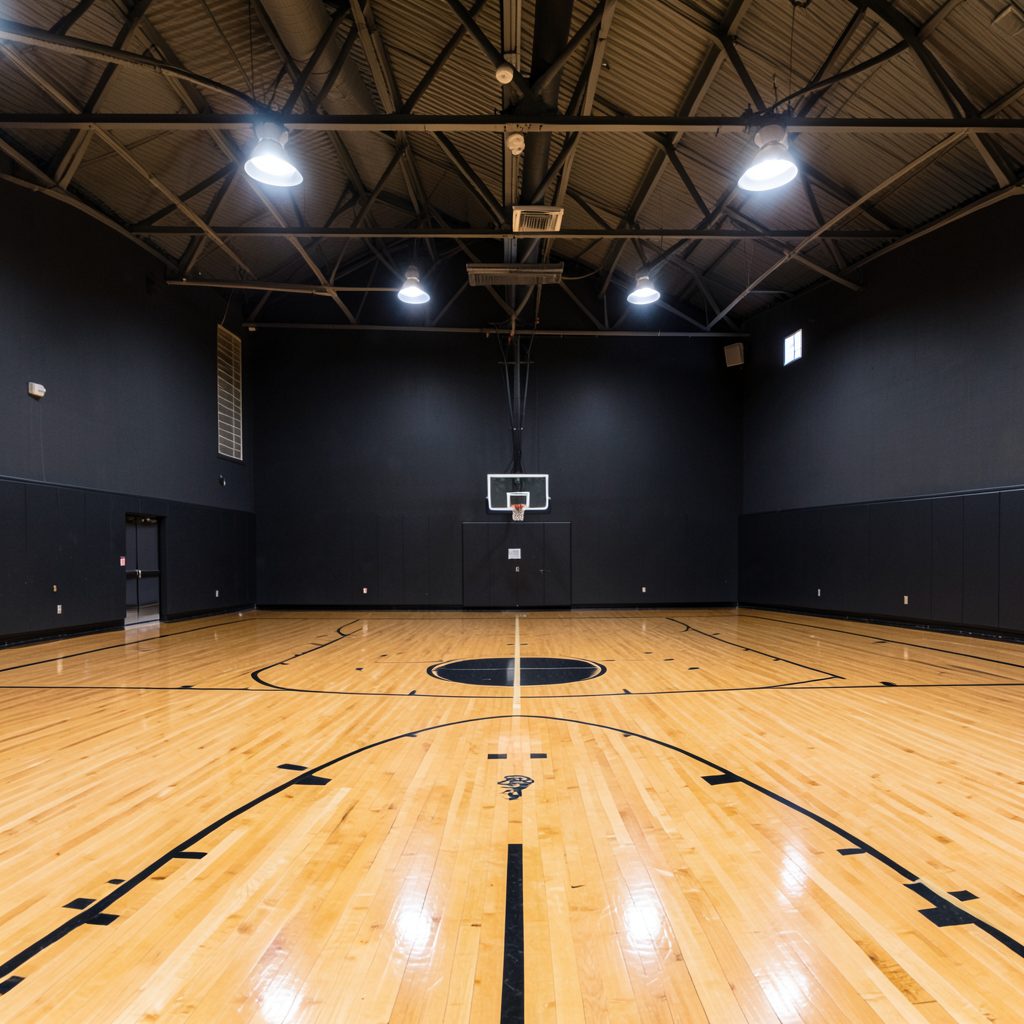
The Factory D1 Indy brings together three entities under one roof: competitive basketball leagues for all age groups, individual and group training, and wellness & recovery services including Normatec boot recovery and cryotherapy. Located off I-465 and High School Road at 6331 Crawfordsville Road, Speedway, Indiana 46224.
Get In TouchHow to Prevent Shin Splints Through Better Footwork and Recovery
Shin splints are a common interruption for basketball players, runners and court-sport athletes. The aching along the inside or front of the lower leg often appears after a sudden increase in training, repeated jumping, poor landing mechanics or long sessions on unforgiving surfaces. Early attention can keep mild irritation from becoming an injury that sidelines you for weeks.
For athletes in Australia, the risk can rise when summer heat, outdoor courts, school-holiday tournaments and packed club schedules all arrive together. Better footwork, suitable footwear, progressive conditioning and deliberate recovery can help you keep training consistently, whether you play in a suburban stadium in Melbourne, a community court in Brisbane or a competitive league in Perth.
Recognise What Places Stress On The Shin
Shin splints are commonly linked with overuse of the muscles and connective tissues around the tibia. Basketball creates repeated demands through sprinting, stopping, lateral shuffles, jump take-offs and single-leg landings. If the foot collapses inward or the lower leg stays rigid during these actions, the tissues absorb more impact than they can comfortably manage.
A change in routine is often the trigger. You might move from one weekly game to three sessions, join a tournament during the Australian summer or return to training after a long break. Hard outdoor courts, worn playing shoes and extra conditioning can compound the load. A gradual increase gives the calves, feet and lower legs time to adapt.
Pain that becomes sharp, localised or present at rest needs more caution. General soreness that improves with warm-up may still require adjustment, but persistent tenderness along one small area of the bone should be assessed by a physiotherapist or sports doctor.
Build Quiet, Controlled Footwork
Efficient footwork begins with a soft, active base. Keep your feet roughly shoulder-width apart, allow your knees to track over your second and third toes, and maintain a slight bend through the hips, knees and ankles. This position helps you absorb force rather than stopping abruptly on a straight leg.
During defensive slides, use short steps and avoid crossing your feet when changing direction quickly. Push from the whole foot, especially the big-toe side, instead of rolling heavily onto the outside edge. On a close-out, shorten your final steps and lower your centre of gravity before braking. These small changes reduce harsh deceleration through the shins.
Landing technique matters just as much. Aim for a quiet landing with the hips travelling back slightly and the knees aligned with the toes. Let the ankle and knee flex together, then regain balance before your next movement. Coaches can use low-intensity jump-and-stick drills to teach this pattern before adding rebounds, contact or fatigue.
Match Shoes And Court Conditions
Basketball shoes should offer secure heel hold, adequate cushioning and enough lateral support for cutting. A shoe that is too loose can make the foot slide inside during a shuffle, while a heavily worn sole may reduce traction and force you to grip the floor with your toes. Replace shoes when the tread is smooth, the midsole feels compressed or the upper no longer holds the foot firmly.
Socks also have a practical role. Choose a comfortable, sweat-wicking pair that does not bunch under the arch or heel. If you use orthotics, have them checked by a qualified professional rather than borrowing an insert designed for another athlete. Foot shape, movement habits and training surfaces vary considerably.
Outdoor courts in Australia can become especially firm and hot during summer, while indoor stadium floors may feel different from the surface at a local park. Give yourself a few lower-intensity sessions when changing venues. A short warm-up on the actual court helps your feet adjust to its grip, bounce and spacing.
Increase Training Load With A Plan
The safest progression is one that changes a single variable at a time. Add a little duration before adding high-speed drills, then increase jumping or competitive intensity once your legs tolerate the volume. A player returning from a break may begin with shooting, controlled movement and short scrimmage blocks before playing a full game.
Use the following guide to organise a week. It is a framework rather than a rigid prescription, so pain, fatigue, age and playing history should influence the final decision.
| Training Element | Lower-Risk Approach | Warning Sign |
|---|---|---|
| Running and court time | Increase gradually, with an easier day after demanding work | Pain rises during or after every session |
| Jumping | Start with low-volume two-foot landings | Repeated hard landings or sore next-day shins |
| Change of direction | Practise planned cuts before reactive drills | Technique collapses when tired |
| Rest days | Schedule at least one genuine recovery day | Several intense days occur back to back |
| Return after pain | Resume when walking and basic hops are comfortable | Pain alters your stride or persists at rest |
Keep a simple record of games, training, gym work and soreness. This is particularly useful during club seasons, when a basketballer may have a weekday team session, a Saturday fixture and extra individual workouts. The log can reveal that the lower legs are carrying more work than the calendar first suggests.
Strengthen The Feet, Calves And Hips
Strong lower legs improve force control. Useful exercises include slow calf raises, bent-knee calf raises, tibialis raises against a wall and controlled single-leg balance. Begin with body weight and focus on a smooth range of motion. Progress by adding repetitions, a pause at the top or light external resistance.
The hips and trunk deserve attention because they influence how the leg tracks during a landing or cut. Split squats, step-downs, lateral band walks and single-leg Romanian deadlifts can build control from the pelvis to the foot. Two or three short strength sessions each week may be more sustainable than one exhausting workout.
Mobility should support movement rather than become an aggressive stretching contest. Gentle ankle rocks, calf mobility and dynamic leg swings before training can prepare the joints. Longer relaxed stretches may fit better after training, provided they do not increase symptoms. A sports professional can identify whether limited ankle range, weak calves or poor hip control is driving compensation.
Make Recovery Part Of The Session
Recovery starts with the basics: sleep, regular meals, hydration and enough time between hard sessions. In hot conditions, replace fluids and electrolytes appropriately, especially after outdoor training or long tournament days. Cooling down with easy movement can help the legs transition from repeated sprinting to rest.
Light cycling, walking or mobility work may be useful on an easier day because it keeps circulation moving without adding repeated impact. Compression sleeves can feel supportive, although they should complement load management rather than disguise pain. Self-massage may reduce calf tightness temporarily, but it does not correct faulty mechanics or an excessive training schedule.
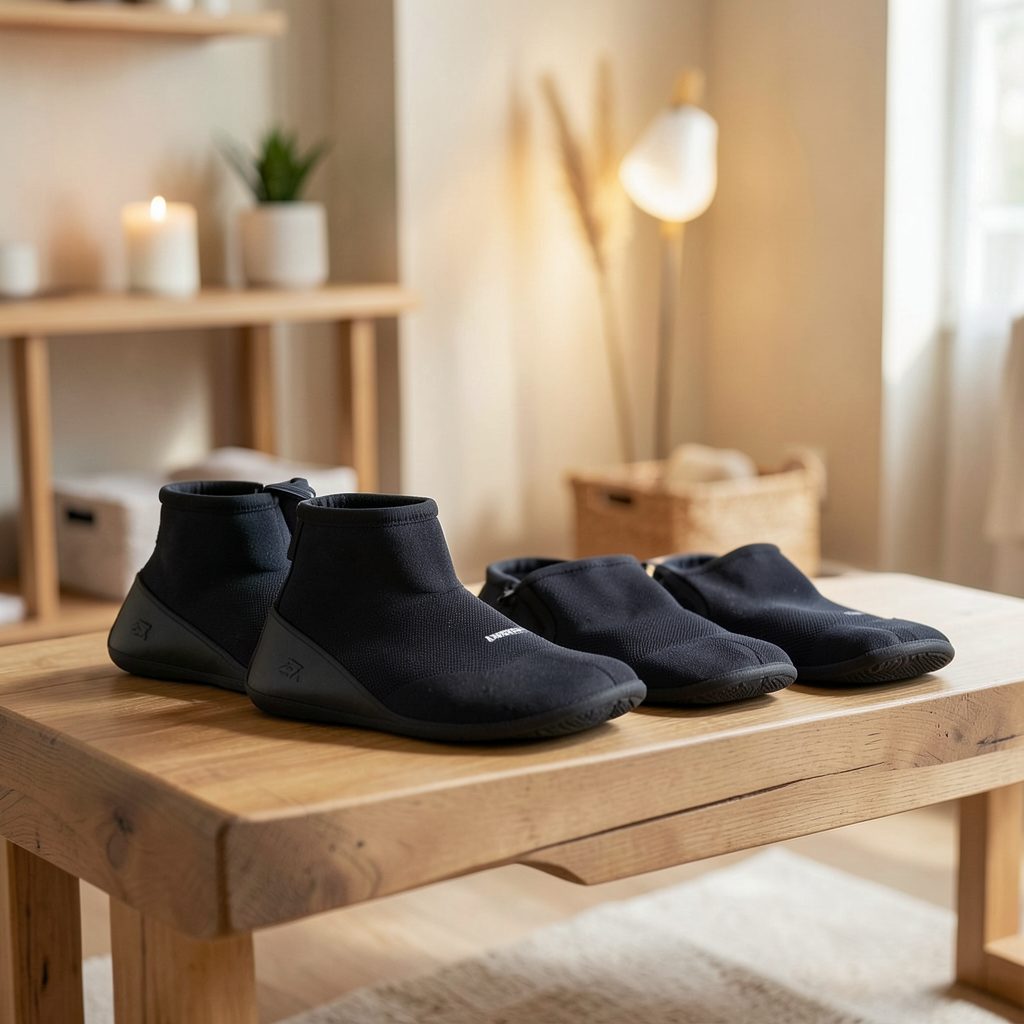
Australian athletes who train across several facilities can also use professional recovery options. For example, recovery and conditioning support may complement a programme that includes mobility, strength and post-session care. Normatec compression and cryotherapy, where available through a suitable sports facility, can be considered as supportive tools after demanding work, with individual tolerance and medical advice in mind.
Respond Early To Persistent Pain
Mild shin soreness should be a signal to reduce impact, review footwork and examine recent training changes. Swap a hard court session for cycling or upper-body conditioning, shorten the next practice and avoid repeated jumping until normal walking is comfortable. Returning at the same volume because the pain briefly settles can create a cycle of flare-ups.
A physiotherapist should assess pain that is sharply localised, worsening, associated with swelling or present during ordinary walking. Stress injuries can resemble shin splints but require a different approach. Numbness, unusual weakness or pain that wakes you at night also deserves prompt medical attention.
Competitive players benefit from discussing symptoms with their coach before game day. In organised adult basketball, the pace and physical contact can be substantially higher than casual recreation; this competitive league environment is a useful reminder that preparation must match the standard of play. A proper warm-up, sensible substitutions and honest communication can protect the lower legs when intensity rises.
Build your prevention routine before the next busy block of games: check your shoes, practise quiet landings, strengthen the calves and hips, and schedule recovery as carefully as training. If shin pain has already appeared, scale back early and arrange a professional assessment rather than trying to run through it. Consistent footwork and thoughtful recovery can keep you moving through the season with greater confidence.
Inside The Factory

Three Entities, One Roof
Leagues
Eight league divisions span every age group: Indy Pro AM, 18+ Open Men's, 30+ Men's, Bite Size (ages 3–6), Impact League, 5th/6th Grade, Middle School, and High School. Gather your team and compete.
Training
Individual and group basketball training for all skill levels. Major M.O.V.E.S. Basketball Training serves ages 4–7 on Wednesday and Thursday evenings at 6:30 PM — $30 per session or $100 unlimited monthly.
Wellness & Recovery
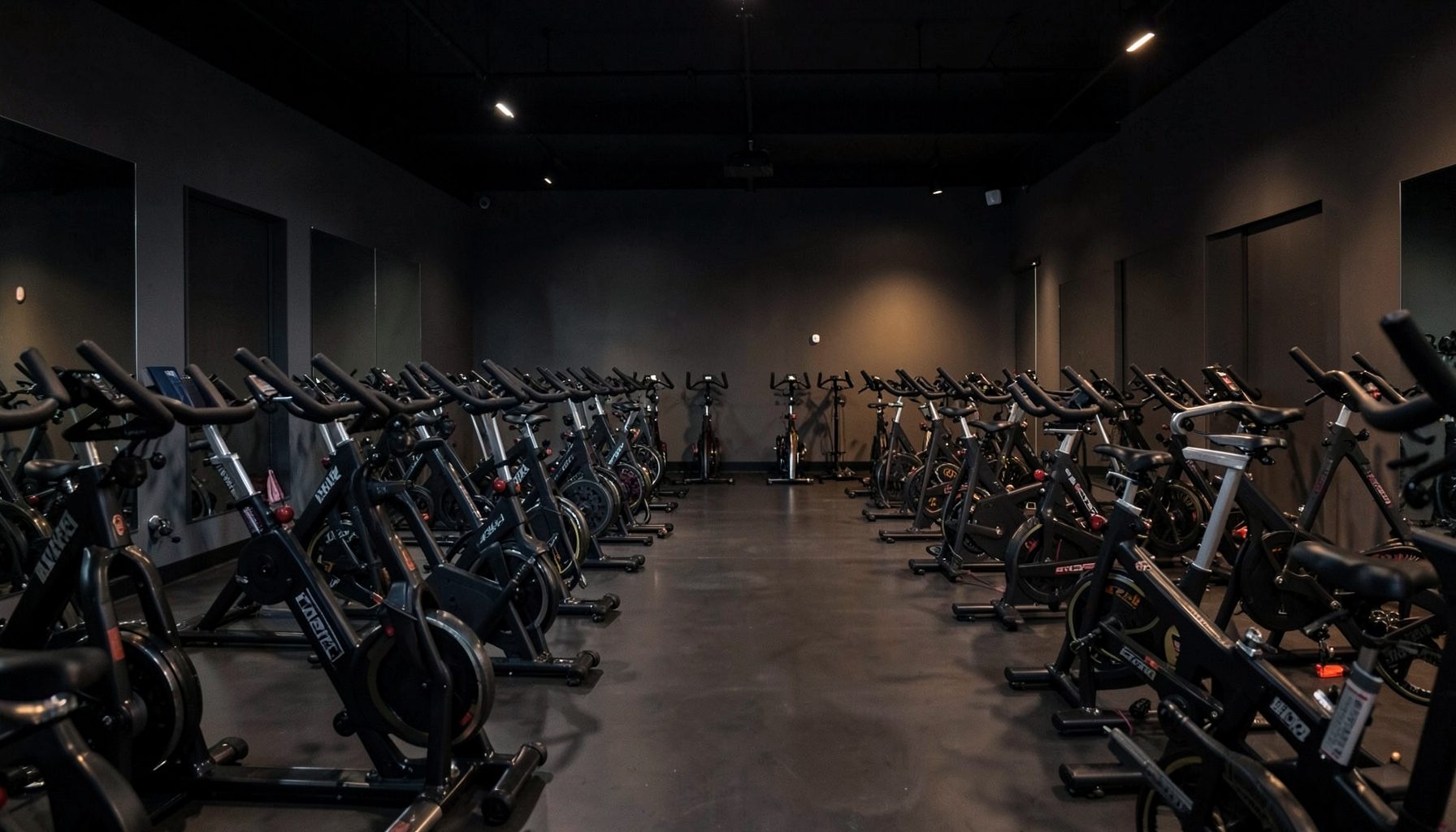
Normatec boot recovery and cryotherapy treatments help athletes bounce back faster. Cycle and spin classes add a cardio dimension to the holistic performance approach.
Have a Question?